Week-4 Challenge WOT Condition Part-2
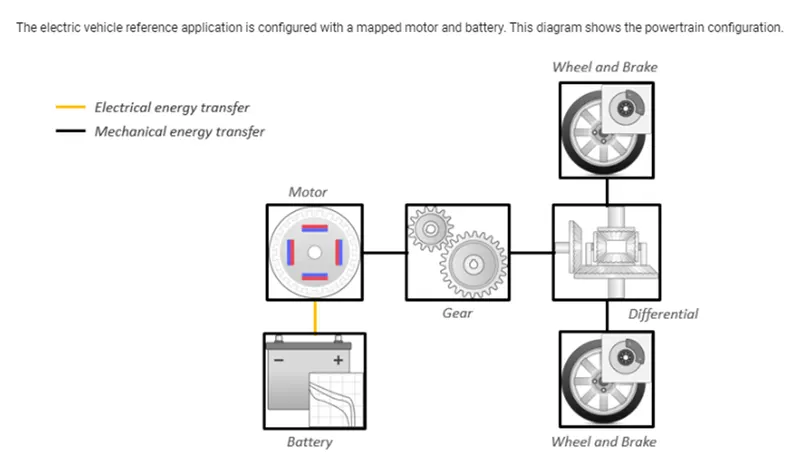
1. What is the difference between Mapped and dynamic model of engine, motor and generator? how can you change the model type?
Engine,
Mapped Model: - Mapped model is static model, static model work faster and it run based on given data on lookup table. Mapped Engine models are suitable for analysis and design activities that do not require engine subsystem dynamic characteristics.
Dynamic Model: -Dynamic Model is actual model, it is going to represent actual component. Dynamic models are used when the internal response to a model with respect to its components is needed.
Motor,
Mapped Model: -The Mapped Motor block implements mapped motor and drive electronics operating in torque-control mode. The output torque tracks the torque reference demand and includes a motor-response and drive-response time constant. Use the block for fast system-level simulations when you do not know detailed motor parameters, for example, for motor power and torque trade-off studies. The block assumes that the speed fluctuations due to mechanical load do not affect the motor torque tracking.
Dynamic Model: -The dynamic motor model uses a real time or instantaneous value of the motor power and torque values by the running behaviour of the motor speed.
Generator,
The Mapped generator model take lookup table power value from engine. From that value give output to motors or change the battery capacity. And the dynamic generator takes instantaneous power output value from the engine and gives to the power to charge the battery.
How can you change model type?
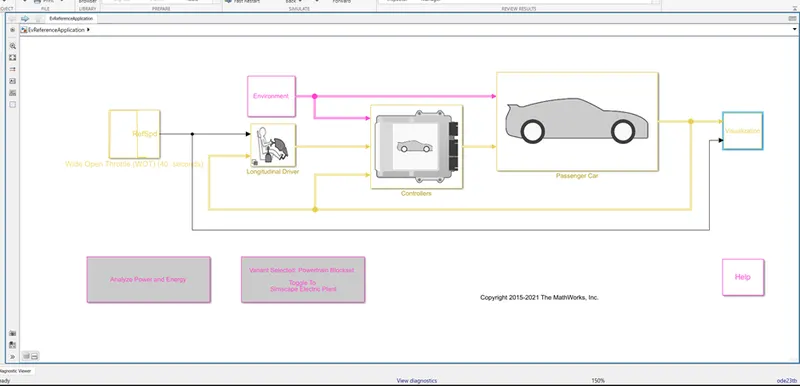
Frist open EV reference application from ‘Powertrain Blockset -> Get Started -> Getting Started with Powertrain Blockset -> Explore the electric Vehicale Reference Application.
Now double tap Passenger car Block, then Electric Plant -> PowerTrain Blockset -> Motor Block
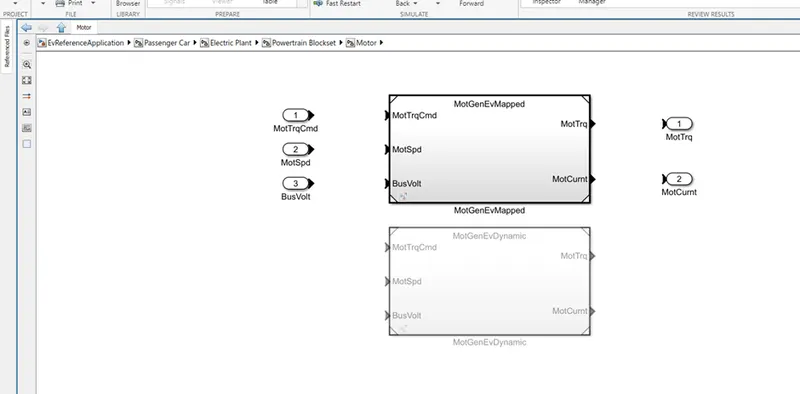
Now Right-click on empty space, there select option called ‘Variant’
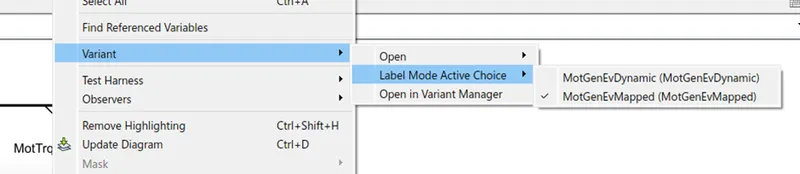
There you can find option label mode active choice, by default ‘MotGenEvMapped’ is selected.
2. How Does the model calculate miles per gallon? Which factors are considered to model fuel flow?
This Simulink block you can find in Visualization -> Performance Calculation
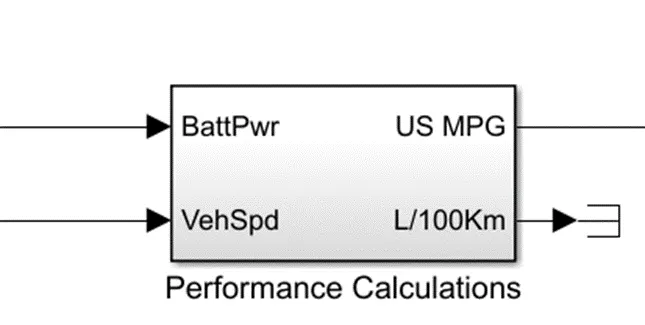
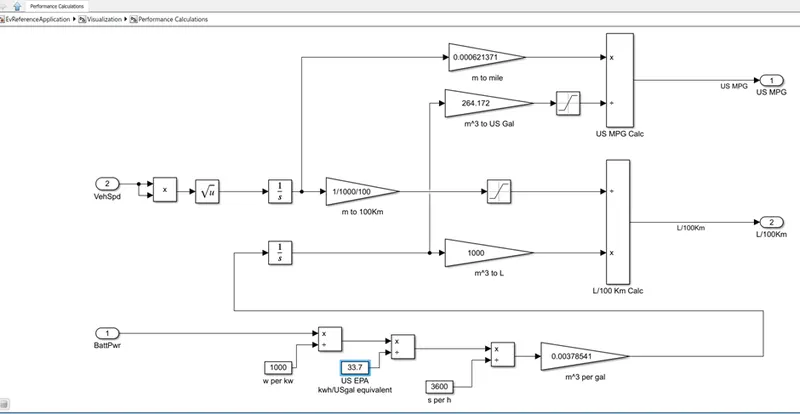
As, this model shows in output 1st is Us Mile per Gallon and 2nd output is Litre per 100km. But here we see output 1st.
As we see,
- From input 2, The battery power is taken in watt (W) and divided by 1000 to convert into KW
- The resultant power us Divided by ‘7 (Kwh/Usgal)’ (: - As per the constant US EPA value).
- Now, converting this value US gal/s into Us gal/h by divide of 3600.
- This value multiply by 0.00378541, so we get value in ‘m^3 per gal’
- Now, this value is taken and then integrated so that we obtain value in (m^3)
- This value multiply by 264.172 to convert m^3 to US Gal.
- Now this value is goes through saturation block to obtain saturated value.
- In other input 1, vehicle speed is taken. This speed value is squared and then square root is taken in order to remove negative value then integrated to meter (m).
- This speed value multiply by 0.000621371 to convert m to mile.
- Dividing distance travelled in miles by number of US gallons we get US MPG
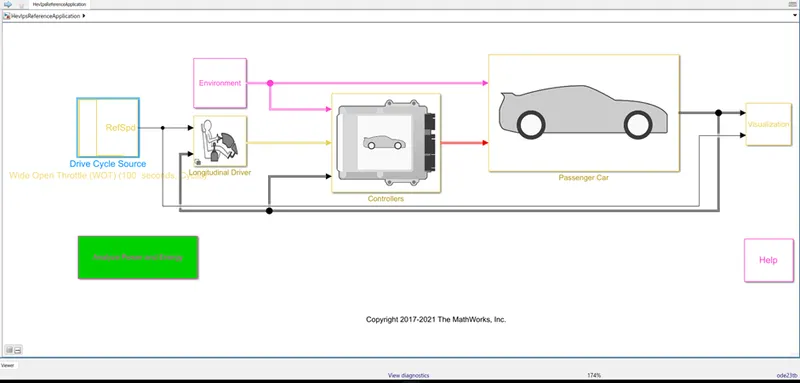
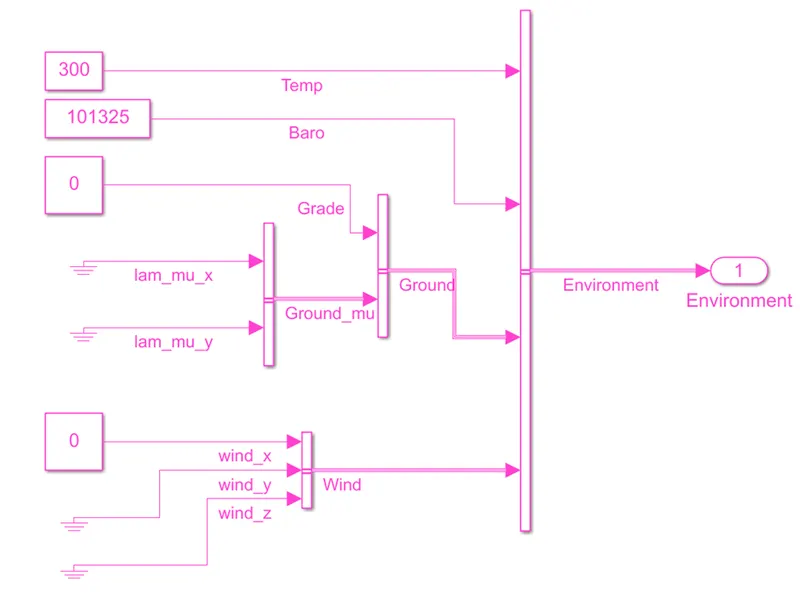
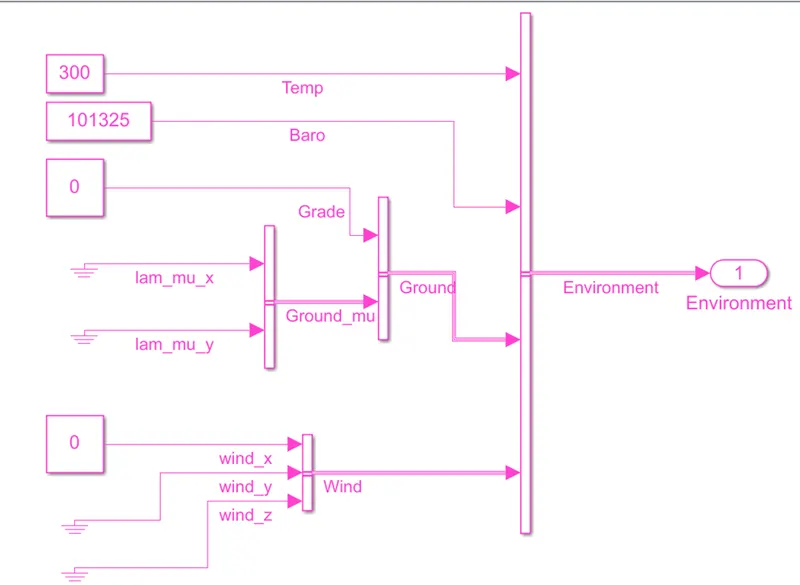
3. Run the HEV reference application with WOT drive cycle. Change the grade and wind velocity in the environment block.
Open HEV reference application from ‘Powertrain Blockset -> Get Started -> Getting Started with Powertrain Blockset -> Explore the Hybrid Electric Vehicle Input Power-Split Reference Application.
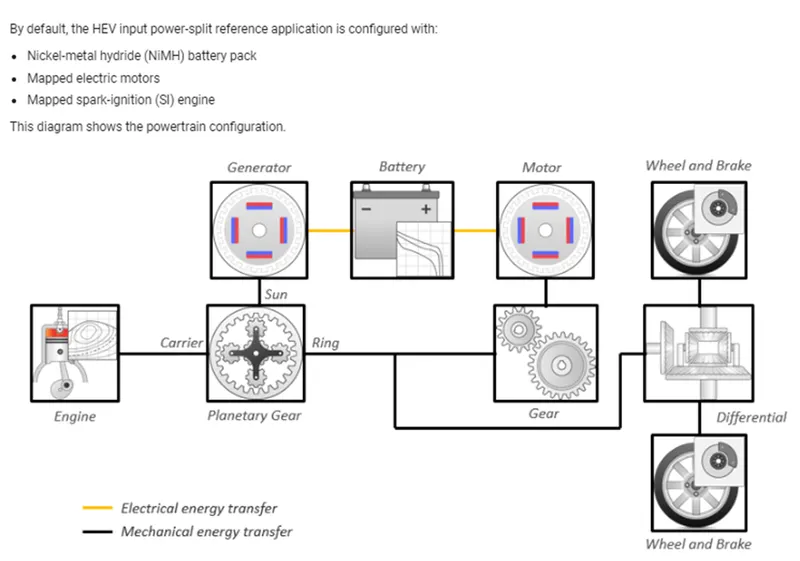
Run the HEV ReferenceApplication with WOT drive cycle.
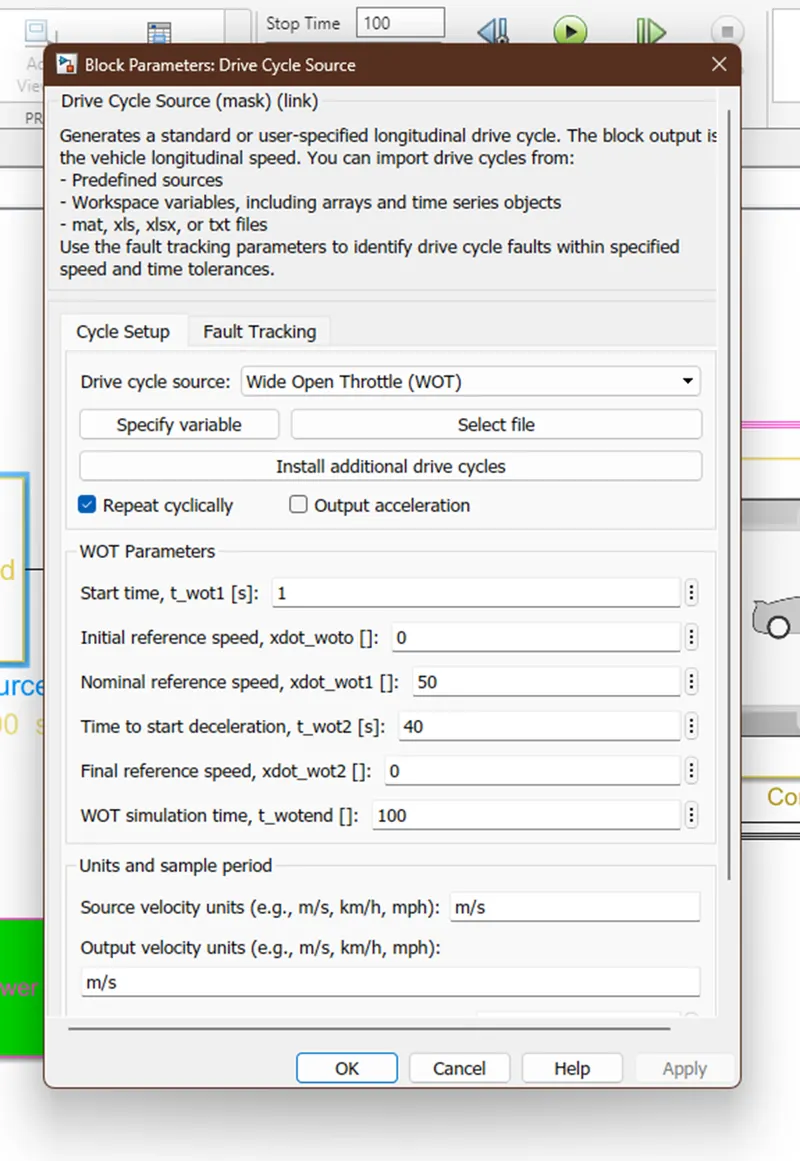
Setting WOT Drive cycle Parameters.
Here Grade = 0 ; Wind velocity = 0;
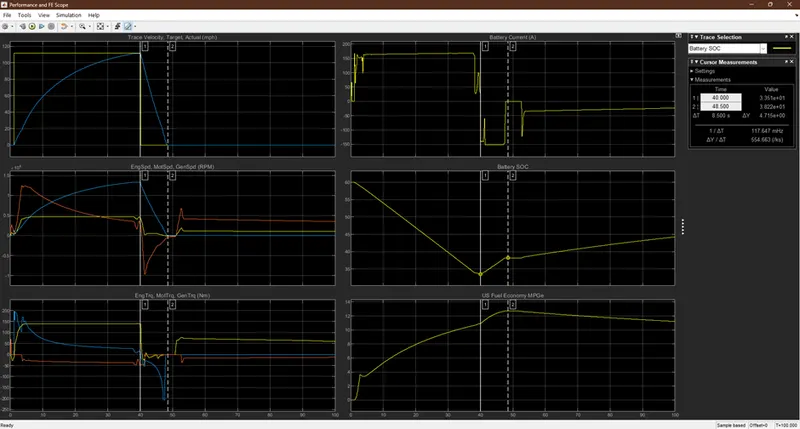
Grade = 4; Wind velocity = 0.
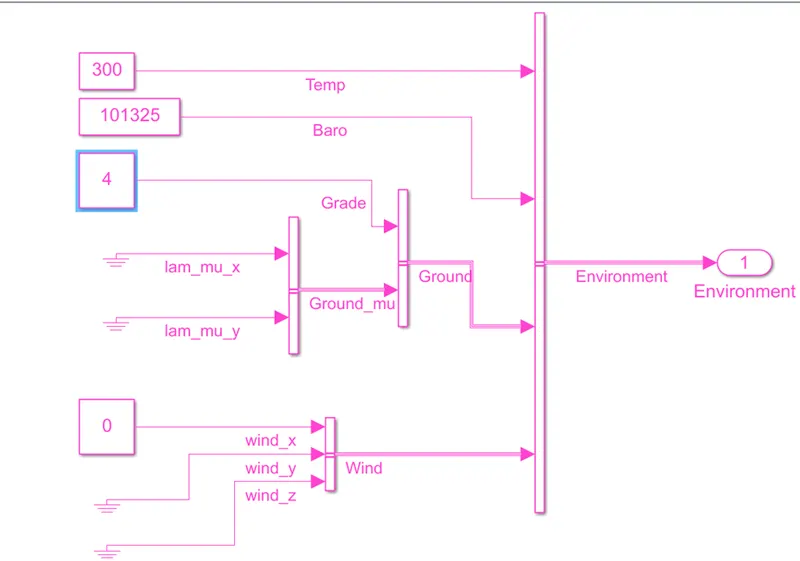
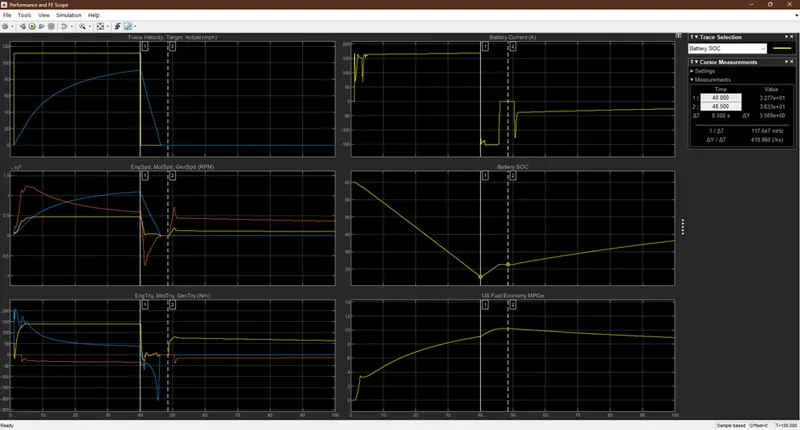
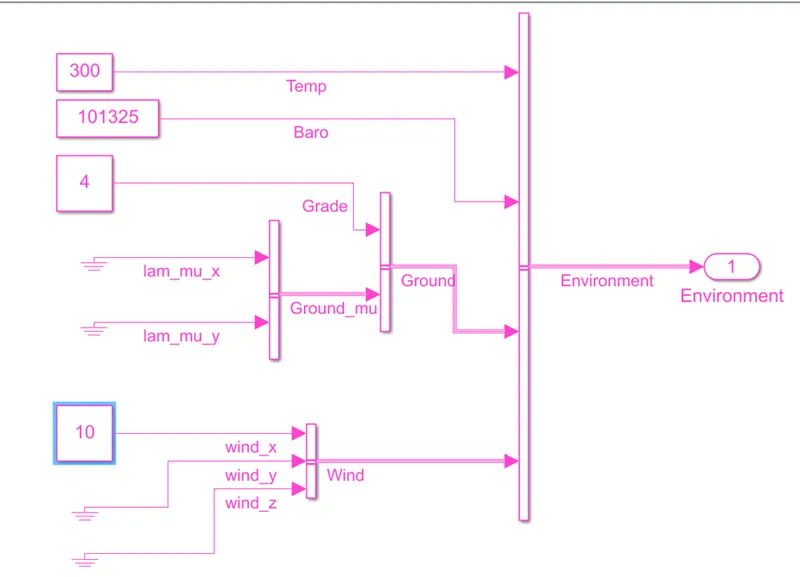
Grade = 4; Wind Velocity = 10
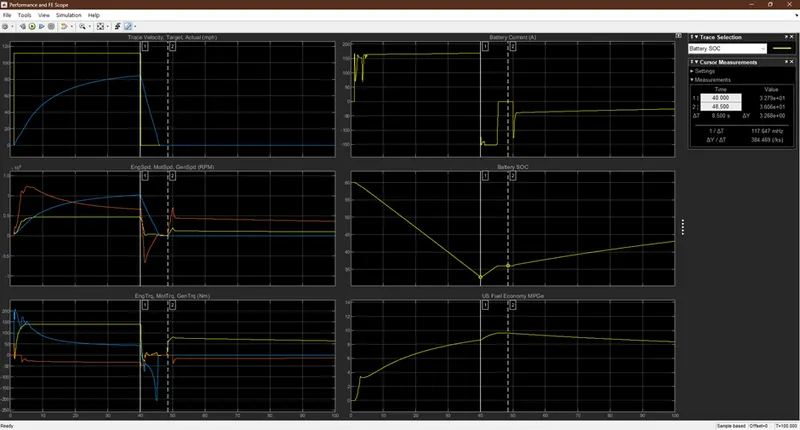
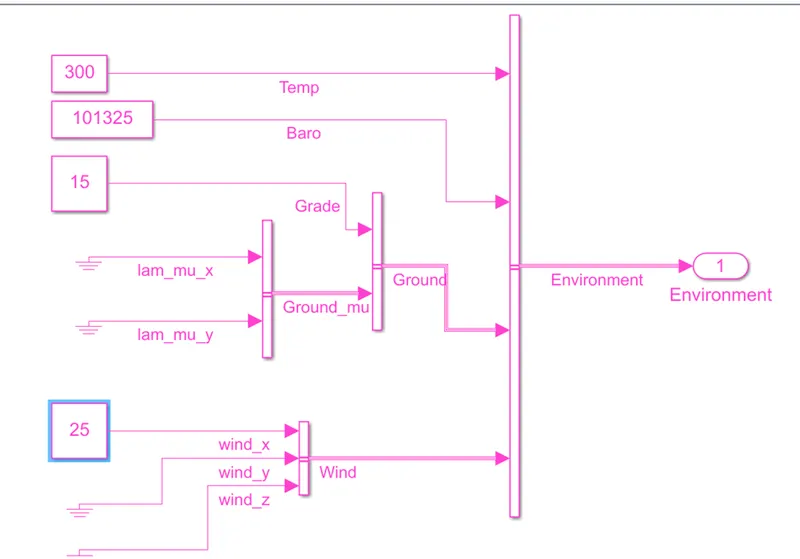
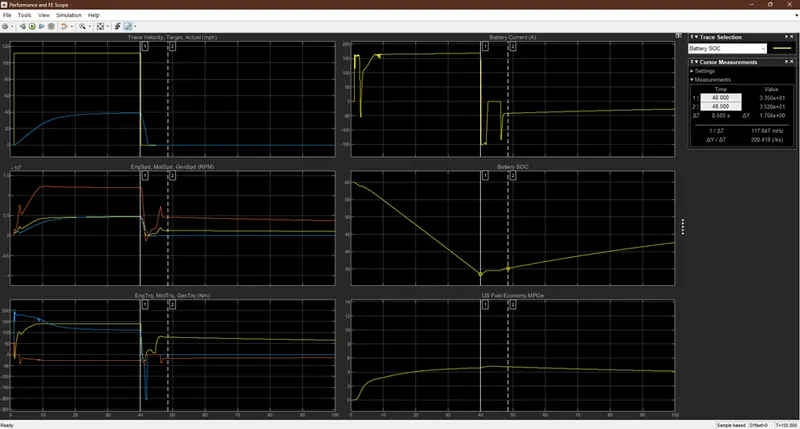
Grade = 15; Wind velocity = 25.
Results: -
- Increasing in Grade and wind velocity are so much effect on vehicle model.
- Target Actual velocity is reduced due to increase in grade and wind velocity.
- Fuel economy also affected, decreasing in deceleration time reduced so capacity of battery recharging reduced.
- Battery SOC are same when WOT acceleration is same it is decreasing fast but deceleration battery SOC is increasing due to no acceleration.
4.Keeping all other parameters same, compare the simulated results of hybrid and pure electric powertrains.
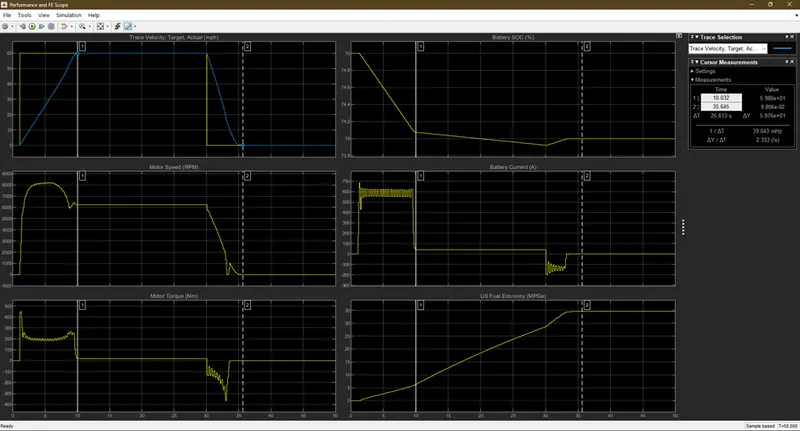
Simulation is done for 50 seconds and default WOT cycle is used for both powertrains.
Grade and wind velocity is 0.
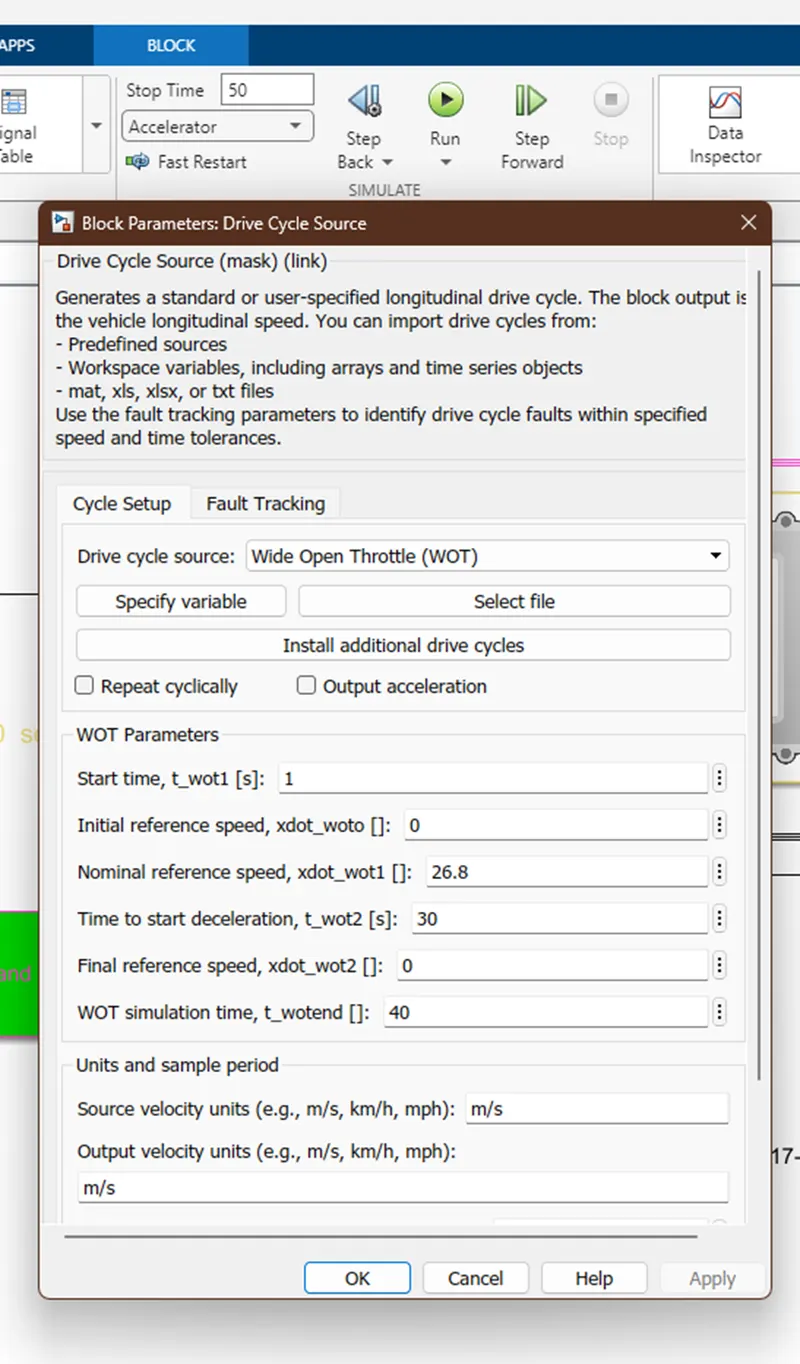
Grade and wind velocity are 0.
EV reference application
Simulink Model
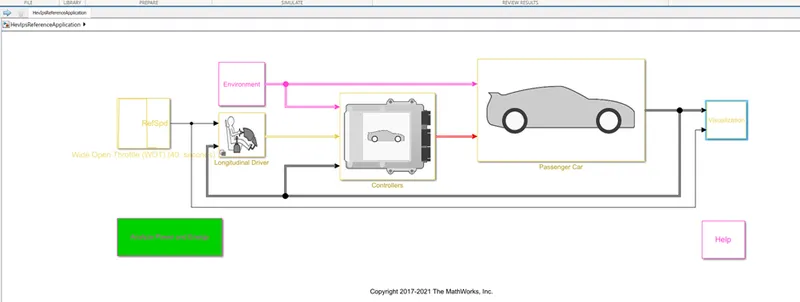
HEV reference application
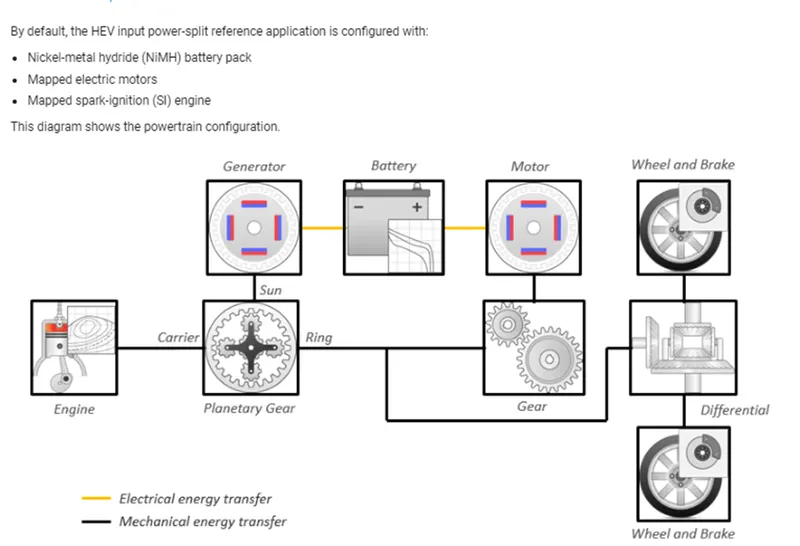
Simulink Model
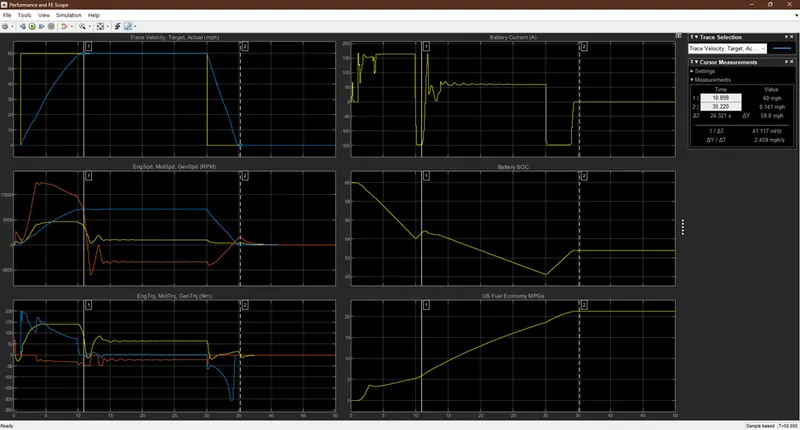
Comparing both graphs,
EV
HEV
- Accelerating time is less in EV because of less weight as compare to HEV.
- High Motor rpm and torque in EV also reduced accelerating time. Because HEV have less rpm motor compared to EV.
- Deceleration time is less in HEV as it has many moving parts.
- Fuel Economy is more for an EV compared to HEV due to less of moving part (Weight of Vehicle).
- In EV battery SOC change is 1-2 % but in HEV change is 10 to 12%
- Thus, we conclude that Electric Vehicle is advantage over Hybrid Electric Vehicle