Week-4 Challenge WOT Condition Part-2
1:What is the difference between mapped and dynamic model of engine, motor and generator? How can you change model type?
Mapped models :- are basically models which has a dataset of outputs mapped corresponding to the given inputs and these lookup tables are mapped or generated in the real world experiments whose outputs are calculated and stored to form these datasets corresponding to different inputs given during the experiments and these mapped models which are already in built and these we will use for our experiment accordingly
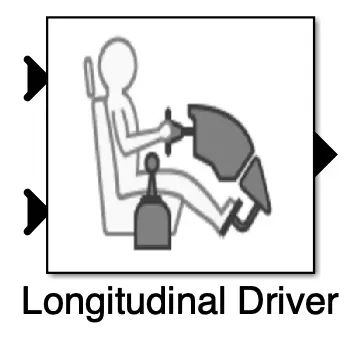
to demonstrate an example on the mapped model, clicking on the mapped model we can see the different inputs such as velref ,velfdbk and the output to this is accelcmd and decelcmd info of the driver model
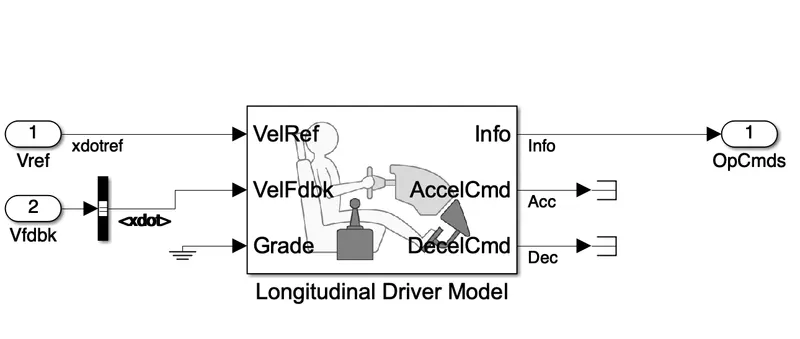
Dynamic models:on the other hand the real time simulation models are doesnot have the datasets stored corresponding to the given inputs the random inputs are fed and model simulates to give results based on the inputs on the inputs it simulates using real world scenarios in the form of subsystems and blocks to give the output.
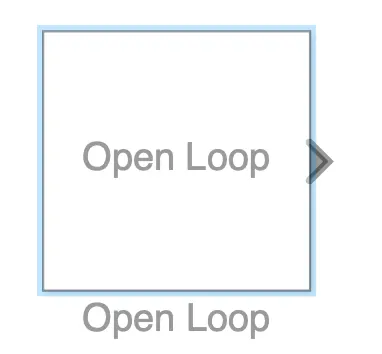
in case of the dynamic model when we clicked shows the model we can no of inputs have increased and instead of feeding the inputs to the lookup tables the inputs such as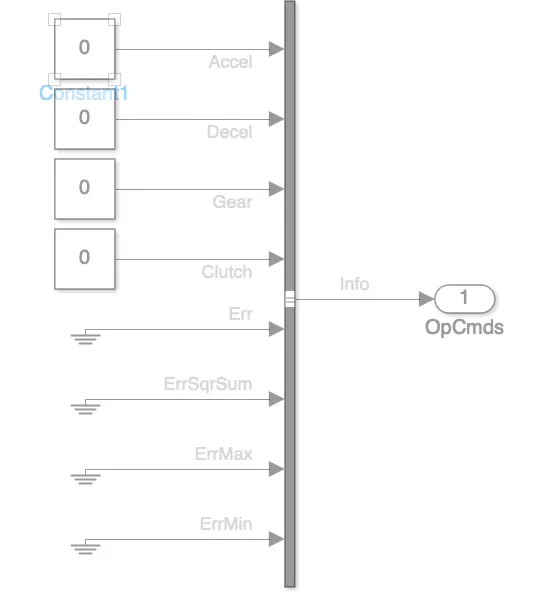
accel,decel,gear and the clutch these inputs are used to calcluate the same outputs as received from the mapped models but in this case, calculated under the real time simulation.
to change the model type go to motor model blockset right click ,go to variant ,Click on label model active case and then click on mapped or dynamic model as per the requirement.
--------------------------------------------------------------------------------------------------------------------------------
2:How does the model calculate miles per gallon? Which factors are considered to model fuel flow?
for this problem i have taken model as hybrid electric vehicle multi mode refernece and to understand how model calculates miles per gallon follow the path
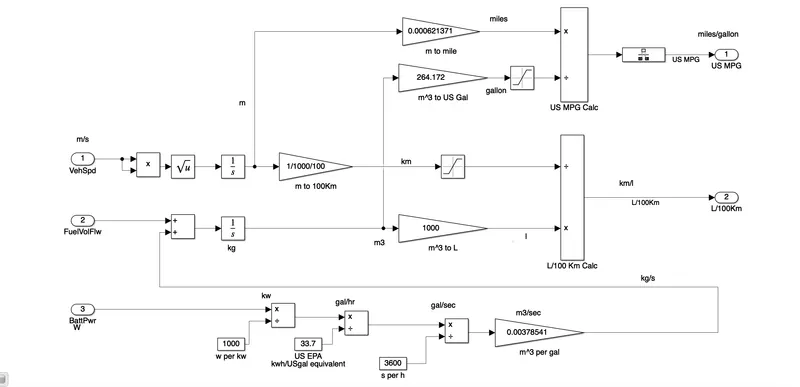
from the reference model --visualization--performnace calculations
there are three inputs which gives the 2 outputs
the inputs are: vehicle speed (m/s),fuel flow(kg/s),battery power(w)
the outputs are : miles/gallon and km/l
the vehicle speed is converted in to miles and divided by volume obtained by dividing the kg of fuel with its density and then converted into gallons to obtain miles/gallon .
W is converted into equvalent kg/s of fuel and then added to actual fuel flow to ibtain km/l
factors that are considered for fuel flow includes vehicle velocity,fuel flow and battery power .Battery power is converted into equivalent gasoline flow and then the fuel flow is calculated.
------------------------------------------------------------------------------------------------------------------------------------
3:Run the HEV ReferenceApplication with WOT drive cycle. Change the grade and wind velocity in the environment block. Comment on the results.
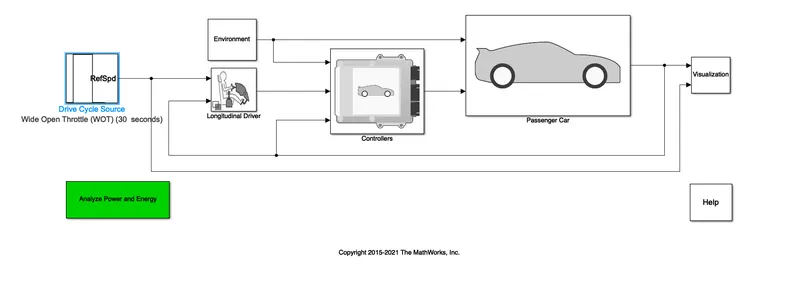
for this problem ,hybrid electric vehicle multimode reference model is used and the wot cycle as the reference input
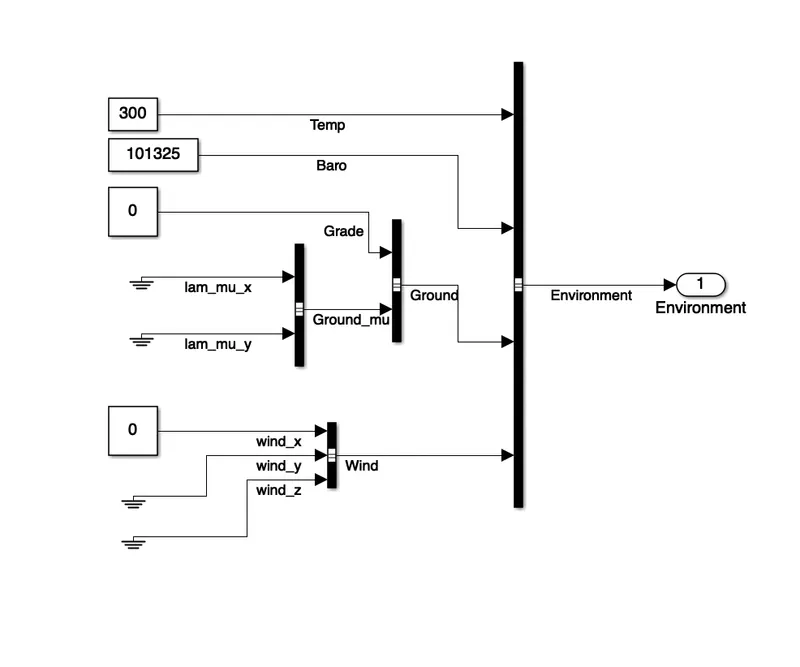
initially when we open the environment block we see all the parameters as per the above shown figure and
now, the simulation case 1
1:grade=0 ; 2:wind flow=0;
as we see that as there is no grade and the no windpower is present, vehicle is able to achieve its maximum speed with the battery power itself and instead takes time to reach maximum speed this is due to maximum power and the motor power is more with more ampere maximum velocity has been reached earlier
now,simulation case 2:
1:grade=10 ;2:wind flow=10
as we compare to case 1 as there is a wind flow and grade by this we can say that the desired velocity is not achieved and power of the battery is not sufficient enough to run the vehicle this the time when plays its role when the battery is charged also during braking current goes negative which indicates regenerating braking at this charge the battery which which can now run the miles which would be diificult in the absence of engine as the velocity increases the accleration and the battery current increases and the decreases during deccleration and goes negative this impiles the battery is recharging.
------------------------------------------------------------------------------------------------------------------------------------
4:Keeping all other parameters same, compare the simulated results of hybrid and pure electric powertrains
for this problem, hybrid electric vehicle multimode reference model is considered and by using the reference input as the wot cycle
now,simulation case1
1:grade=0; 2:windflow=0
as we compare the both the hev and ev as we see that the both the hev and ev will take appormately same speed to ataccleration to maximum speed in case of the hev the battery currents runs more amperes than the ev because intiallly motor takes the load and later engine supports due to which maximum speed in case of hev is achieved more than that of ev.
case 2
1:grade =10 ;2:windflow=10
as we compare both the hev and the ev as we observe the current in case of the hev goes negative for the longer time than that of the ev and which shows better regenerating braking and battery charging in case of pure hev as we can conclude that the regenerating braking is better in case of hev.
this explanation is based on the assumptions by watching the lecture videos and there is an issue in the software so i raised a ticket and the techical team they told that they are working on it the ticket no#813899 so due this error i couldn't submit the graph results i just gone through the videos couple of times and made this explanation.