Week-4 Challenge WOT Condition Part-2
Que.1.What is the difference between mapped and dynamic model of engine, motor and generator? How can you change model type?
Ans:
A)The difference between mapped and dynamic model of engine:
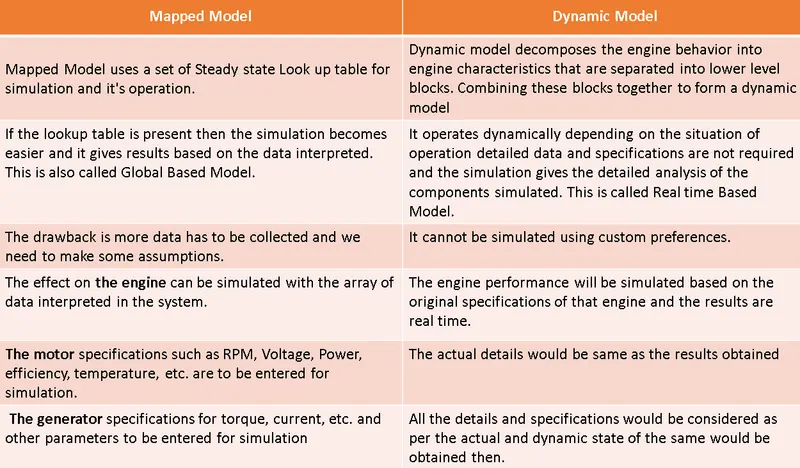
1)Mapped model of engines:Mapped engines represent macro engine behavior as a set of lookup tables (brake torque, fuel flow, air mass flow, exhaust temperature, efficiency, and emissions) as functions of commanded load and measured engine speed. Mapped engine models are suitable for analysis and design activities that do not require engine subsystem dynamic characteristics, for example, in engine and transmission powertrain matching analysis for fuel economy, emissions, and performance tradeoffs.
2)Dynamic model of engine:Dynamic engines decompose engine behavior into individual component models that account for engine dynamics, most notably intake airflow and turbocharger dynamics.Dynamic engine models are suitable for designing control, estimator, and diagnostic algorithms that depend on dynamic subsystem states, for example, in closed-loop AFR control algorithm development.
B)The difference between motor and generator:
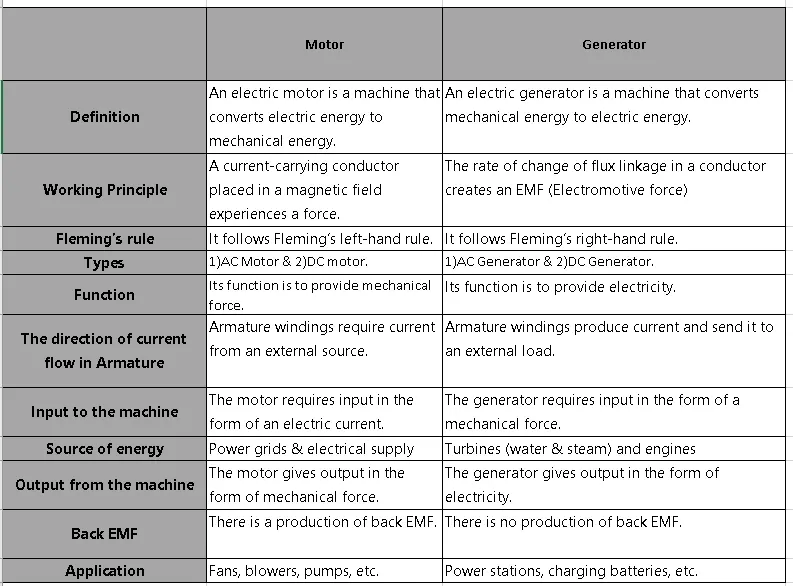
C)The difference between mapped and dynamic model:
D) Step to change model type:
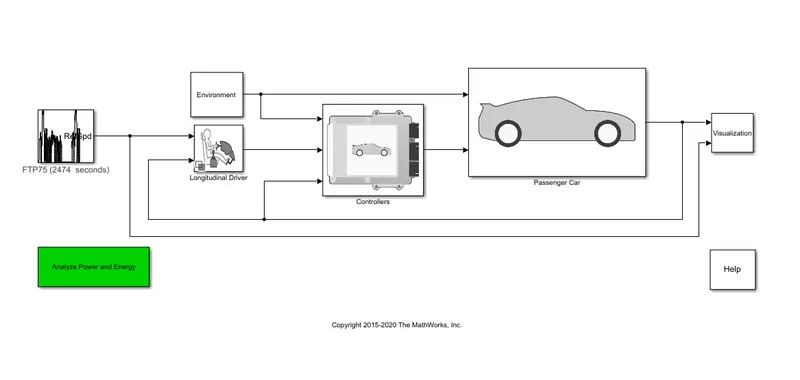
Step 1: Open the EV Reference Model of matlab powertrain file as seen below.
Step 2: Go to MODELING -> Variant Manager -> Varient Configuration Object.
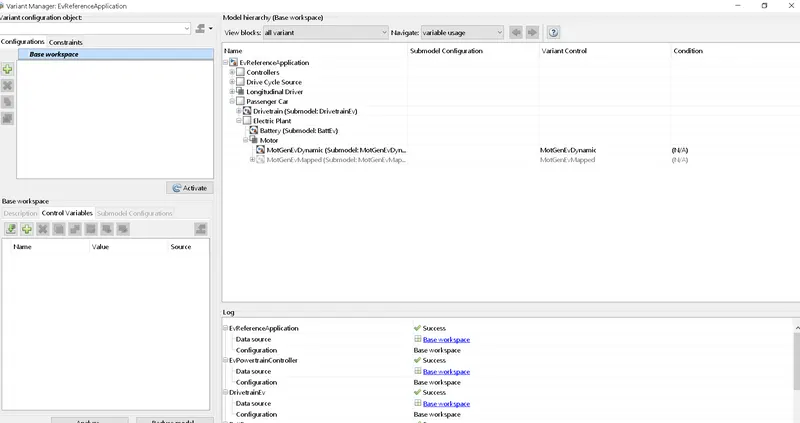
>>Click on motor.
>>Select/Click on model of your choice to change.
>>Right click and select following options to change the model.
>>set as Label Mode Active Choice
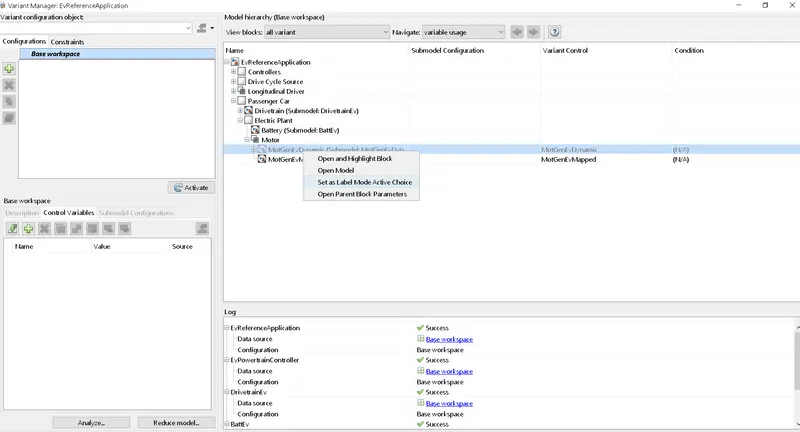
>>Click on Activate.
Que.2.How does the model calculate miles per gallon? Which factors are considered to model fuel flow?
Ans: MPG or Miles per gallon, is the distance mesured in miles, that car can travel per gallon of a fuel. MPG is also primary measurement of car's fuel efficiency; higher a car's MPG , the more the fuel efficient it is but in this we using electric vehicle so we can calculate it by distance travel by vehicle per unit electricity consumed & for HEV, we used both for finding efficiency of vehicle.
A)Performance Calculation of HEV Reference model:
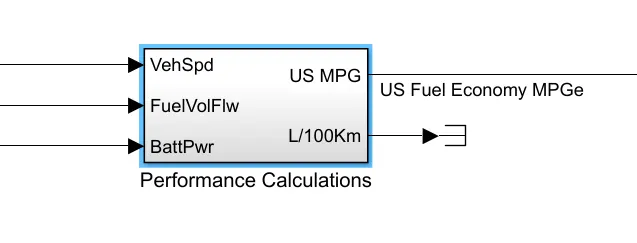

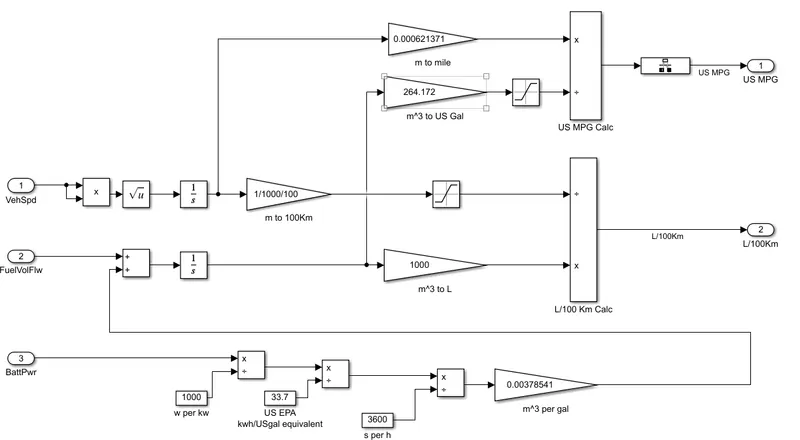
The model taken above is of HEV Reference model, where both fuel injection for engine & battery power for motor is employed.The final output/fuel efficiency is calculated by keeping in consideration of battery output, fuel output & vehicle speed/distance travel.
- The block is shown above is used to represent the miles per gallon of the vehicle ie the amount of fuel consumed by the vehicle . However, though this is an HEV and the amount of battery consumed is need to be taken into account. But as the battery provides the current, directly it can not be taken into consideration. The blocks shown below are nothing but converting the bottery used while running the vehicle into equivalent fuel quantity . As the vehicle engine is running on certain fuel, it is necessary to convert this battery use into equivalent quantity.
- After integrating the velocity, we get distance which is needed to be converted into proper units. Like what is there converting meter to miles . For converting the units gain blocks are used . Saturation block is used to give upper and lower limits for distance.
- A product blocks are provided in order to get the final output os per requirement . For example , after converting the fuel unit and distance into miles and gallon , a product(divide) block is provided which consist of & /* which will convert the two separate quantities into miles per gallon .
- Factors considered for the fuel flow are velocity, fuel used and battery. Here the fuel like gasoline(petrol) and battery both has to be considered while calculating the fuel economy. However, the battery can not be directly considered, so a converter is needed which is shown above. Also in order to obtain the distance covered by the vehicle, it is necessary to find the displacement.
- In order to get the displacement it is necessary to do integration the velocity. After this , it is necessary to convert the units and it is done by the gain blocks .
B)Factors affecting the fuel efficiency are listed below:
1) Vehicle Speed
2) Battery Power
3) Fuel Flow
Que.3.Run the HEV ReferenceApplication with WOT drive cycle. Change the grade and wind velocity in the environment block. Comment on the results.
Ans:
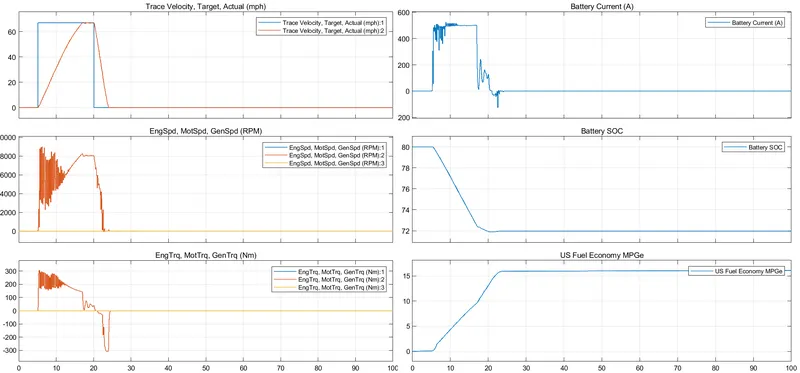
A) The HEV ReferenceApplication with WOT drive cycle:
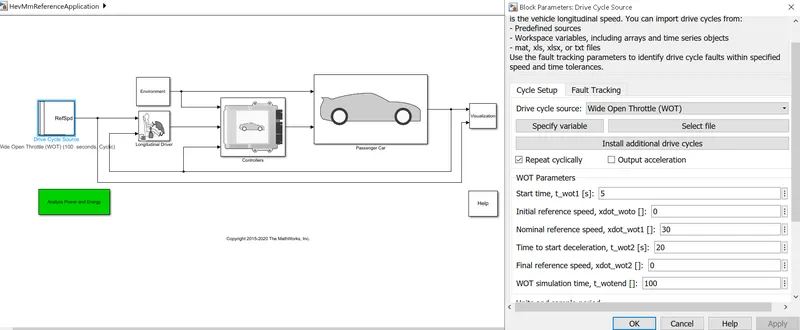
Observations:
Performance & Fuel Economy Scope:
B)MAKING CHANGES TO WIND VELOCITY AND GRADE:
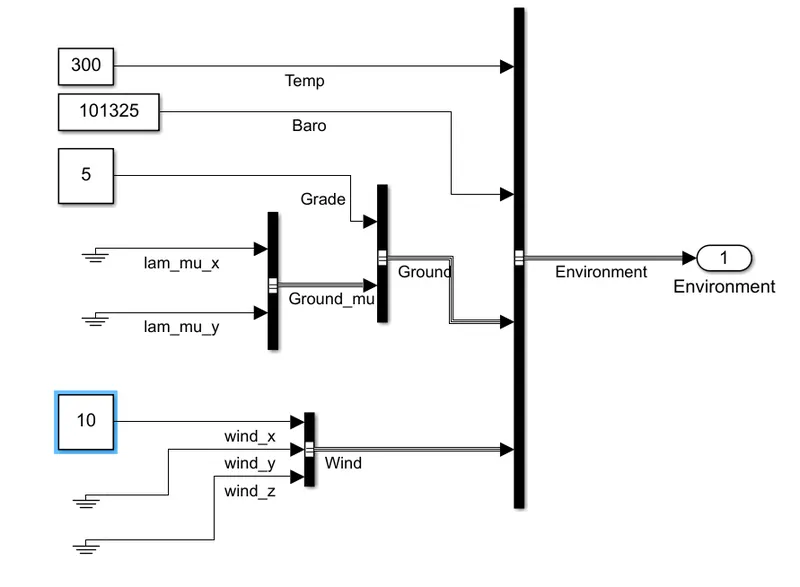
Velocity and grade is found in enviroment block.
Set Grade =5; Wind velocity =10;
MAKING CHANGES TO WIND VELOCITY AND GRADE
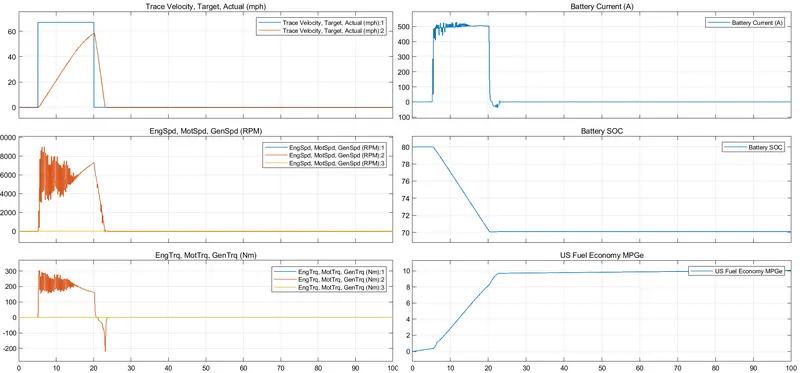
Observations:
Performance & Fuel Economy Scope:
Result/Conclusion:
1)For Trace velocity plot no change observed in both condition.
2)In engine, motor & generator speed plot no change observed in both condition.
3)For torque plot of engine, motor & generator slight change observed in 2nd plot compared to 1st plot.
4)Increase in battery current observed in 2nd plot compared to 1st plot.
5)Decrease in Battery SOC observed in 2nd plot compared to 1st plot.
6)Decreased in fuel economy observed in 2nd plot compared to 1st plot.
Que.4.Keeping all other parameters same, compare the simulated results of hybrid and pure electric powertrains.
Ans:
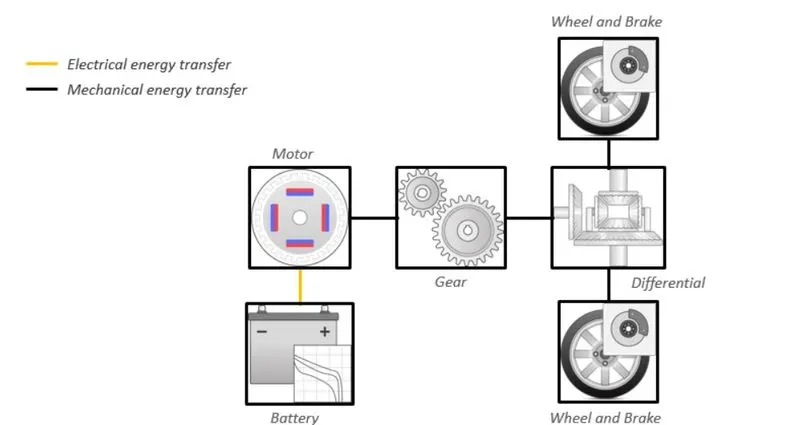
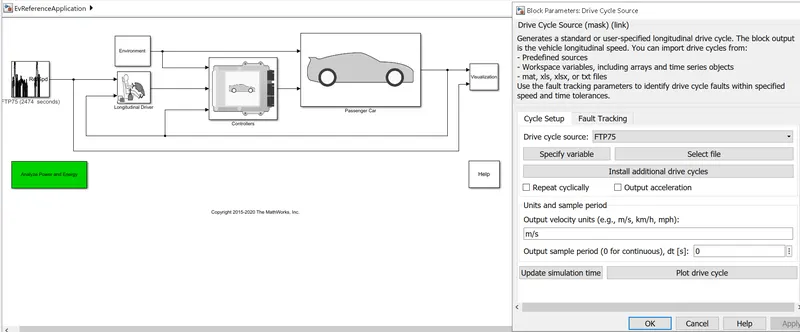
1)Pure electric powertrains:
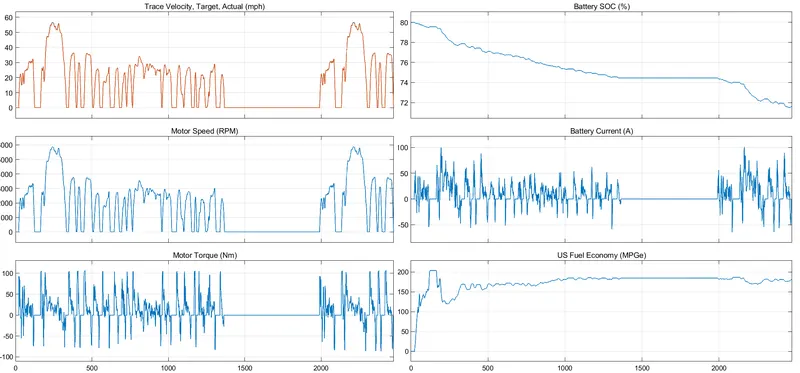
Performance & Fuel Economy Scope Results:
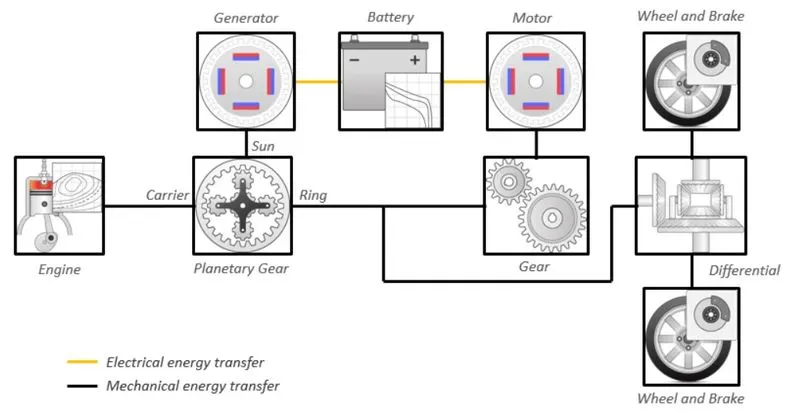
2)Hybrid powertrains:
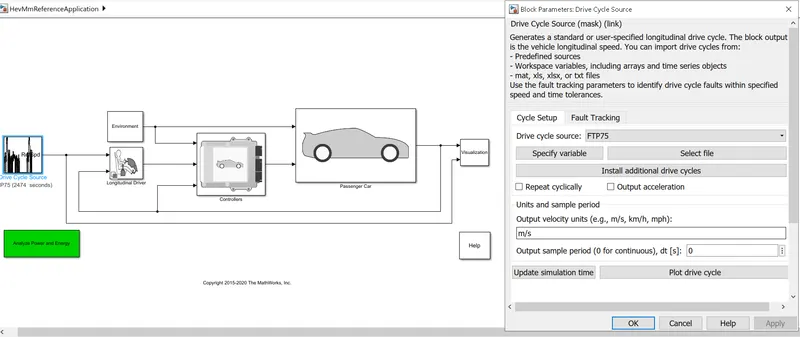
Performance & Fuel Economy Scope Results:
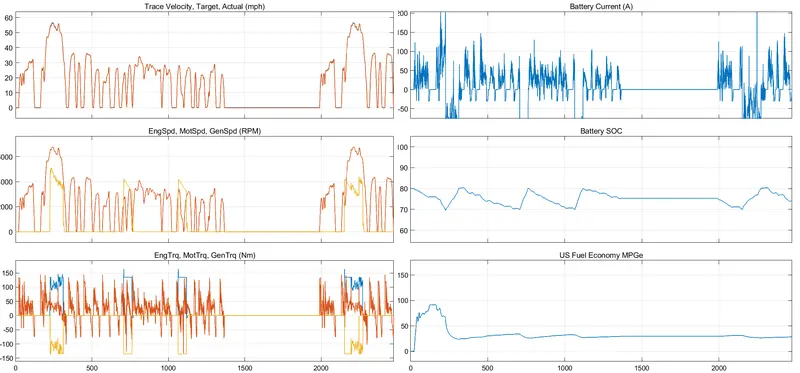
Results/Conclusion: While comparing both the simulation results, it is observed that if we select same drive cycle for both the powertrain model then in trace velocity plot no change observed.For speed & torque plot in pure electric powertrain we get only motor speed & torque plot while in hybrid powertrain model we get the engine,motor & generator plot.The main difference is seen in Battery SOC, Battery current & Fuel economy plot where in pure electric powertrain model, higher Battery Current & SOC observed & lower Fuel economy observed & for hybrid powertrain model vice versa observed compared to pure electric powertrain.