Week-4 Challenge WOT Condition Part-2
- What is the difference between mapped and dynamic model of engine, motor and generator? How can you change model type?
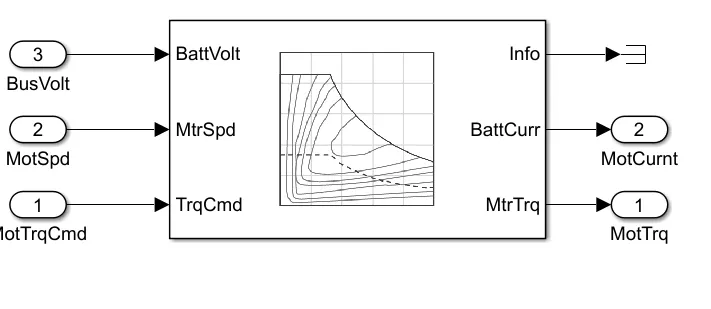
Mapped model-
- The map model is in which data is preasigned in the look up table.
- Here the required motor configuration is given for the required motor system which is working on.
- The required motor torque is sensed and the motor generates the requiered torque output just as required simply without considering in the real time system.
- The output values are already stored for the given motor torque input.
- The accuracy of this model is not that high because the condition which it works on is ideal.
Dyanmic model-
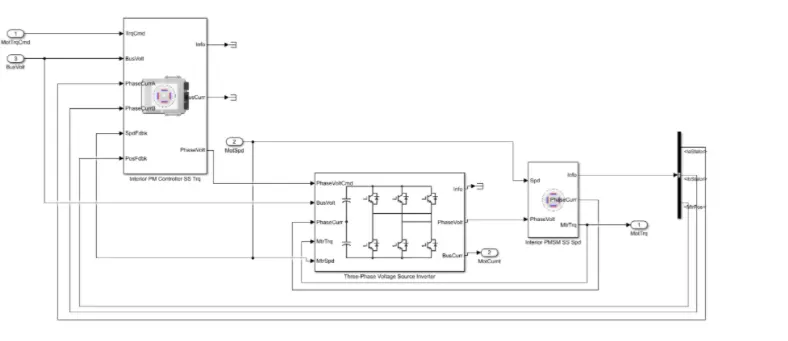
- This works on the real condition of the system.
- This has many subsystem in which it works on, and the values are calculated in real there is no predefined look up table in the table.
- As per the drive cycle requirements the initial Bus voltage ,current is given along with the vehicle feedback so that it runs the actual simulation at that particuclar moment throught the drive cycle.
- The ooutput of the system is very high as the system which it works on are real.
- The simulation of the system takes very long.
How can you change model type?
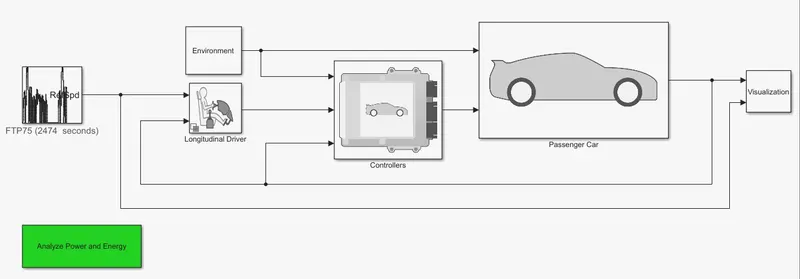
- In the powertrain block set select the type of vehicle needed.
- then the work flow of the model gets opened.
- then after select the passenger car subsystem.
- After this just right click and go to Variance Label mode Active choice MotorGenEV Mapped or Dyanamic.
How does the model calculate miles per gallon? Which factors are considered to model fuel flow?
- The Vehicle speed is a important factor while considering the fuel consumption at that particular time,so to determine the fuel consumption throughout the drive cycle.
- The amount of Fuel Energy required to move a engine powered car through a distance is determined and then it is compared to the eqivalent amount of electric energy required to move the car throgh the same distance and is expressed as the miles per gallon
- In case of petrol or diesel cycle then it's compared with how many kilometer can vehicle drive for given gallon of fuel.
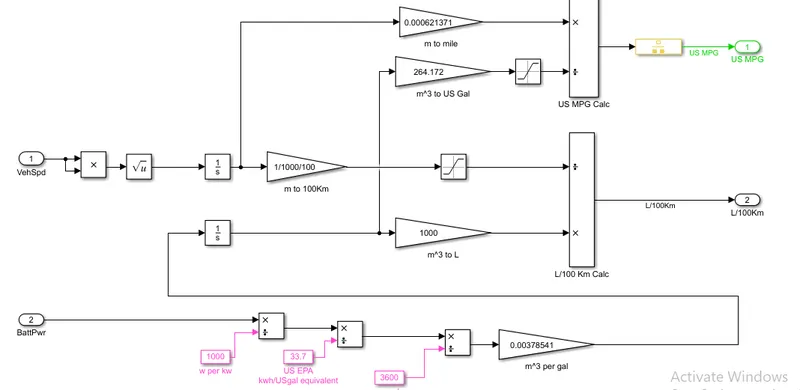
- The above model takes the input of the Vehicle speed , Fuel flow and Battery power to calculate the fuel consumption and the equivalent battery consumption and calculates the miles per gallon.
First we convert killowat to watt by dividing power output by 1000.Next the conversion is kw to usgal/h which is done by dividing it by 33.7,and tthen it's converted into seconds by dividing it into 3600 and for conversion of usgal/sec to m^3/sec multiply it with 0.00378 and for conversion to m^3/sec to usgal multiply it with 264.192.
The factors that are considerd to model fuel flow-
- vehicle speed
- fuel volume used.
- battery power required
- vehicle load
- weather/enviornmental condition
- angle of climb.
- driving cycle
3.Run the HEV ReferenceApplication with WOT drive cycle. Change the grade and wind velocity in the environment block. Comment on the results.
Model without any change in the parameter-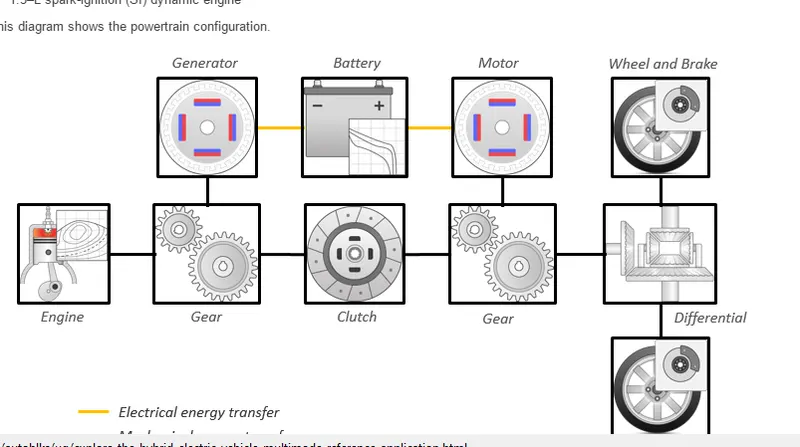
model selected with wide open throttle for the study of hev refrence application and it's a hybrid case where bith the engine and motor running parallel.
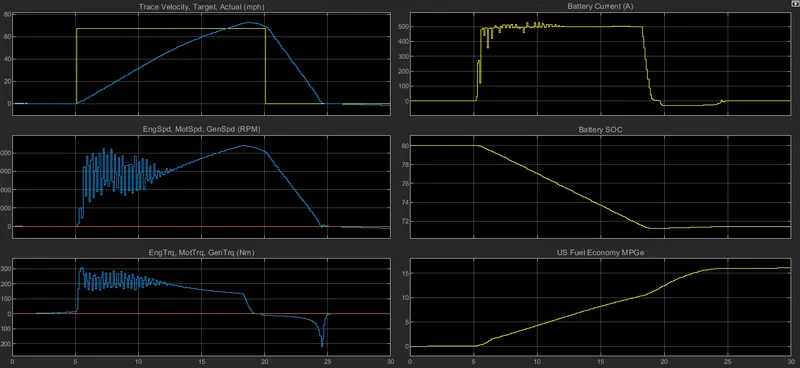
The output from the graphs are
1)From first graph we can see that the desired velocity has been reached but not to the desired required path, there has been difference betwen the path of both of them.
2)In 2 d graph we can conclude that there has been no need of generator or engine in the process as the engine rpm and generator rpm has been zero and the vehicle is running on the motor and the top rpm has been approximately 9000.
3)In the 3rd graph it can be seen that the motor torque has been highest 300N-m and there has been negative torque which is indicating it's acting as regenerative braking system.
4)In the 4th graph it has been indicating the required current required more during accelerating of the vehicle and later it has gone negative due to deccelarating of the vehicle.
5)The current plays important role in the accelerating of the vehicle as it decides how fast the car can reach the required velocity.
6)From the 5th graph we can measure the soc of the vehicle, As the Soc gets decreasing as the vehicle trying to reach the required speed.And from the last and final graph we can see that if the vehicle has been running with the fuel or petrol hoe much would have been consumed.
Model with change in parameter-
In this the gradde angle has been changed to 12 and the velocity to 12 and keeping all the parameters the same.
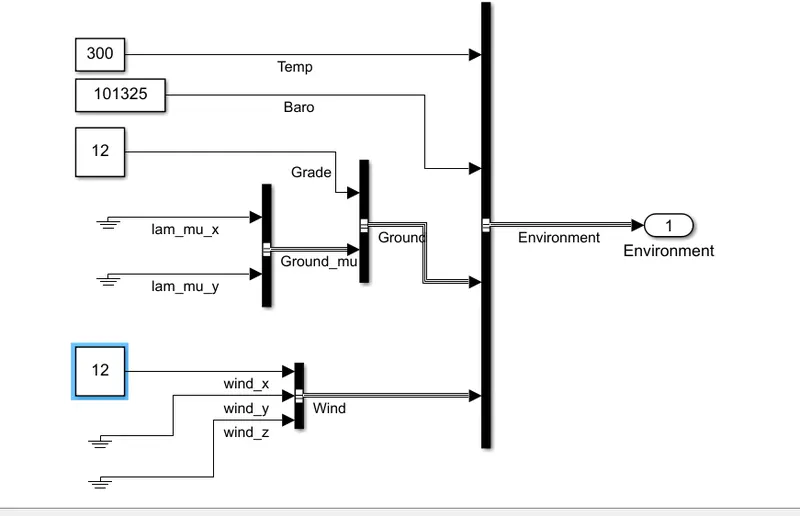
The results are plotted below-
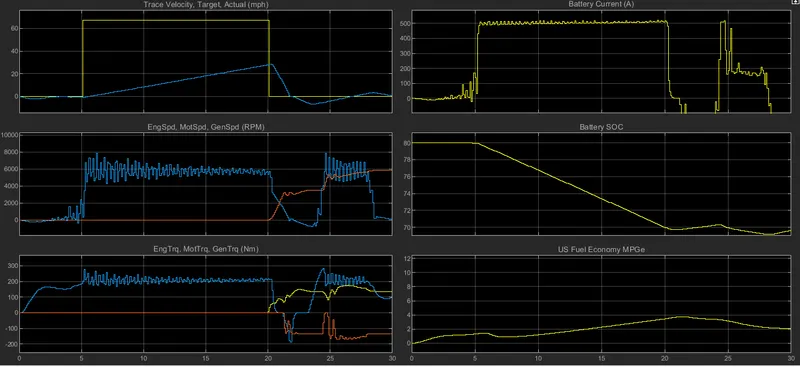
1)From the first graph it can be seen that the velocity we want and the generated velocity are completely differnet, there has been huge lag between them.
2)Here due to high power demand there has been neccesity of the engine and the highest rpm which is achieved is 4923.75RPM and the time required is 24sec.
3)The speed the engine gets reciprocated is the same speed othe generator gets start working, and in the graph we can see the variation in the torque there has been increased in the torque of motor and the engine as for the required speed there is a necessity of the engine torque.
4)And the current value is obviously going to increase for it to get to the required velocity, and the battery soc gets depleted as the vehicle is trying to reach the required speed. And the SOC of the battery first gets depleted to 70 and then again it starts increasing because of regeneration.
4) The Mpeg of the vehicle is less becuase there has been regeneratve system and some current is storing back to the battery.
5)Generator showing torque means it's trying to regenerate current to the battery.And there has been motor torque during decceleration and this is because of inertia.
4.Keeping all other parameters same, compare the simulated results of hybrid and pure electric powertrains.
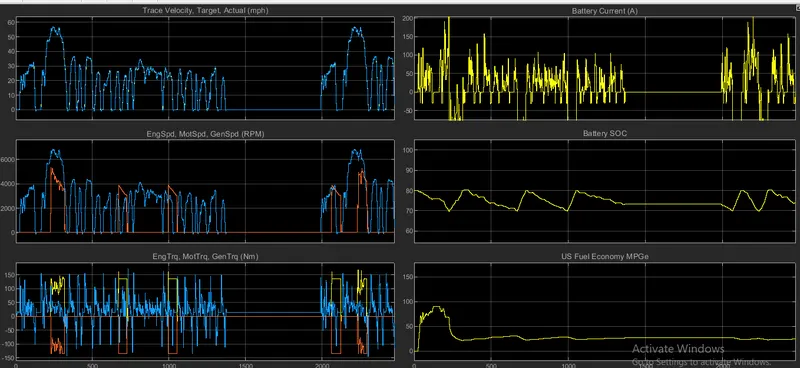
HYBRID VEHICLE-
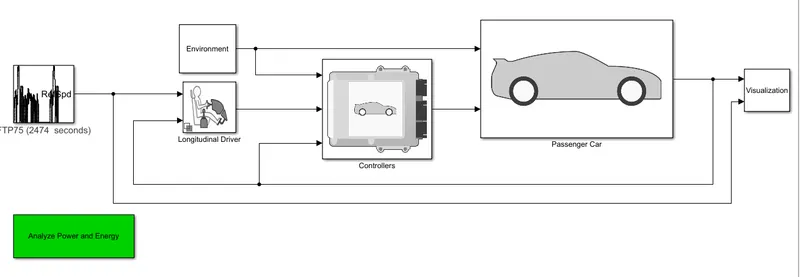
ELECTRIC VEHICLE-
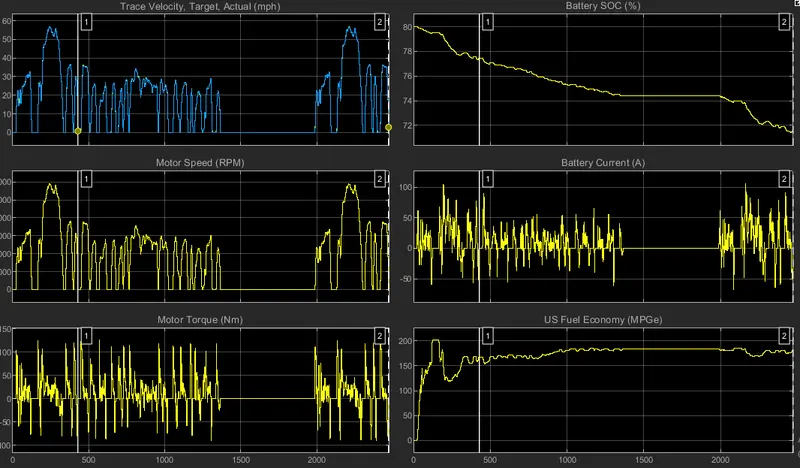
Both the graph are of hybrid and electric vehicle and reuslts are plotted for them, Both of them are run for same drive cycle.
The hybrid vehicle and electric vehicle comparison
- electric vehicle case there has been step decrease in soc and in case of hybrid therer has been ups and downs in soc
- In case of electric mpg is high but in case of hybrid there has not such steep increase in mpg
- In case of electric there has been just supply of motor torque but in case of hybrid therr has been supply of both motor and engine
- In case of hybrid the max rpm is above 6000 but in case of electric it couldn't reach 6000 rpm.
- In case of hybrid there has been advantage of engine which helps generator and which helps battery to get charged.
- In case of hybrid ,engine also helps to reach the required rpm.
so basically hybrid has advantage of both motor and engine and in case of electirc there has been just advantage of only electric motor.