Week - 4
AIM:
To Implement the control logic of a “washing machine”.
PROCEDURE:
Thus the working principles of the washing machine were given below;
A washing machine by spinning at 800-1600 rpm helps soap and dirt with it to leave the surface of the cloth via centrifugal force and into outlet
pipes hence utilizing centrifugation to both clean and partially dry the clothes loaded in it. Thus the processes are electrically controlled, such as the drum,
valves, pump, motor, and heating. The valve opens again and the dirty water drains out of the drums. The pump works to help get rid of the water. The valve lets
clean water in again into the drums.
The four processes are
1) SOAKING
2) WASHING
3) RINSING
4) DRYER
SOAKING:
You can soak clothes directly in the chamber of your washing machine if you plan to machine wash them afterward. All you need to do is add detergent to the water drawn into the washing machine, then let the clothes soak for 20-30 minutes in the mix of detergent and standing water.
wASHING:
Separate Your Laundry. Sorting your laundry into different piles based on fabric type and color is step number one. Choose the Right Washing Cycle. ...Set the Water Temperature. ...Add Detergent and Fabric Softener. Load the Washing Machine. Turn on the Washer. Clean Your Washing Machine.
RINSING:
The dirty, soapy water is drained, then the washing machine is refilled and your clothes are "rewashed" in clean water. Spin: All the water is drained completely, then your clothes are spun very fast and excess water is removed thanks to centrifugal force.
DRYER:
A washer-dryer is a washing machine with an inbuilt tumble dryer, so if you need to dry clothes quickly, it's a good option as it both washes and dries your clothes in the same cycle – so all you need to do is remove the clothes from the machine and they're ready to wear.
CONTROL LOGIC OF A WASHING MACHINE USING STATE FLOW:
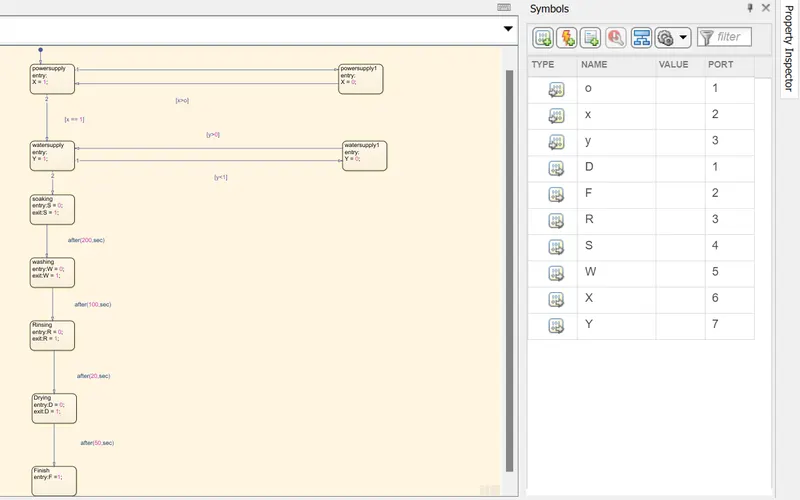
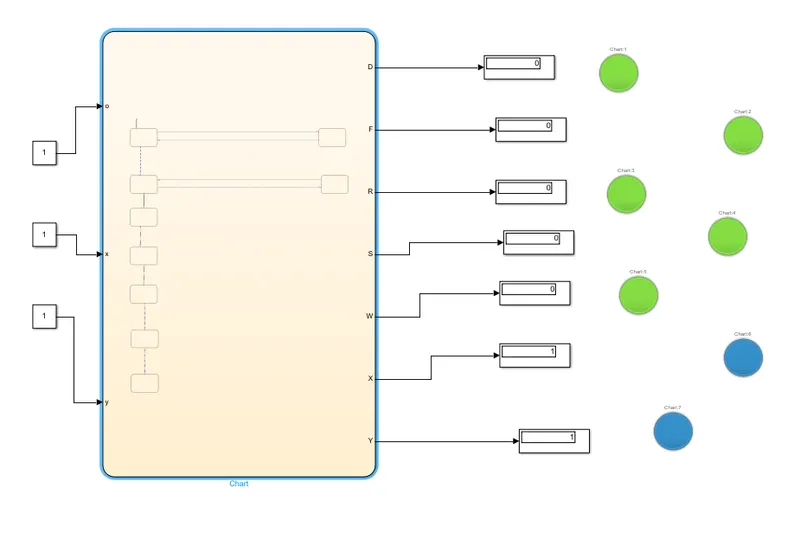
MAIN BLOCK:
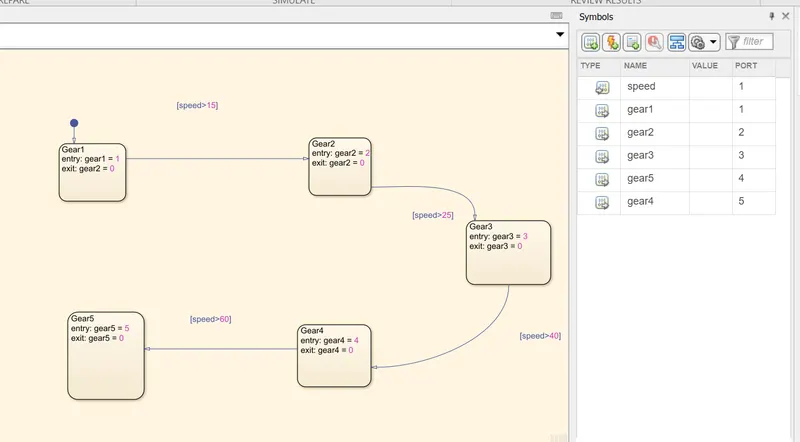
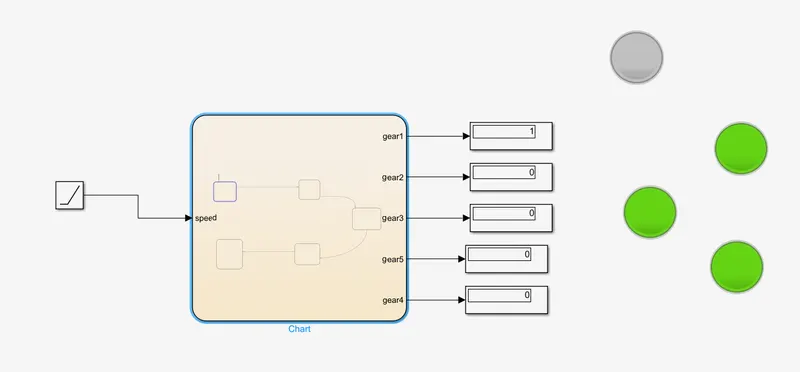
2) To Make a Simulink chart for the “Gear shift” logic as per the below conditions:
Speed Range(kmph) Gear
0 to 15 1
16 to 25 2
26 to 40 3
41 to 60 4
Above 61 5
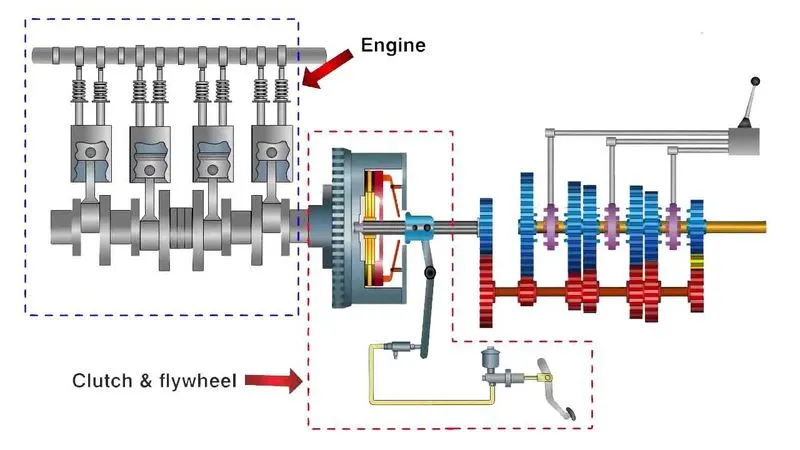
TRANSMISSION SYSTEM:
The function of any transmission is transferring engine power to the driveshaft and rear wheels (or axle half shafts and front wheels in a front-wheel-drive vehicle). Gears inside the transmission change the vehicle's drive-wheel speed and torque in relation to engine speed and torque.
TYPES OF TRANSMISSION SYSTEMS:
- Automatic Transmission (AT) ...
- Manual Transmission (MT) ...
- Automated Manual Transmission (AM) ...
- Continuously Variable Transmission (CVT)
SIMULINK CHART FOR THE GEAR SHIFT LOGIC:
MAIN MODEL:
RESULT:
To Make a Simulink chart for the below conditions: