Week - 4 - 2D meshing for Plastic components
2D Meshing for Plastic Component – Bottle Cap
AIM:
To generate a 2D mesh for the given Bottle Cap model by taking Mid Surface for each component present in the model after clearing the geometrical errors present in the model followed by meshing with the given Quality Criteria.
PROCEDURE:
The following diagram provides the flow chart of the work being progressed for meshing the given Bottle Cap model.
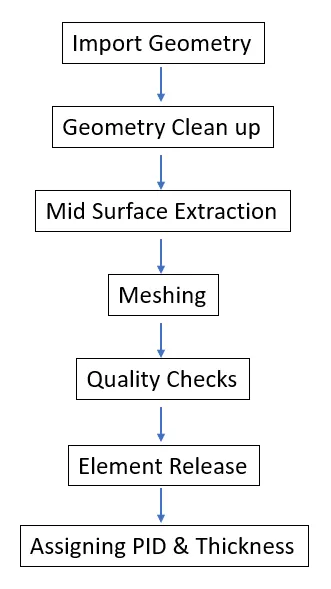
Fig.1 Flow Chart
- Geometry Import: First the Bottle Cap model has been imported to the Ansa software and preliminary checks on the geometry have been carried out. The preliminary checks include the geometry error checks. If any errors present in the model were cleared later. Figure 2 provides the topological/geometrical model imported into ANSA.
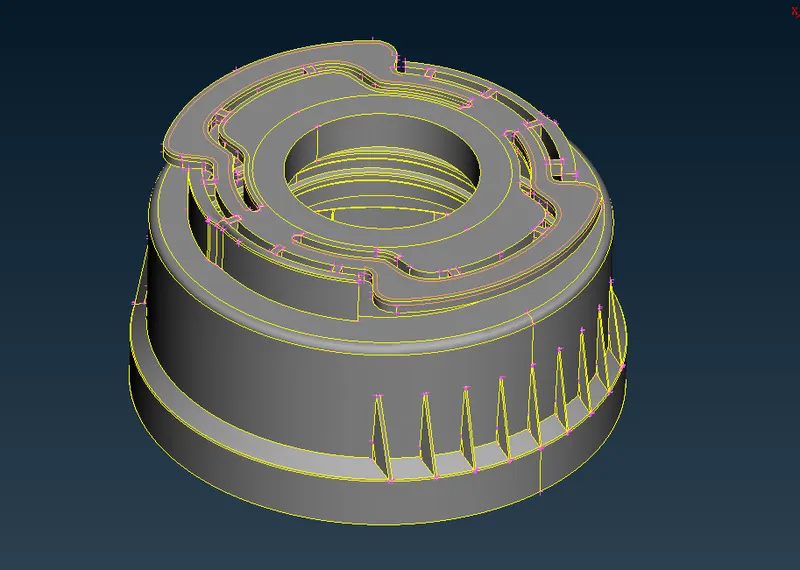
Fig. 2 The Hood model imported into ANSA Software
- Geometry Clean-up: The geometrical errors present in the model have been cleared and the below figure provides a visual aid for the cleared geometry.
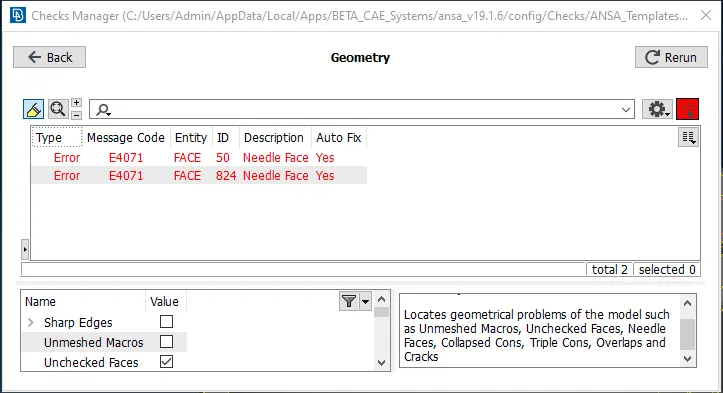
Fig. 3 Geometrical Error Check made on the model.
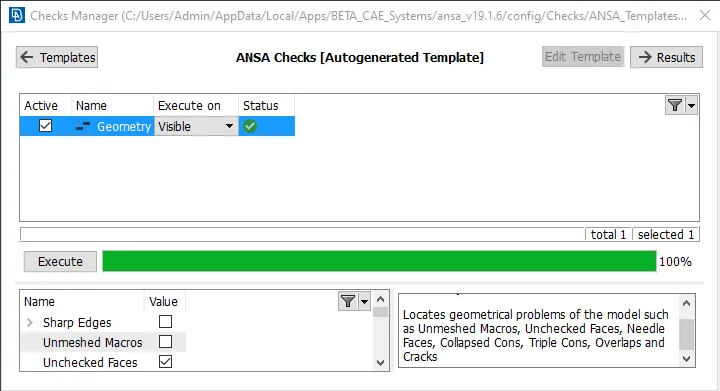
Fig. 4 Geometry Errors cleared.
The model has been checked and cleared for geometrical errors. Figure 4 shows that the given model is free from geometrical errors. After that orientation of the model has also been carried out.
- Mid Surface Extraction: After the model has been cleared for the geometrical errors, Mid Surface of each component has been extracted and assigned a separate PID for each. For easy Mid Surface Extraction, the model has been separated into the upper and lower parts as shown in figure 5. Figure 6 shows the mid surface of the entire model and figure 7 provides details of the PID assigned respectively.
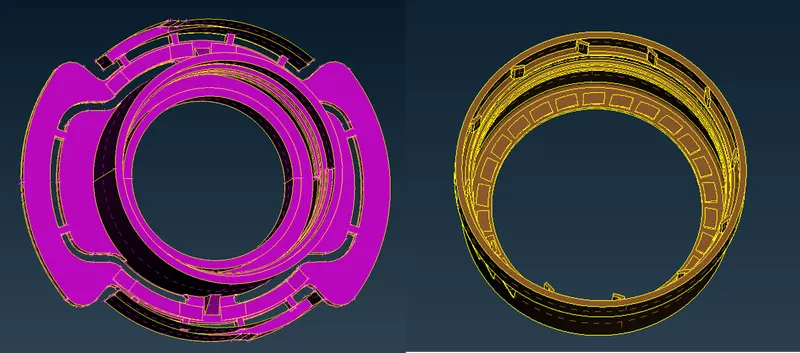
Fig. 5 Split Up Portion of the Given Model.
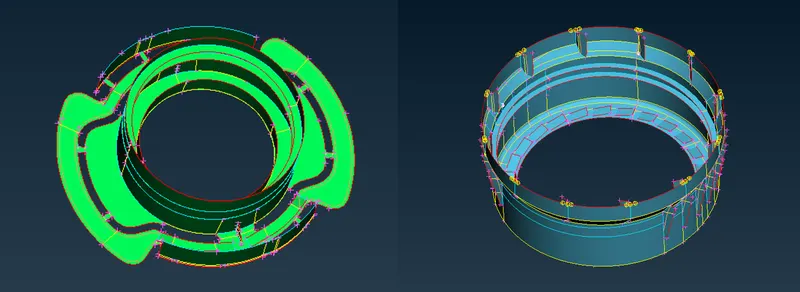
Fig. 6 Mid Surface Extracted for each Component.
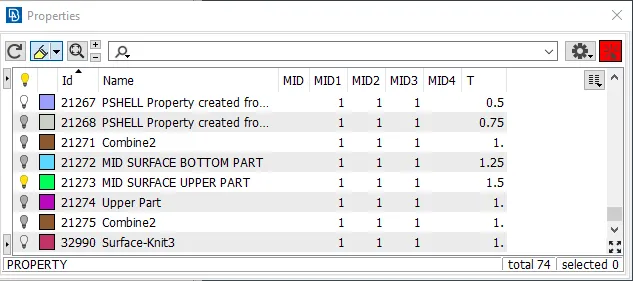
Fig. 7 Separate PIDs assigned for each component with respective thickness.
- Meshing: After Mid Surface Extraction, meshing has been carried out on the mid-surface with the following mesh parameters shown in figure 8.
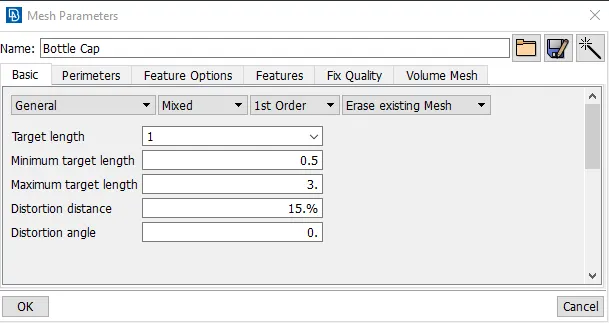
Fig. 8 Mesh Parameters.
Figure 9 shows the mesh created on the mid-surface extracted.
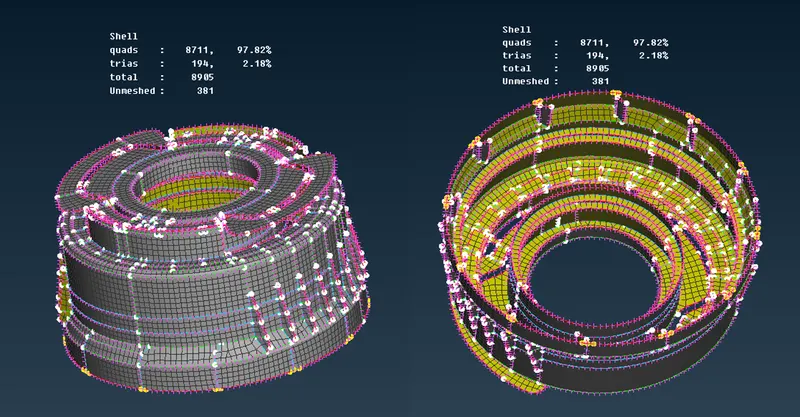
Fig. 9 Mid Surface Meshed.
- Quality Checks: After mid-surface meshed, quality checks have to be performed and the mesh should be free from quality errors. Figure 10 shows the Quality Criteria set for the given model.
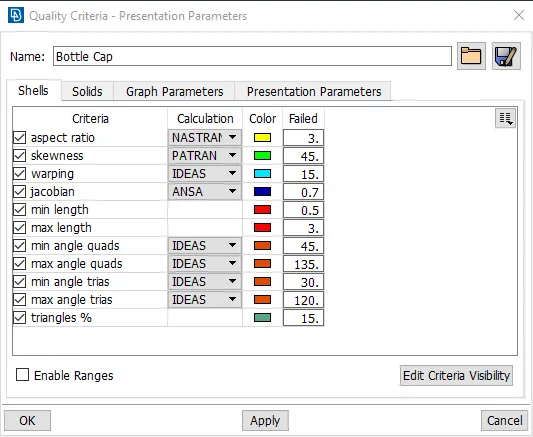
Fig.10 Quality Criteria Check.
The quality check was performed and quality errors were cleared. The mesh model free from quality error is shown the figure 11.
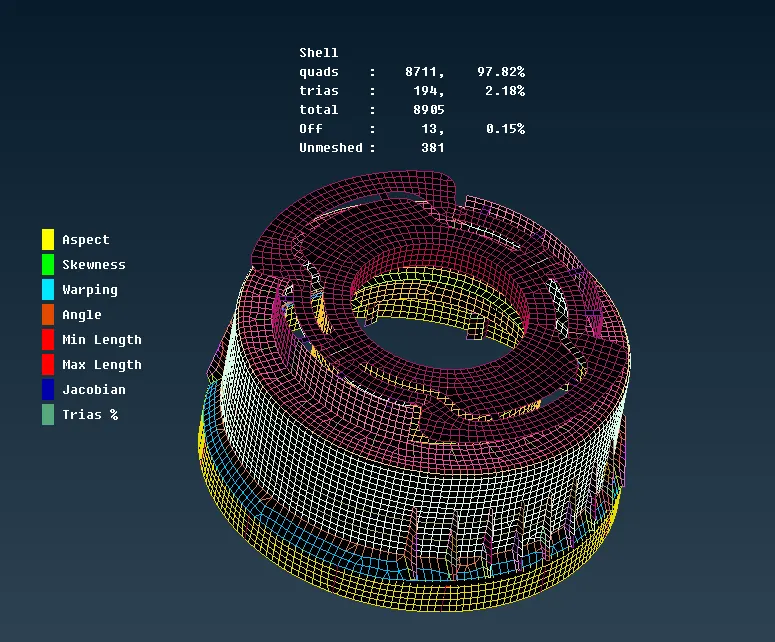
Fig. 11 Quality Checks performed on the mesh.
- Element Release: After the quality checks, the mesh elements were released from the mid surface and assigned to a separate PID. Figures 12 and 13 show only the mesh model and PIS data for the model.
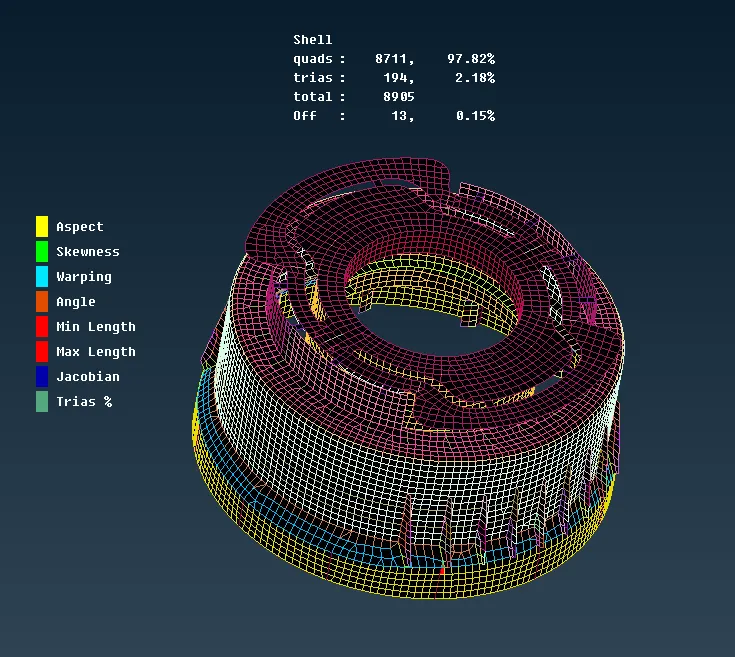
Fig. 12 Mesh-only Model.
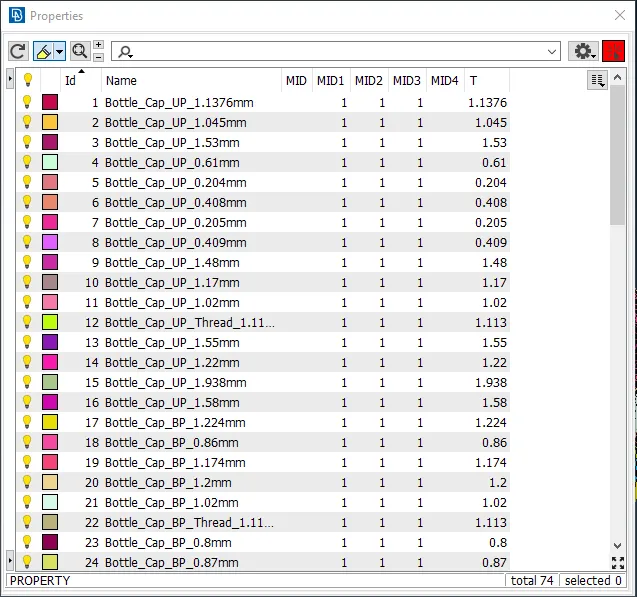
Fig. 13 Mesh PID Details.
- Assigning Thickness: The model has been provided with respective properties namely Thickness, Material, Name, and Ids. Finally, the elements were drawn as solids. Figure 13 shows that thickness has been assigned to each component and figure 14 & 15 shows the mesh elements of the entire model drawn as solids to reflect the actual CAD geometry.
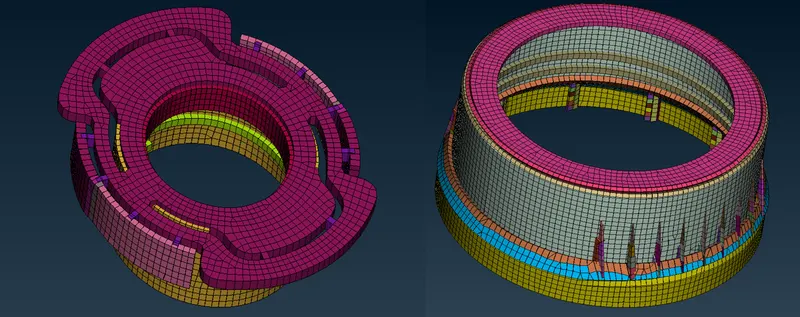
Fig. 14 Elements drawn as solids.
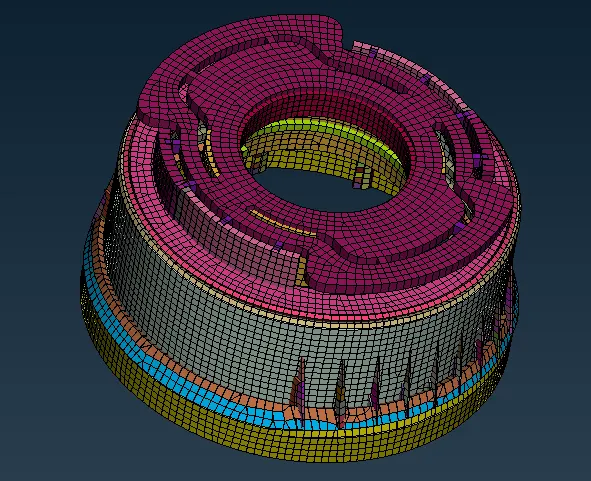
Fig. 15 Elements drawn as solids.
LEARNING OUTCOMES:
- Mid Surface Extraction for any complicated geometry.
- Easy meshing with different mesh options.
- Meshing of complex structure/components by splitting into many parts/cut portions.
- Use of rotate option for the identical/symmetrical components to reduce time.
- Good mesh flows around any openings or holes.
- Assigning appropriate thickness for the rib/rigid components.
CONCLUSION:
A good mesh will always reduce time and also reduces the quality error, so need not worry about it while spending more time to clear the quality issues, if good/neat mesh is ensured.