Week 3 Verification of Weld Joints
Report Week 3 Verification of Weld Joints
Aim:
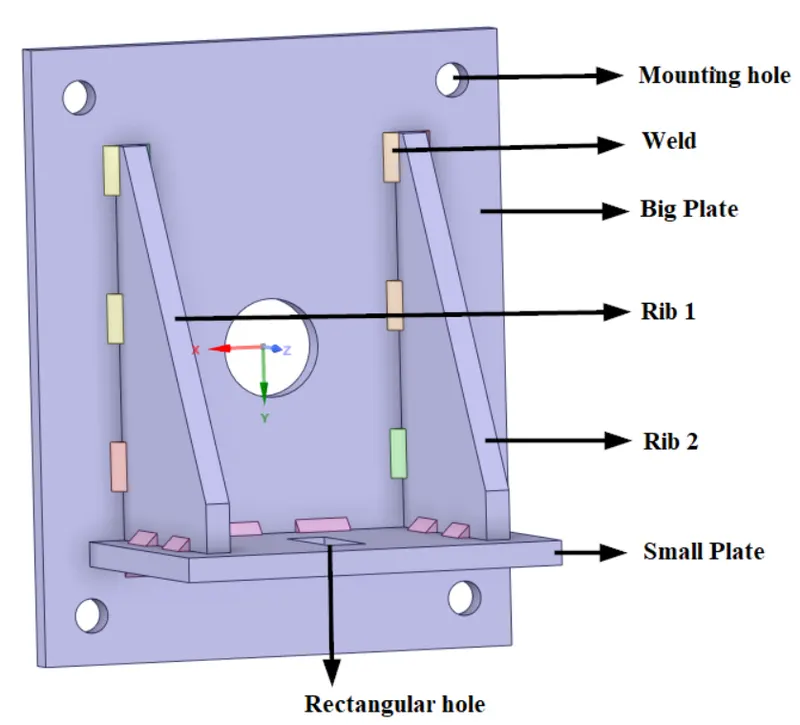
Simulate three different types of welding using three different weld materials
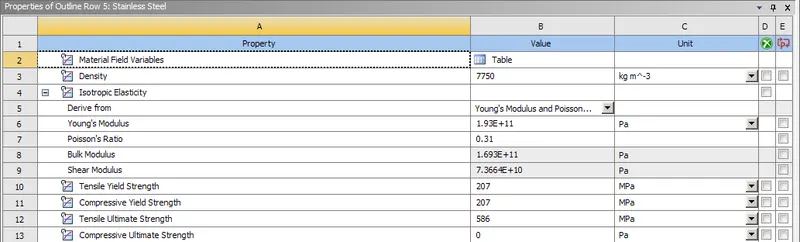
Case 1. Stainless Steel: In this case, the material of the plates must also be the same. Use Stainless steel for both weldments and plates.
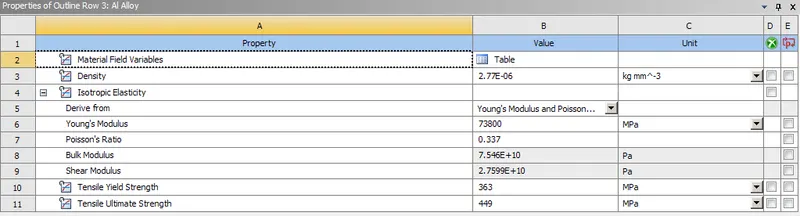
Case 2. Aluminium Alloy:The material to be chosen for this case is Aluminium alloy(high strength, wrought). [Plate material to be used is stainless steel]
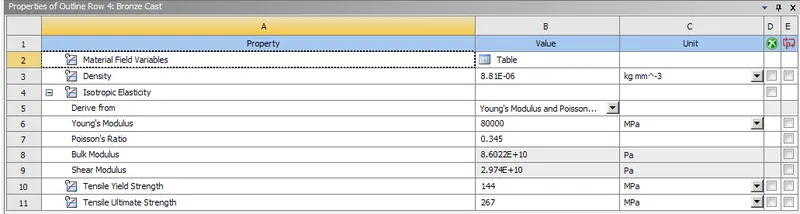
Case 3.Bronze: In order to simulate "Brazing", you should be using bronze as the weld material. Assign Stainless Steel to both plates and Copper to the "Ribs".
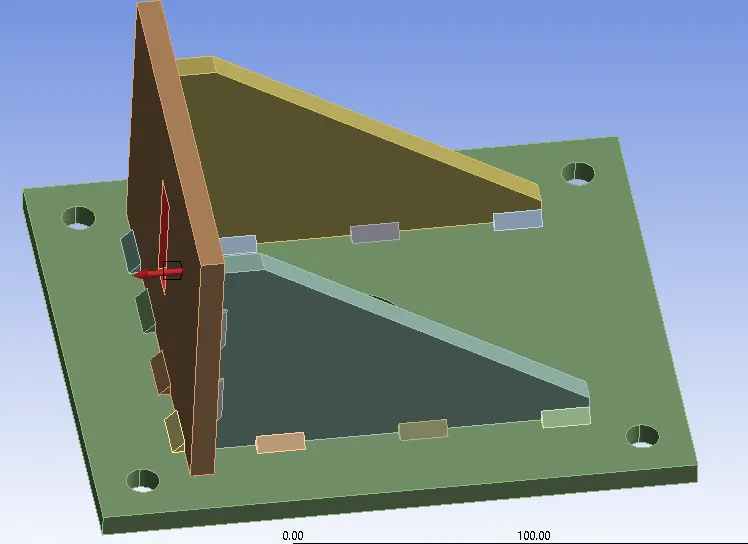
Run the simulation for a load of 15000N that is to be applied at the rectangular hole in the small plate( Same as in the video).
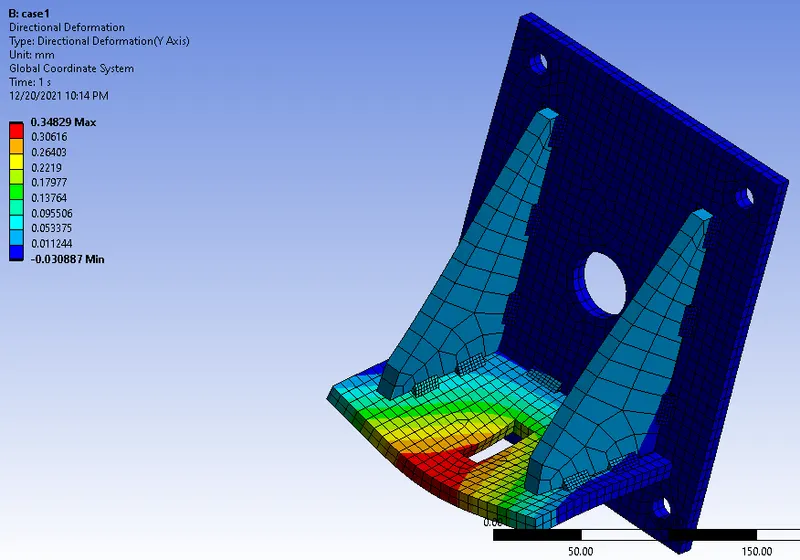
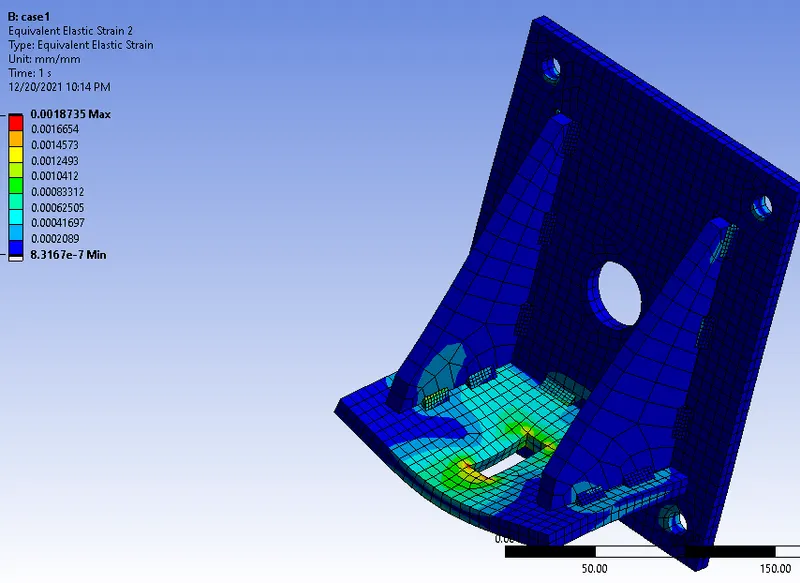
For each case, find out the Directional Deformation and equivalent strain experienced by the setup. Identify the weld joint that experiences the highest equivalent stress in each case and compare the results for all three cases
Procudure
Import geometry
Material:
Stainless Steel
Al Alloy
Bronze Cast
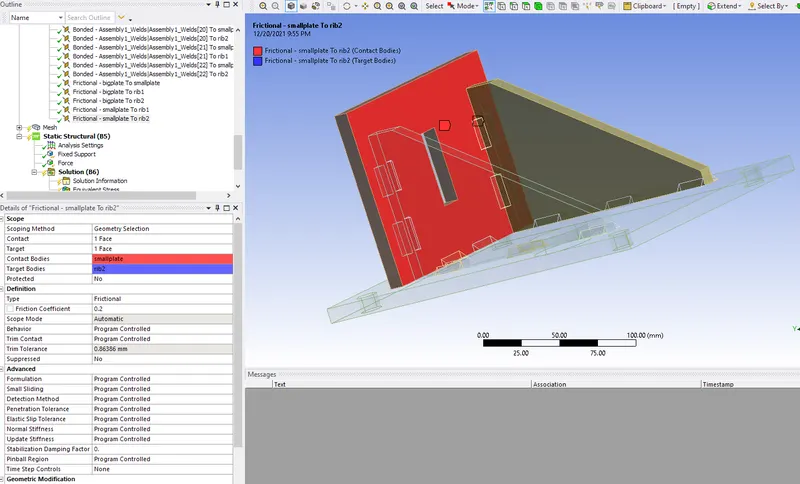
Contact
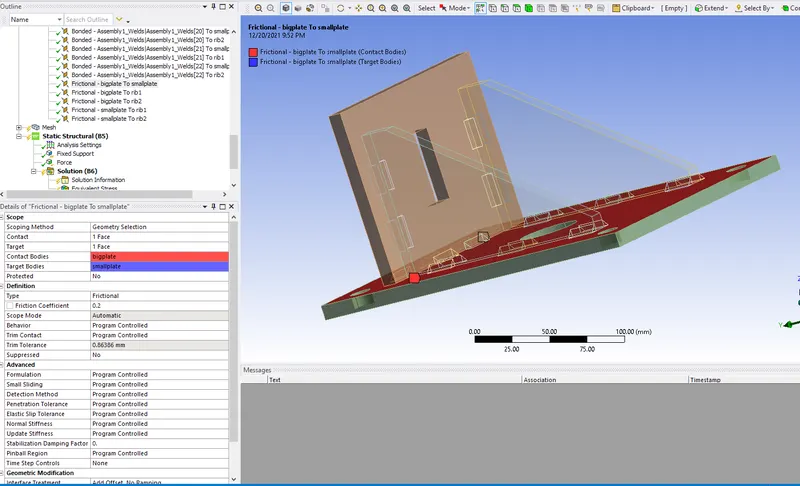
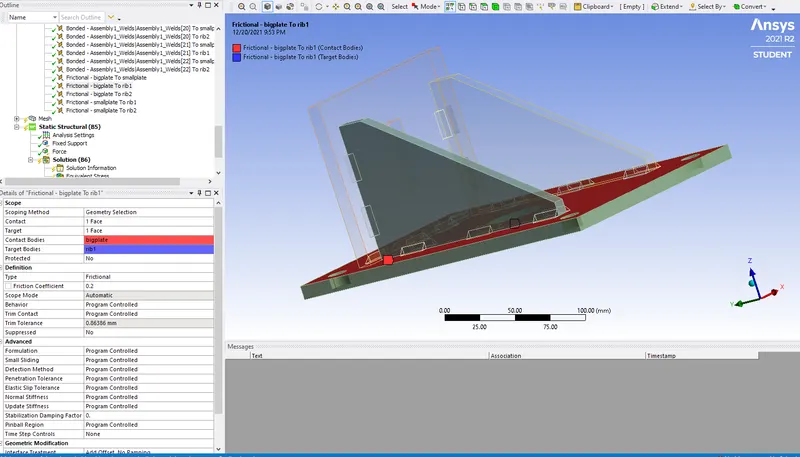
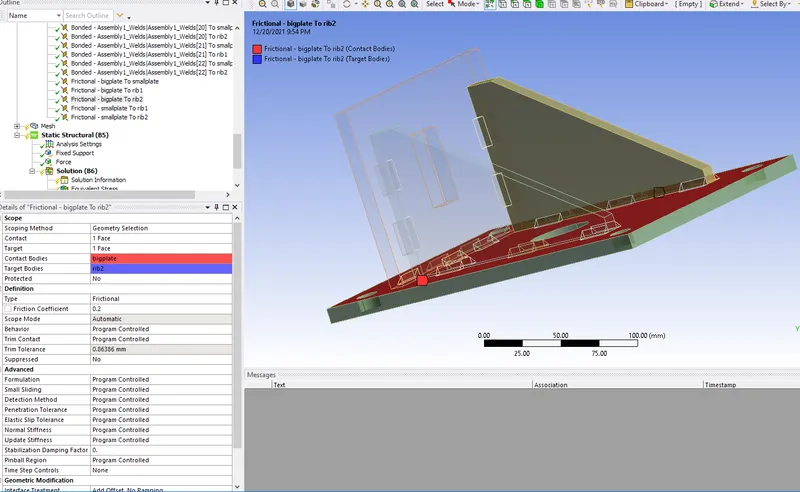
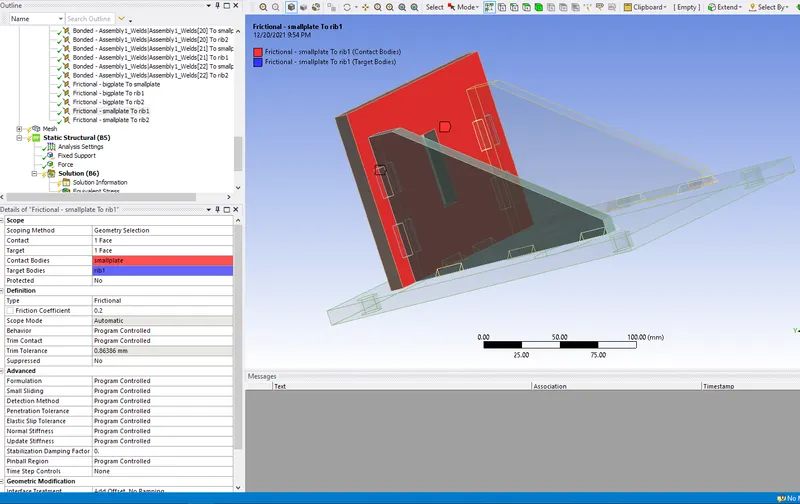
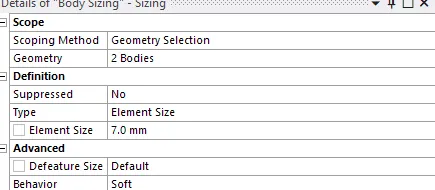
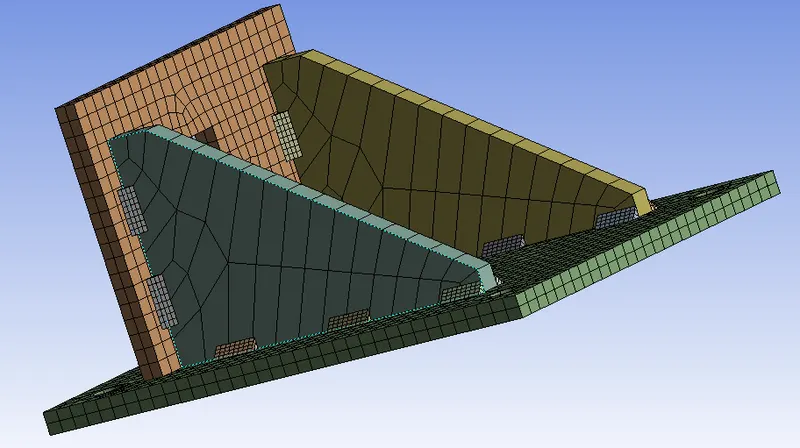
Mesh
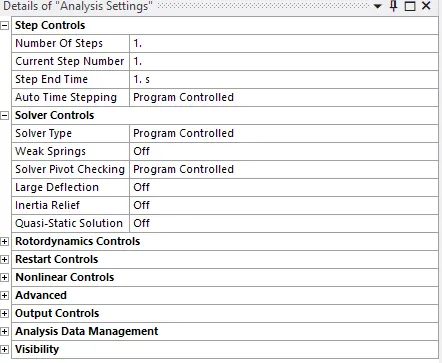
Analysis Setting
Fixed Support
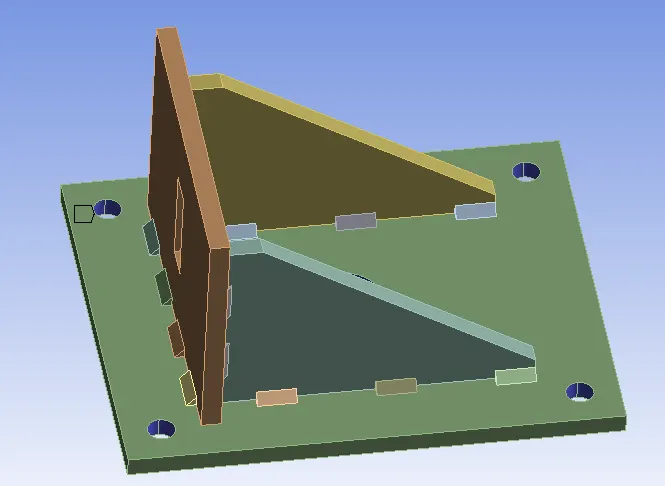
Force
Result
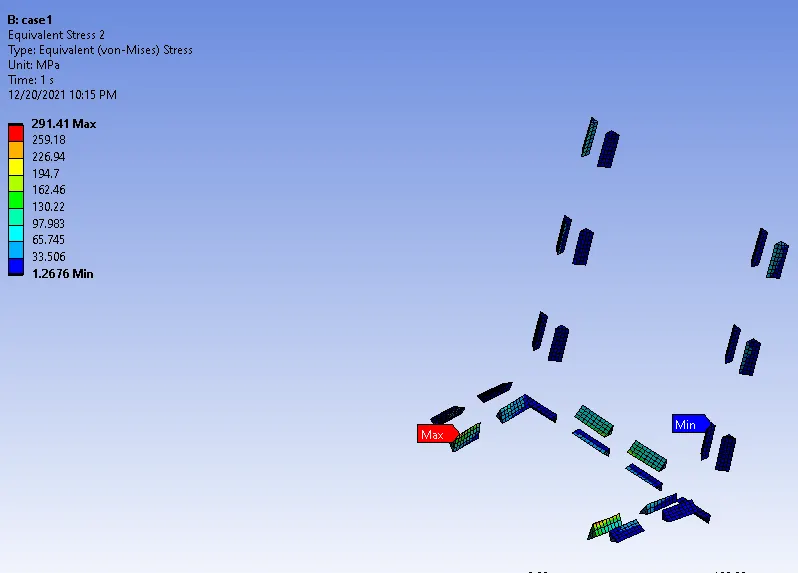
case1
Directional Deformation
Equivalent Strain
Highest Equivalent Stress
case2
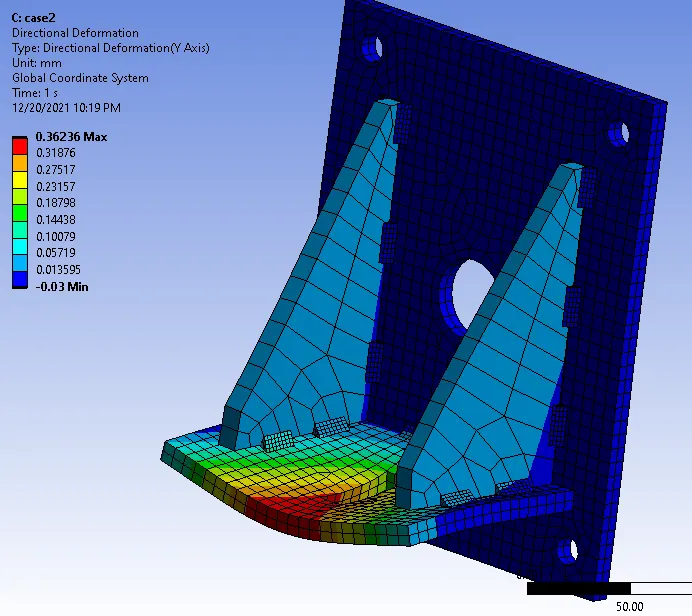
Directional Deformation
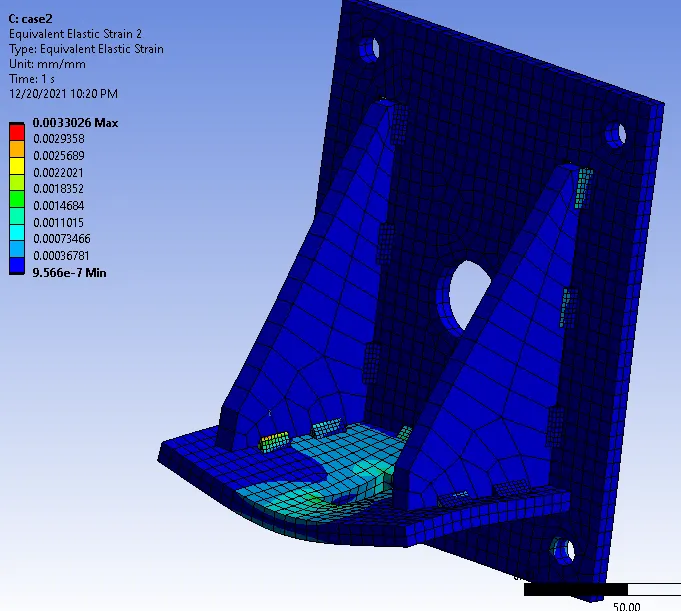
Equivalent Strain
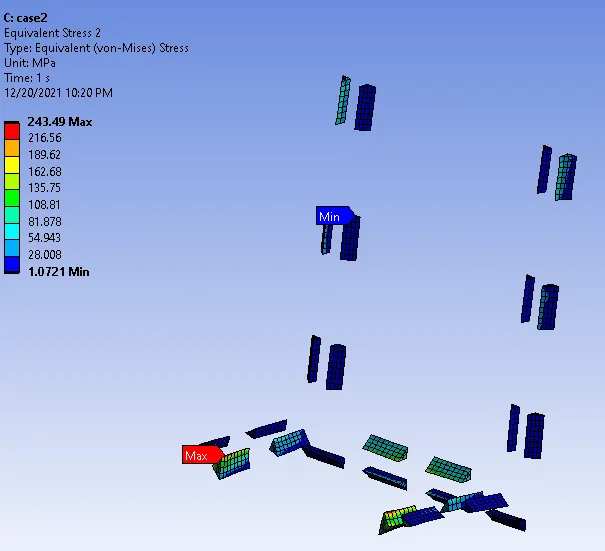
Highest Equivalent Stress
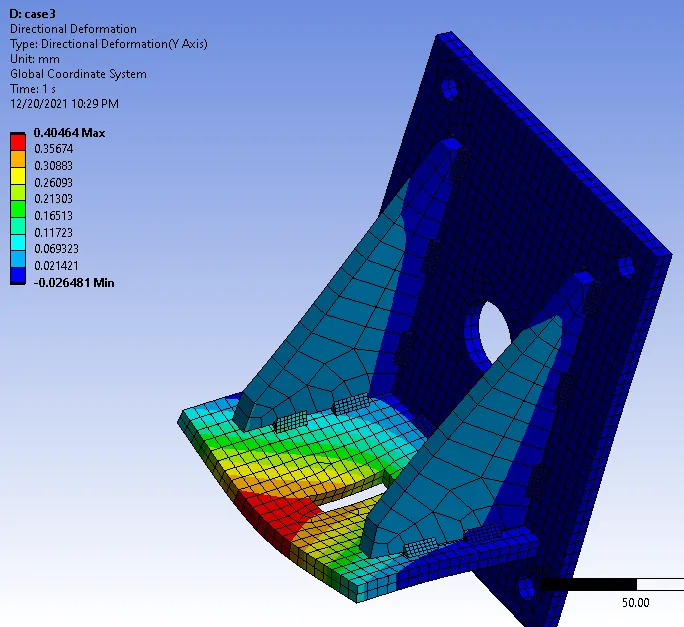
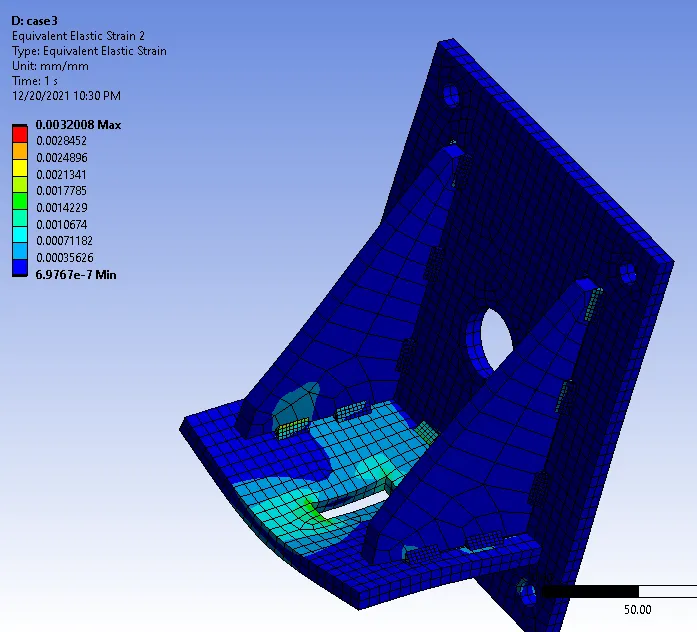
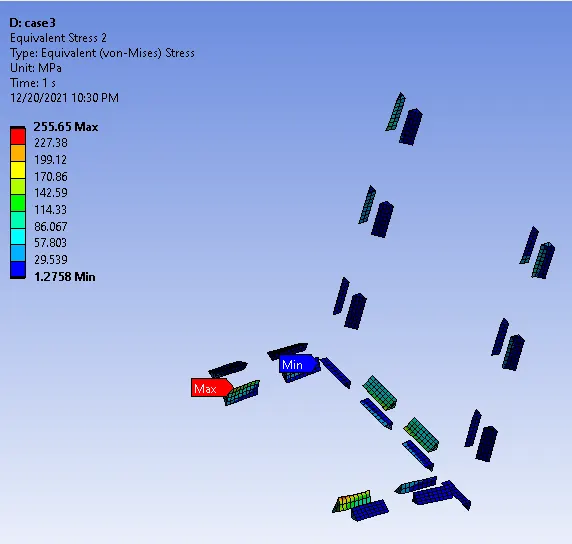
case3
Directional Deformation
Equivalent Strain
Highest Equivalent Stress
Conclusion
It is oberved that stainless steel weldments is less deformed compared to other two cases of weldments. Similarly, it is less strained among other two weldments. The value of maximum equivalent stress developed is more the yield stress value hence the welds undergo plastic defoemation and eventually fails. Aluminum alloy will not undergo plasctic deformation, hence the weldment is safe.