Week 3 - External flow simulation over an Ahmed body.
EXTERNAL FLOW SIMULATION OVER AN AHMED BODY
INTRODUCTION
The Ahmed body is a generic car body (a simplified vehicle model). The airflow around the Ahmed body captures the essential flow features around an automobile and was first defined and characterized in the experimental work of Ahmed.Although it has a very simple shape,ahmed body allows us to capture chracteristic features that are relevant to bodies in the automobile industry.This model is also used to describe the tubulence flow field around a car like geometry . Once the numerical model in validation ,it is used to design new model of the car. The reaar part of ahmed body called as 'slant angel' which influence drag and lift with its critical slant angel which is around 0-30 degree.
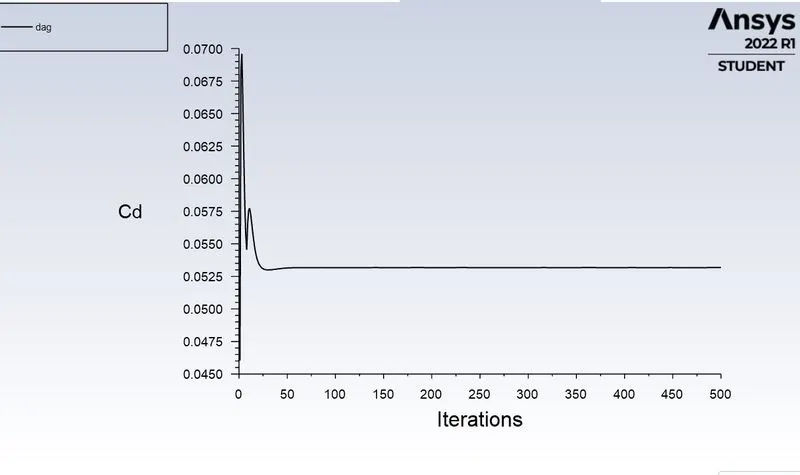
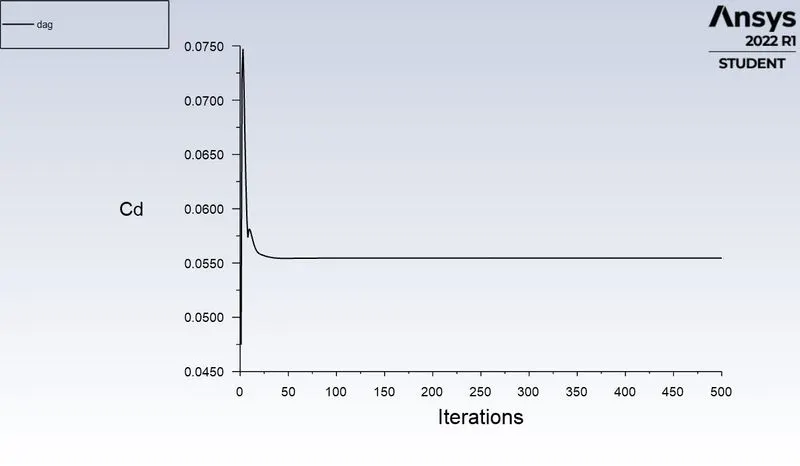
Drag coefficient
The Drag Coefficient is a very important total value(dimensionless quantity), which is a measure of theobject's resistance to the airflow. A major contribution to the drag of a vehicle stems from the pressure drag whichis a consequence of flow separation.
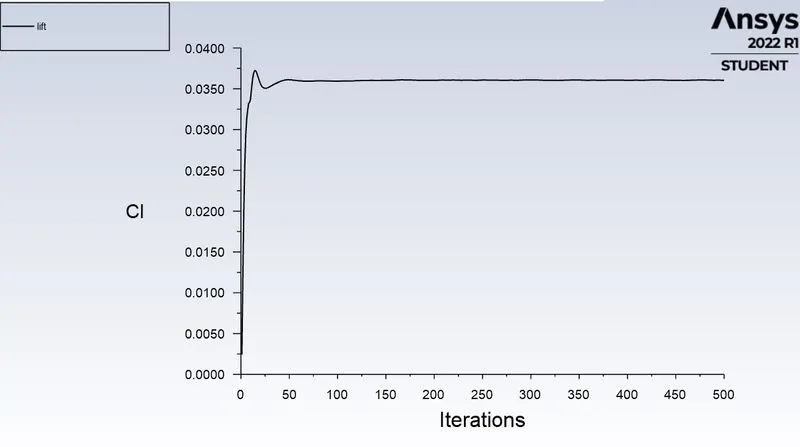
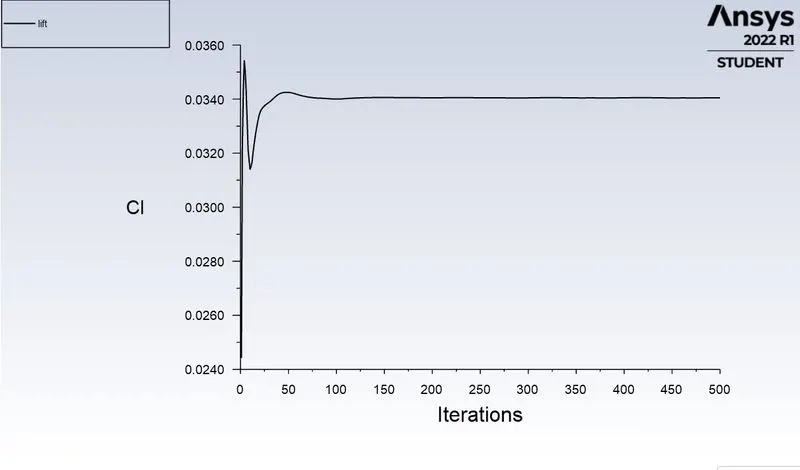
Lift coefficient
The lift coefficient CL' is a dimensionless coefficient that relates the lift generated by a lifting body to the fluid density around the body, the fluid velocity and an associated reference area. A lifting body is a foil or a complete foil-bearing body such as a fixed-wing aircraft. CL is a function of the angle of the body to the flow, its Reynolds number and its Mach number.
OBJECTIVE
- To solve the model and calculate the drag and lift coefficient.
- To generate velocity and pressure contour and vector plot.
- To performace of grid independency test.
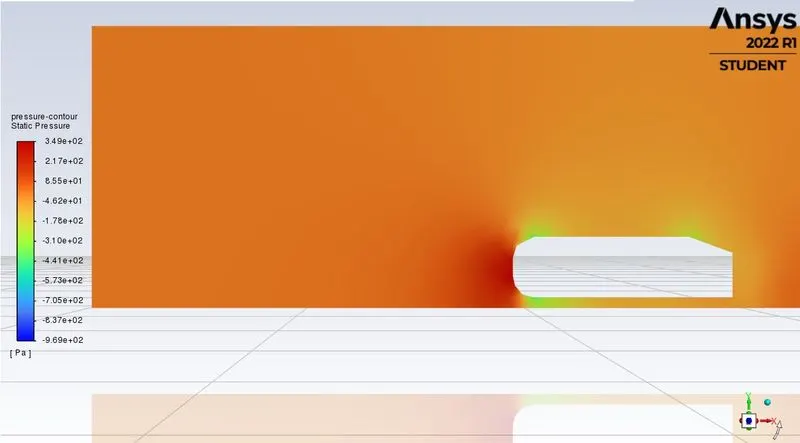
- What is the negative pressure in the wake region.
Negative pressure in the wake region
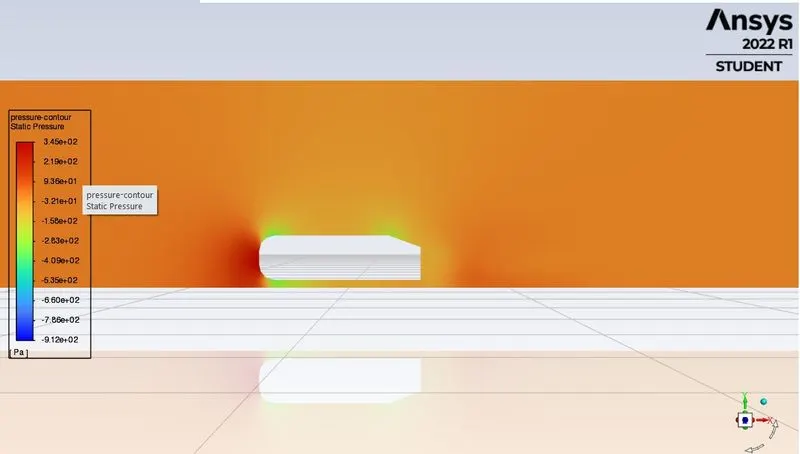
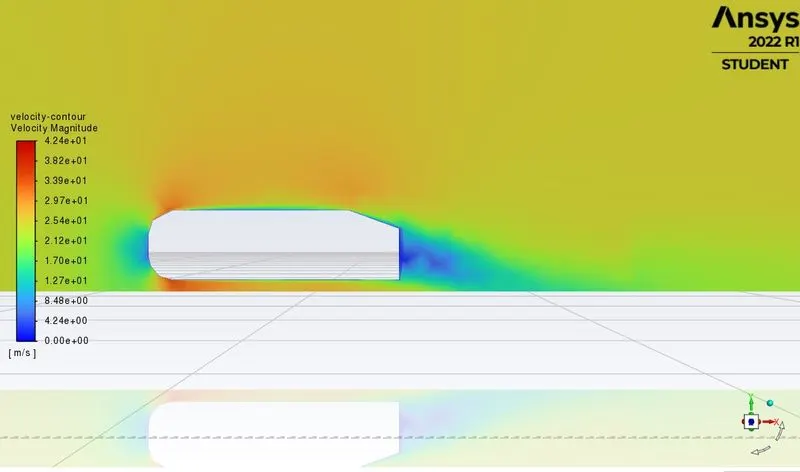
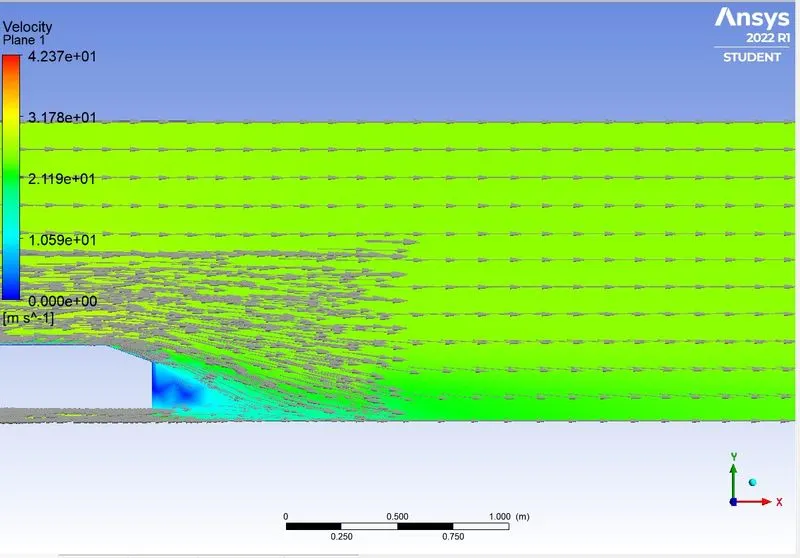
In this cases of the cylinder after region the adverse pressure gradient even becomes so large that the flow is forced back against the actual flow direction .This results in backflow area and th laminar flow setaches itself fram tha countour at this point .A tubulant wake is formed called wake behind the body and stress become negative here and this results into a negative pressure gradient.
PROCEDURE-
Geometry setup-
-Open the spaceclaim then uplod the file , provide the double encloser acording to the given dimesion M.
Ahmed body graph
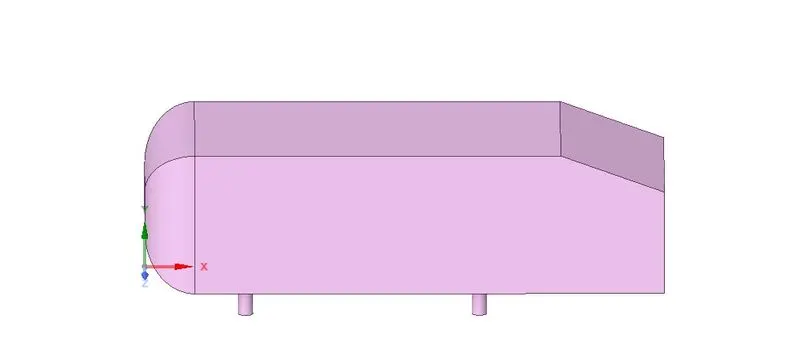
After using all the given data ,the final geometry body given below,
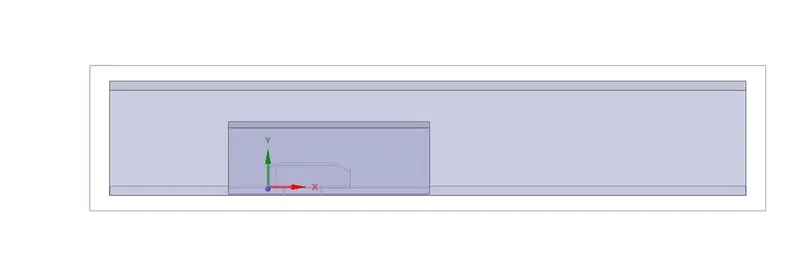
Table for all the cases we are going to caluculate
| Cases | Element size(m) | Body element size(m) | Face body element size(m) | Number of elements |
| 1 | 0.1 | 0.05 | 0.01 | 163995 |
| 2 | 0.115 | 0.07 | 0.01 | |
| 3 | 0.130 | 0.09 | 0.01 | 44675 |
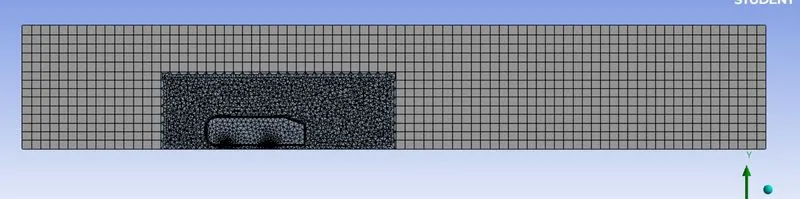
Pre processing-Meshing-
Case1(mesh)-
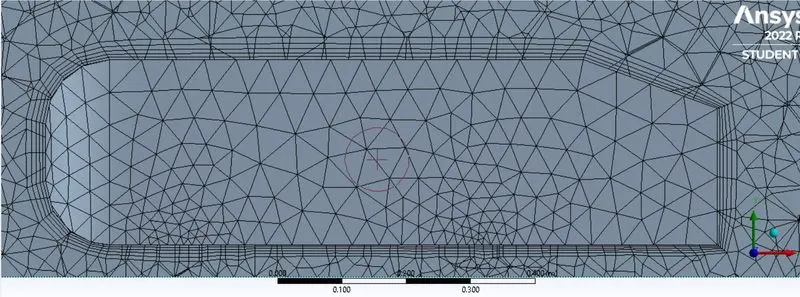
Close view for infilation layer
Solver setup-
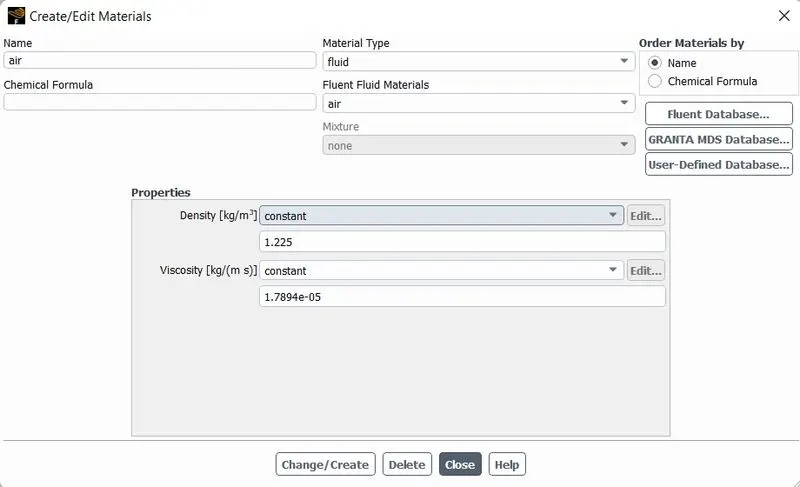
For the solver setup we use d pressure based solveer rather than density based solver by calculating reynolds number for flow.The fluid which is use this process is air and the properties are given in fig,
-Boundary condition
In inlet boundary the velocity is 25m/s and oulet is pressure outlet is '0' which is gauge presure consider as 1 atmospheric pressure and the most importatnt is the car wall is set as no slip condition which we further calculate ddrag and lift coefficient.
-Solver type
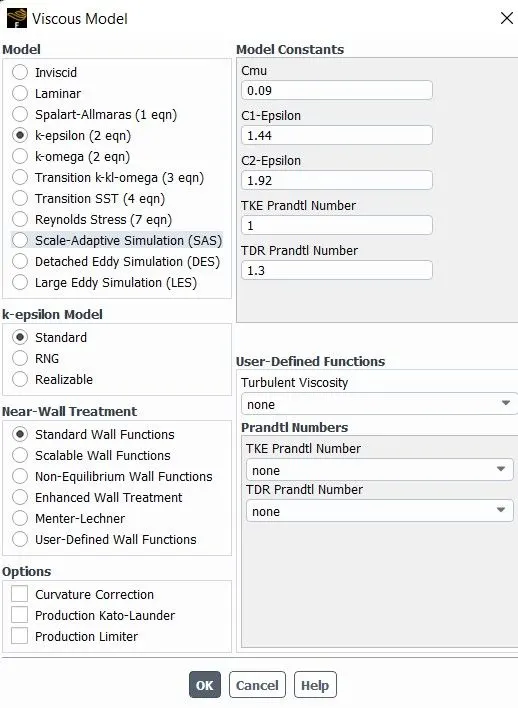
The turbulance model which is used for the simulation is k-eplision with standard model having standard wall function as near wall treatment. This model provides great result accuracy nera the wall of ahmed body.
RESULTS
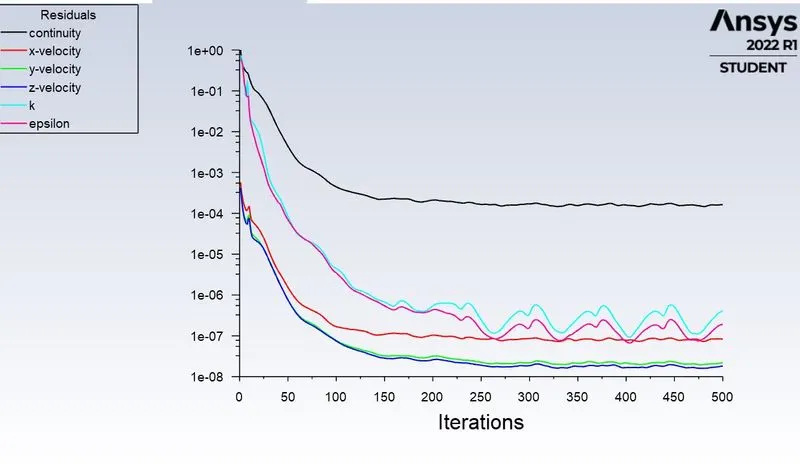
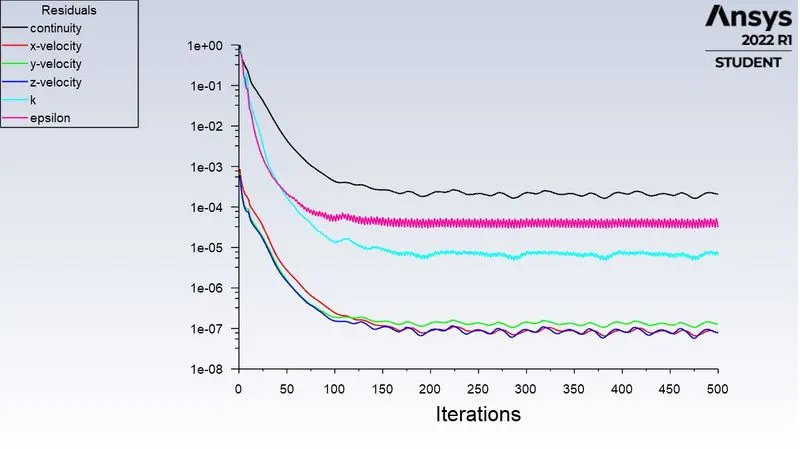
Residuals-
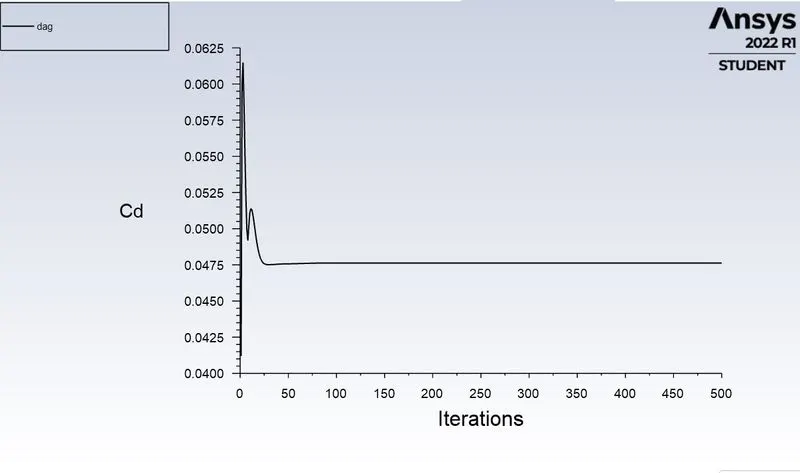
Drag coefficient
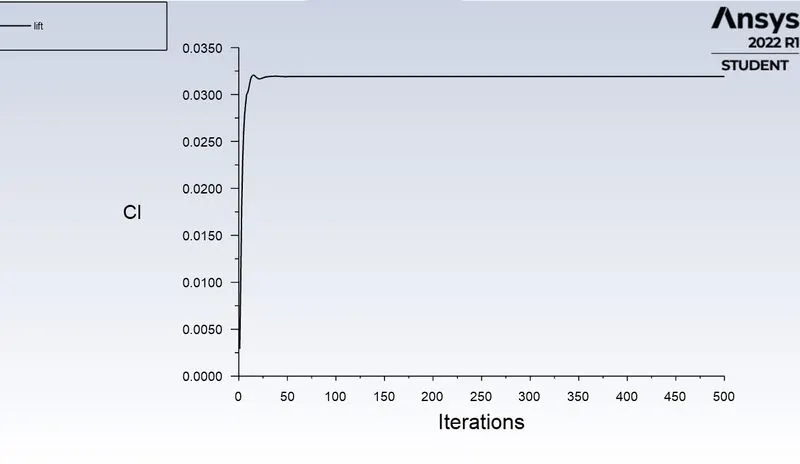
Lift coeficient
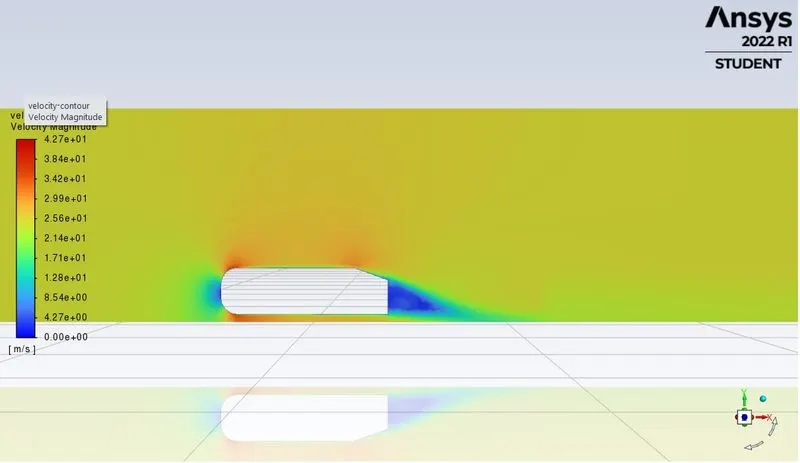
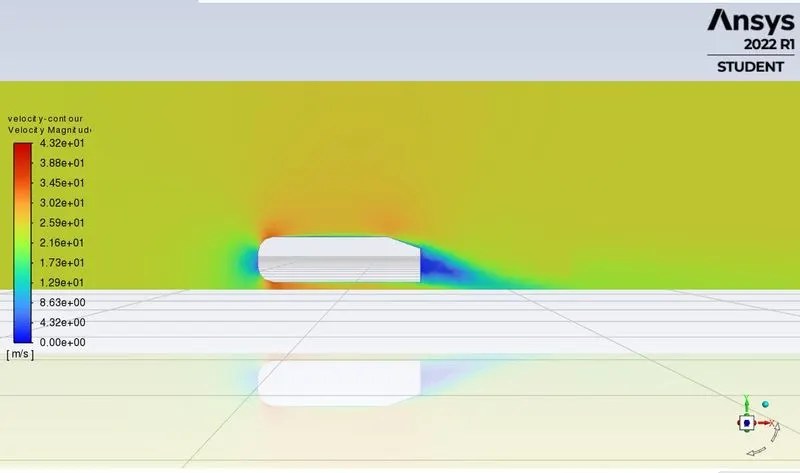
Velocity contour
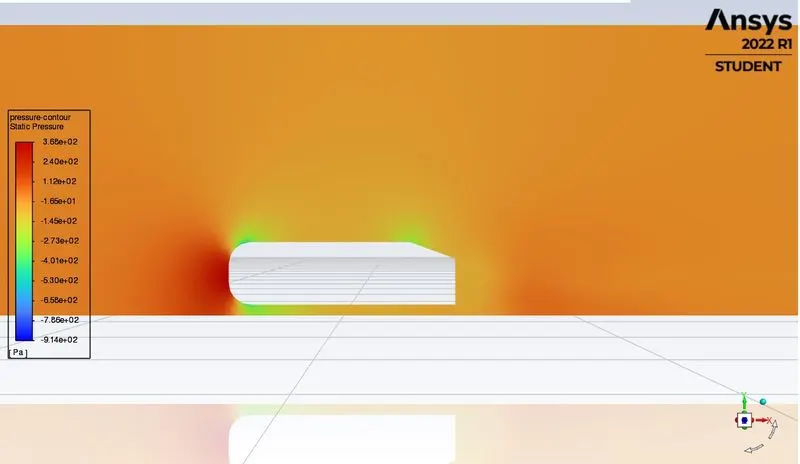
Pressure contour
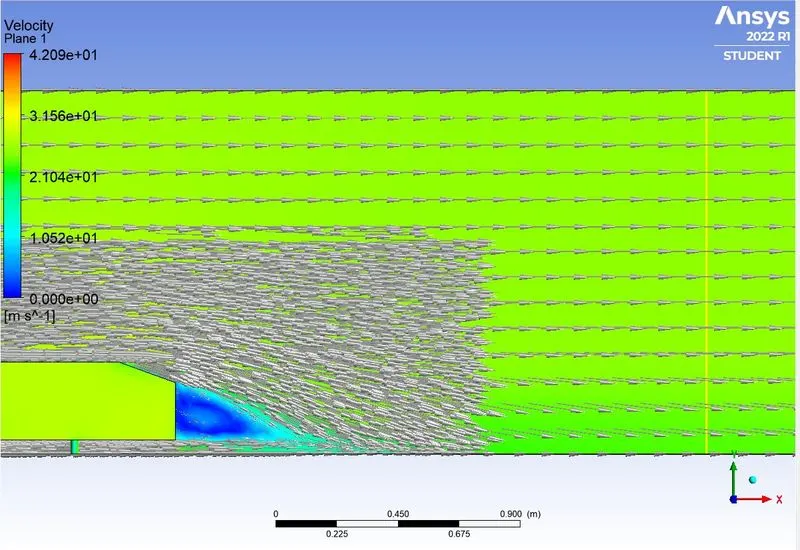
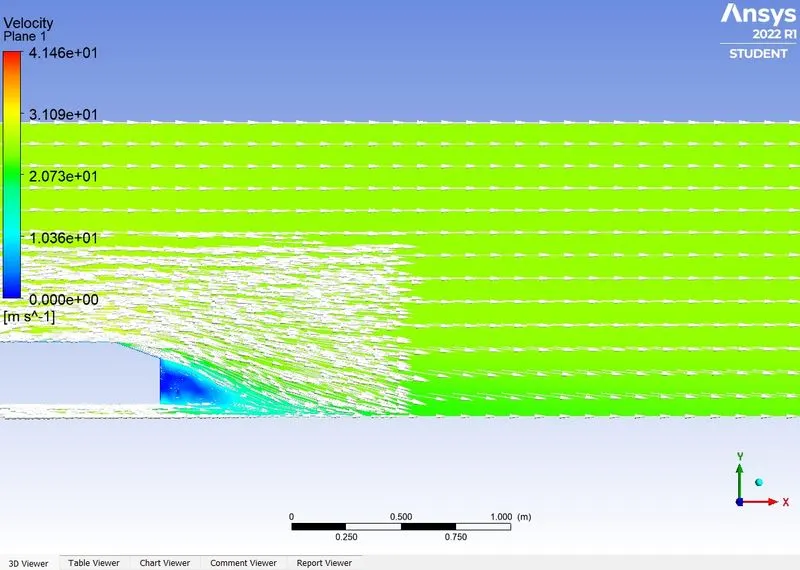
Vector plot
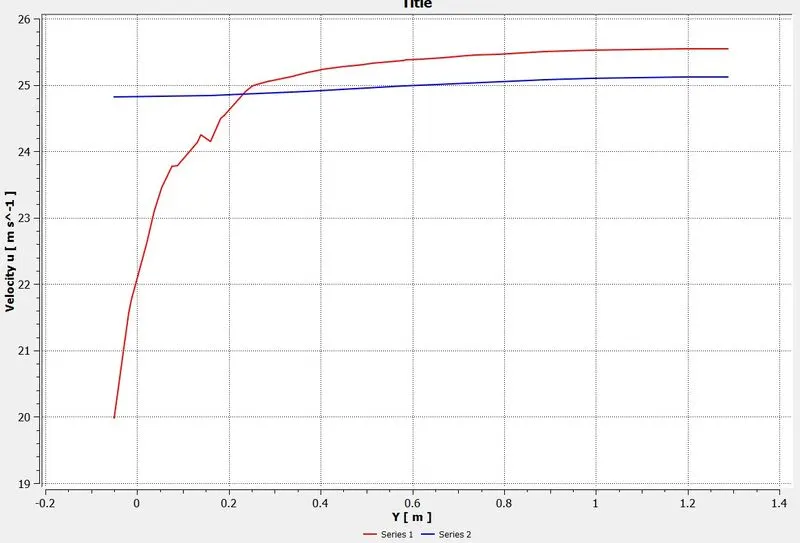
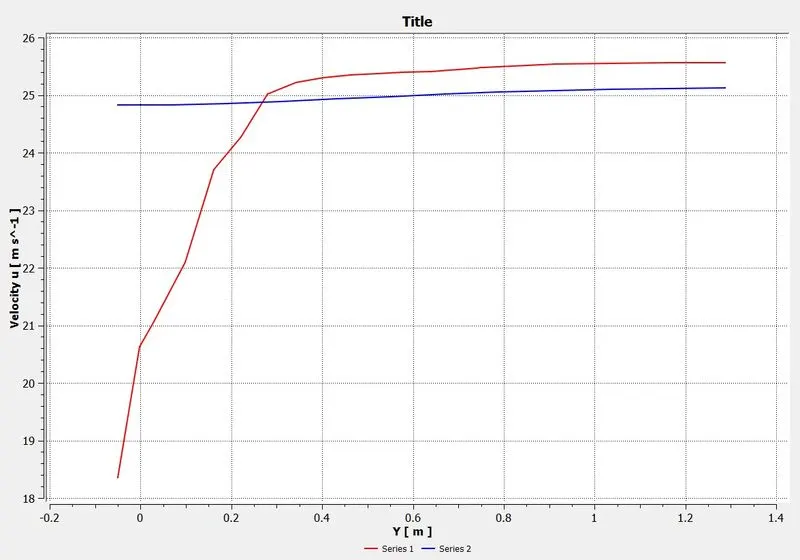
Velocity graph
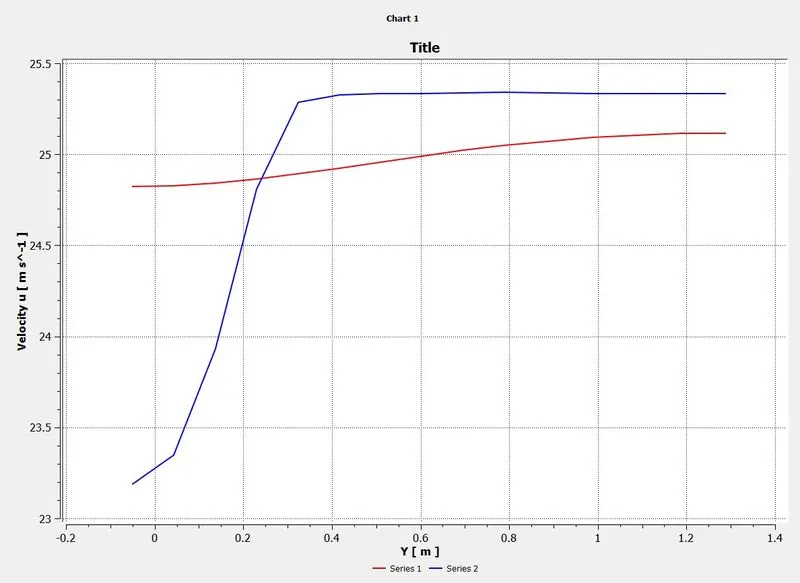
Case2-
Residuals-
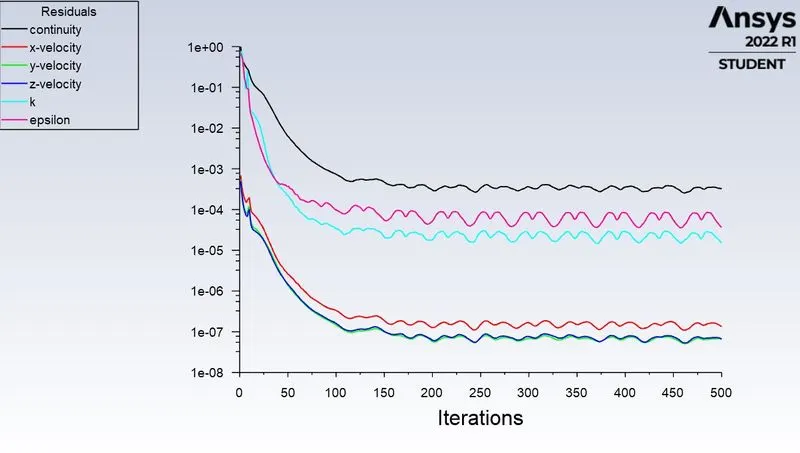
Drag coefficient
Lift coeficient
Velocity contour
Pressure contour
Vector plot
velocity graph
Case3-
Residuals-
Drag coefficient
Lift coeficient
Velocity contour
Pressure contour
Vector plot
Velocity graph-
CONCLUSION
-After concluding all the cases we found the drag and lift coefficient is around 0.35 and the y+ value is a great impact on this process, as mesh got finer then simulation define wake region better
-The negative pressure in the wake region, this can be further atributed to various factor one is separationwhich is evident from vector plot near the wake region.
-For Grid independence test we can say that all the three shows a result and inflation layer provide advantages to capture the flow near the ahmed body.