Week 3 - External flow simulation over an Ahmed body.
Ahmed's body and its importance:
The Ahmed body is a generic car body (a simplified vehicle model). The Ahmed Body was first created by S.R. Ahmed in his research “Some Salient Features of the Time-Averaged Ground Vehicle Wake” in 1984. Since then, it has become a benchmark for aerodynamic simulation tools. The simple geometrical shape has a length of 1.044 meters, height of 0.288 meters, and a width of 0.389 meters. It also has 0.5-meter cylindrical legs attached to the bottom of the body and the rear surface has a slant that falls off at 40 degrees.
The airflow around the Ahmed body captures the essential flow features around an automobile and was first defined and characterized in the experimental work of Ahmed.Although it has a very simple shape, Ahmed body allows us to capture characteristic features that are relevant to bodies in the automobile industry.This model is also used to describe the turbulent flow field around a car-like geometry. Once the numerical model in validated, it is used to design new models of the car.
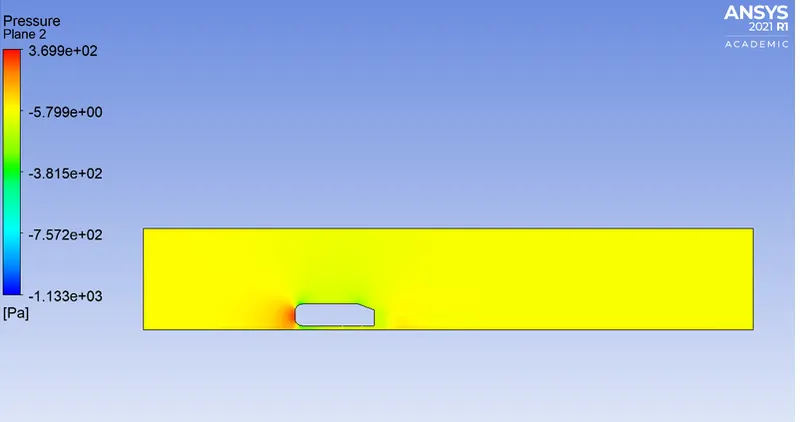
The reason for the negative pressure in the wake region:
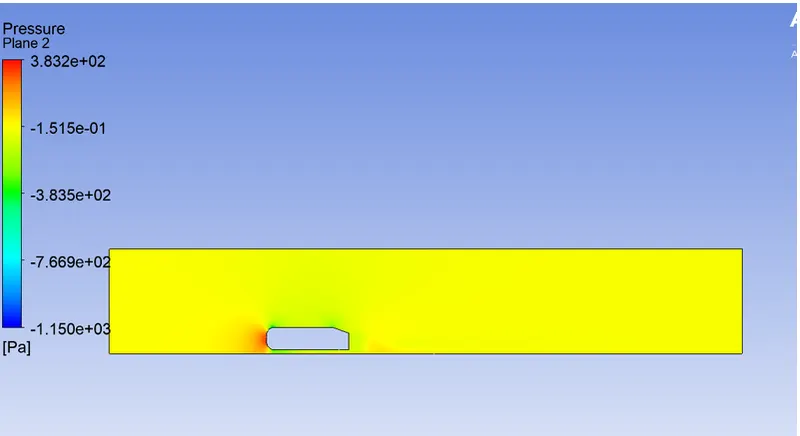
In general it is considered that when air is removed from a region then vacuum is generated in that region. If the particles in wake still striking(colliding) with some momentum on the rear face of vehicle then they are actually pushing the vehicle forward but why the force is considered to be opposing the motion (for example if the vehicle is moving along -ve X-axis then force in the wake is considered to be acting along +ve X-axis.
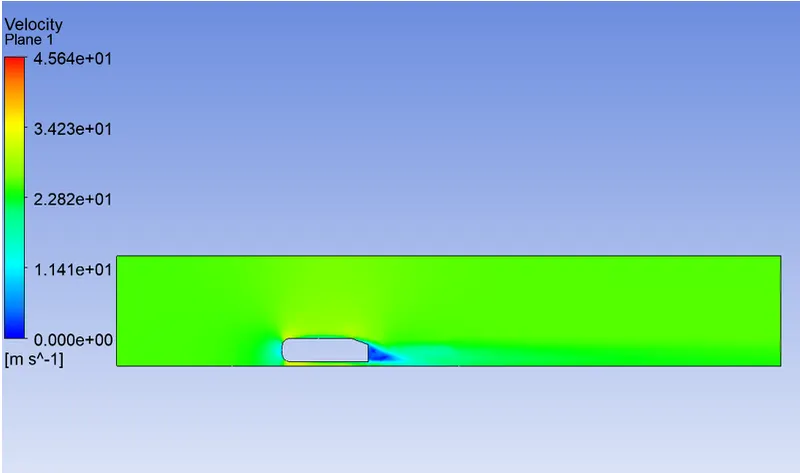
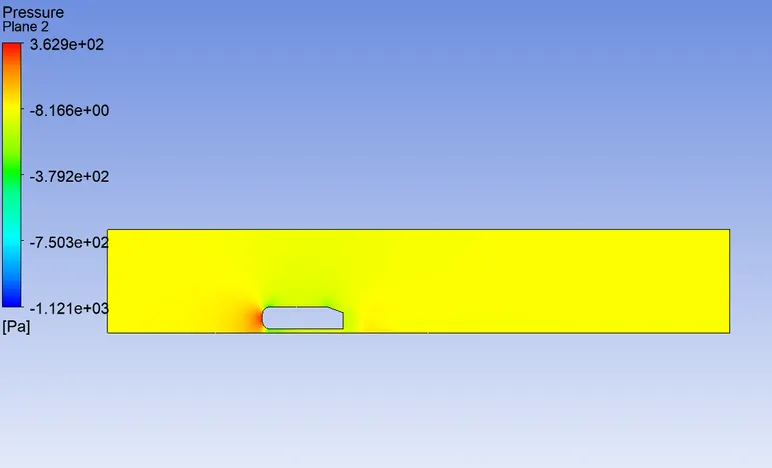
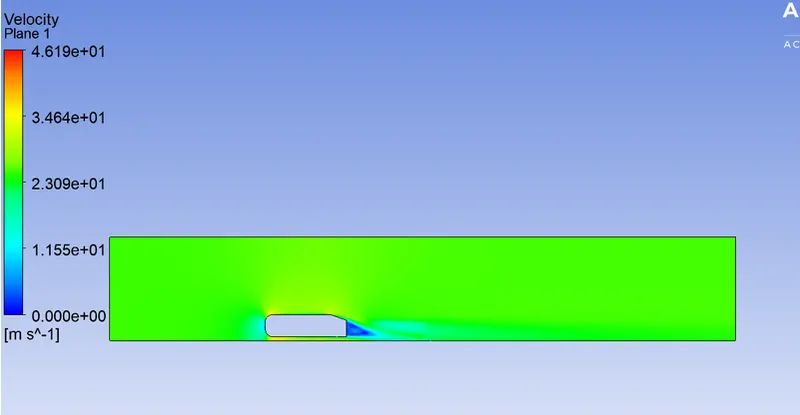
The body penetrating the fluid creates a region of emptiness just beside its end due to the nature of the geometry of the body here which can be seen least in case of a perfectly streamlined shaped body. This emptiness created is a low pressure region towards which the fluid column exactly behind the wake region which of atmospheric pressure tries to fill the space thus dragging the fluid column with it thus creating the region of vorticity. This also results in the huge pressure gradient in the region exactly rear of the body creating the -ve pressure at end. Also this is the layman's reason why there is negative gauge pressure in the wake region.
The significance of the point of separation:
The fluid separation point can be defined as a point where the dv/dy i.e. gradient of velocity goes zero along with the dp/dx = 0, for the specific point. In more simplified term we can say that the point where the velocity gradient goes zero and the pressure gradient along the x-direction goes zero the point of separations starts occurring or the negative pressure gradient starts forming after that point. The point of separation cannot be understood just by single contour in hard and fast way. It can be supportively studied with the help of the dp/dx plots or velocity plots w.r.t the Y direction and other such plots in which we can see the nature of such physical properties like dp/dx=0, and dv/dy-0 experiencing in a particular region of fluid and body interaction.
Geometry:
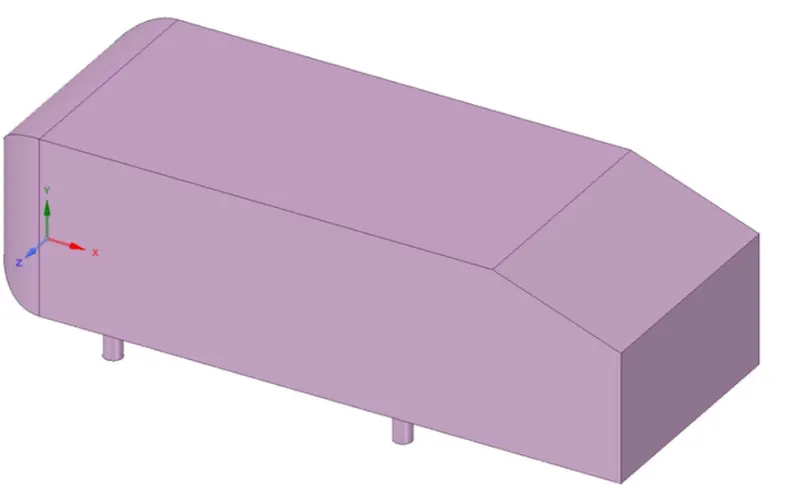
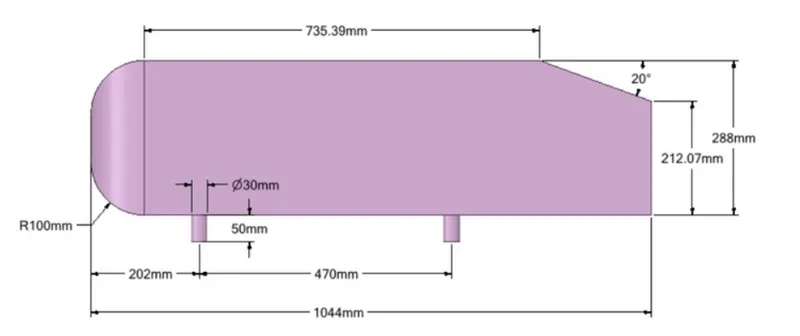
Geometry in Space claim:
- Load the body into space claim
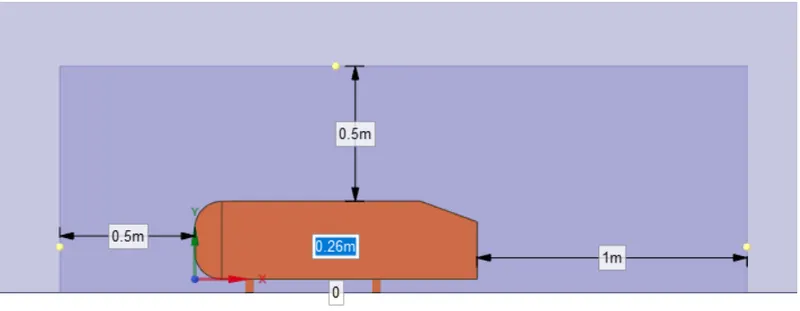
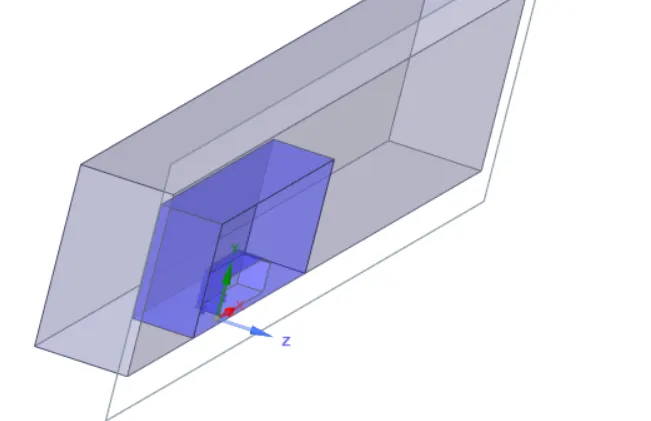
- Prepare >> enclosure >> select the Ahmed body and enter the following dimension
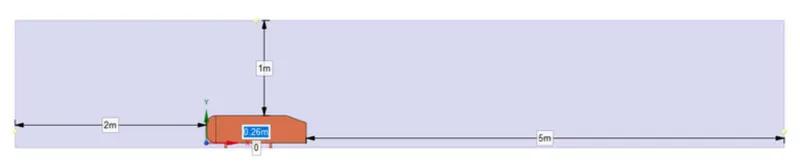
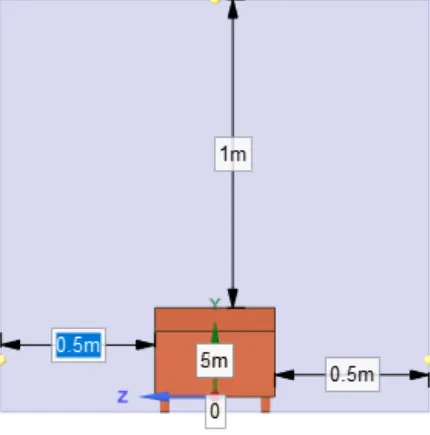
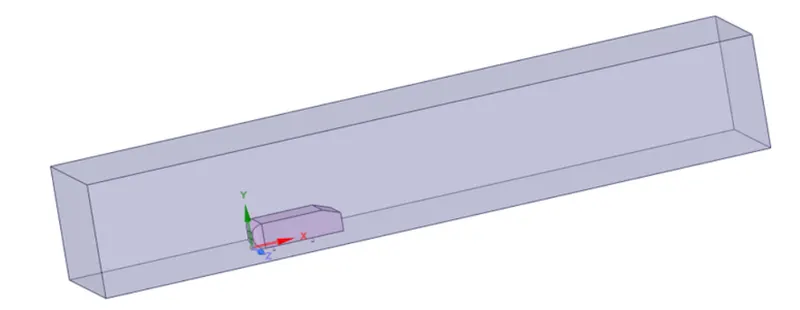
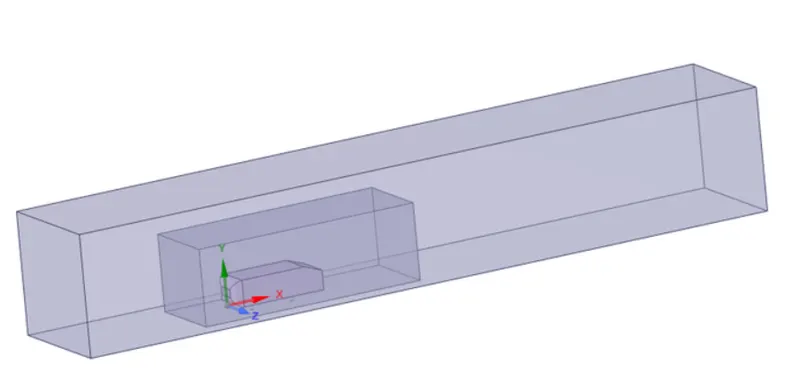
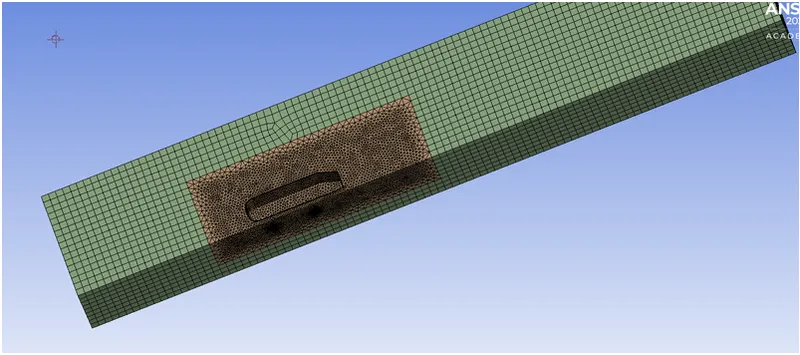
- In order to refin the mesh , another enclosure is created around previously created enclosure
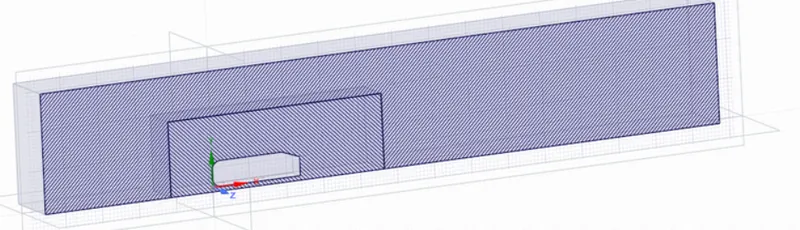
- After interferance , the body is split into half using split body command in design , here an XY plane is used to split
Mesh:
Case 1:
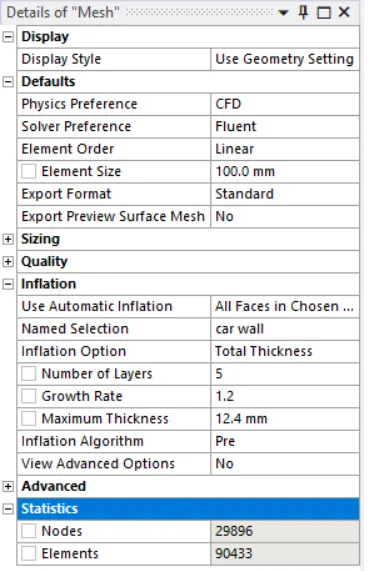
outer enclosure : 100 mm inner enclosure : 50 mm Face sizing : 5 mm inflation layer = 12.4mm(5 layer)
Fluent setup:
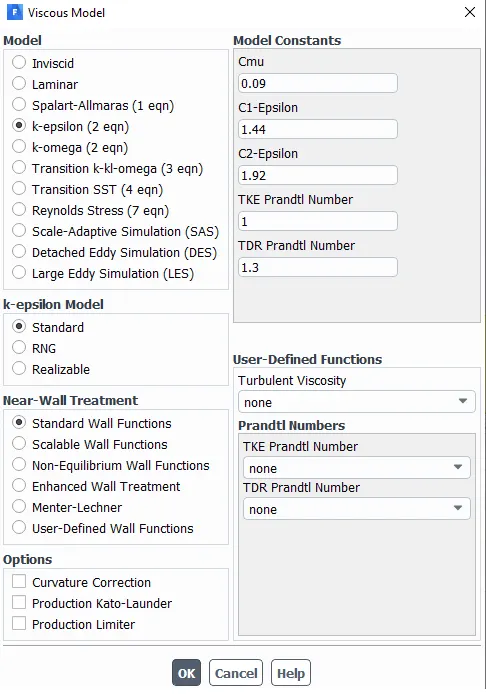
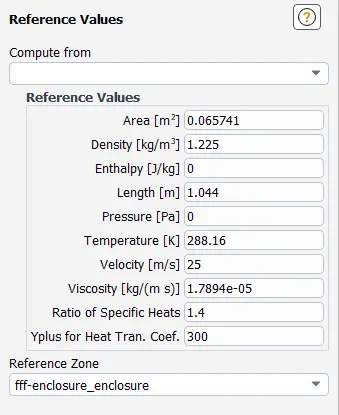
- K- epsilon is taken beacuse sice we are taking a smaller inlet velocity of 25 m/s
- pressure density solver
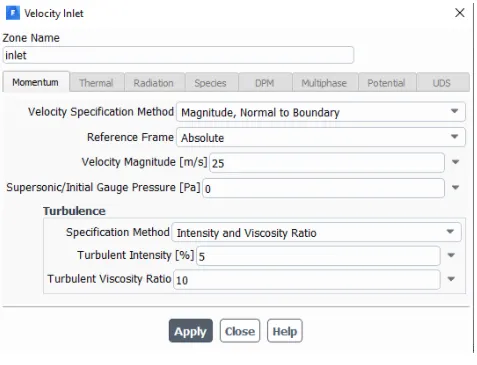
- 25 m/s as velocity inlet boundry
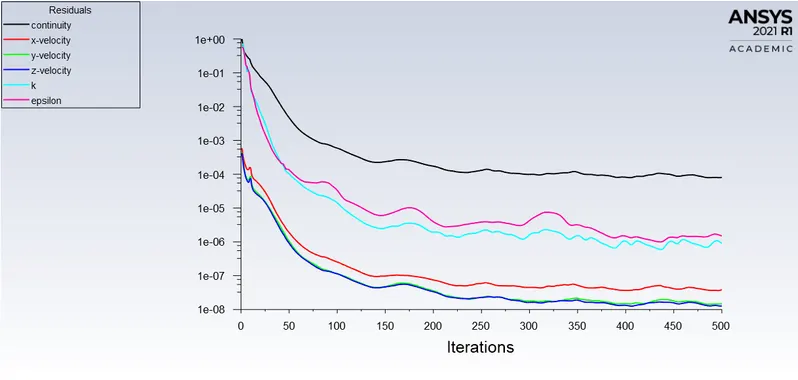
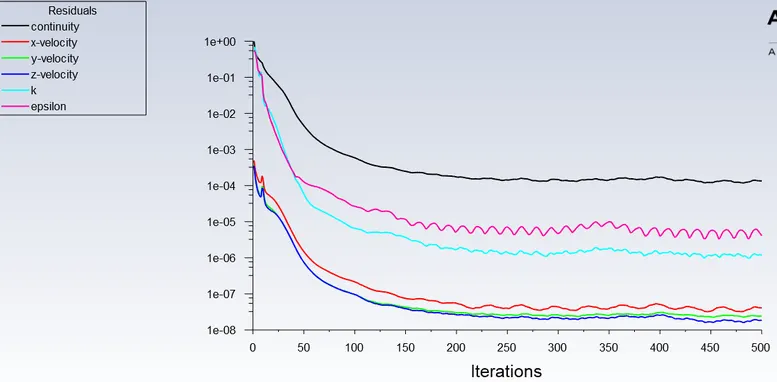
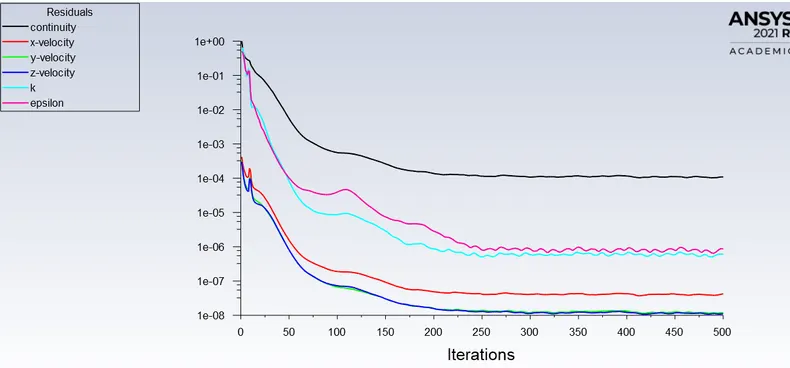
- iterations = 500
Results :
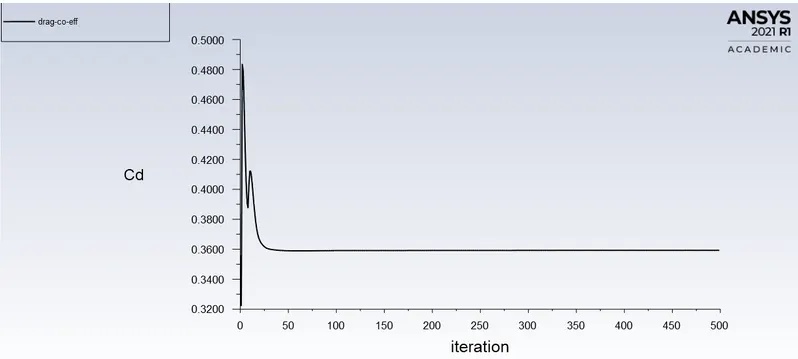
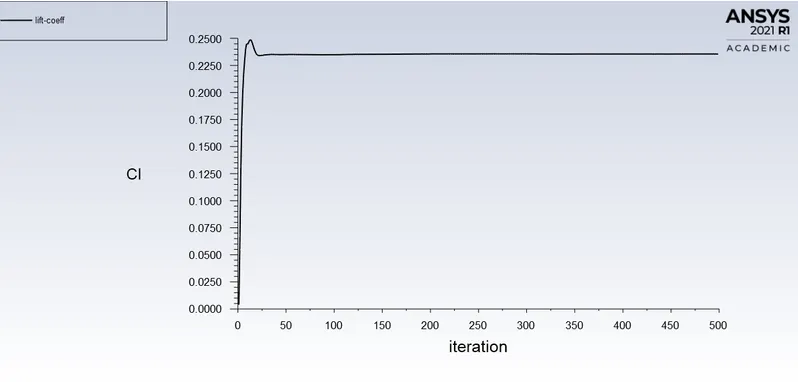
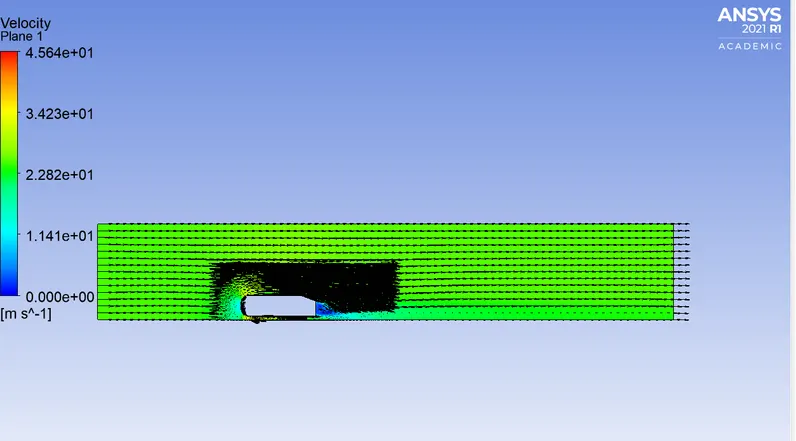
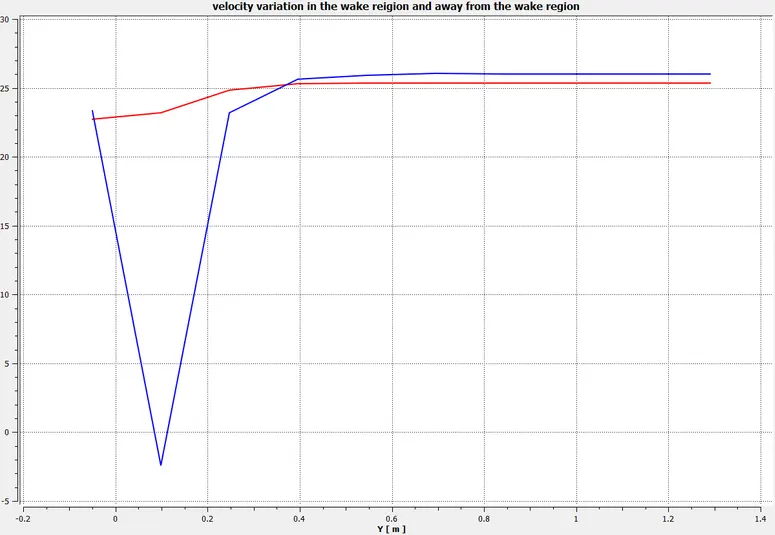
Case 2:
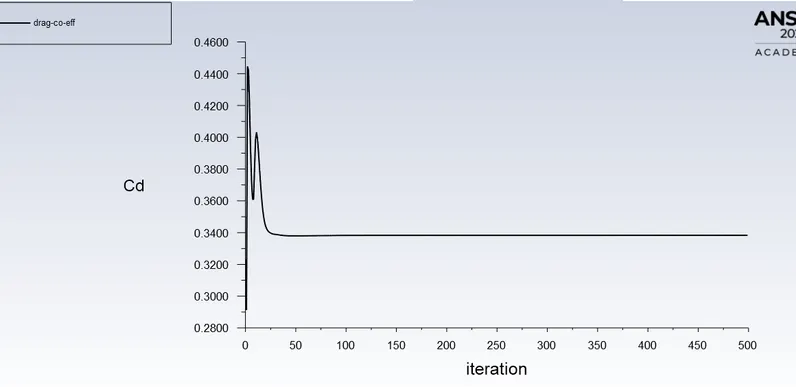
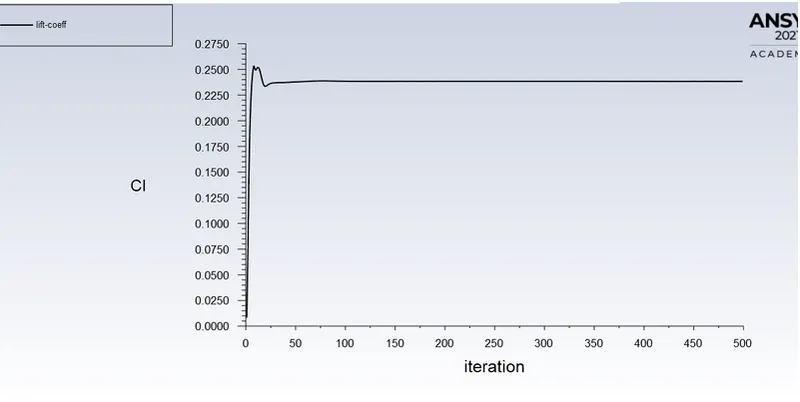
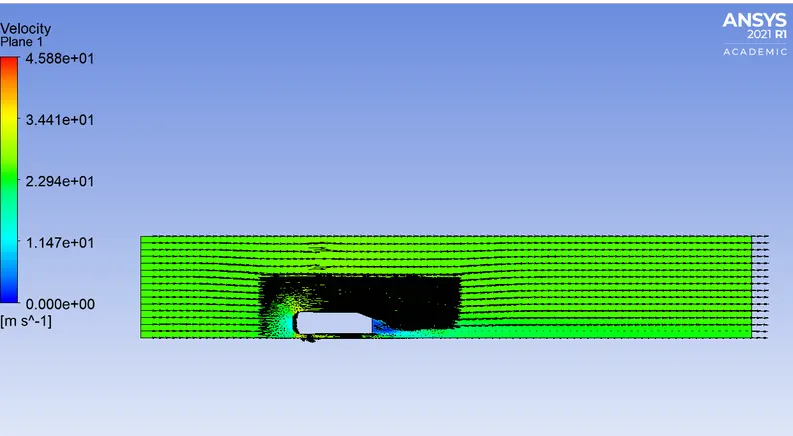
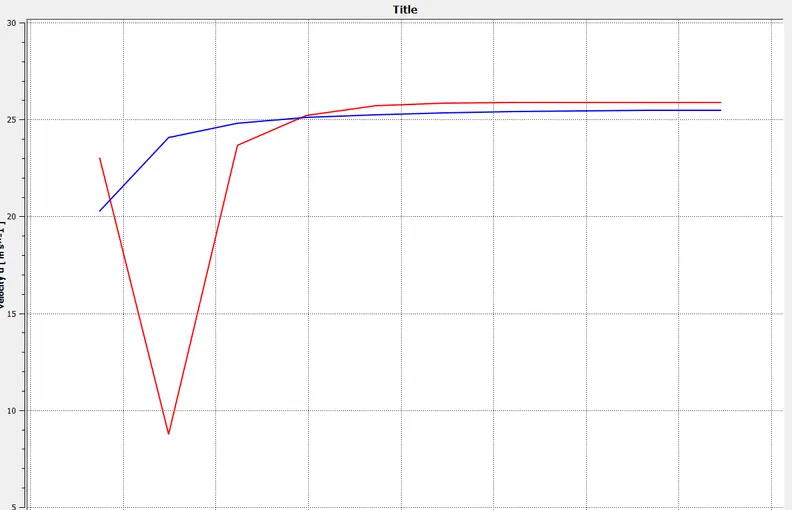
outer enclosure : 90 mm inner enclosure : 40 mm Face sizing : 5 mm inflation layer = 12.4mm(5 layer)
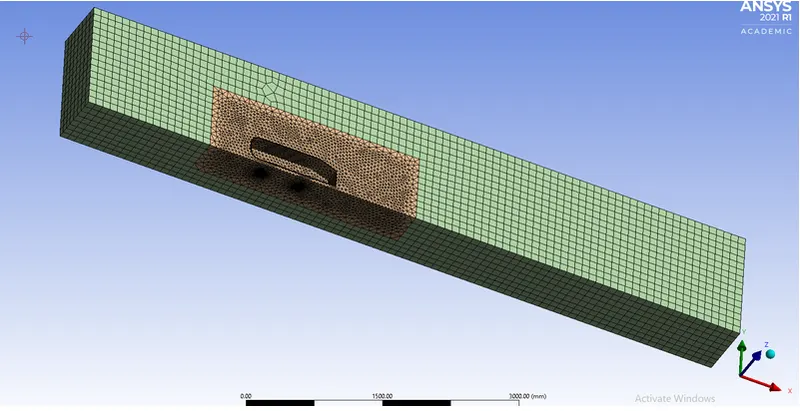
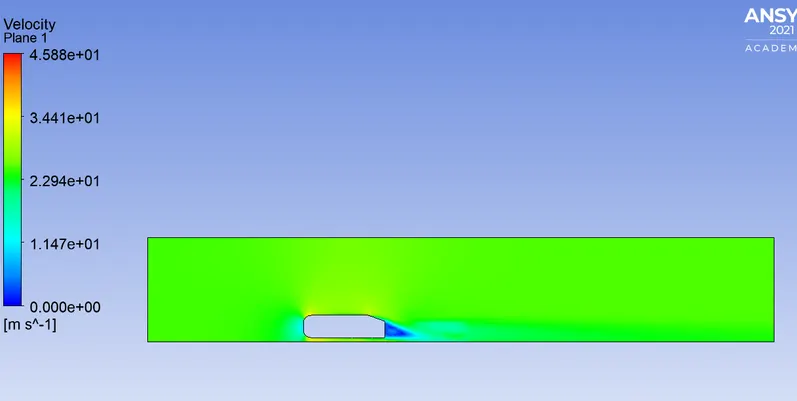
Results:
Case 3:
outer enclosure : 80 mm inner enclosure : 30 mm Face sizing : 5 mm inflation layer = 12.4mm(5 layer)
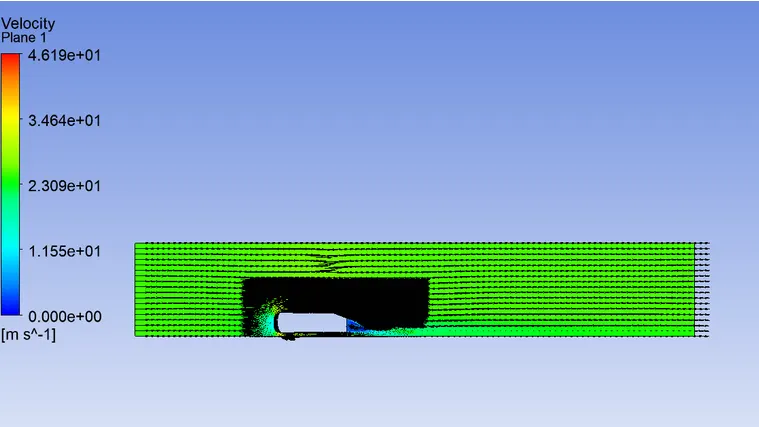
Results:
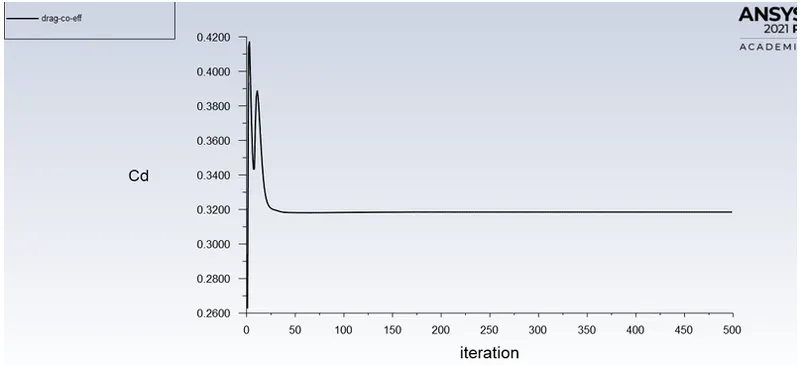
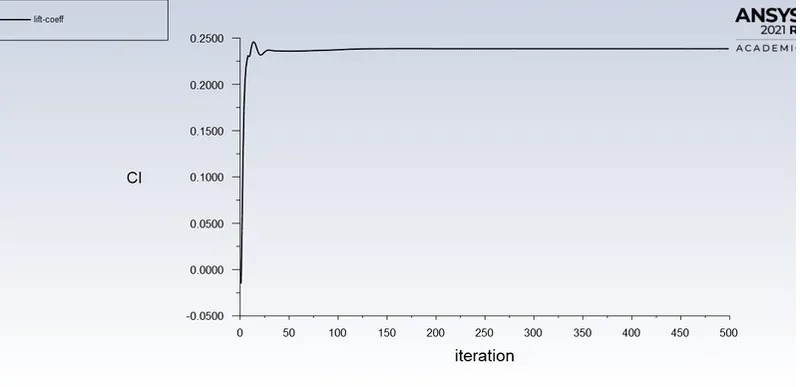
| number of cells | Cd | Cl | |
| case 1 | 90433 | 0.3592 | 0.235 |
|
case 2 |
144529 | 0.338 | 0.238 |
| case 3 | 293485 | 0.3185 | 0.2384 |