Week 3 Challenge : CFD meshing on Turbocharger
Aim:
To perform 1st normal surface mesh and later Vomumetric mesh on TurboCharger Model.
Procedure:
I. Topo Cleanup
1st do topo cleanup, remove all single cons and make sure all triple cons are valid.
For topo cleanup, check for single cons by doing geometry checks. Resolve/convert every single cons to double cons, add missing faces, delete overlapping surfaces (can be checked as triple cons or can be seen as mixed surfaces), deleting extra surfaces, add missing hole surfaces. Please see below image for topo cleaned up model.
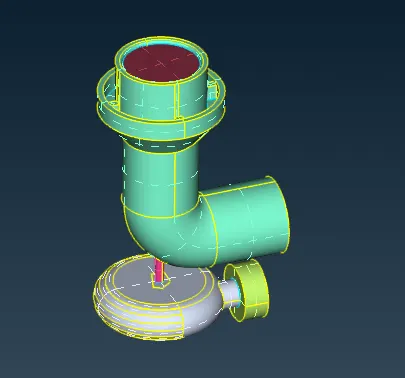
Image below shows no single cons and only double cons (Yellow lines)
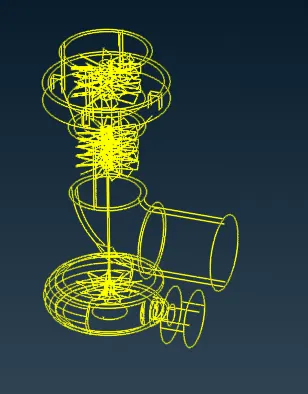
Image below shows Tripple cons
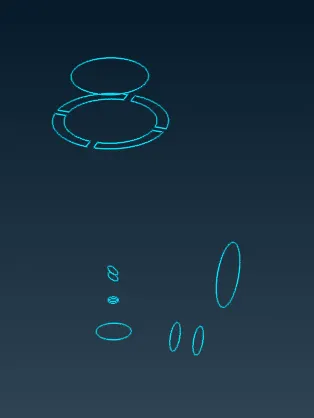
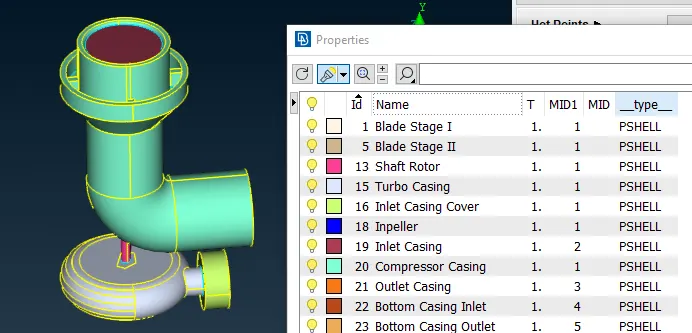
Image below shows PID assigned to subcomponent of Assembly
II. Surface Meshing
Apply set Target lengths as per Inputs as below
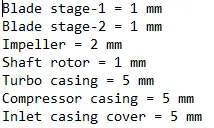
Set Compressor casing, Turbo casing & Inlet casing cover target lengths to 5mm and set minimum & maximum lengths as 3mm & 7mm and give spot meshing option with Tria Element type
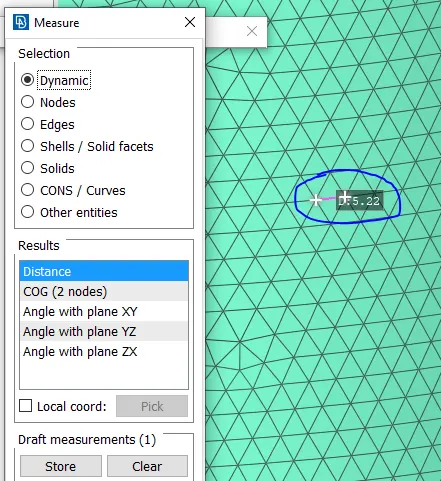
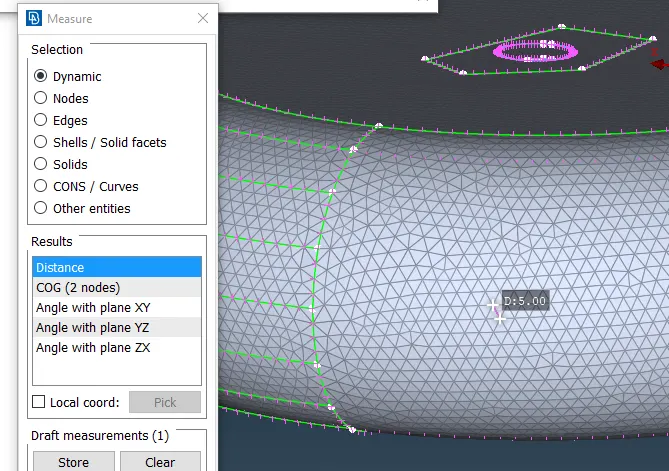
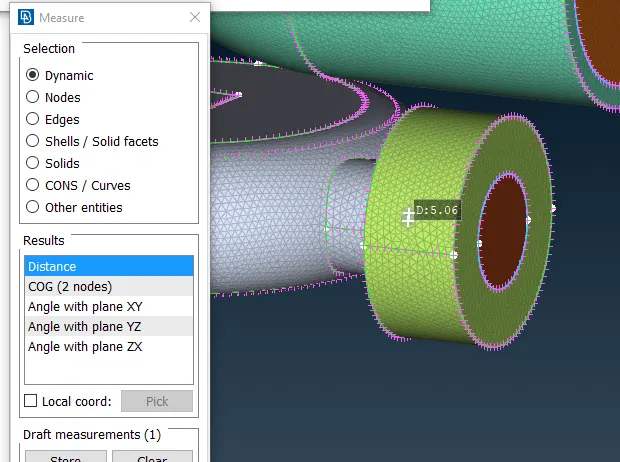
Apply same lengths to covers added to these casings inorder to close these surfaces.
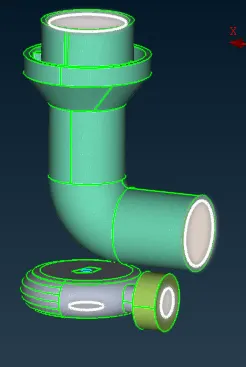
Set Blade stage-1, Blade stage-2 & Shaft rotor target lengths to 1mm and set minimum & maximum lengths as .5m & 2mm.
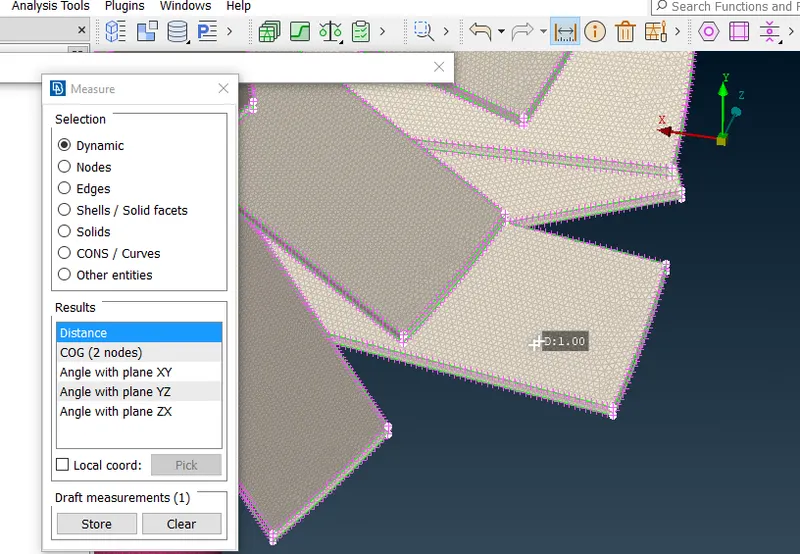
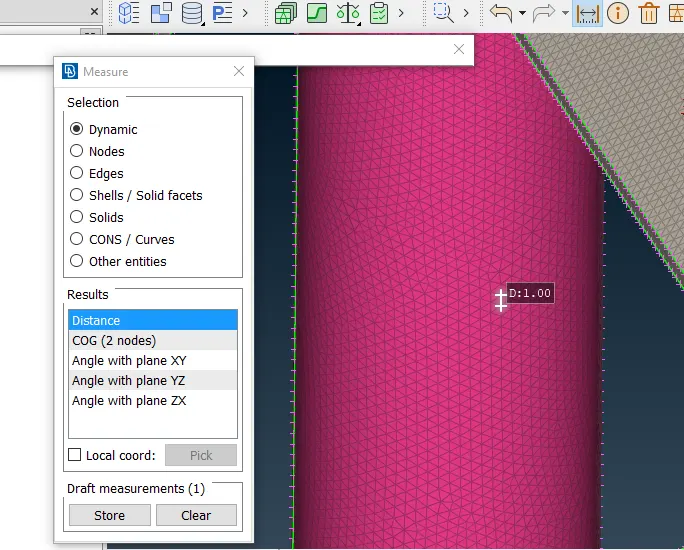
Set Impeller target length to 2mm and set minimum & maximum lengths as 1m & 3mm.
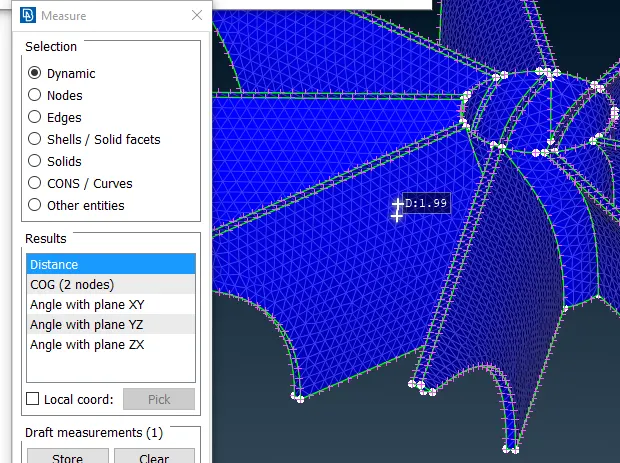
Donot set fixed Target lengths for the surfaces where there is transition is hapenning from 1 target length to other target length (for example see below image for 1mm target length set shaft merging with 5mm target length set Turbocasing)
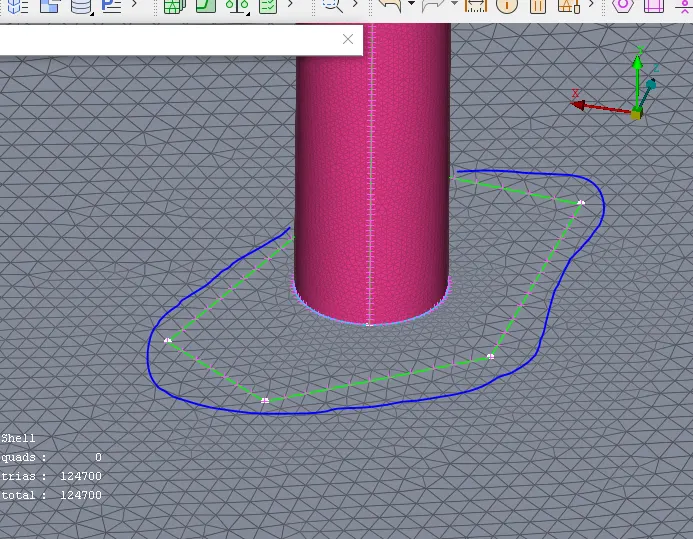
Area set in above image showing boundary surface shows the transition.
III. Volumetric mesh
After completing Surface mesh, define volume entities and delete components thickness entities and just add the volumes where fluid flows from. Please see below image for listed entites.
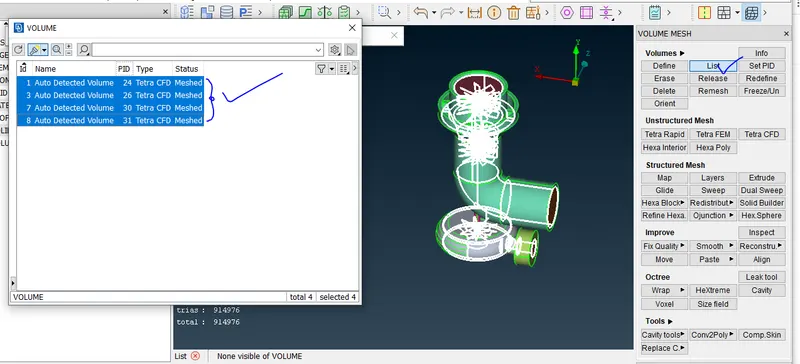
After done with assigning Volume entities perform Tetra CFD for all Volumes, final assembly is as shown below
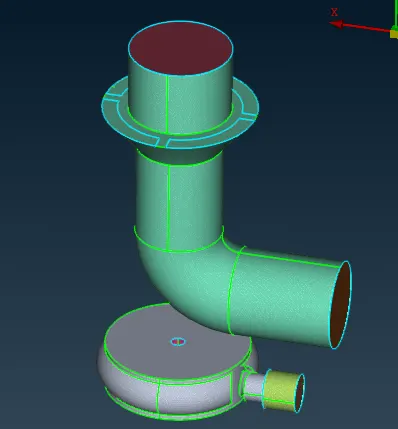
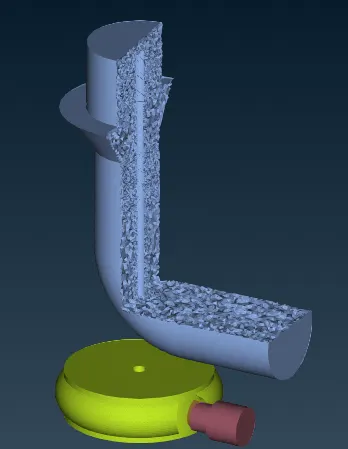
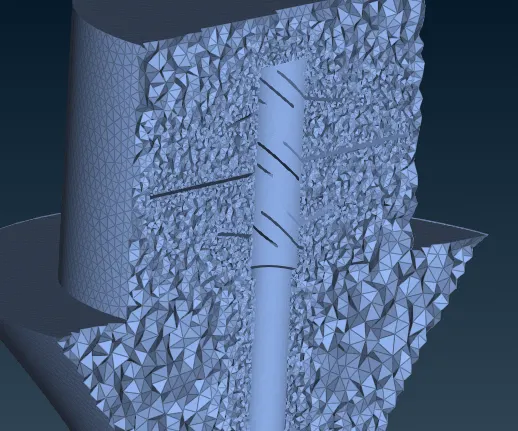
Above 2 images shows final Volume (sectional view) meshed assembly only to the Fluid flowing area.
Conclusion:
To perform final Volumetric meshing we need to clean up assembly, do surface meshing and finally delete component thickness material and finally do CFD meshing.