Week 3 Challenge
1. AIM :
Effective length factor determination problem
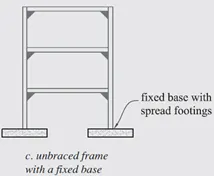
INTRODUCTION :
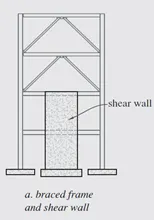
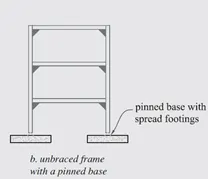
A compression member is defined as a structural member subjected to compressive force in a parallel directional parallel to its longitudinal axis. The most common type of compression members are columns.
PROCEDURE :
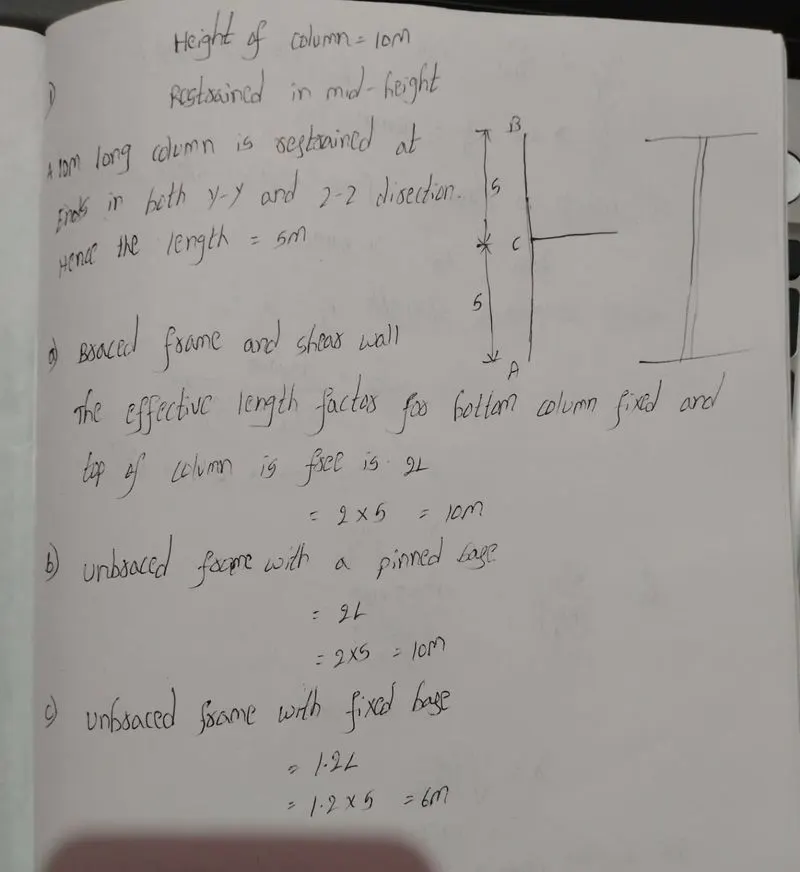
2. AIM :
Design Axial strength determination of a column with its end conditions
INTRODUCTION :
PROCEDURE :
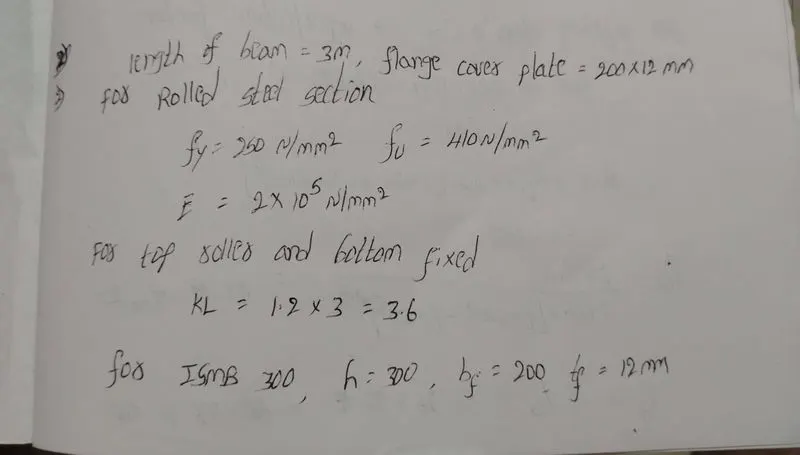
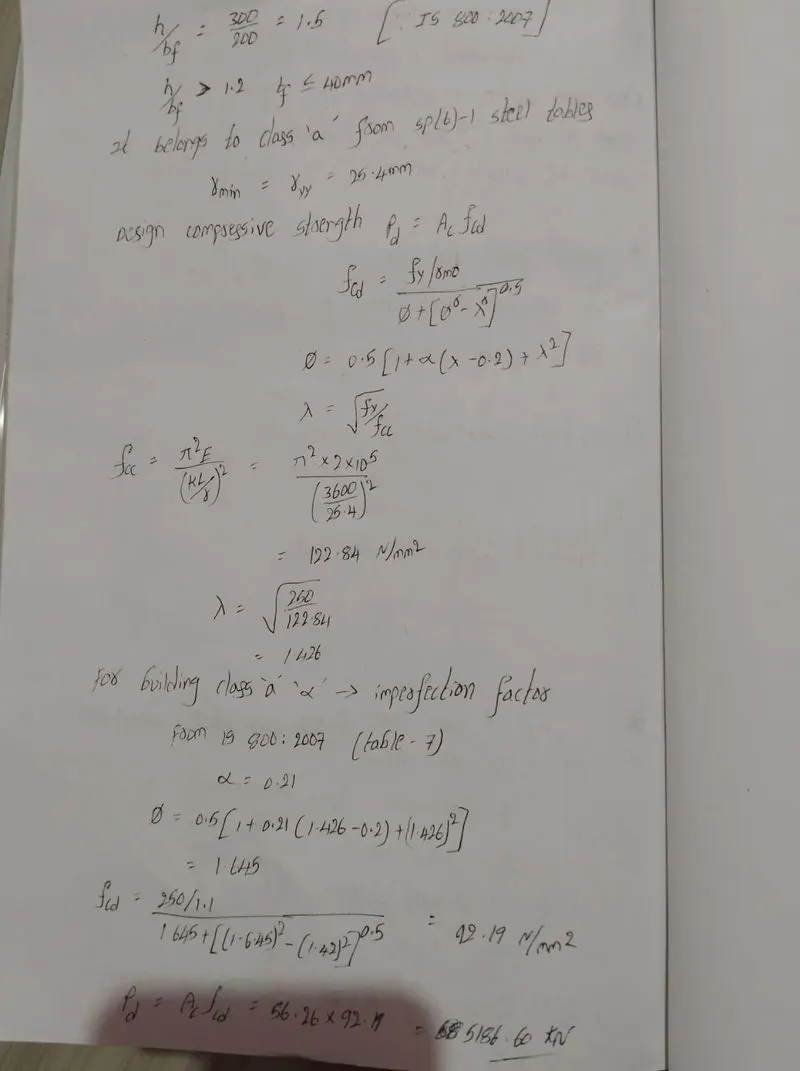
3. AIM :
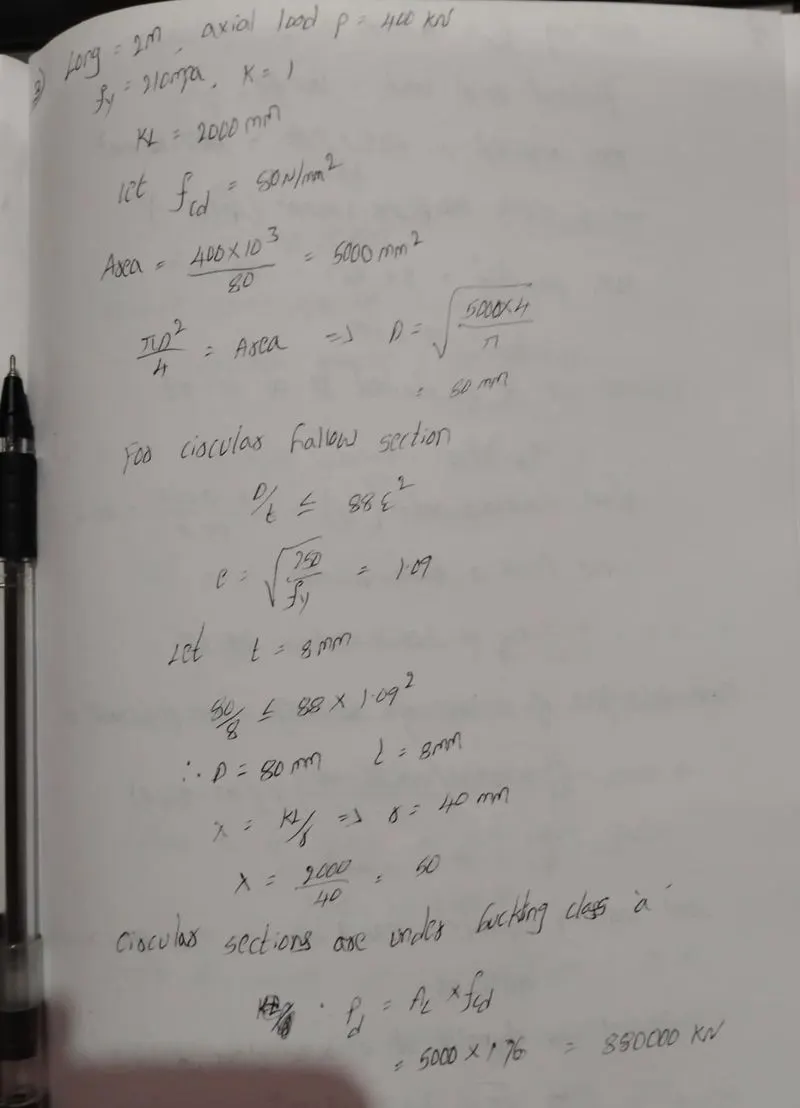
Design circular tube strut member for certain load
INTRODUCTION :
PROCEDURE :
4. AIM :
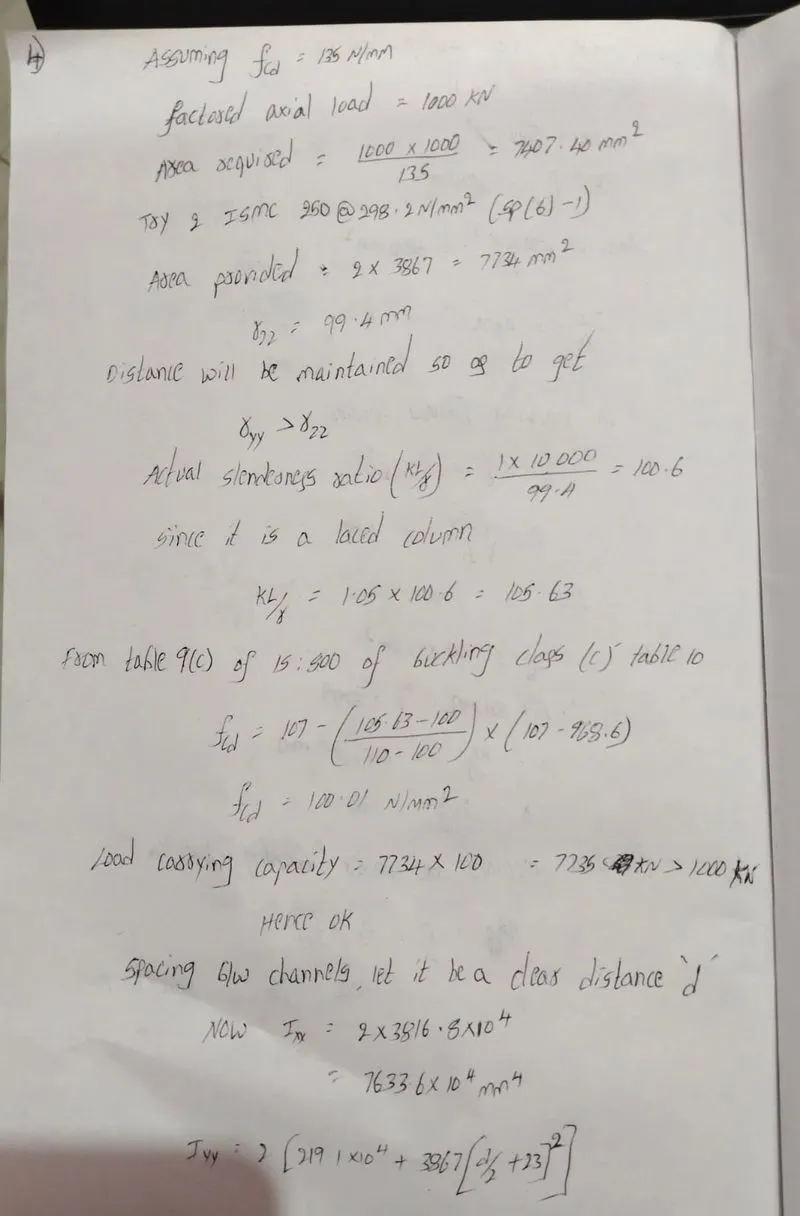
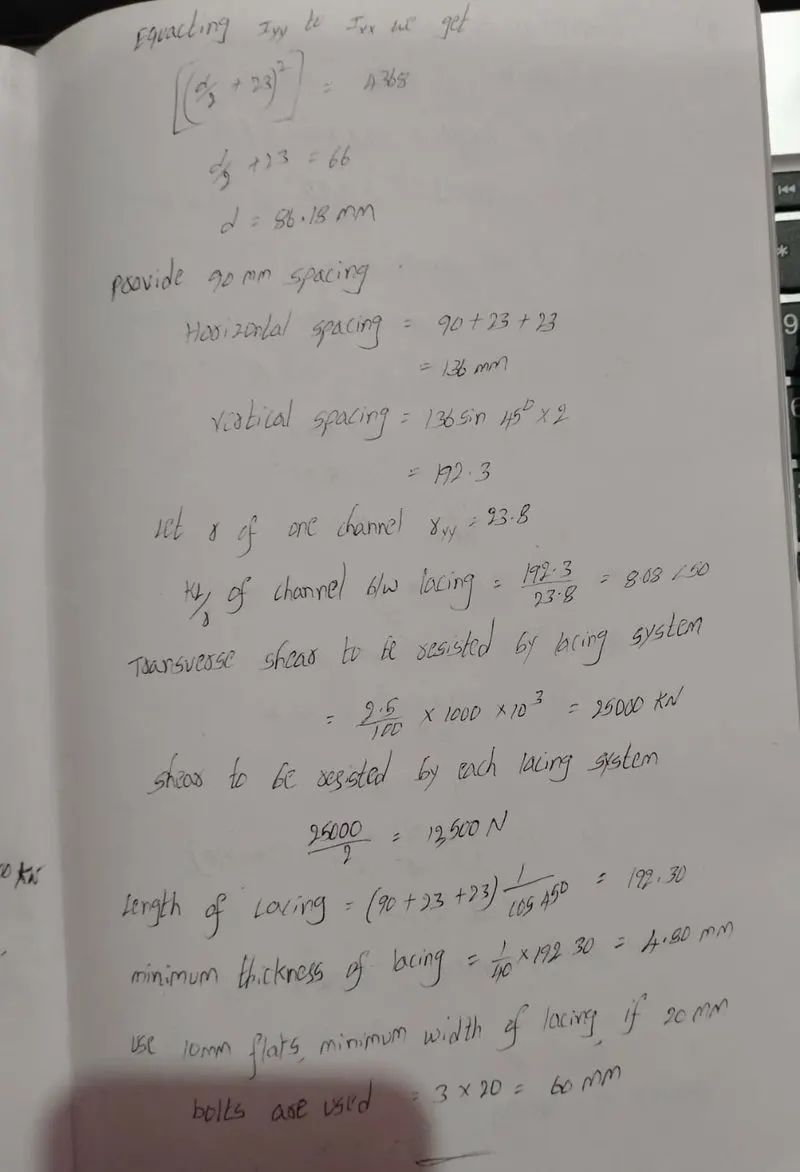
Design of laced column
INTRODUCTION :
Laced columns, on the other hand, are a specific form of built-up column where some of the small pieces vary in position along the column length. The usual layout, as seen in the vertical members above, is to create a series of double-diagonal connectors between two main pieces, usually channels.
PROCEDURE :
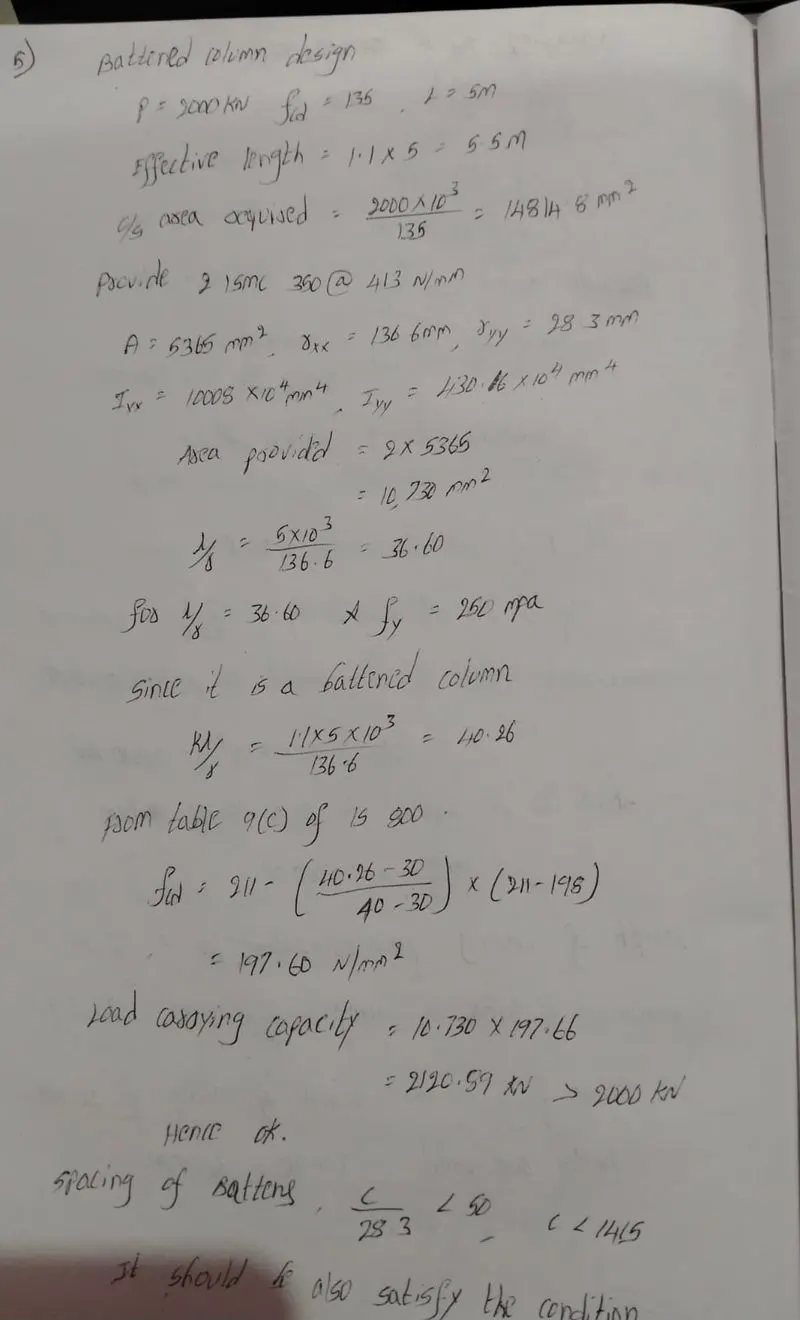
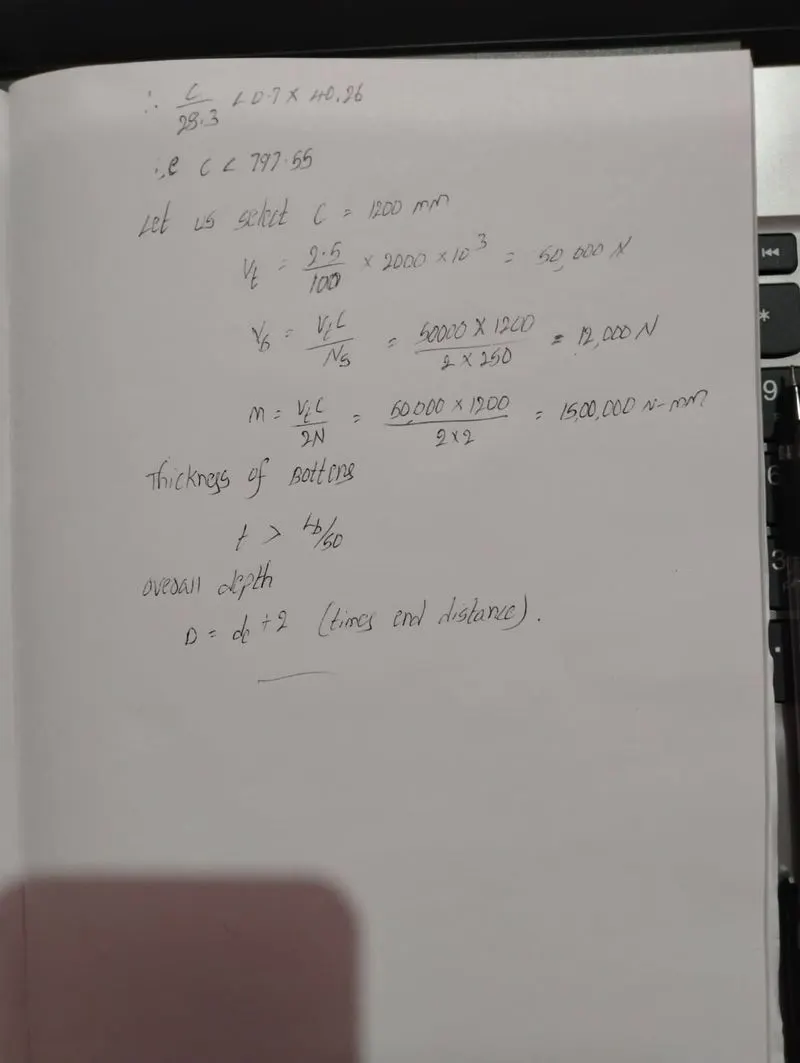
5. AIM :
Design of battened column
INTRODUCTION :
The battened double-channel columns designed as per current practice may behave satisfactorily in axial compressive loading, but during seismic overloads, they may not be able to withstand the lateral load required to reach full plastic moment carrying capacity of section.
PROCEDURE :