Week 2 - Flow over a Cylinder.
ANSWER-
AIM-
steady and transient simulation of flow over cylinder .
Discuss behaviour of fluid flowing over cylinder.
Discuss important phenomenon ocuuring in flow and their importance.
Theory-
Introduction-
Flow over cylinder-Study of Flow over a cylinder is similar to study of flow over an obstacle.since cylinder is a symetrical object which make it easy to understand the complex phenominon occuring when flow past the object. Flow seperation and formation of eddies and vortexes in wake region is still challenging to understand many engineering fields
Boundary Layer flow-It is a small layer of fluid flowing adjacent to the solid surface on which fluid is flowing.In boundary layer viscous force dominates over inertia.Velocity of fluid layer just in the vicinity of surface is cosidered as zero or 'no slip' condition.fluid velocity vary from zeo to free stream velocity
Flow seperation-when fluid flow over circular objet boundary layer forms and this boundary layer thickness keep increasing as fluid moves forward because of viscous force and pressure force drops to maintain velocity of fluid for the flow to uccur.In the first half when fluid reaches on top area deceased and velocity increases pressure gradient is negative flow maintain.In second half in downward area increases and pressure gradient is positive hence velocity reaches to a lowest value when maintaing flow is not possible and boundary layer fluid start detaching fron the surface and reverse ots direction hence vortices and eddies are formed in then bck of the body.
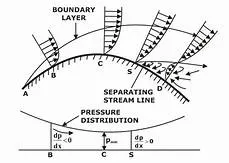
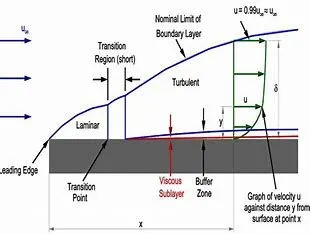
Wake region-it is the region formed atthe back of the body dure to flow seperation where there is adverse pressure gradient because of which eddies are formed.In this region there is stram lines as there is no prope flow which is undesirable for the system.
Engineeres an d researchers aim is to reduce this region size beacause when Reynolds number of fluid reaches beyond a certain value it give rise to a very undesirable phenominon called Von kamram Vortex street .it increses the drag force and somtimed zero or negative lift which may topple the object.
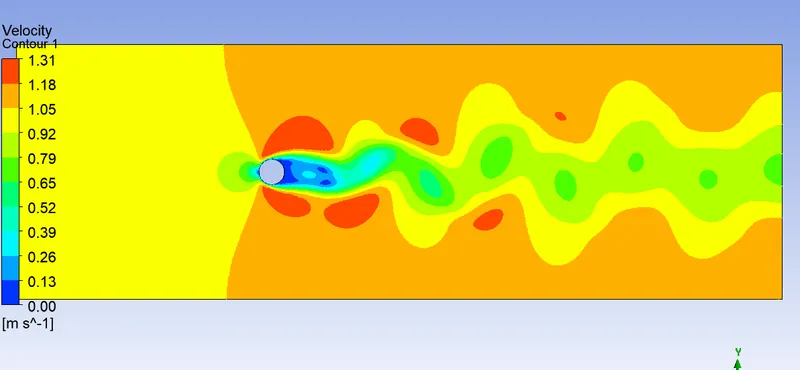
Vortex Shedding:It is defined by the process of oscilating flow of fluid when it past a body.In this flow low pressure vortices are formed at the back of the body caausing the body to move in the low pressure region.
Von Kamran Vortex Street:when Reynolds number of fluid reaches beyond a certain value it give rise to a very undesirable phenominon called Von kamram Vortex street .it increses the drag force and somtimed zero or negative lift which may topple the object.
it is a repeating pattern of swirling vortices caused by a process known as vortex shedding which is responsible for the unsteady seperation of flow of a fluid around blunt bodie
Is is responsible for such phenomena as the "singng" of suspended telephone or power lines and the vibration of a car antenna at certain speeds.
Reynold number-it is a dimensionless number and defined as the ratio of inertia force to viscous force.
PART1-steady and transient simulation of flow over cylinder for Reynolds number 100
A-Unsteady flow with Reynolds no 100
SIMULATION SETUP:
velocity at inlet 1m/s density of material 1kg/m^3 and viscosity 0.02 kg/m-s
mesh grid size is 0.25m
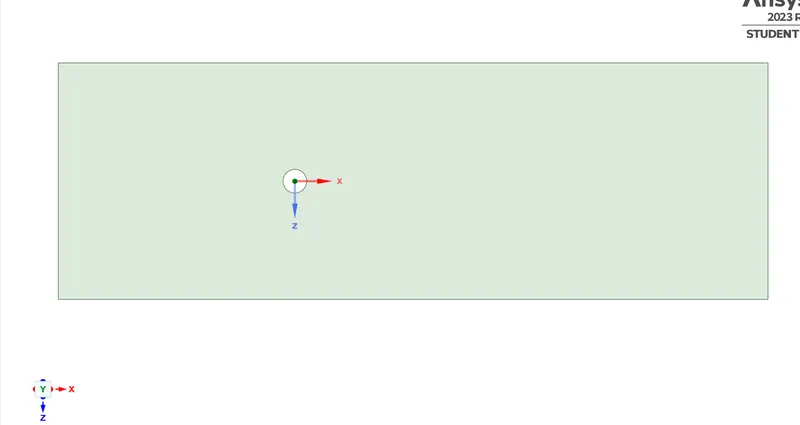
cylinder diameter=2m
enclosour size
model in space-claim is as shown below
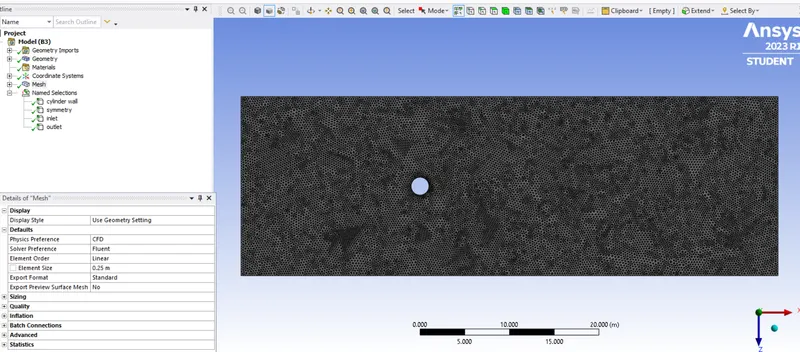
Solving-
simulation results
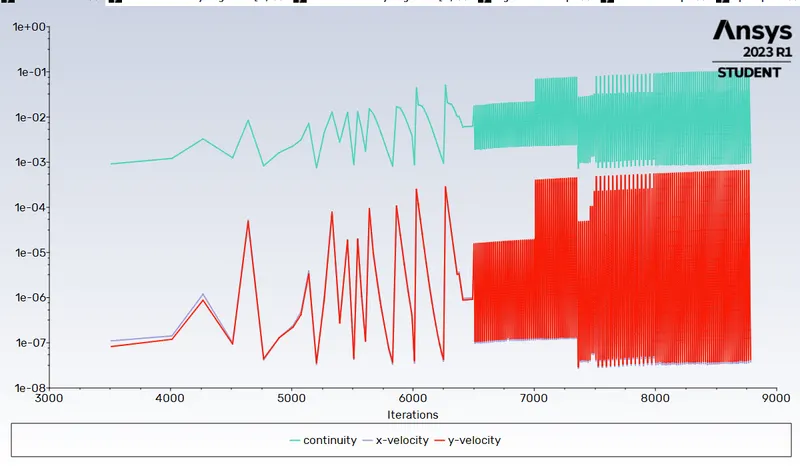
1-Residuals
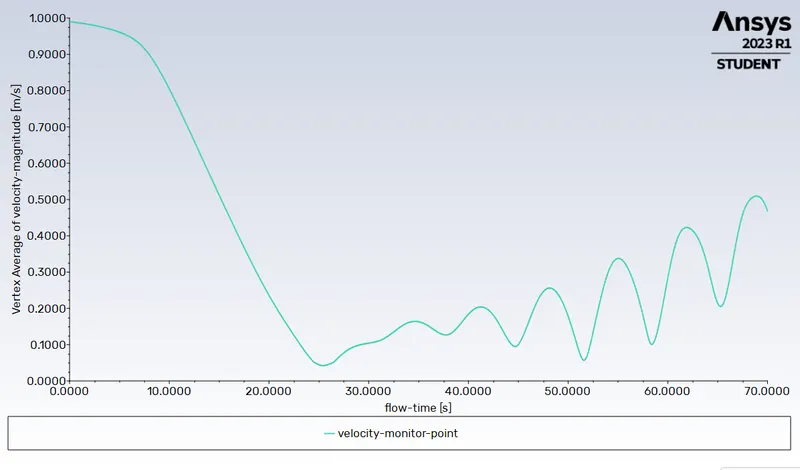
2-Vertex avg of velocity plot-
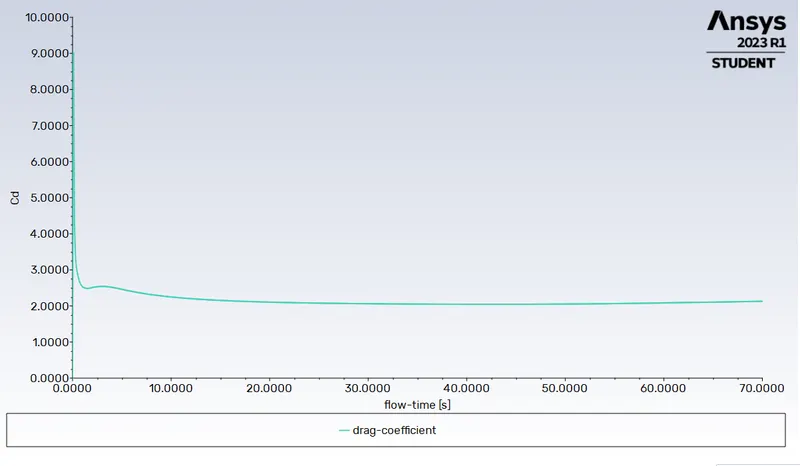
3-plot for coefficient of drag
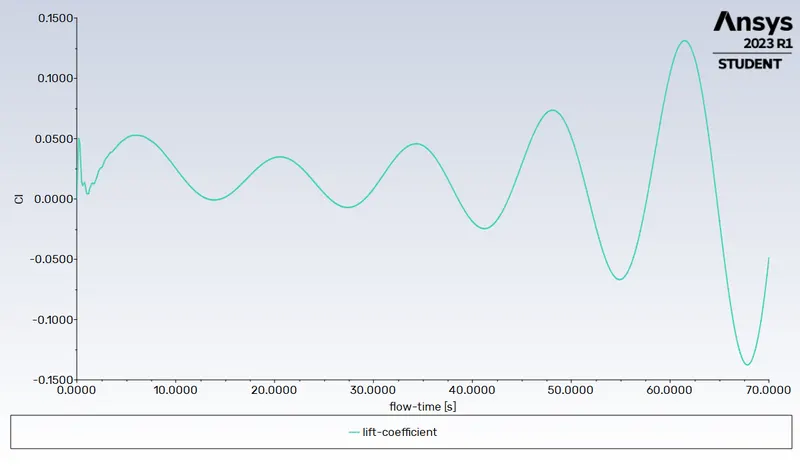
4-plot for coefficient of lift
5-plot for strouhal number
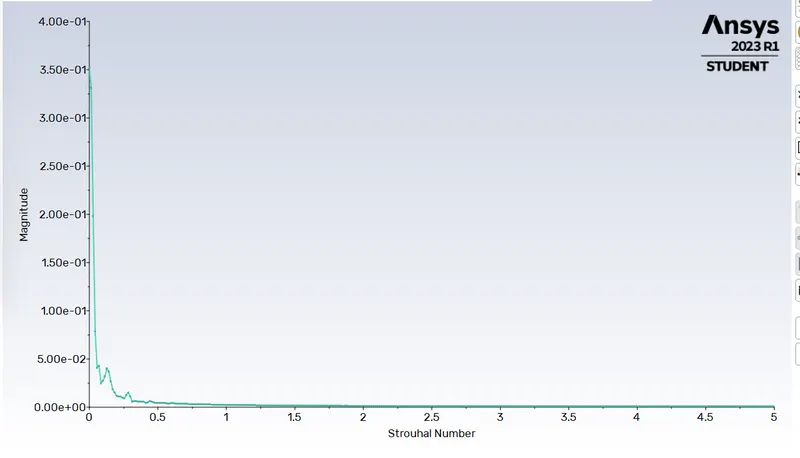
strouhal number value at first peak is 0.119
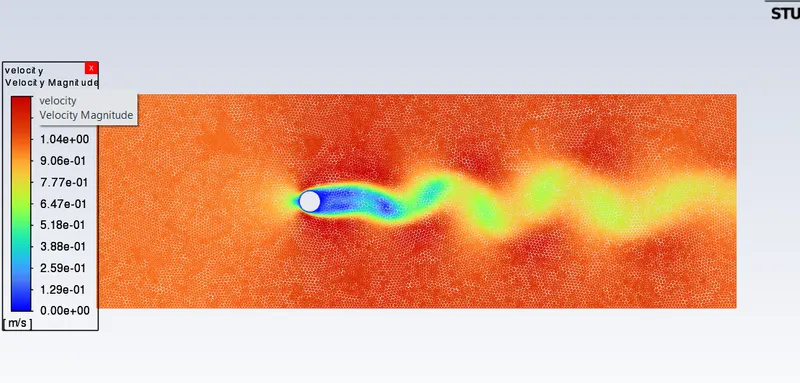
6-velocity contour-
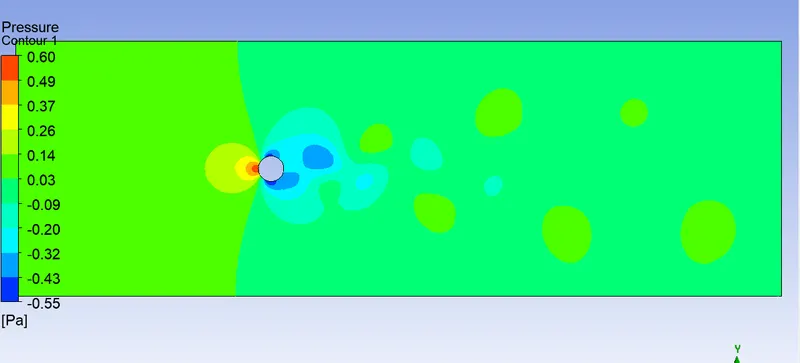
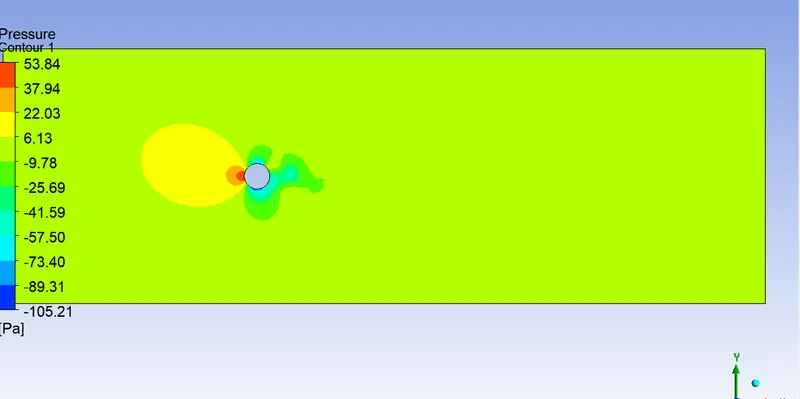
7-pressure contour
B-steady flow simulation-
with same mesh size and boundary condition simulation results are as follows
1-Residuals
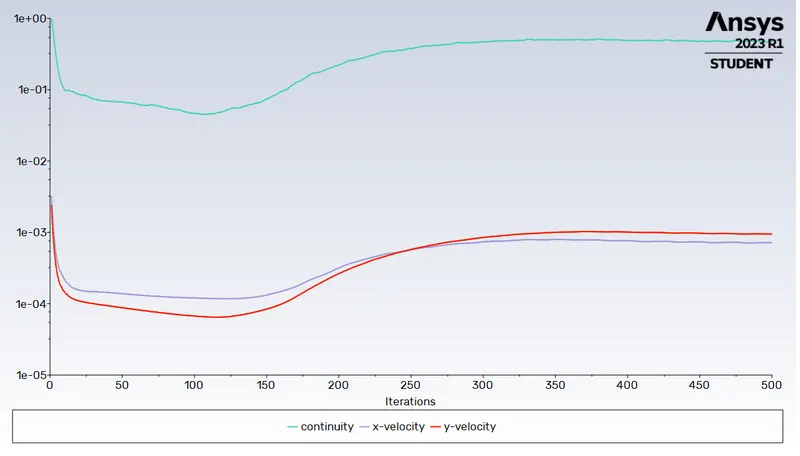
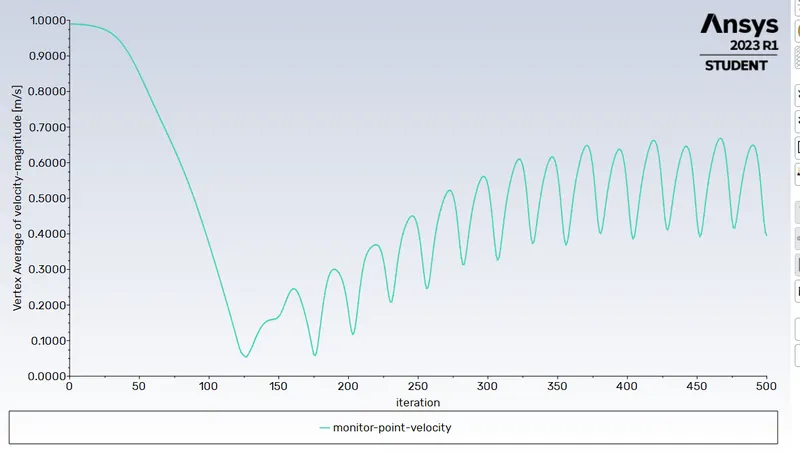
2-vertex average velocity plot
3-strouhal Number-
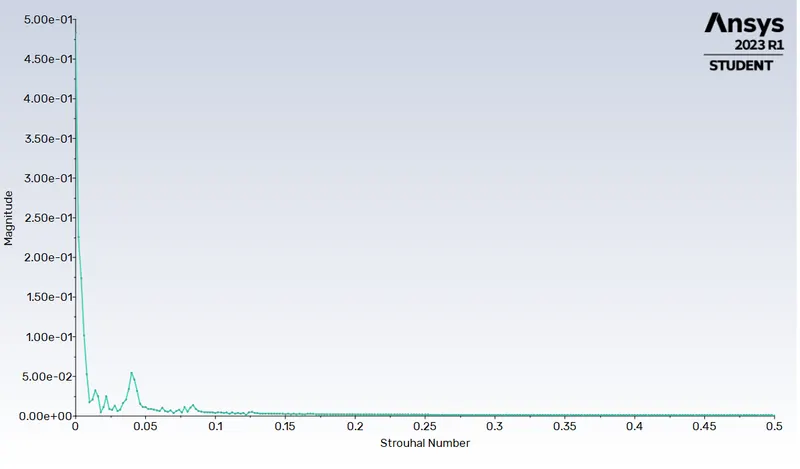
Magnitude of strohal number at first peak 0.041
4- velocity contour
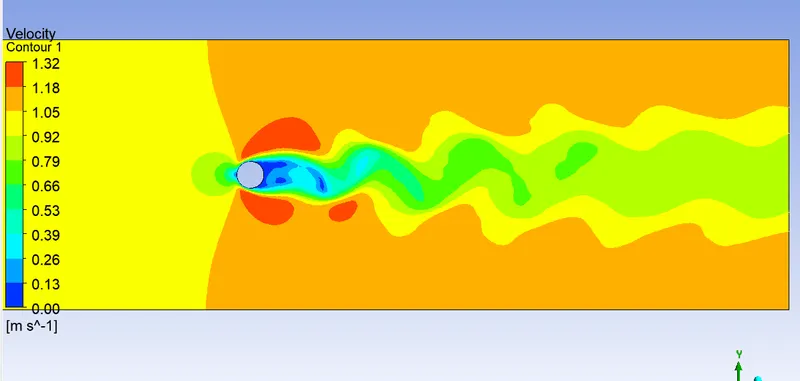
5-pressure contour
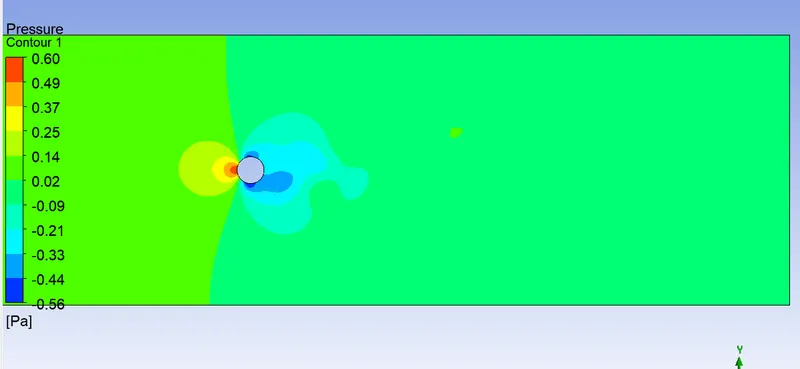
PART-2
Steady state simulation of flow over cylinder to calculate coefficient of drag and coefficient of lift for different Reynolds number
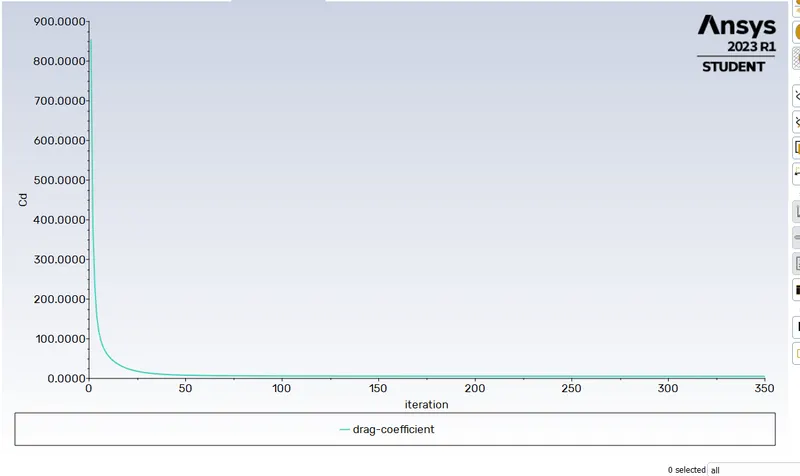
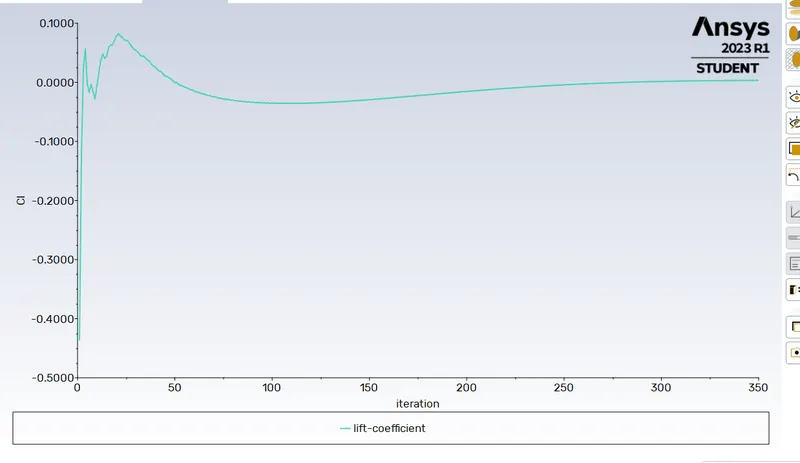
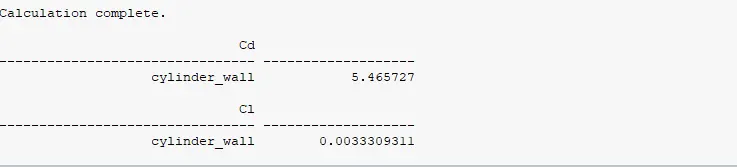
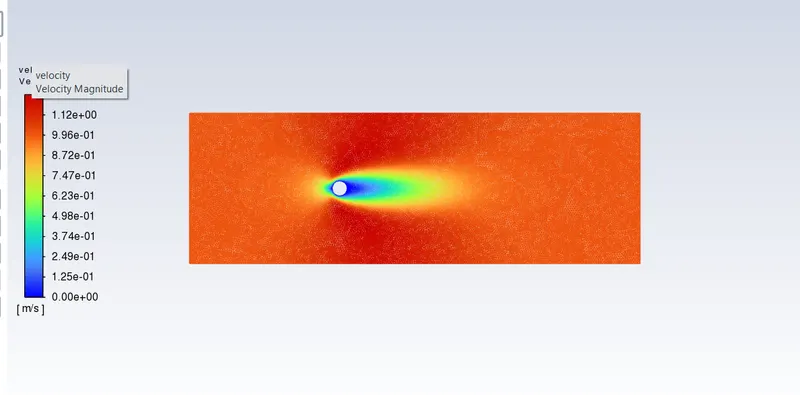
A-for Reynolds number 10 velocity =1m/s viscosity=0.2
1-Residuals
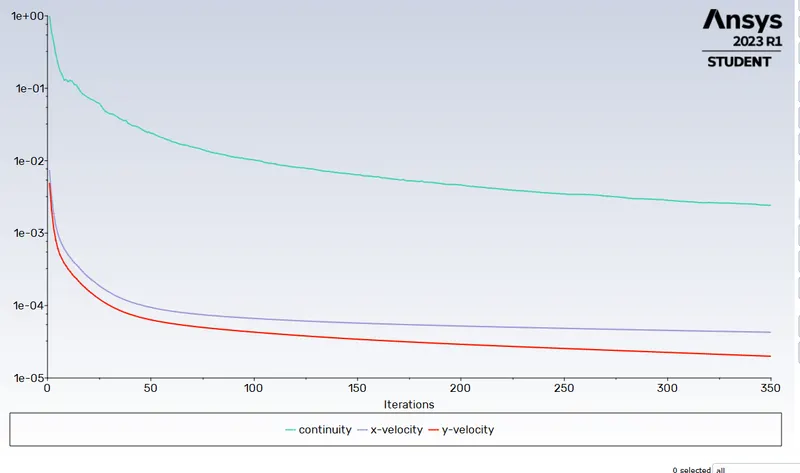
2-plot for vertex average of velocity
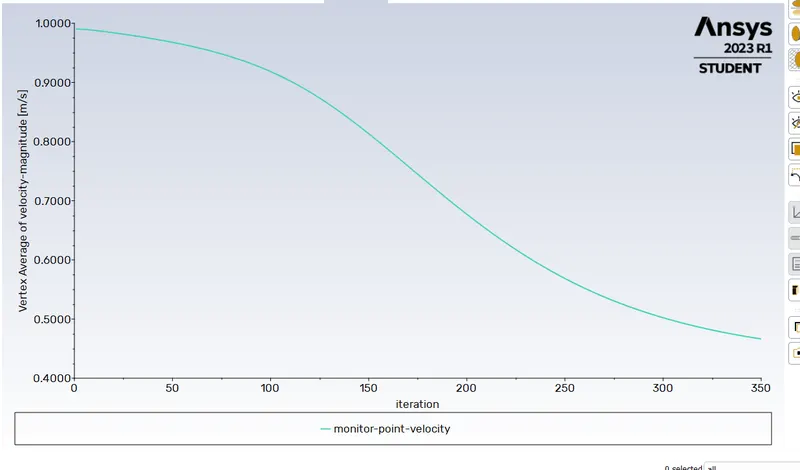
3-coefficient of drag plot
4-coefficient of lift plot
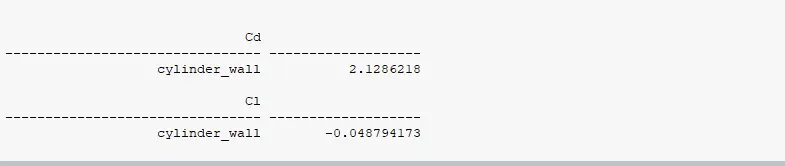
3-Magnitude of coefficient of drag and lift
4-contour of velocity
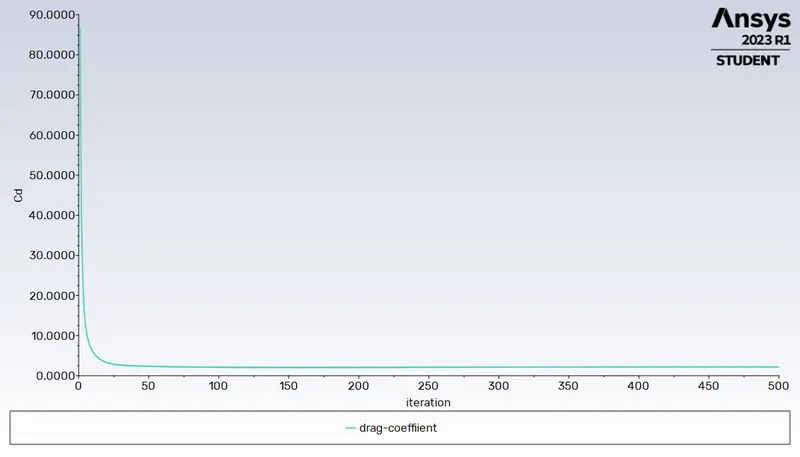
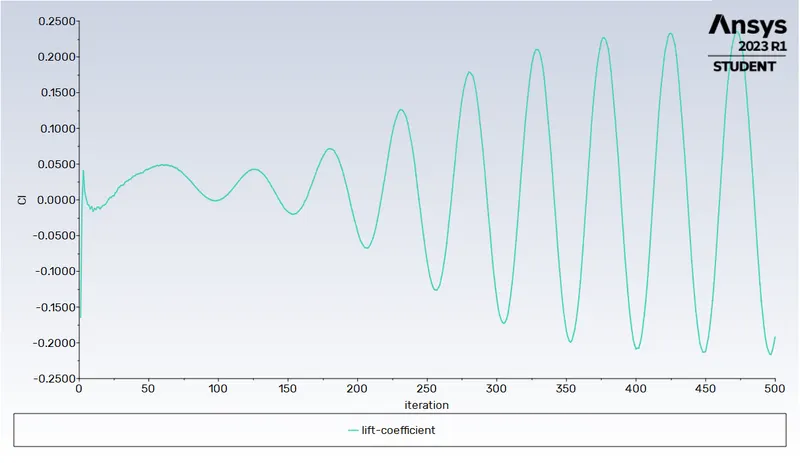
B-for Reynolds number 100
velocity =1m/s, density =1kg/m^3 ,viscosity=0.02
1-coefficient of drag
2-coefficient of lift
3-Magnitude of coefficient of drag and lift

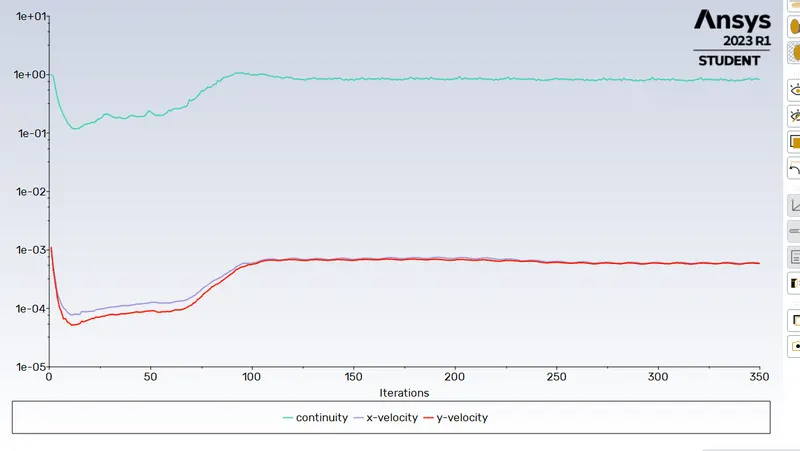
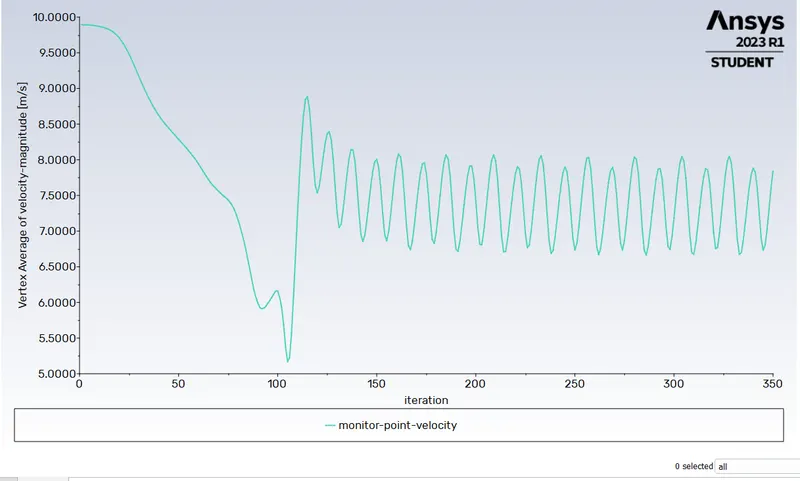
B-for Reynolds number 1000
velocity =10m/s viscosity=0.02
1-Residuals
2-plot for vertex average of velocity
3-coefficient of drag plot
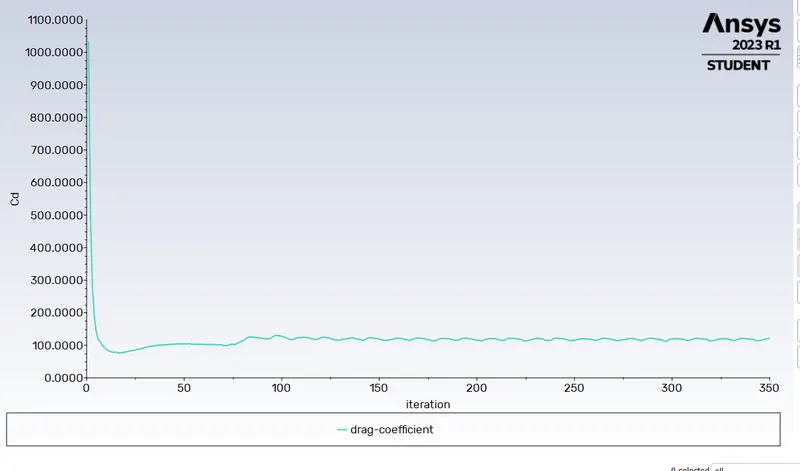
4-coefficient of lift plot
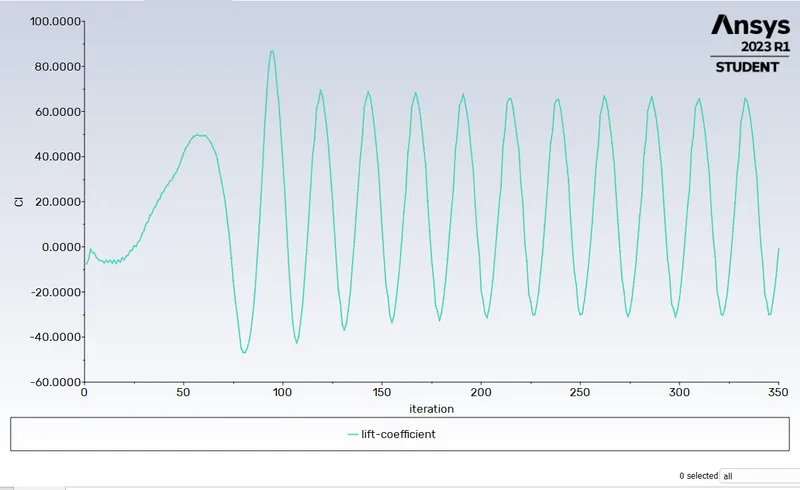
3-Magnitude of coefficient of drag and lift

4-contour of velocity
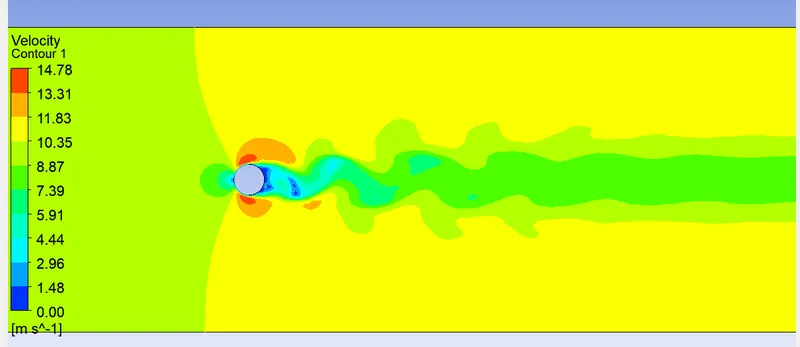
5- contour of pressure
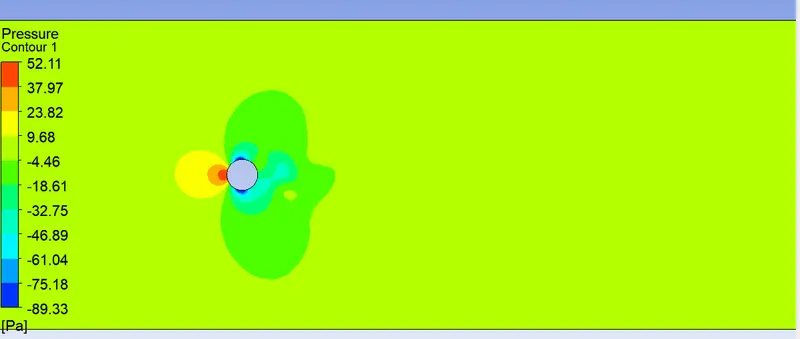
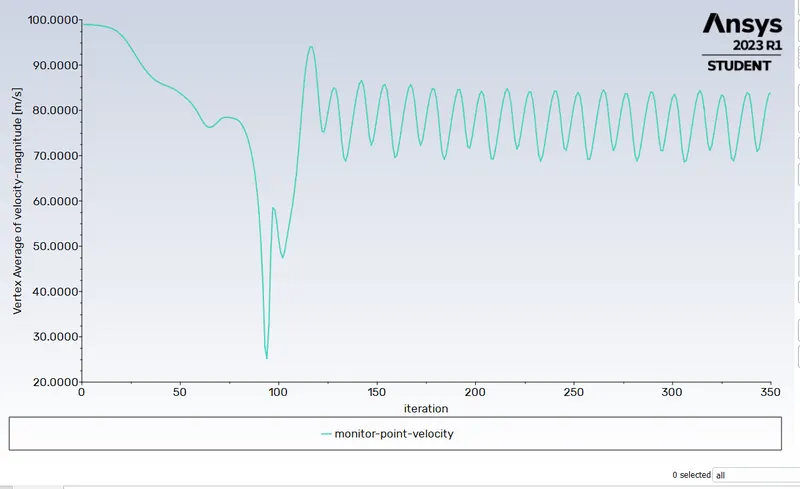
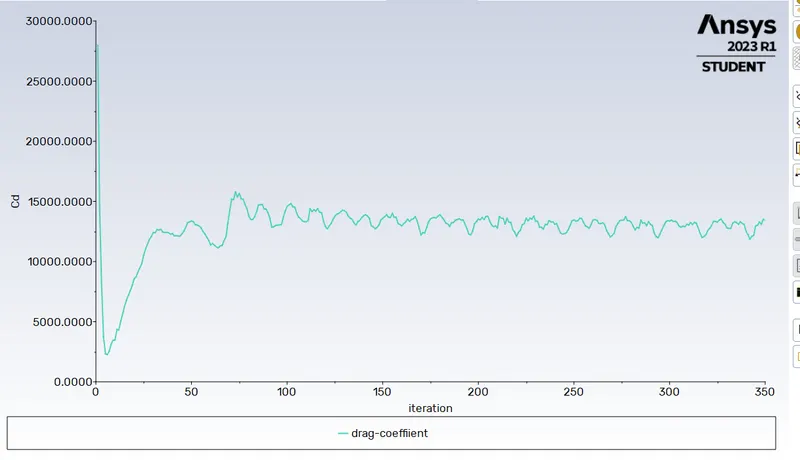
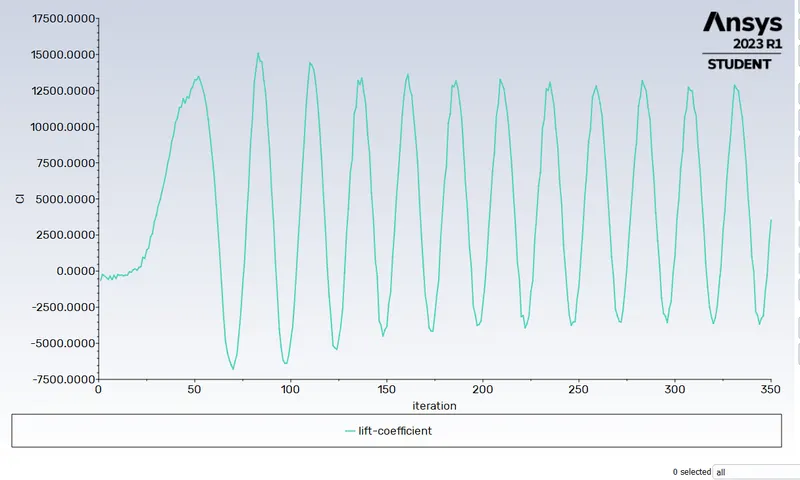
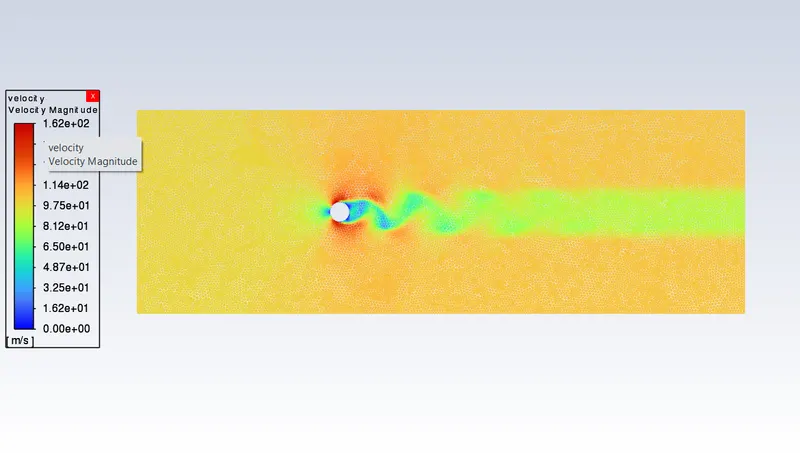
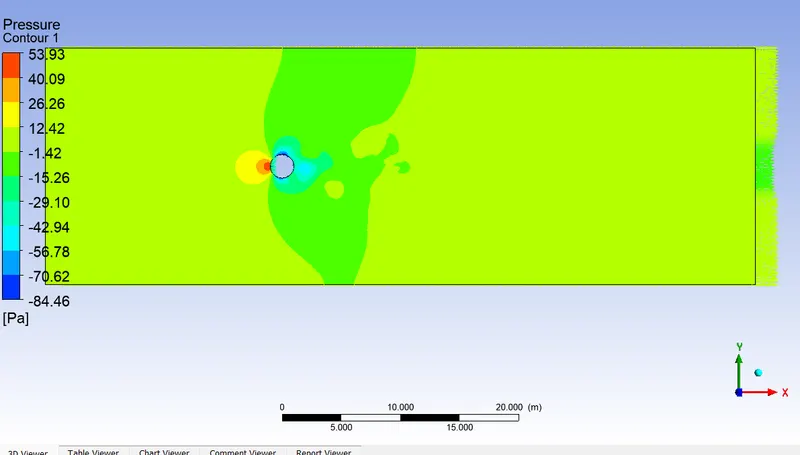
C-for Reynolds number 10000
velocity =100m/s viscosity=0.02
1-Residuals
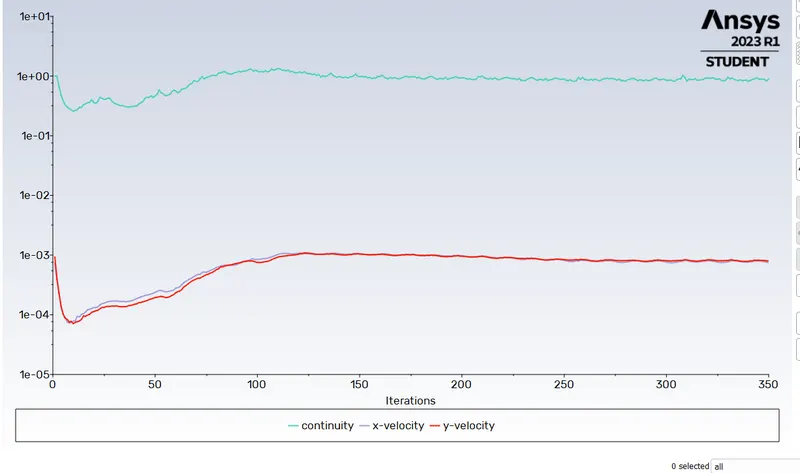
2-plot for vertex average of velocity
3-coefficient of drag plot
4-coefficient of lift plot
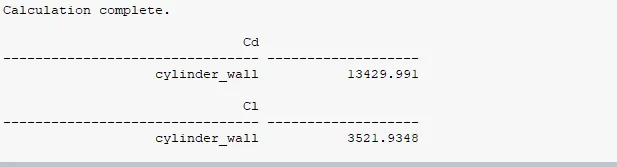
3-Magnitude of coefficient of drag and lift
4-contour of velocity
5- contour of pressure
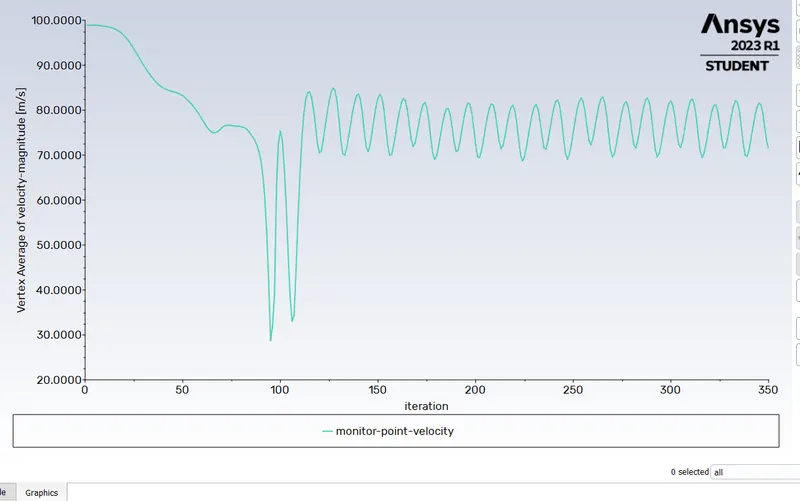
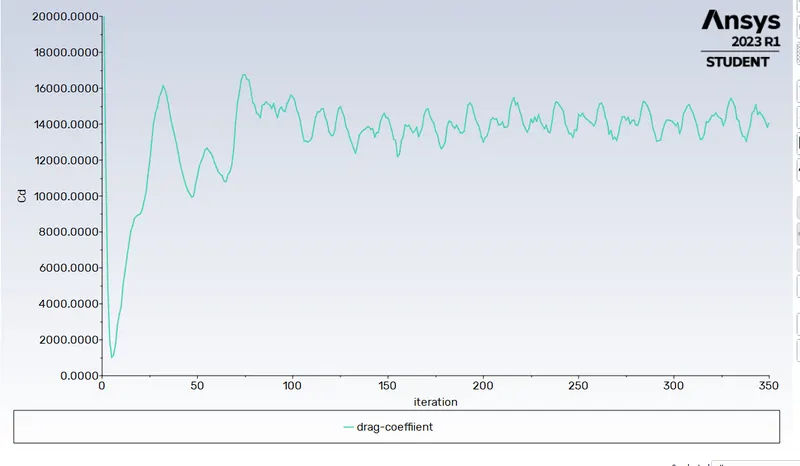
D-for Reynolds number 100000
velocity =100m/s viscosity=0.002
1-Residuals
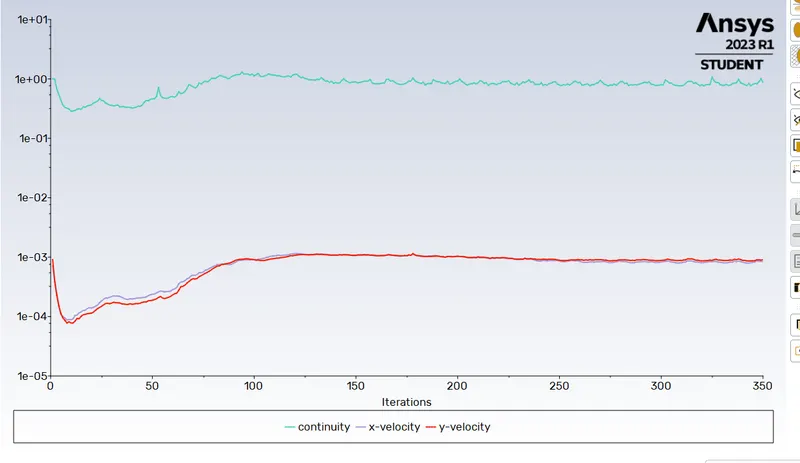
2-plot for vertex average of velocity
3-coefficient of drag plot
4-coefficient of lift plot
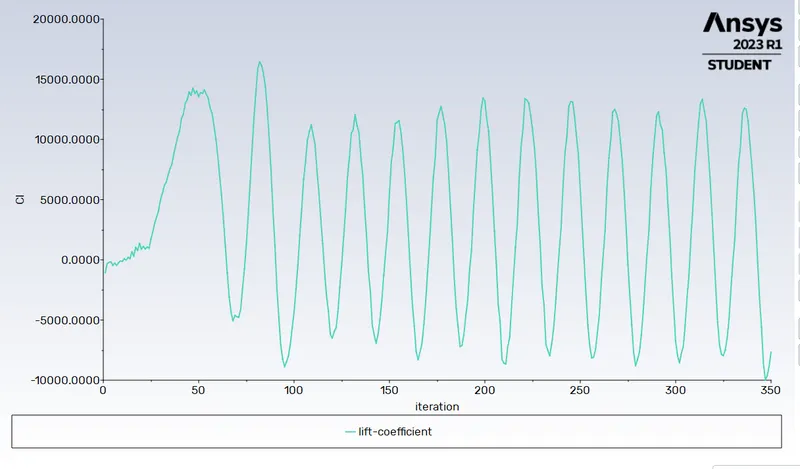
3-Magnitude of coefficient of drag and lift

4-contour of velocity
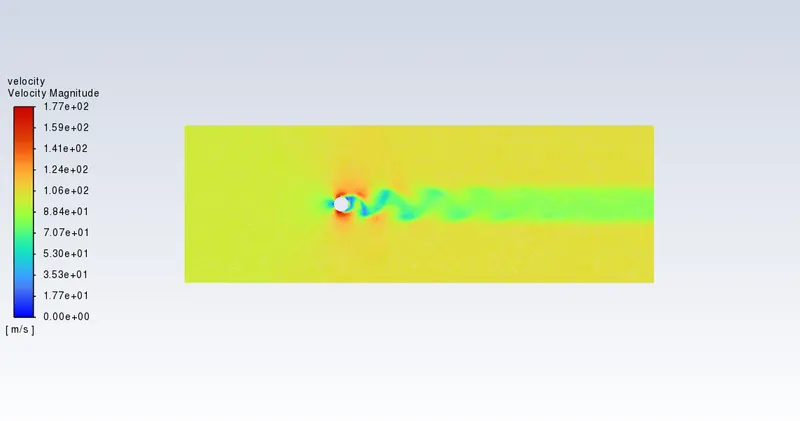
5- contour of pressure
CONCLUSION-
With the increase in Reynolds number coefficient of drag increses.
Vortex shedding can be seen at Reynolds No 100.1000,10000 and 100000 .It is not present at Reynolds no 10 and coedfficient of drag is higher than the coefficient of drag at Reynolds no 100