Week 2 - Flow over a Cylinder.
Aim:
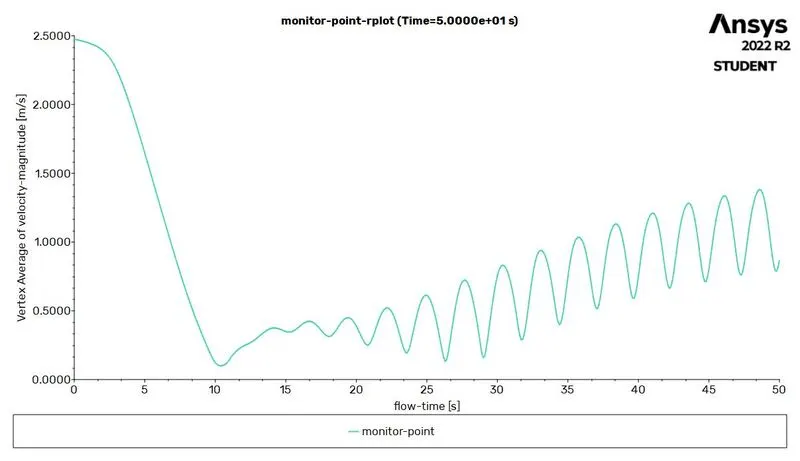
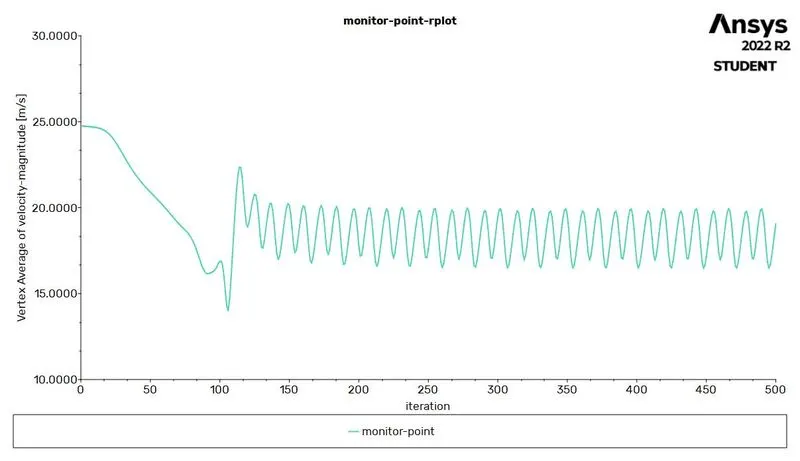
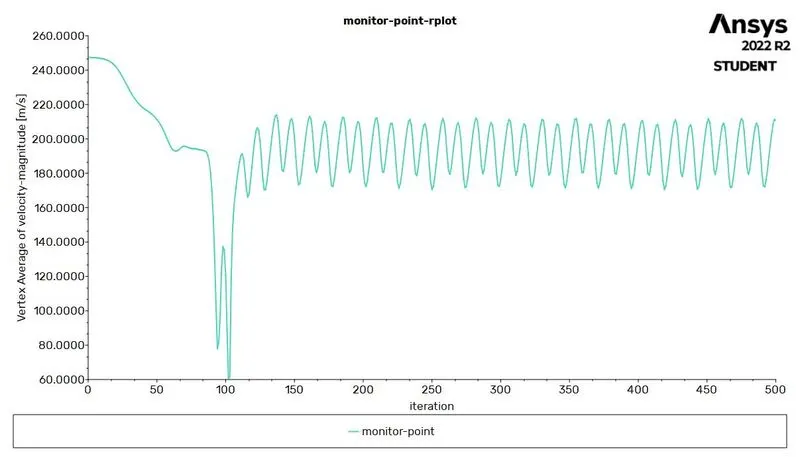
Simulate the flow over a cylinder and explain the phenomenon of Karman vortex street. Understanding the vortex shedding for different Reynolds numbers by changing the inlet velocities accordingly. Create a monitor point behind the cylinder at a distance 4 times the diameter which can be used to calculate and analyze the vortex shedding.
Objective:
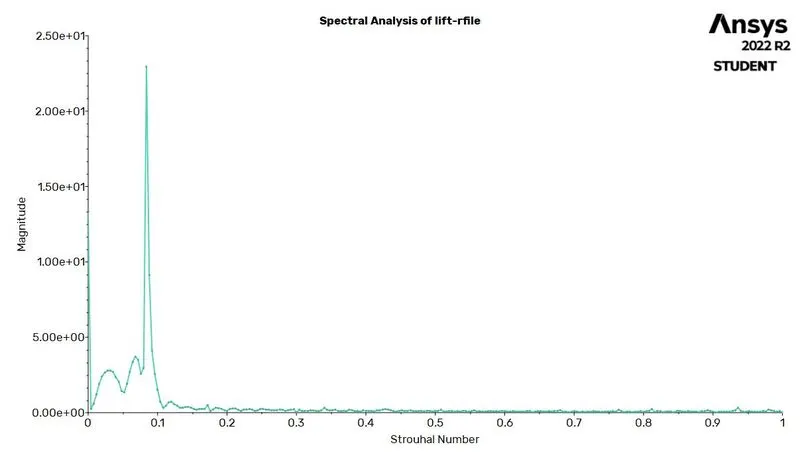
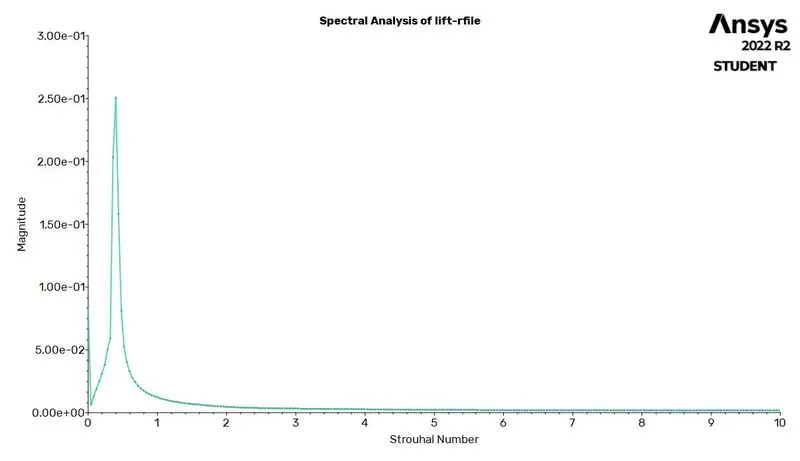
1. Simulate the flow with the steady and unsteady case and calculate the Strouhal Number for Re= 100
2. Calculate the coefficient of drag and lift over a cylinder by setting the Reynolds number to 10,100,1000,10000 & 100000. (Run with steady solver)
2. Discuss the effect of Reynolds number on the coefficient of drag. [ Results should be validated with any standard literature and error should be within 5 %]
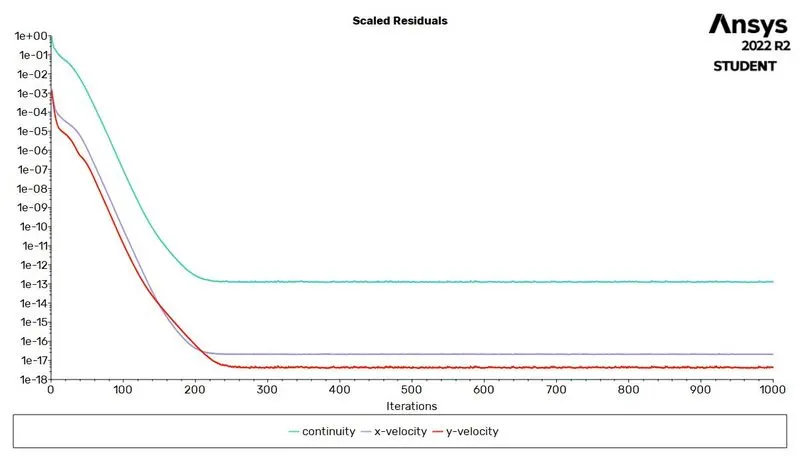
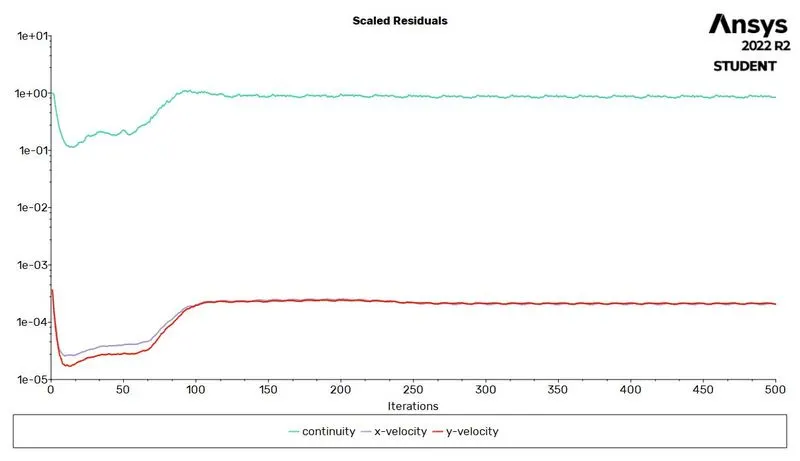
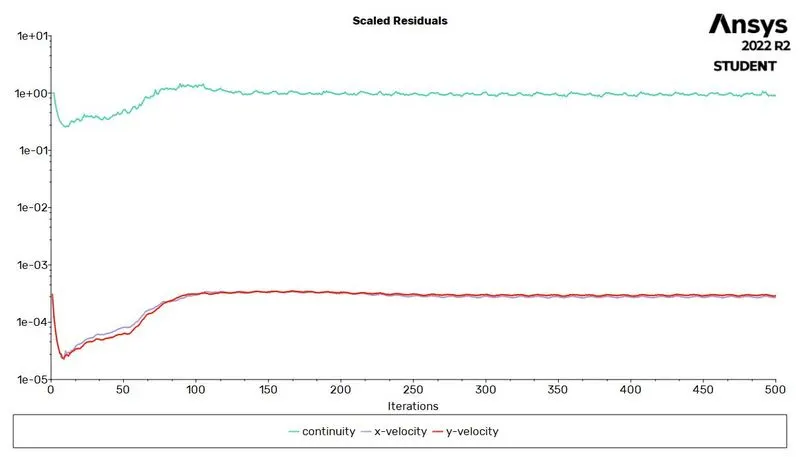
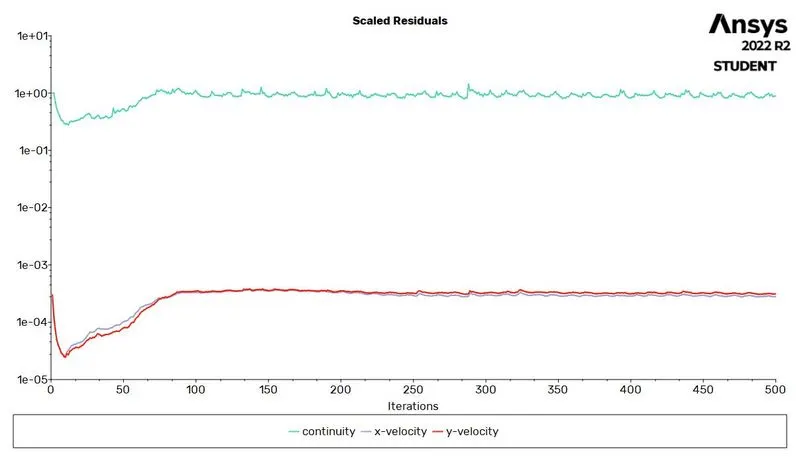
3. In both approaches, show that the flow has converged. That is, what quantities or plots need to be looked at to determine that the flow has converged?
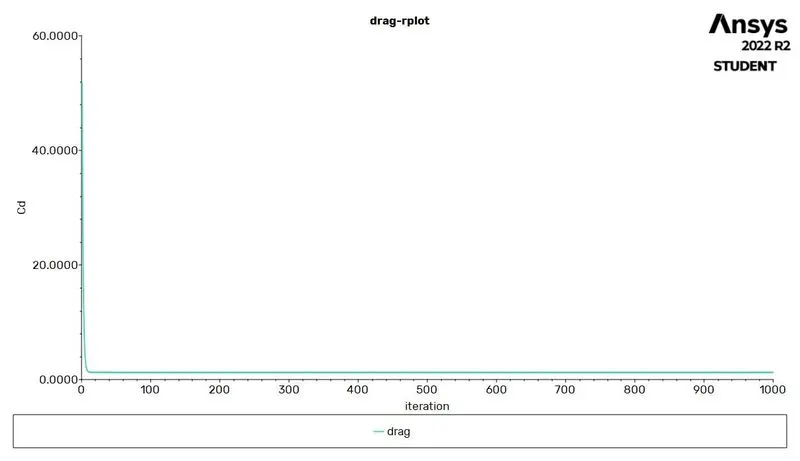
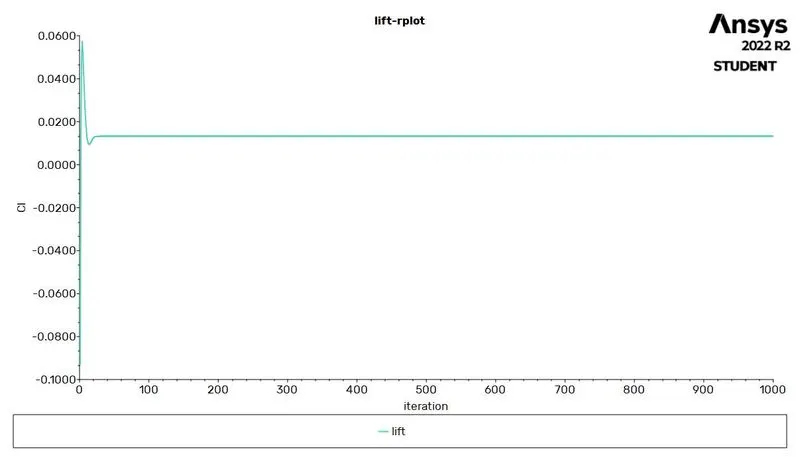
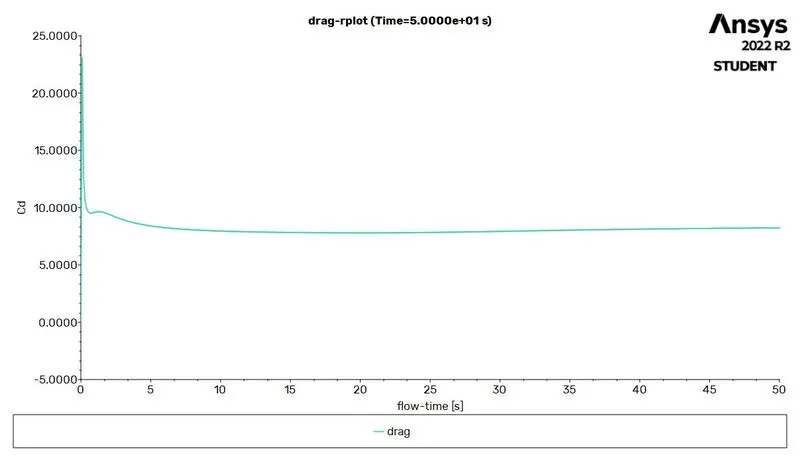
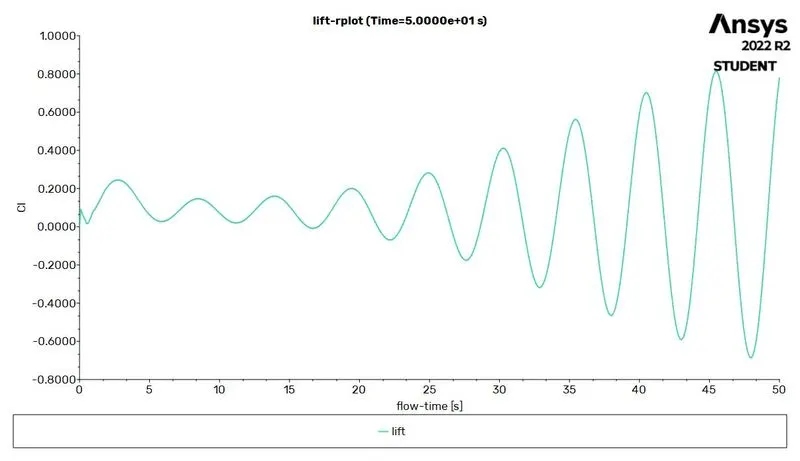
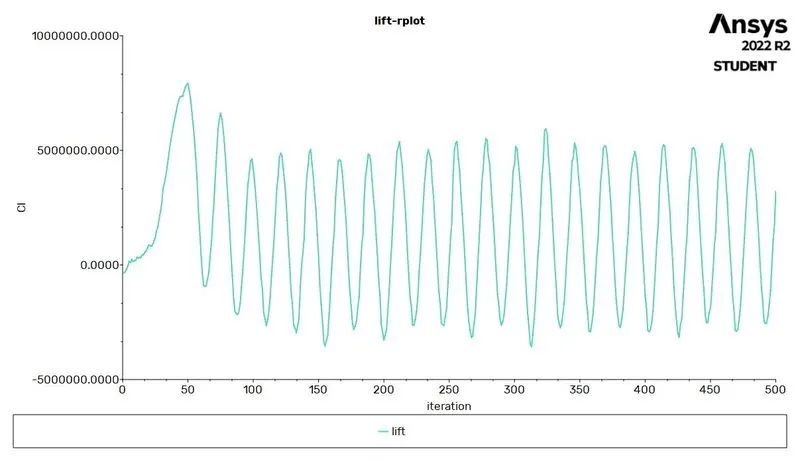
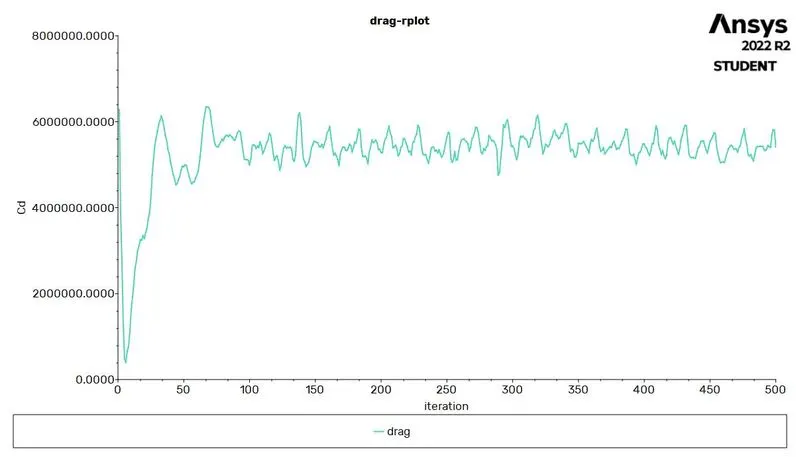
4. Plots of the coefficient of drag and lift.
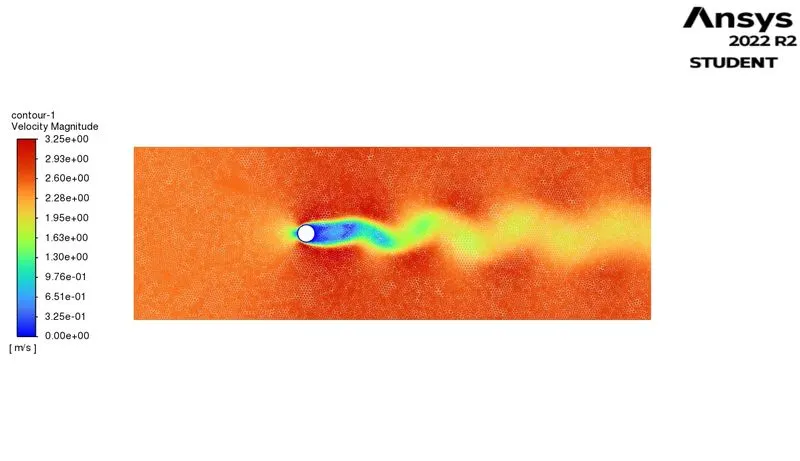
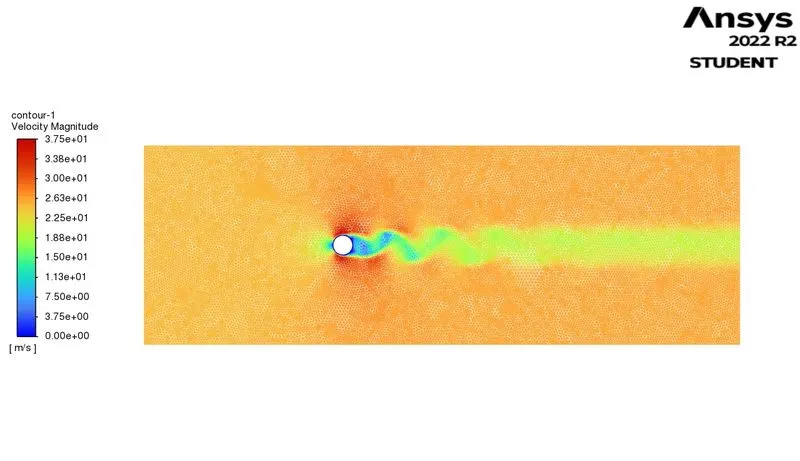
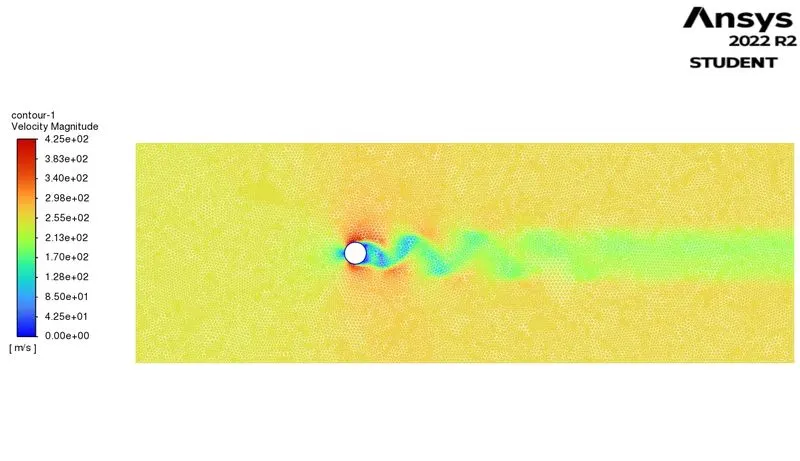
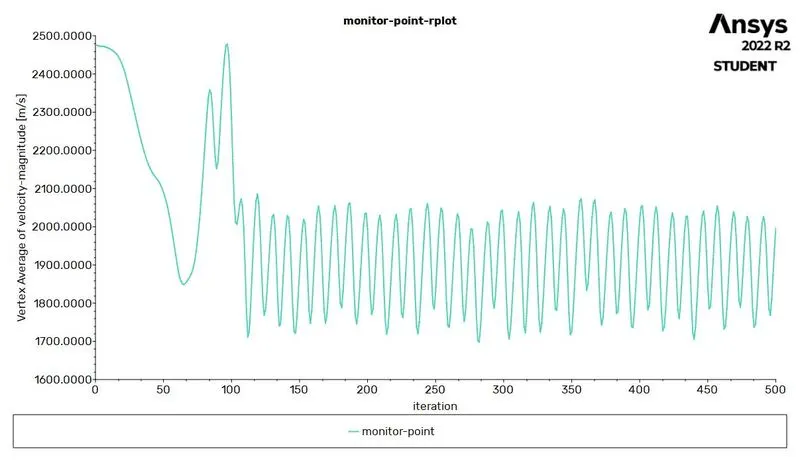
5. Plots to show vortex shedding behind the cylinder.
6. Mention the preferred material at the end of the challenge submission page.
Theory:
1. Flow over cylinder:
In spite of extensive experimental and numerical studies almost over a century, flow around a circular cylinder still remains a challenging problem in fluid mechanics, where intensive investigations are continued even today to understand the complex unsteady dynamics of the cylinder wake flow. Cross-flow normal to the axis of a stationary circular cylinder and the associated problems of heat and mass transport are encountered in a
wide variety of engineering applications. Both experimental measurements and numerical computations have confirmed the onset of instability of the wake flow behind a cylinder beyond a critical Reynolds number, leading finally to a kind of periodic flow identified by definite frequencies, well-known in the literature as the Von Karman vortex street. In case of laminar flow past cylinders with regular polygonal cross-section, the flow
usually separates at one or more sharp corners of the cross-section geometry itself, forming a system of vortices in the wake on either side of the mid symmetry plane. On the other hand, for a circular cylinder, where the point of flow separation is decided by the nature of the upstream boundary layer, the physics of the flow is much more complex than what its relatively simple shape might suggest.
2. Strouhal number:
In dimensional analysis, the Strouhal number is a dimensionless number describing oscillating flow mechanisms.
For large Strouhal numbers (order of 1), viscosity dominates fluid flow, resulting in a collective oscillating movement of the fluid "plug". For low Strouhal numbers (order of 10−4 and below), the high-speed, quasi-steady-state portion of the movement dominates the oscillation. Oscillation at intermediate Strouhal numbers is characterized by the buildup and rapidly subsequent shedding of vortices.
The Strouhal number is often given as
`St = (fL)/U`
Where,
f= frequency of vortex shedding
D= characteristic diameter of the cylinder
U'= fluid flow velocity
3. Co-efficient of drag:
In fluid dynamics, the drag coefficient(Cd)">(Cd)(Cd) is a dimensionless quantity that is used to quantify the drag or resistance of an object in a fluid environment, such as air or water. It is used in the drag equation in which a lower drag coefficient indicates the object will have a less aerodynamic or hydrodynamic drag. The drag coefficient is always associated with a particular surface area.
The drag coefficient of any object comprises the effects of the two basic contributors to fluid dynamic drag: skin friction and form drag. The drag coefficient of a lifting airfoil or hydrofoil also includes the effects of lift-induced drag. The drag coefficient of a complete structure such as an aircraft also includes the effects of interference drag.
The drag coefficient Cd">Cd is defined as
`C_d=(2⋅F_d)/(u^2A)`
where:
- Fd">Fdis the drag force, which is by definition the force component in the direction of the flow velocity,
- ρ">ρ is the mass density of the fluid,
- u">u is the flow speed of the object relative to the fluid,
- A">A is the reference area.
4. Co-efficient of lift:
The lift coefficient (CL">CL) is a dimensionless coefficient that relates the lift generated by a lifting body to the fluid density around the body, the fluid velocity, and an associated reference area. A lifting body is a foil or a complete foil-bearing body such as a fixed-wing aircraft. CL is a function of the angle of the body to the flow, its Reynolds number, and its Mach number. The section lift coefficient cl refers to the dynamic lift characteristics of a two-dimensional foil section, with the reference area replaced by the foil chord.

where
 is the lift force,
 is the relevant surface area and
q is the fluid dynamic pressure, in turn, linked to the fluid density, and to the flow speed.
A brief explanation to solve the flow over a cylinder
Geometry:
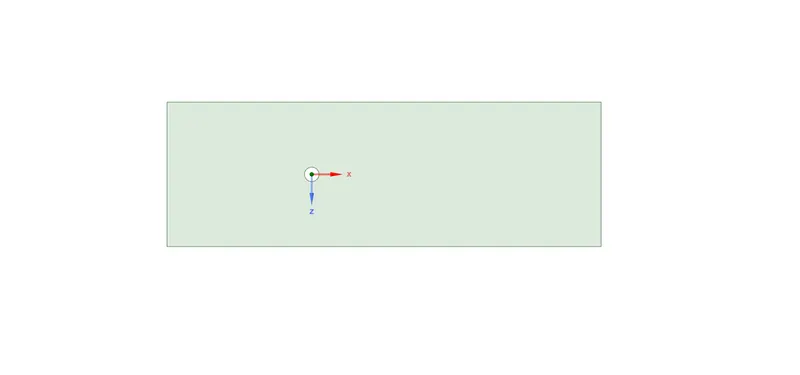
Mesh
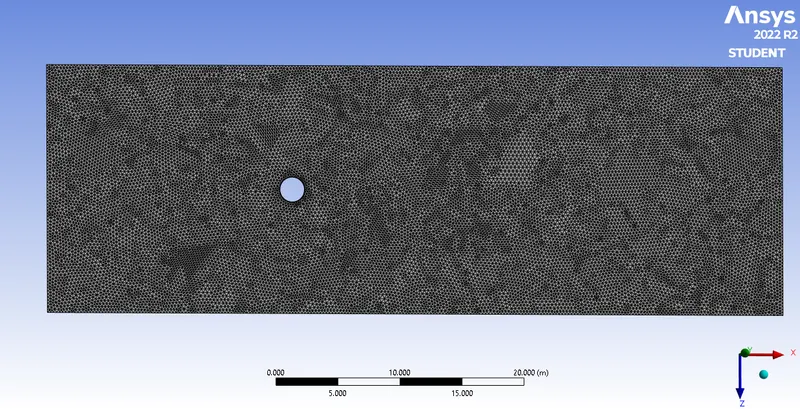
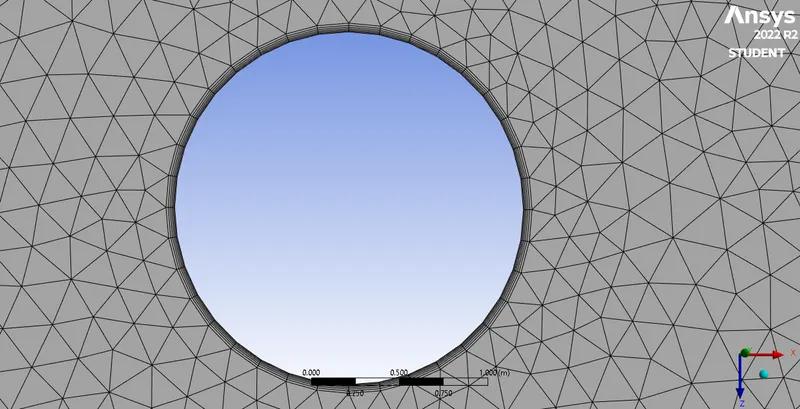
Inflation layer:
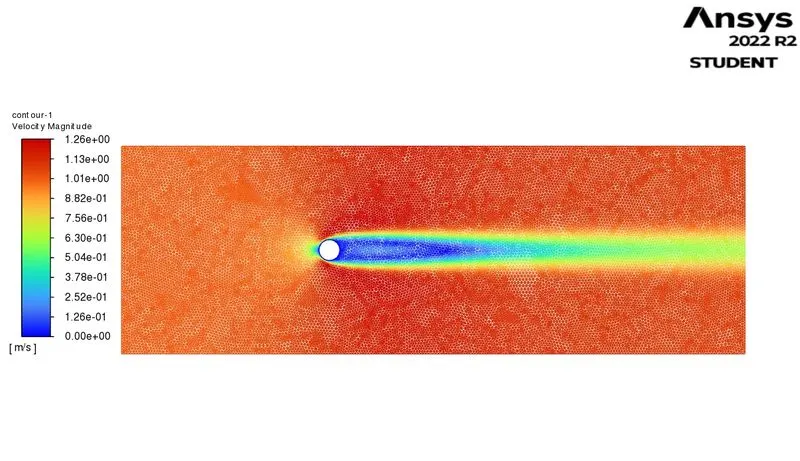
Re = 10
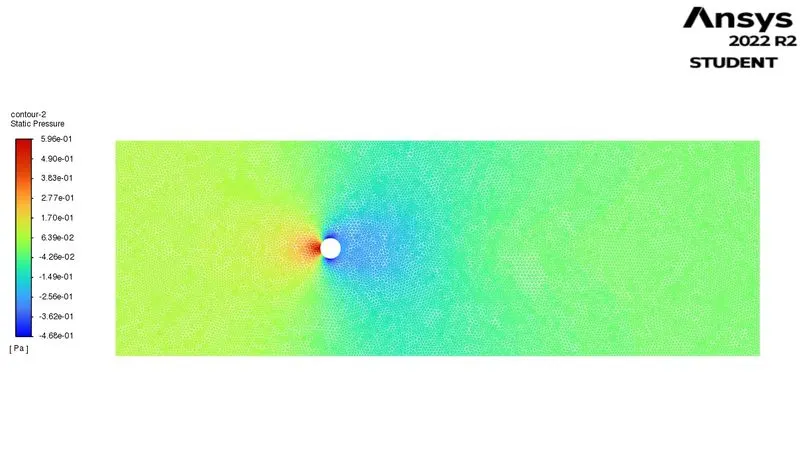
Velocity and Pressure contour plots:
Residual plot:
Drag and Lift Coeffecient:
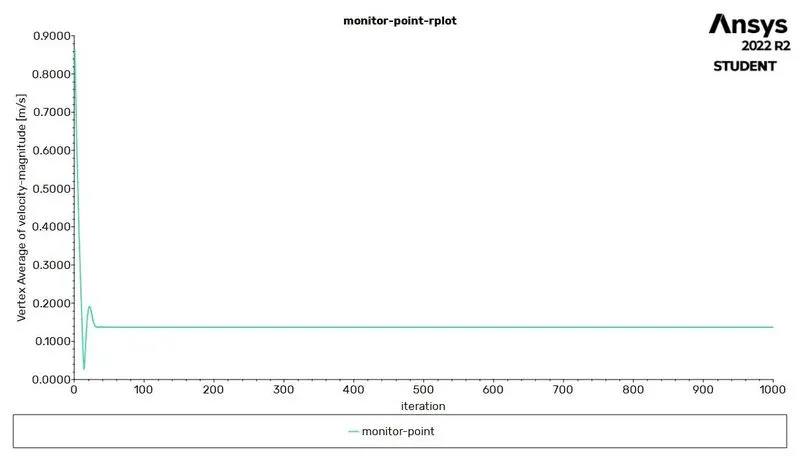
Velocity at the monitor point:
Re = 100(steady state)
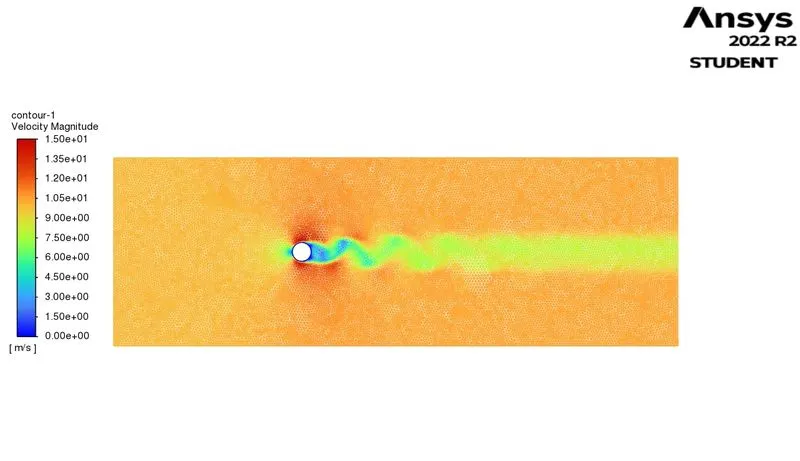
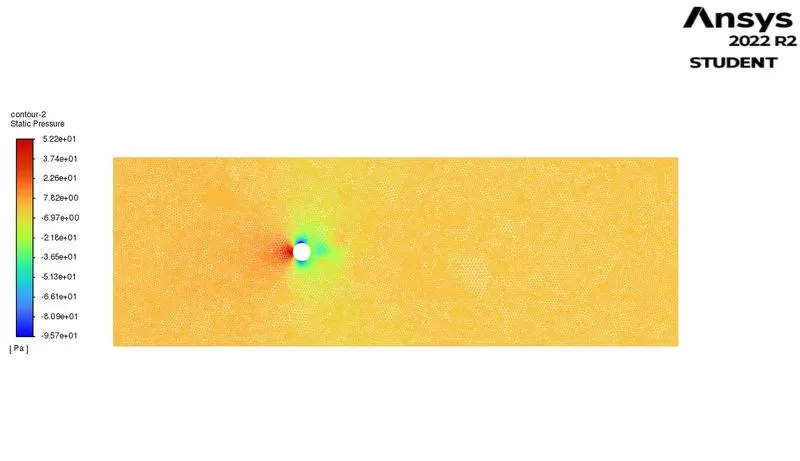
Velocity and Pressure contour plots:
Residual plot:
Drag and lift coeffecient:
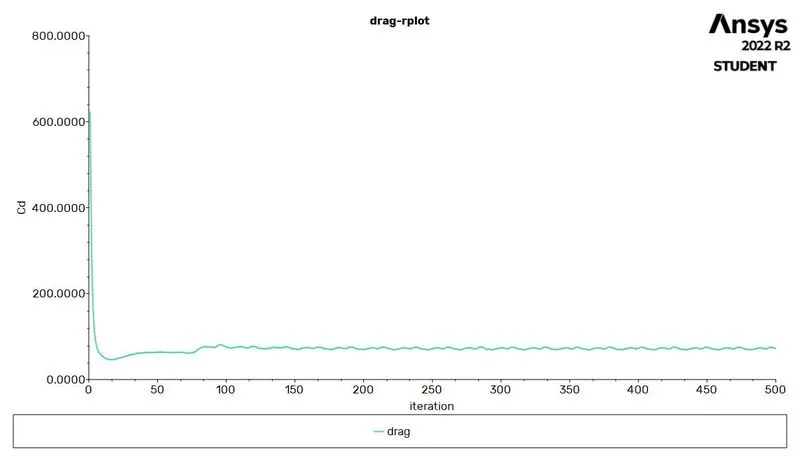
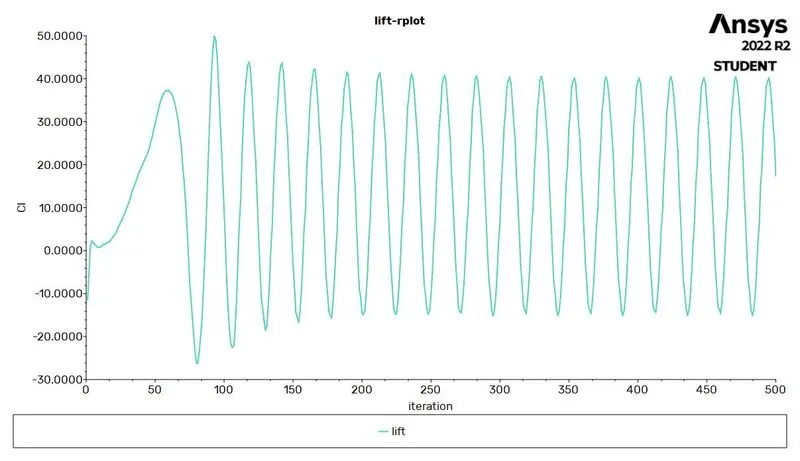
Velocity at the monitor point:
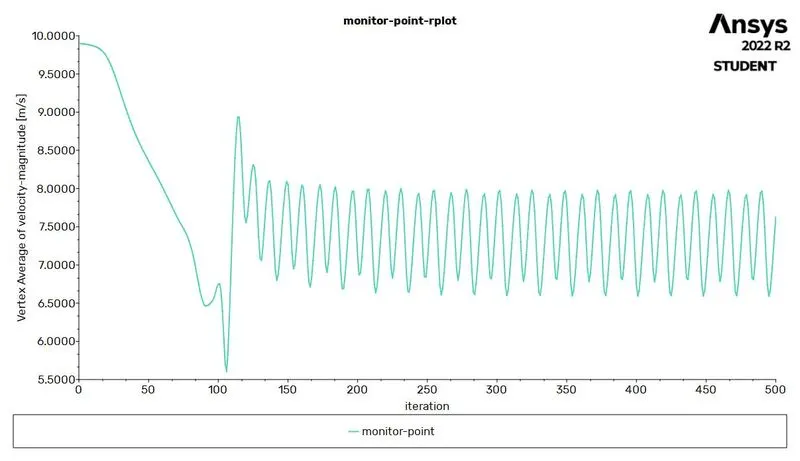
Re = 100(Transient)
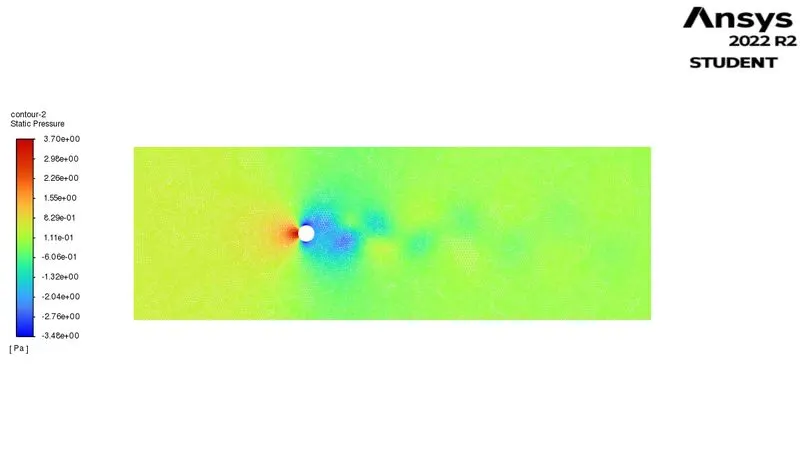
Velocity and Pressure contour plots:
Residual plot:
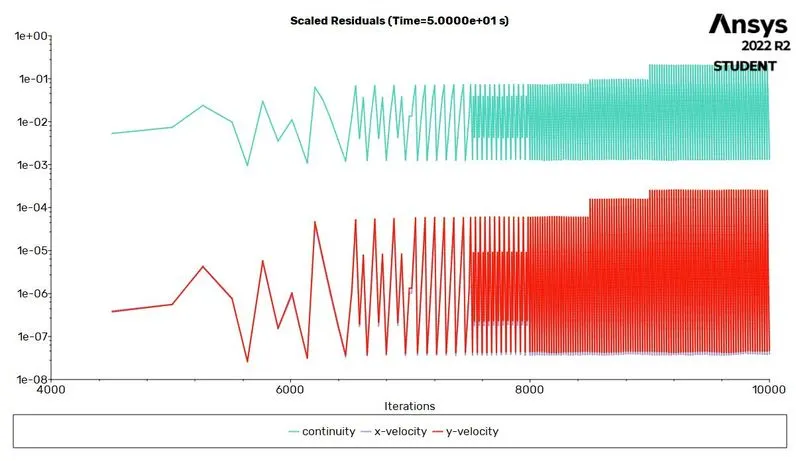
Drag and lift coeffecient:
Velocity at the monitor point:
Strouhal Number:
Re = 1000
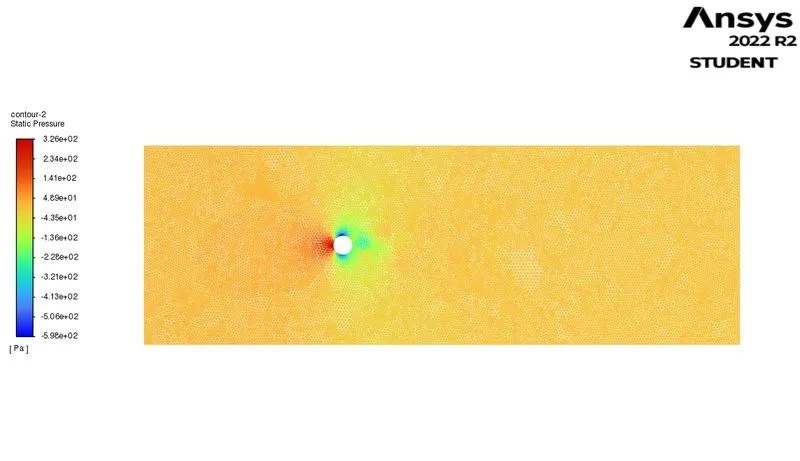
Velocity and Pressure contour plots:
Residual plot:
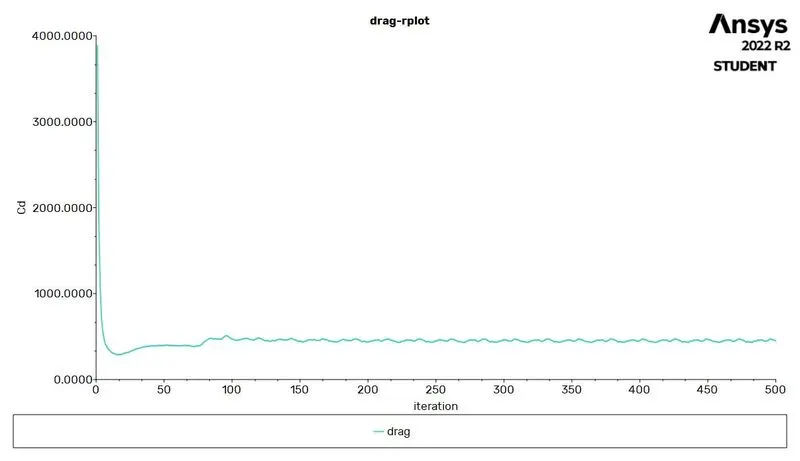
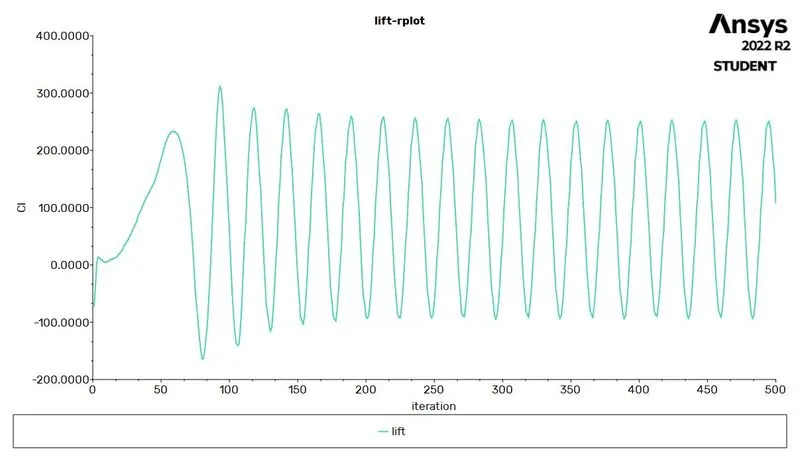
Drag and Lift coeffecient:
Velocity at the monitor point:
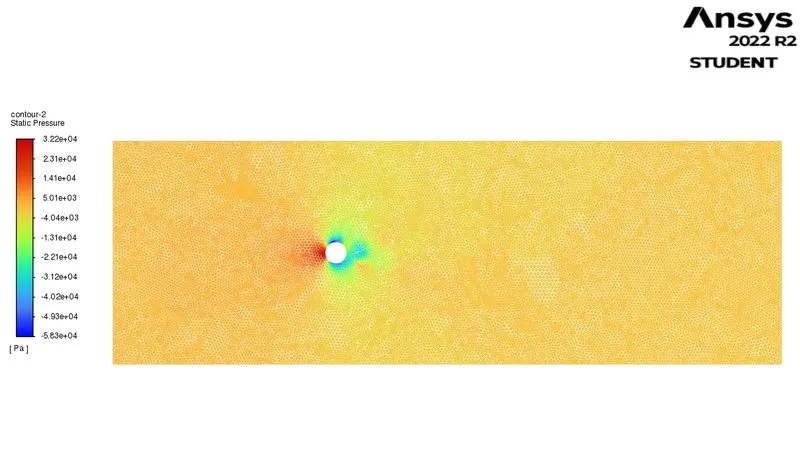
Re = 10000
Velocity and Pressure contour plots:
Residual plot:
Velocity at the monitor point:
Drag and lift coeffecient:
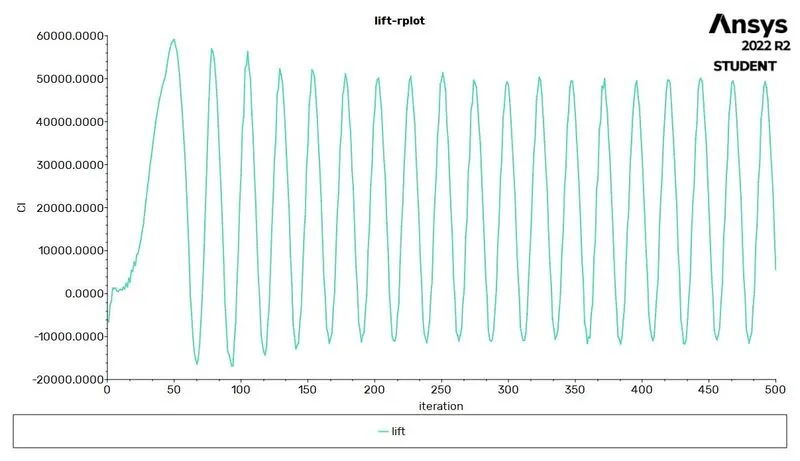
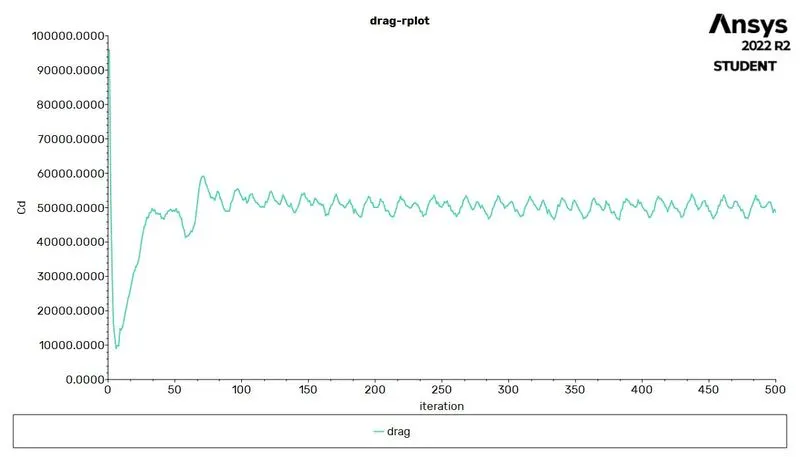
Re = 100000
Velocity and Pressure contour plots:
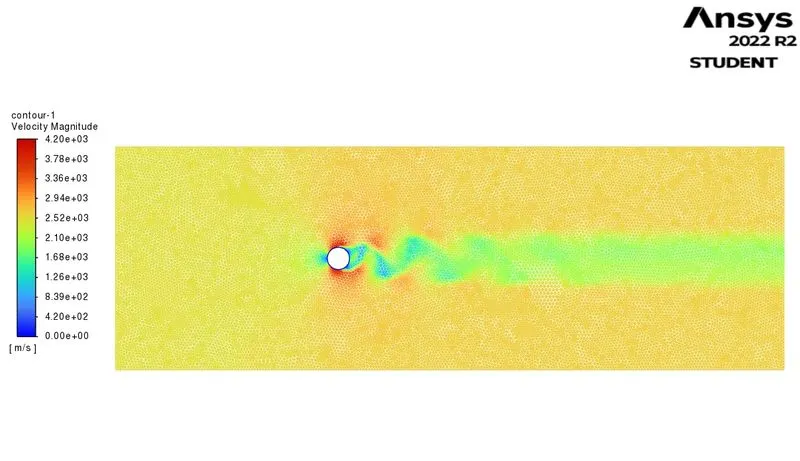
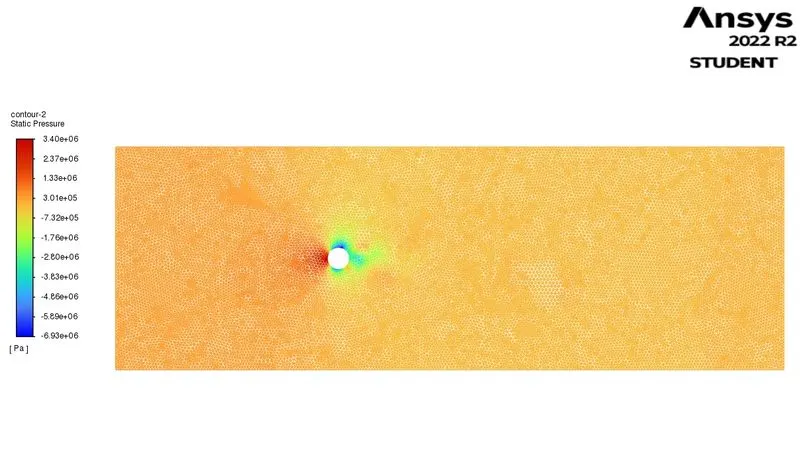
Residual plot:
Velocity at the monitor point:
Drag and lift coeffecient:
Conclusion:
1.When fluid flows over cylinder, wake region is formed next to cylinder due to decrease in pressure and recirculation of flow occures and hence flow separation occures.
2.As flow over cylinder is being transient meaning time dependent phenomenon, we are unable to observe flow separation at low reynolds no.(say 50).
3.In this assignment we have kept all parameters constant and have only varried velocity to change reynolds number. So as the reynolds no. increases coefficient of drag decreases.however after reynolds no. = 4000, flow is turbulent and hence coefficient of drag is lower.
4.Strauhal no. calculated for unsteady state with reynolds no.= 100 is 0.399.