Week 2 - Flow over a Cylinder.
Karman Vortex Street:
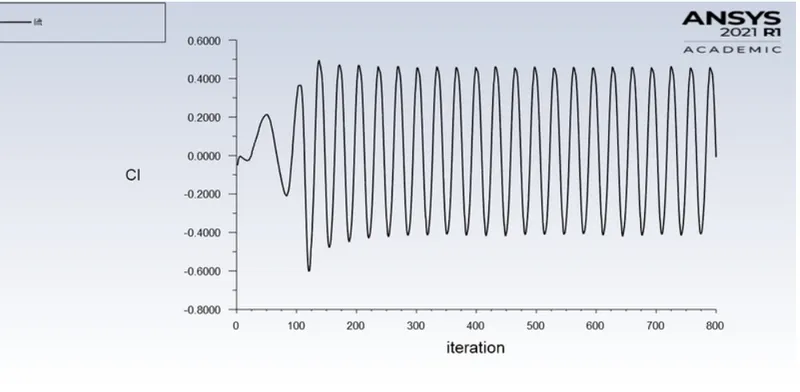
Unsteady effects in air normally occur in cyclic or oscillatory processes, rather than for simple acceleration. For example, cylinders in flowing fluids at Reynolds numbers ranging from 100 to 105 shed alternating vortices of opposite rotation, which form a “von Kármán vortex street” in the cylinder's wake. This causes a force on the cylinder perpendicular to the flow that reverses direction each time a vortex is shed.
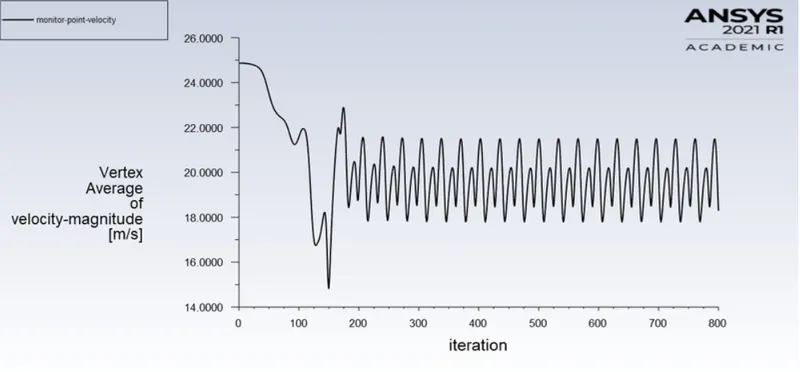
In this case Vortex effect were able to see when Reynolds numberr was above 40 and viscosity below 0.045 and this effect could be noticed as a "blip" in velocity graph while doing the experiment.
Strouhal Number:
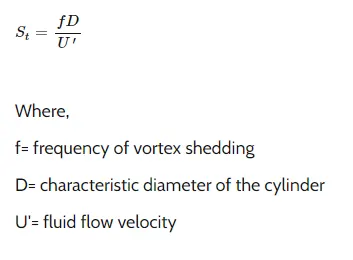
The Strouhal Number is a dimensionless value useful for analyzing oscillating unsteady fluid flow dynamics problems.The Strouhal Number can be important when analyzing unsteady, oscillating flow problems. The Strouhal Number represents a measure of the ratio of the inertial forces due to the unsteadiness of the flow or local acceleration to the inertial forces due to changes in velocity from one point to an other in the flow field.
Co-effecient of drag:
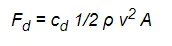
The drag coeffecient quantifies resistance of an object in fluid environment.The drag coefficient is a function of several parameters like shape of the body, reynolds number for the flow, froude number, mach number and roughness of surface.
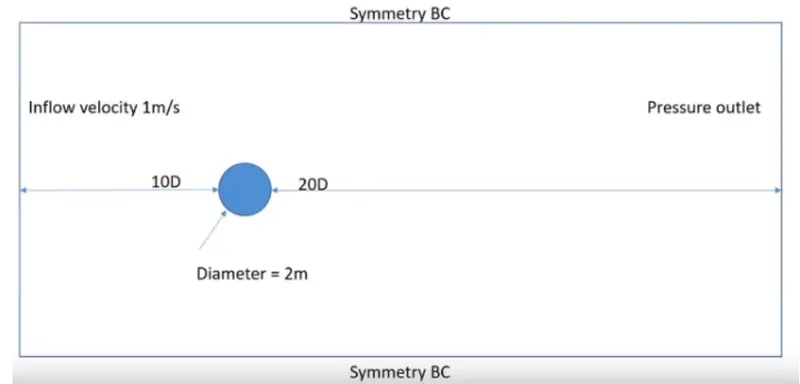
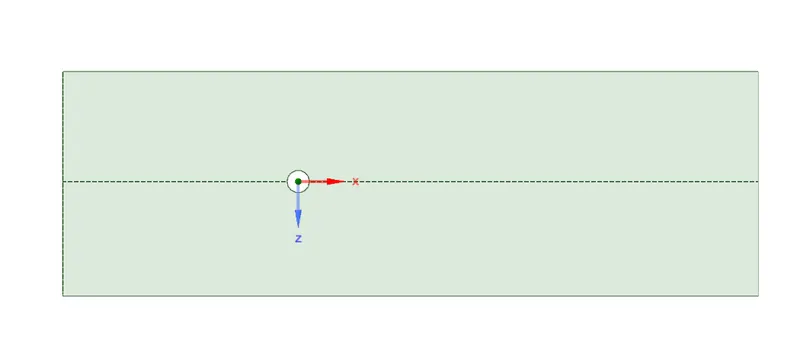
Geometry:
Meshing:
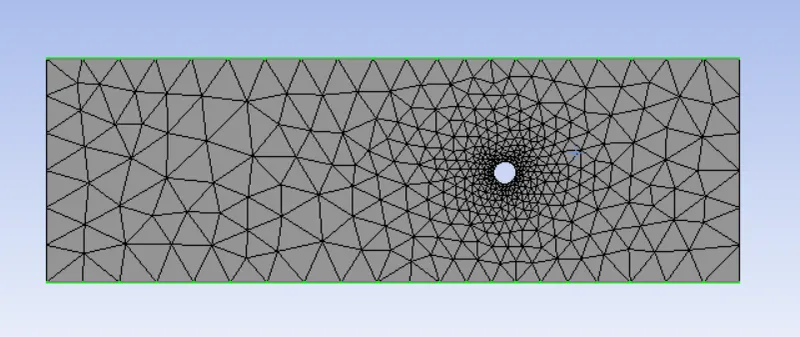
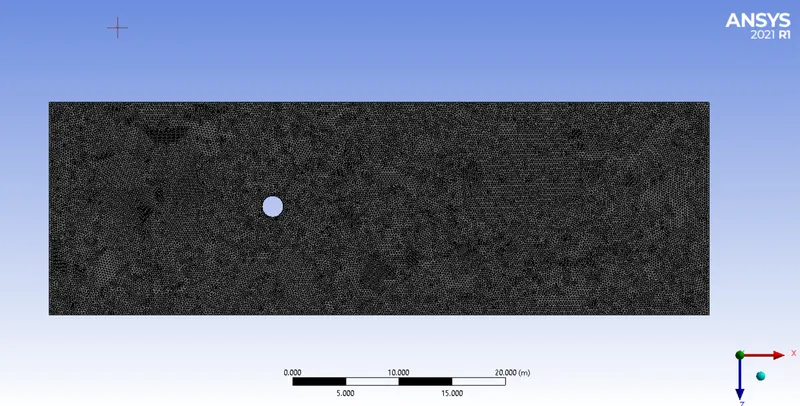
Sizing = 0.2 m Meshing : Triangular meshing Inflation layer: 6
Before sizing :
After sizing( To observe vortex shading properly):
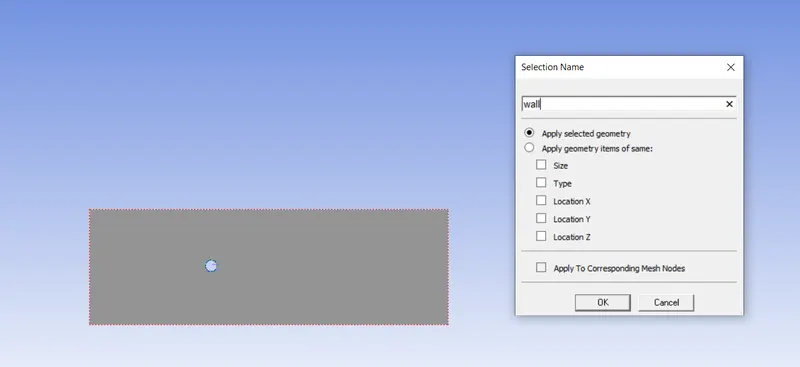
Mesh naming as Inlet, Outlet ,wall, symmetry as boundry conditions:
FLUENT:
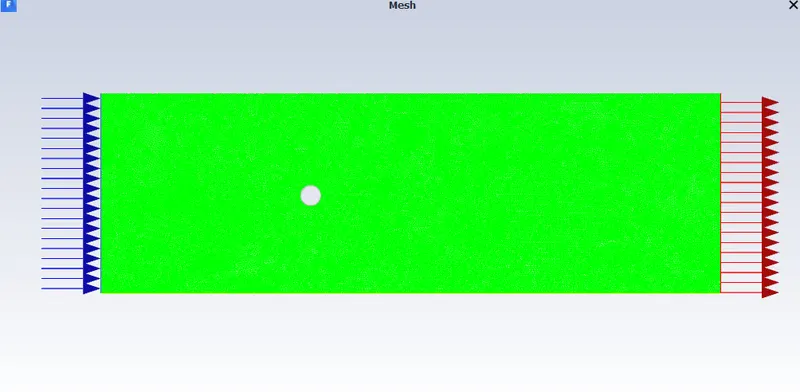
Boundry conditions:
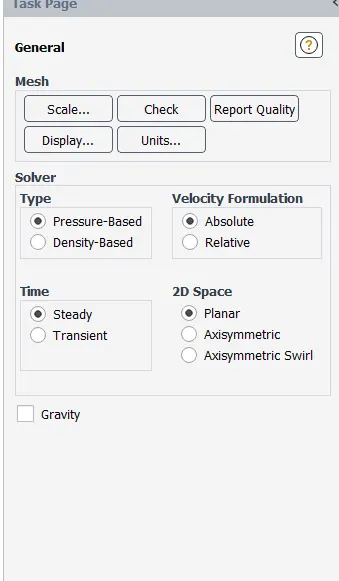
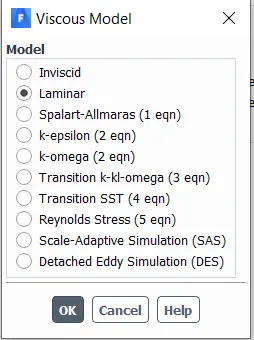
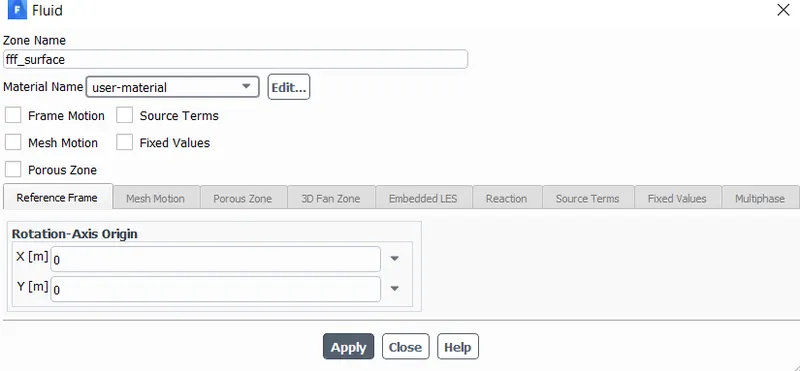
Selecting and choosing customized material:
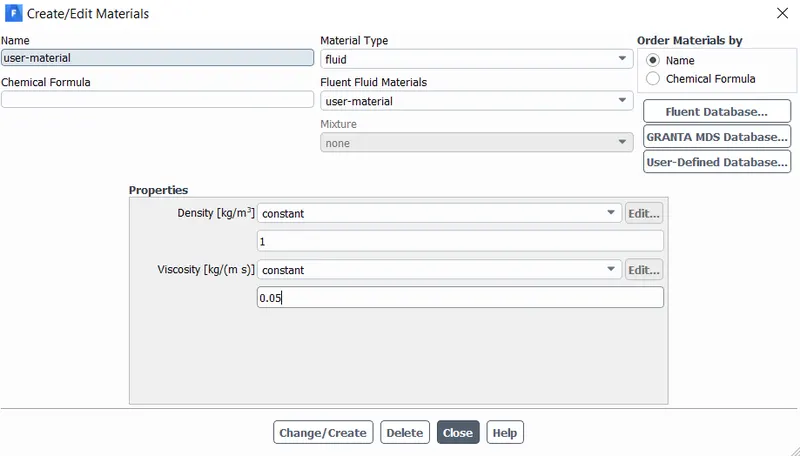
After copying desired material from the "fluent database"
In below toolbox we make changes in velocity inorder to have a higher reynolds number:
Creating monitor Point:(before refining the mesh)
Result > surface > point
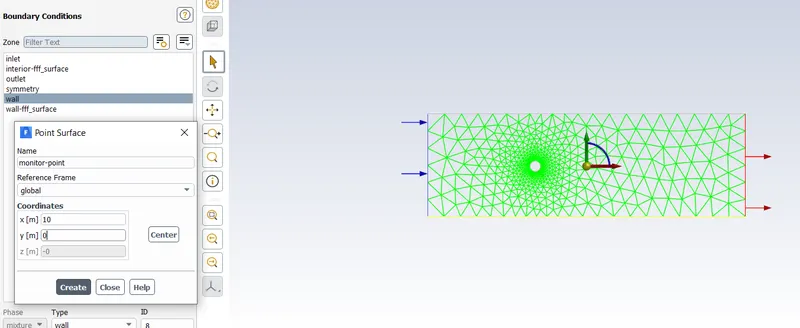
Part I:( steady > Re=100 , V=2.5 m/s )
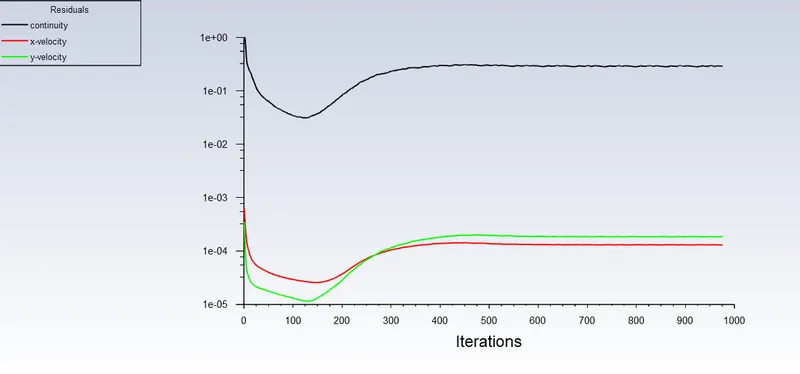
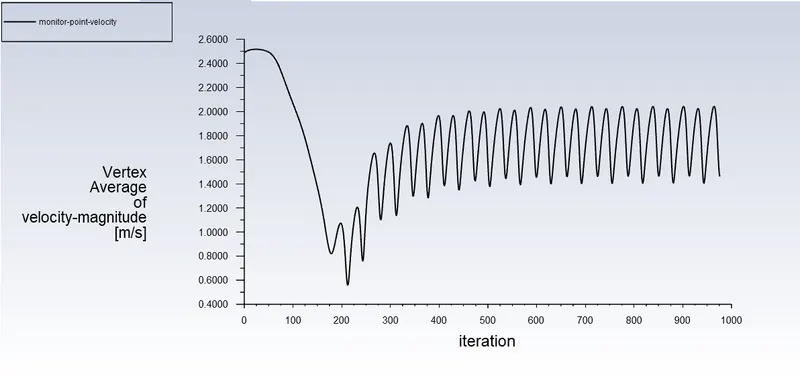
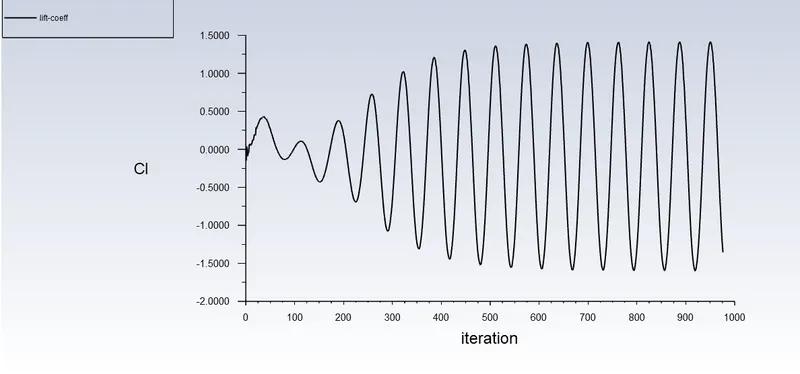
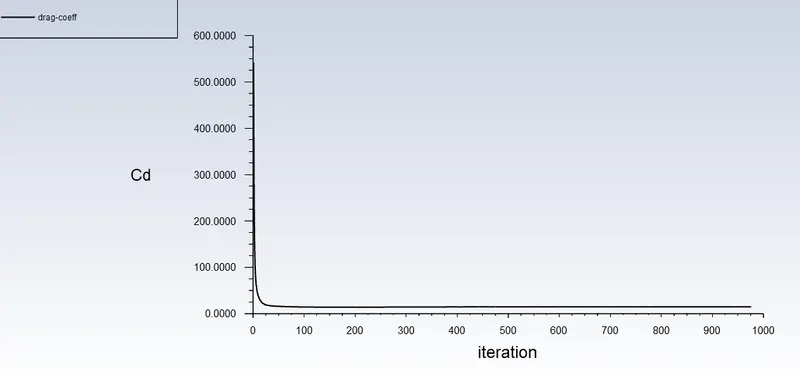
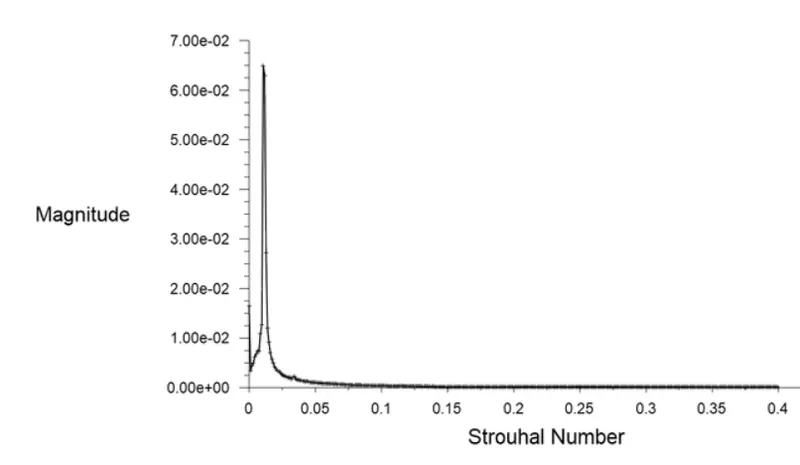
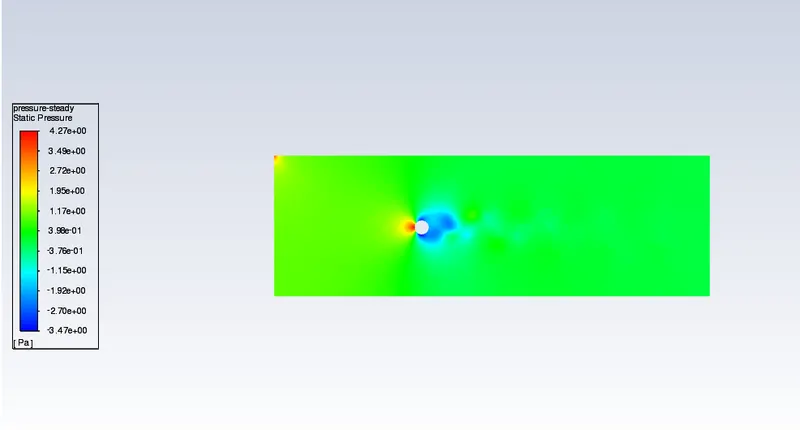
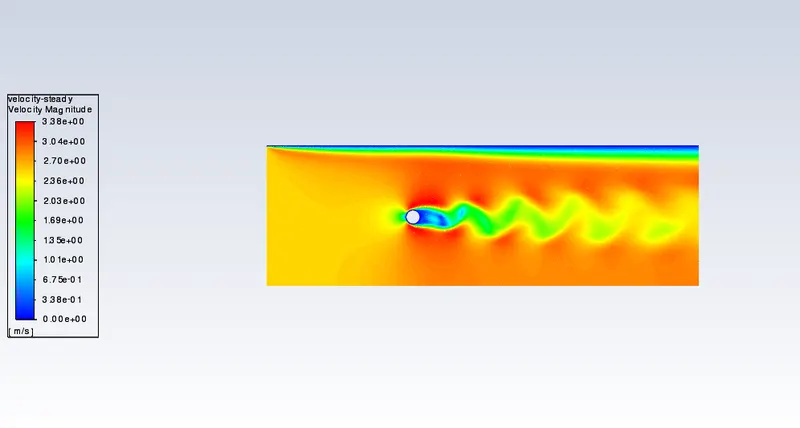
Unsteady( Transient, Re=100):(less iterations since it was taking time)
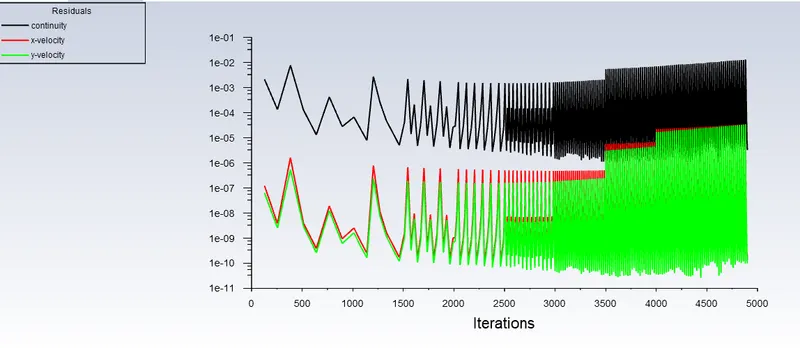
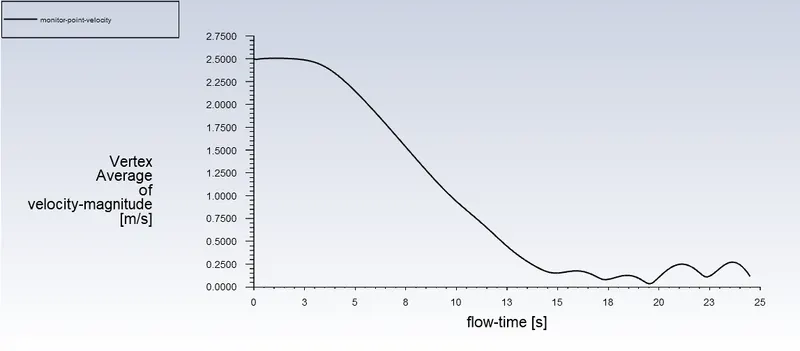
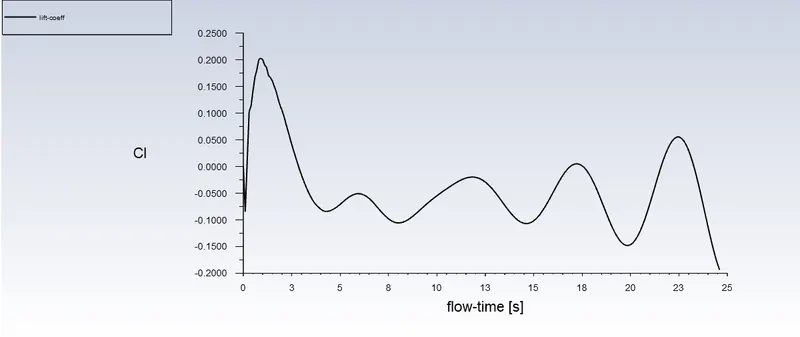
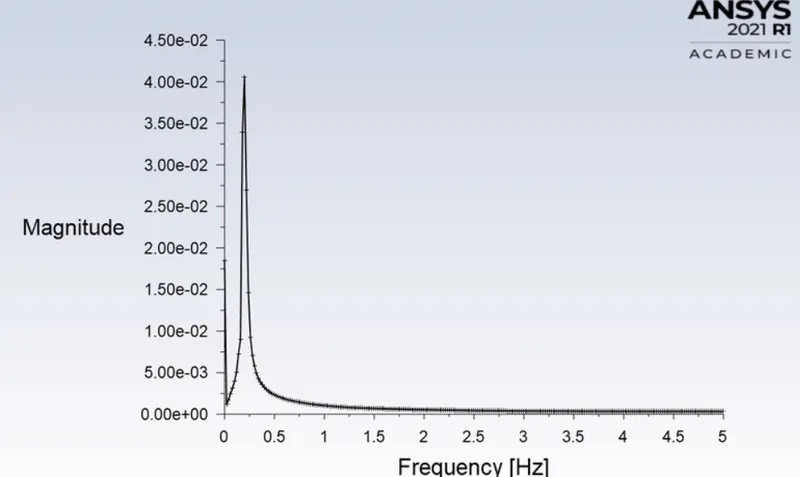
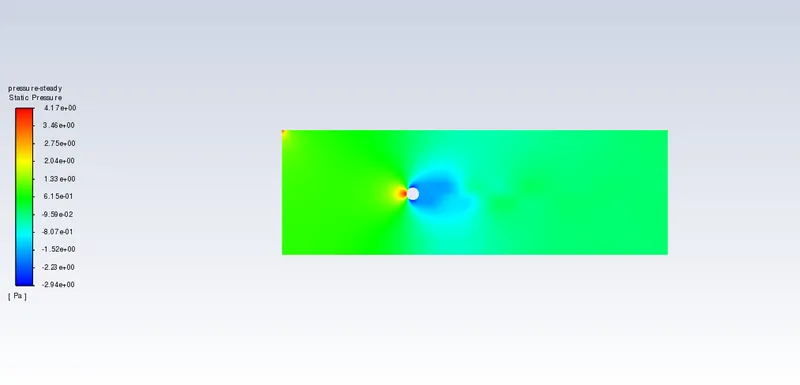
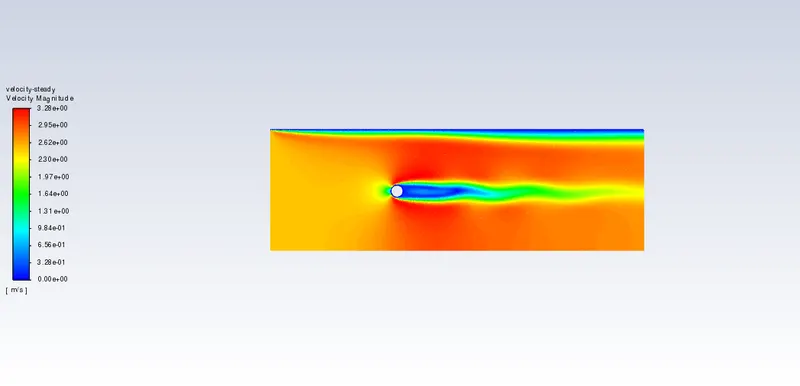
| Type solver | Cd | CL | strouhal number |
| Steady | 1.365 | -0.12 | 0.0133 |
| Umsteady | 1.336 | -1.179 | 0.1996 |
PART II:
(i) Re =10 , V= 0.25 m/s:
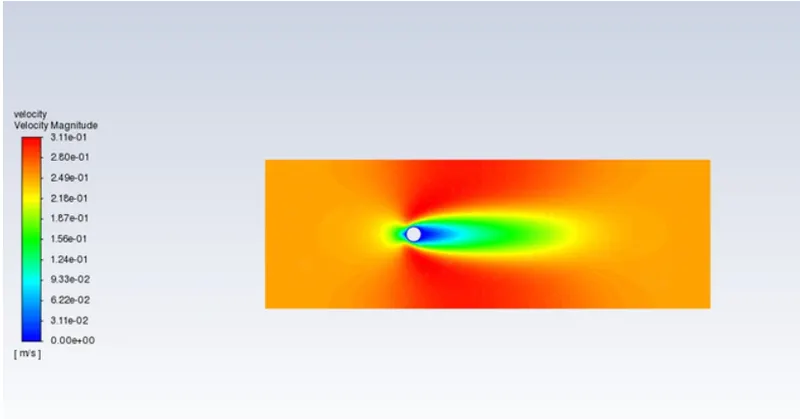
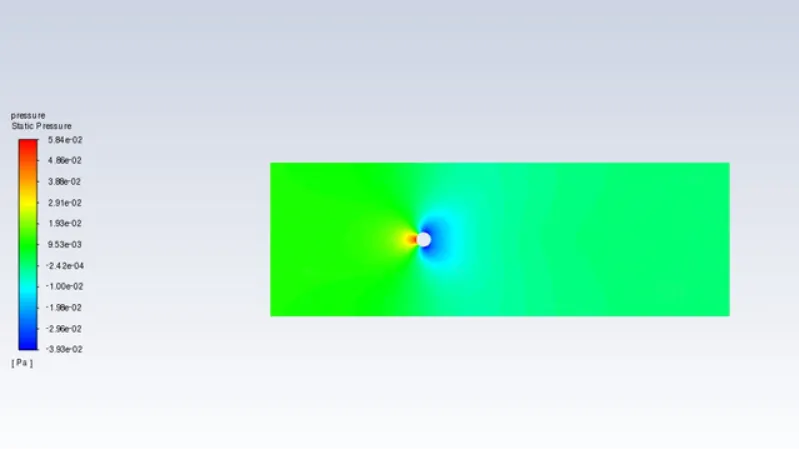
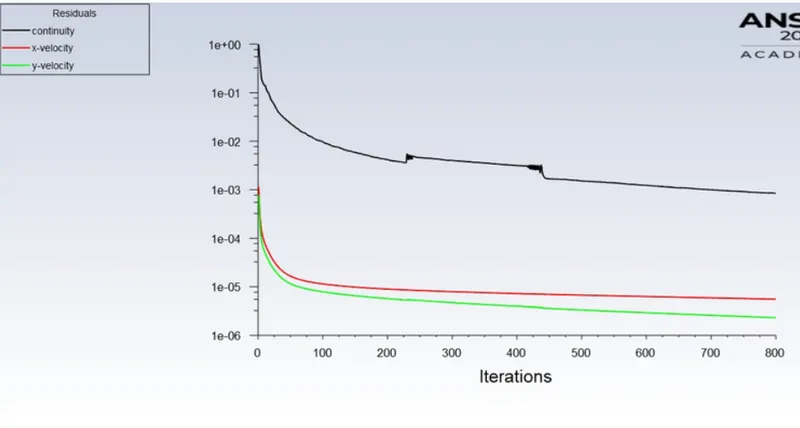
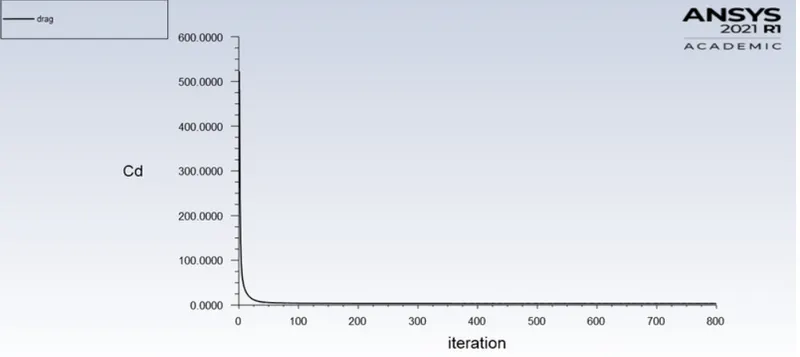
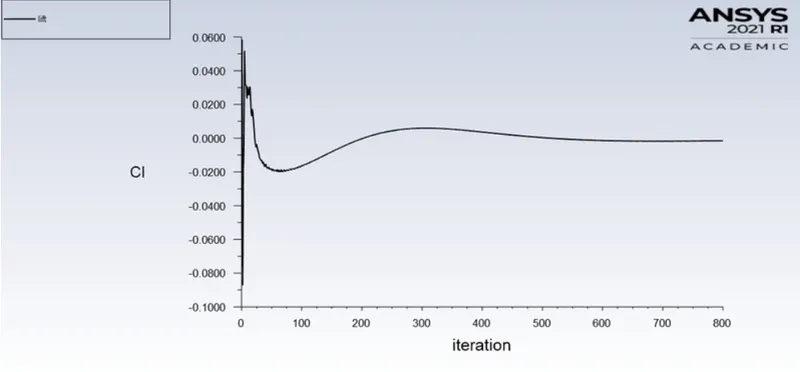
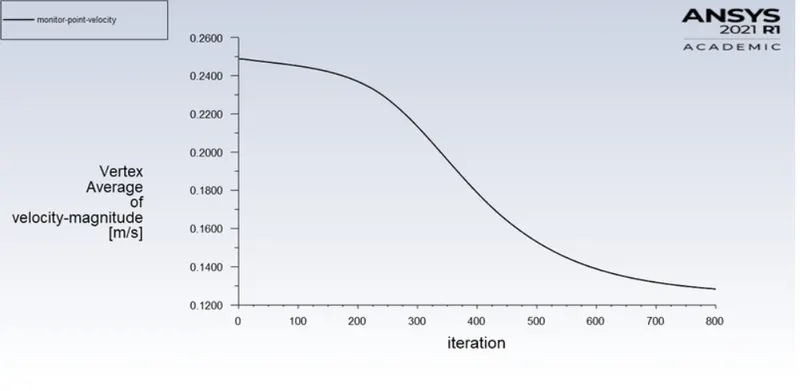
(ii) Re =100 , V=2.5 m/s:
Listed above in PART I steady condition
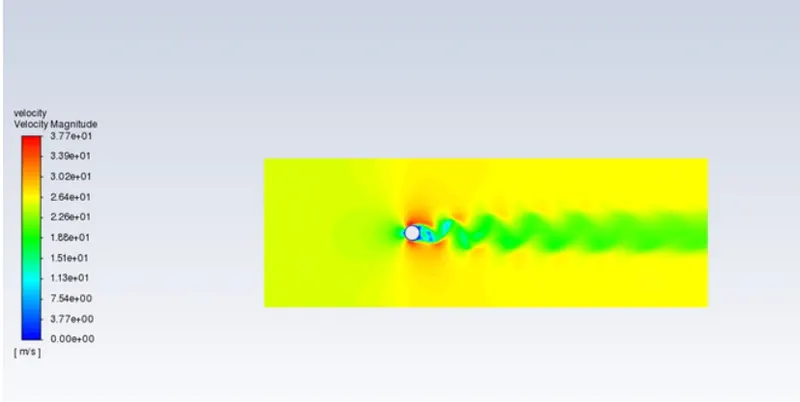
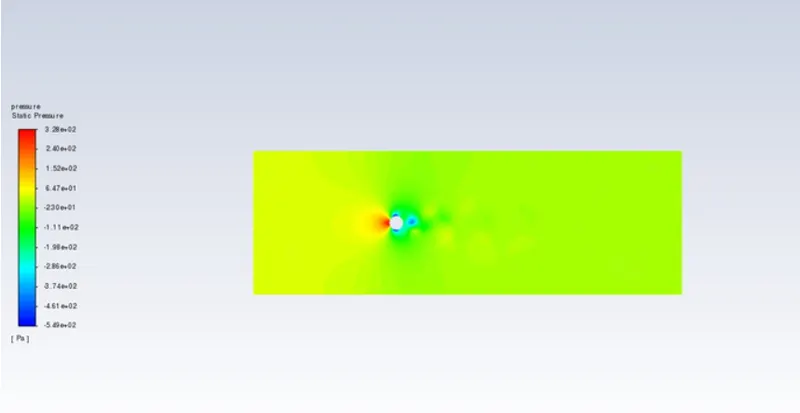
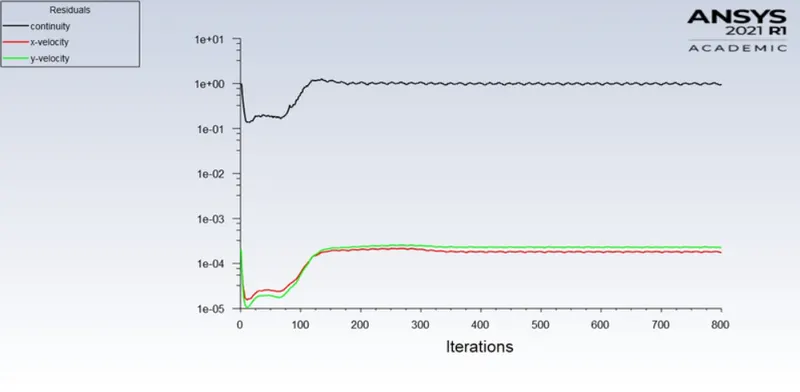
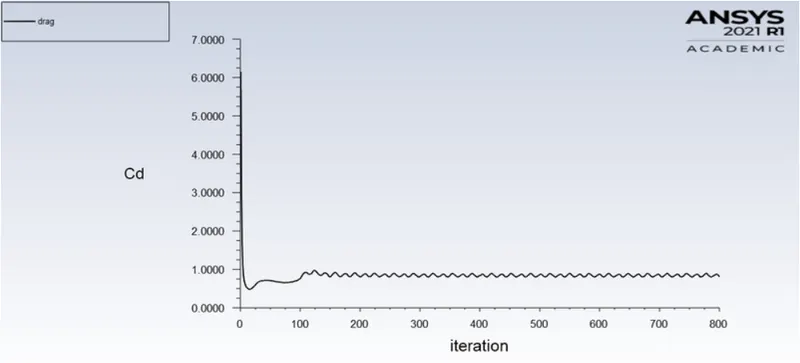
(iii) Re=1000 , V=25 m/s:
(iv) Re=10000 V=250 m/s:
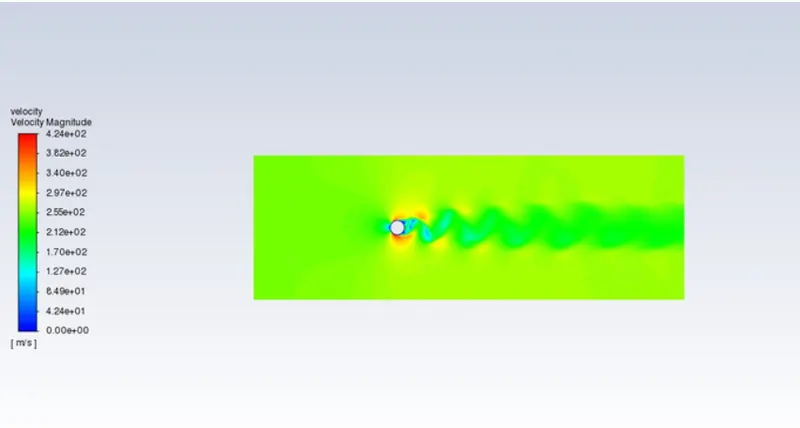
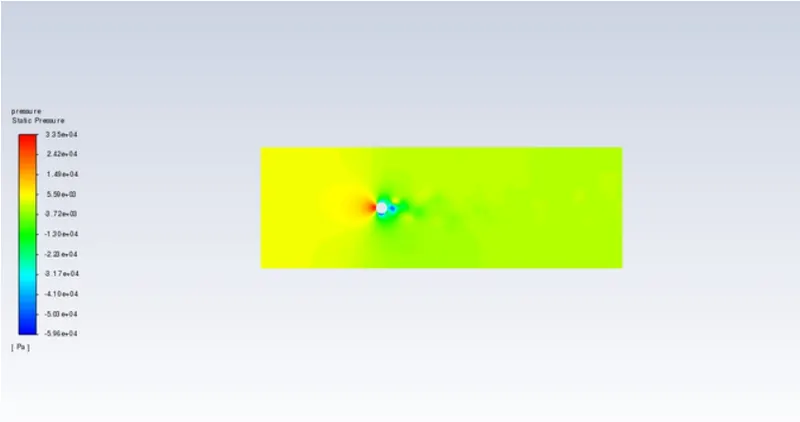
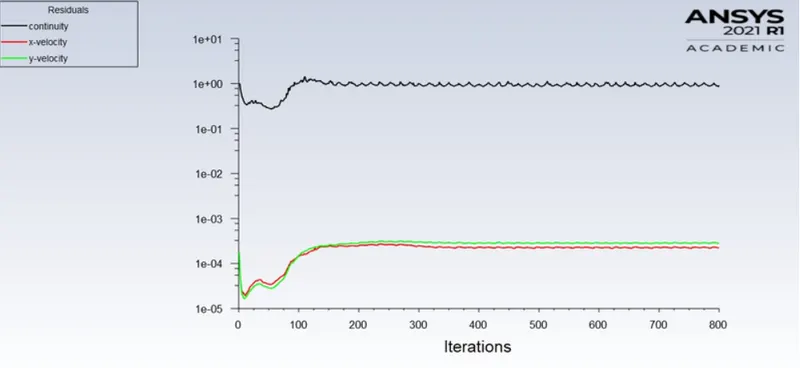
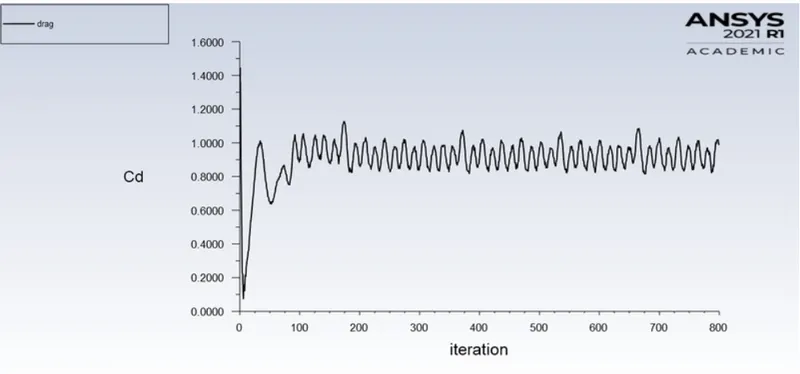
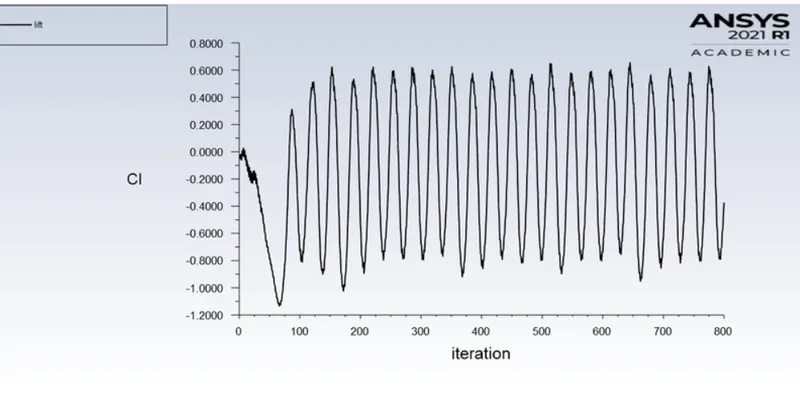
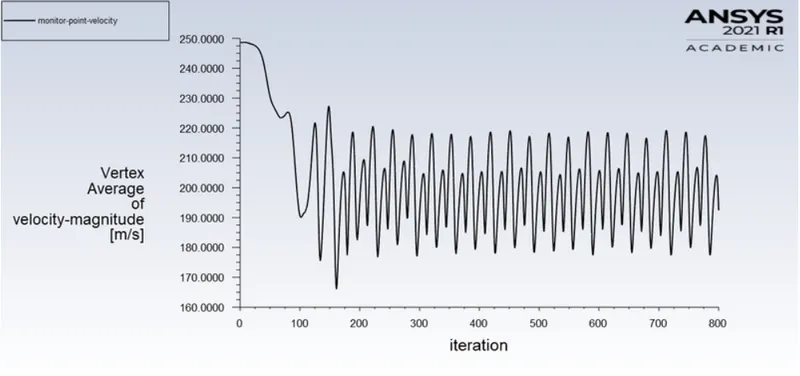
(V) Re=100000 , v=2500 m/s:
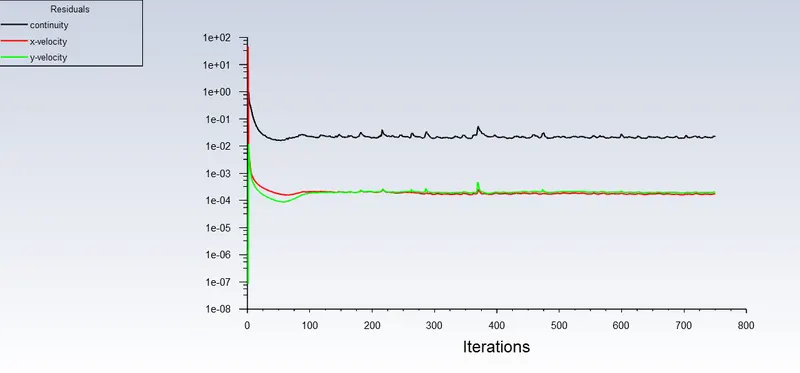
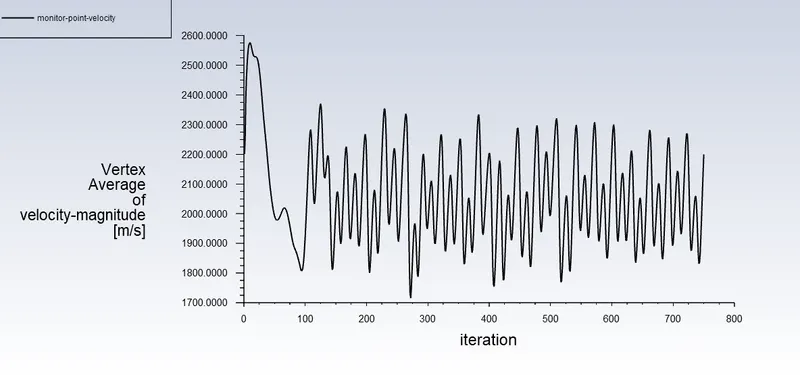
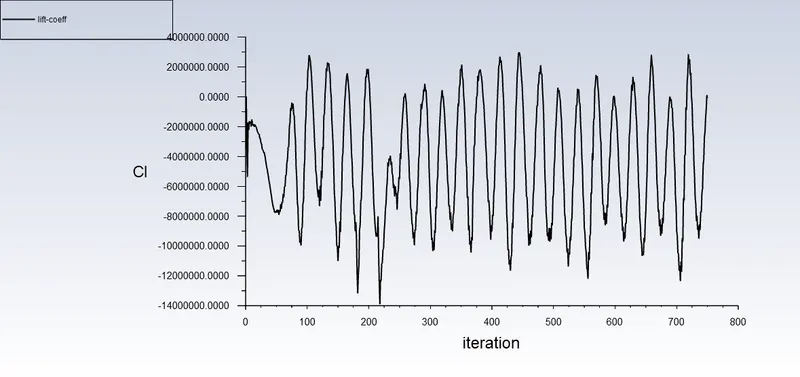
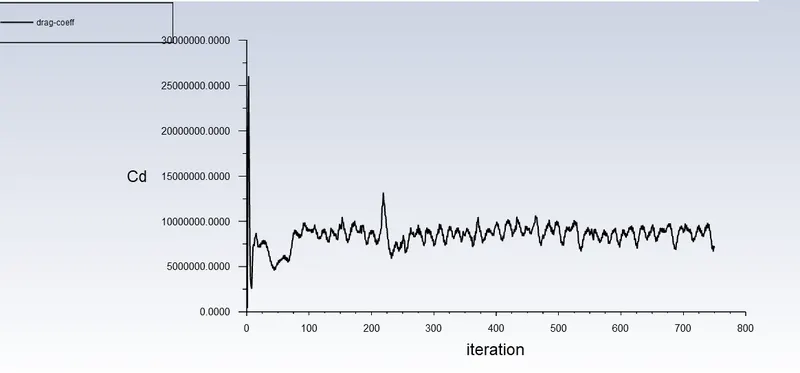
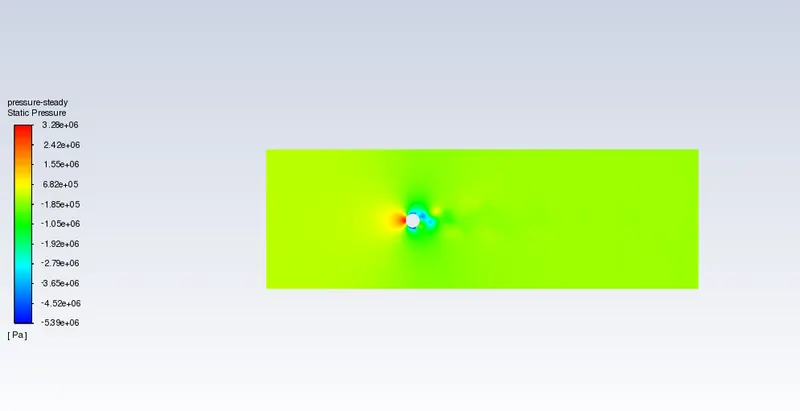
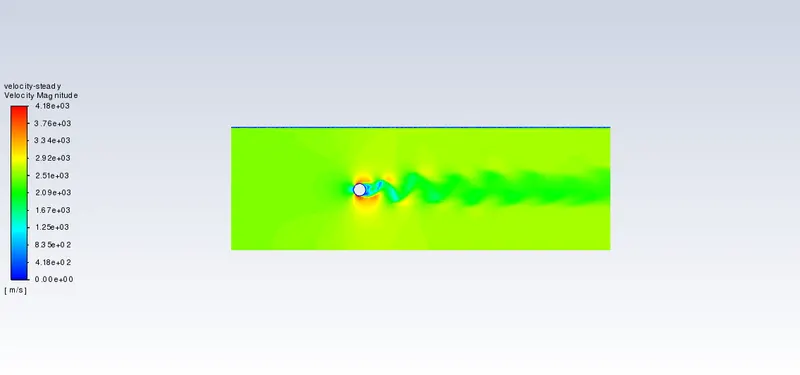
RESULT:
| Re | Cd | Cl |
| 10 | 3.33 |
-0.0015 |
| 100 | 1.365 | -0.13 |
| 1000 | 0.808 | -0.00839 |
| 10000 | 0.9876 | -0.373 |
| 100000 | 0.937 | -0.833 |
Error:
| Re | Cd(Theory) | Cd(Numerical value) | error(%) |
| 10 | 3.5 | 3.333 | 4.77 |
| 100 | 1.4 | 1.365 | 2.5 |