Week 2 - Flow over a Cylinder.
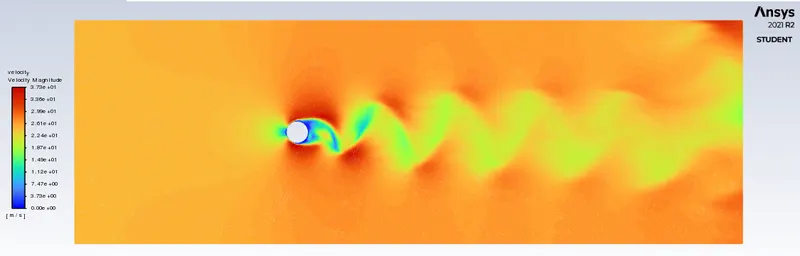
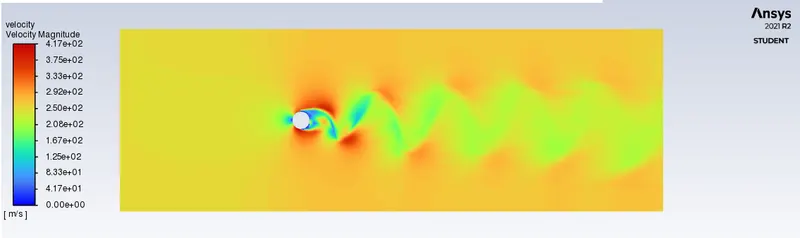
Aim --> Simulate the flow over a cylinder and explain the phenomenon of Karman vortex street.
Theory
Flow Separation
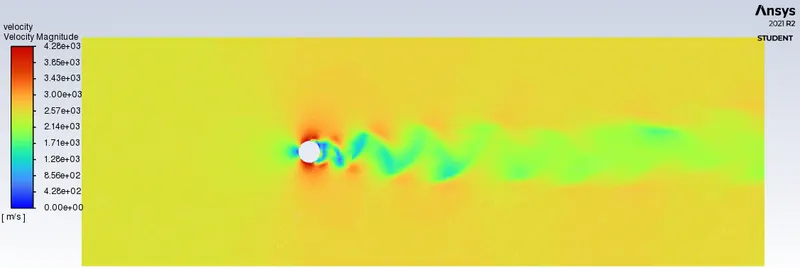
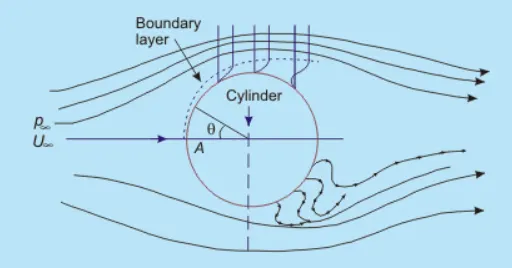
Flow separation or boundary layer separation is the detachment of a boundary layer from a surface into a wake region. This happens predominantly due to the adverse pressure gradient. Separation occurs in flow that is slowing down, with pressure increasing, after passing the thickest part of a streamlined body or passing through a widening passage. The boundary layer separates when it has traveled far enough in the adverse pressure gradient and takes the form of eddies and Vortices.
Vortex Shedding
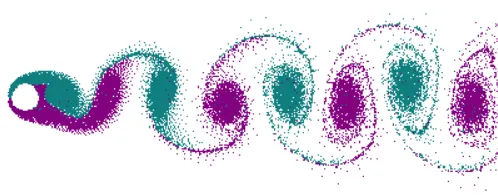
It is a repeating pattern of periodic forming and shedding of vortices behind the cylinder. As the Reynolds number increases the vortices become unstable and start to shed off periodically, this is known as vortex shedding.
Fast Fourrier Transform
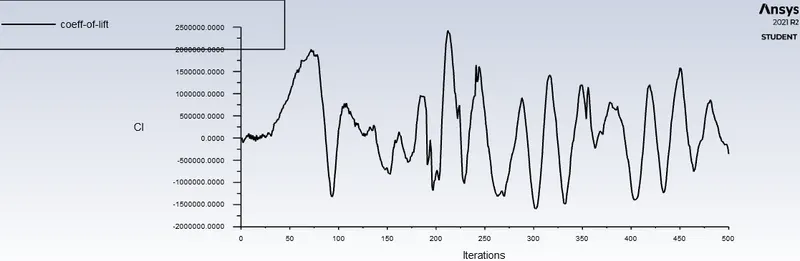
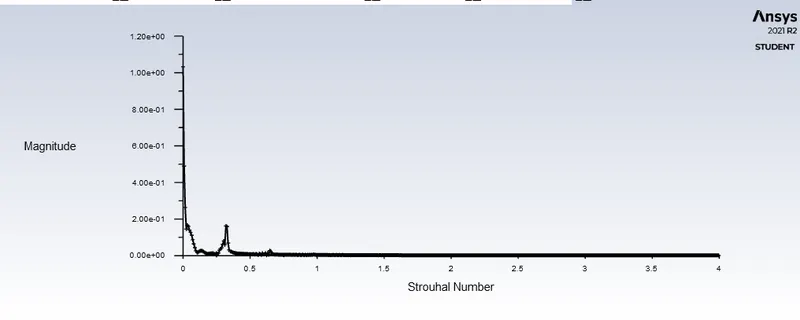
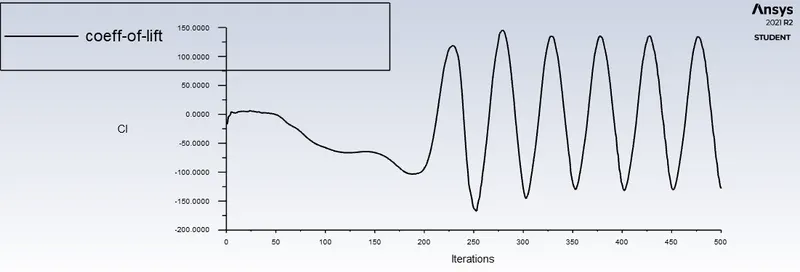
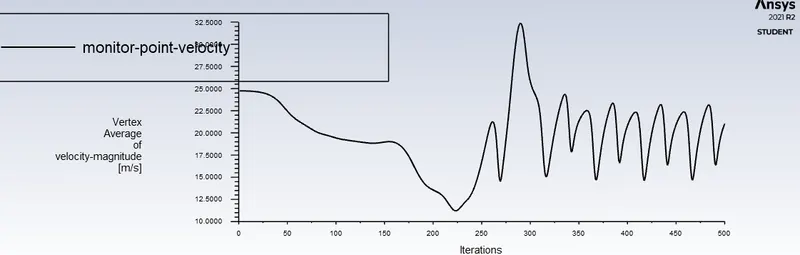
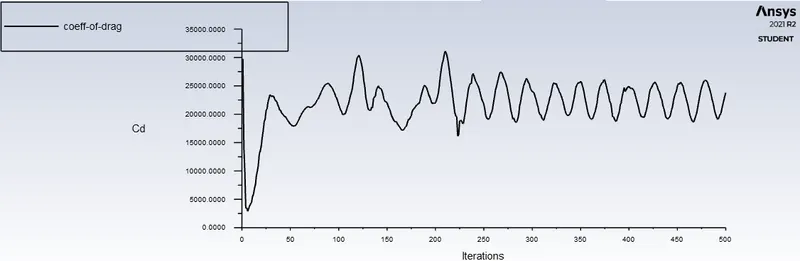
We need to form the FFT (fast Fourier transform) of the coefficient of lift plot or monitor point velocity plot to calculate the strouhal number. A fast Fourier transform is an algorithm that computes the discrete Fourier transform of a sequence, or it's inverse. One of the important algorithms developed. It converts signals for the original domain(space and time) to the frequency domain. FFT converts the time domain into the frequency domain.
Strouhal Number
PART-I
- Simulate the flow with the steady and unsteady case and calculate the Strouhal Number for Re= 100.
Transient Case
Inlet velocity --> 2.5 m/s
viscosity = 0.05 (meter)
demsity = 1(meter)
diameter =2 (meter)
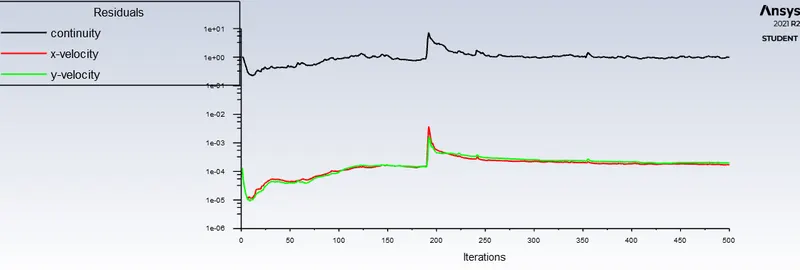
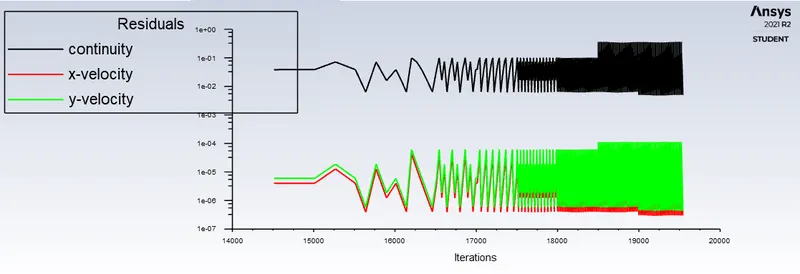
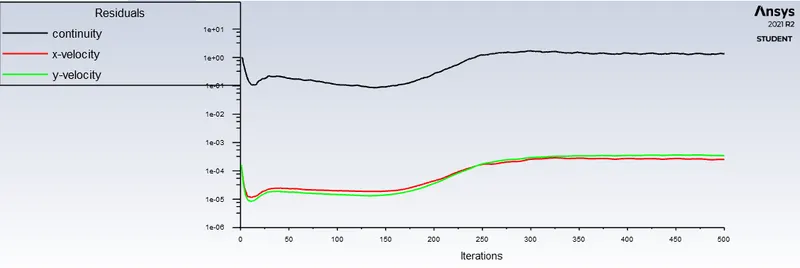
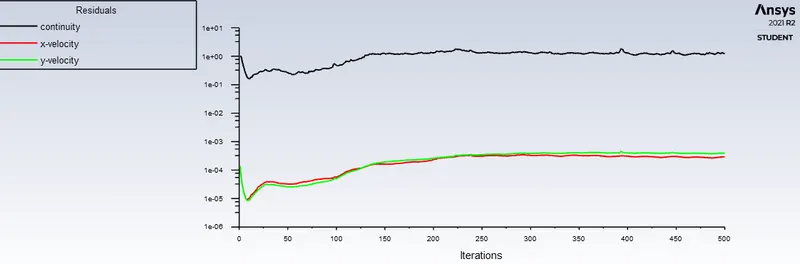
Residual plot
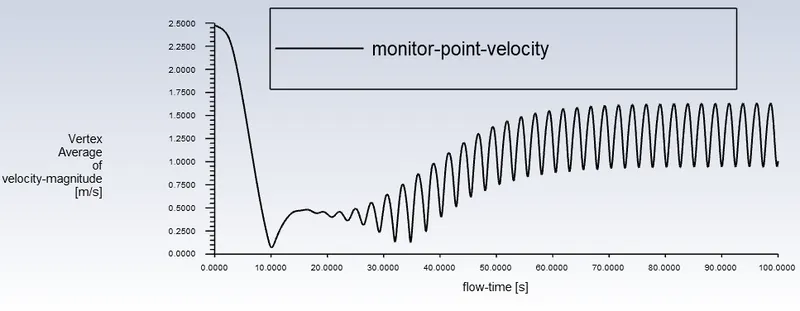
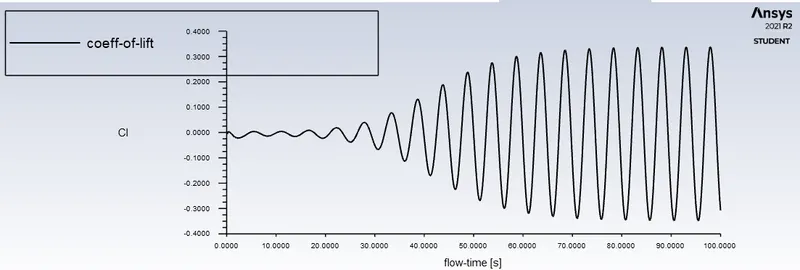
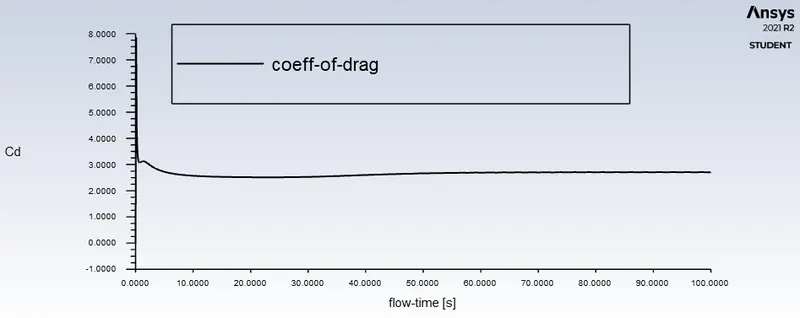
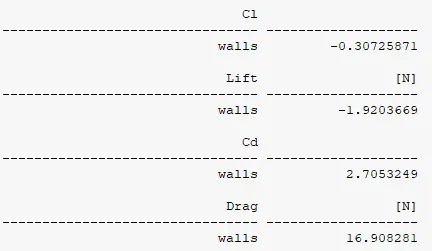
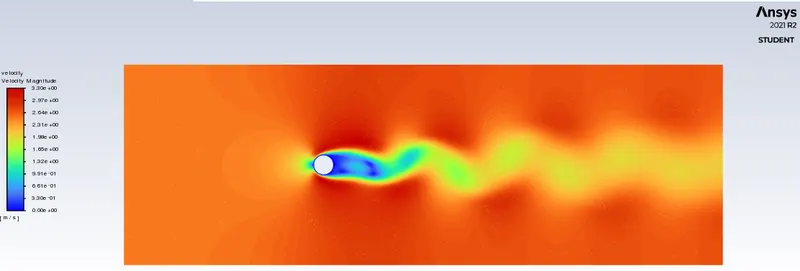
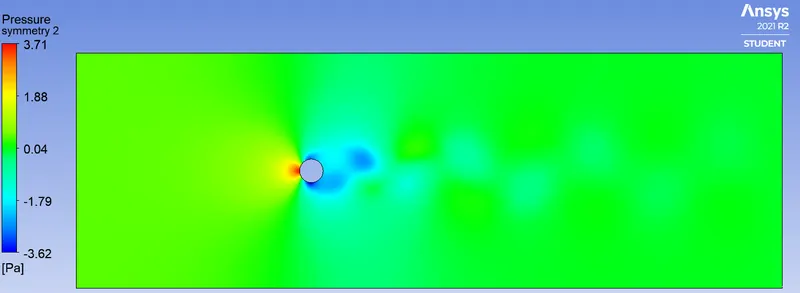
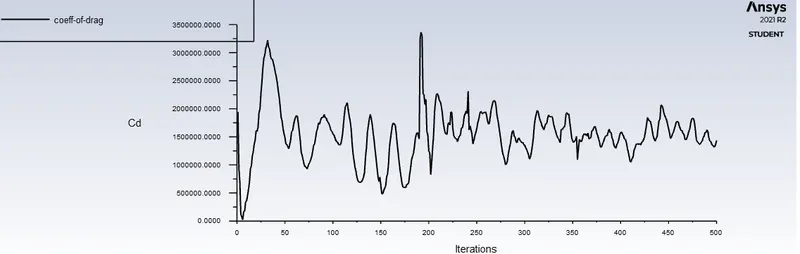
Line Plots
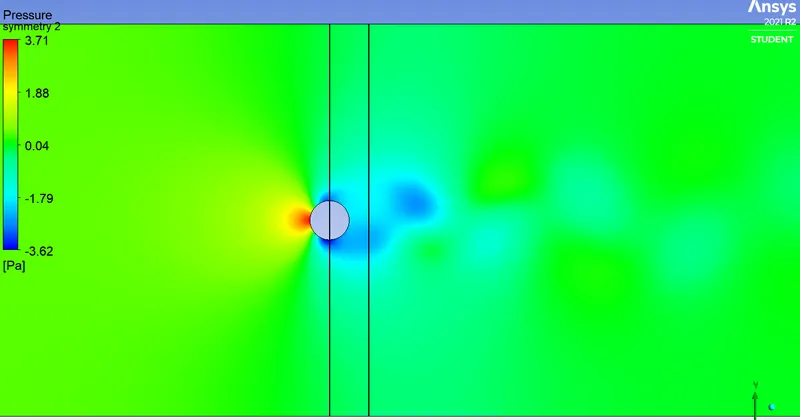
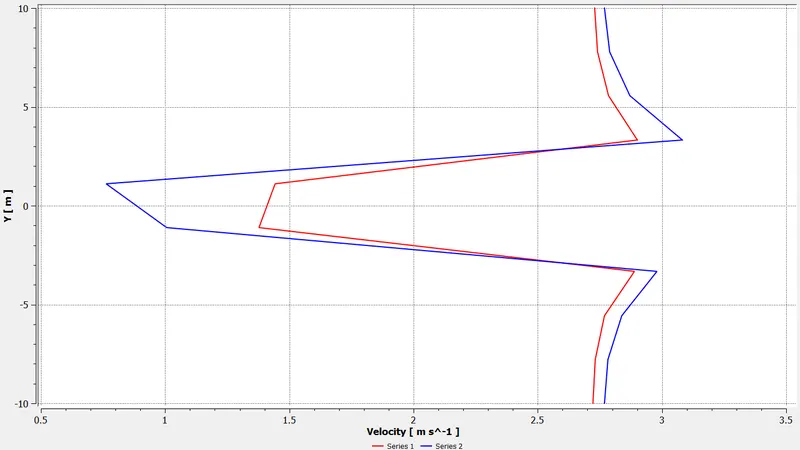
Strouhal Number (= 1.60E-1)
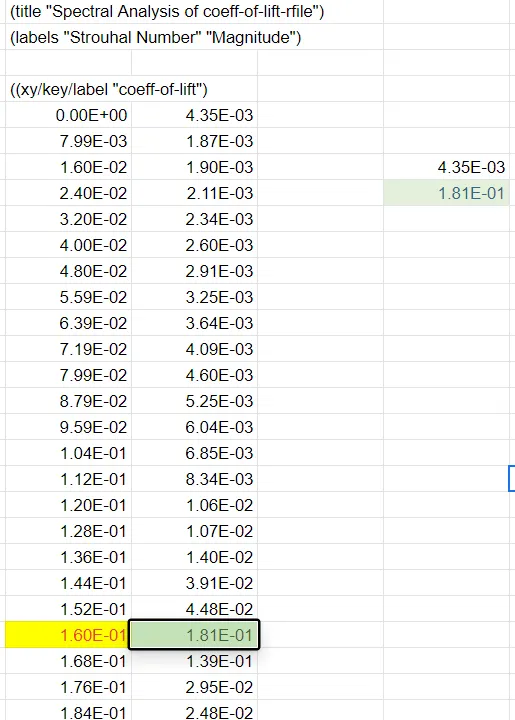
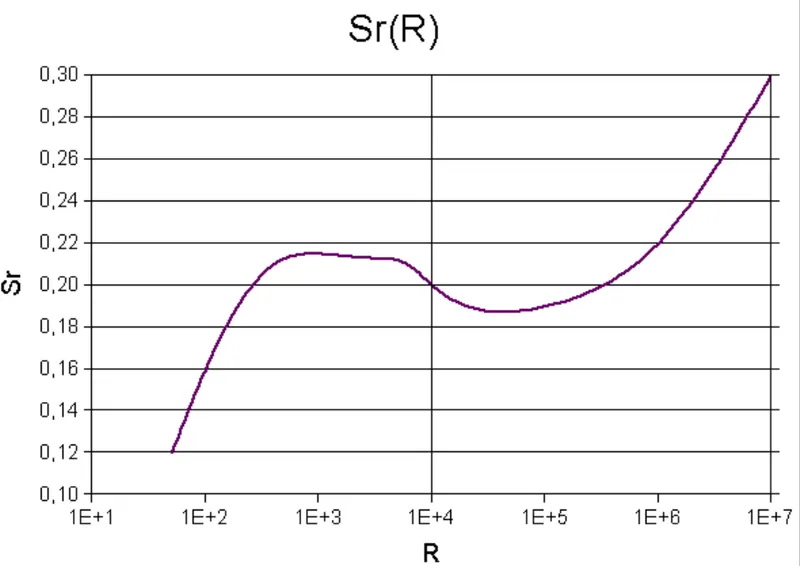
--> The following plot gives the value of the strouhal number wrt the Reynolds number. We can see that for the reynolds number of 100 strouhal number is 0.16, therefore our value is correct.
Steady State Case
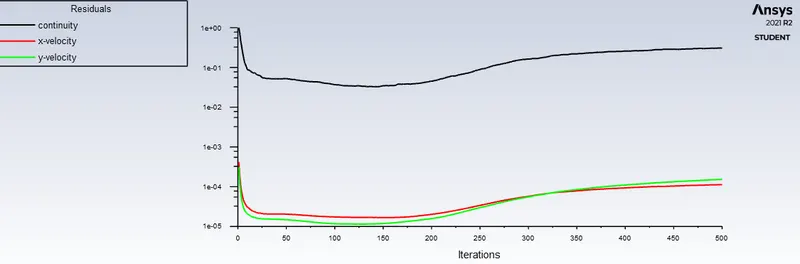
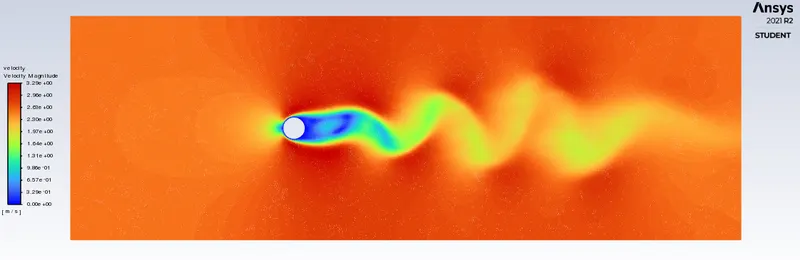
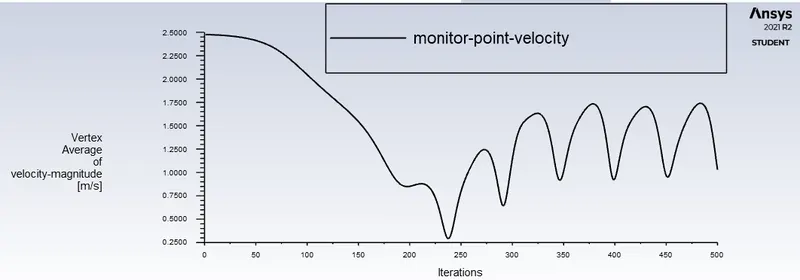
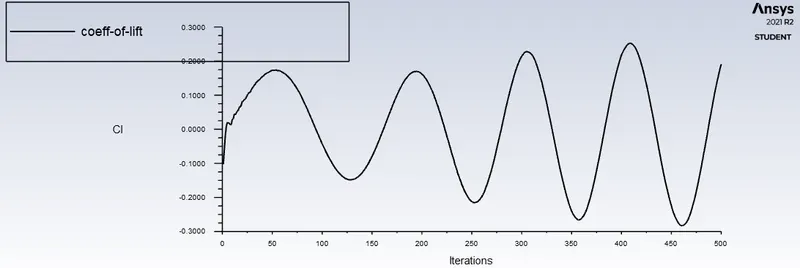
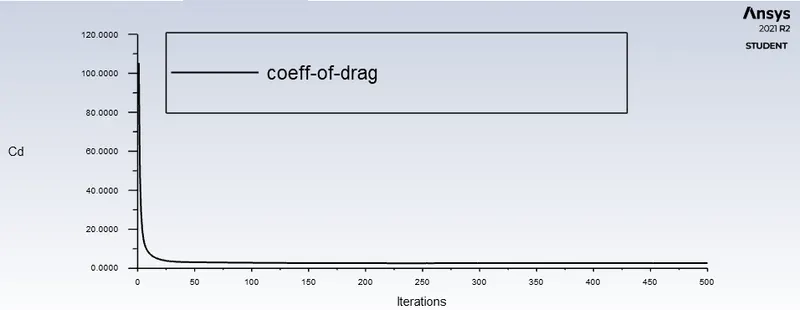
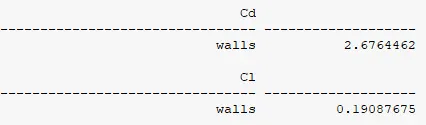
--> As steady-state simulation only gives us the final answers, any transient aspect of these simulations can not be trusted.
PART-II
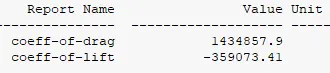
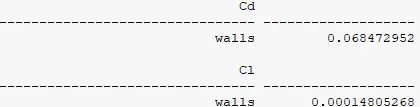
- Calculate the coefficient of drag and lift over a cylinder by setting the Reynolds number to 10,1000,10000 & 100000.
- (Run with steady solver)
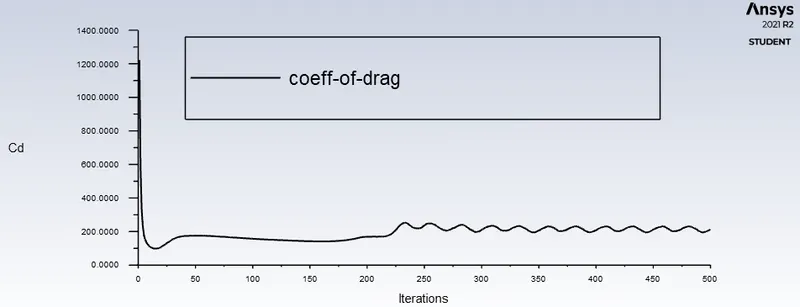
- Discuss the effect of Reynolds number on the coefficient of drag. [ Results should be validated with any standard literature and error should be within 5 %]
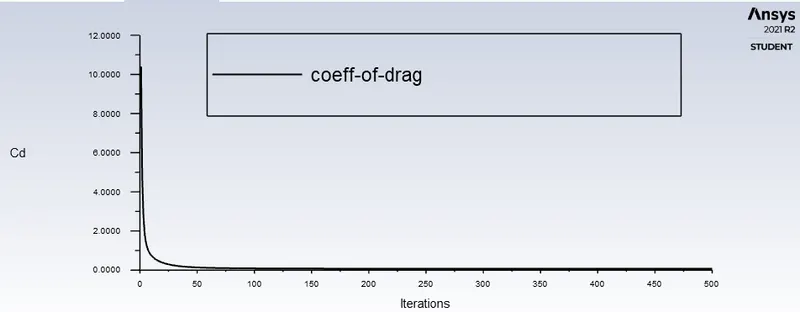
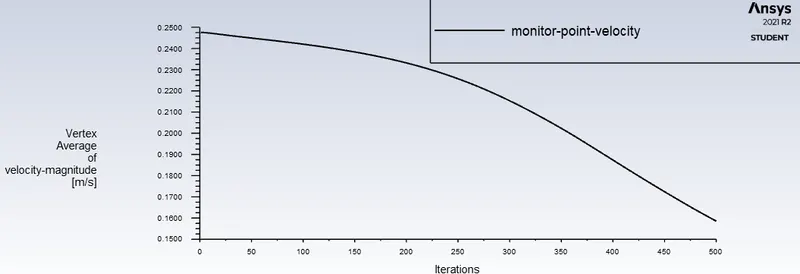
1. Re = 10
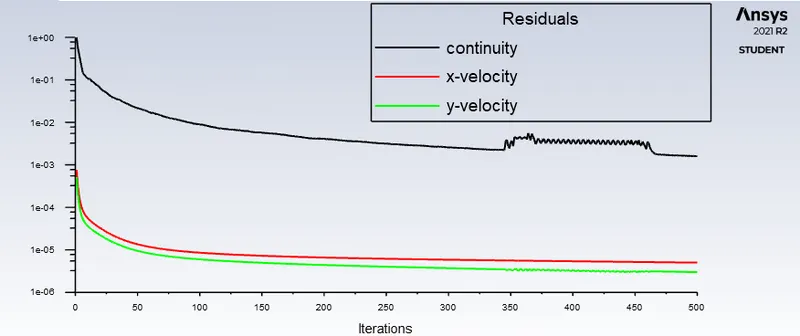
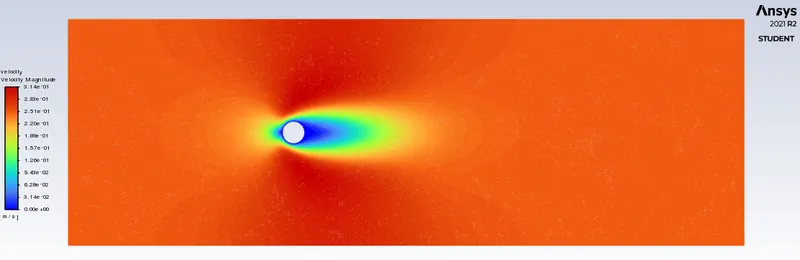
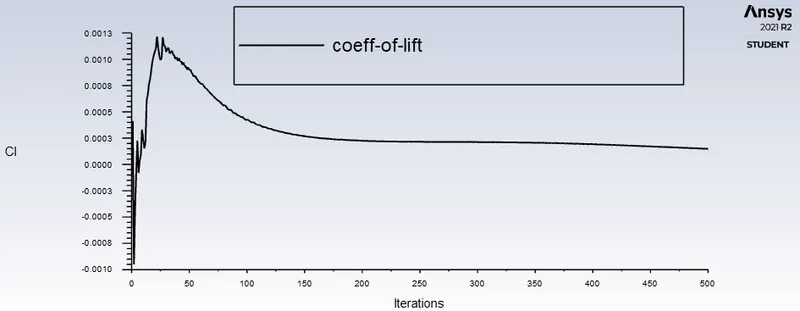
2. Re = 1000
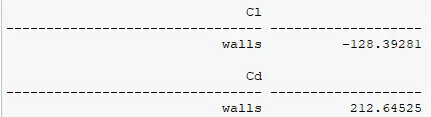
3. Re = 10000
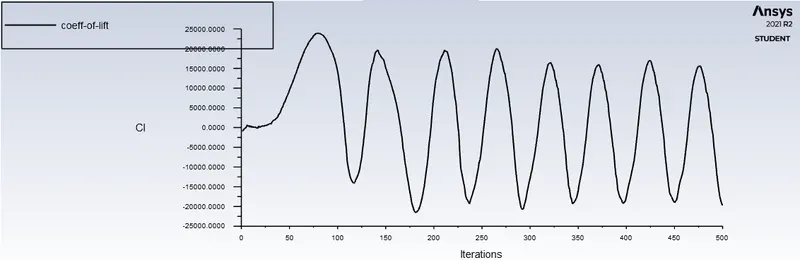
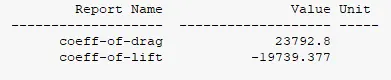
3. Re = 100000