Week 1- Mixing Tee
Aim--> Mixing Tee challenge
- Mixing efficiency of hot and cold airstreams.
- Effect of length of duct and Momentum ratio on the solution.
- Convergence
- Grid convergence test
- Turbulence model
- coarse vs refined mesh
- Validation by the theoretical formulae.
Theory
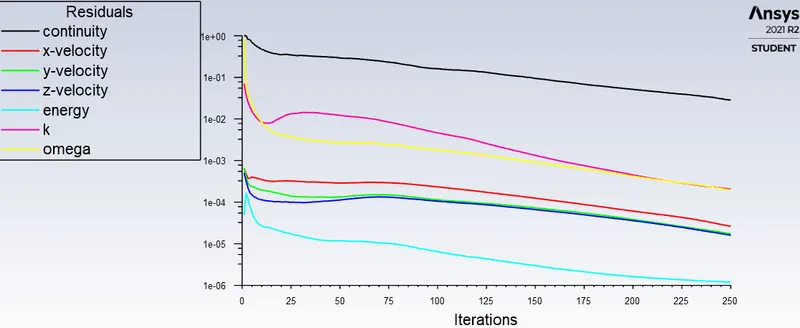
Convergence
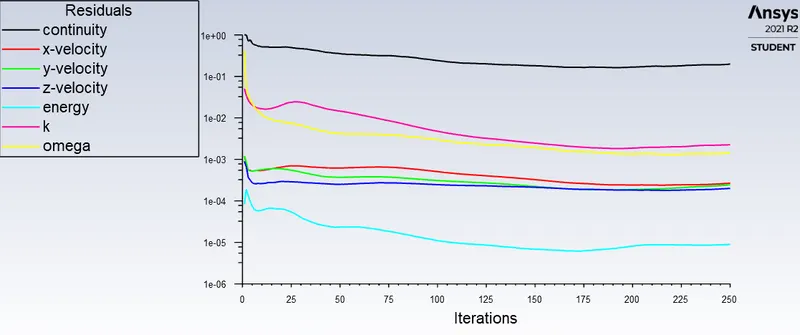
Fluid flow problems are highly nonlinear. As a result, CFD solutions must be calculated iteratively. This raises the question of no. of iterations required for the solution to reach convergence. Residual values directly quantify the error in the solution of the system of equations by measuring the imbalance in the conserved variable. When the values of the residuals reach a stagnation point, we say that the solution is converged. Residuals of the order 1e-4 to 1e-6 are considered good for convergence.
Grid Independence
The method involves performing CFD simulation with 2 or more successive refined/finer grids to check if it affects the solution. If successive refinement of the grid does not affect the solution, grid convergence is achieved.
Turbulence Model
- In this project, we can choose between K-e realizable and K-w SST. Both these models give approximately the same solutions.
- However, K-w SST is better as it uses the K-w turbulence model near the wall and the K-e turbulence model away from the wall. In between there is a smooth transition or blending between the 2 models.
- K-e model is not accurate near wall and k-w is highly sensitive to initial conditions. Therefore, we use k-e away drom wall and k-w near wall.
Mesh Independence
1. base Mesh = 1.0 cm
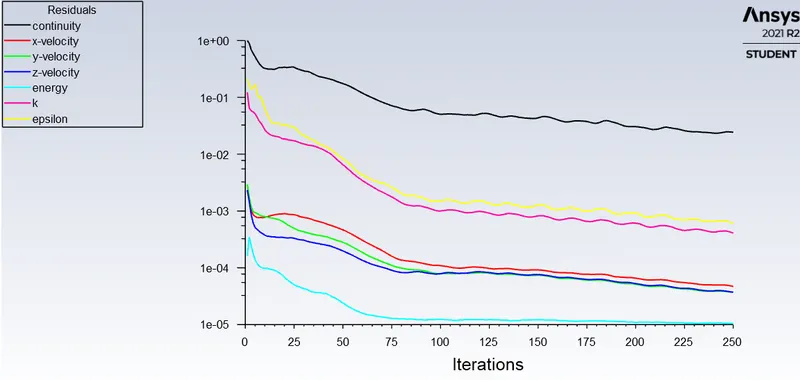
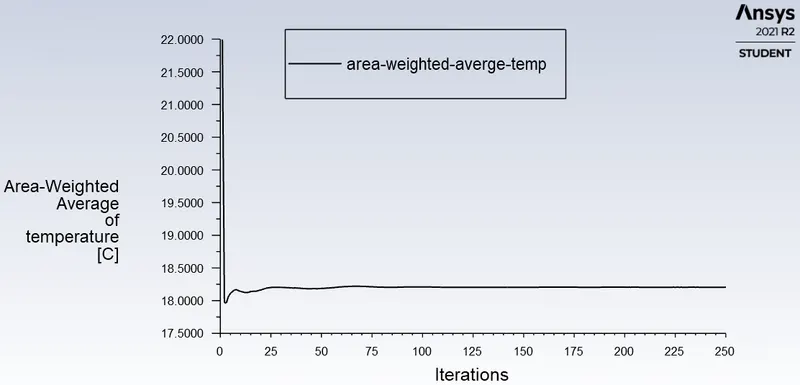
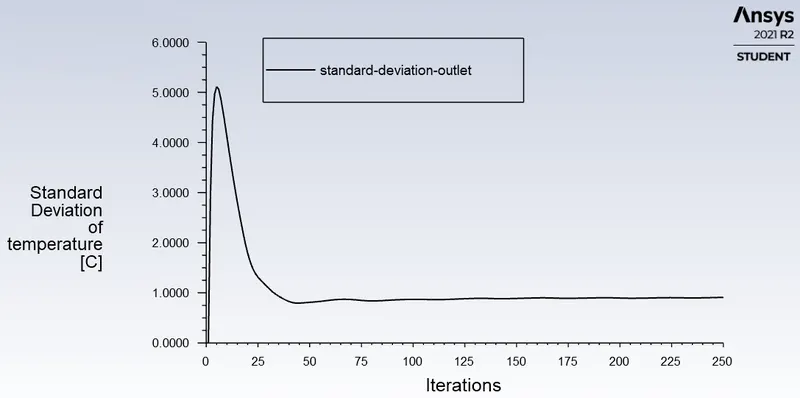
Value of Area weighted average of temperature is = 18.205395
2. Mesh size = 0.4 cm
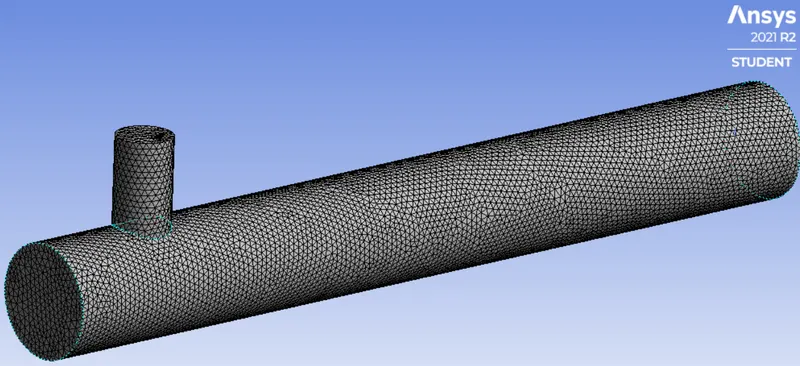
No. of elements = 20268
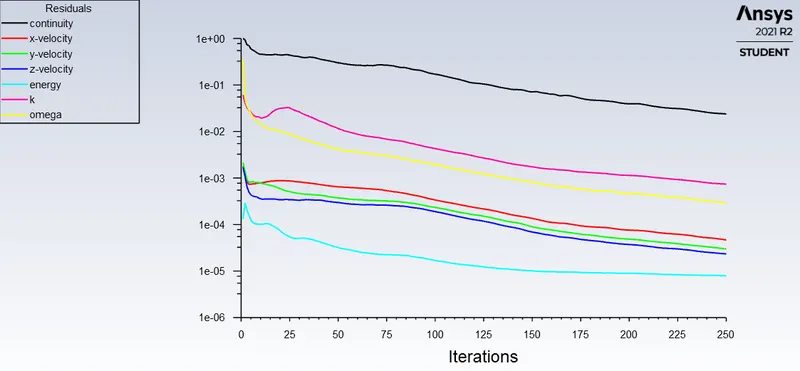
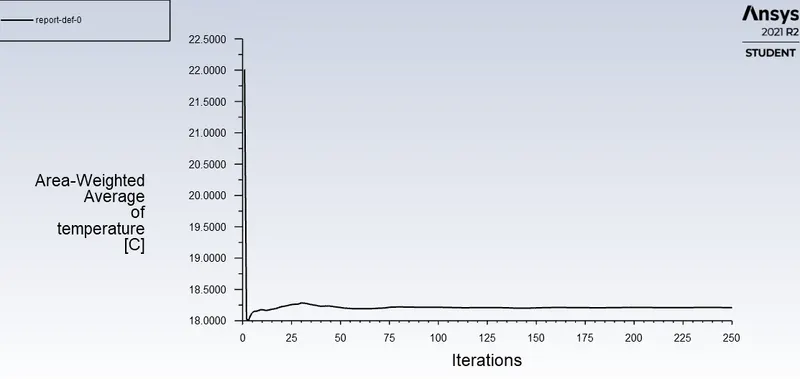
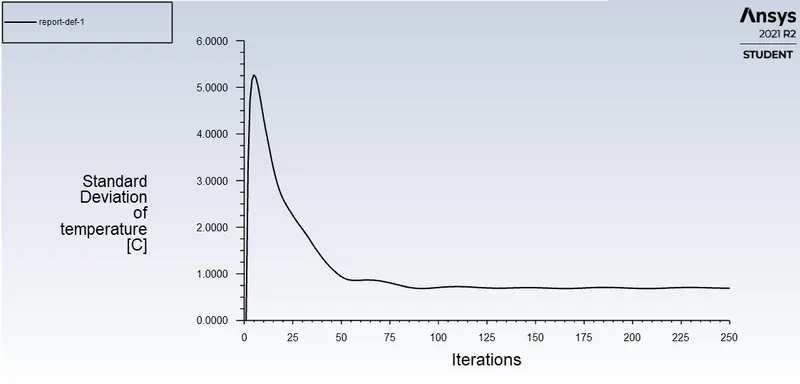
value of Area weighted average of temperature is 18.20967.
3. Mesh size = 0.2 cm
No. of elements = 104931
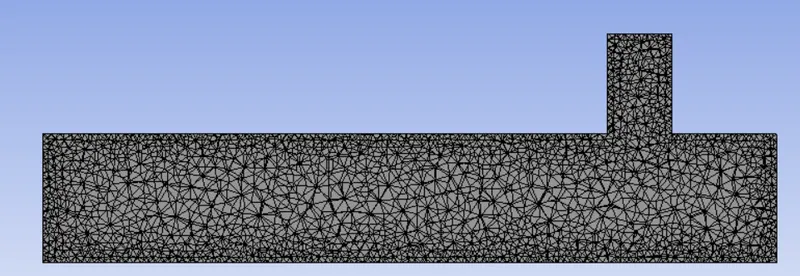
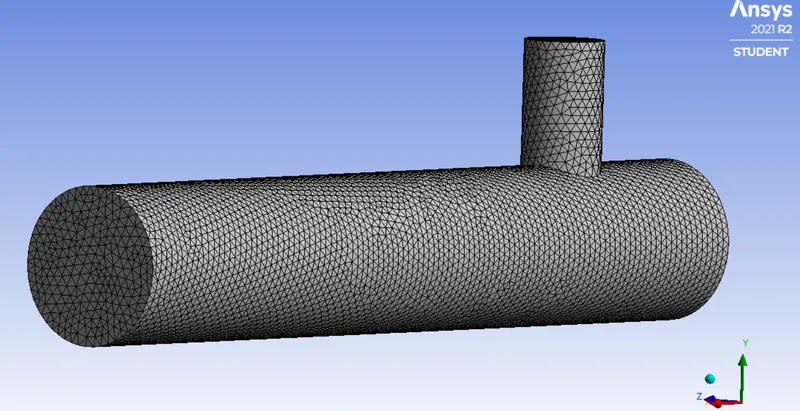
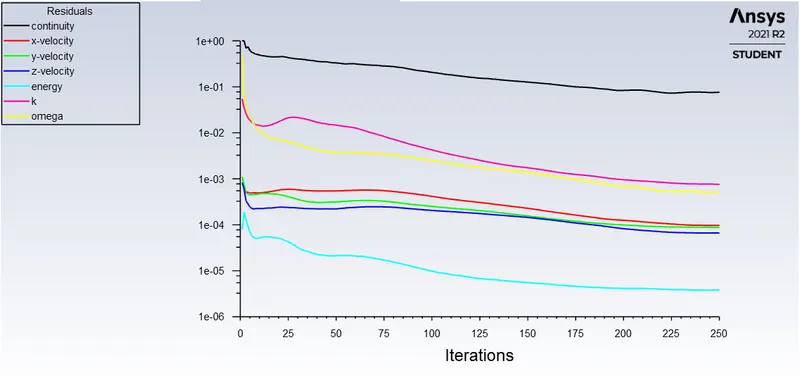
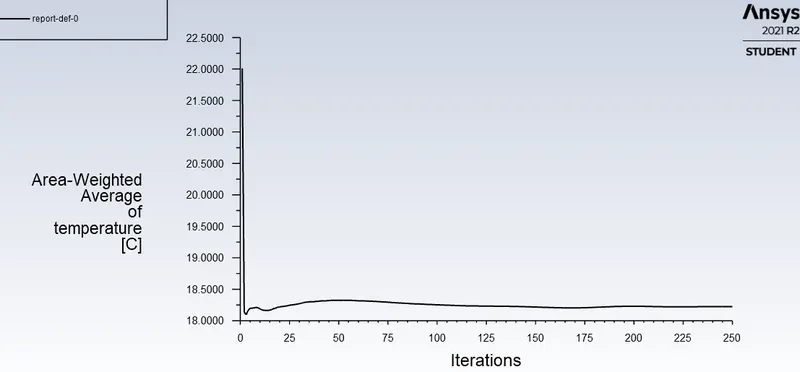
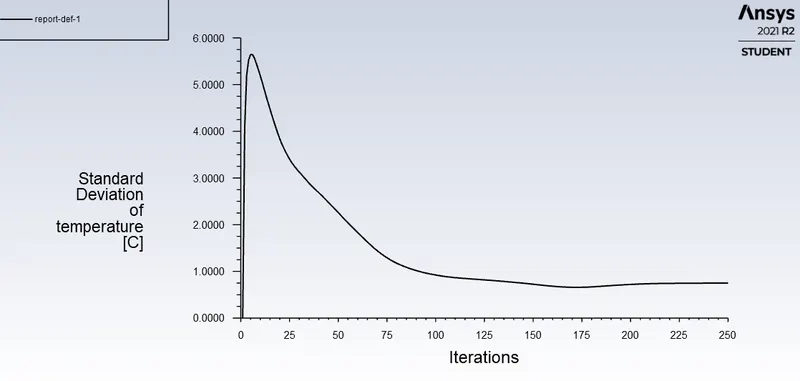
value of Area weightted average is 18.223307
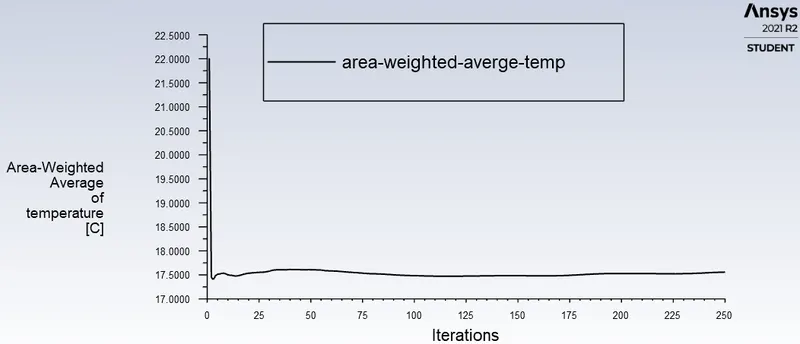
--> Thus, we can conclude that avg. outlet temp is 18.2 C. The value does not change with increasing the mesh refinement.
CASE I
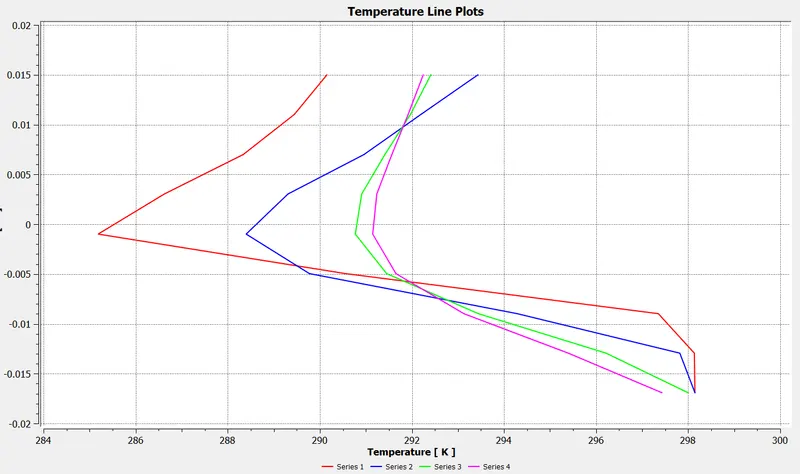
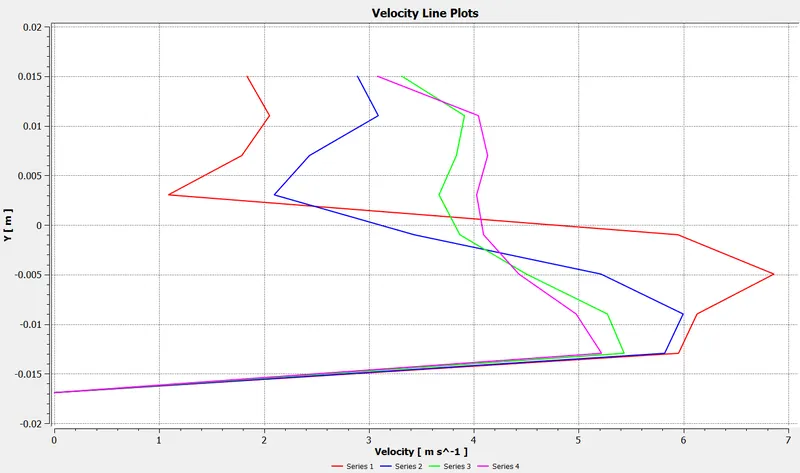
- Short mixing tee with a hot inlet velocity of 3m/s.
- Momentum ratio of 2, 4.
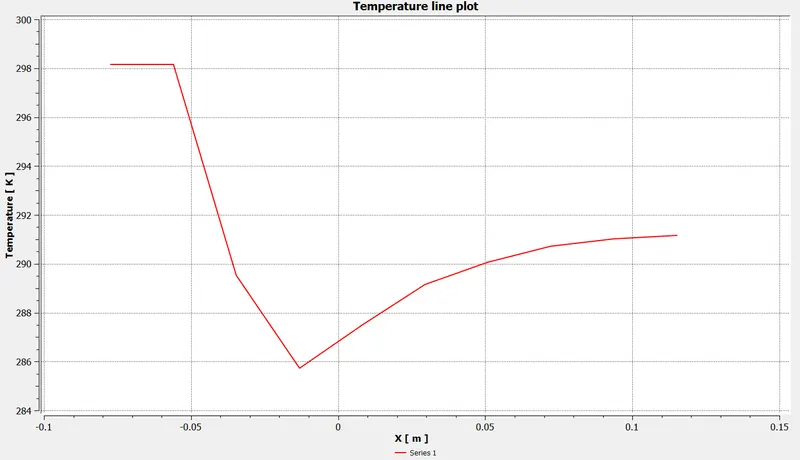
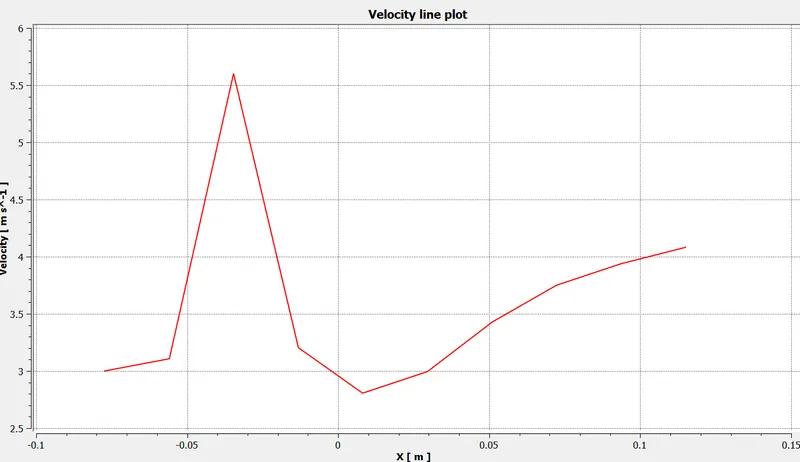
1. Momentum Ratio=2
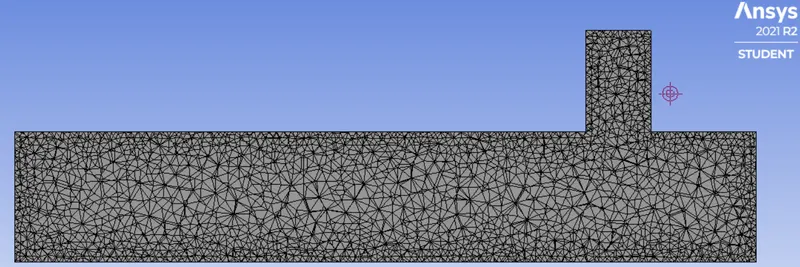
Mesh size = 0.2 (Refined)
Turbulence model --> K-w SST (Used in all furthur simulations)
No. of elements = 104931
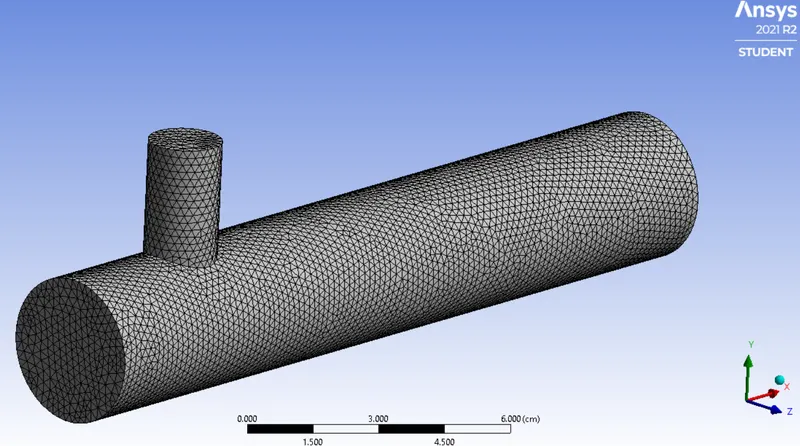
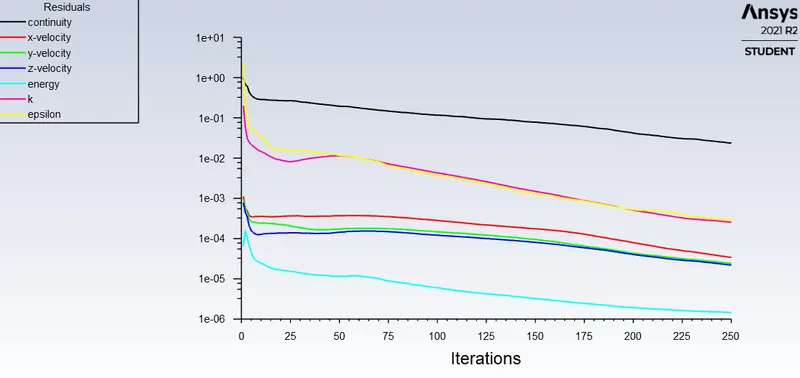
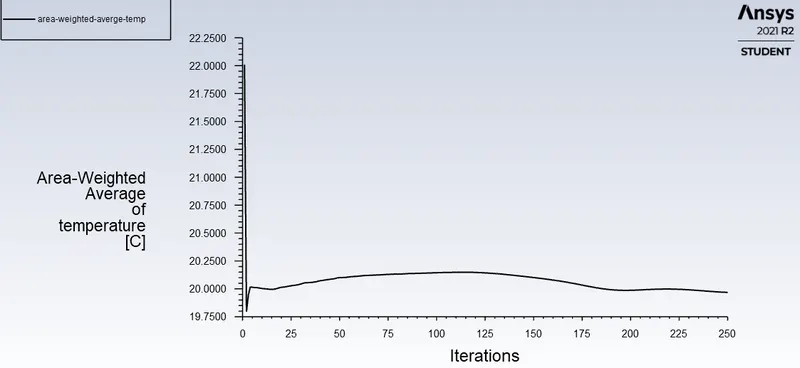
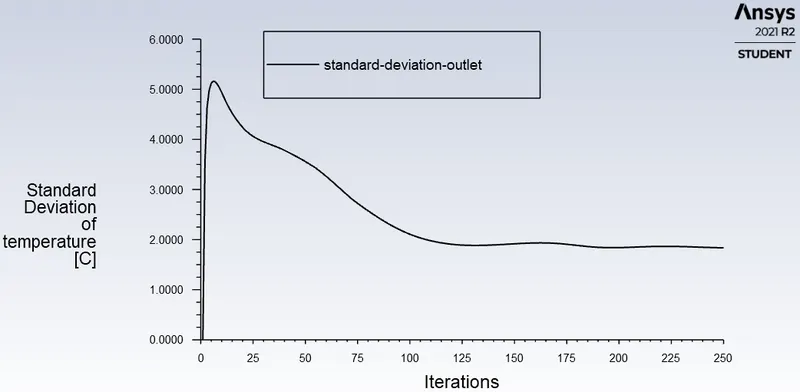
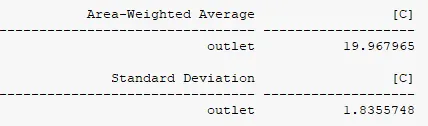
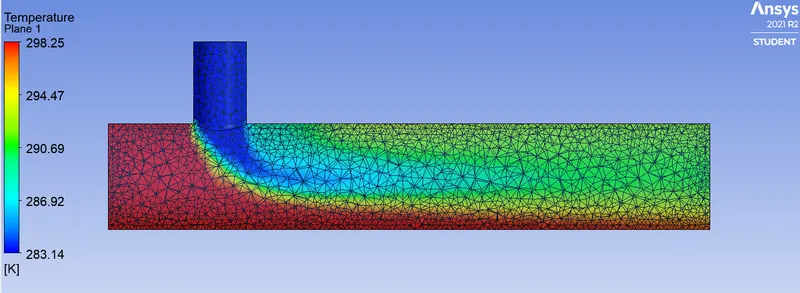
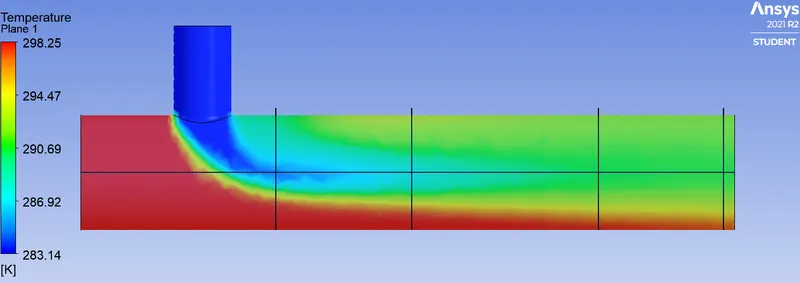
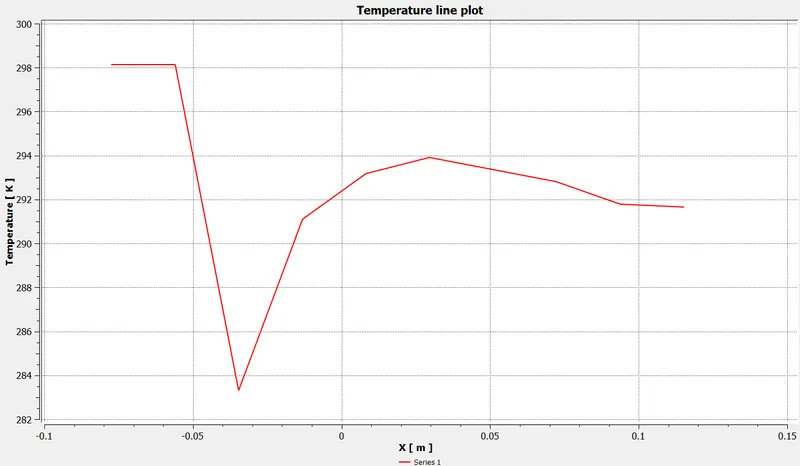
Temperature Line plots
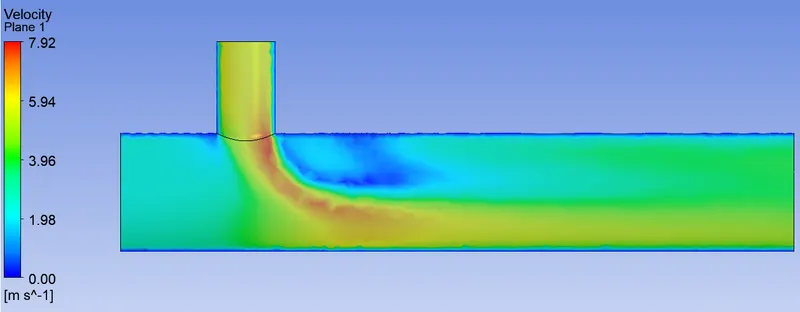
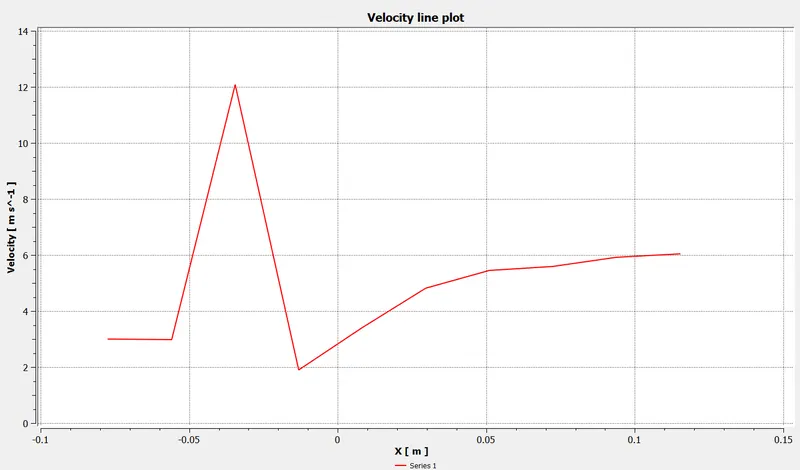
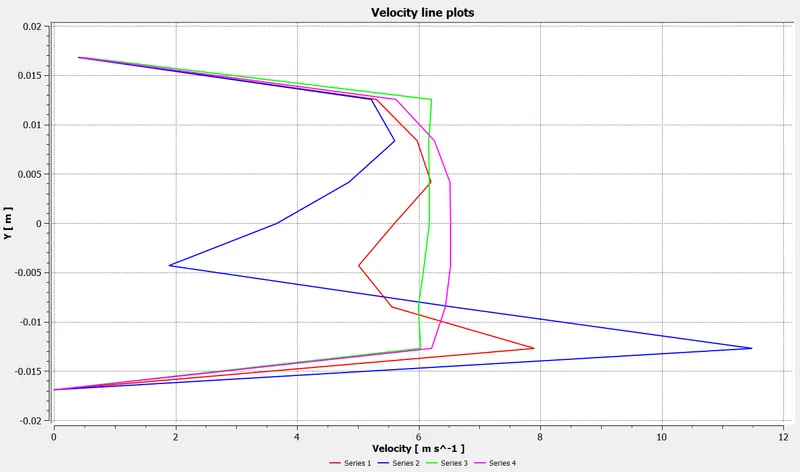
Velocity line plots
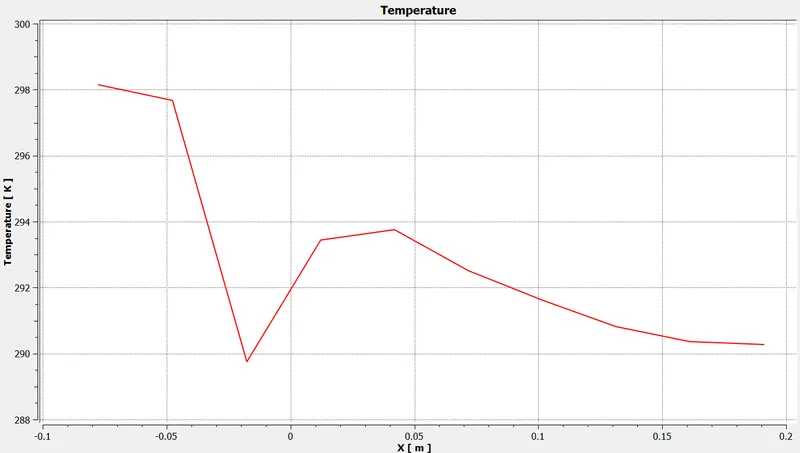
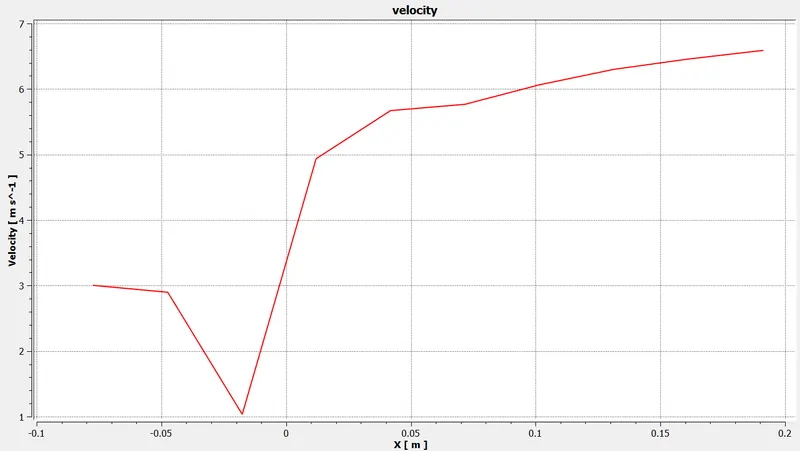
Line plot Along the duct (Centre line plot)
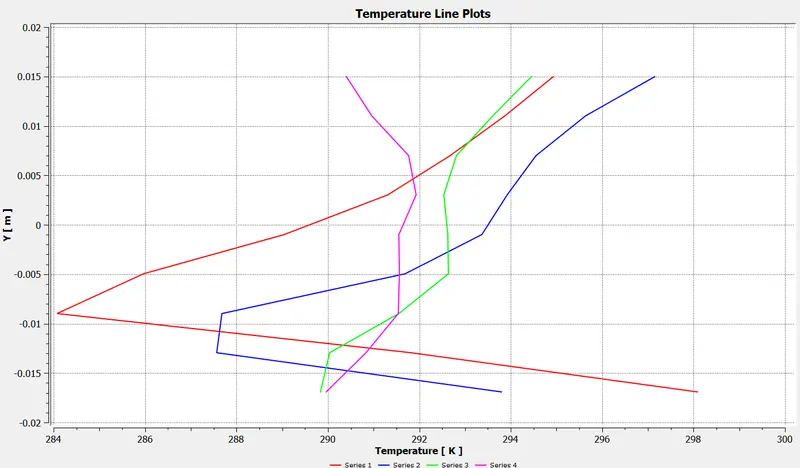
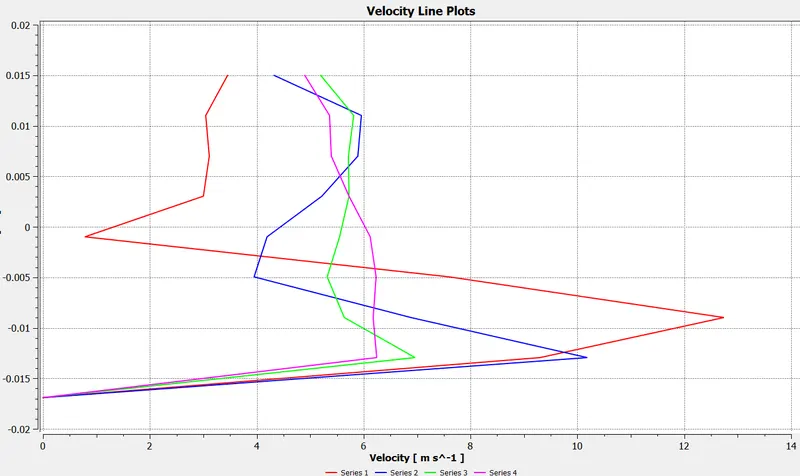
2. Momentum Ratio=4
Mesh and pre-processing steps are the same as for the previous cases.
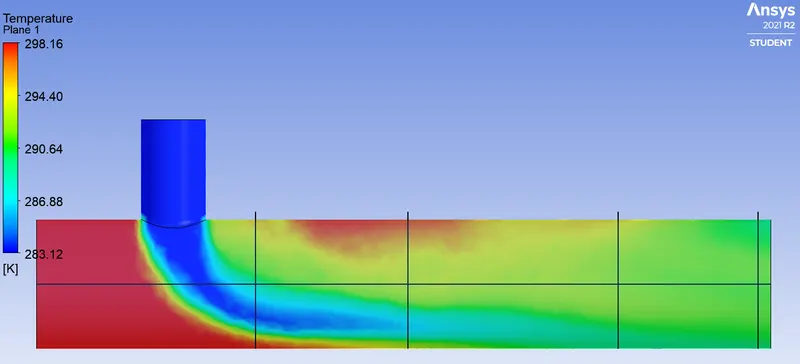
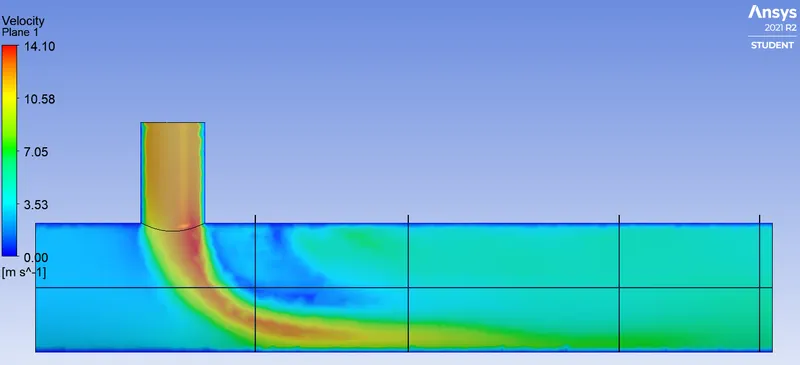
Line Plots (Centre line and vetical lines)
- Temperature Line plots
- Velocity Line plots
- Centre line (Temperature and velocity)
CASE II
- Long mixing tee with a hot inlet velocity of 3m/s.
- Momentum ratio of 2, 4.
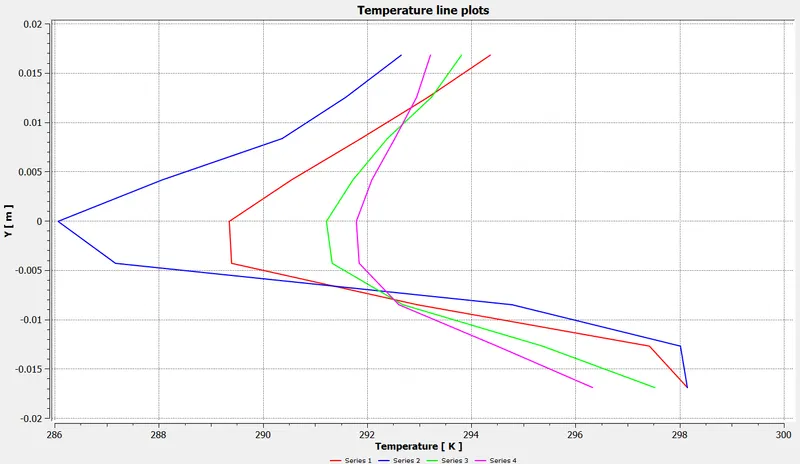
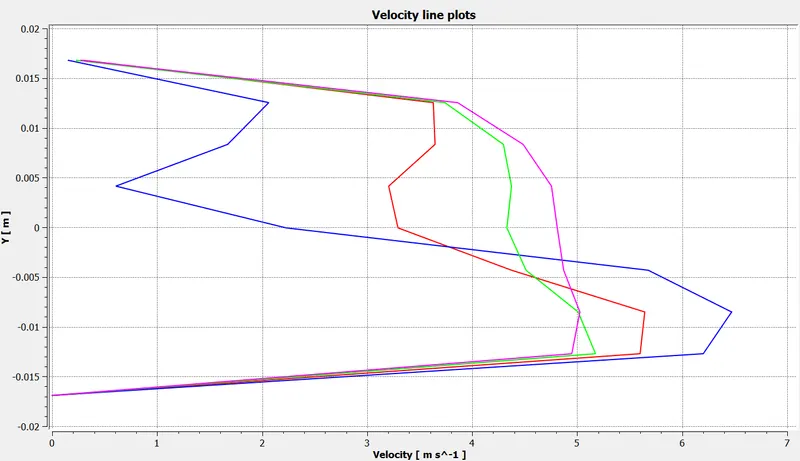
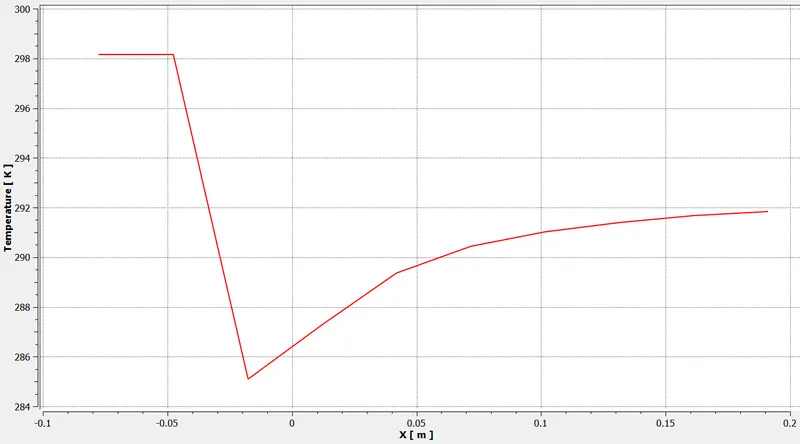
1. Momentum Ratio=2
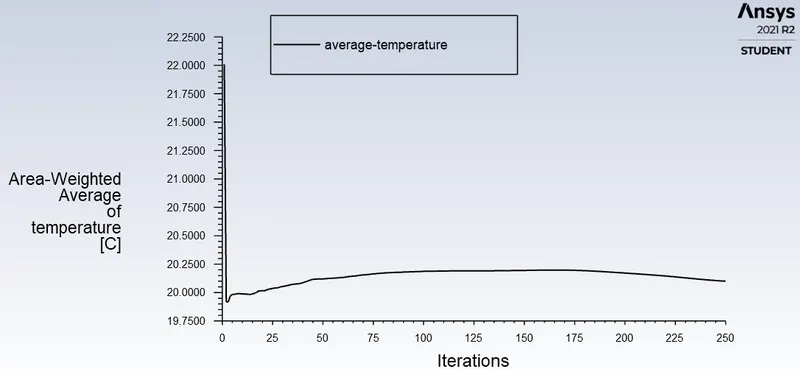
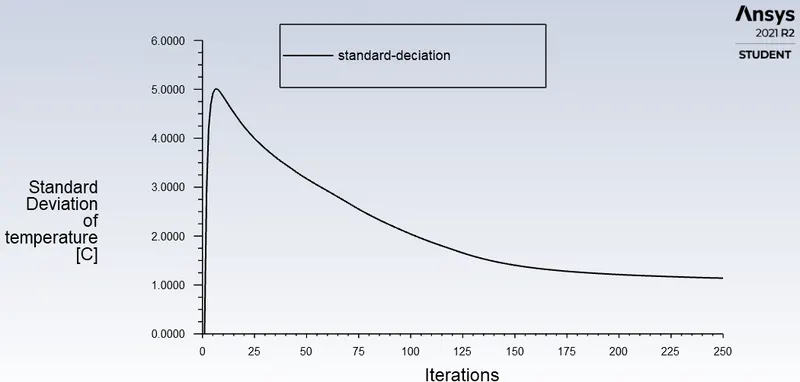
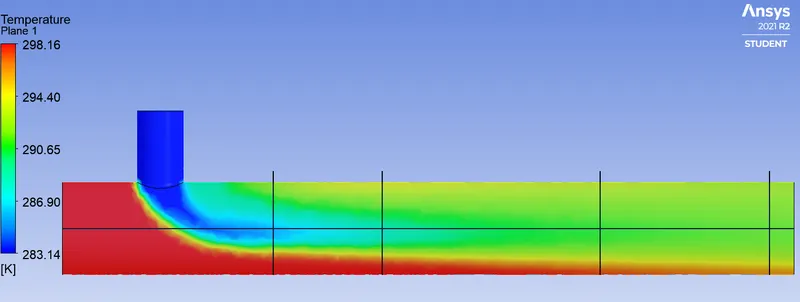
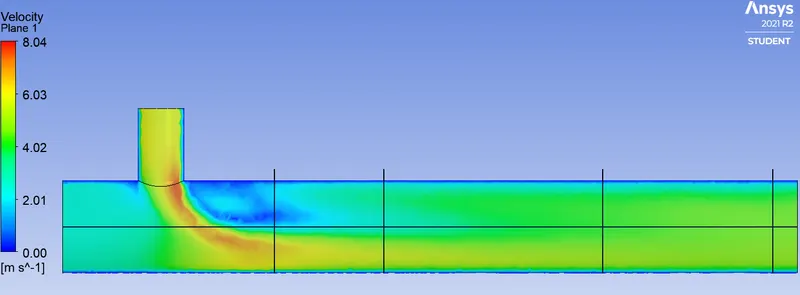
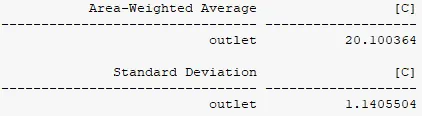
Line Plots (Centre line and vetical lines)
- Temperature Line plots
- Velocity Line plots
- Centre line (Temperature and velocity respectively)
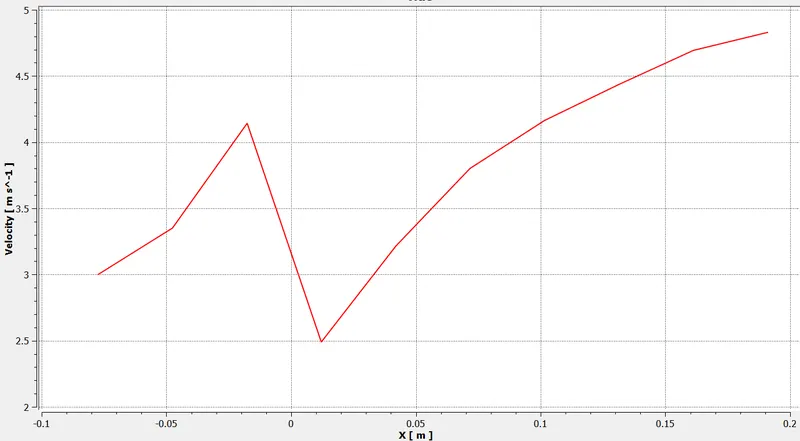
2. Momentum Ratio=4
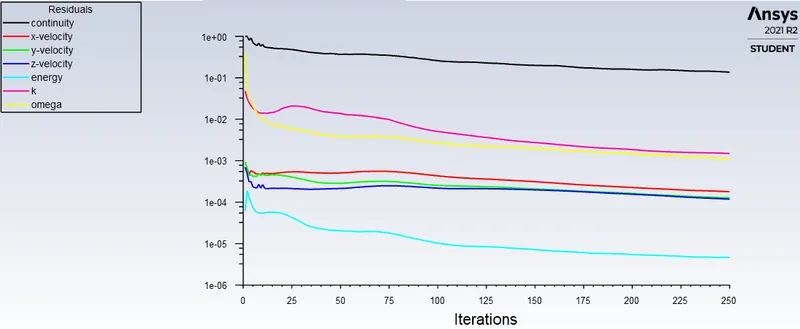
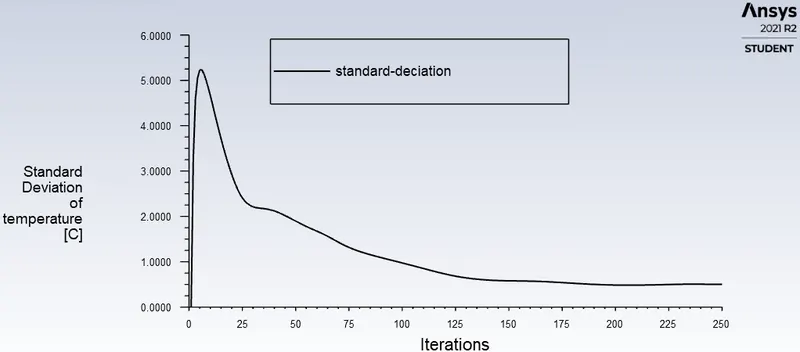
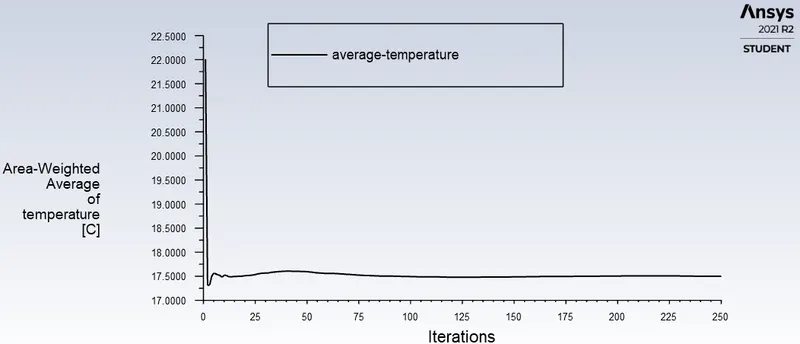
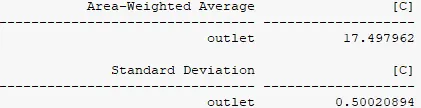
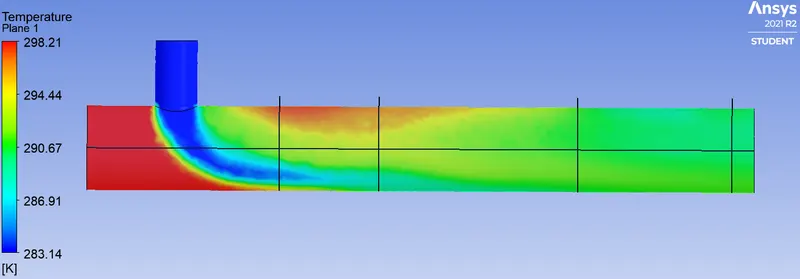
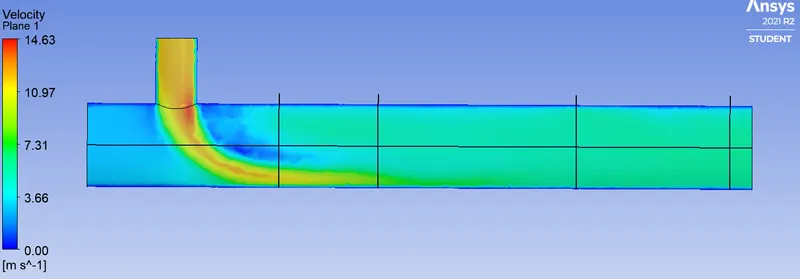
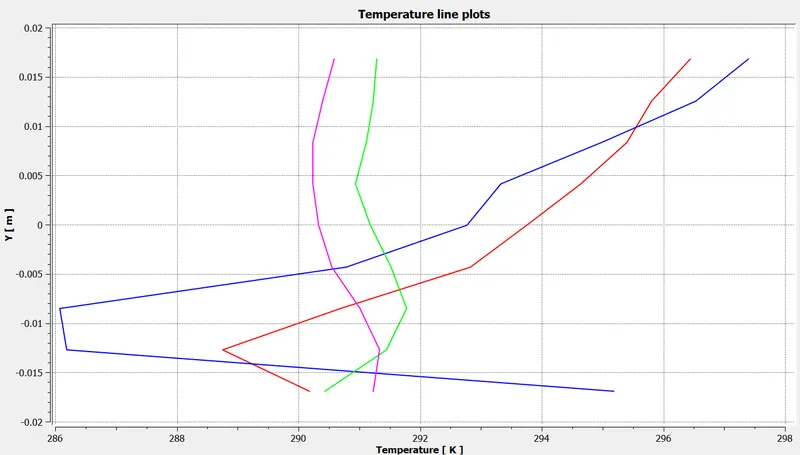
Line Plots (Centre line and vetical lines)
- Temperature Line plots
- Velocity Line plots
- Centre line (Temperature and velocity)
Conclusion
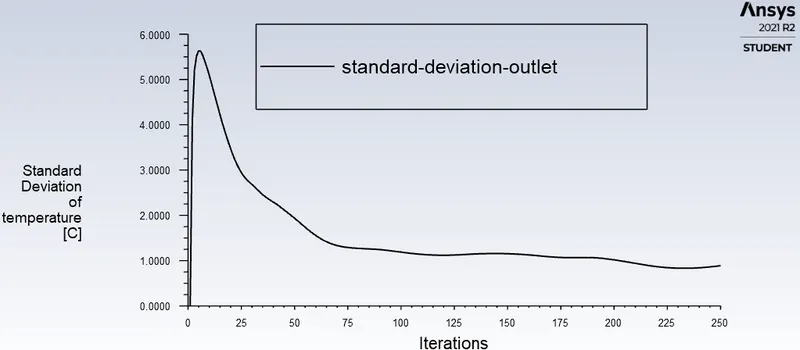
- Higher the momentum ratio more is the mixing of airstreams.
- Length of the duct has a weak influence on the mixing, but it enhances mixing efficiency.
- K-W SST is a better turbulence model, although both k-w and k-e yield almost the same results.