Week 2 Challenge
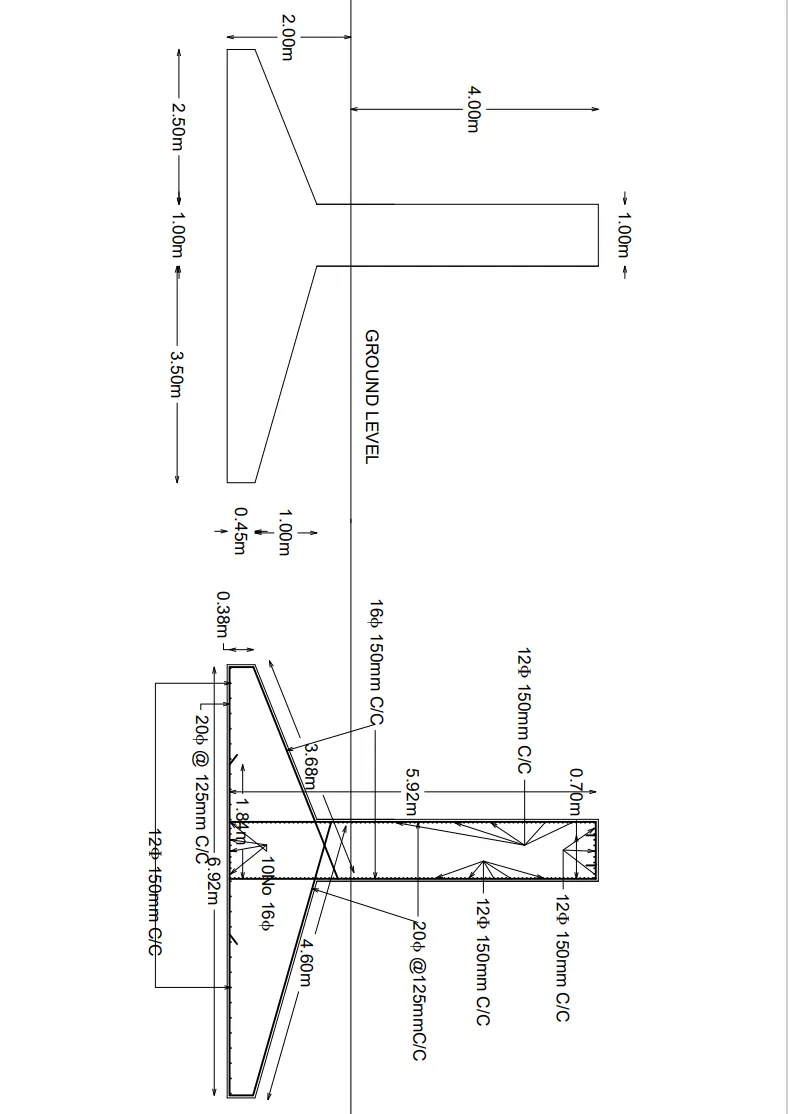
The structure upon which the ends of a bridge rest is referred to as an abutment. It transfers loads of superstructure and itself to ground. Abutment also retains lateral earth pressure. Overturning, sliding and settlement cause failure of abutment, and further stability of bridge. In shallow foundation it occupies sufficient area to comply total pressure with bearing capacity of soil.
The aim of this challange is to design abutment’s part (Toe Heel stem) to transfer total loads to ground without cracking, overturning, sliding and sinking.
Loads to be applied on the abutment
FROM SUPERSTRUCTURE - Cl 203 IRC 6 ) Dead load, Cl 204 IRC 6) Live load (Wheel load) of superstructure, Cl 208 IRC 6) Impact load, Cl 209 IRC 6) Wind Load, Cl 211 IRC 6) longitudinal force, Cl 212 IRC 6 Centrifugal force, Cl 215 IRC 6) Tempreture load, Cl 218 IRC 6) seismic force, Cl 219 IRC 6) barge impact. A percentage of these load should be applied to abutment as because span of bridge rests on two abutment or one abutment and one pier.
loads of Abutment Dead load i.e. self weight, Cl. 210 IRC 6) water current, Cl 214.1 IRC 6) Lateral earth pressure, Cl. 213 IRC 6) buoyancy.

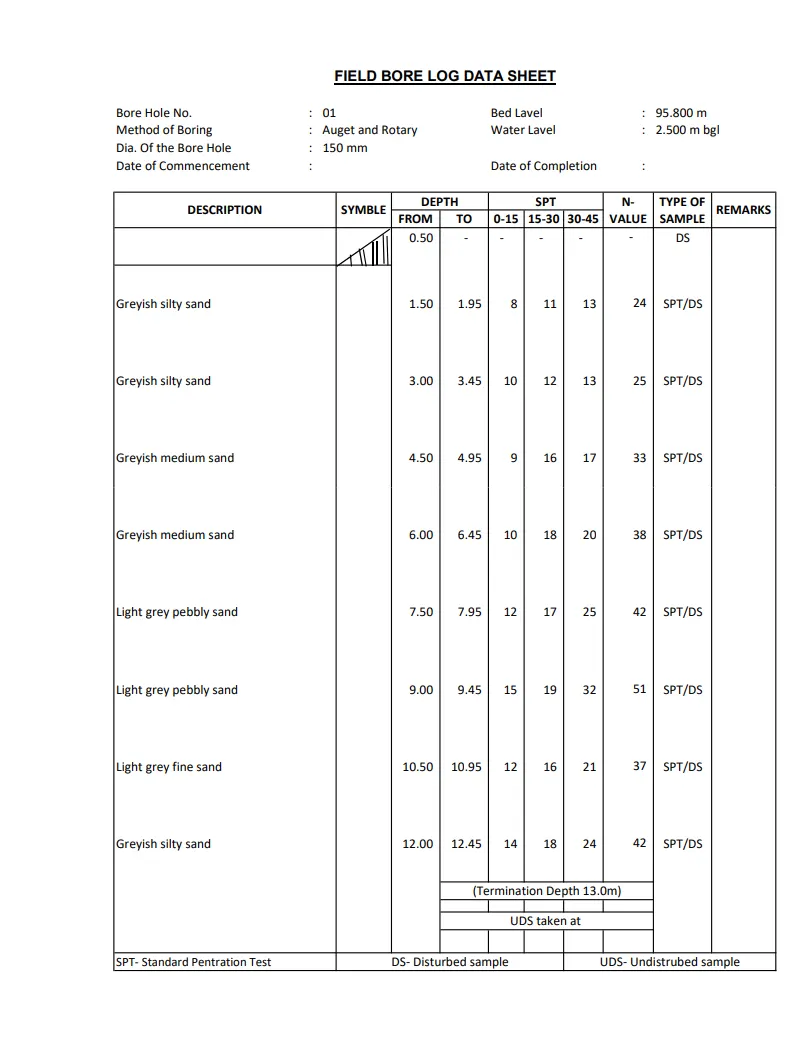
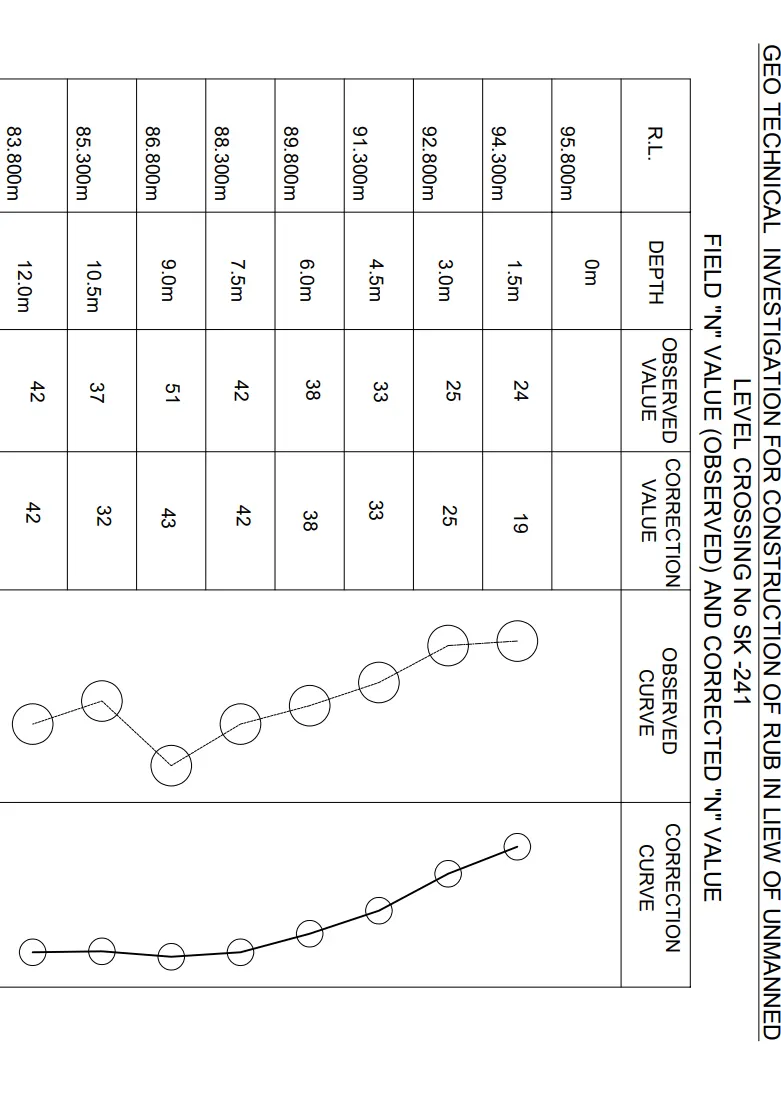
Preliminary survey is necessary to know bore whole No, it’s position and depth. A detailed survey of road alignment and river helps in deciding the position of bridge to be constructed. For size of bridge linear waterway is being calculated by analyzing discharge, velocity and silt factor. River survey in large area gives the position of minimum distance of banks, which helps in choosing economical linear waterway. No of bridge spans are modeled considering site situation, economy and construction constraint. Once the span is finalized, No of pier and abutment with distance comes out. Now the decision of bore hole location becomes easy. Calculation of scour depth and afflux with H.F.L. fixes the approximate height of Pier and abutment. The topography of land guides the depth of abutment in ground. Bore hole depth is decided on the basis of this depth. Bore hole depth kept little more, as the soil strata is not known.
We need a soil having sufficient bearing capacity. For shallow foundation top soil must have better (safe) bearing capacity. Depth of foundation should be more than scour and water table. If the top soil is soft than foundation kept in deep. All the soil strata analysed and depth has been finalised. Care should be taken for Liquefaction of soil.
Density of soil, plasticity of soil, grain size, and angle of repose, cohesion, water table and N value from SPT co relating reduced level of site are collected in Geo Technical investigation.
1. Rock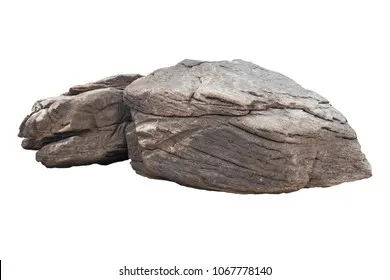
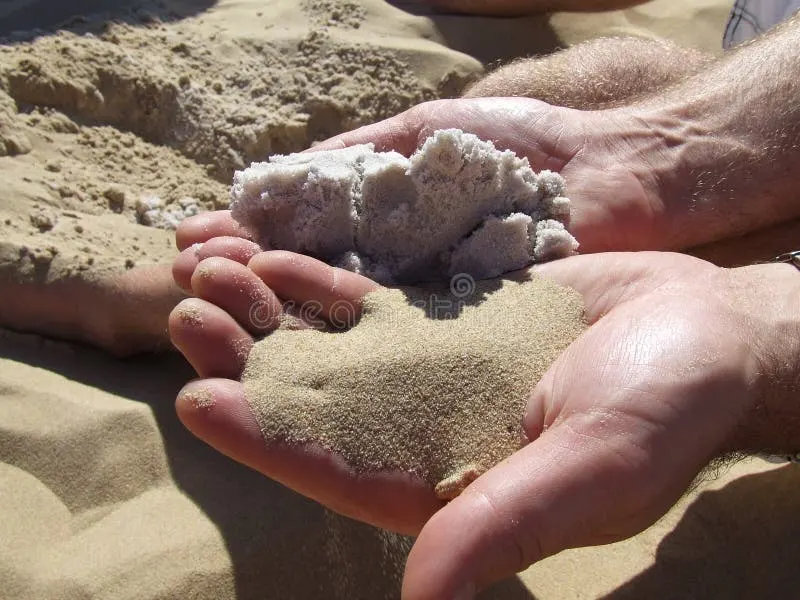
2. sand
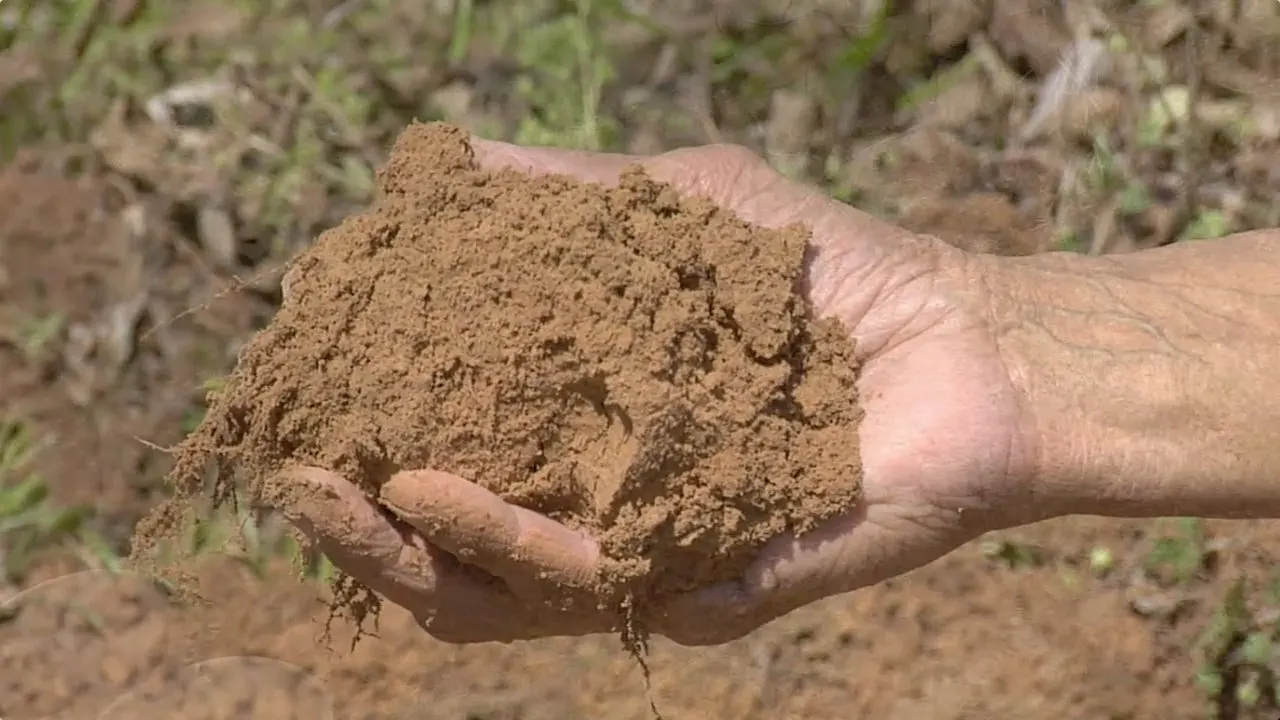
3 Silt soil
4. Silt sand
5. Clay
Design Parameters for shallow foundation
1. Shallow foundation shall be kept 2m minimum from ground starta.
2. Depth should be more than scour depth.
3. Bouyncy force should be considered, if the foundation depth is more than water table.
4. Allowable differential settlement shall not exceed L/400 of distance between two foundations.
5. No tension shall be allowed in the footing.
6. Flexture and shear design as per IRC 112 LSM
7. Minimum reinforcement of 250mm2 / m in each direction to be provided and spacing shall not be more than 300mm