Week 2 Challenge
1. Types of Fuel cells
| FC TYPE | ALKALINE (AFC) |
PROTON EXCHANGE (PEM & HTPEM) |
PHOSPHORIC ACID (PAFC) | MOLTEN CARBONATE (MCFC) | SOLID OXIDE (SOFC) |
|---|---|---|---|---|---|
| Anode | Platinum or Carbon (GenCell) | Platinum | Platinum | Steel/nickel | Ceramic |
| Electrolyte | Potassium Hydroxide (KOH) | Polymer Membrane | Phosphoric Acid (H3PO4) | Molten Carbonate | Yttria-Stabilized Zirconia (YSZ) |
| Electrolyte Type |
Liquid | Solid | Liquid | Solid | Solid |
| Fuel | • Hydrogen • Ammonia (GenCell) |
• Hydrogen | • Hydrogen • Methanol |
• Natural gas • Methanol • Ethanol • Biogas • Coal gas |
• Natural gas • Methanol • Ethanol • Biogas • Coal gas |
| Temperature | • 60-70 ºC (140-158 ºF) |
• 80-100 ºC (176-212 ºF) • 200 ºC (224 ºF) |
• 150-200 ºC (336-448 ºF) |
• 650 ºC (1202 ºF) |
• 500-1000 ºC (1060-2120 ºF) |
| Efficiency | 60-70% (80% CHP) |
30-40% | 40-50% (80% CHP) |
50% (80% CHP) |
60% |
| Power | 0.5–200 kW | 0.12-5 kW | 100 - 400 kW | 10 kW - 2 MW | 0.01 – 2000 kW |
| Startup Time | < 1 minute | < 1 minute | n/a | 10 minutes | 60 minutes |
| Pros | • Quick startup • Temperature resistant • Low-cost ammonia liquid fuel |
• Quick startup • Small • Light-weight |
• Stable • Maturity |
• Fuel variety • Efficient |
• Fuel variety |
| Cons | • Liquid catalyst adds weight • Relatively large |
• Sensitivity to humidity or dryness • Sensitivity to salinity • Sensitivity to low temperatures |
• Phosphoric acid vapor • Less powerful |
• Slow to respond • Highly corrosive |
• Long startup time • Intense heat |
| Uses | • Backup generators (long-duration UPS) • Primary power generators • Off-grid telecom |
• Cars • Buses • Trucks |
• Buildings • Hotels • Hospitals • Utilities |
• Utilities | • Corporate powe |
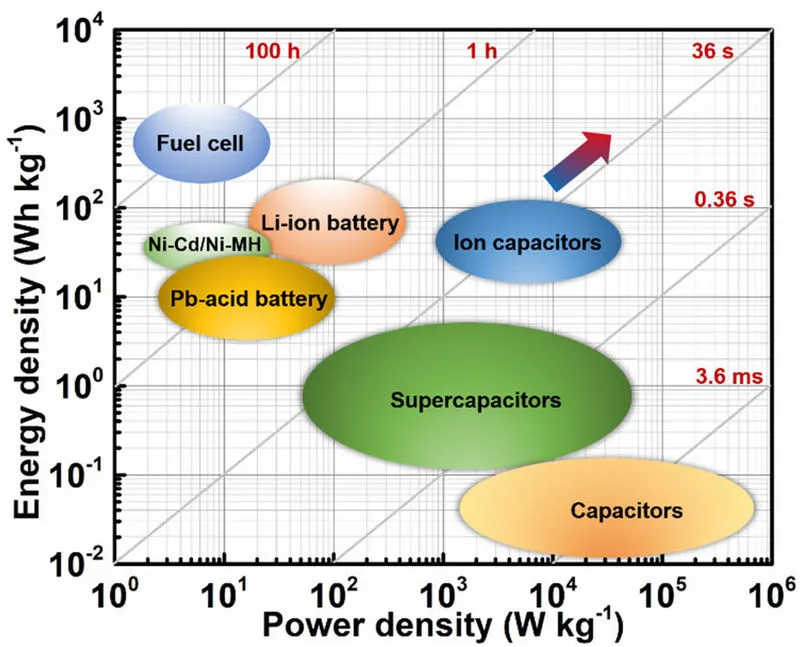
2. Comparison of various cells with energy and power density