Week 2:- BiW Fixture Basics Challenge
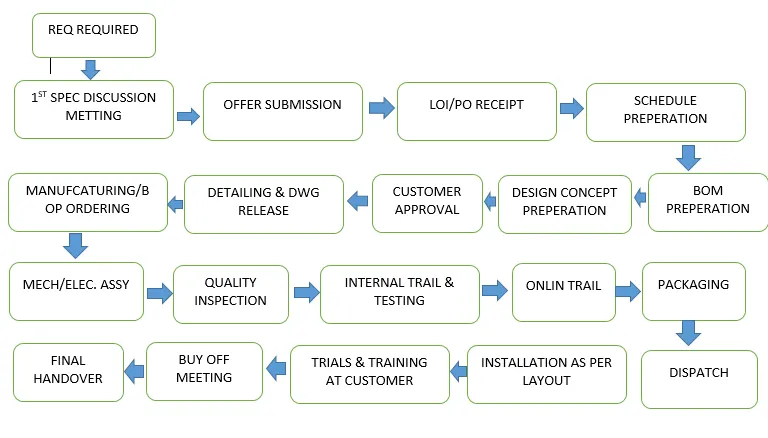
- What is the process of project execution activity?
the process of activities to be followed
 2 2 What are the types of joining processes?
JOINING PROCESSES ARE AS FALLOWS
Arc welding
the process involves either consumable or non consumable electrode (rod or wire)
an arc produced between tip of the electrode and work piece to be welded, by use of an arc of an AC and DC power supply
types of arc welding
- manual metal arc welding
- gas shielded metal metal arc welding (metal inert gas (MIG) welding)
- gas-shielded tungsten arc welding (tugsten inert gas (TIG) welding)
- submerged arc welding
- plasma arc welding
manual arc welding
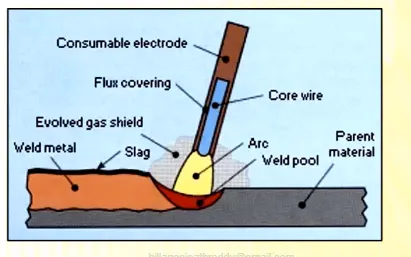
manual arc welding (MMA or MMAW) also known as shielded metal arc welding (SMAW) or informally as stick welding
stick welding is the process where the arc is struck between the metal rod (electrode flux coated) and the work piece ,both the rod and work piece surface melt to create a weld.
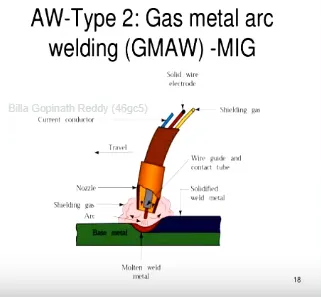
Gas shielded metal arc welding (metal inert gas (MIG) welding)
metal inert gas (MIG) welding is an arc welding technique in which a consumable electrode is used to weld two or more work pieces.
MIG welding make use of fallowing components
consumable electrode
inert gas supply
welding head
AC or DC power supply.
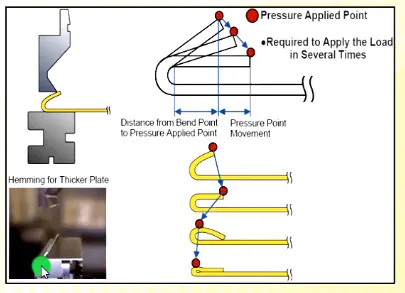
hemming process
hemming and seaming are two simillar metal working processes in which metal edge is rolled over on itself.
hemming is the process in which the edge is rolled flush to itself , while seam joins the edges of two materials.
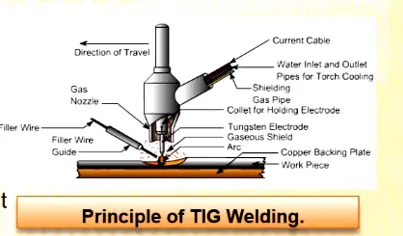
gas-shielded tungsten arc welding (tugsten inert gas (TIG) welding)
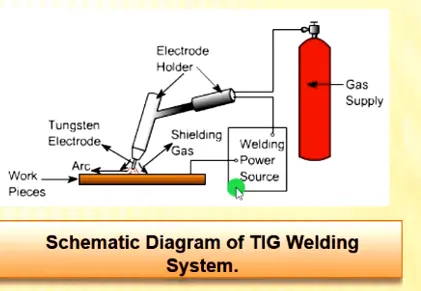
tungsten inert gas welding (TIG welding) also known as gas tungsten arc welding (GTAW), is an arc welding method that uses a non-consumable tungsten electrode to weld two or more workpieces it is very much similar to metal inert gas (MIG) welding
the fallowing components are necessary to perform tungsten inert gas welding.
power supply
non-consumable tungsten electrode
inert gas supply
filler rod (depend on the nature of work piece)
welding head
adhesive bonding
adhesive bonding is used to fasten two surfaces together , usually producing a smooth bond.
this joining technique involves glues epoxies, or various plastic agents that bond by evaporation of a solvent or by curing a bonding agent with heat pressure , or time
resistance welding
resistance welding is a welding technology widely used in manufacturing industry for joining metal sheet and components .
the weld is made by conducting a strong current through the metal combination to heat up and finally melt the metals at localized points predetermined by the design of the electrodes and or the workpiece to be welded
resistance welding
resistance welding is a welding technology widely used in manufacturing industry for joining metal sheet and components .
the weld is made by conducting a strong current through the metal combination to heat up and finally melt the metals at localized points predetermined by the design of the electrodes and or the workpiece to be welded
a force is always applied before, during and after the application of current to cofine the contact area at the weld interfaces and in some applications, to forge the workpieces.
type of resistance welding
resistance spot welding
resistance seam welding
resistance projection welding
resistance spot welding
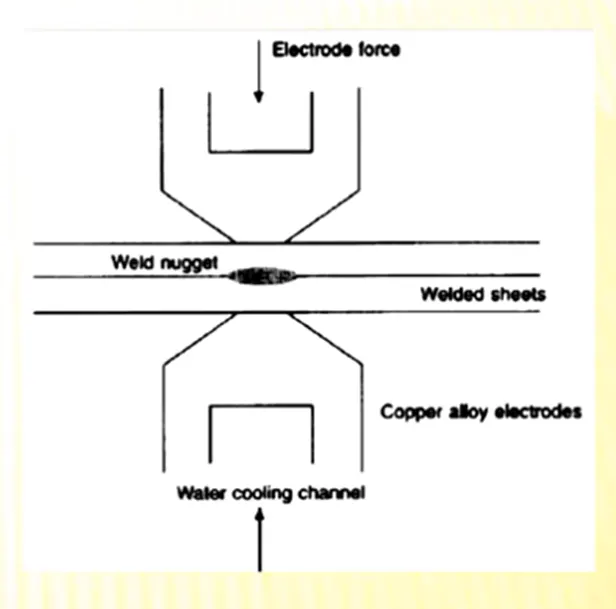
this process is used for the joining sheet materials and uses shaped copper-chromium or zirconium alloy electrodes to apply pressure and convey the electrical current through the workpiece.
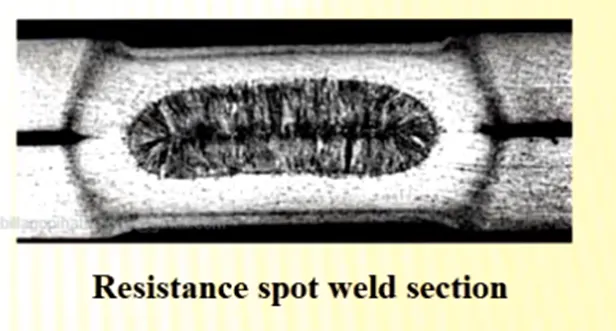
heat is developed mainly at the interface between two sheets, eventually causing the material being welded to melt ,forming a molten pool ,the weld nugget.
the molten pool is contained by the pressure applied by the electrode tip and the surronding the solid metal.
advantage
short weld time and hence high weld speed
highly adoptable to automation and robotic techniques
typical BIW contains 5000 welds
strength and durability of automobile largely depends on quality of RSW
resistance seam welding
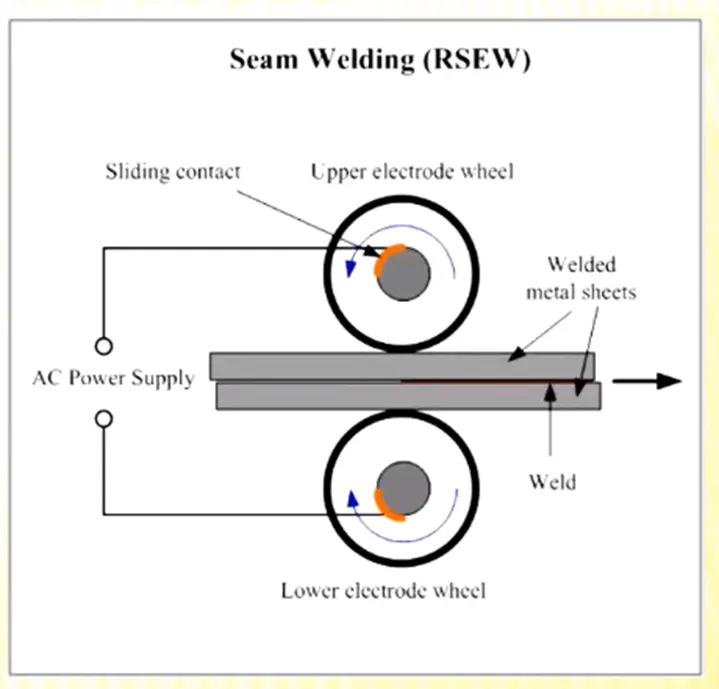
seam welding is a resistance welding process of joining metal sheets in continuous ,often leak light ,seam joints by directly applying opposing forces with electrodes consisting of rotary wheels.
the current and heat generation are localized by the peripheral shapes of the electode wheels.
applications
seam welding is mostly applied in manufacturing of containers, radiators and heat exchangers etc.
resistance projection welding
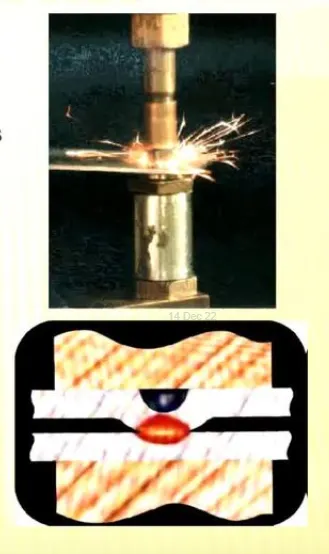
projection welding is a resistance welding process for joining metal components or sheets with embosements by directly applying opposing forces with electrodes specially designed to fit the shapes of the workpiece.
the current and heat generation are localized by the shape of the workpieces either with their natural shape or with specially designed projection . large deformation or collapse will occur in the projection part of the workpieces implying high.
application
used for mechanical fixing of autobody structures eg. weldnuts.
mechanical fastening
the joining of material combinations which cannot be easily welded such as pre-painted steels for very disimillar metals.
Ex. AI application in auto body make use of mechanical fastening techniques to overcome the poor inherent weld ability of AI
the joining of materials in applications where high fatigue life is critical compared to static strength
the joining of materials where a long tool life is of relative importance
screws and bolts
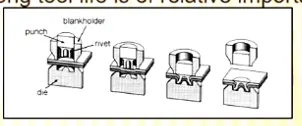
self piercing riverting
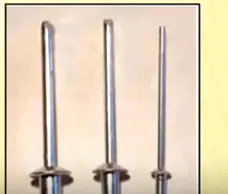
self piercing riverying is a high speed mechanical fastening process for point joining sheet material , typically steels and aluminium alloys .it is a single-step technique ,generally using semi-tubular rivert to clinch the sheets in a mechanical joint there is also a process variant which uses solid riverts.
as the name suggests , pre-drilled holes are not required, allowing the joint to be made rapidly in one operation

3 What is Resistance Welding & its application in the automotive sector
resistance welding
resistance welding is a welding technology widely used in manufacturing industry for joining metal sheet and components .
the weld is made by conducting a strong current through the metal combination to heat up and finally melt the metals at localized points predetermined by the design of the electrodes and or the workpiece to be welded
a force is always applied before, during and after the application of current to cofine the contact area at the weld interfaces and in some applications, to forge the workpieces.
type of resistance welding
resistance spot welding
resistance seam welding
resistance projection welding
resistance spot welding
this process is used for the joining sheet materials and uses shaped copper-chromium or zirconium alloy electrodes to apply pressure and convey the electrical current through the workpiece.
heat is developed mainly at the interface between two sheets, eventually causing the material being welded to melt ,forming a molten pool ,the weld nugget.
the molten pool is contained by the pressure applied by the electrode tip and the surronding the solid metal.
advantage
short weld time and hence high weld speed
highly adoptable to automation and robotic techniques
typical BIW contains 5000 welds
strength and durability of automobile largely depends on quality of RSW
resistance seam welding
seam welding is a resistance welding process of joining metal sheets in continuous ,often leak light ,seam joints by directly applying opposing forces with electrodes consisting of rotary wheels.
the current and heat generation are localized by the peripheral shapes of the electode wheels.
applications
seam welding is mostly applied in manufacturing of containers, radiators and heat exchangers etc.
resistance projection welding
projection welding is a resistance welding process for joining metal components or sheets with embosements by directly applying opposing forces with electrodes specially designed to fit the shapes of the workpiece.
the current and heat generation are localized by the shape of the workpieces either with their natural shape or with specially designed projection . large deformation or collapse will occur in the projection part of the workpieces implying high.
application
used for mechanical fixing of autobody structures eg. weldnuts.
4 What is fusion welding & types of fusion welding with its application in the automotive sector?
what is fusion weldind?
Fusion welding methods include the welding methods in which faying parent surfaces, as well as filler material, liquefy during welding for the creation of welded beads. Therefore heat is often related to these processes.
Outside pressure application is not needed for these processes, except for a resistance welding group where there is a need to sustain significant contact pressure throughout welding to ensure a solid joint. It may or may not be added to filler material.
what are the different fusion welding processes?
When discussing fusion welding, the different fusion welding processes are the most critical things to understand. Fusion welding processes may be categorized by the heat source, e.g. high energy, electrical resistance, gas, and electric arc.
Based on this, the following are the different fusion welding processes:
7 Different Types of Fusion Welding
Fusion welding is a type of welding that joins two pieces of metal together by melting and fusing them. There are several different types of fusion welding, each with its own benefits and drawbacks. The 7 most common types of fusion welding are:
oxyacetylene welding
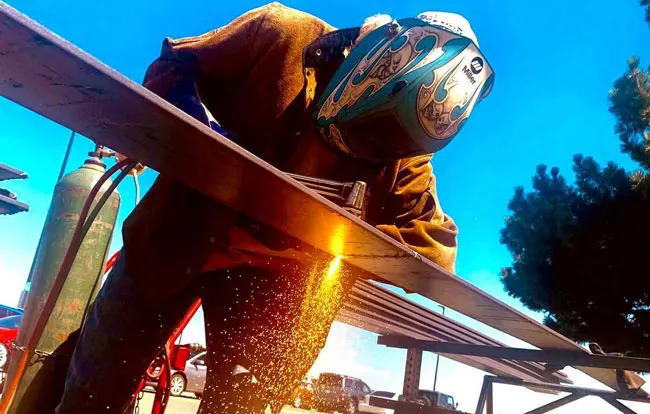
oxyacetylene welding also known as gas welding, uses a flame produced by burning a mixture of oxygen and acetylene to melt and fuse the metals together. This method of fusion welding is relatively inexpensive and easy to learn, but it is not very efficient and can be extremely hazardous if not done properly.
arc welding
Arc welding, also known as stick welding, uses an electric arc to create heat that melts the metals being joined. This type of fusion welding is more efficient than oxyacetylene welding and is less likely to cause accidents, but it is more expensive and requires more training to learn.
metal inert gas (MIG) welding
MIG welding, or metal inert gas welding, uses a stream of argon or other inert gas to protect the weld from contamination. This type of welding is very efficient and produces high-quality welds, but it is also very expensive.
metal active gas (MAG) welding
MAG welding is a type of arc welding that uses a wire electrode to create an electric arc. The arc melts the metal and the filler material, which are then joined together. MAG welding is used in many industries, including automotive, aerospace, and construction.
tungsten inert gas (TIG) welding
TIG welding, or tungsten inert gas welding, uses a tungsten electrode to create the arc that melts the metals being joined. This form of fusion welding produces extremely high-quality welds, but it is also very difficult to learn and can be quite dangerous if not done properly.
electron beam welding (EBW)
EBW is a fusion welding process that uses a high-energy beam of electrons to weld metals together. The beam melts the metals, which then flow together and form a strong bond. EBW is often used for welding thin sheets of metal together, as it can create very strong bonds without adding much heat to the surrounding area.
EBW is a very precise welding process, which makes it ideal for joining together delicate parts or components. It can also be used to weld metals that are difficult to weld using traditional methods, such as aluminum. EBW is often used in the aerospace and automotive industries, where precision and strength are essential.
laser beam welding LBW
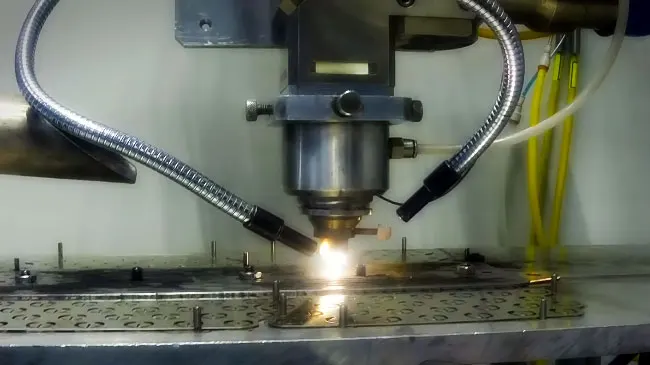
Laser beam welding is an advanced type of fusion welding that uses a laser to heat the material being joined. The laser beam is focused onto the surface of the material, causing it to melt and form a weld. LBW can be used to join metals, plastics, and other materials.
LBW is often used for joining thin pieces of metal together, as the laser beam can be focused onto a very small area. This makes it ideal for welding delicate parts or components that cannot be heated with traditional methods. LBW is also used for joining dissimilar materials, such as aluminum and steel. The high heat of the laser beam can melt both metals, allowing them to form a strong bond.
LBW is a versatile welding method that can be used in a variety of applications. It is most commonly used in industries where complex welding is required. This is also used in medical device manufacturing. LBW can be performed manually or automated, making it suitable for both small and large-scale production.
These are the different types of fusion welding that are available out there. It’s essential to consult an expert before choosing your desired welding method.
what are the advantages of fusion welding?
Fusion welding is a process that joins two pieces of metal together by using heat to melt the metals at their joint. This type of welding has several advantages over other methods, such as resistance welding and oxy-fuel welding.
One advantage of fusion welding is that it can be used on a variety of metals, including aluminum, stainless steel, and cast iron. Moreover, it can also be used to weld plastic pipes. This makes it a versatile option for many different projects.
Another advantage of fusion welding is that it produces a strong bond between the two pieces of metal. The heat from the weld melts the metals and creates a molten pool where the metals mix together. As the pool cools, it forms a single piece of metal with a strong bond.
Fusion welding is also a relatively fast process. It can be completed in a matter of minutes, which is much faster than other methods such as oxy-fuel welding.
Overall, fusion welding is a versatile, strong, and fast method for joining two pieces of metal together. It has many advantages over other methods and is the preferred method for many different projects.
what are the diadvantages of fusion welding
Fusion welding is not without its drawbacks. One of the biggest issues is that it can be very difficult to control the heat, which can lead to warping or even melting of the materials being joined. This means that fusion welding requires a great deal of skill and experience to do correctly.
Another potential problem with fusion welding is that it can create very high levels of stress in the materials being joined. This stress can sometimes lead to cracking or even breaking of the welded joint over time.
Despite these drawbacks, fusion welding remains one of the most popular methods for joining metals together. When done correctly, it can create strong, durable joints that will last for many years. With proper care and maintenance, fusion welded joints can provide years of trouble-free service.
If you are considering fusion welding for your next project, be sure to consult with an experienced welding professional to ensure that the job is done correctly.
few things to keep in mind before fusion welding
Before fusion welding, there are a few key things you need to keep in mind. First, it is important to have a clean and well-prepared surface. Any dirt or debris on the surface can cause problems with the weld. Second, you need to make sure that the two pieces you are welding are properly aligned.
If they are not aligned correctly, the weld will be weaker and more likely to break. Finally, you need to use the right type of welding rod for the material you are welding. Using the wrong type of rod can lead to a poor weld or even damage the material.
By keeping these things in mind, you can ensure that your fusion weld is strong and looks great.
5 What is the 3-2-1 principle?
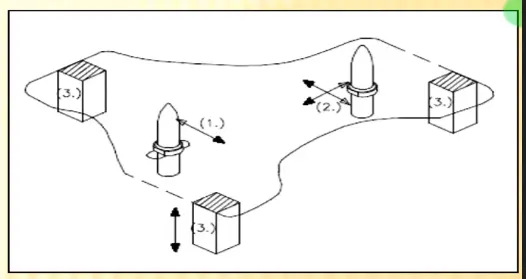
minimum 3 locator blocks to establish part plane .three locators ,or supports are placed under the work piece the three locators are usually positioned on the primary locating surface. this ristricts the the axial movement downward, and 4 radial movements together , the three locators restrics the five degrees of freedom.
round locating pin in a round hole that defines location in four directions (4-way) perpendicular to the plane previously established this ristricts four axial movement.
round locating pin in a slot that defines two of the directions of the other (2-way) this ristrict two axial movements.
6 Define Body coordinate system?
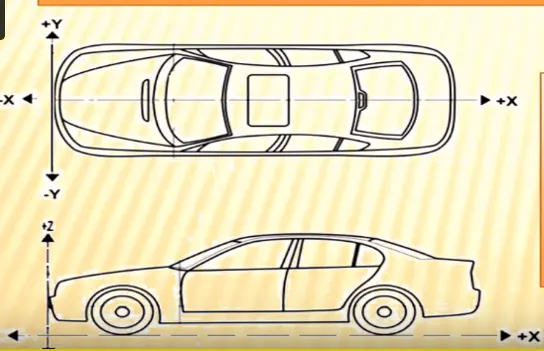
the body co-ordinate system has been widely used in the automotive industry of drawing of body parts , products and process design
a coordinate system is a reference system consisting of a set of points , lines and surfaces used to define the positions of points in space in either two or three dimensions .
in general BCS is also called as car line and body line.
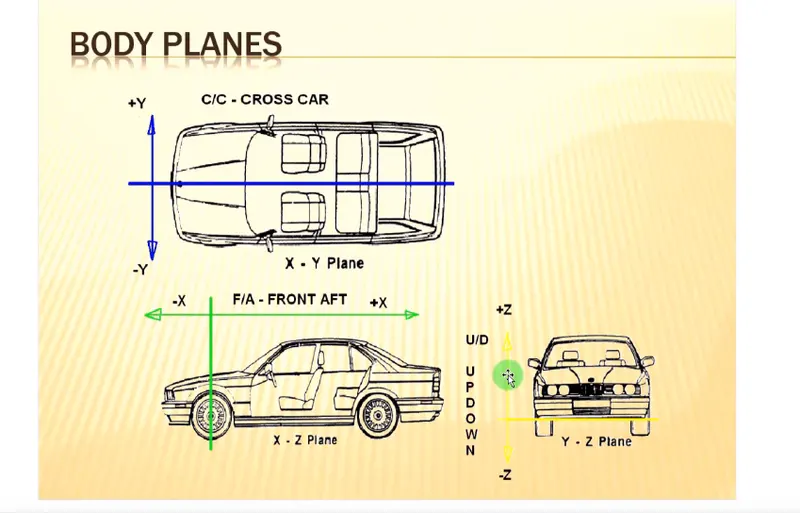
X=longitudunal direction [(force &after-F/A)or (front O line-FOL)]
Y=transverse direction [( cross car-C/C) or (center O line -COL)]
Z=vertical direction [(up & down-U/D) or (bottom O line- BOL)]
the origin of the body coordinate system (OX)is defined at the front center of vechile ,it indiactes a length of a car and the coorfinate syatem (OZ) is below its underbody indicates height of a car, and the coordinate system (OY) is starting point is the center of car body indicates width of car
7 Elaborate Body plane system & its essentials.
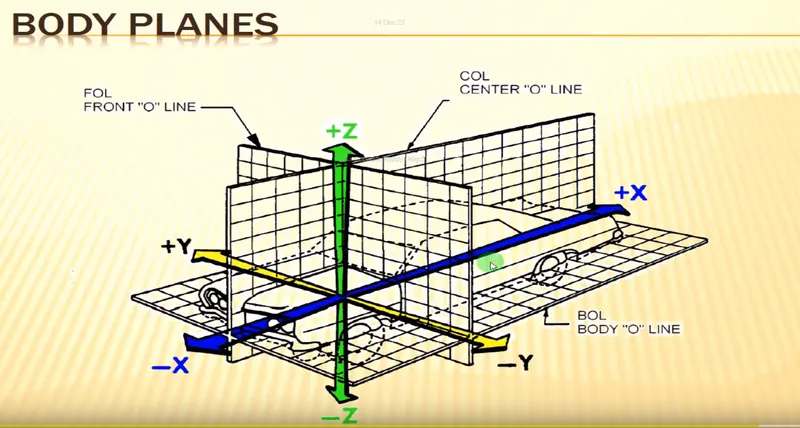
body planes are reference planes in an automotive car. the planes are used to define the GD&T of all car parts in a automotive domain.
body planes are 3 mutually perpendicular imaginery palnes . these are generally considered to be present at the driver position or somtimes at the engine location or at front end of the car, depending on the customer.
the mesurements from the body planes to the parts are called as bodyline dimensions .
these body planes are called as
FOL- front "O" line
COL-center "O" line
BOL-bottom "O" line
the measurement along FOL or X axis is called as F/A front Aft
the measurement along COL or Y axis is called as C/C cross car
the measurement along BOL or Z axis is called as U/D up down