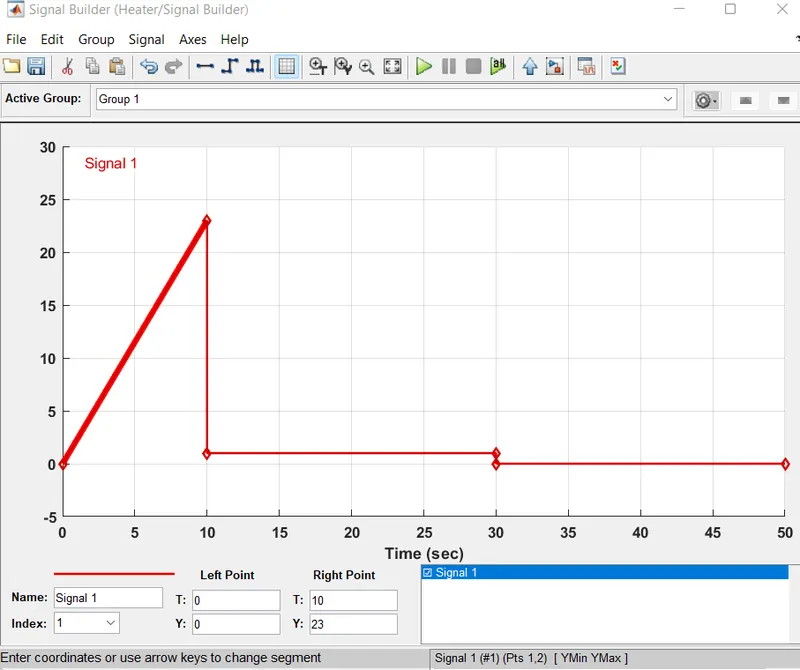
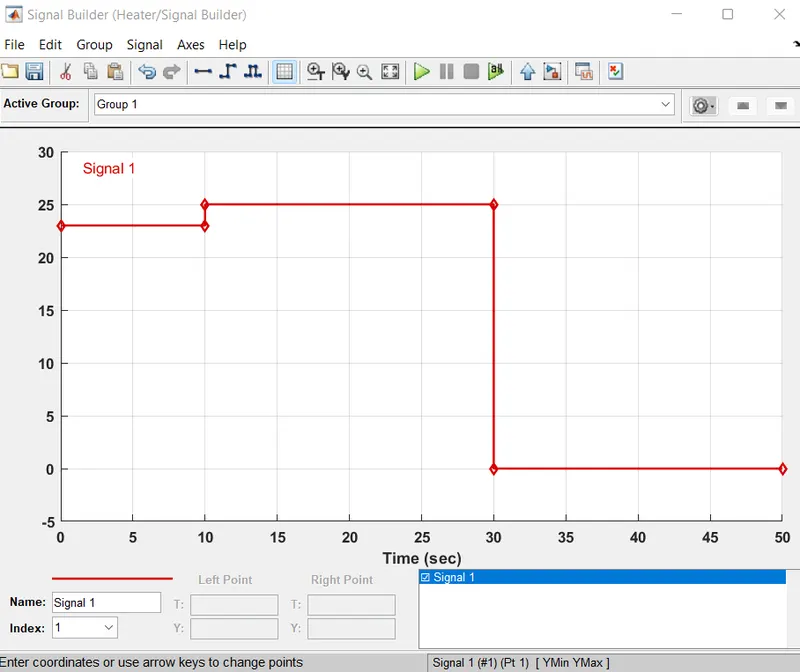
Week -2
Solution:
1. First We Are Going To Study The Simulink Model Of The Dorbell Using A Solenoid Block.We Need To Access The Simulink
With The Block Parameters To Run The Simulations.First,We Need To Get To Understand The Theory Behind The
Dorbell Mechanism.
Theory Of Dorbell:
An electric bell is a mechanical or electronic bell that functions by means of an electromagnet. When an electric current is applied, it produces a repetitive buzzing, clanging or ringing sound. Electromechanical bells have been widely used at railroad crossing, in telephones, fire and burglar alarms, as school bells, doorbells, and alarms in industrial plants, since the late 1800s, but they are now being widely replaced with electronic sounders. An electric bell consists of one or more electromagnets, made of a coil of insulated wire around an iron bar, which attract an iron strip armature with a clapper.
How they work:
The most widely used form is the interrupter bell, which is a mechanical bell that produces a continuous sound when current is applied. See animation, above. The bell or gong (B), which is often in the shape of a cup or half-sphere, is struck by a spring-loaded arm (A) with a metal ball on the end called a clapper, actuated by an electromagnet (E). In its rest position the clapper is held away from the bell a short distance by its springy arm. When the switch (K) is closed, an electric current passes from the battery (U) through the winding of the electromagnet. It creates a magnetic field that attracts the iron arm of the clapper, pulling it over to give the bell a tap. This opens a pair of electrical contacts (T) attached to the clapper arm, interrupting the current to the electromagnet. The magnetic field of the electromagnet collapses, and the clapper springs away from the bell. This closes the contacts again, allowing the current to flow to the electromagnet again, so the magnet pulls the clapper over to strike the bell again. This cycle repeats rapidly, many times per second, resulting in a continuous ringing.
The tone of the sound generated depends on the shape and size of the bell or gong resonator. Where several bells are installed together, they may be given distinctive rings by using different size or shapes of gong, even though the strike mechanisms are identical.
Another type, the single-stroke bell, has no interrupting contacts. The hammer strikes the gong once each time the circuit is closed. These are used to signal brief notifications, such as a shop door opening for a customer, rather than continuous warnings.
Output:
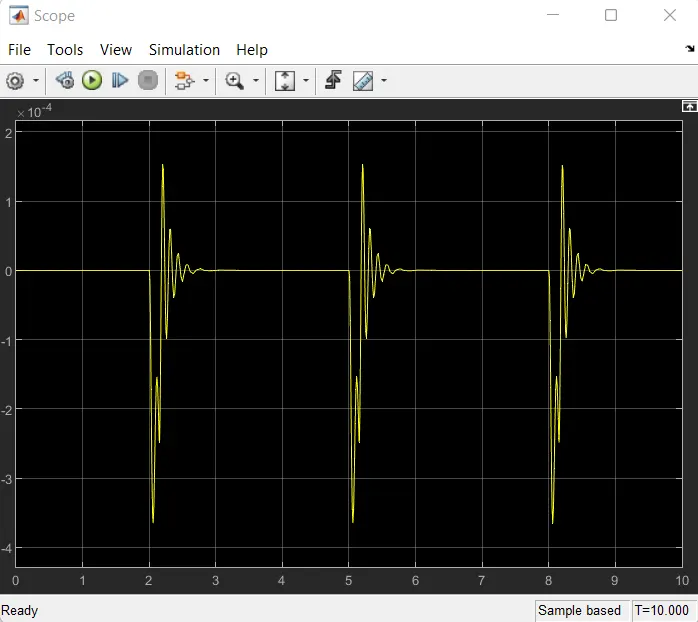
Output:
The Input Signal Of The Pulse Generator
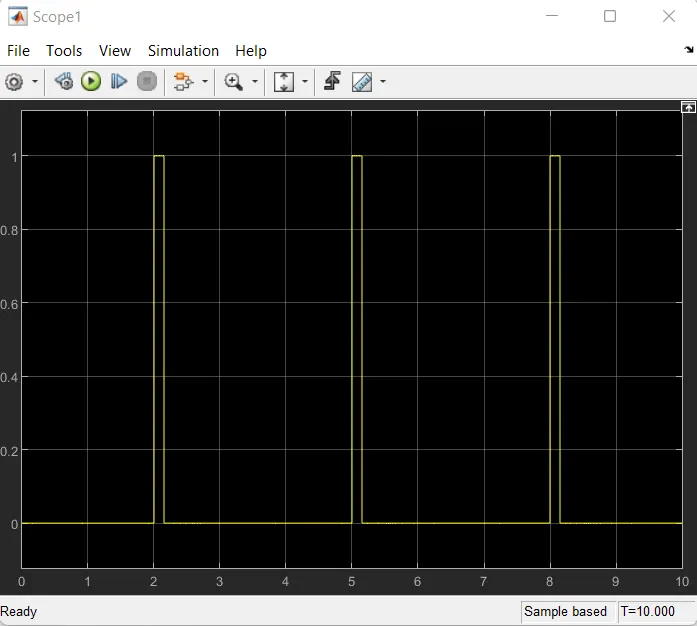
2. Use a thermistor to sense the temperature of a heater & turn on or turn off the fan as per the below conditions:
We Are Going To Use Same Procedure As Above To Simulate A Thermistor To Sense The Temperature Of A Heater.
A thermistor is a type of resistor whose resistance is strongly dependent on temperature, more so than in standard resistors. The word thermistor is a portmanteau of thermal and resistor.
Thermistors are divided based on their conduction model. Negative Temperature Coefficient (NTC) thermistors have less resistance at higher temperatures, while Positive Temperature Coefficient (PTC) thermistors have more resistance at higher temperatures. Hence,a PTC thermistor's resistance is directly Proportionl to temperature.