Week -2
[1] Doorbell
Doorbell is a signalling device typically placed near a door to a building's entrance. when a visitor presses a button the bell rings inside the building , alerting the occupant to the presence of the visitor. The heart of a doorbell is an electromagnet. electromagnets are coils of wire wrapped around a small piece of magnetic metal. When electricity passes through the wire, it creates magnetic field around the wire. When you press a doorbell button, you complete an electrical circuit that allows household electricity to flow through the doorbell's internal electromagnet. The magnetic field generated by the electromagnet is then used to power a mechanism that creates the doorbell sound.
Doorbell are low-voltage devices. this means they require relativeky little energy to operate. An important part of a doorbell mechanism is the transformer. The transformer converts regular 120-volt household current to the lower voltage(usually somewhere between 6-16 volts) required by the doorbell.
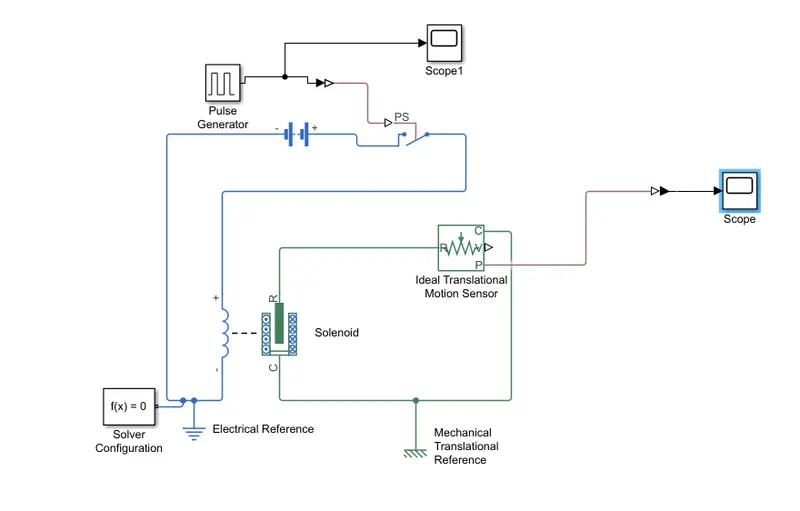
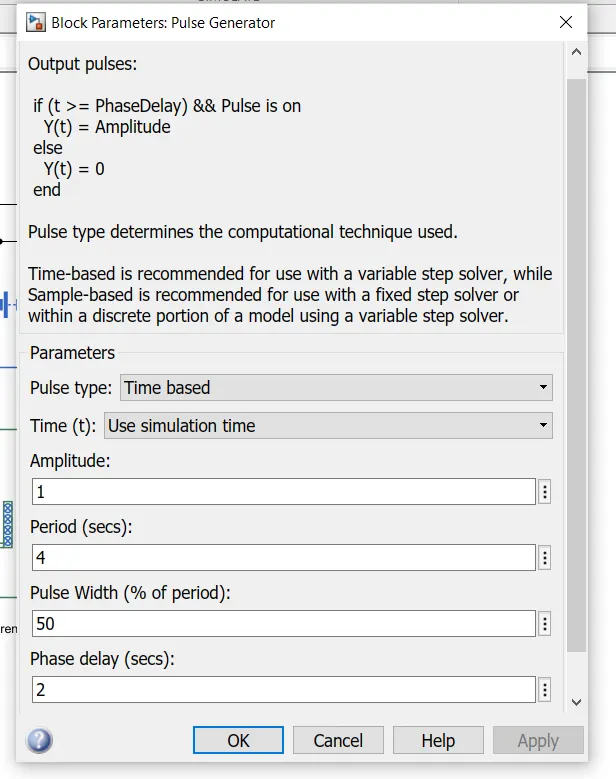
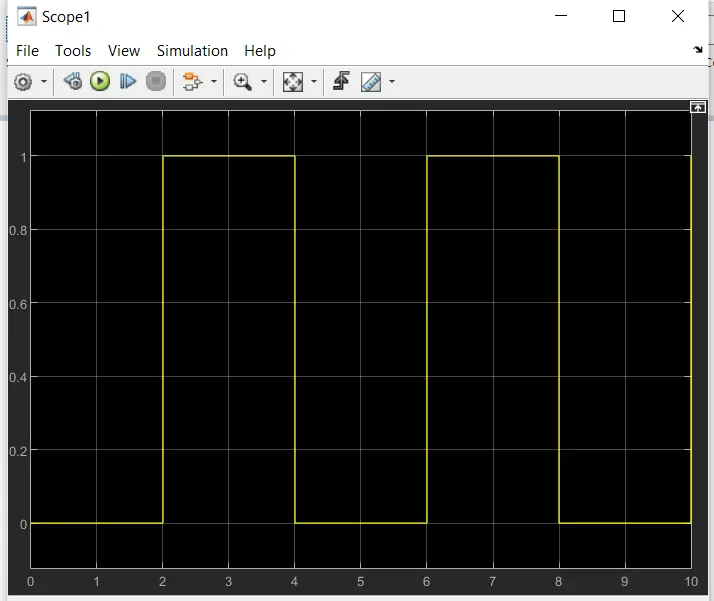
INPUT SCOPE:
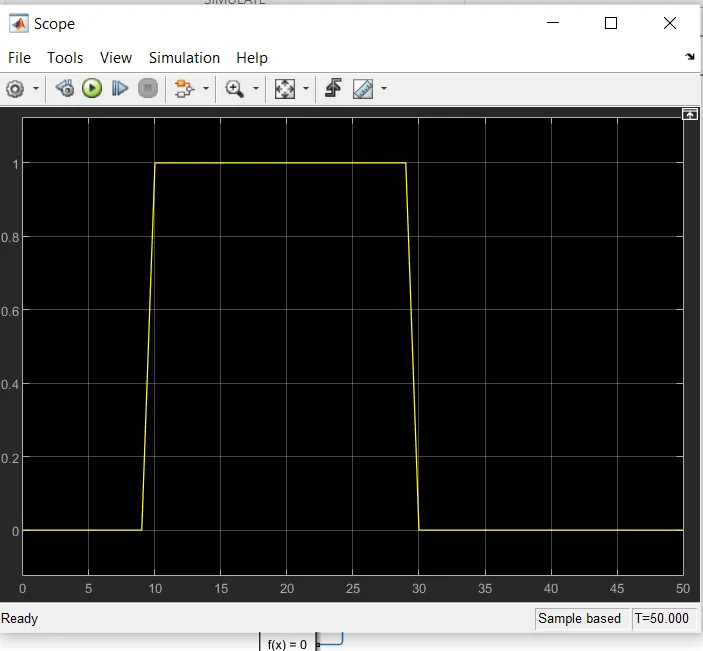
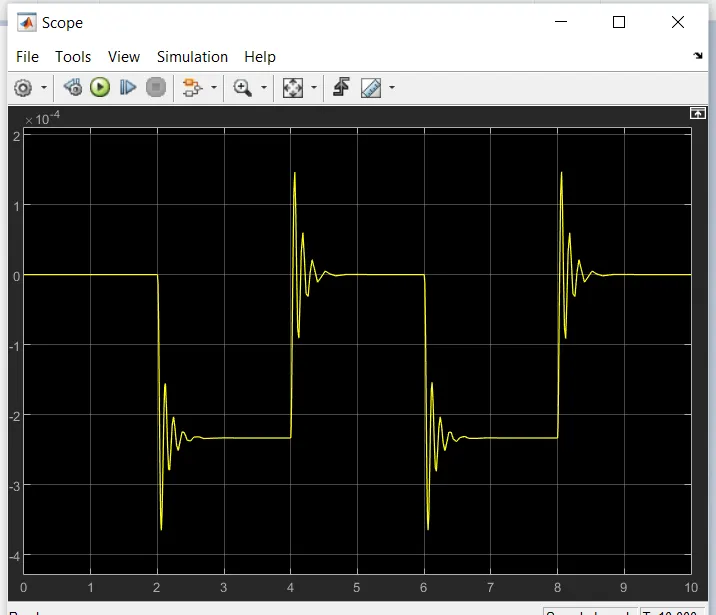
OUTPUT SCOPE:
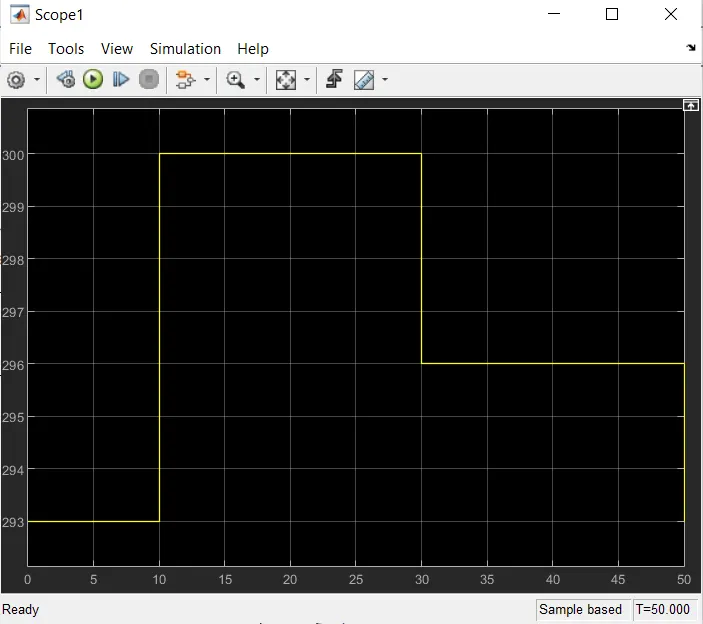
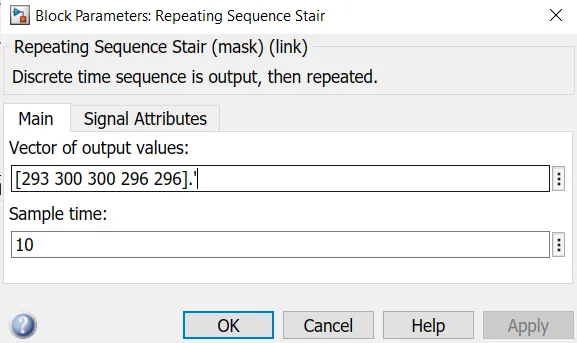
[2] THERMISTOR
A thermistor (or thermal resistor) is defined as a type of resistor whose electrical resistance varies with temperature changes. Although all resistors resistance will fluctuate slightly with temperature, a thermistor is particularly sensitive to temperature changes
Thermistor act as a passive component in a circuit. They are an accurate, cheap and robust way to measure temperature. While thermistors do not work well in extremely hot or cold temperatures, they are the sensors of choice for many different applications.
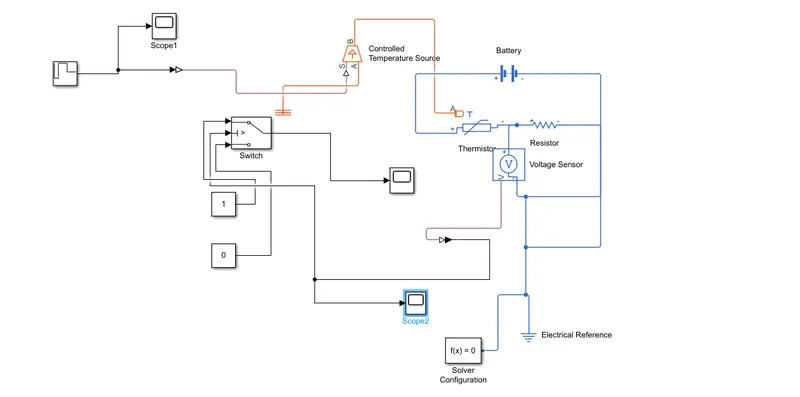
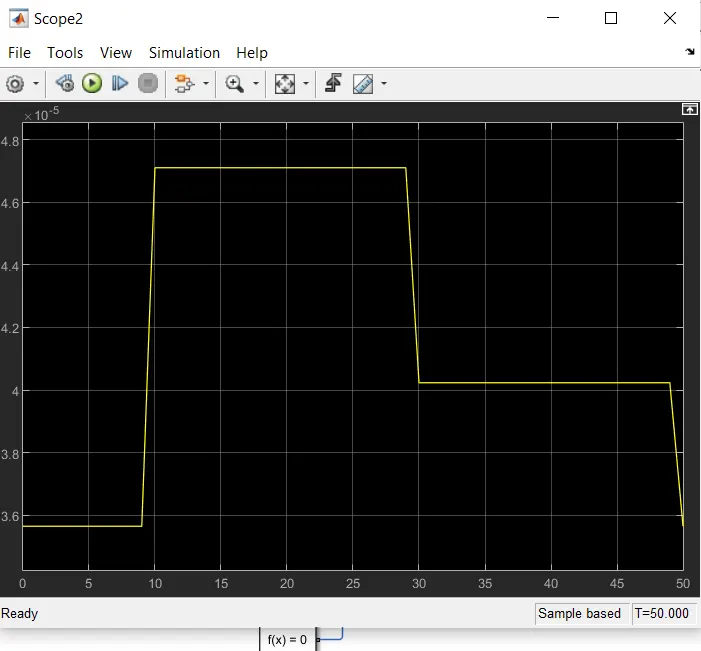
SCOPE: