Geometric Dimensioning & Tolerancing - Butterfly Valve Design and Assembly
1.1 Aim:
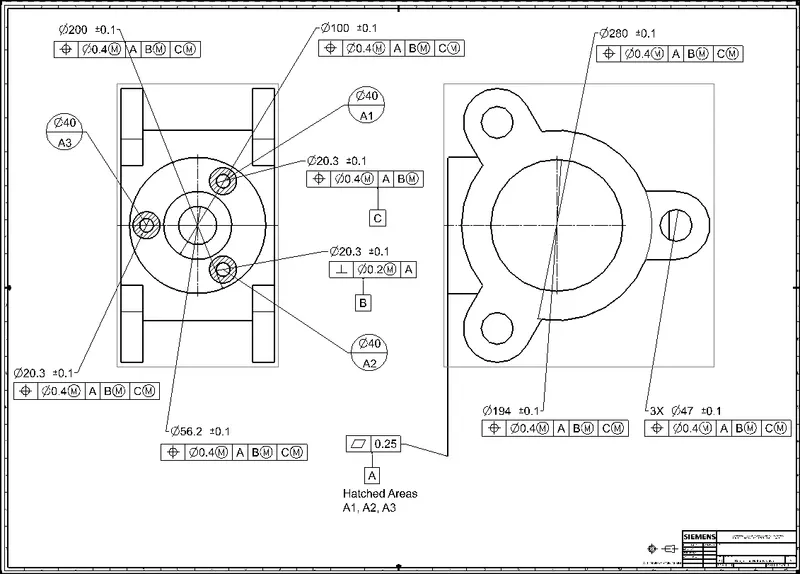
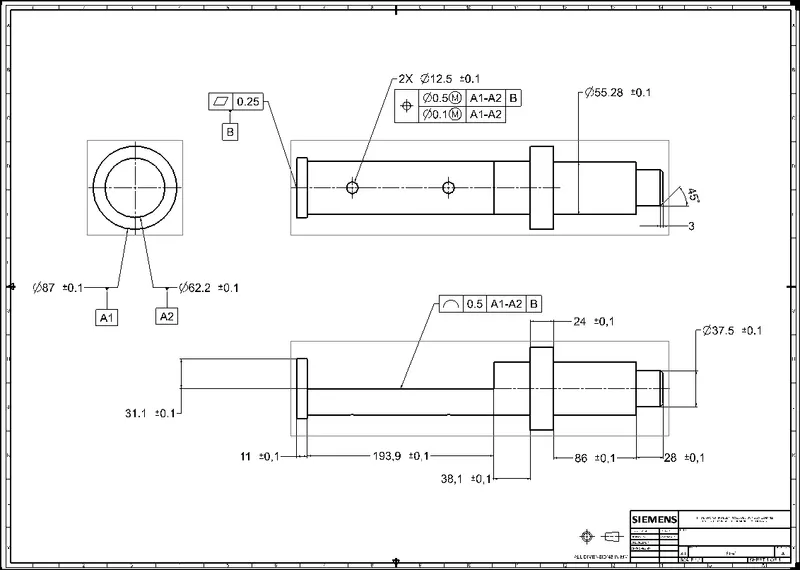
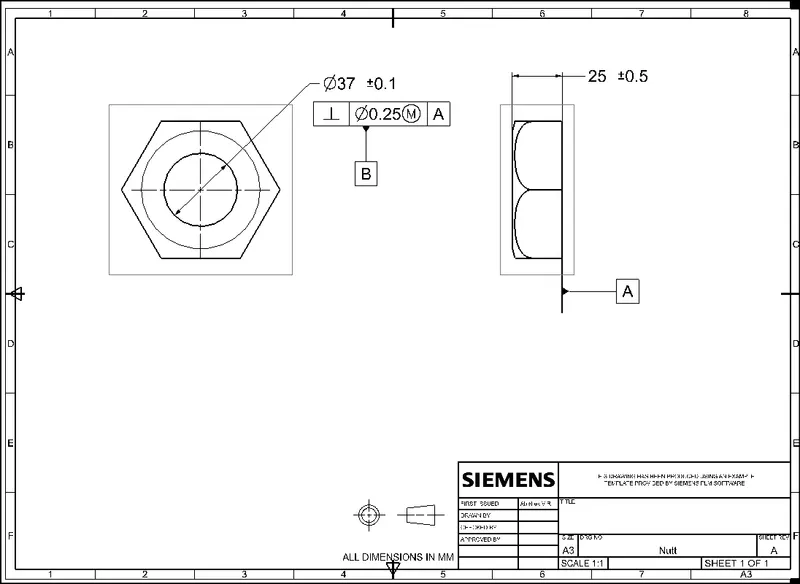
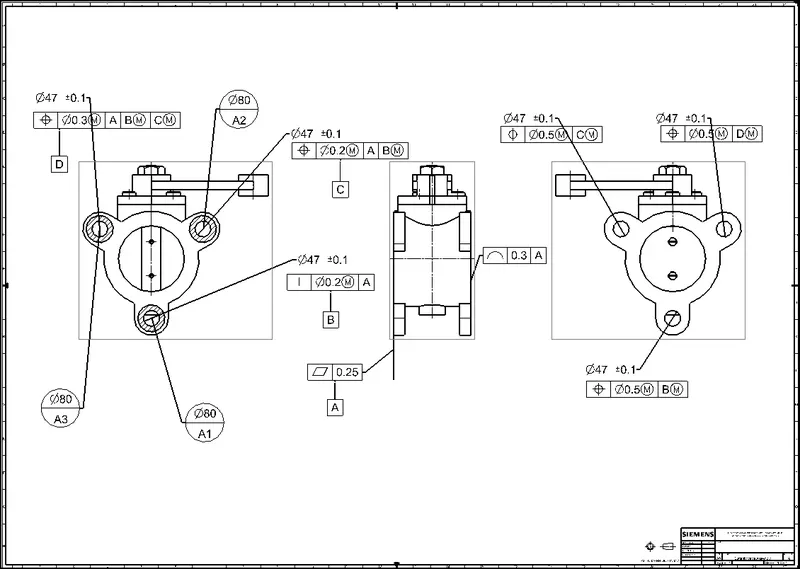
The objective of this project is to utilize Siemens NX Software to design the individual parts of the butterfly valve, assemble them, and create detailed drawing sheets for each component and the complete assembly. The primary focus is on incorporating accurate GD&T symbols and tolerances in the drawing sheets to effectively communicate the geometric and dimensional requirements.
2.1 Butterfly Valve:
A butterfly valve is a type of quarter-turn valve that is widely used in various industries for regulating or isolating the flow of fluids. It consists of a circular disc or vane that is mounted on a rod within a pipe. By rotating the disc, the valve can control the flow of the fluid, either allowing it to pass through or blocking it completely.
2.1.1 Advantages of Butterfly Valve:
1. Cost-effective:
Butterfly valves are generally more affordable compared to other valve types, making them a popular choice for many applications.
2. Quick operation:
The quarter-turn operation of butterfly valves enables rapid opening and closing, allowing for efficient flow control.
3. Space-saving design:
These valves have a compact design, requiring less space for installation compared to other valve types.
4. Low-pressure drop:
Butterfly valves offer minimal resistance to flow, resulting in lower pressure drop across the valve, which can be advantageous in certain systems.
5. Versatility:
Butterfly valves can handle a wide range of fluids, including gases, liquids, and slurries, making them suitable for various industries and applications.
6. Easy maintenance:
With fewer parts and a simple design, butterfly valves are relatively easy to maintain and repair.
2.1.2 Disadvantages of Butterfly Valve:
1. Limited control precision:
Compared to some other valve types, such as globe valves, butterfly valves may have limitations in terms of precise flow control, especially at low flow rates.
2. Reduced sealing capabilities:
While butterfly valves provide good sealing performance in general, they may not be as effective as other valves, such as gate valves, in applications that require absolute leak-tight sealing.
3. Susceptible to cavitation and erosion:
In high-velocity flow conditions, butterfly valves can be prone to cavitation and erosion, potentially leading to damage and reduced lifespan.
4. Not suitable for high-temperature applications:
Butterfly valves may have limitations in handling extremely high-temperature fluids due to the materials used in their construction.
3.1 Butterfly Valve Parts with its Drawing Sheets:
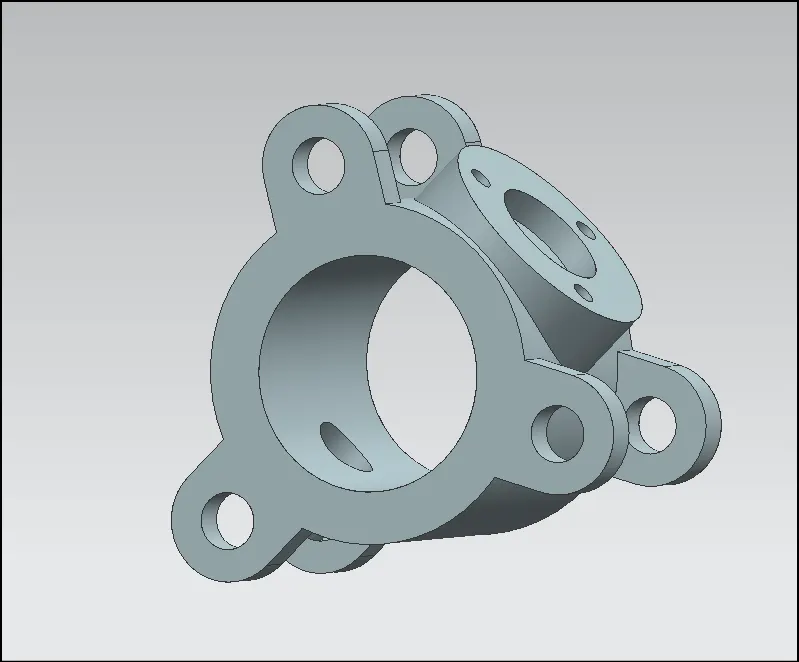
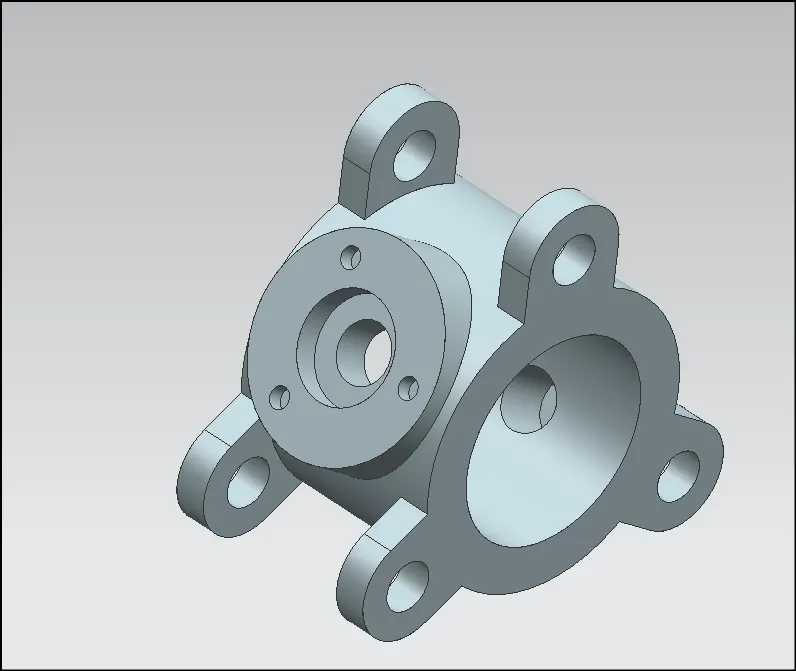
1. Butterfly Valve Body:
The body is the main outer casing of the valve that houses the internal components. It provides the structure and connections (flanged or wafer) for attaching the valve to the pipeline.
Design:
Drawing Sheet:
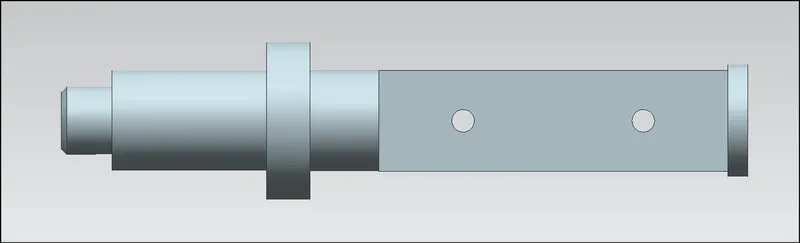
2. Butterfly Valve Shaft:
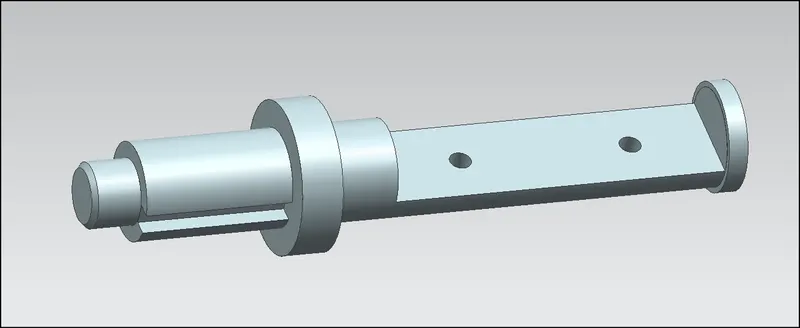
The shaft or stem is a rod or spindle that connects the actuator to the disc plate. It transmits the rotational motion from the actuator, allowing for the opening or closing of the valve.
Design:
Drawing Sheet:
3. Butterfly Valve Disc Plate:
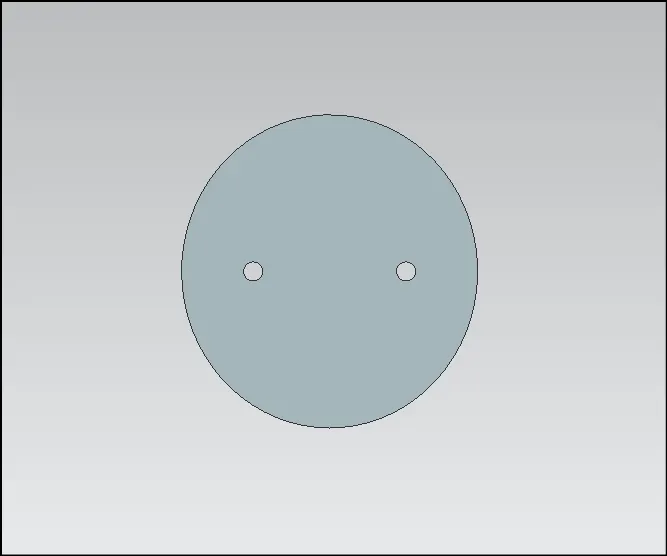
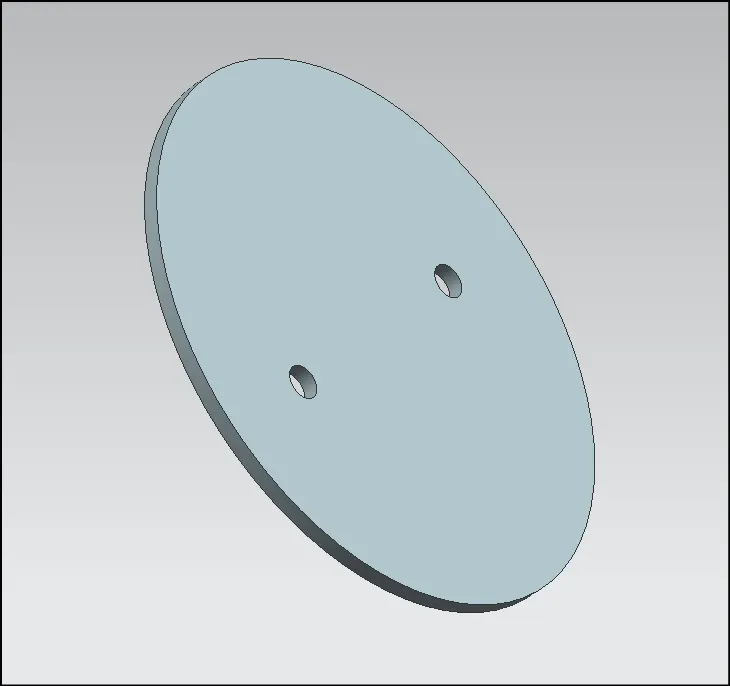
The disc plate, also known as the disc or butterfly, is a circular or semi-circular plate that rotates within the body to control the flow of the fluid. It is connected to the shaft/stem and changes its position to regulate the flow.
Design:
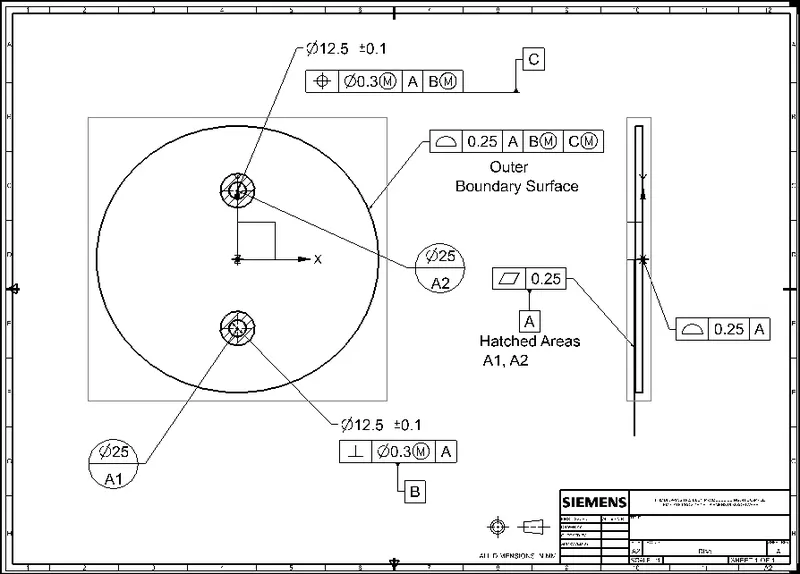
Drawing Sheet:
4. Butterfly Valve Retainer:
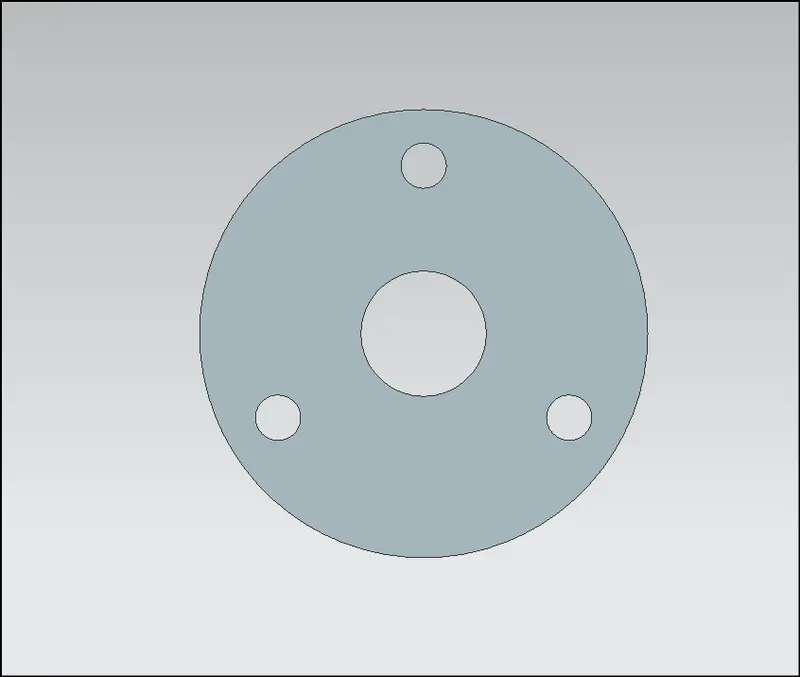
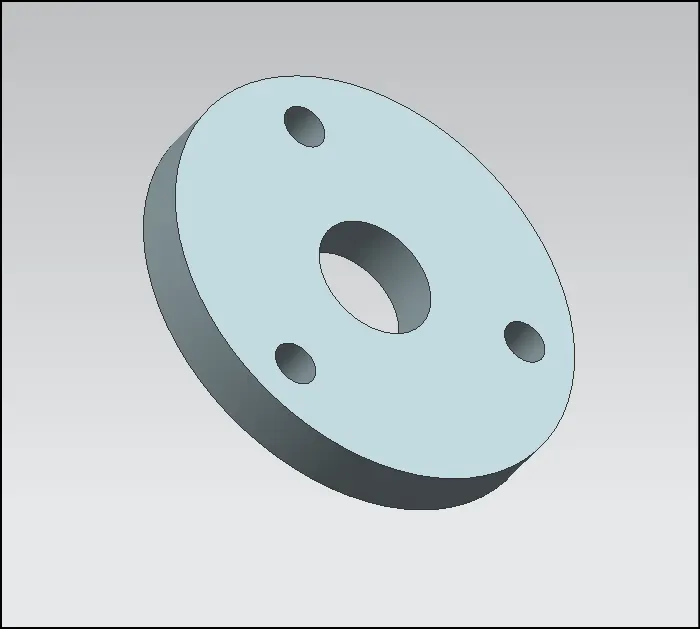
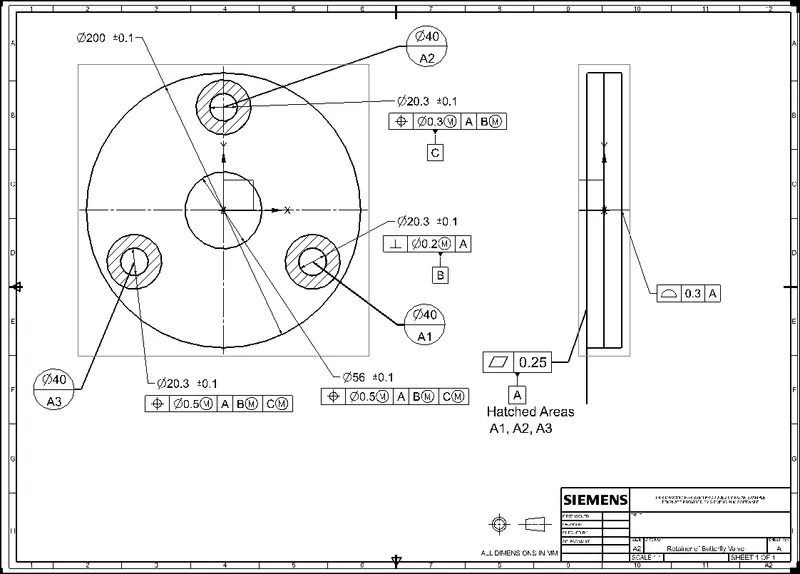
The retainer is a component that holds the disc plate in place within the valve body. It ensures proper alignment and stability of the disc plate during operation.
Design:
Drawing Sheet:
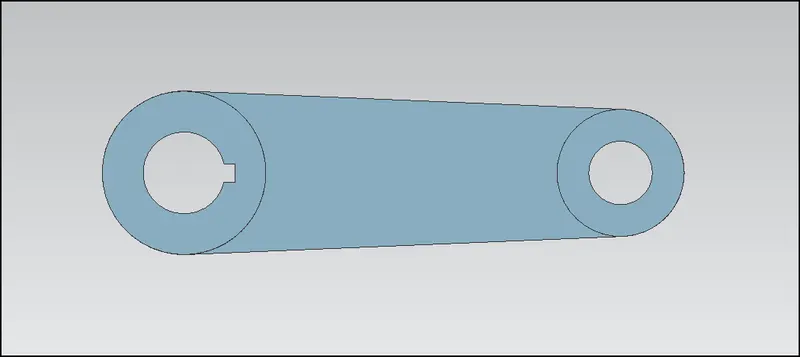
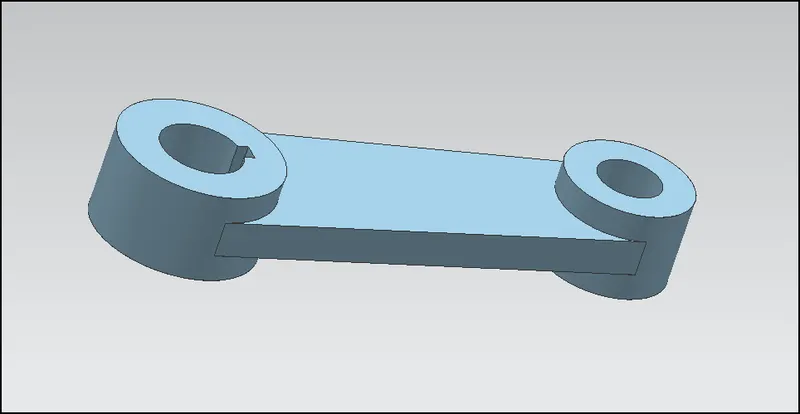
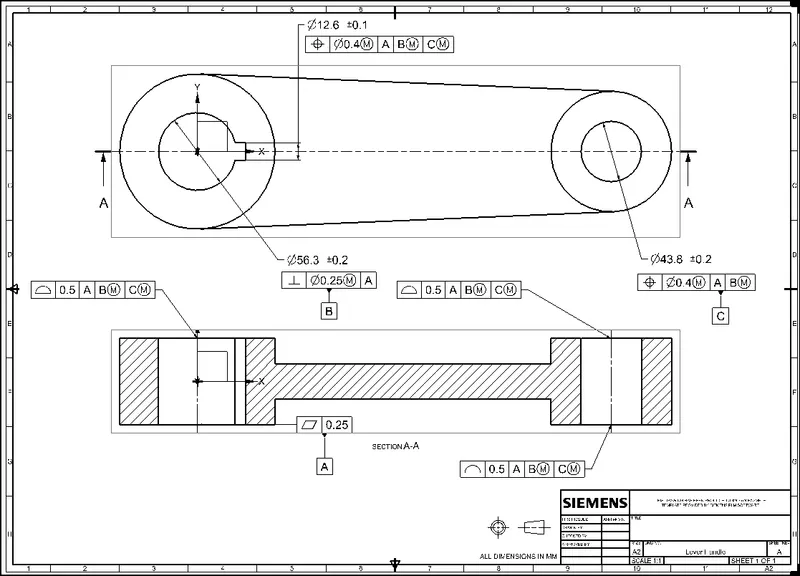
5. Butterfly Valve Lever Handle:
The lever handle is a separate component used for manual operation of the valve. It provides a mechanical means to rotate the shaft/stem and control the position of the disc plate.
Design:
Drawing Sheet:
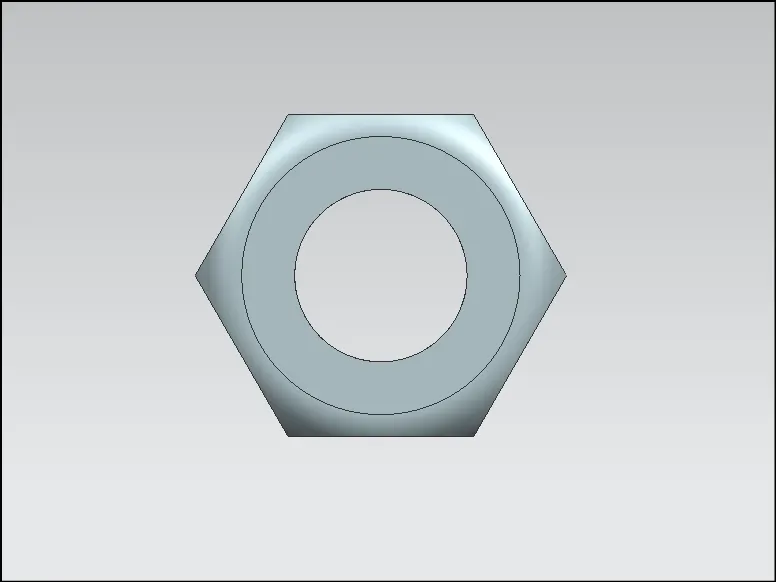
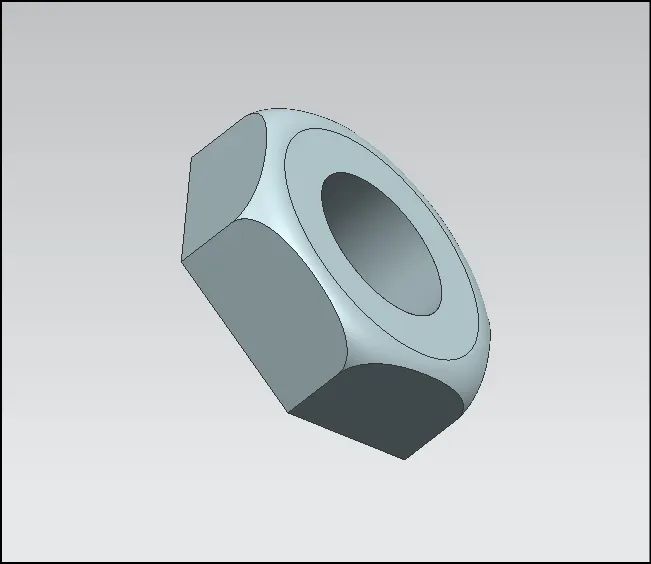
6. Butterfly Valve Nut:
The nut is a separate component that secures the lever onto the shaft/stem. It ensures that the lever remains securely attached to the shaft/stem during manual operation.
Design:
Drawing Sheet:
4.1 Butterfly Valve Assembly:
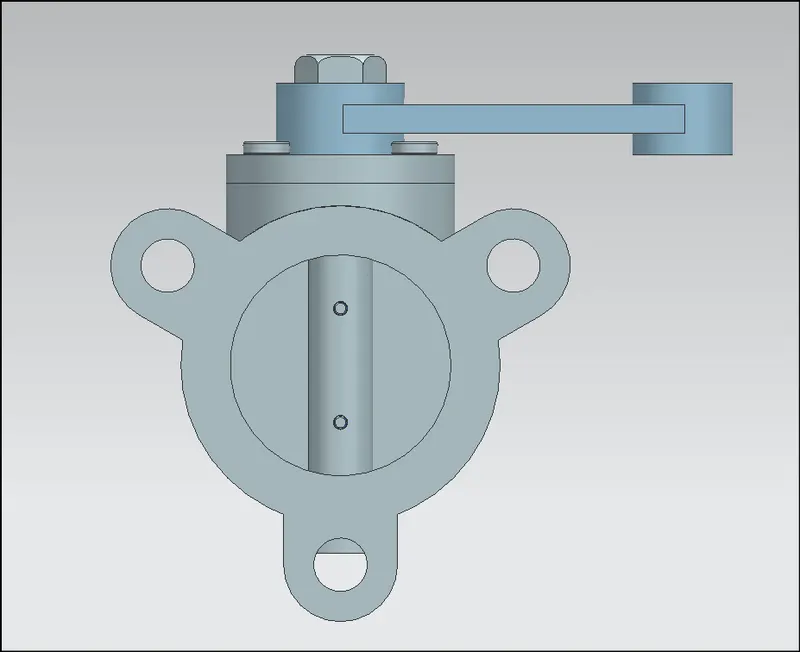
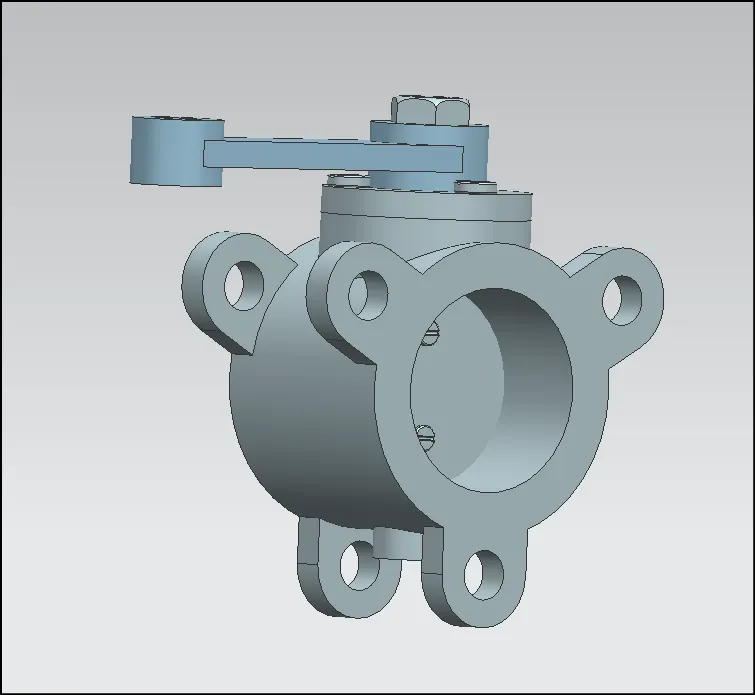
After the design of all the individual parts of Butterfly Valve, they were all assembled in the NX Assembly Workbench.
Assembly:
Drawing Sheet:
5.1 Conclusion:
In summary, this project has successfully fulfilled its objective of designing and assembling the butterfly valve using Siemens NX Software. The comprehensive creation of detailed drawing sheets for individual components, accompanied by the inclusion of precise GD&T symbols, ensures clear communication of design specifications. This achievement significantly contributes to streamlined manufacturing, assembly, and quality control processes for the butterfly valve.