Week 14 challenge
AIM:
TO
Assemble and apply GD&T to the butterfly valve assembly drawing
BUTTERFLY VALVE:
A butterfly valve is from a family of valves called quarter-turn valves. In operation, the valve is fully open or closed when the disc is rotated a quarter turn. The "butterfly" is a metal disc mounted on a rod. When the valve is closed, the disc is turned so that it completely blocks off the passageway.
The butterfly effect rests on the notion that the world is deeply interconnected, such that one small occurrence can influence a much larger complex system. The effect is named after an allegory for chaos theory; it evokes the idea that a small butterfly flapping its wings could, hypothetically, cause a typhoon.
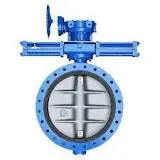
The butterfly valve gets its name from how the movement is similar to a wing for flight. The rod is analogous to a butterfly's body, while the disc moves like a butterfly wing. A butterfly valve's motion is similar to that of a butterfly that has landed with the wings moved up and down with a 90-degree motion.
Butterfly valves are often distinguished by the three main types: zero, double, or triple offset.
- Zero Offset Butterfly Valves.
- Double Offset Butterfly Valves.
- Triple offset butterfly valves.
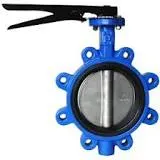
Butterfly valves have significantly smaller face-to-face dimensions than gate valves, making them an ideal valve for small spaces. Butterfly valves are easier to operate and reduce in faster opening and shut-off – only a quarter turn is needed to fully open and close the valve.
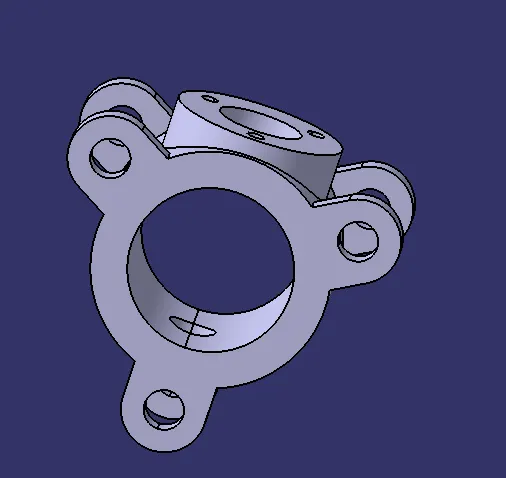
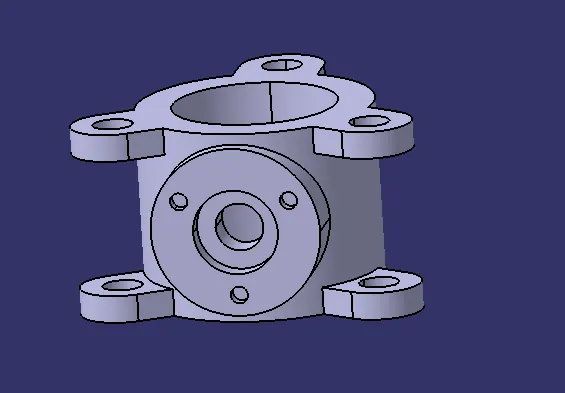
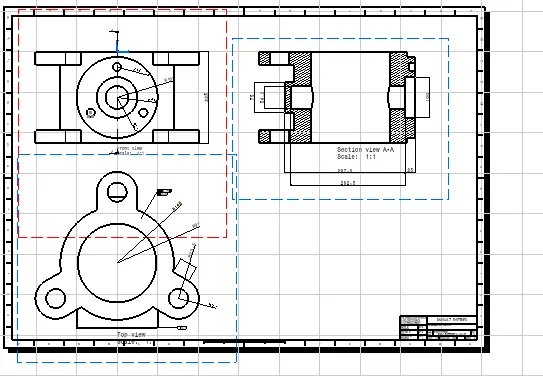
BODY OF THE BUTTERFLY VALVE
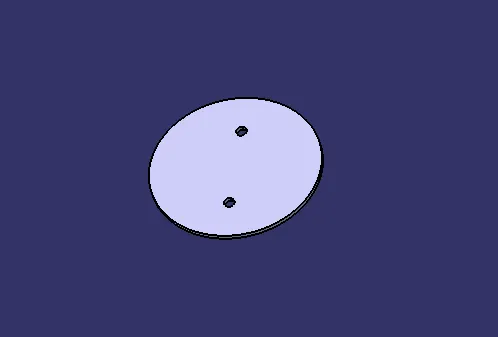
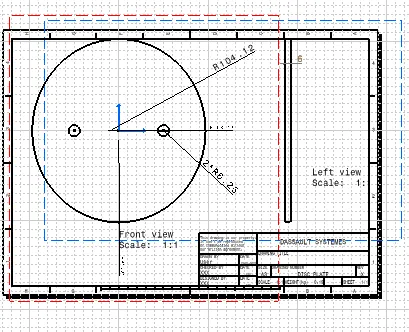
DISC
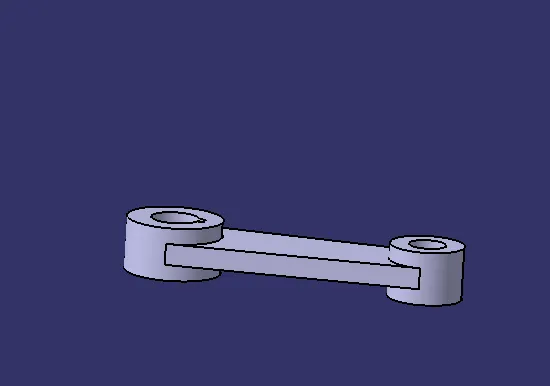
LIVER
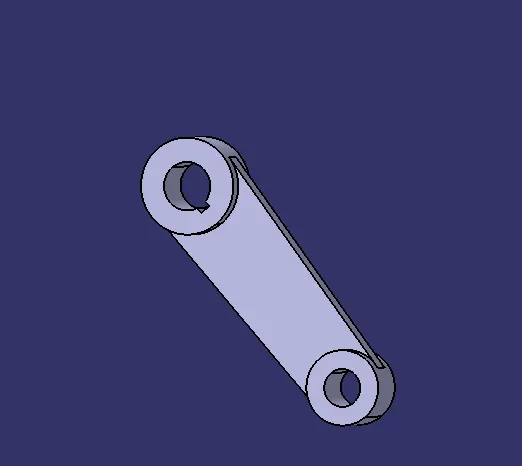
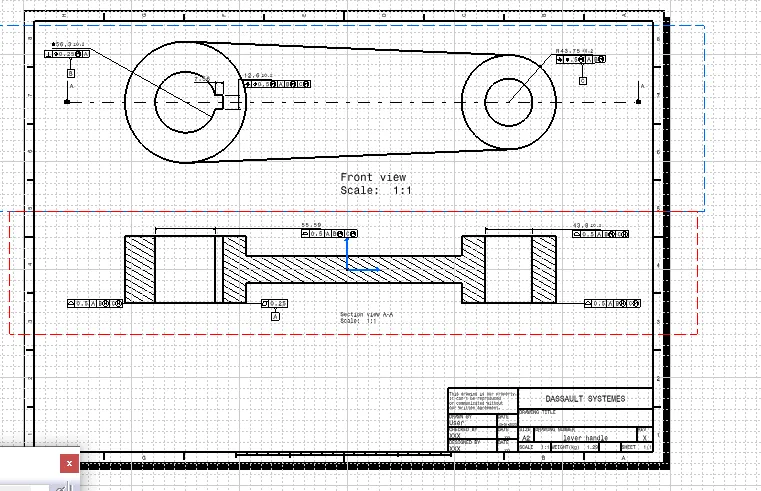
NUT
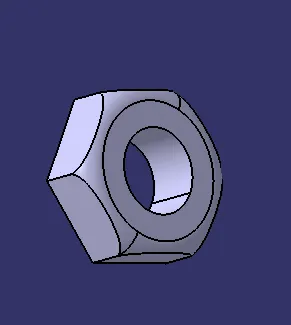
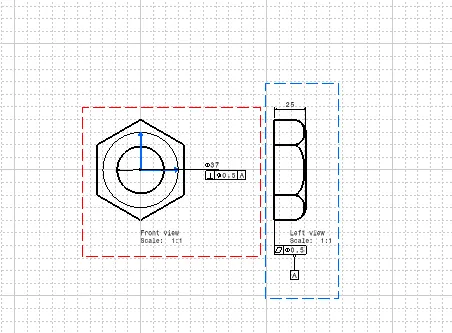
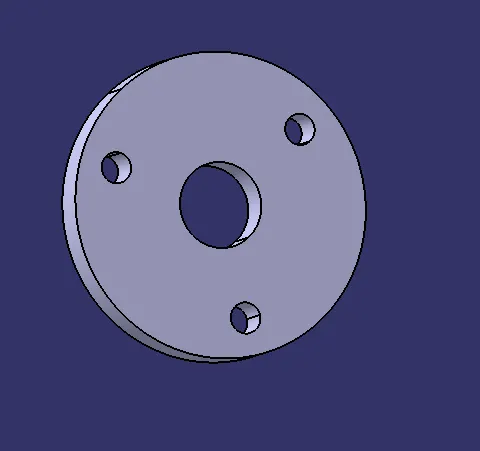
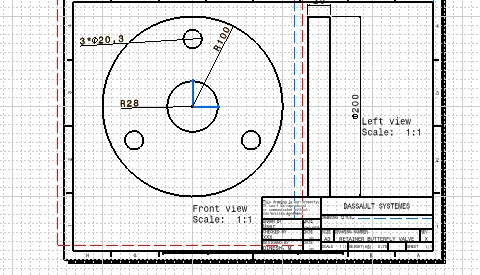
RETAINER OF THE BUTTERFLY VALVE
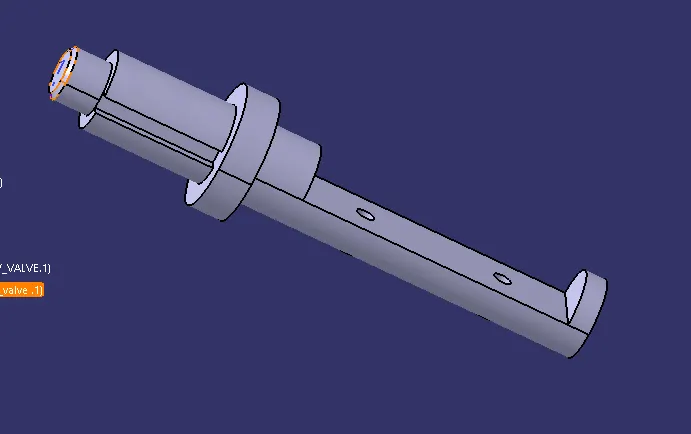
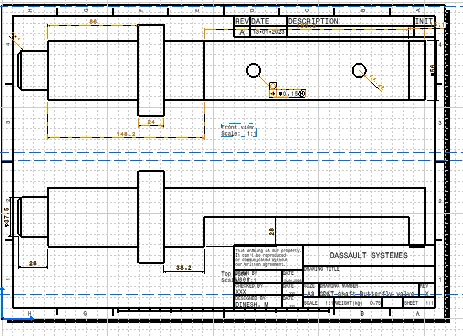
SHAFT OF THE BUTTERFLY VALVE
SCREW
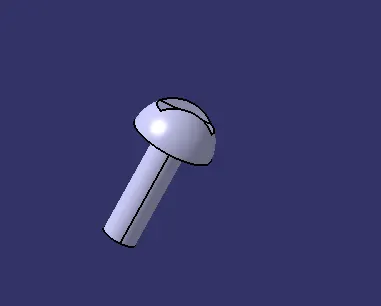
ASSEMBLY PRODUCT OF THE BUTTERFLY VALVE
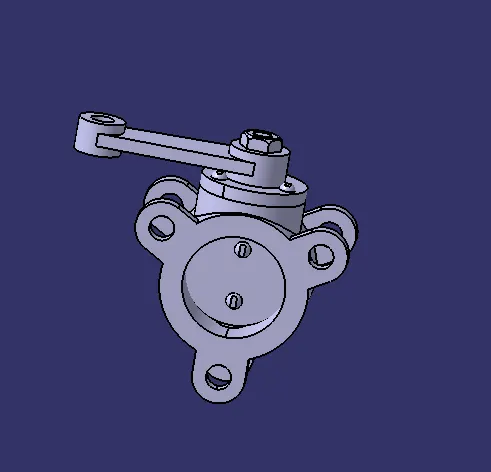
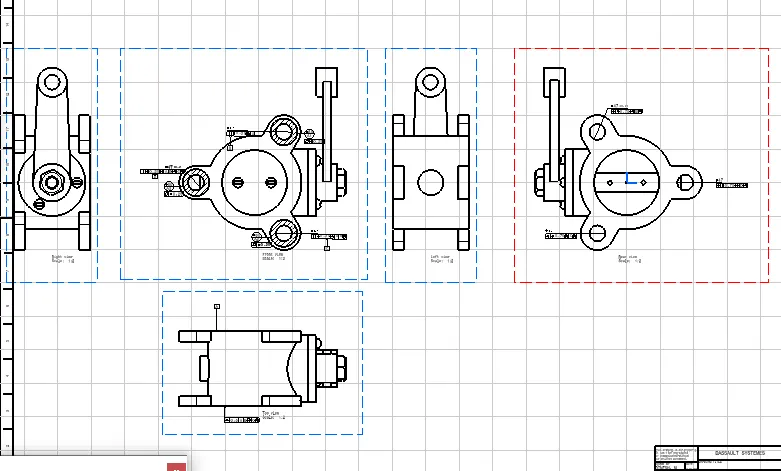
CONCLUSSION
The given task of designing the butterfly valve assembly and its GD&T is applied as per the recomendation