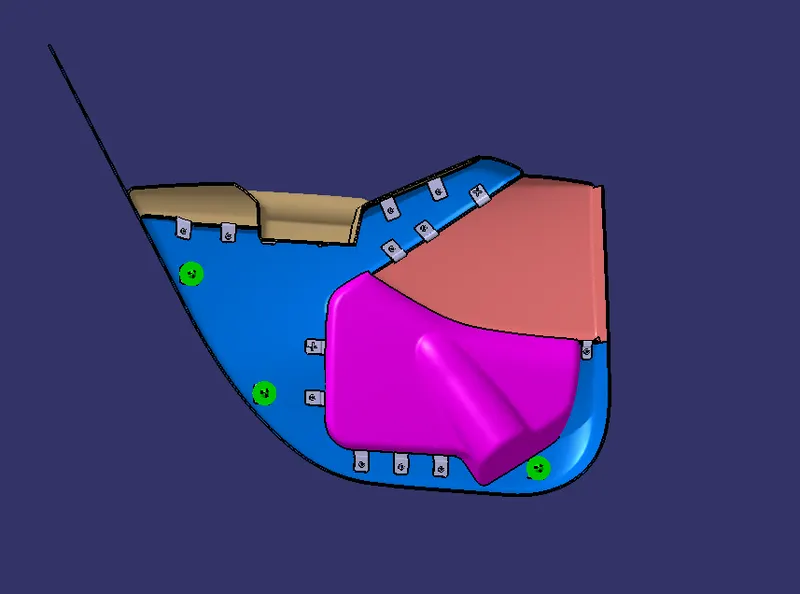
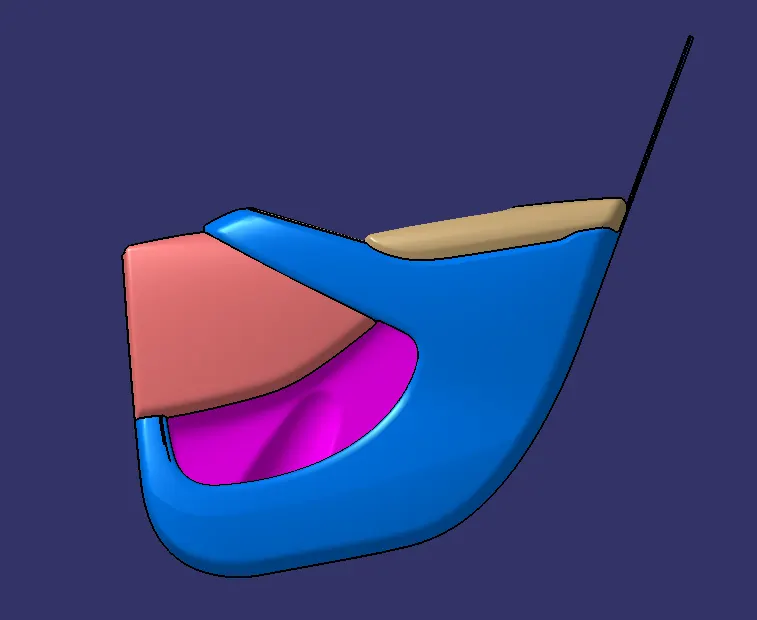
Week 12- Final project
OBJECTIVE:
To create a tooling axis and then check draft analysis for given class A surface.
To create B&C Surface For a Given class A Surface then also check draft analysis.
To develop all Engineering Features (Push clip, Dog House, Heat Stake, Flanges, Locator) For a given component.
To create a parting lines and check tooling feasibility.
All Feature sketches and Thickness for the component are taken from the master Section.
INTRODUCTION:
The door trim Panel is the interior plastic component attached to the sheet metal part of the door. It is designed differently based on the design of the sheet metal part of the door. Besides its aesthetic look, it also has many functional features attached to it such as an armrest, bottle holder, map pocket, lower substrate, speaker attachment, etc.
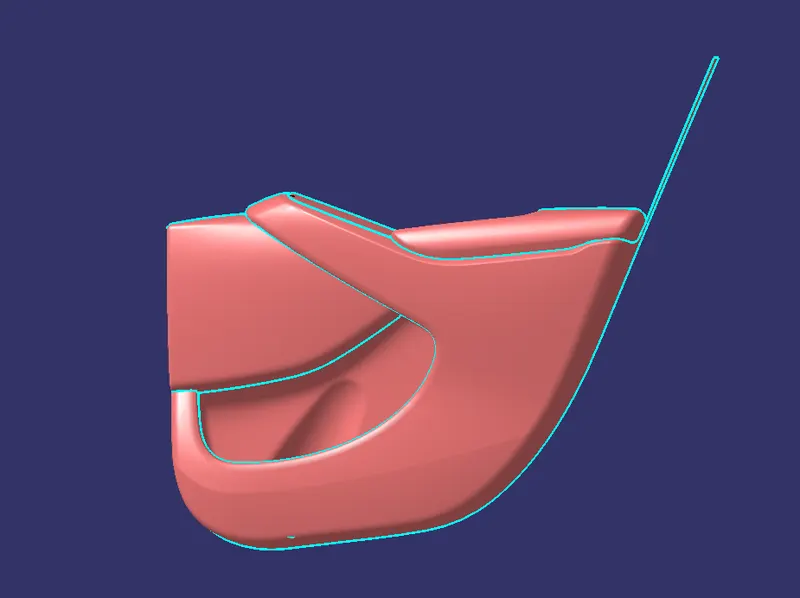
Given Class A Surface:
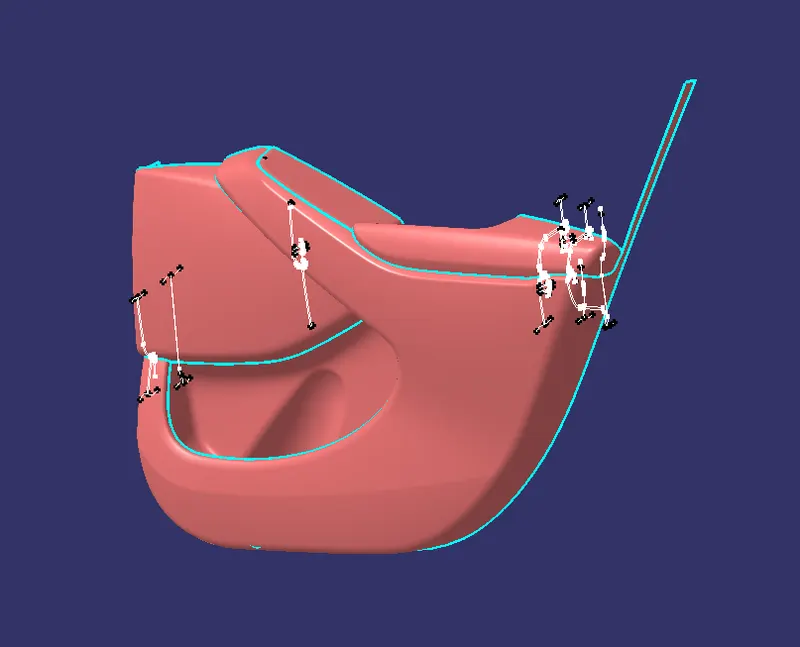
Given master section with class A surface:
OVERVIEW:
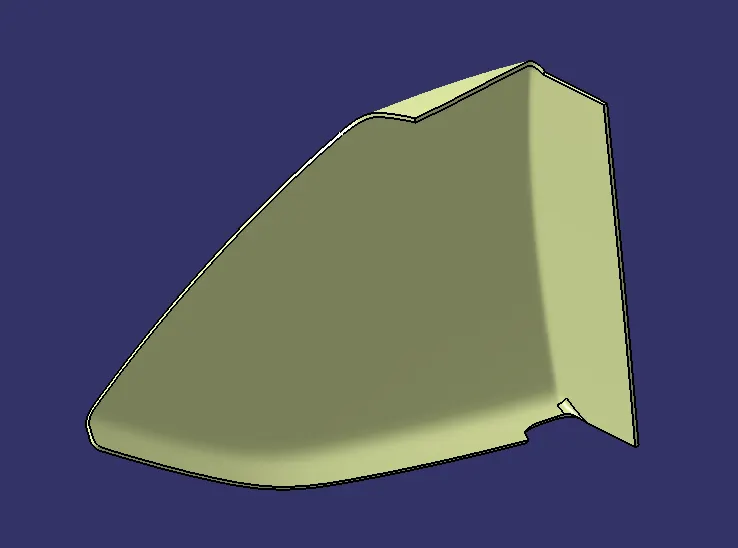
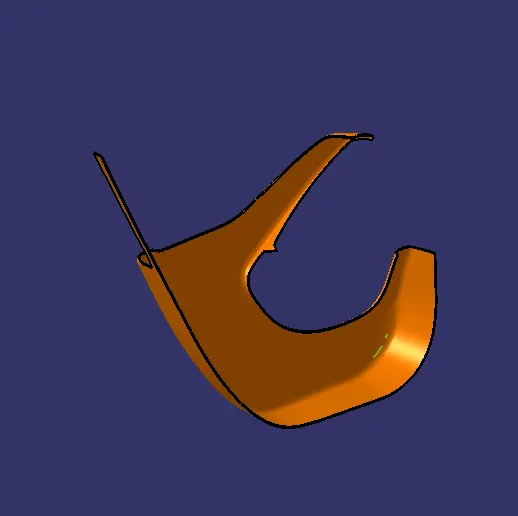
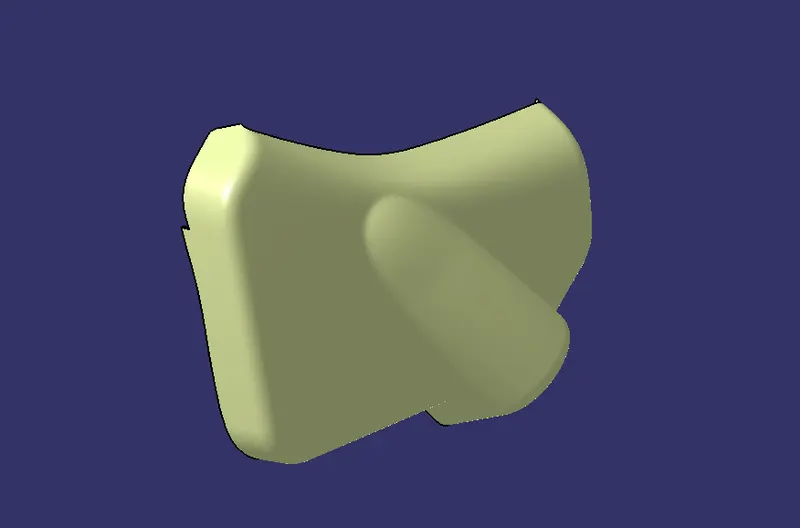
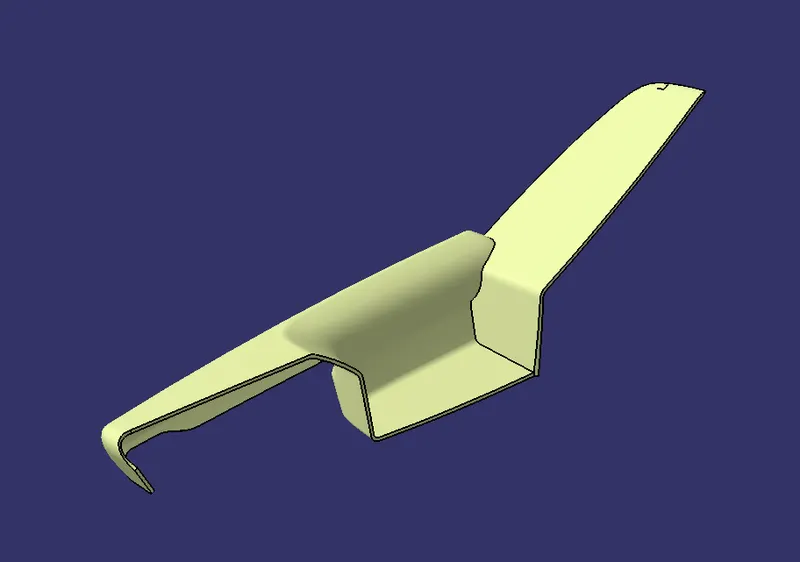
Since the input class A surface is containing four different parts(class A). So class b and c for all the surface has been created in separate catpart. Also performing draft analysis and tooling axis separately. Finally all the surface have assembled together in one .catproduct
CREATE TOOLING AXIS:
The Tooling Axis is the line that defines the pulling direction of the mold.
ARM REST:
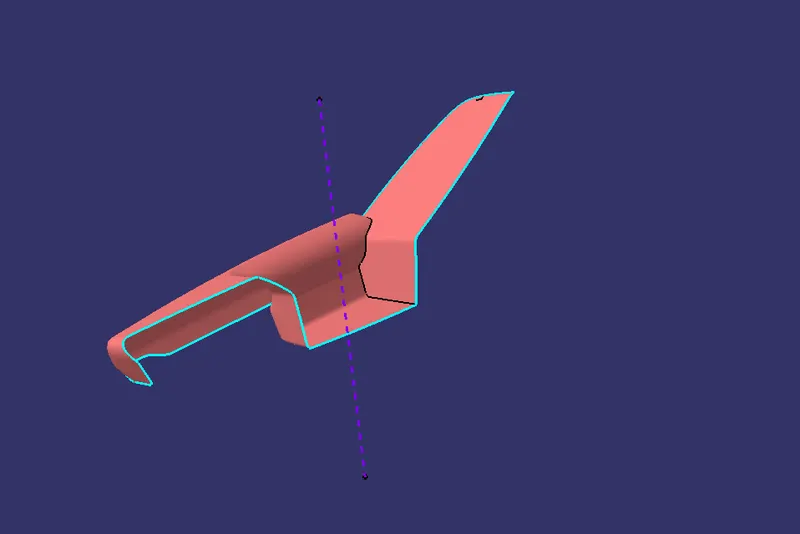
ARM REST FLANGE SIDE CORE AXIS:
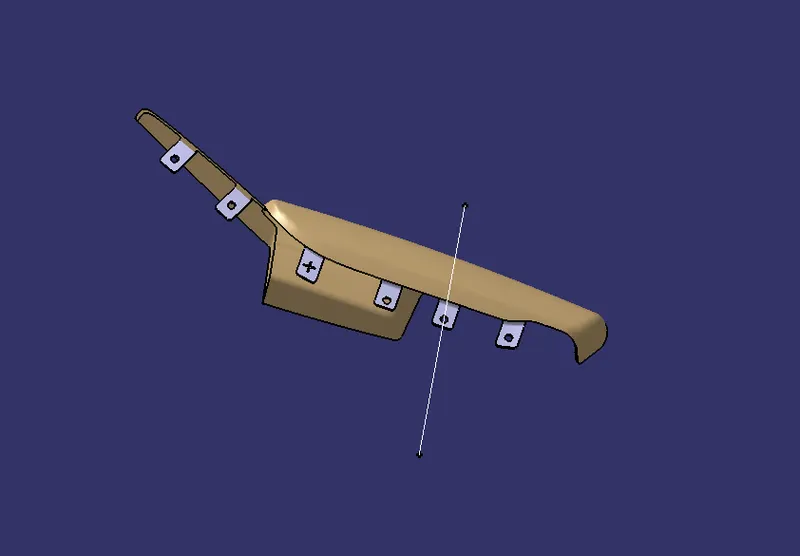
BOTTLE HOLDER:
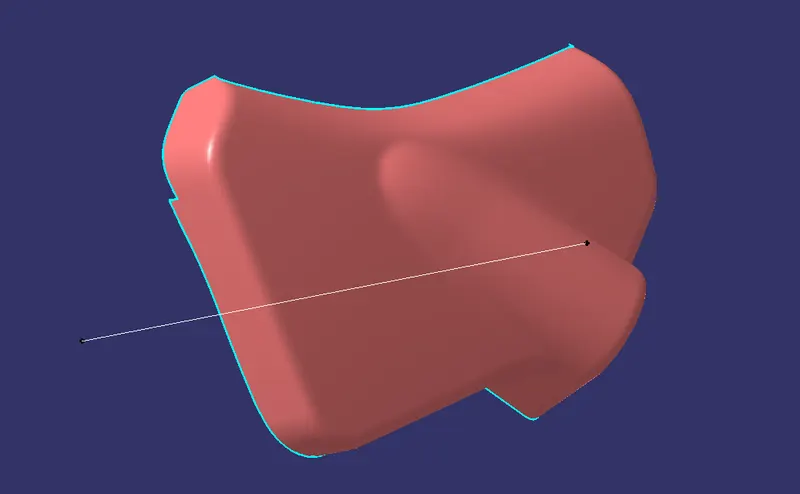
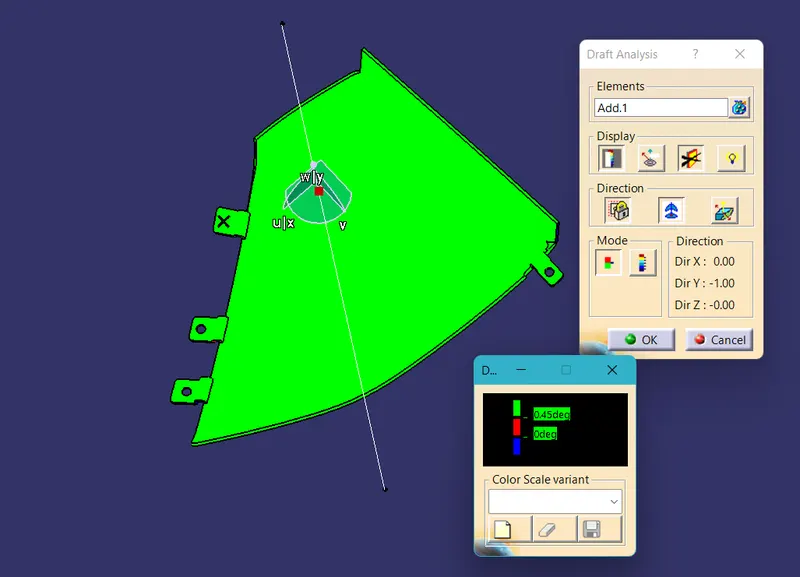
MAP POCKET:
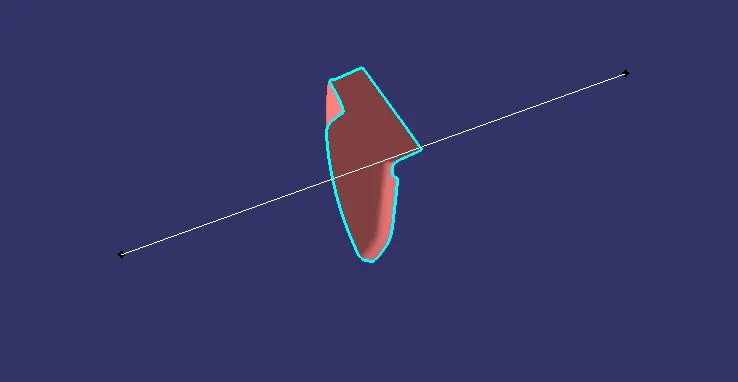
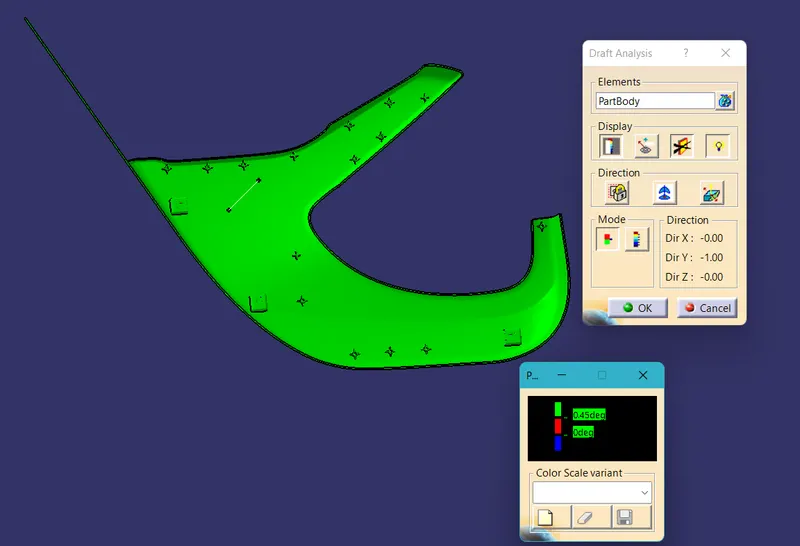
LOWER SUBSTRATE:
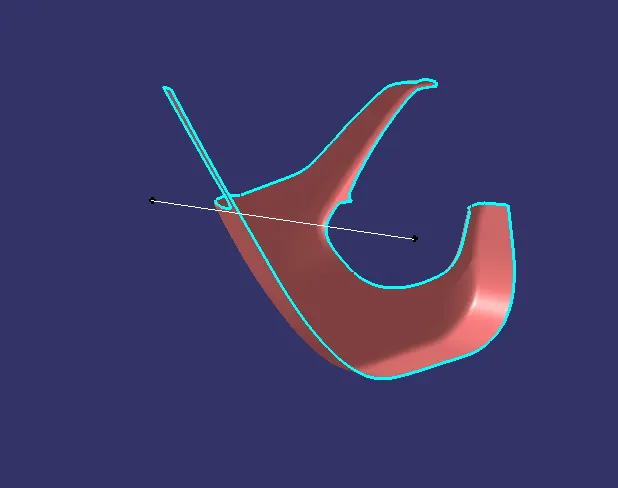
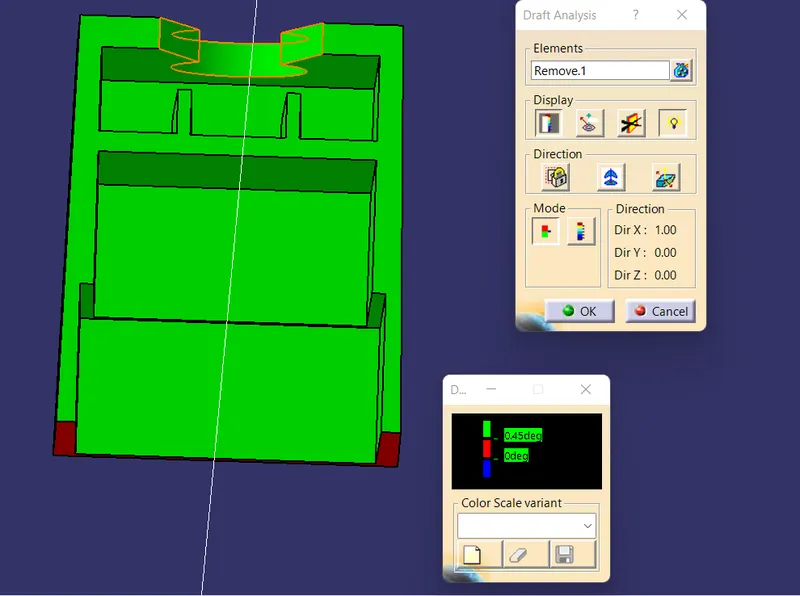
DOG HOUSE SIDE CORE AXIS:
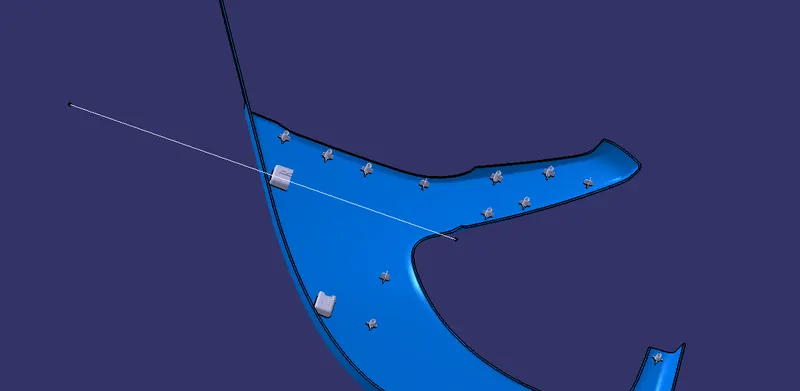
CREATION OF CLASS B SURFACE
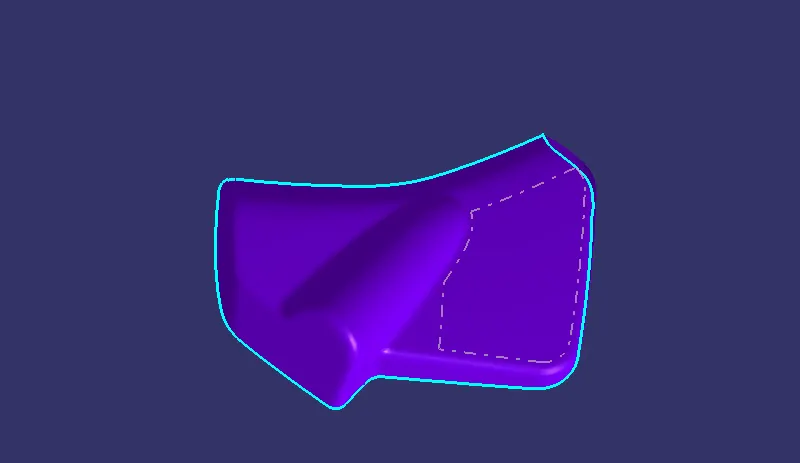
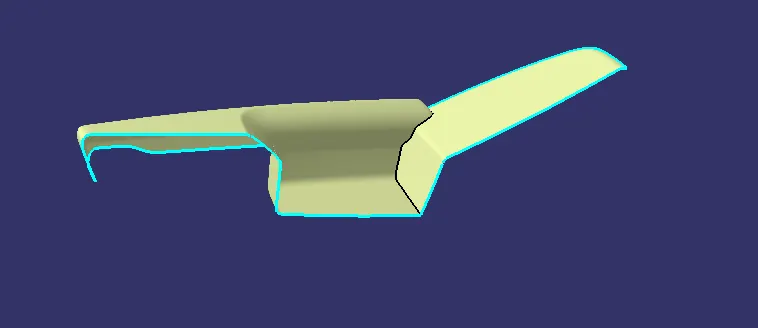
- Insert a new gemeotrical set.Measure the value of thickness in master section.The value is 2.5mm
- Offset the class A surface to 2.5mm.
- Check all the sub elements are formed if not try to fix it locally
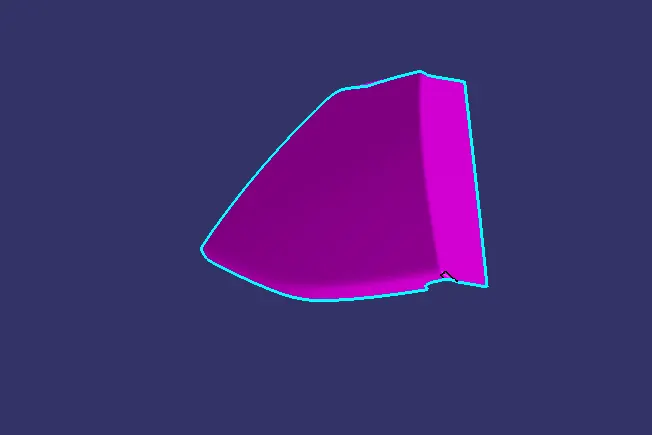
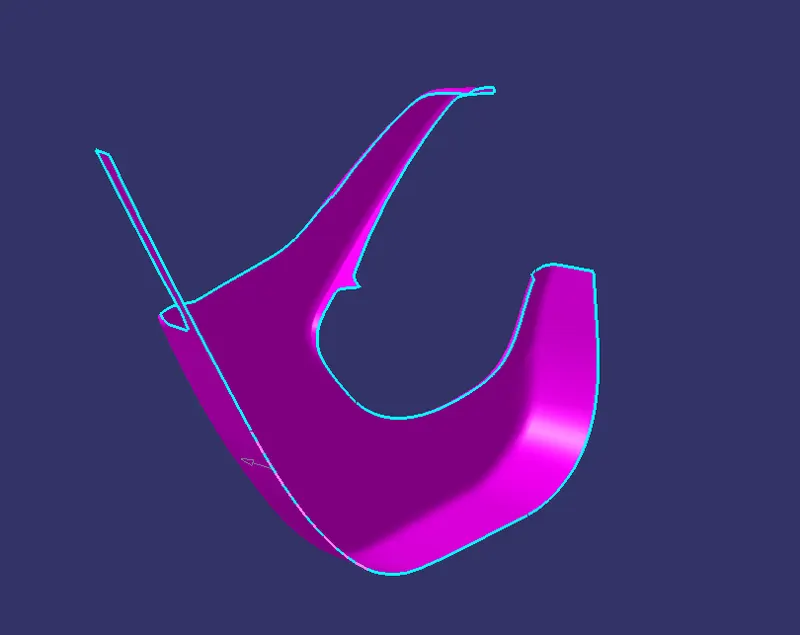
CREATION OF CLASS C SURFACE:
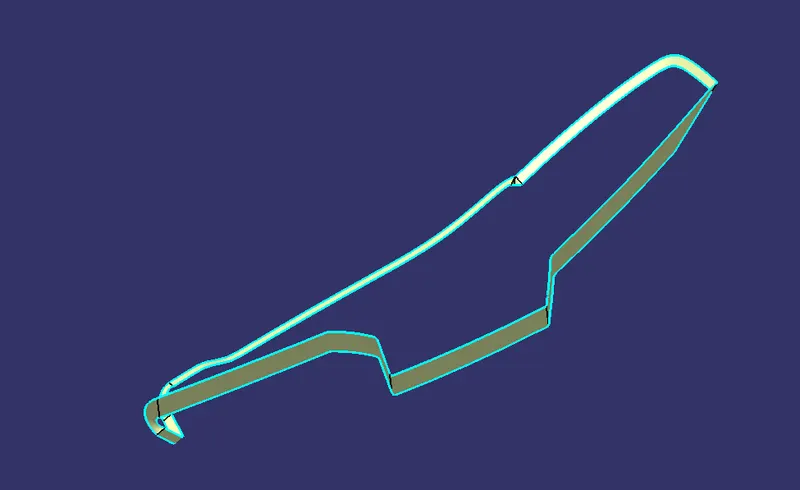
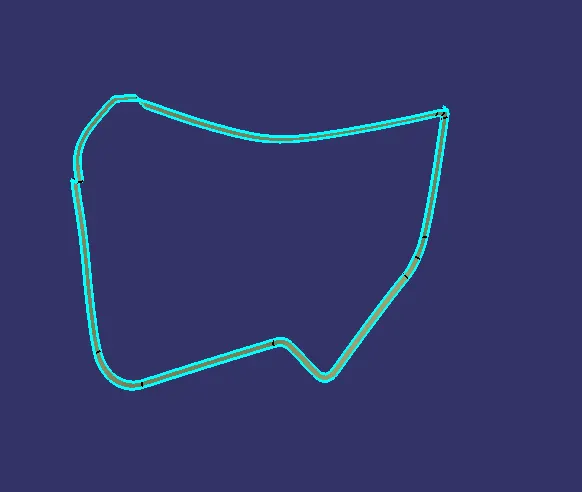
Sweep comment is used to create C surface for separate edges from given master section reference. Finally merge all sweep surface to get class C surface.


CREATING CLOSED BODY:
CREATING THE B SIDE FEATURES FOLLOWING THE MASTER SECTION:
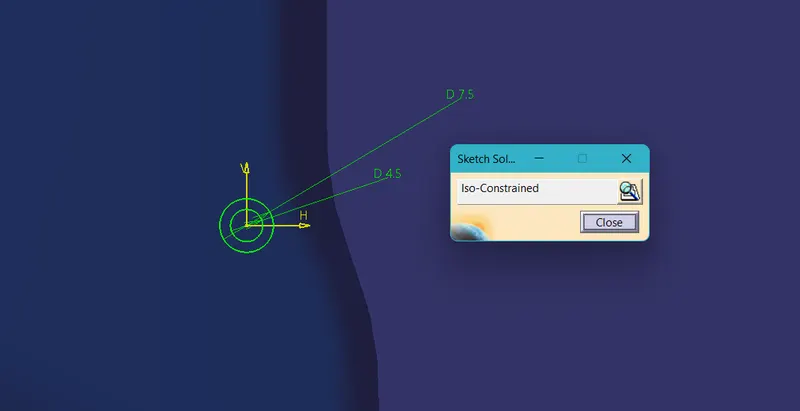
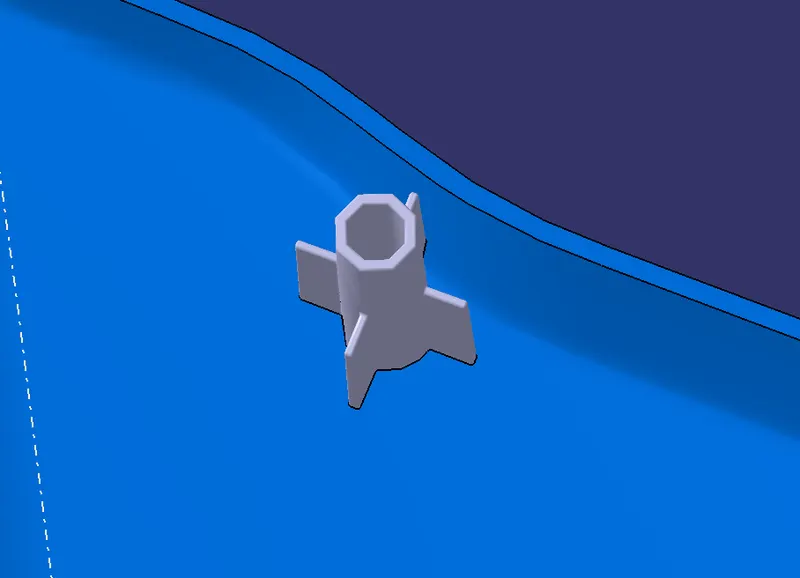
HEAT STAKE:
Heat stakes are used in plastic assembly because they offer a simple and effective way to join two or more components together, where at least one is made of a thermoplastic. Heat staking technology allows for the joining of components to a plastic molding without the need for vibration, which results in no cosmetic damage to class A surfaces. This makes heat staking an ideal solution for industries that require sensitive plastic parts to be joined, such as Automotive, Electronics, and Medical.
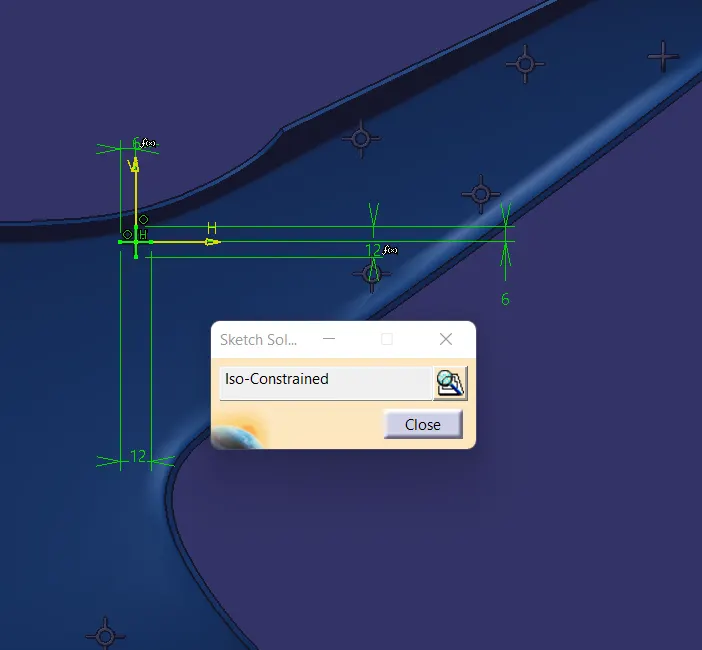
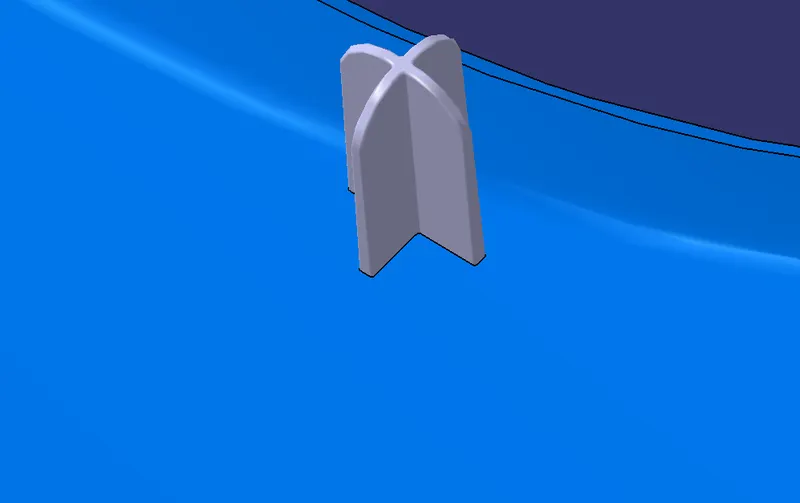
LOCATOR:
The locators restrict all the other degrees of freedom except the translation along the direction of tooling axis.
DOG HOUSE:
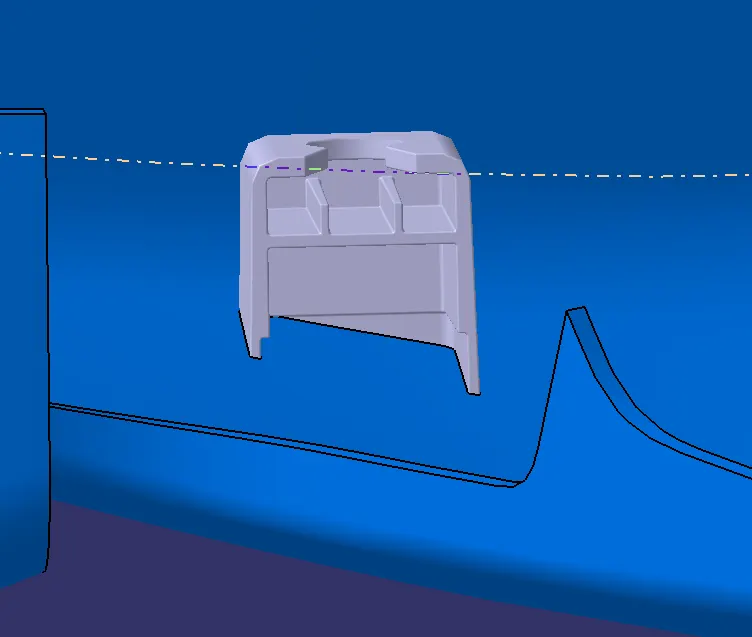
Dog house is an engineering feature used in the plastic trim design. Dog houses are used as supporting features. Sometimes other engineering features like snaps, locators, etc. are mounded on them to increase the strength and stiffness.
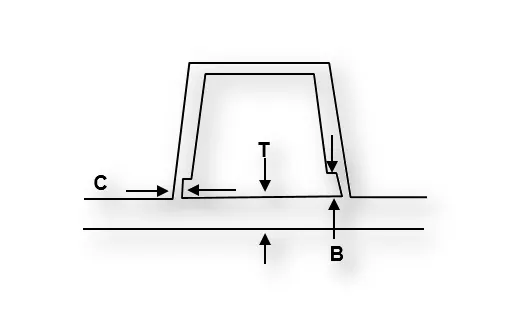
Create the Dog House for the Door Trim consider the thickness of the part to be 2.5 mm.
"C" is where the doghouse contacts the backside of the surface
-
Doghouse wall thickness at the intersection of the part wall ( C ) should be 40% or less than the main wall stock ( T ).
-
The height of ( B ) should be between 3.0 – 6.0 mm
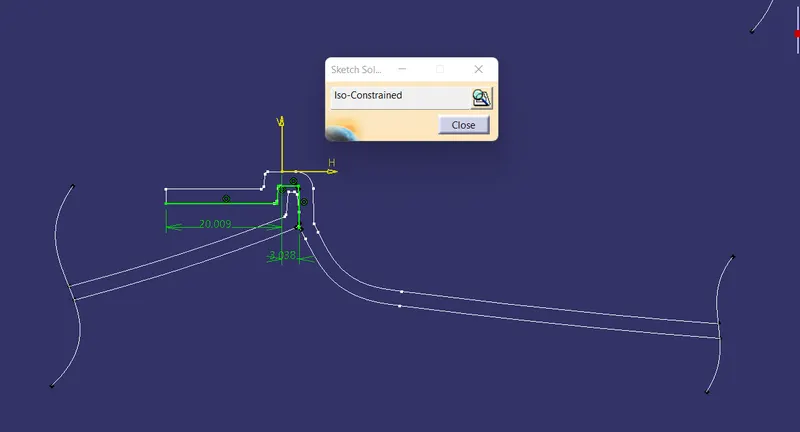
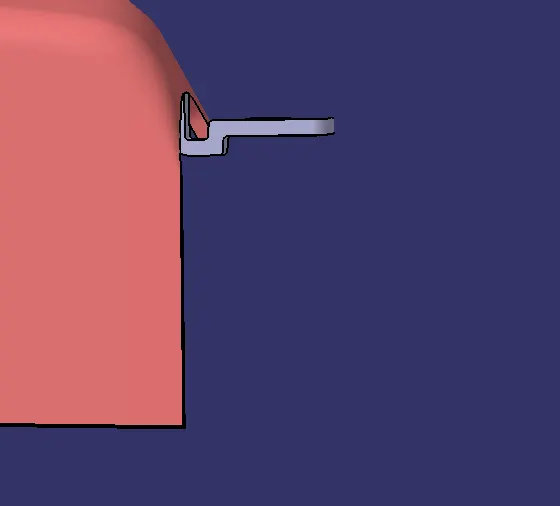
FLANGE:
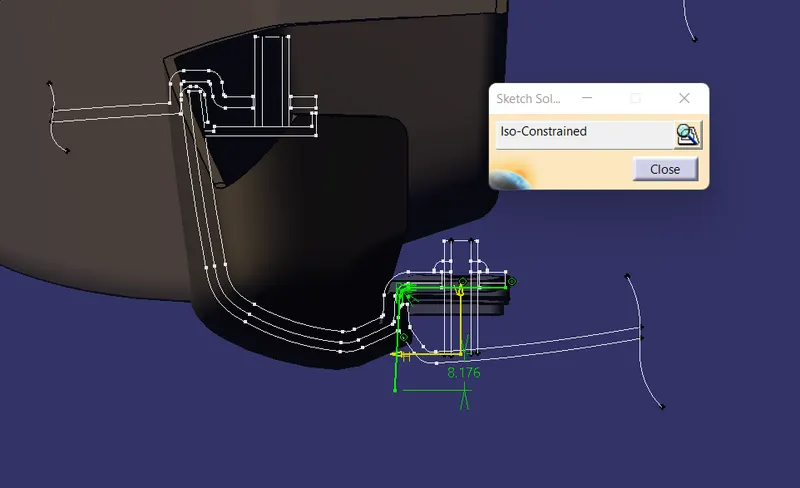
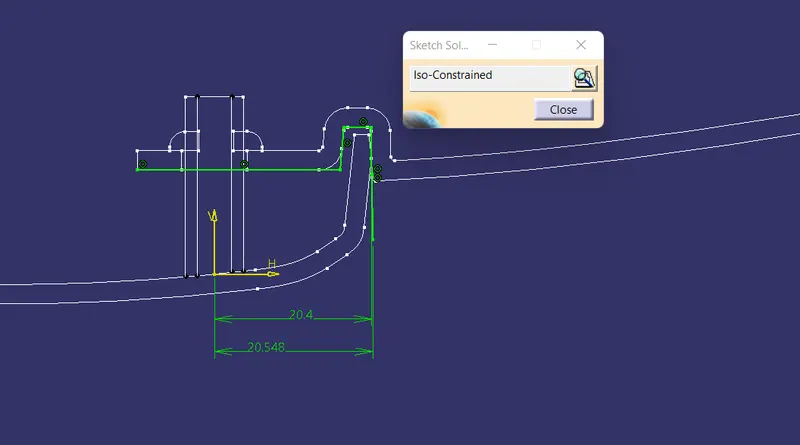
Flange is created by using of master section
PARTING LINE:
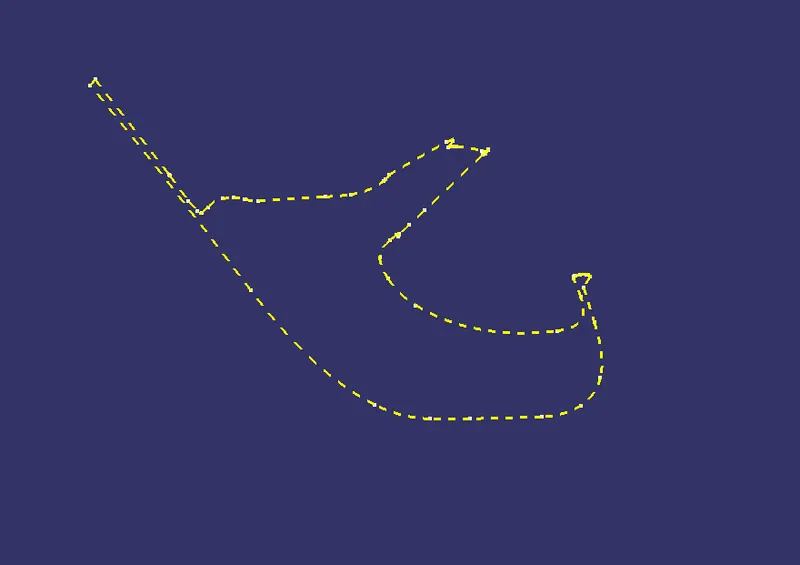
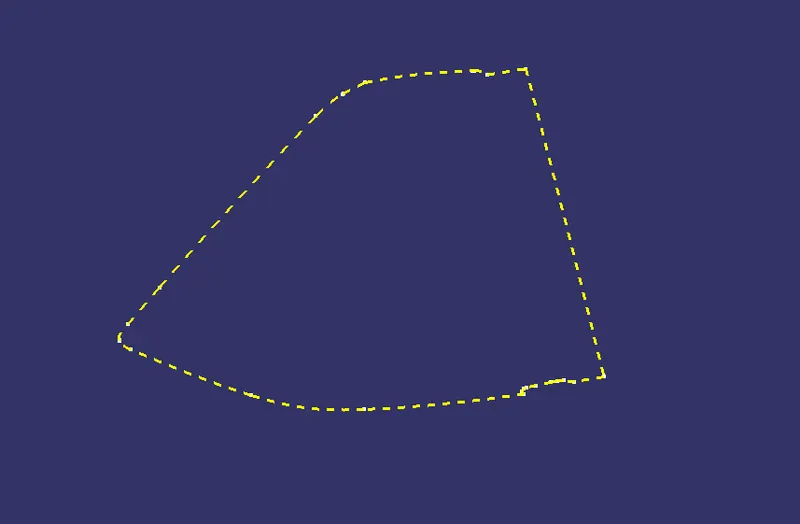
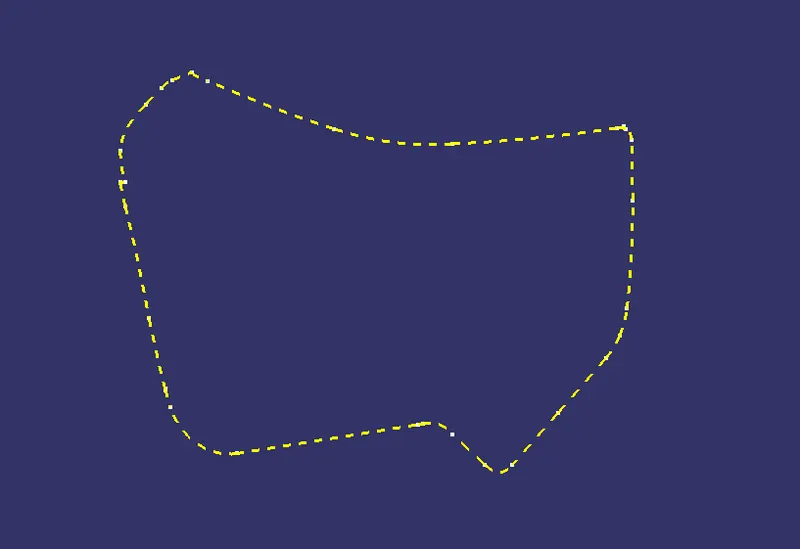
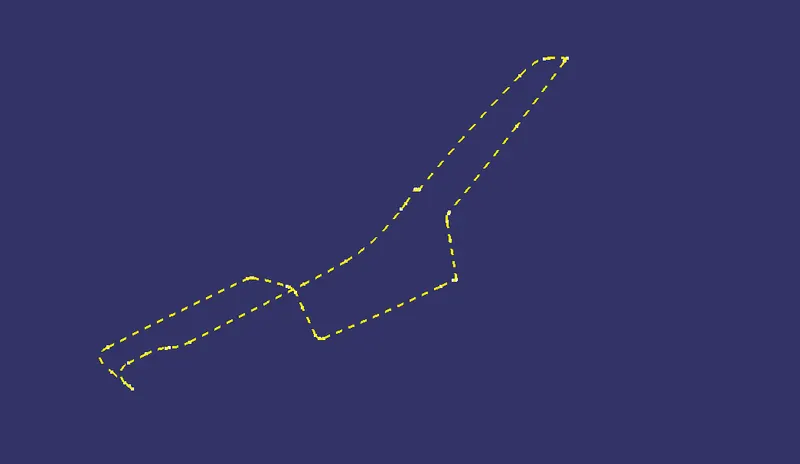
The parting line is a line that divides the mold into two parts – the core and the cavity. The concept of a parting surface is similar. The parting line is a surface that divides the mold block into two parts the core and the cavity.
DRAFT ANALYSIS:
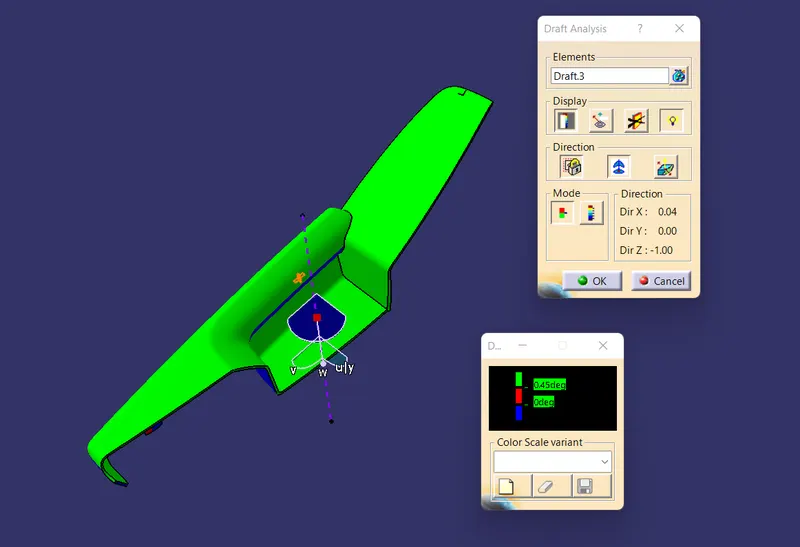
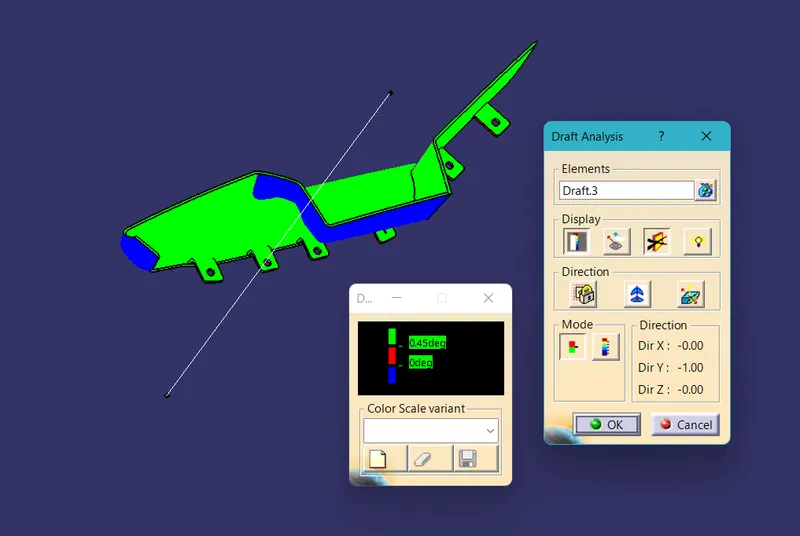
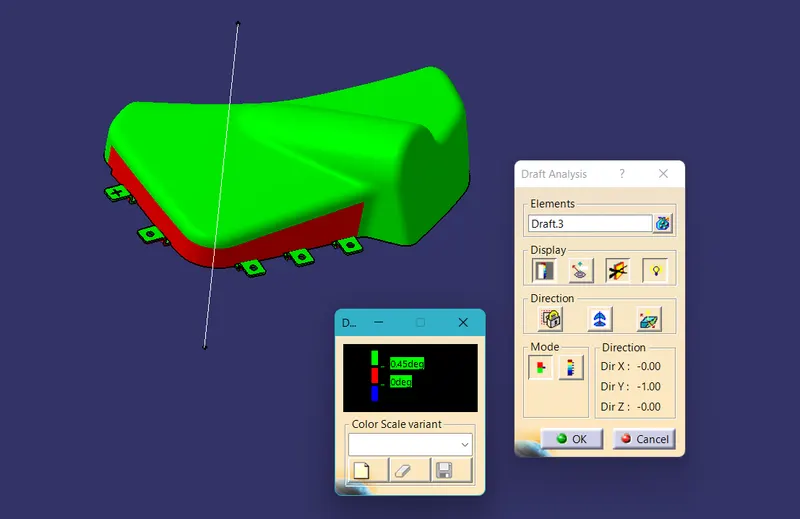
The Draft Analysis allows the user to easily analyze a part for proper draft angle. A Draft Angle describes the amount of taper for molded or cast parts perpendicular to the parting line.
DRAFT ANALYSIS FOR ARM REST:
Along the Main tooling axis:
Along the side core axis:
BOTTEL HOLDER:
LOWER SUBSTRATE:
DOG HOUSE:
Along the side core axis:
MAP POCKET:
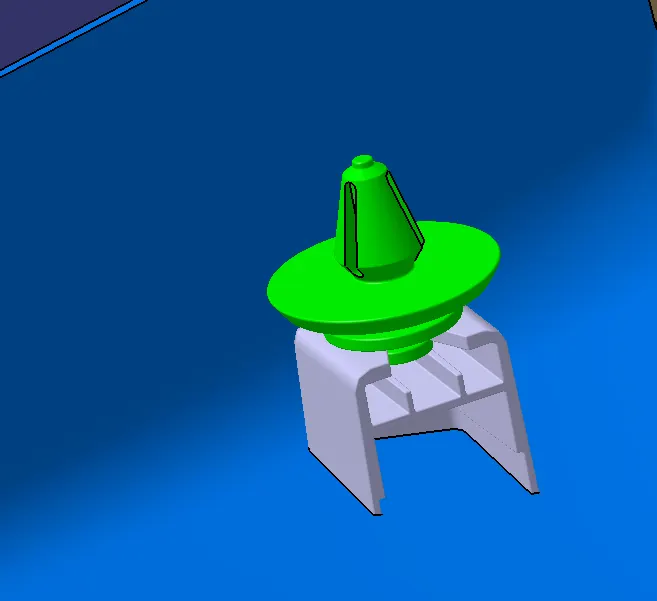
DOG HOUSE WITH PUSH PIN:
FINAL DOOR TRIM PANEL: