Week-11 Challenge: Braking
1. Calculation of The energy required for Braking,
With a basic operation where the vehicle is in motion and the brakes are applied the same efficiency could be
calculated by the given equations:
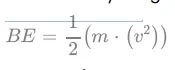
BE - Braking energy
m - Mass of the vehicle
v - Velocity
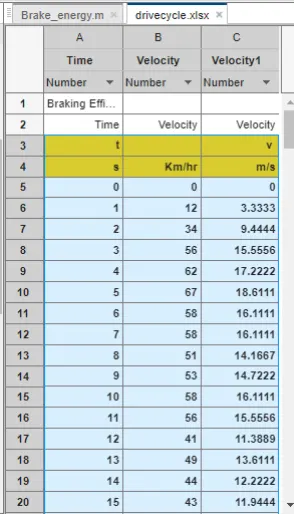
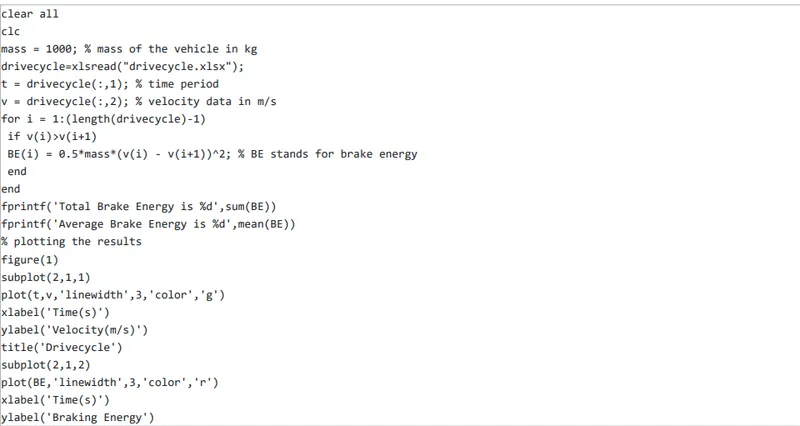
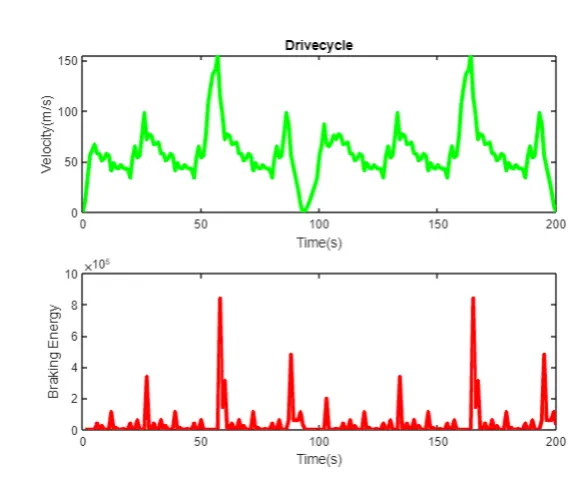
The Calculated Brake energy is figured above,

------------------------------------------------------------------------------------------------------------
2.
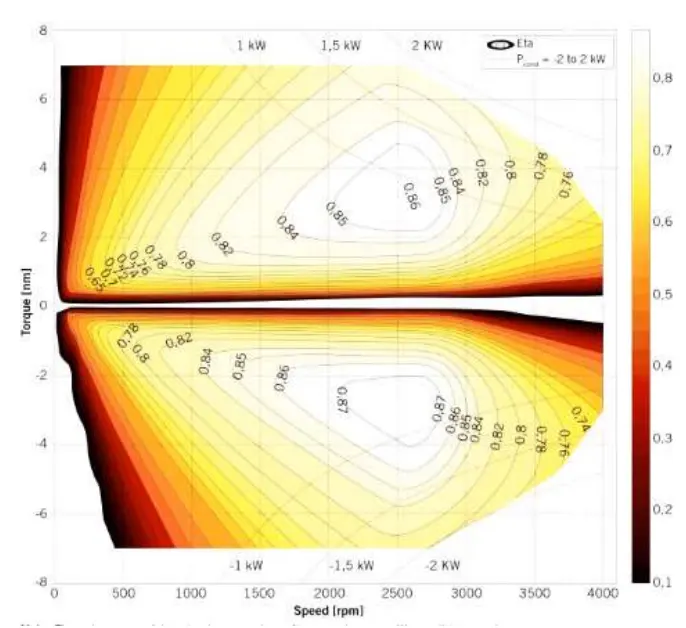
The figure represents the two quadrant operation of the motor operation where the torque and speed are +ve and in the second quadrant the speed is +ve and the torque is -ve (braking).
Because the torque is lower and the vehicle operates in a constant power region at high speeds, it is difficult to bring the vehicle to a stop or decelerate quickly. The maximum accelerating torque exceeds the maximum deceleration torque. Hence The braking torque of an electric motor is lower than the acceleration torque. Braking is derived from the word brake. We all know that a brake is a device that slows down moving or spinning machinery, such as cars and trains. The application of brakes is referred to as braking. Now let's look at the word or question of braking. We can classify braking in two parts
1. Mechanical braking is commonly utilised in scooters, automobiles, and motorcycles where just a modest amount of power is necessary. It's crucial in manufacturing applications including power transmission and material handling. It stops motion by applying forces to an axle or a wheel. When compared to electrical braking, it helps to reduce the system's speed slowly through the mechanical process. The pedal controls how a mechanical brake works. The brake shoes are pushed outwards and rotate against the drum that is connected to the wheels when the pedal is applied. As a result, the equipment or vehicle slows down and eventually stops. The pullback action of spring shoes returns the pedal to its usual position when it is released.
- Drum braking
- Disk braking
- Band braking
- Pawl and Ratchet braking
2. Electrical Braking - Electrical braking is a method of reducing machine speed based on flux and torque. This sort of braking is mostly utilised for functional braking to regulate the machine's speed. It is simple to use and comfortable to wear. It cannot, however, be used for emergency or parking braking.
- Plugging type braking
- DC injection type braking
- Eddy current braking
- Dynamic resistor type braking
- Regenerative braking
- Sharing DC bus type braking
Brakes, both electric and mechanical, work together.
In the ELECTRIC BRAKES, there are two general methods for stopping the vehicle.
1. Regenerative braking and mechanical braking are both applied in series.
2. Both regenerative and mechanical braking are conducted in a parallel manner.
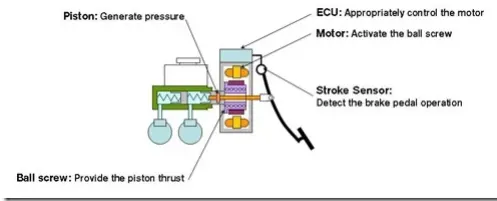
When the brake pedal is pressed, hydraulic fluid enters the brake piston, creating braking pressure on the brake pads.
Regenerative Braking uses the same kinetic energy generated by the wheels to generate more power using a bidirectional motor that acts as a generator during braking.
An example of the difference between Regenerative and Mechanical Braking.
This particular parallel braking will occur simultaneously. The Electric Driven Intelligent Brake (EDIB) is a hybrid brake that combines a hydraulic or mechanical brake with a regenerative brake. It's a parallel braking system. The control requirements are such that we employ regenerative braking at low speeds and combine the two at high speeds or during the initial braking period.
------------------------------------------------------------------------------------------------------------
3.
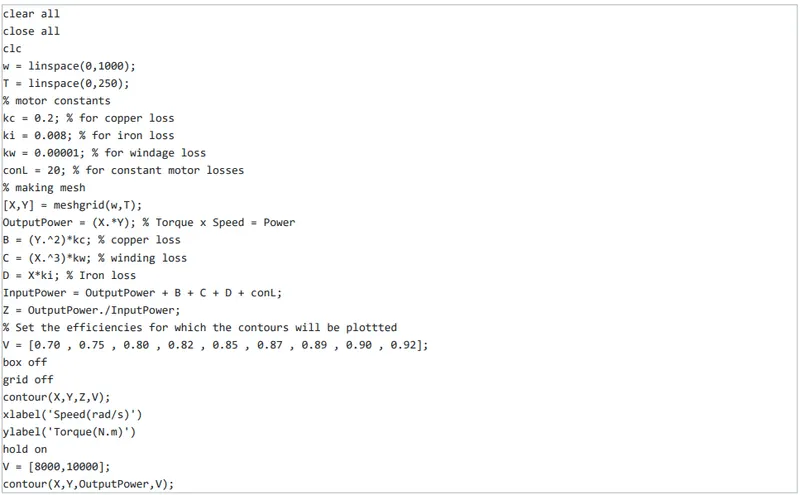
As we Know contour is a graphical technique for representing a 3-dimensional surfaces. The same is mentioned below for the given details:
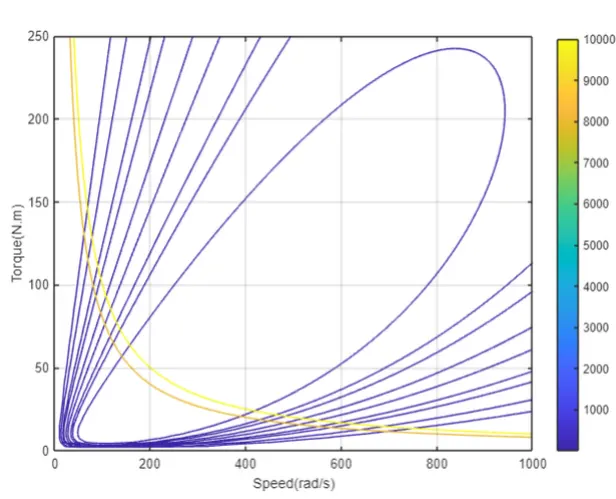
output of Speed Torque characteristics