1.ans:
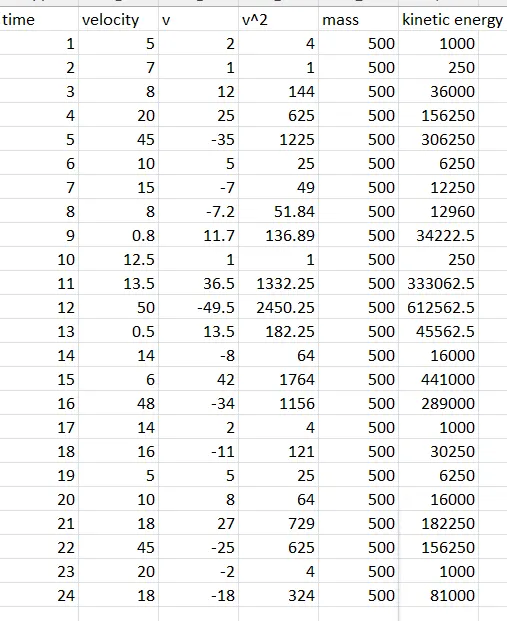
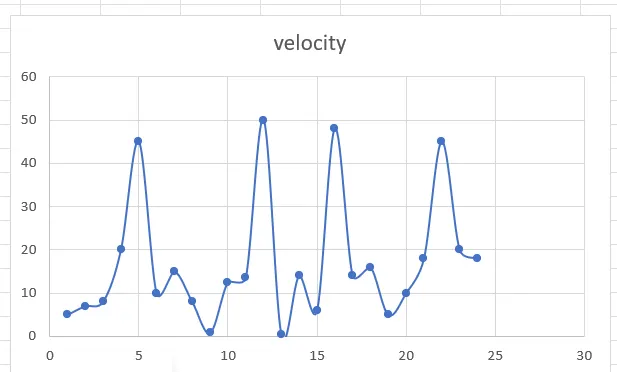
decleration conditions are similar to acceleration .acceleration increases in speed and acceleration is reduction in speed.so similarly way to calculate braking power.
during braking also required the same amount of power required for acceleration so applying those standard equation we can calculate the energy for braking by the following formula
E= 1/2 * m*(v2-v1)^2
where m=mass of the vehicle
v=velocity
2.ans:
Comparison between Electrical and Mechanical Braking Systems
The following is a comparison between electrical and mechanical braking systems:
a. Electrical braking systems are used for functional braking (controlling the
speed; bringing the load to standstill). Mechanical braking systems are used
for emergency stopping or for parking.
b. Electrical braking is usually very smooth and comfortable. Mechanical braking
is usually rough and uncomfortable.
c. No wear results from electrical braking. Mechanical braking on the other hand
causes wear in the braking components and requires regular maintenance.
d. It is possible (but not always feasible) in electrical braking systems to return
the regenerated energy back to main supply. This is not possible in
mechanical braking systems and the energy is always lost as heat, noise and
wear.
e. The electrical braking system cannot be used as a safety device. Most
systems will require a mechanical braking system as a backup safety device
3.ans:
code:
torque=linspace(0,250)
speed=linspace(0,1000)
[w,t]=meshgrid(speed,torque);
kc=0.3; %copper losses
ki=0.009 %iron losses
kw=0.00005; % windage losses
c=30; % motor conctant losses
pout=w.*t; %power=speed*torque
closs=kc*(t.^2);
iloss=ki*w
wloss=kw*(w.^3);
pin=pout+closs+iloss+wloss+c
eff=pout./pin
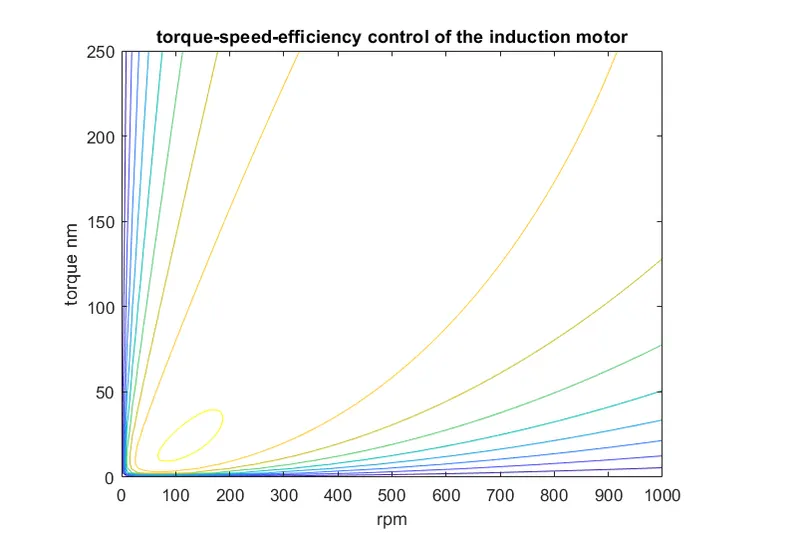
contourf(speed,torque,eff)
title('torque-speed-efficiency control of the induction motor');
xlabel('rpm');
ylabel('torque nm');
graph: