Week 10 - Simulating Combustion of Natural Gas.
Combustion:
Combustion, a chemical reaction between substances, usually including oxygen and usually accompanied by the generation of heat and light in the form of flame. The rate or speed at which the reactants combine is high, in part because of the nature of the chemical reaction itself and in part because more energy is generated than can escape into the surrounding medium, with the result that the temperature of the reactants is raised to accelerate the reaction even more
Stoichiometric Combustion:
Stoichiometric or Theoretical Combustion is the ideal combustion process where fuel is burned completely. A complete combustion is a process burning all the carbon (C) to (CO2), all the hydrogen (H) to (H2O) and all the sulphur (S) to (SO2).With unburned components in the exhaust gas such as C, H2, CO, the combustion process is uncompleted and not stoichiometric .
The combustion process can be expressed:
[C + H (fuel)] + [O2 + N2 (Air)] -> (Combustion Process) -> [CO2 + H2O + N2 (Heat)]
Stoichiometric Combustion of Methane - CH4
CH4 + 2(O2 + 3.76 N2) -> CO2 + 2 H2O + 7.52 N2
Reaction rate Models:
Laminar finite rate model:
The laminar finite-rate model computes the chemical source terms using Arrhenius expressions, and ignores the effects of turbulent fluctuations. The model is exact for laminar flames, but is generally inaccurate for turbulent flames due to highly non-linear Arrhenius chemical kinetics.
Eddy Dissipation Model:
The eddy dissipation model uses the rate of dissipation of eddies containing reactants and products to determine the reaction rates. The eddy dissipation method in its purest form computes reaction rates, based on rates of turbulent mixing.
Soot Formation:
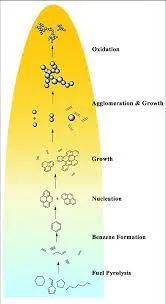
Soot particles are formed when gaseous molecules are heated to high temperatures, and they don't easily turn back to gaseous molecules the way water droplets do when they are heated up. Strong chemical bonds hold soot particles together.
Geometry:
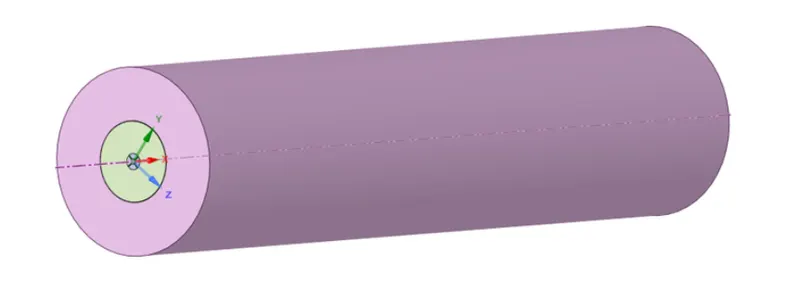
- Since we are moving with 2D model , the 3D model of cumbustor is split 3/4th and XY plane is selcted as we are using axisymmetric condition.
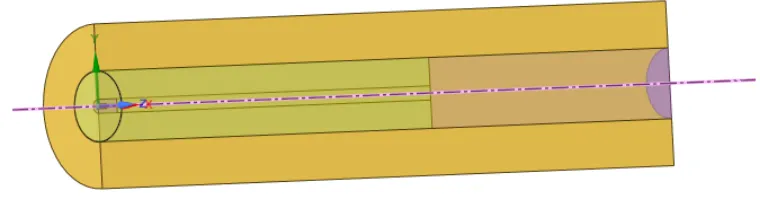

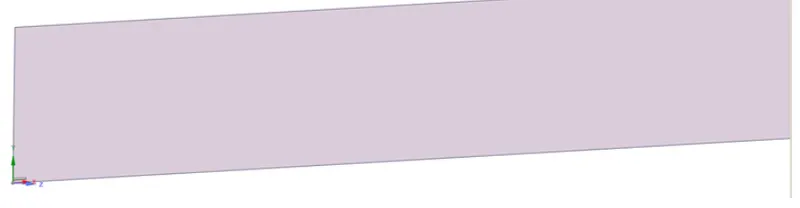
- After splitting the body , select the 2D plane normal to z-plane and copy that geometry to a new design sheet
- Then merge all the parts using combine command
Meshing:
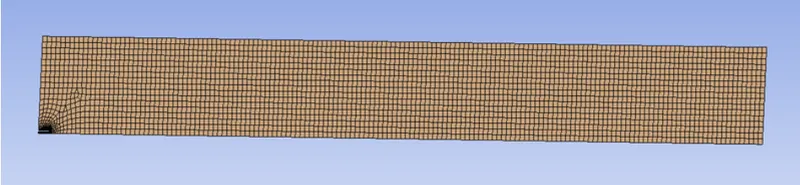
- Generate base mesh with capture proximity setting and set the cell gap to 3 cells or so
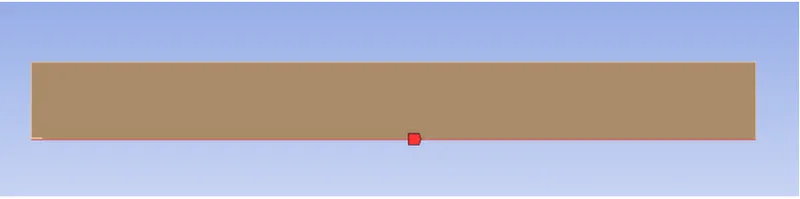

(Axis) (Wall)
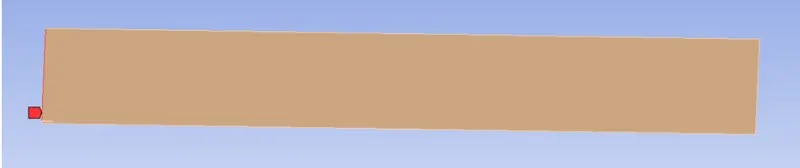
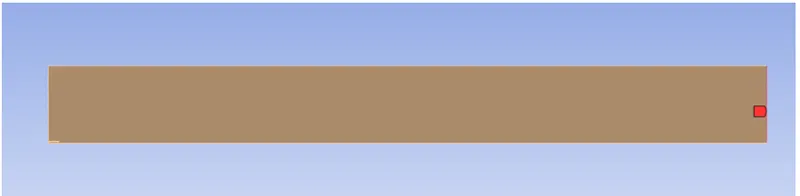
(Air inlet) (Outlet)
Fluent:
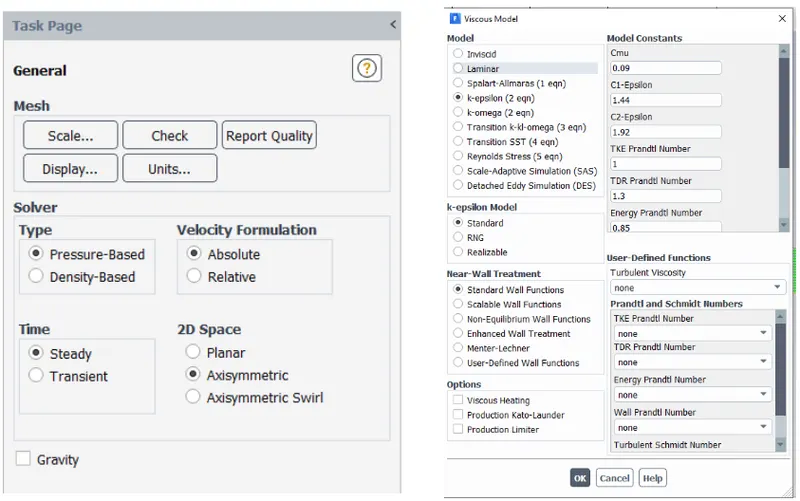
Species and Model:
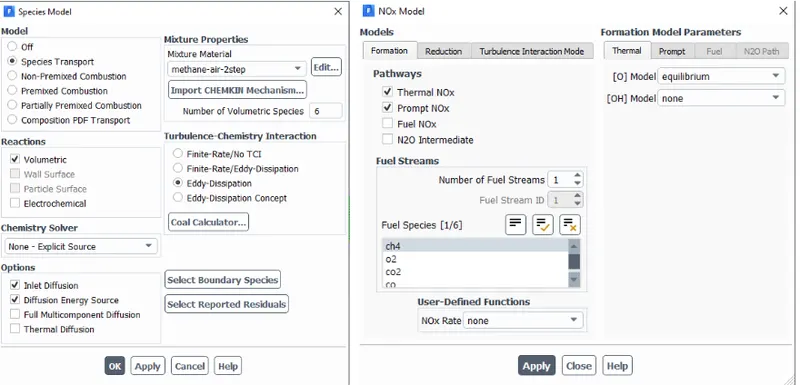
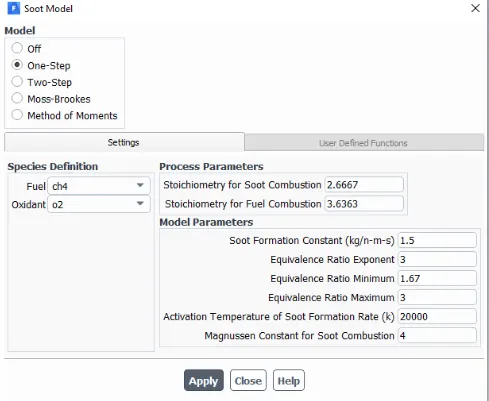
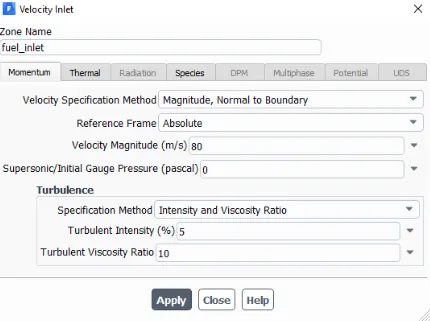
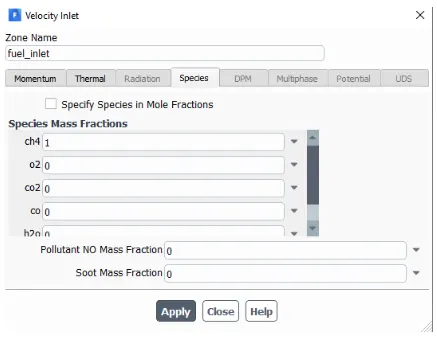
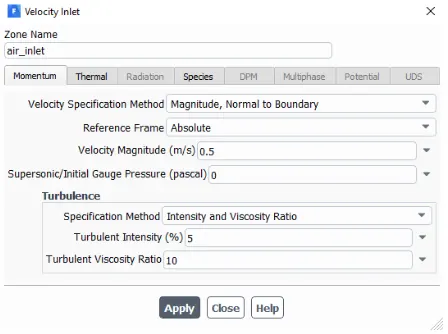
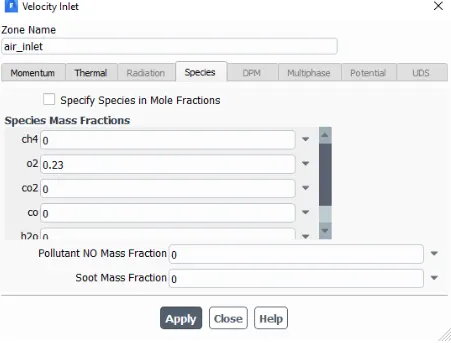
Part 1:
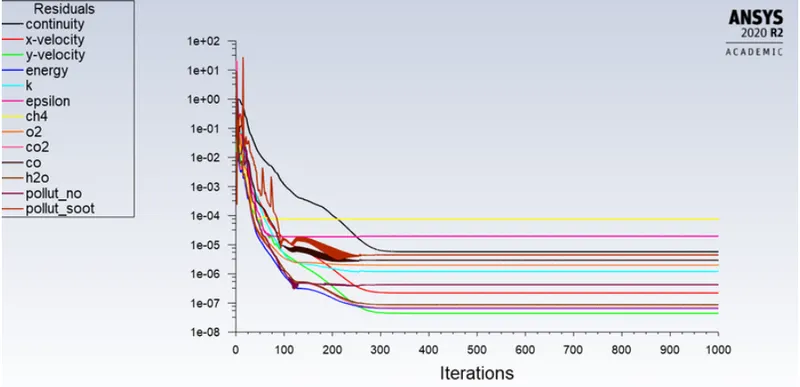
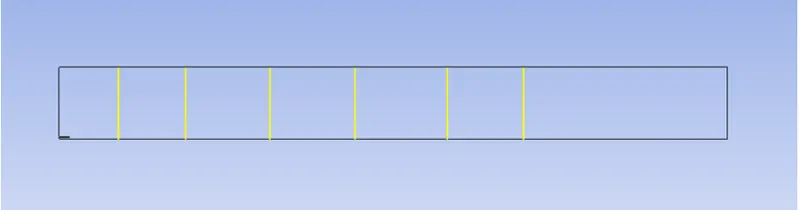
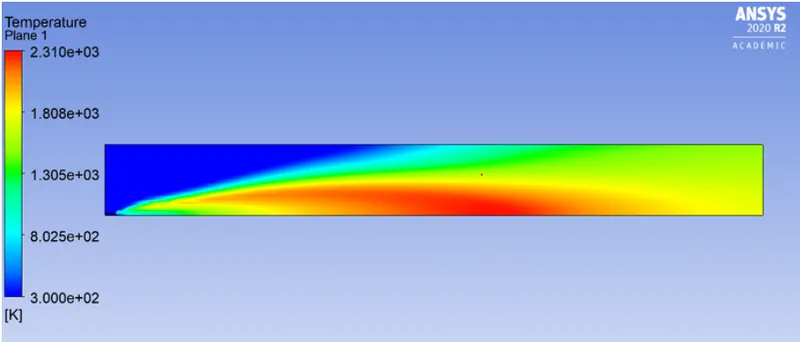
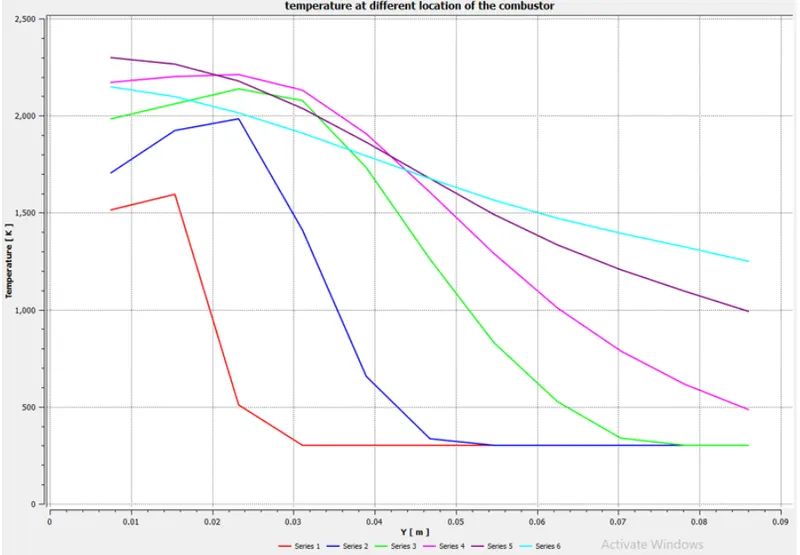
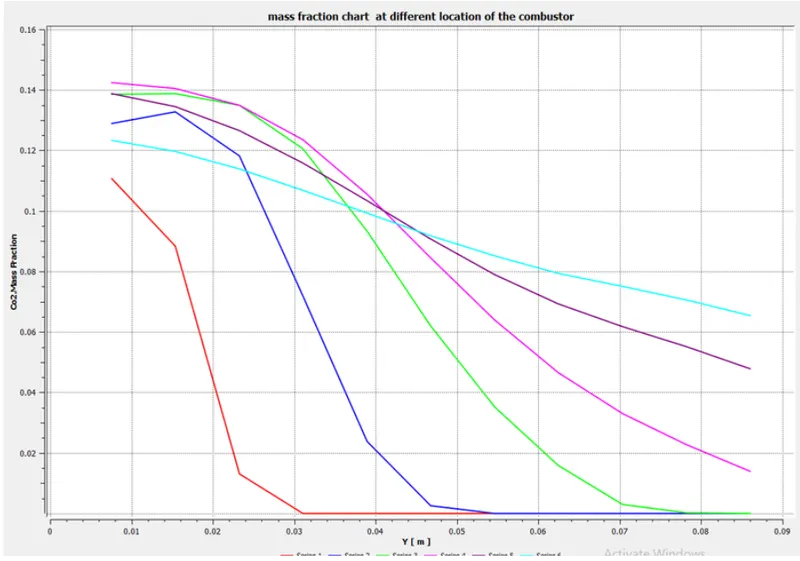
Co2 contour :
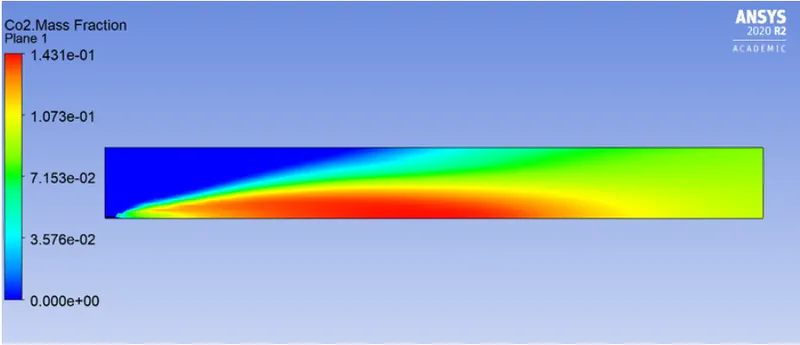
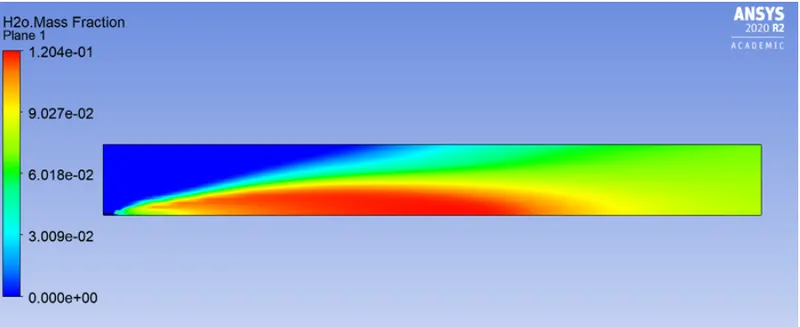
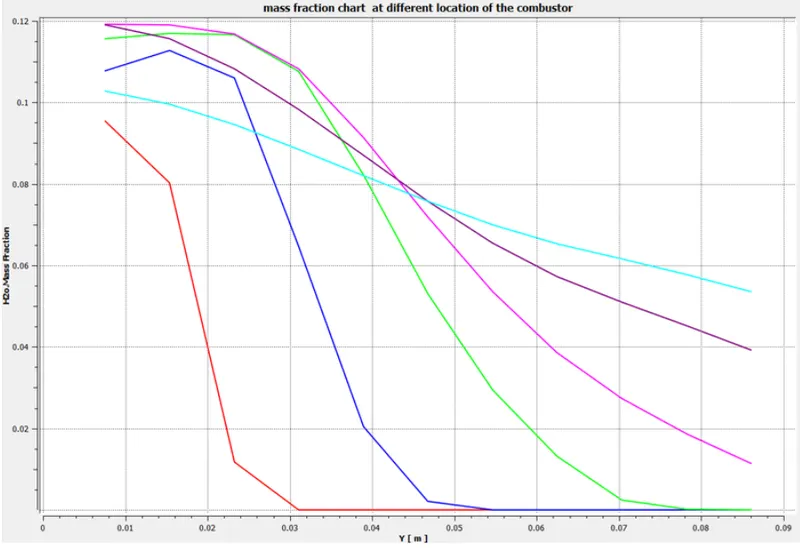
H20 contour
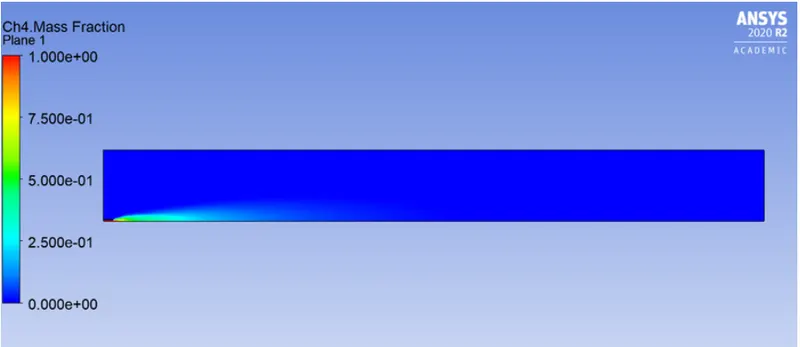
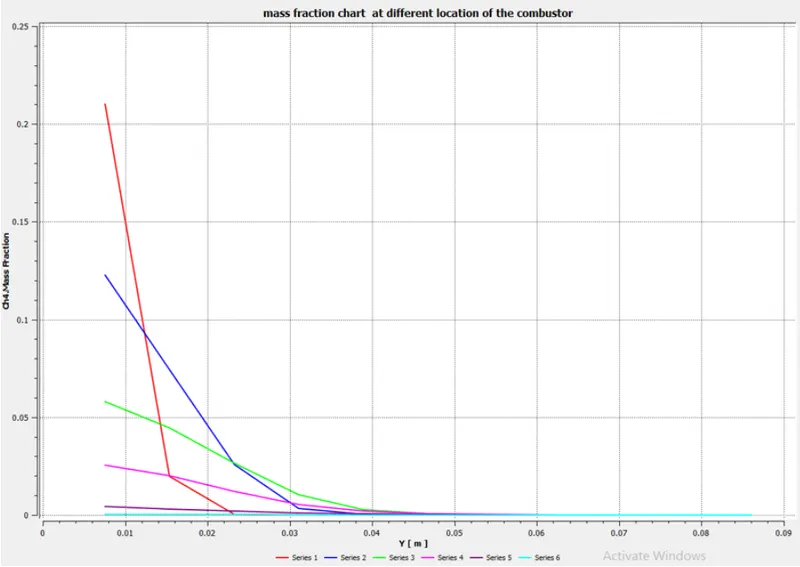
CH4:
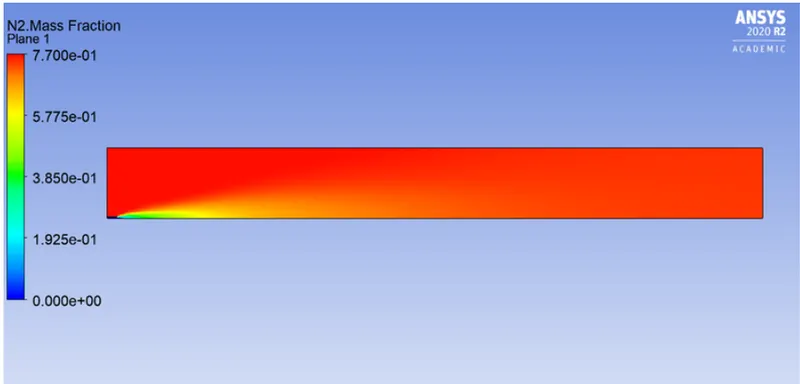
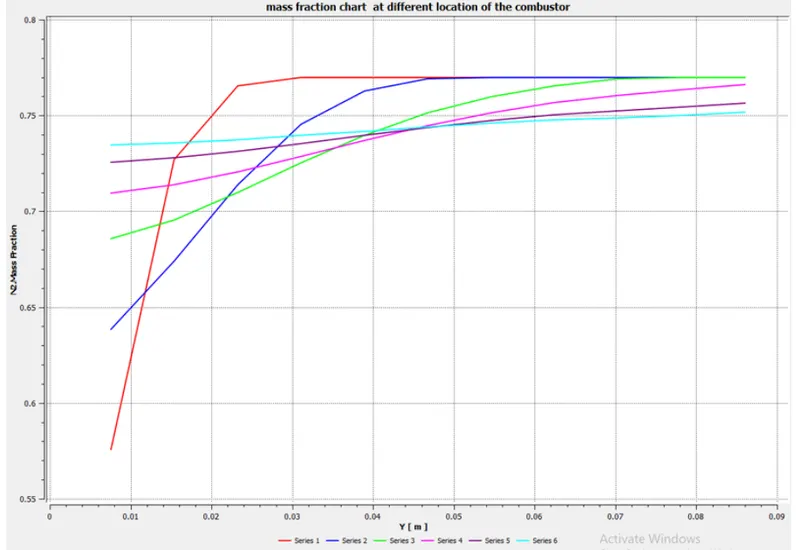
N2 contour:
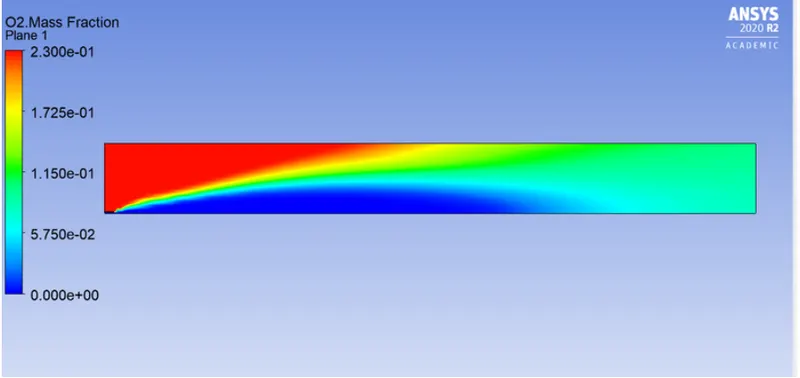
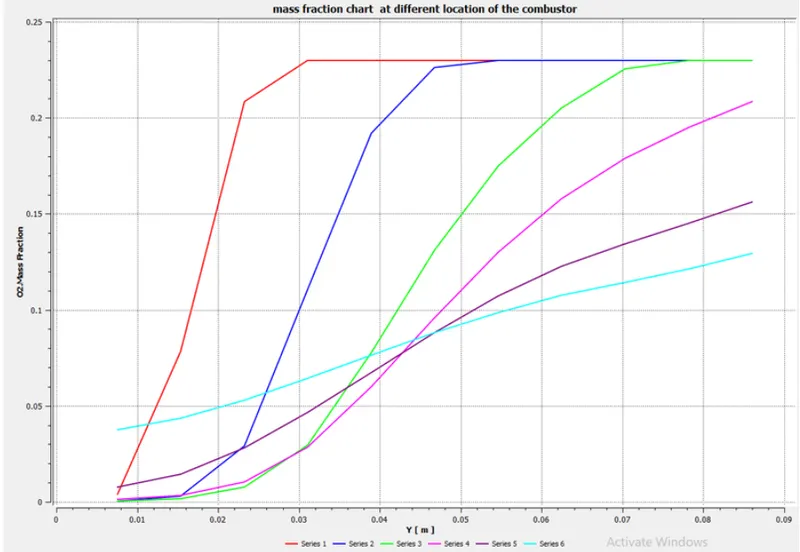
O2:
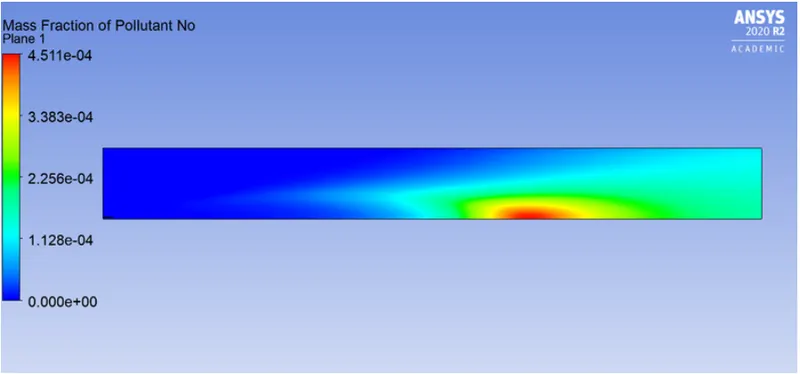
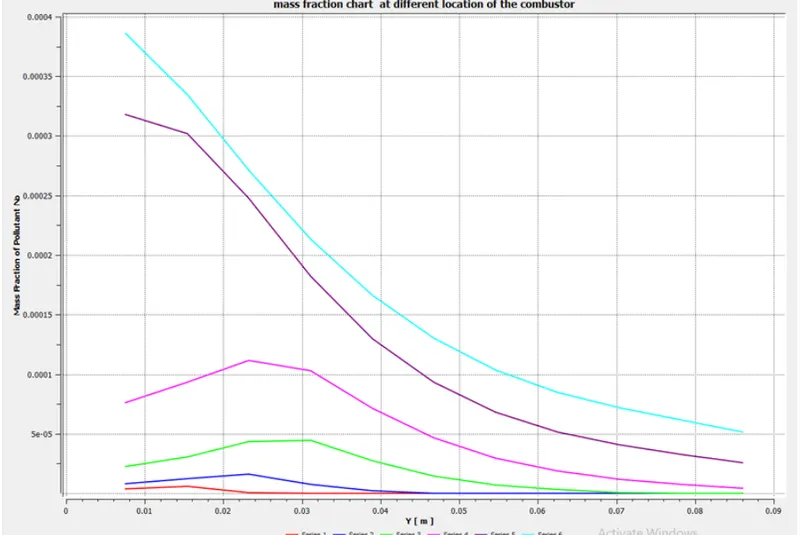
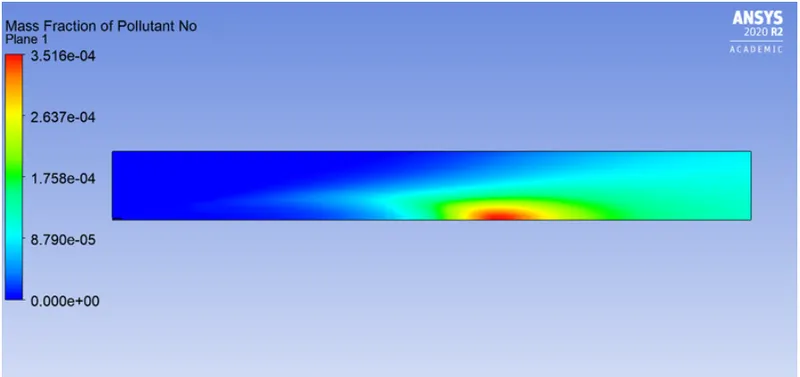
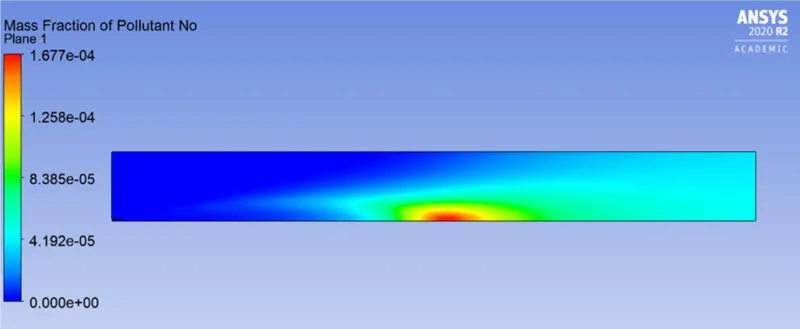
Nox:
Part2:
In this we add water into the fuel inlet
Setting H20 and CH4 as the parameter in the fuel inlet boundry
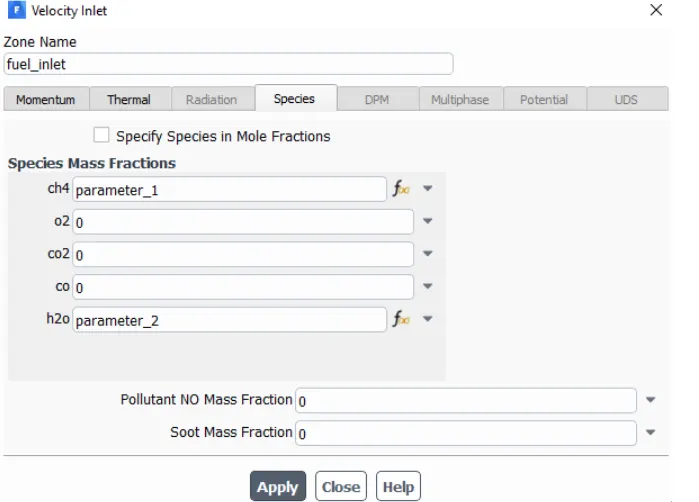
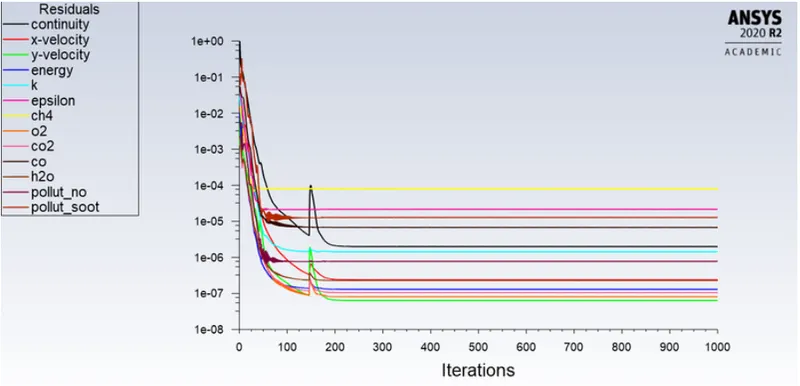
- for 5% addition of water into the fuel CH4
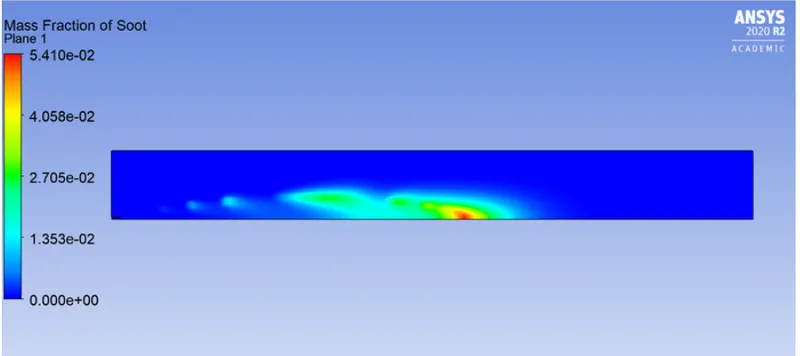
- For 10% of water into fuel CH4
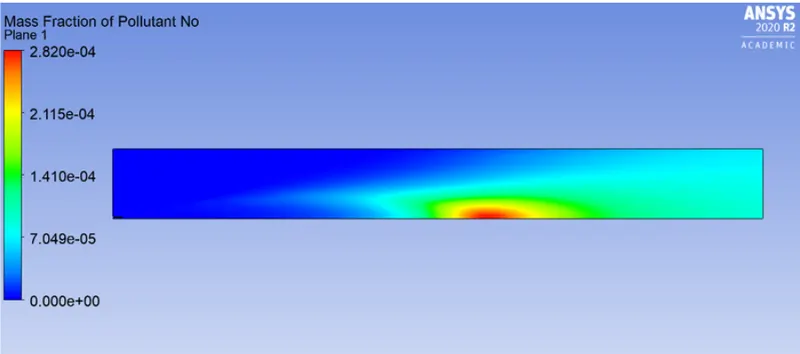
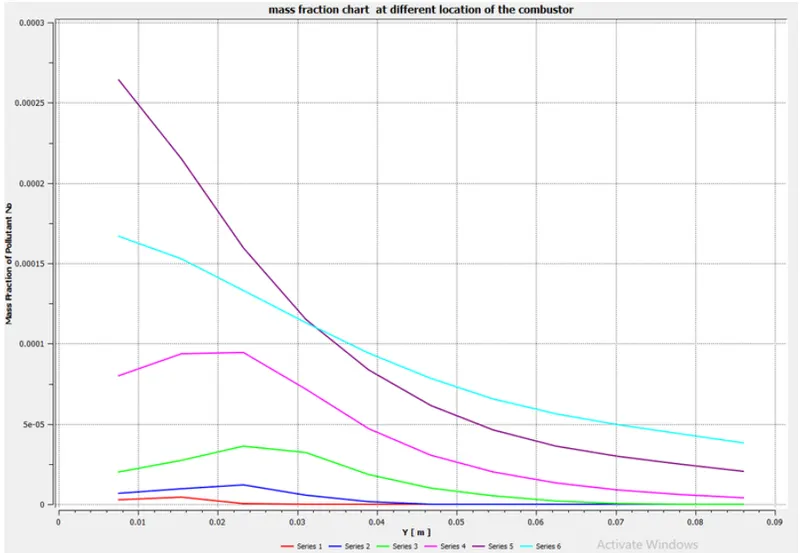
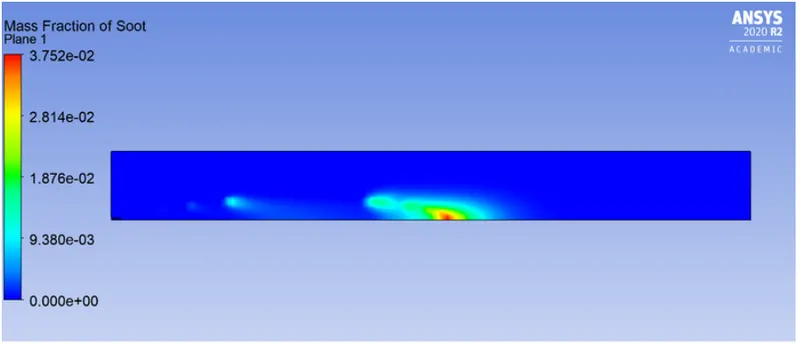
- For 20% of water into fuel(CH4)
Results:
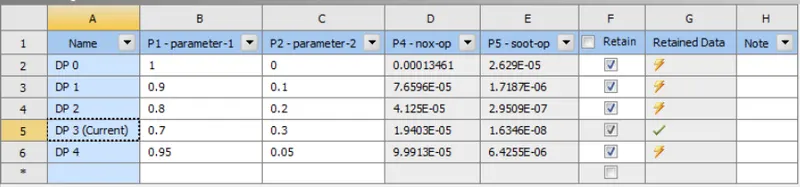
| % water addition | % fuel | Nox mass fraction | soat mass fraction |
| 5 | 95 | 9.99E-05 | 6.43E-06 |
| 10 | 90 | 7.66E-05 | 1.72E-06 |
| 20 | 80 | 4.12E-05 | 2.95E-07 |
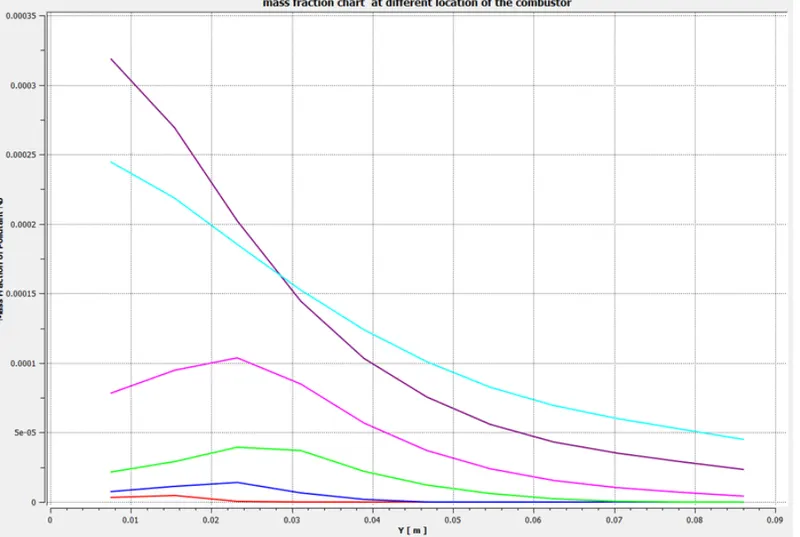
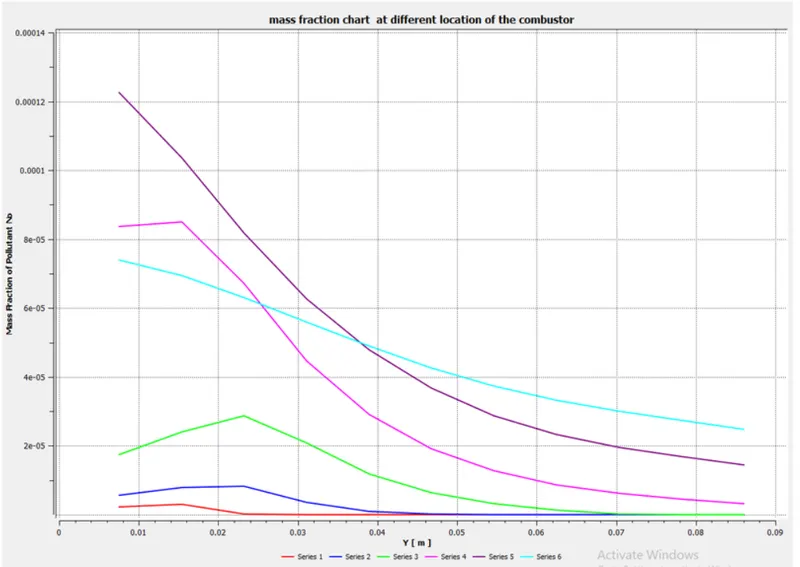
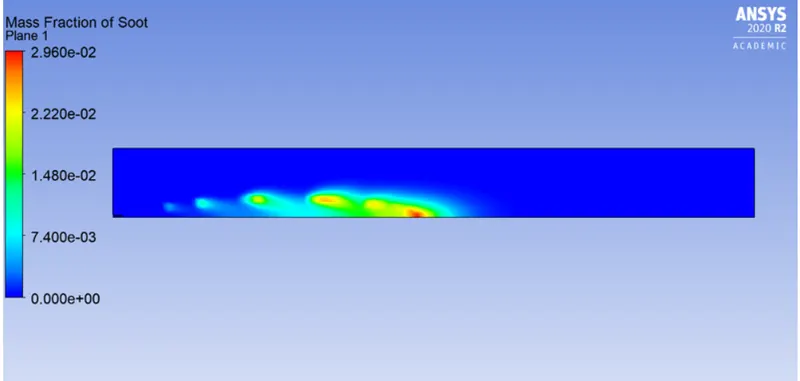
From the above plots it is observed that Nox and soot formation is reduced with an increase in the mole fraction of water in hte methane-air mixture. With the addition of water in hte fuel mixture , the temperature is reduced which in turn delays the combustion to tkake place which leads to an effecient fuel and air.
Soot is formed as a result of burning fuel in presence of less oxygen at low tempeature. As complete combustion take place due to effecient mixing of fuel and air there is very less ampunt of fuel and oxygen present after combustionn as a result of soot formation is reduced