Simulating Combustion of Natural Gas.
Aim:
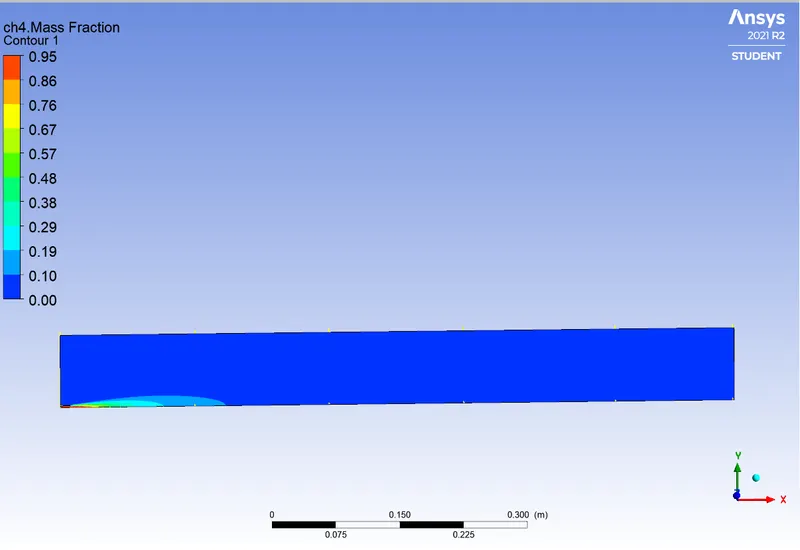
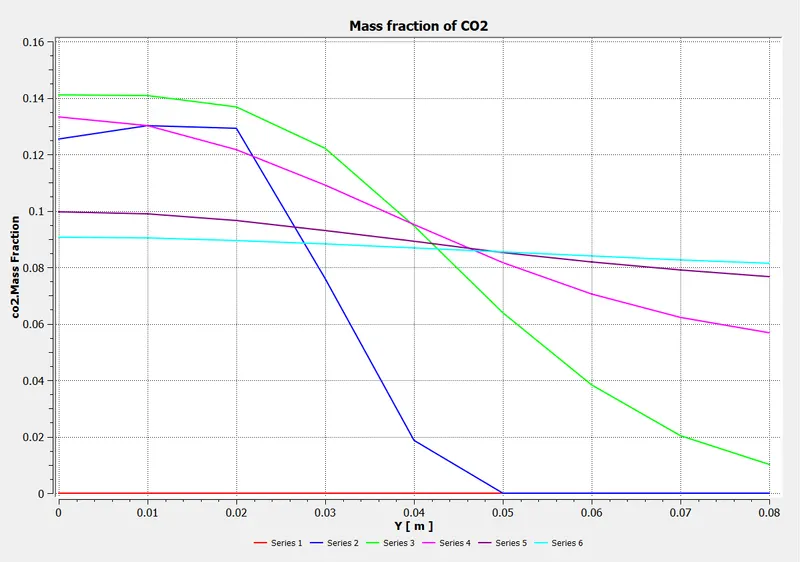
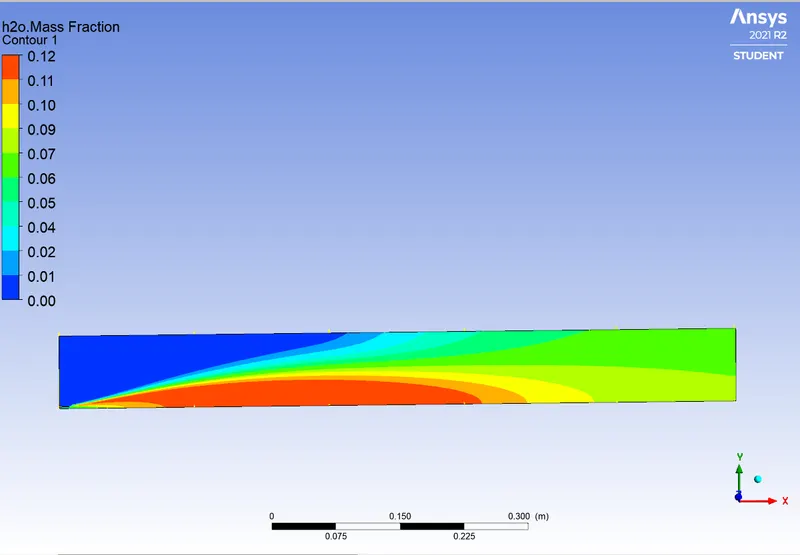
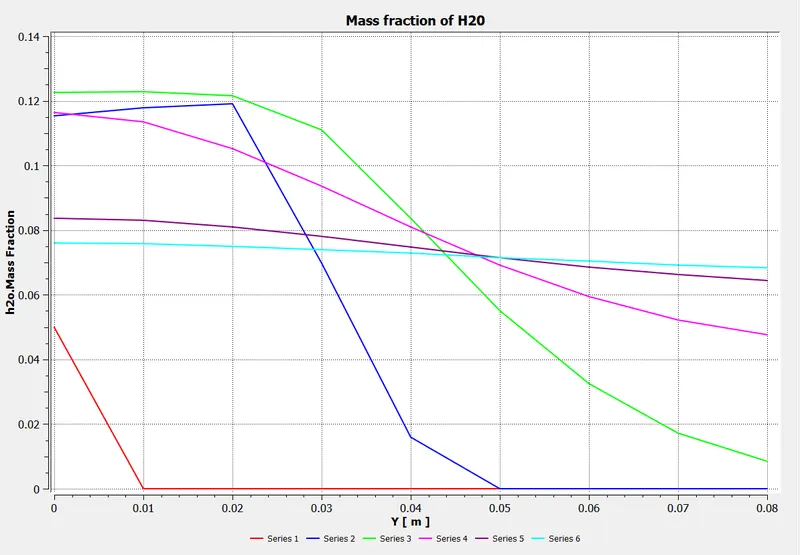
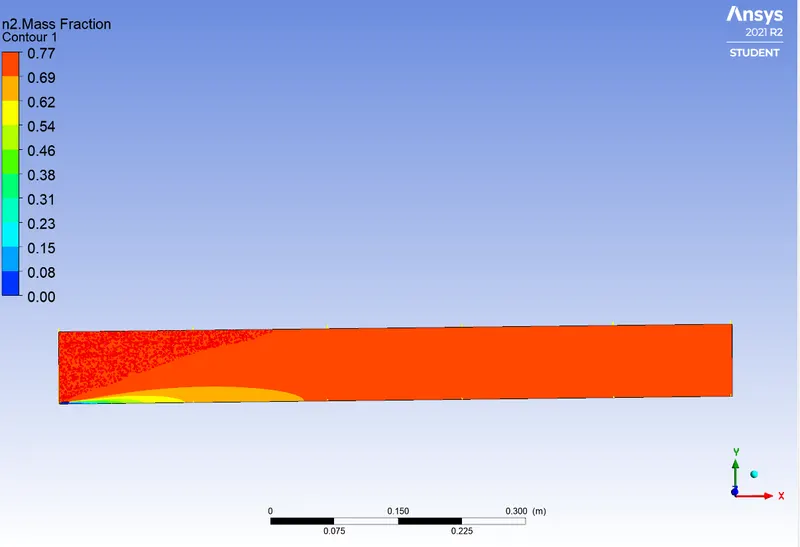
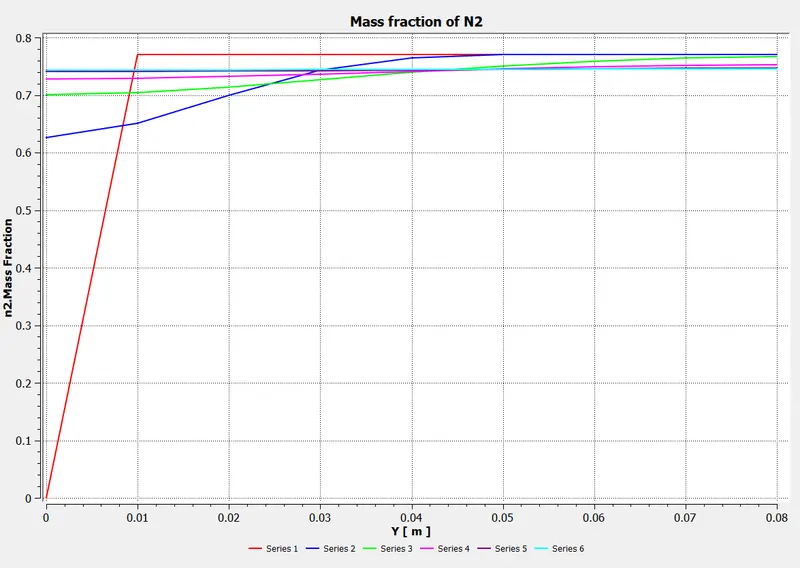
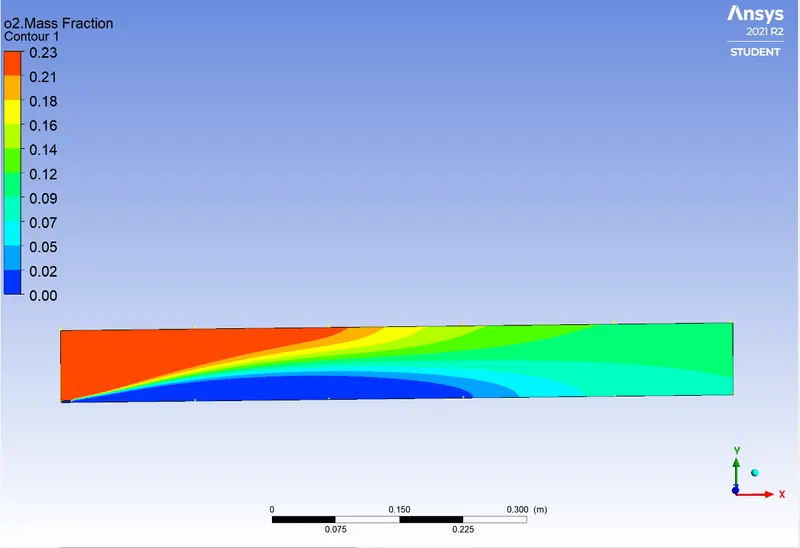
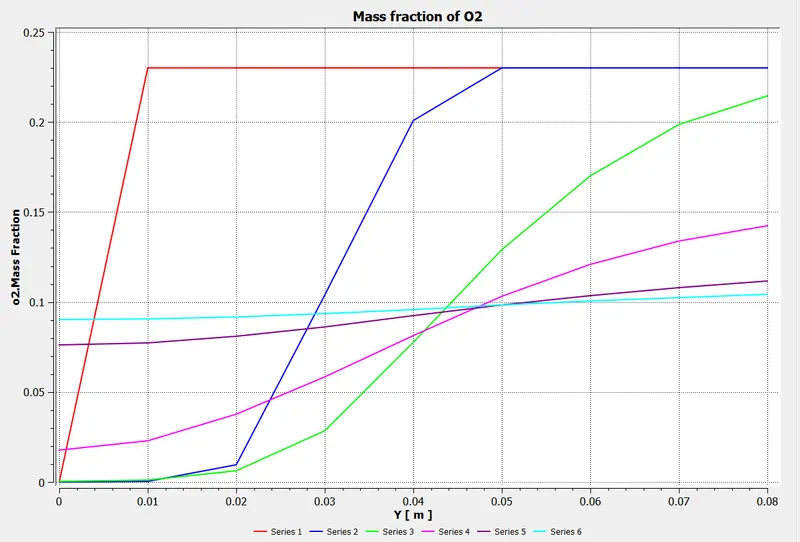
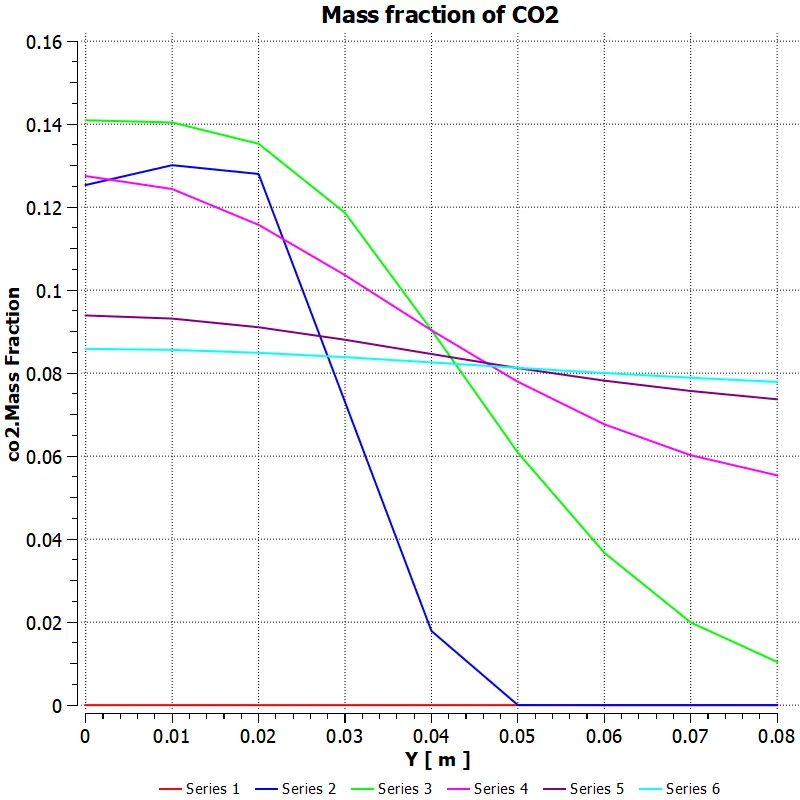
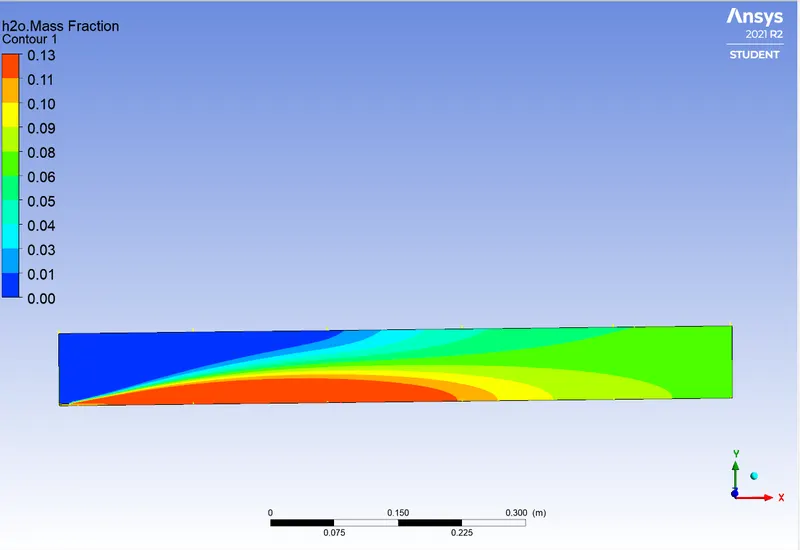
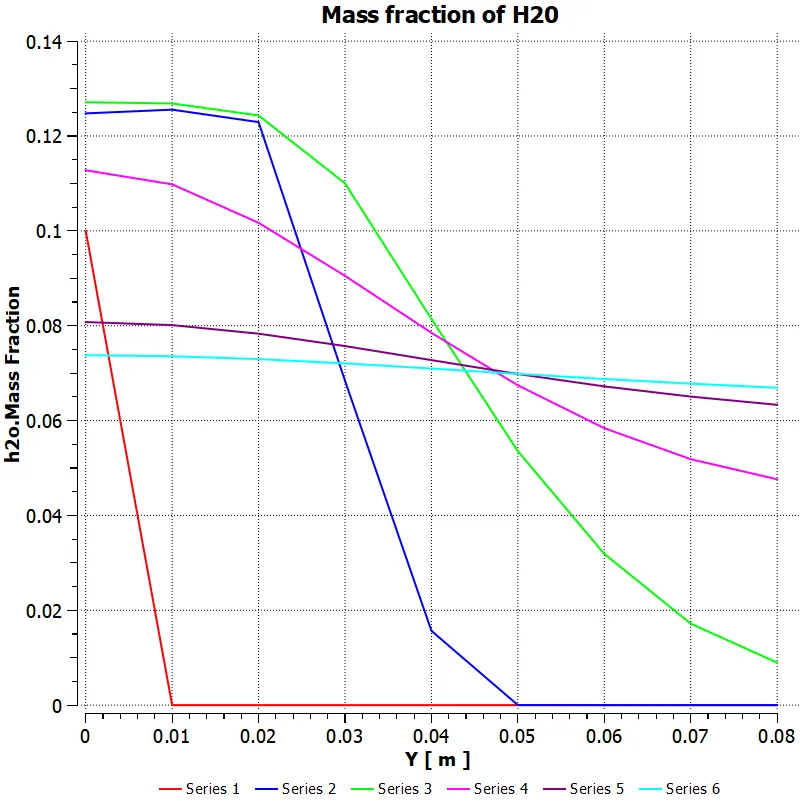
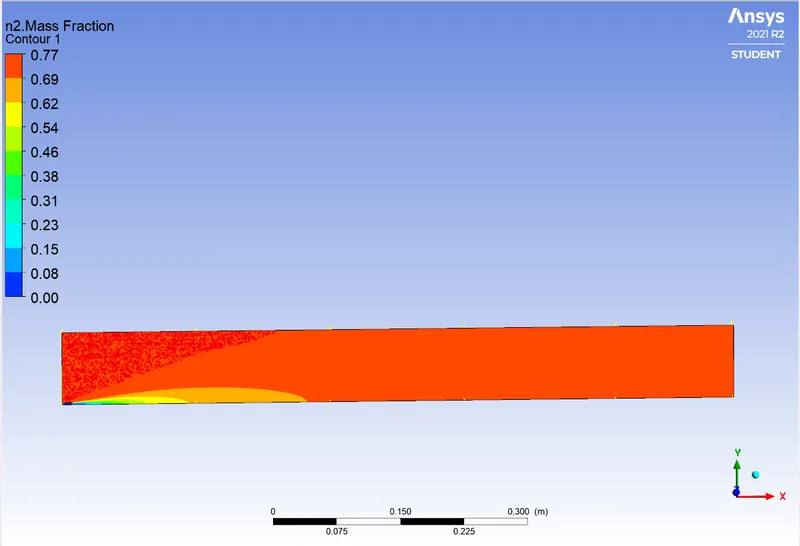
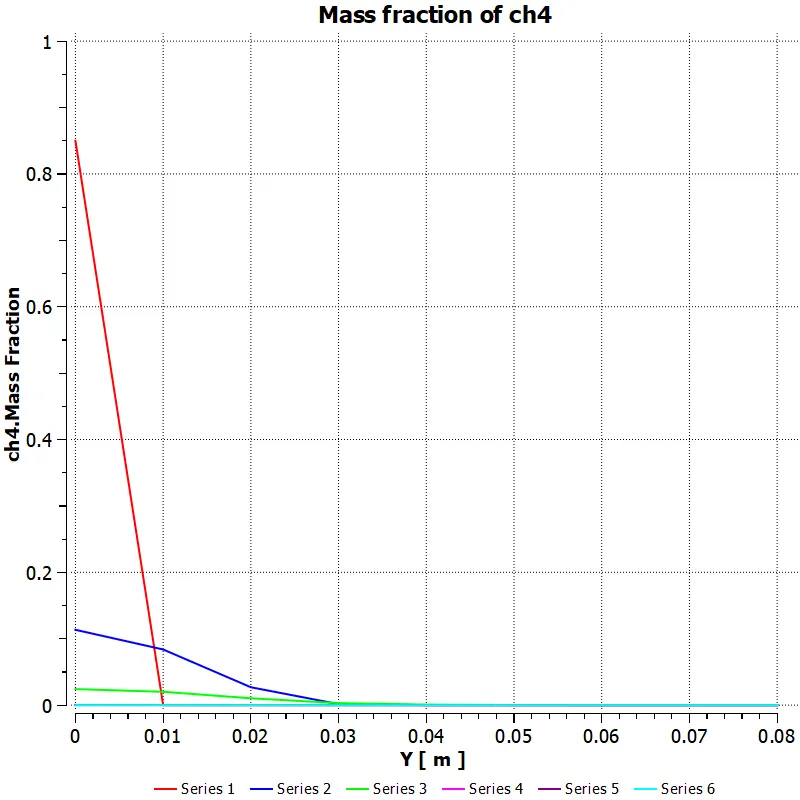
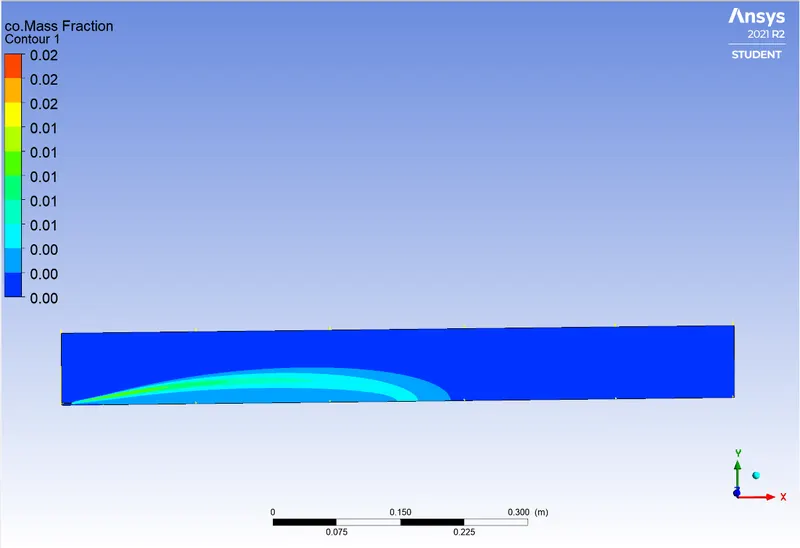
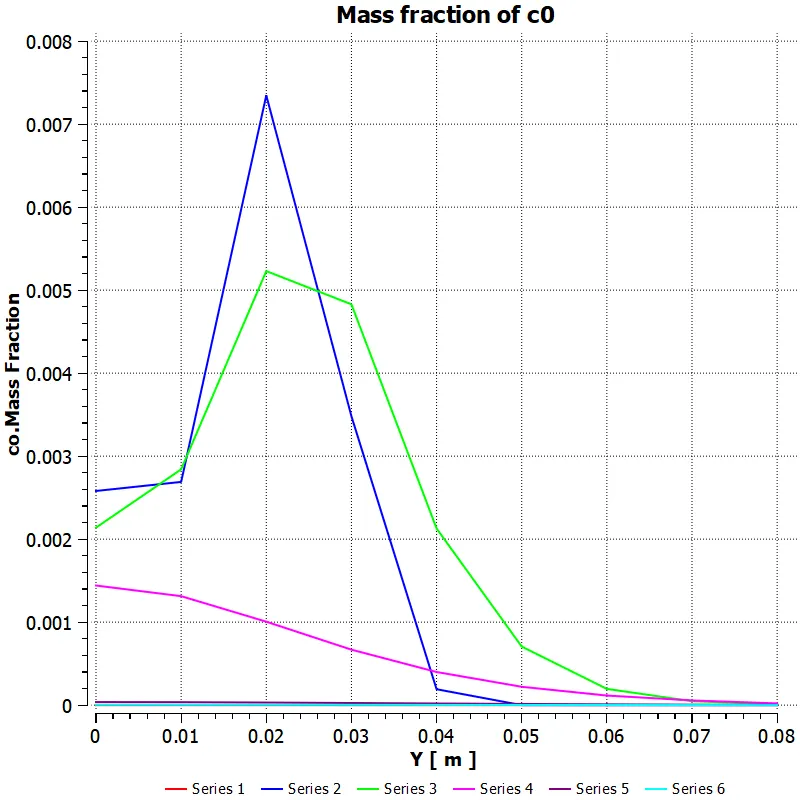
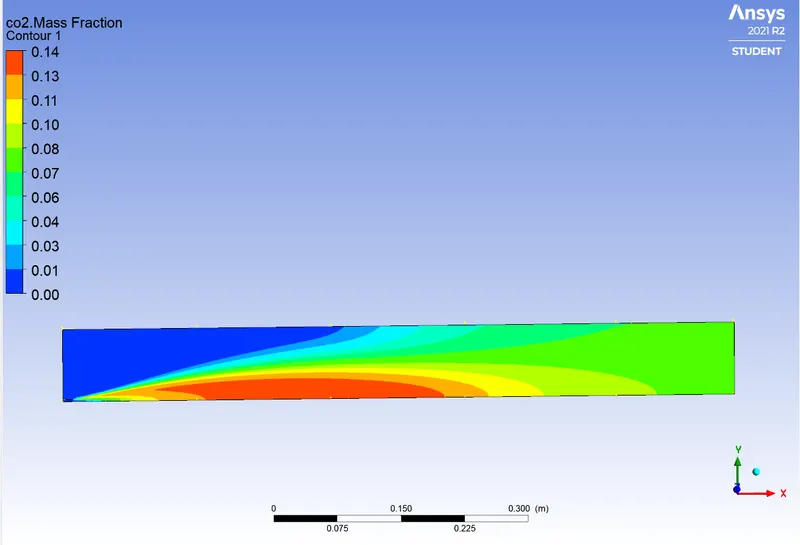
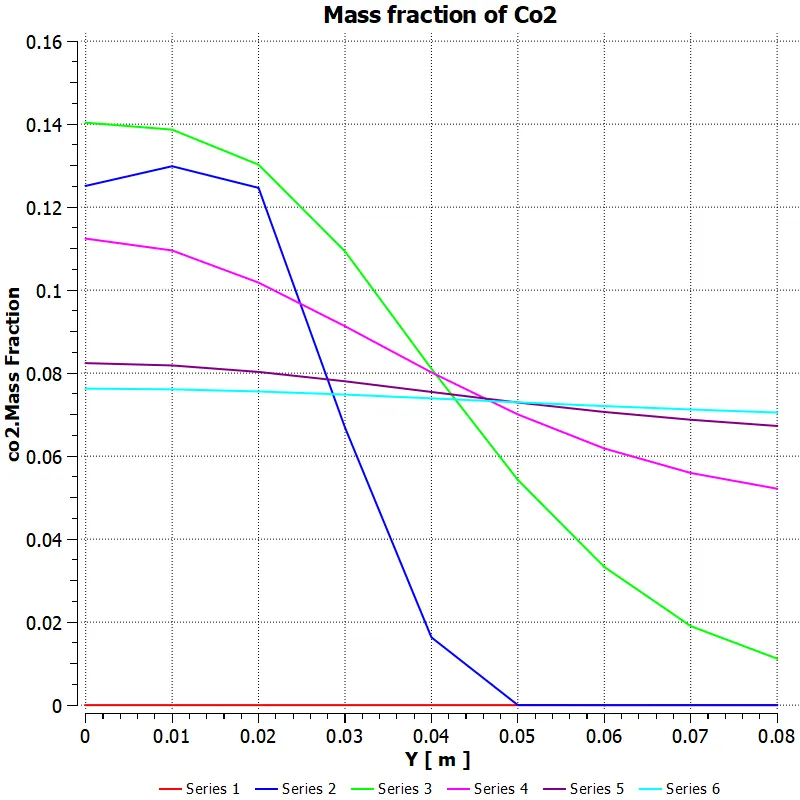
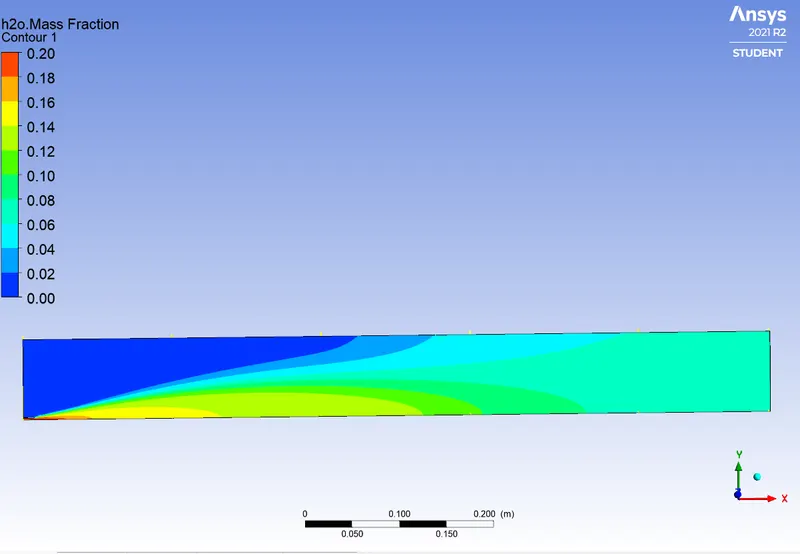
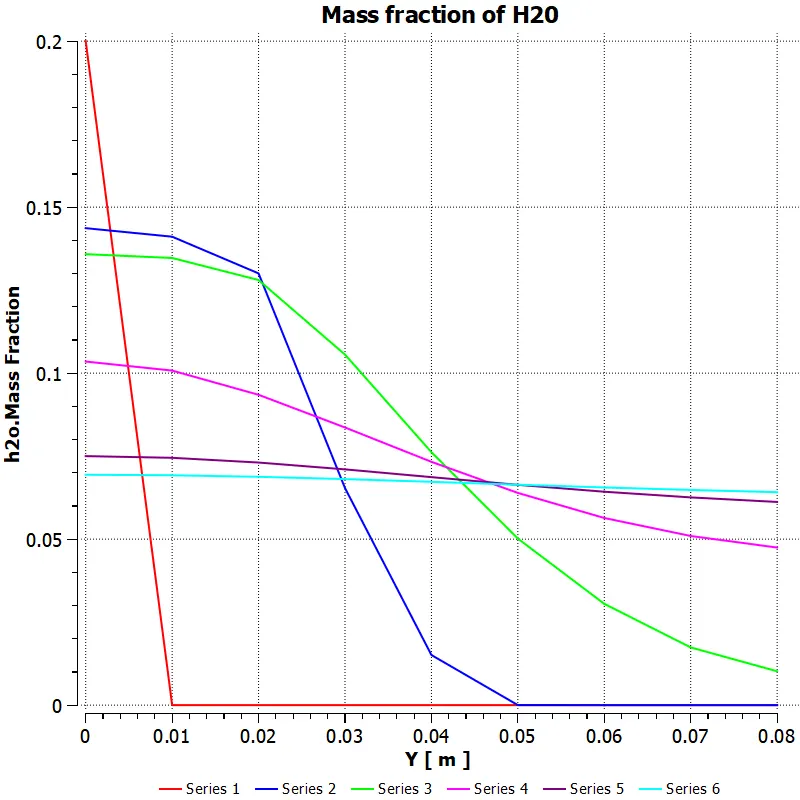
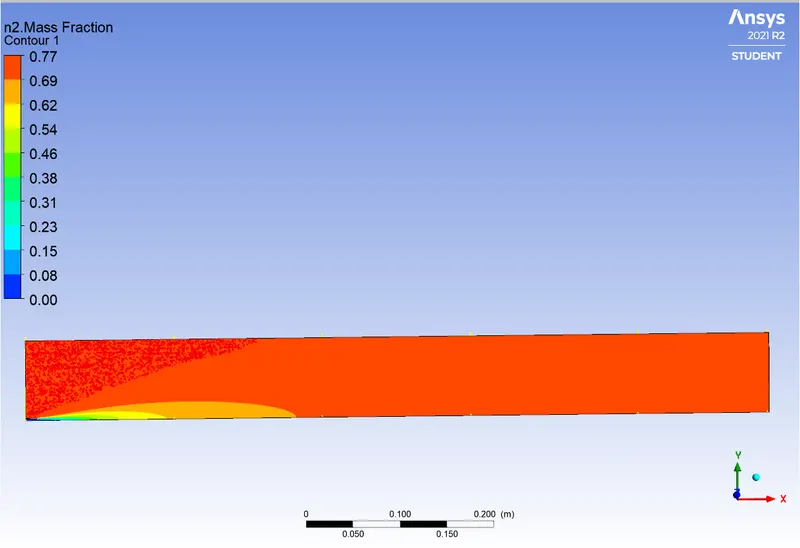
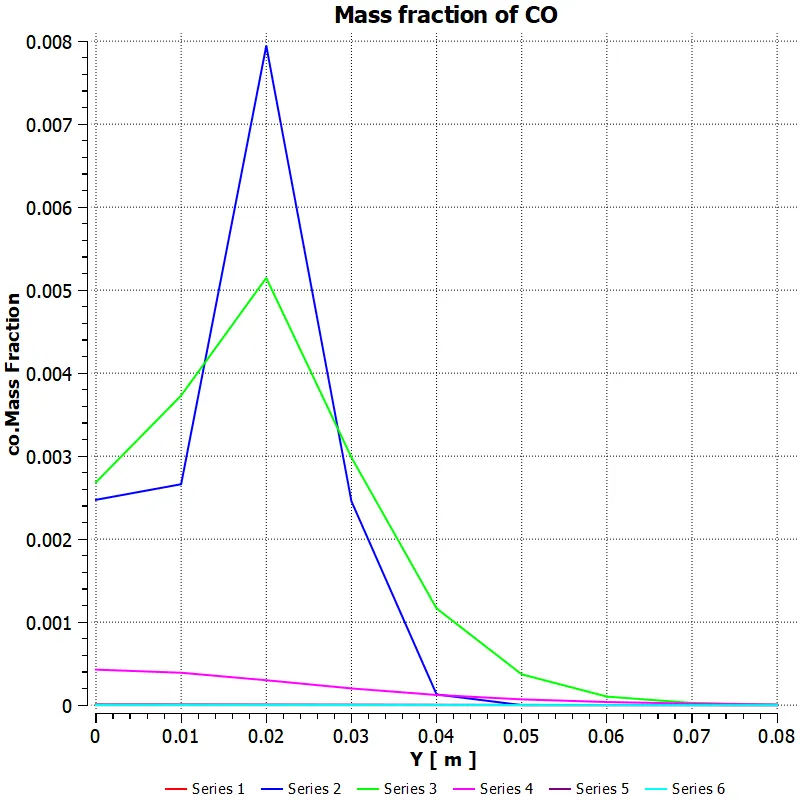
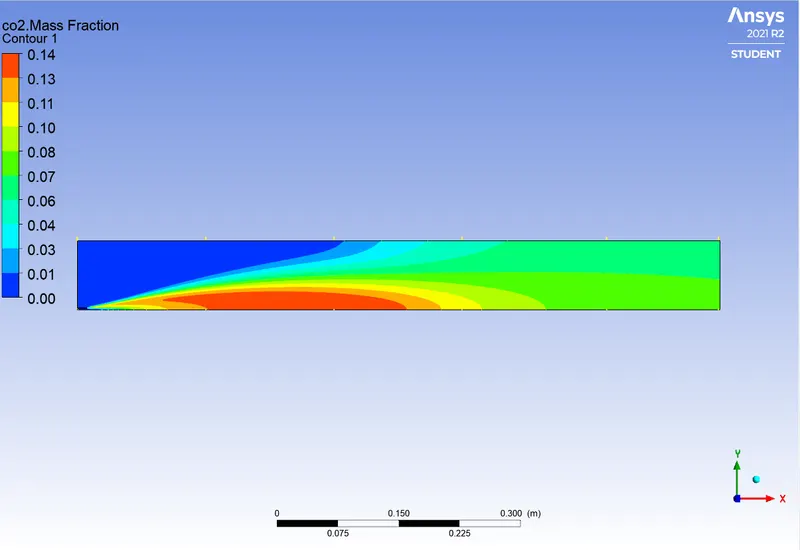
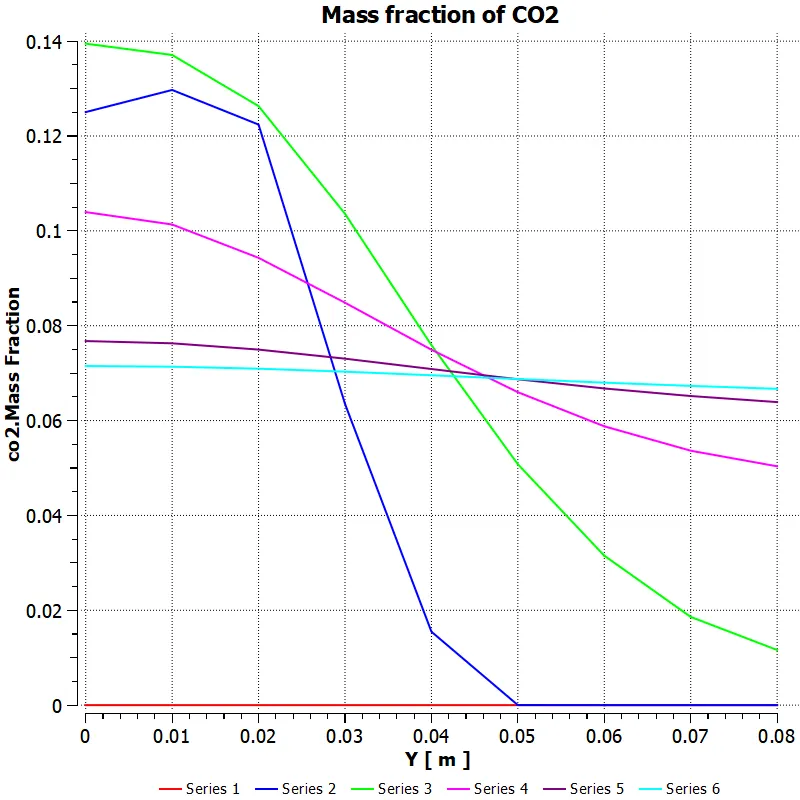
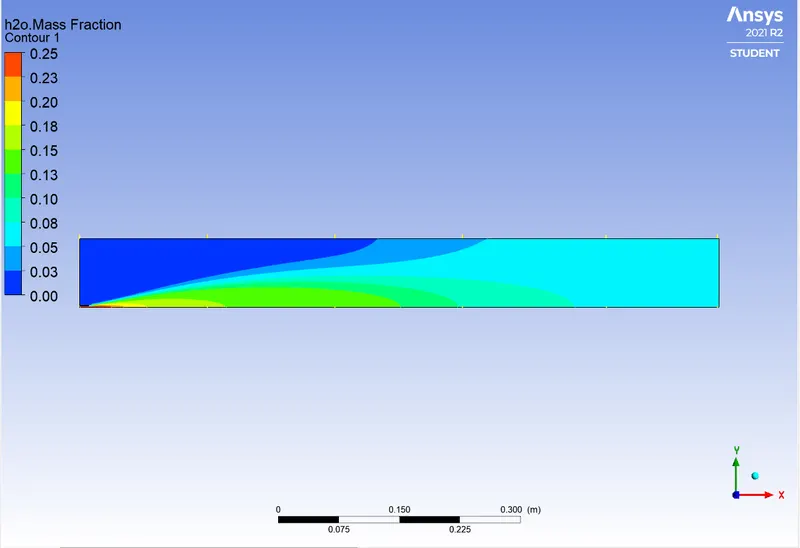
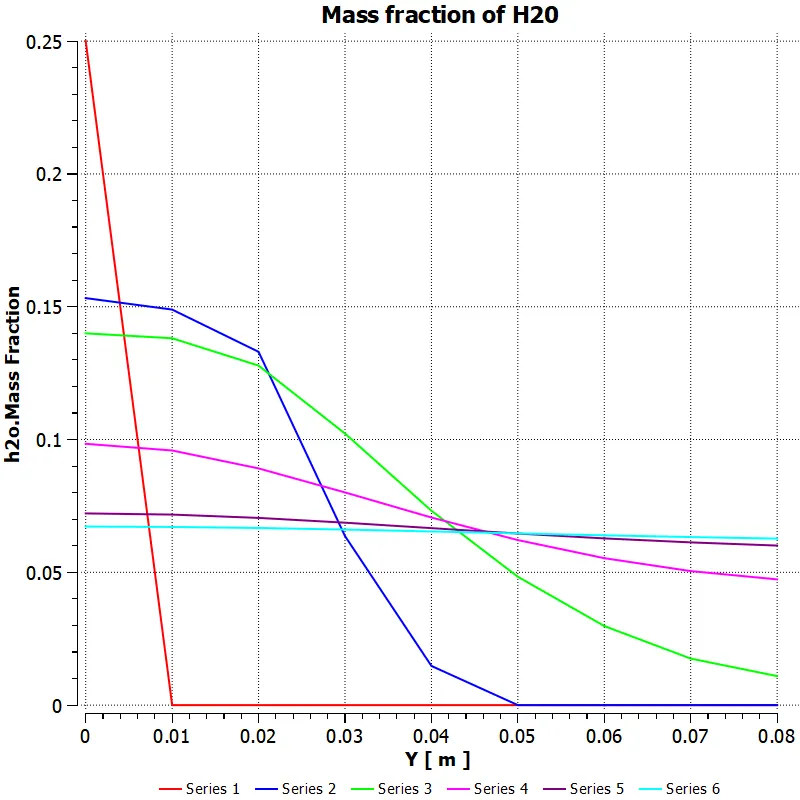
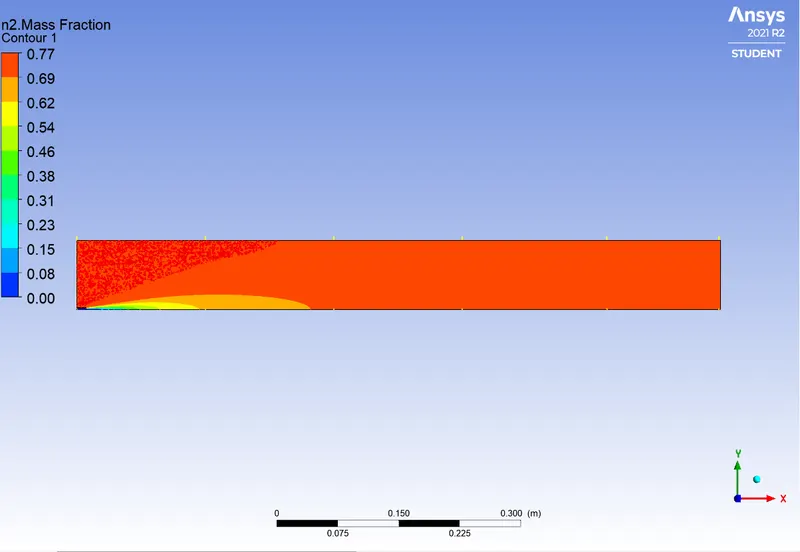
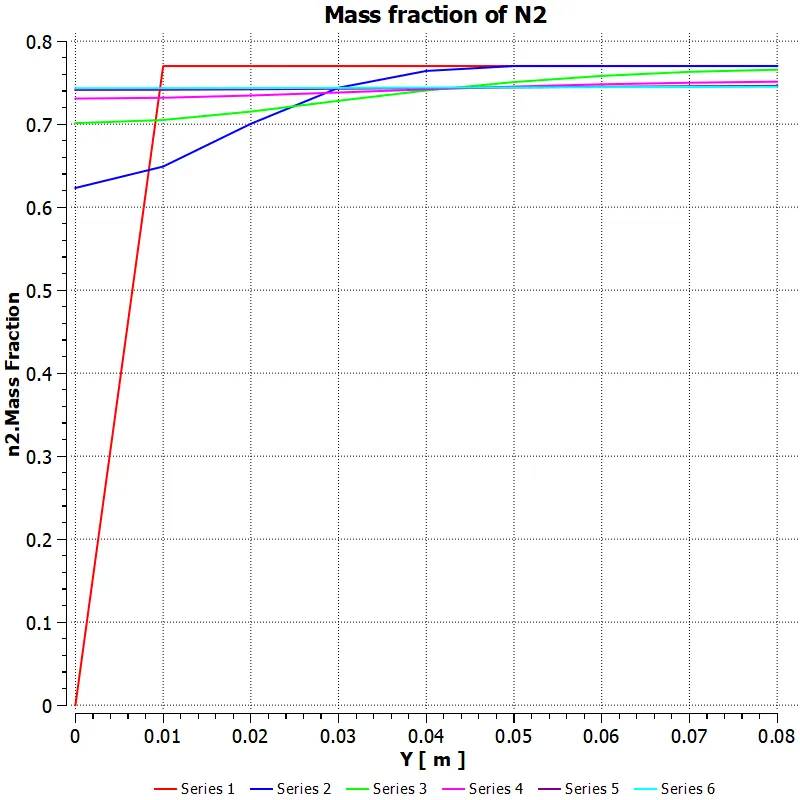
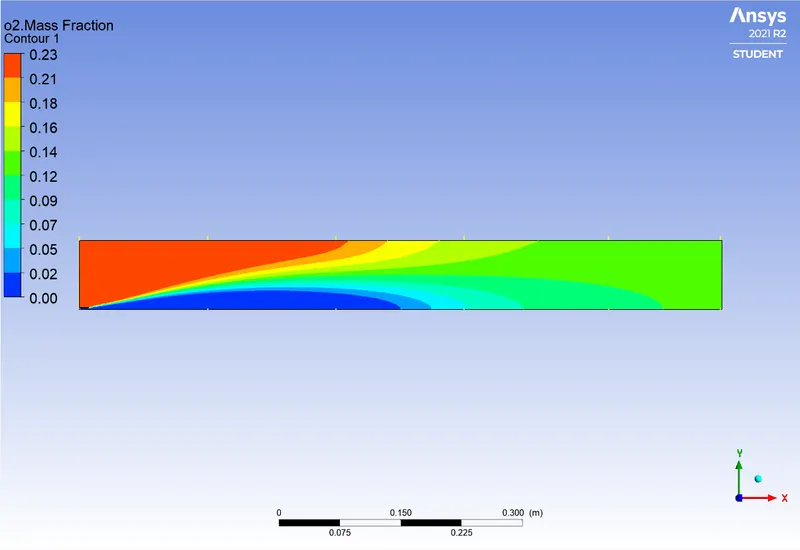
- To Perform a combustion simulation on the combustor model and plot the variation of the mass fraction of the different species in the simulation using line probes at different locations of the combustor.
- To observe the effect of adding water content in the fuel by 5 % to 30 % by mole.
Combustion:
Combustion or Burning is a basic chemical process of releasing energy from the mixture of air and fuel.
Combustion stimulation Types:
- Based on Mixing:
- Non-premixed combustion(Direct injection, Late injection)
- Premixed combustion (Carburetor)
- Partially premixed.
2. Based on phase
- Fluid phase (Volumetric reactions)
- Wall (Surface reactions)
- Particles (Surface reaction)
- Porous region.
Non-Premixed Combustion:
In non-premixed combustion, fuel and oxidizer enter the reaction zone in distinct streams. This is in contrast to premixed systems, in which reactants are mixed at the molecular level before burning. Examples of non-premixed combustion include pulverized coal furnaces, diesel internal combustion engines, and pool fires.
Chemical reaction:

Where,
1= a,
4 = 2b therefore b=2,
2 ar = 2a+b therefore ar = 2,
ar*7.52=2C therefore C =7.52.
Air has 2 moles of oxygen + 7.52 moles of nitrogen
Mole fraction = Moles of the substance/Total moles of the mixture.
- Mole fraction of Oxygen = 2/9.52 = 0.21
- Mole fraction of Nitrogen = 7.52/9.52 = 0.79
Mass fraction:
Mass fraction = Mass of the substance / Total mass of the mixture
Mass fraction of Oxygen = (16*0.21)/((16*0.21)+(14*0.79)) = 0.23
Mass fraction of Nitrogen = (14*0.79)/((16*0.21)+(14*0.79)) = 0.76
Topological Clean-up:
- Importing CAD file into AnsysSpaceClaim: Open Ansys ⇒ Geometry ⇒ drag and drop the file.
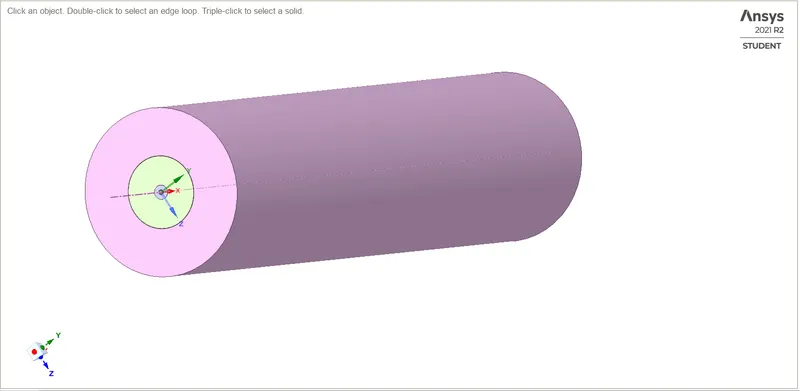
Converting 3D combustor to 2D Axis symmetry (combustor) geometry:
- Select Design ⇒ Plane ⇒ Click the origin ⇒ Delete unnecessary plane (YZ axis).
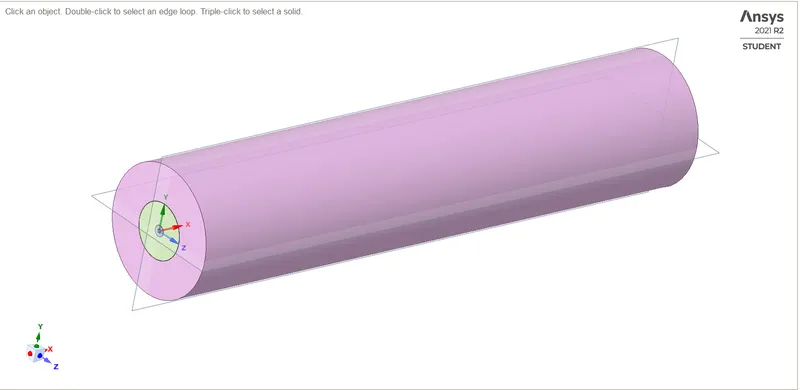
- Select Splitbody command to split the combustor into two halves by using the plane created in the previous step.
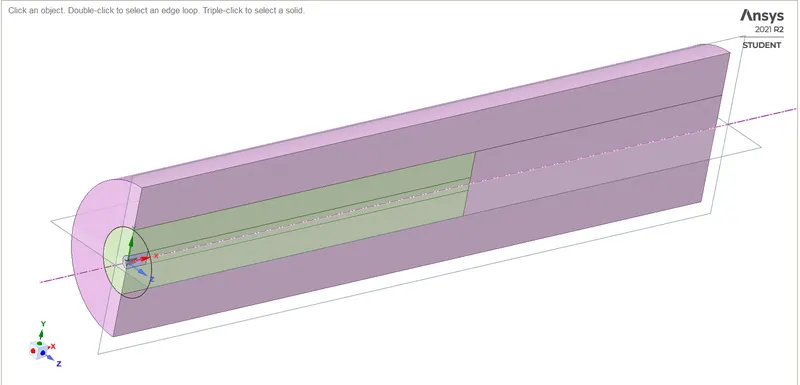
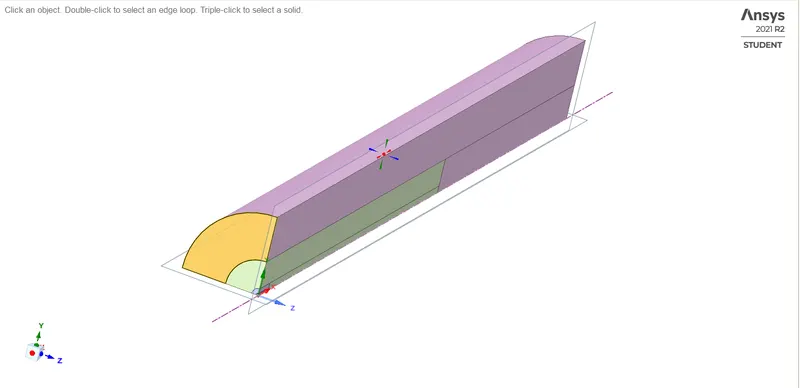
- Select Design ⇒ Combine ⇒ Select different regions and merge.
- Select the required face ⇒ Copy it and paste in New design.
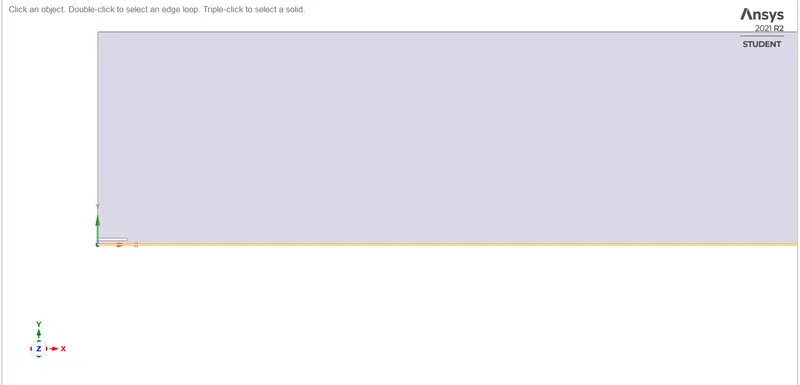
- Required geometry of Combustor is obtained.
Naming and Meshing:
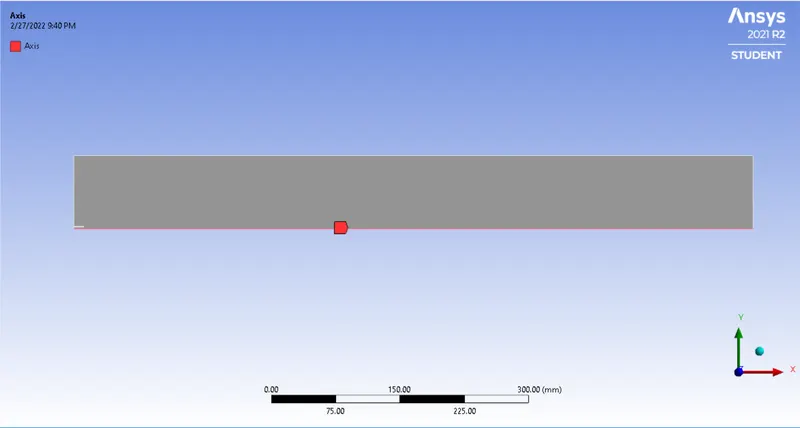
Axis:
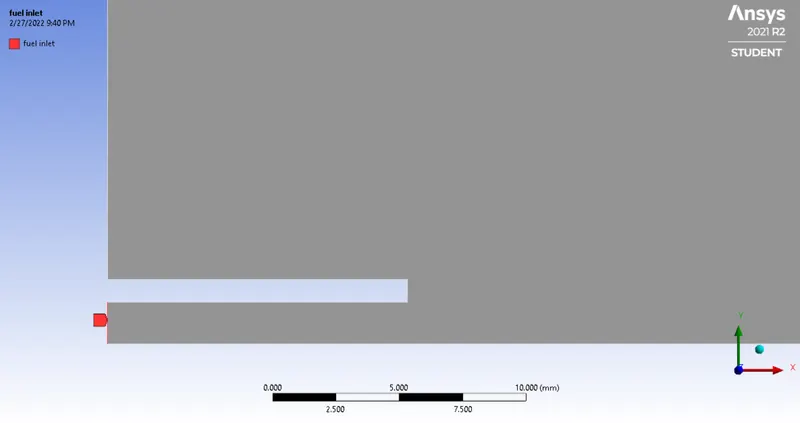
Fuel Inlet:
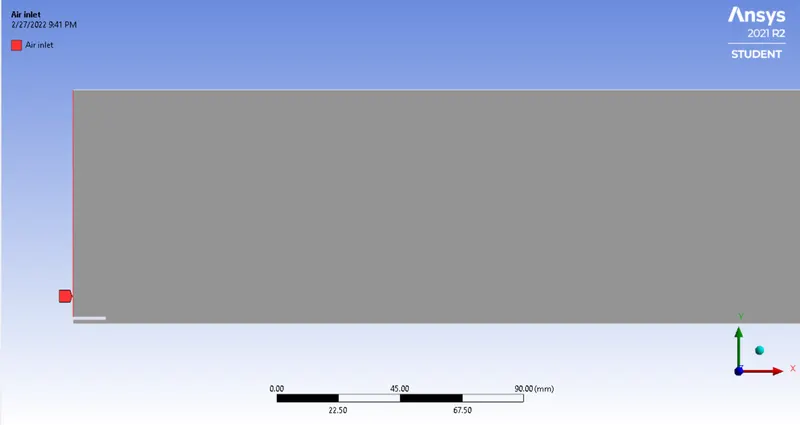
Air Inlet:
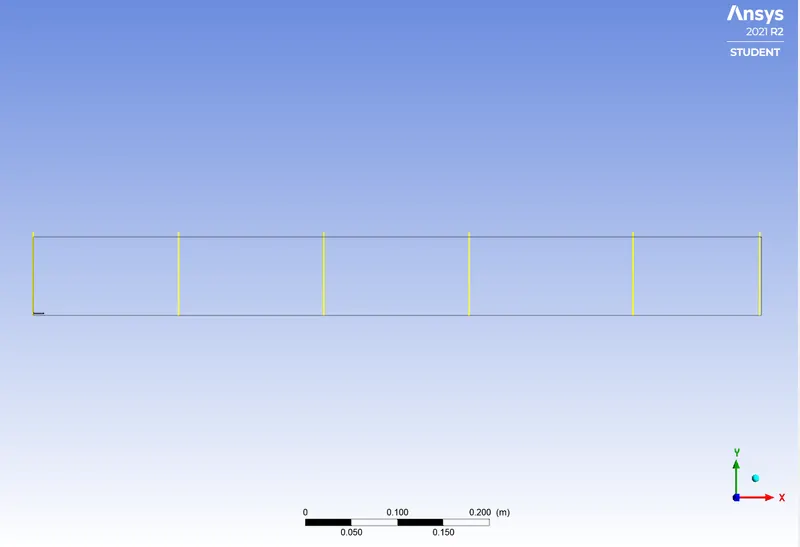
Wall:
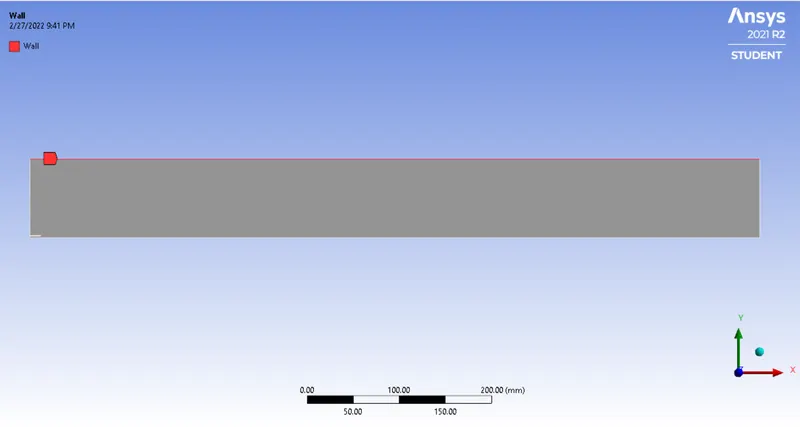
Outlet:
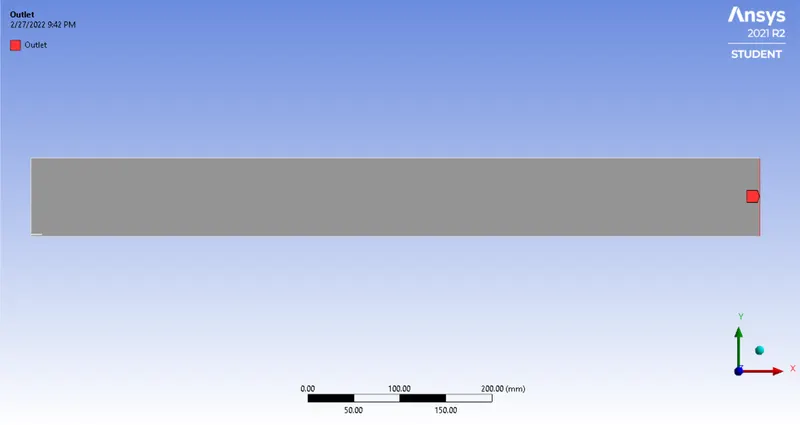
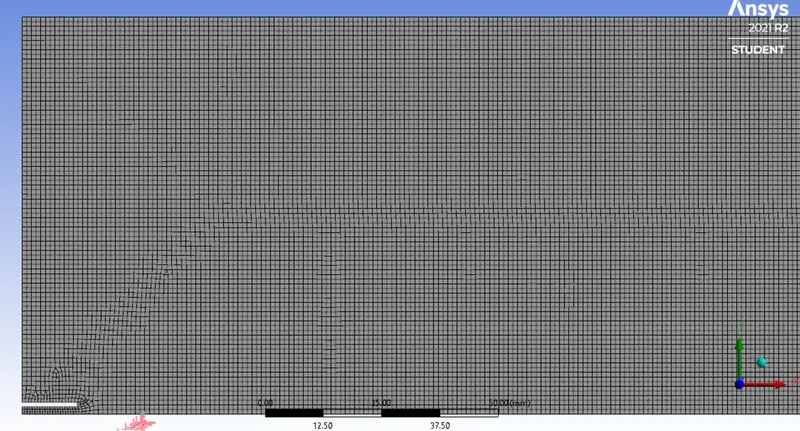
Mesh:
No. of elements: 67434
Setting up physics and Boundary conditions:
Solver type: Pressure based
Velocity formulation: Absolute
Time: Steady-state
2D Space: Axis symmetric
Energy is enabled
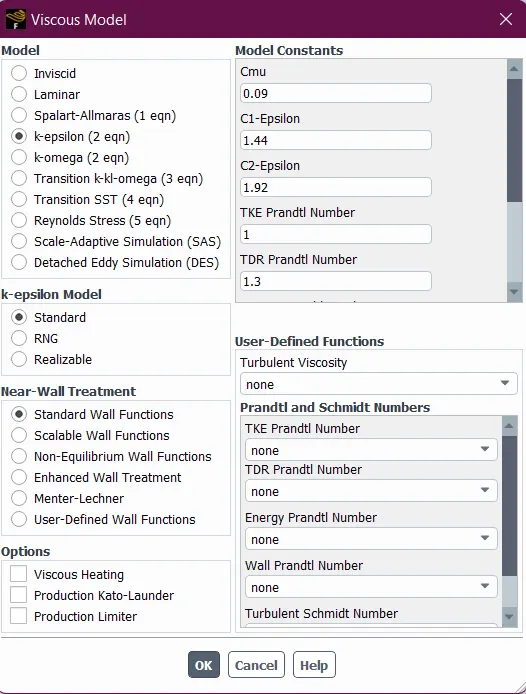
Viscous Model: K-Epsilon - Standard - Standard wall function.
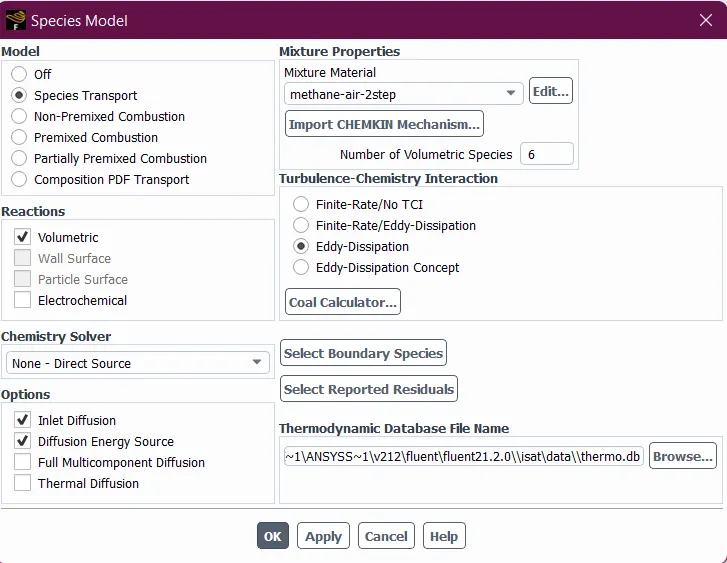
Species Model:
Species transport - ON
Reaction - Volumetric reaction
Options - inlet diffusion, diffusion energy source option.
Mixture Material - methane-air-2step
Turbulence-chemistry interaction - Eddy - dissipation
air_inlet:
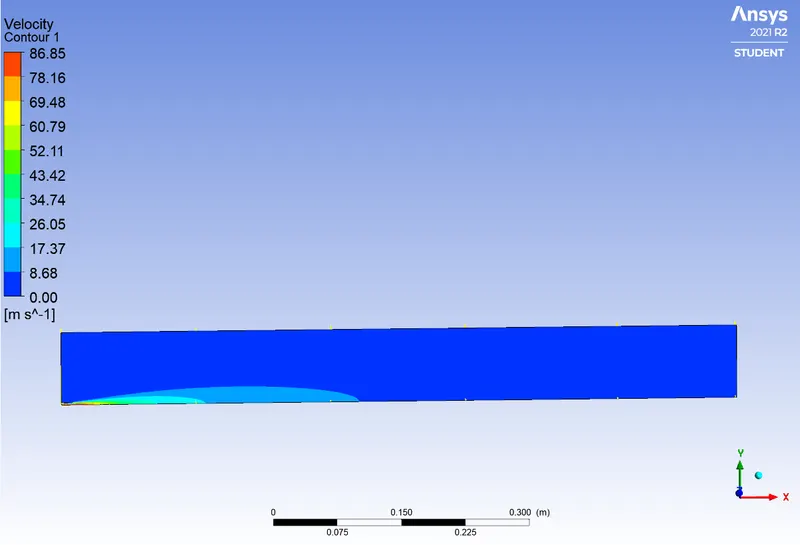
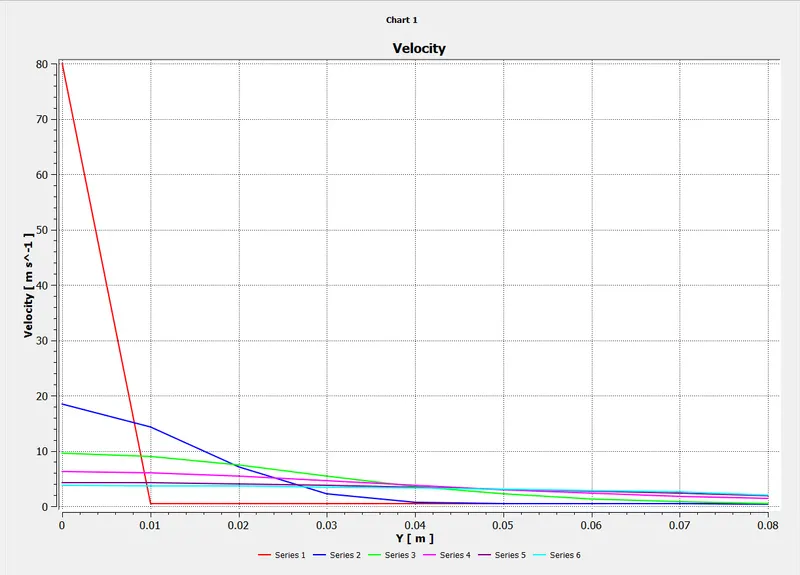
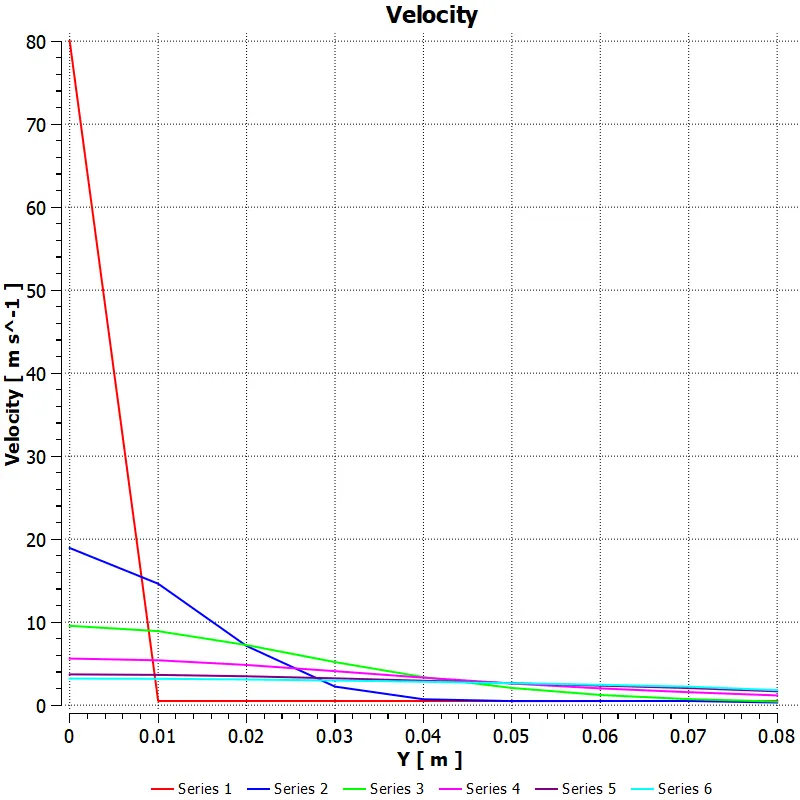
Velocity inlet - 0.5 m/s.
Thermal - 300 K
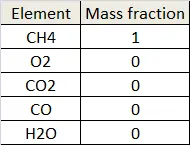
Species Mass fractions
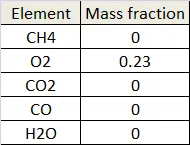
Axis: Axis - Type
Outlet: Pressure type - Gauge Pressure
Wall: Type -Wall
Fuel_inlet:
Velocity inlet - 80 m/s.
Thermal - 300 K
Species Mass fractions
Soot Model - Enabled
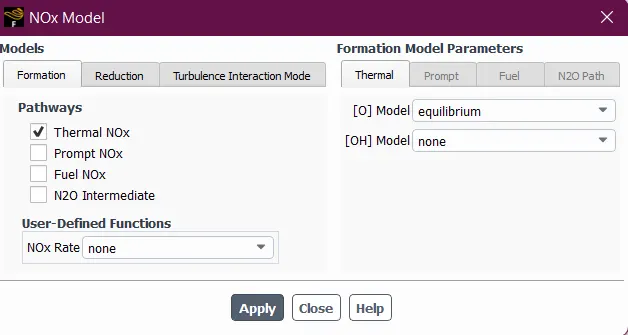
NOx Model - Enabled
Initialization: Hybrid Initialization
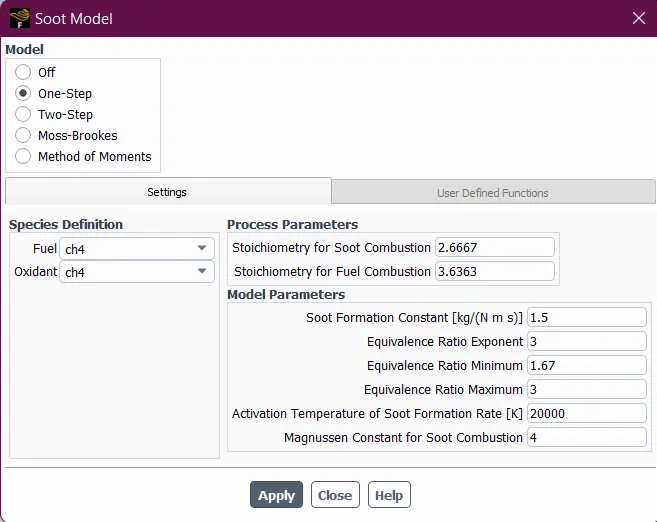
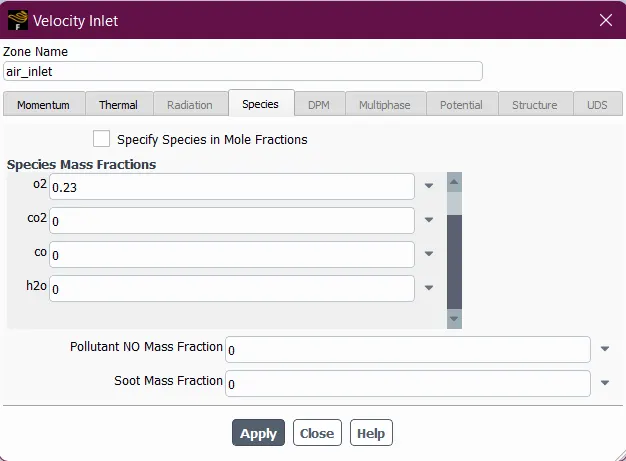
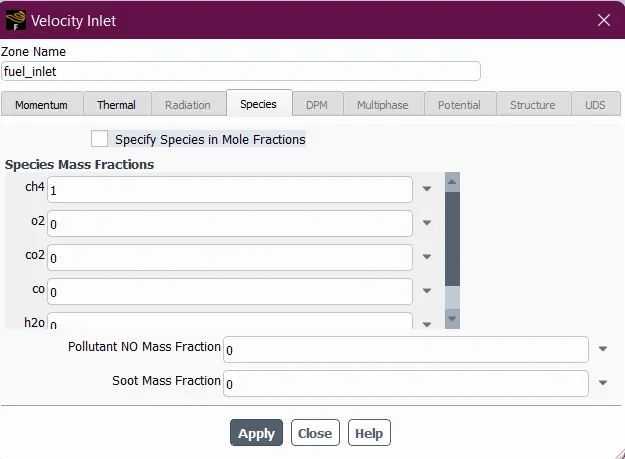
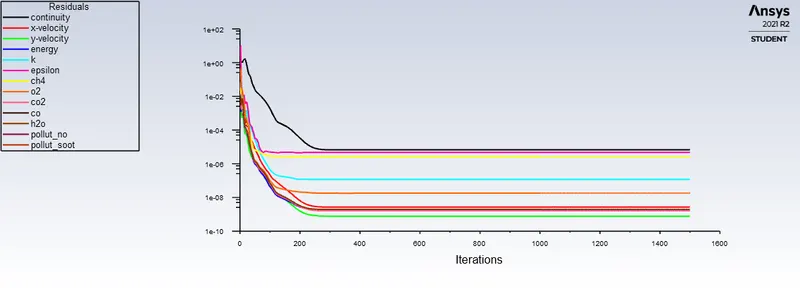
Solution:
Part :1
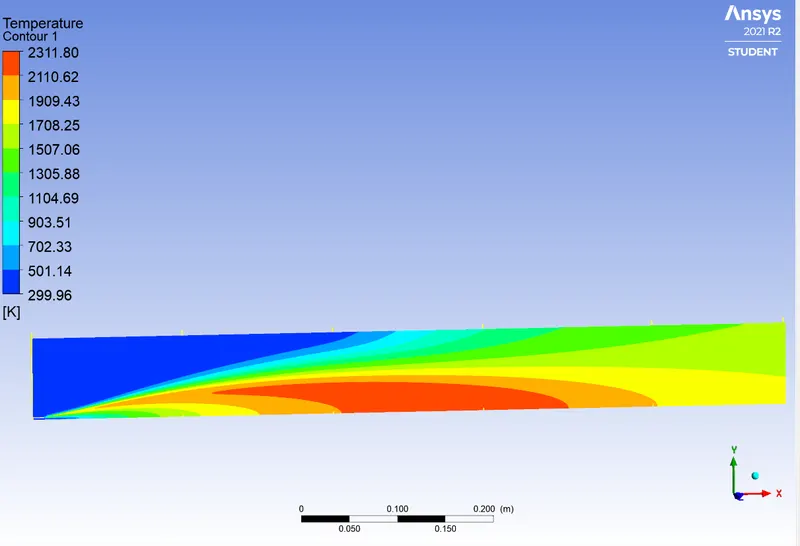
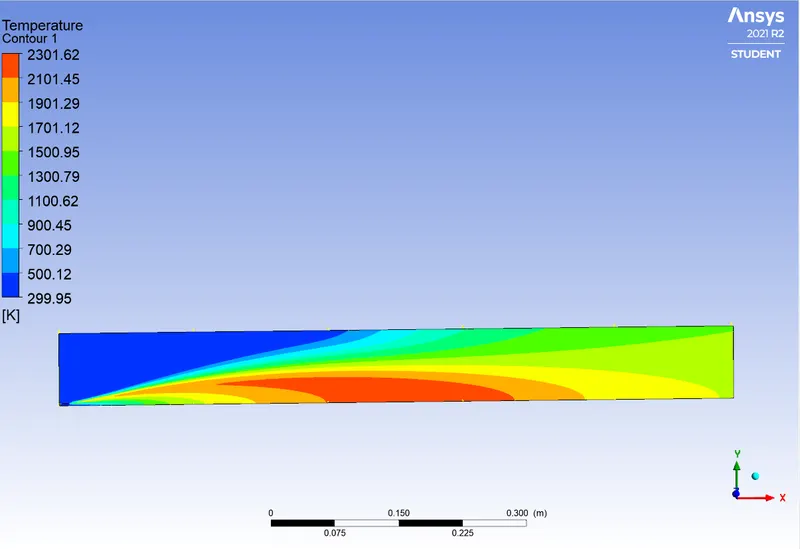
Temperature contour:
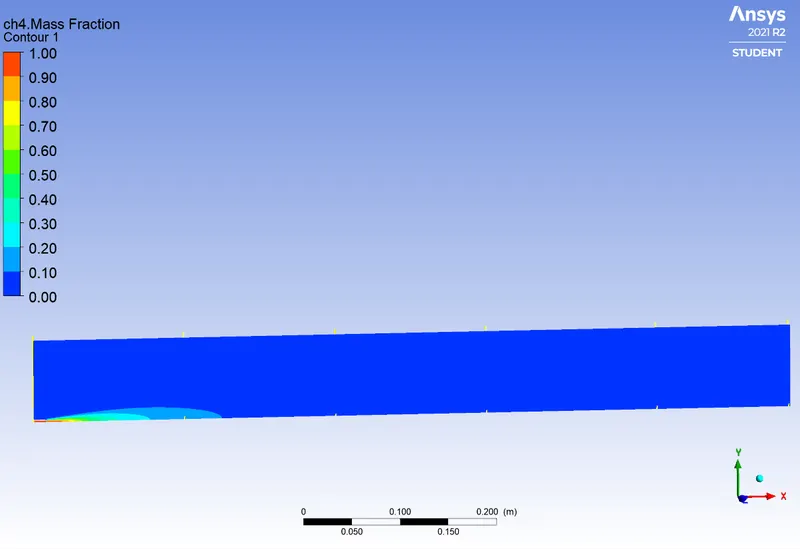
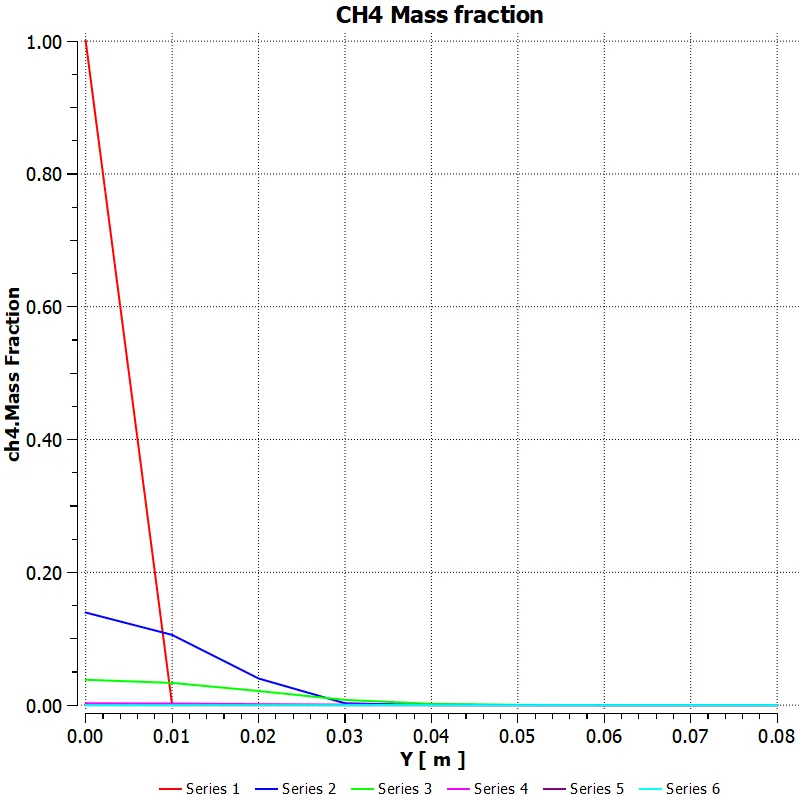
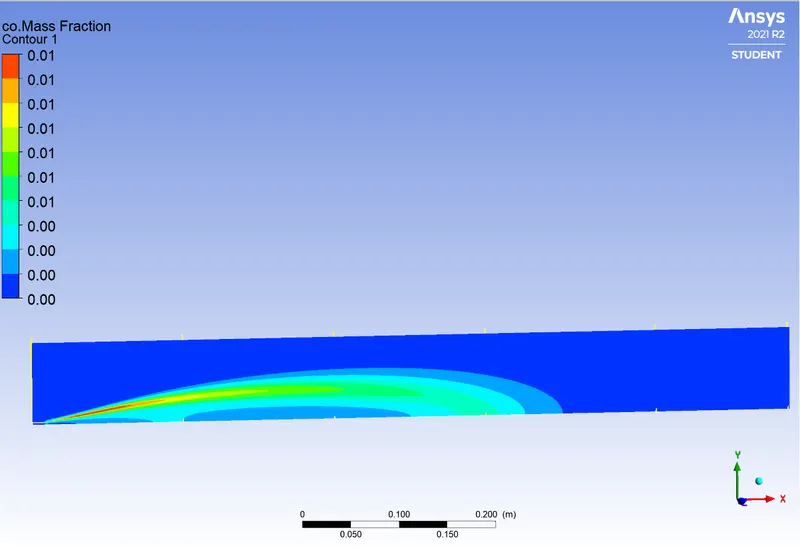
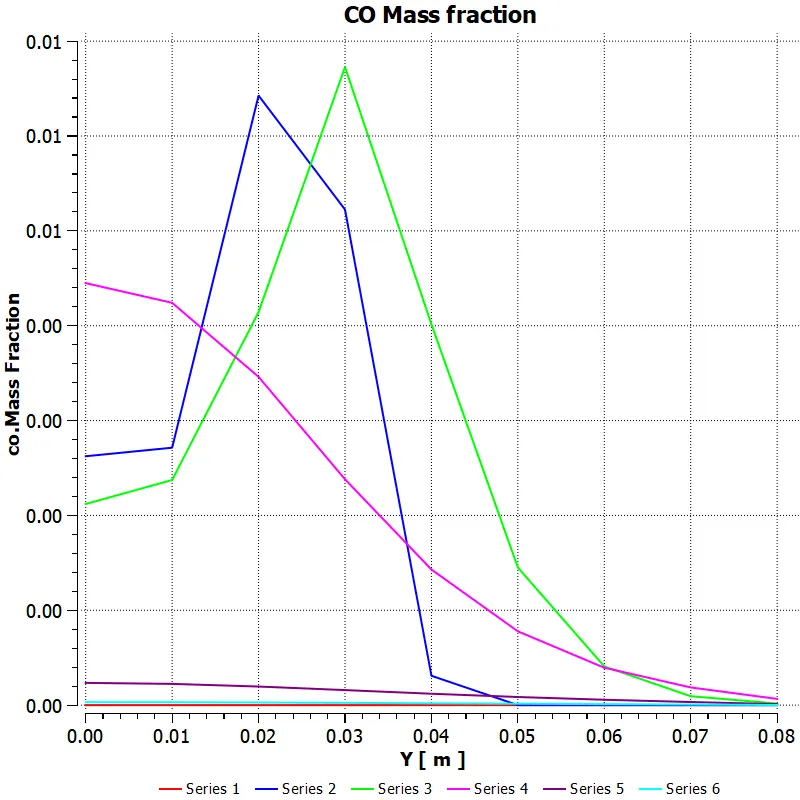
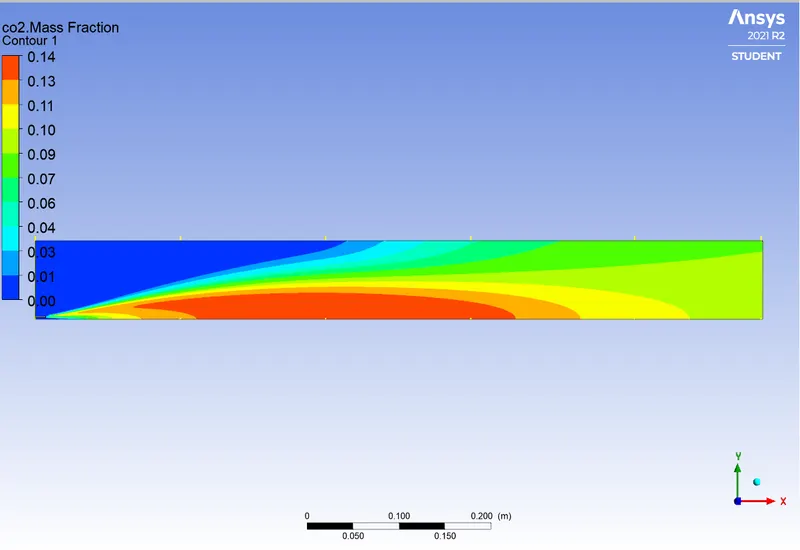
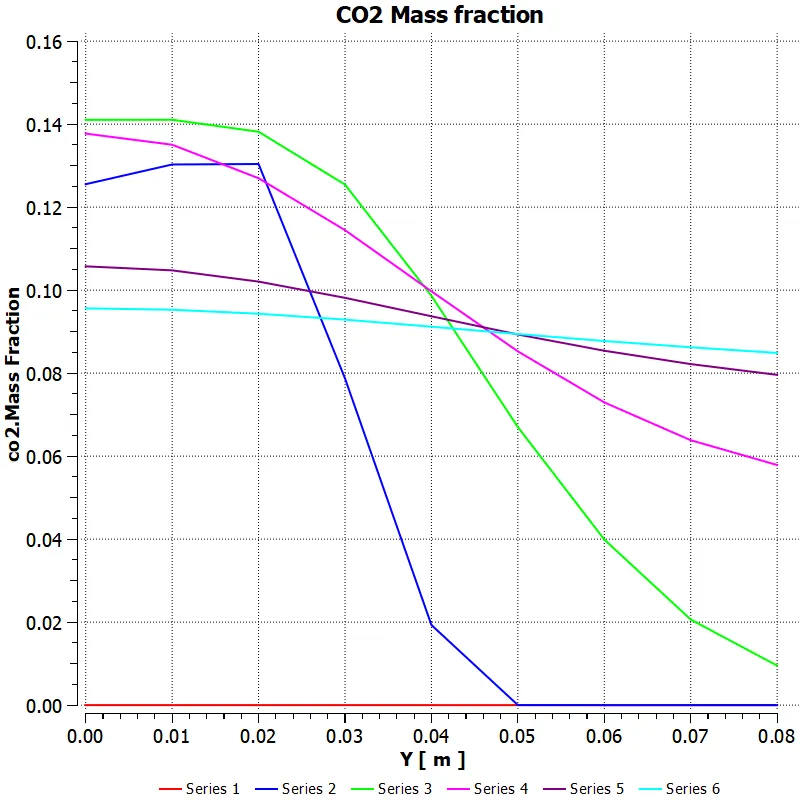
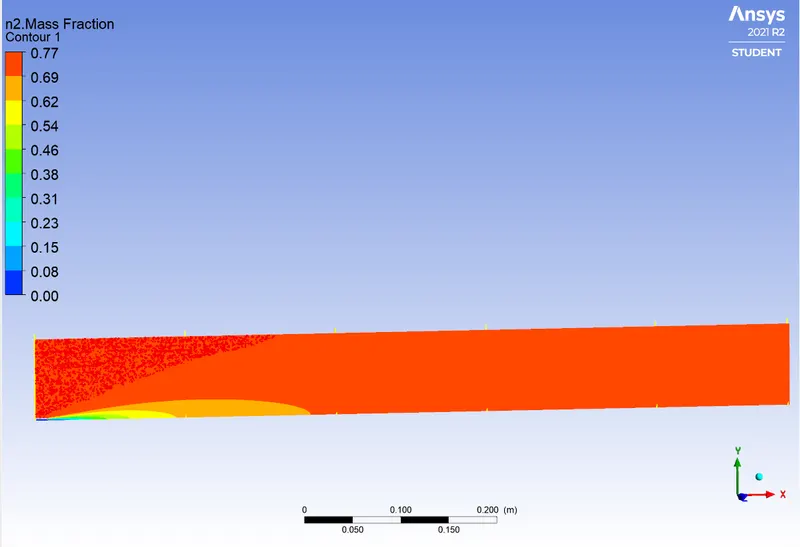
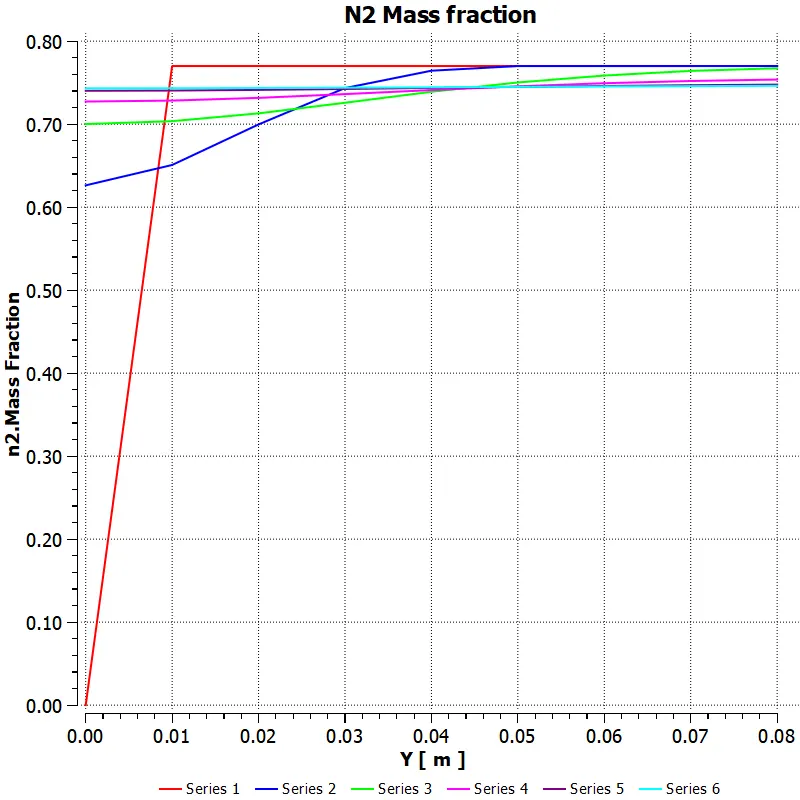
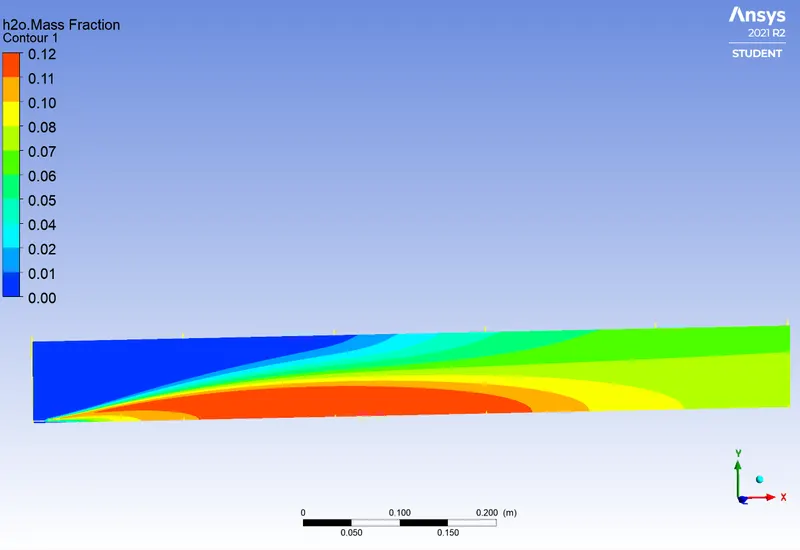
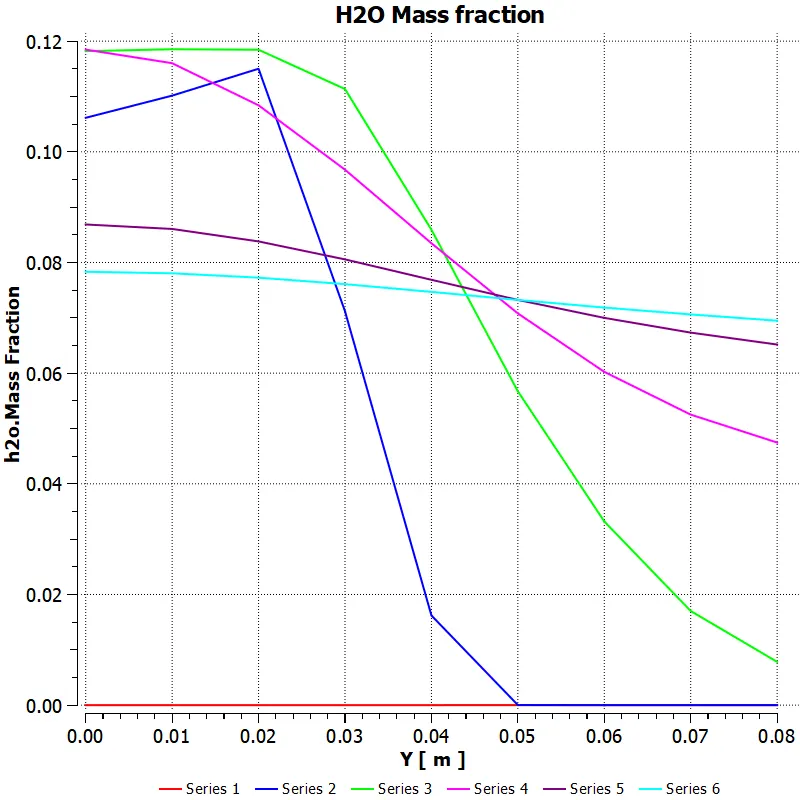
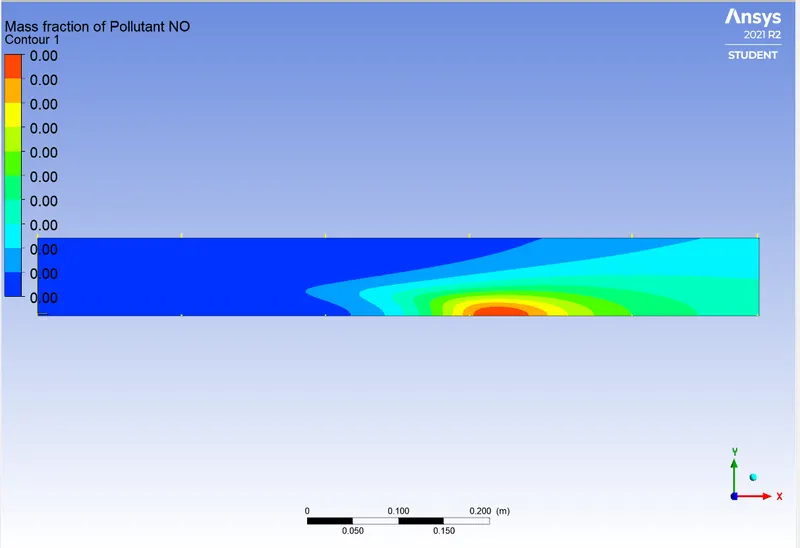
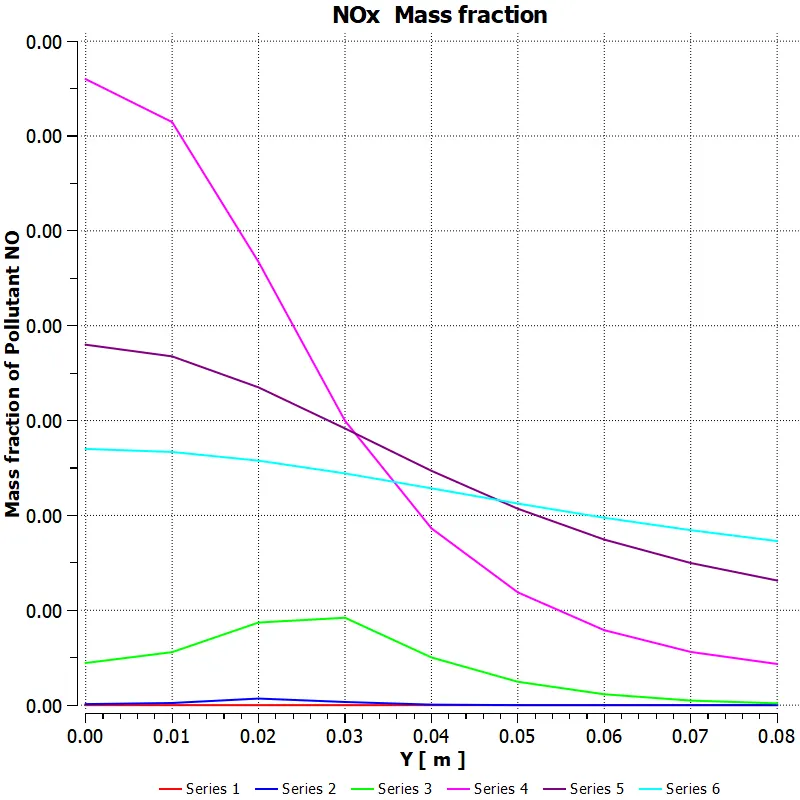
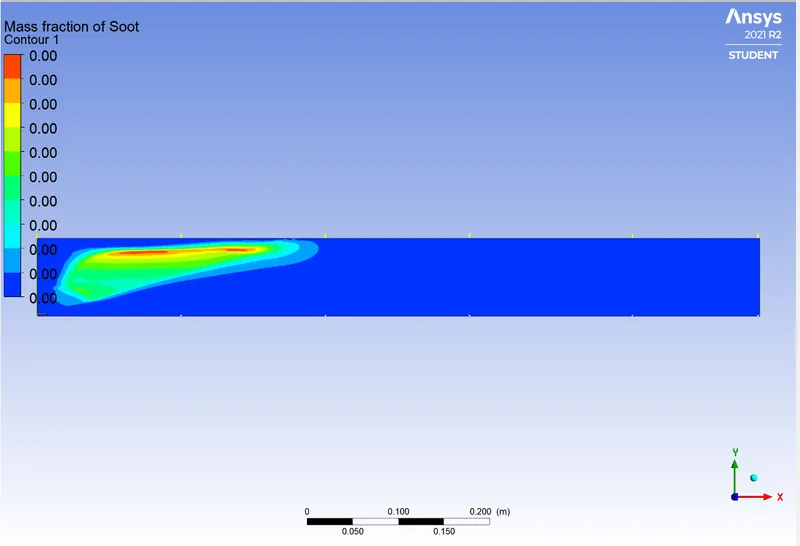
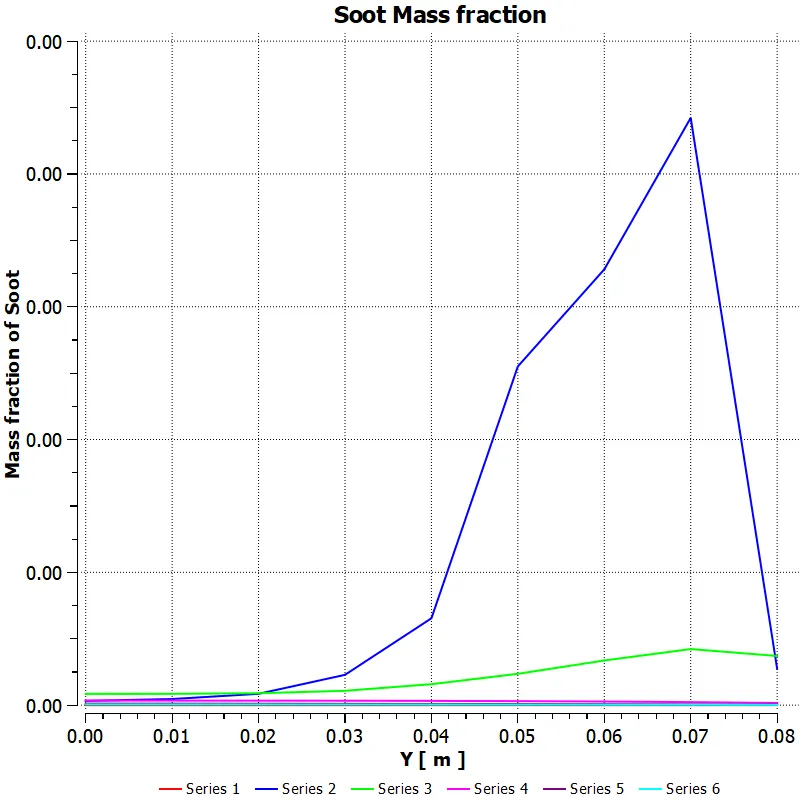
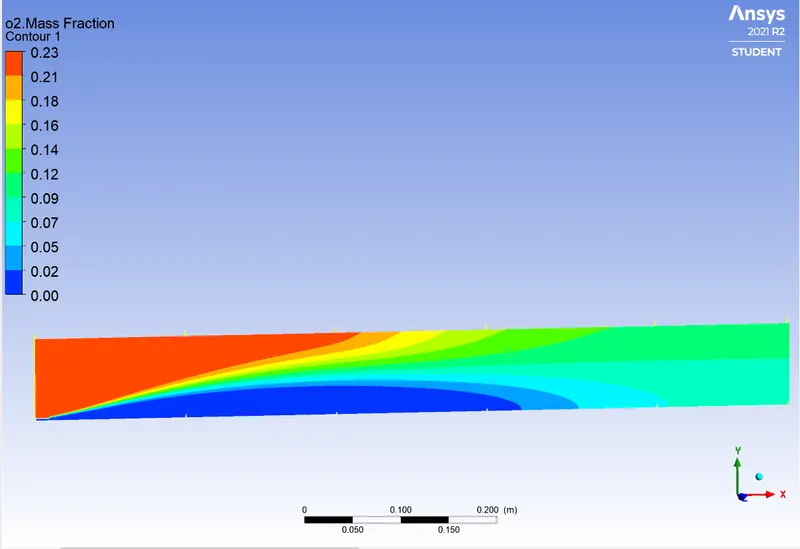
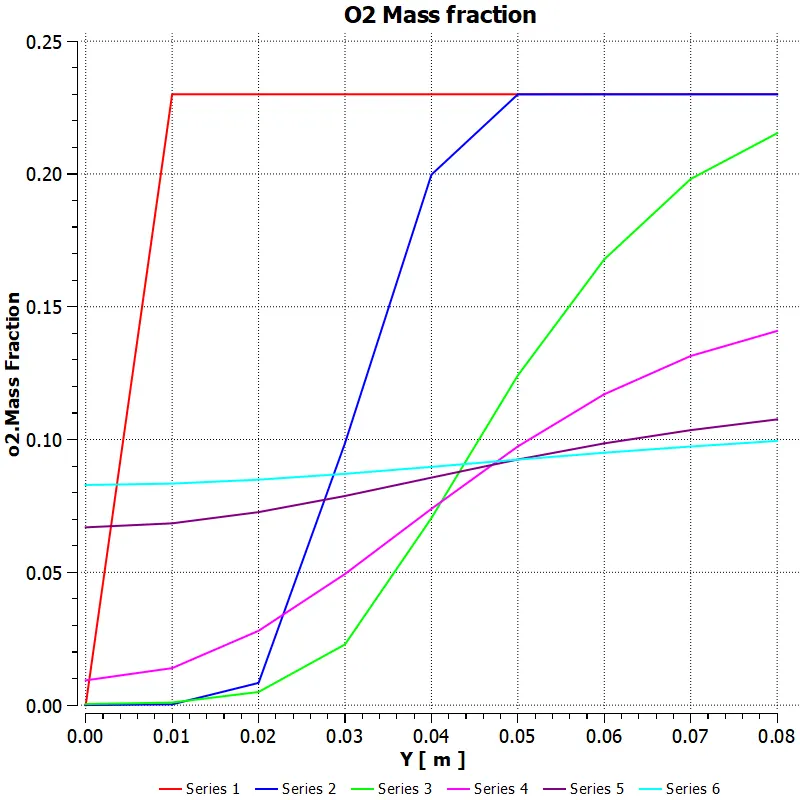
PART-II: Effect of Adding Water content in the fuel
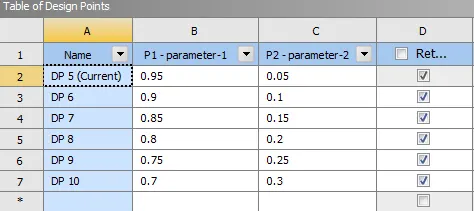
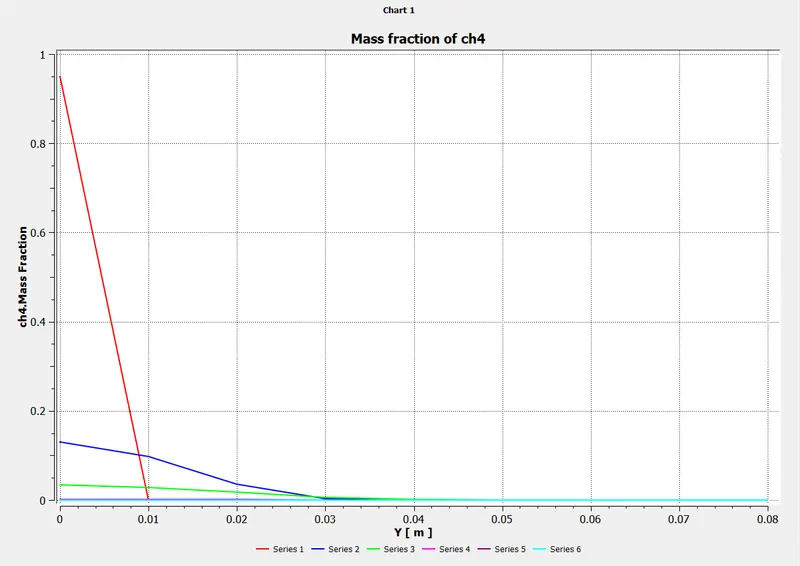
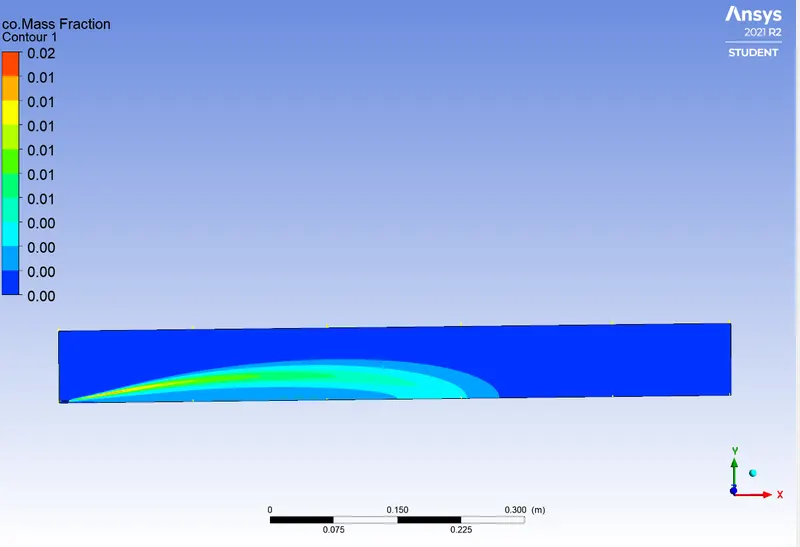
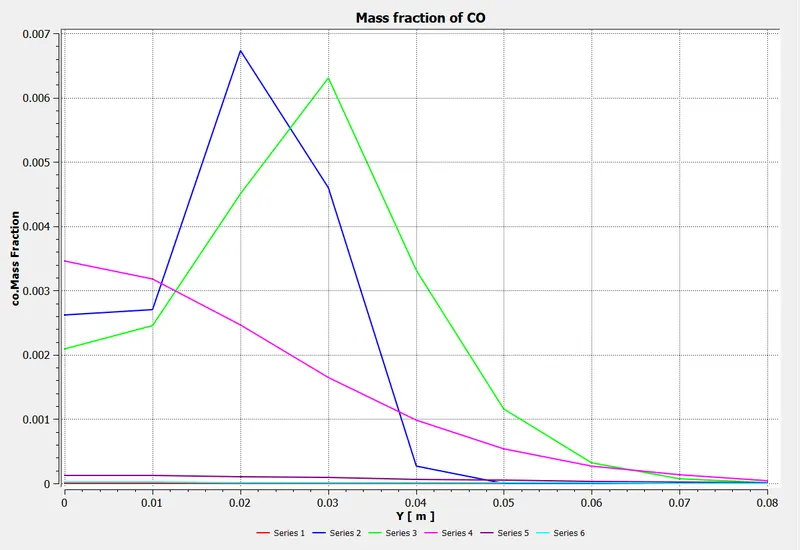
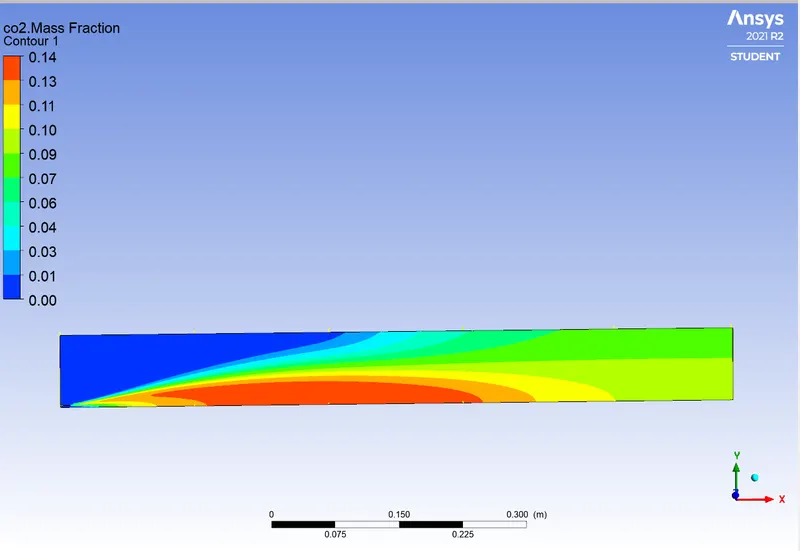
95 % of the fuel and 5% of Water:
90 % of the fuel and 10% of Water:
85 % of the fuel and 15% of Water:
80 % of the fuel and 20% of Water:
75 % of the fuel and 25% of Water:
70% of the fuel and 30% of Water:
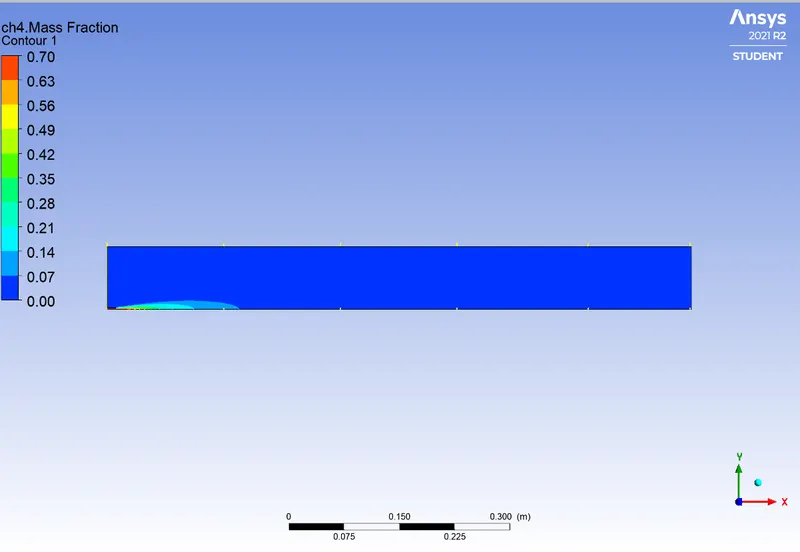
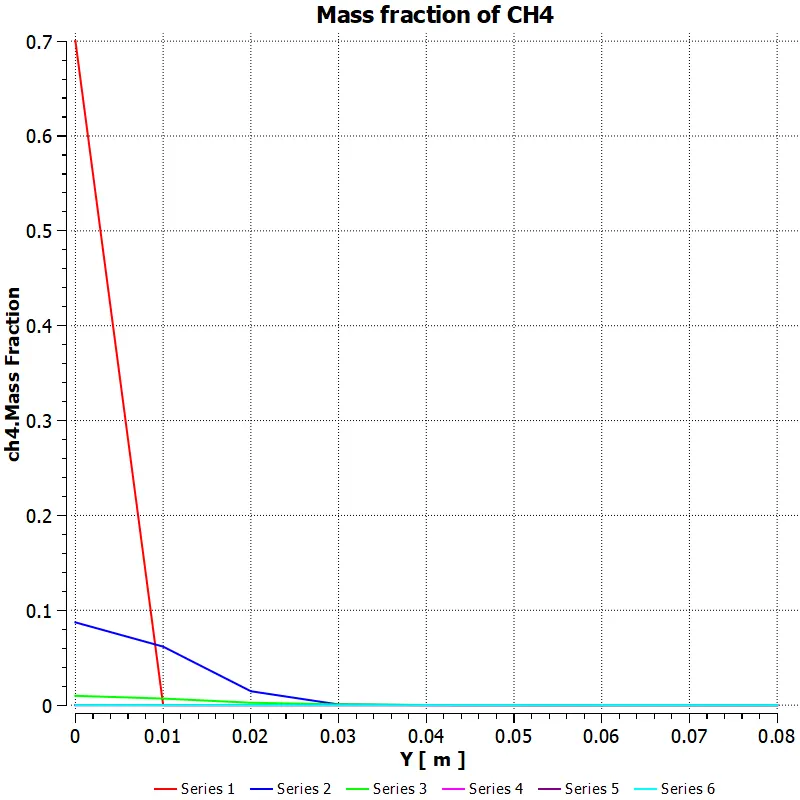
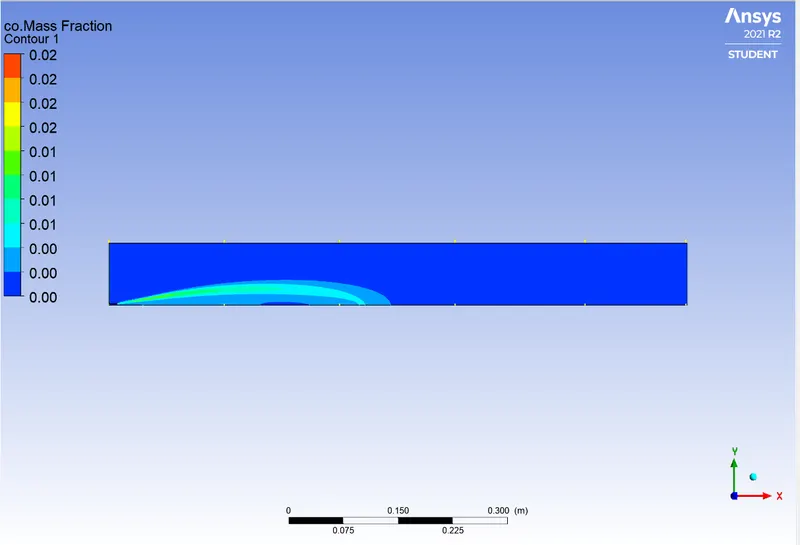
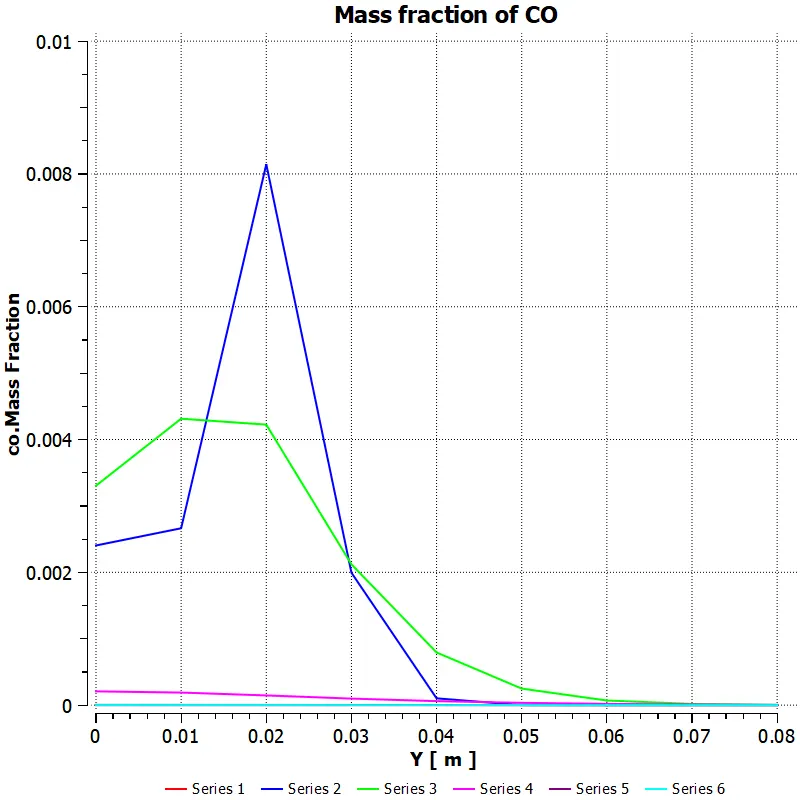
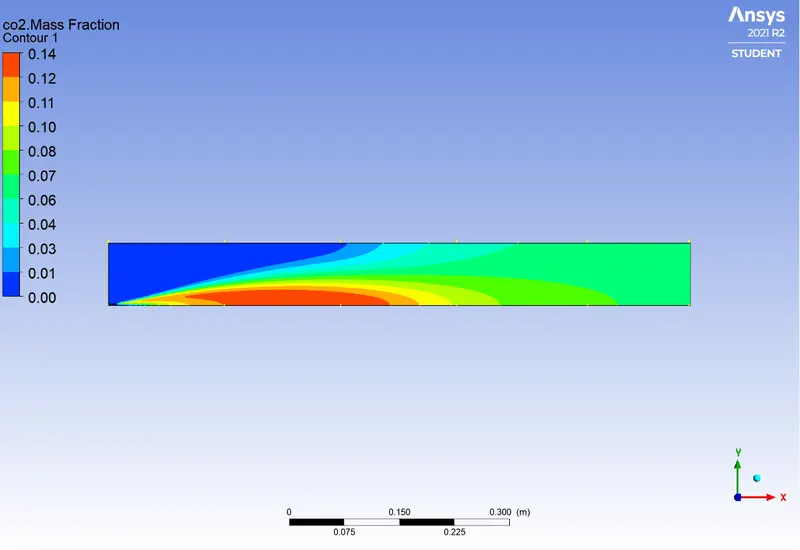
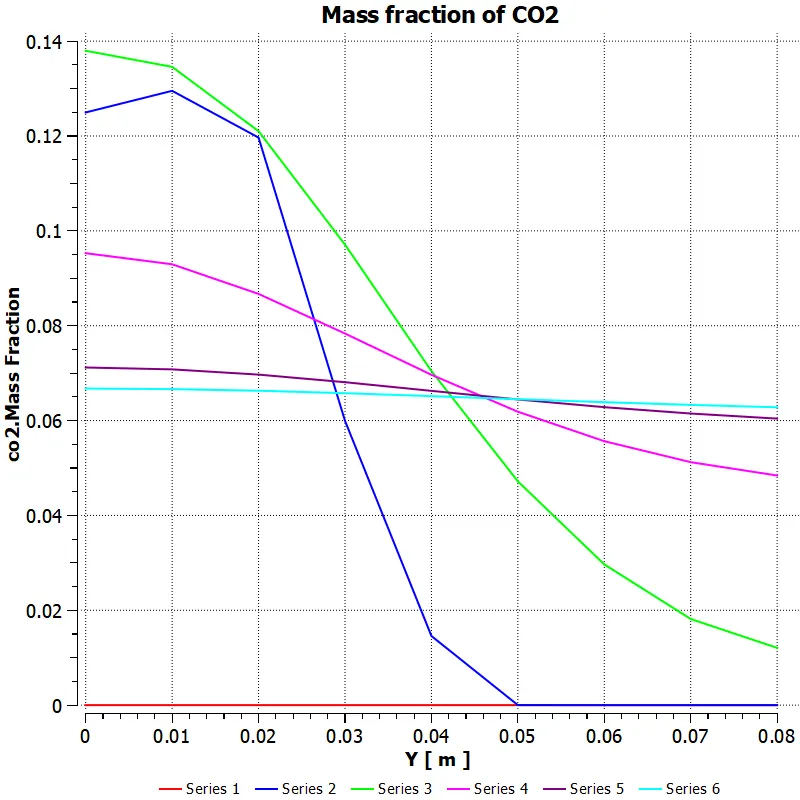
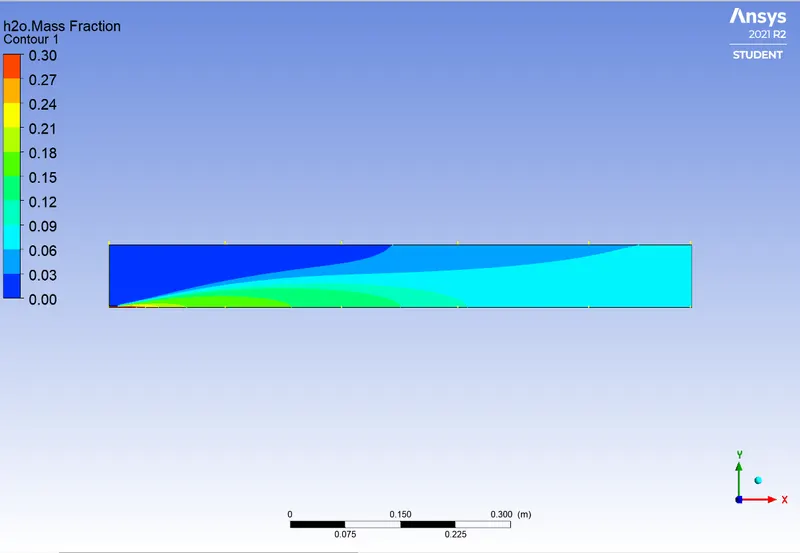
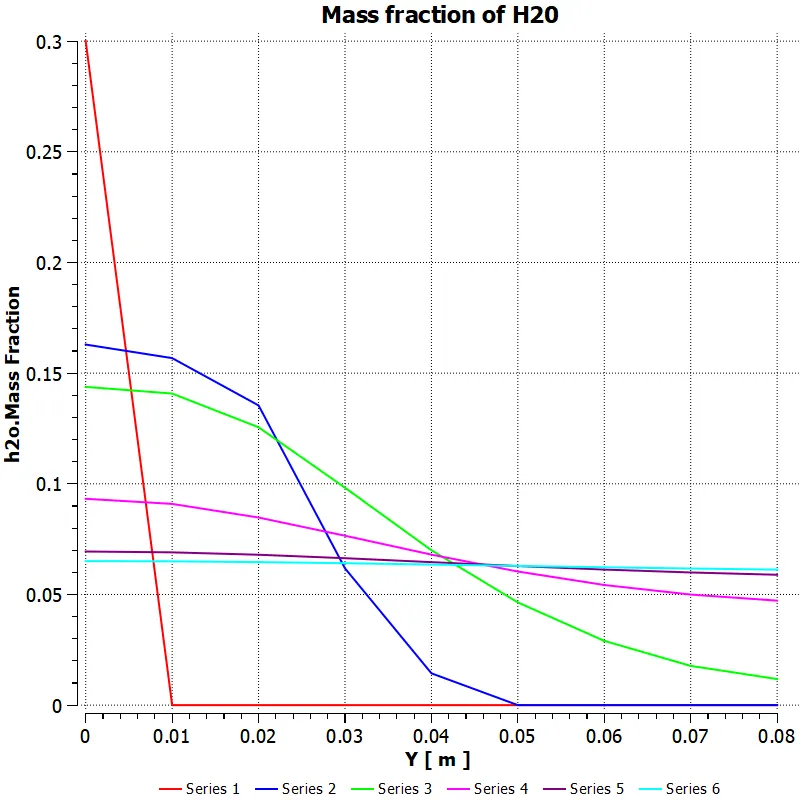
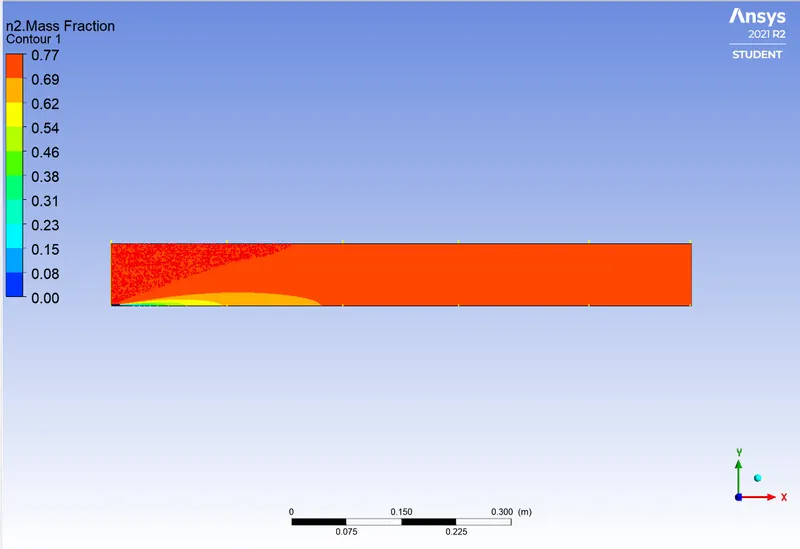
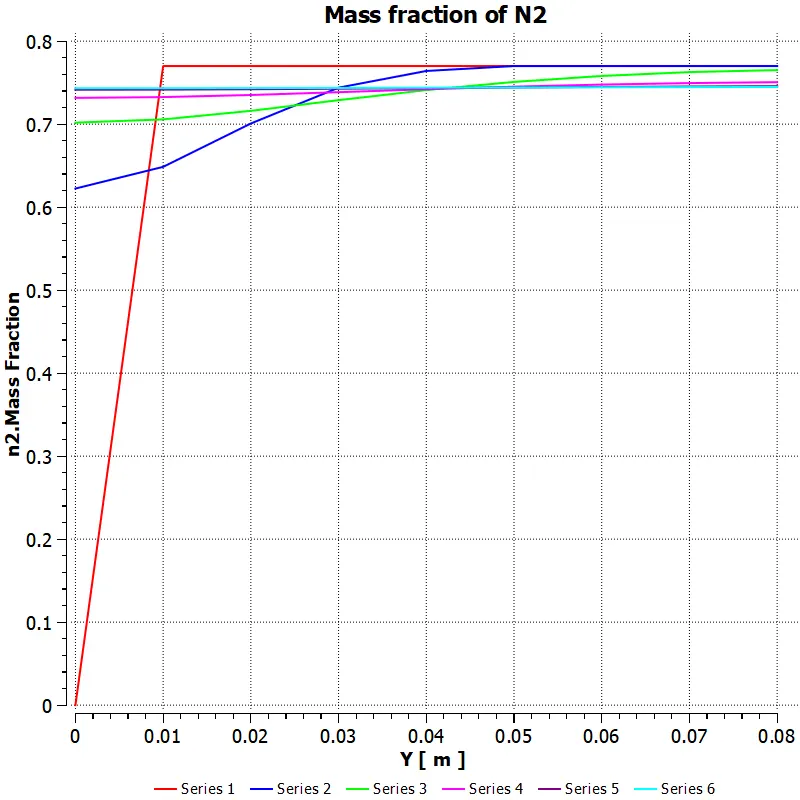
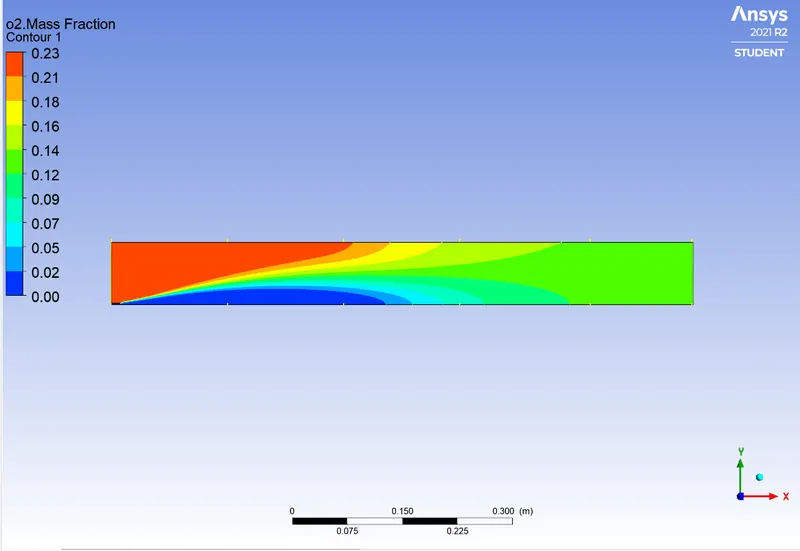
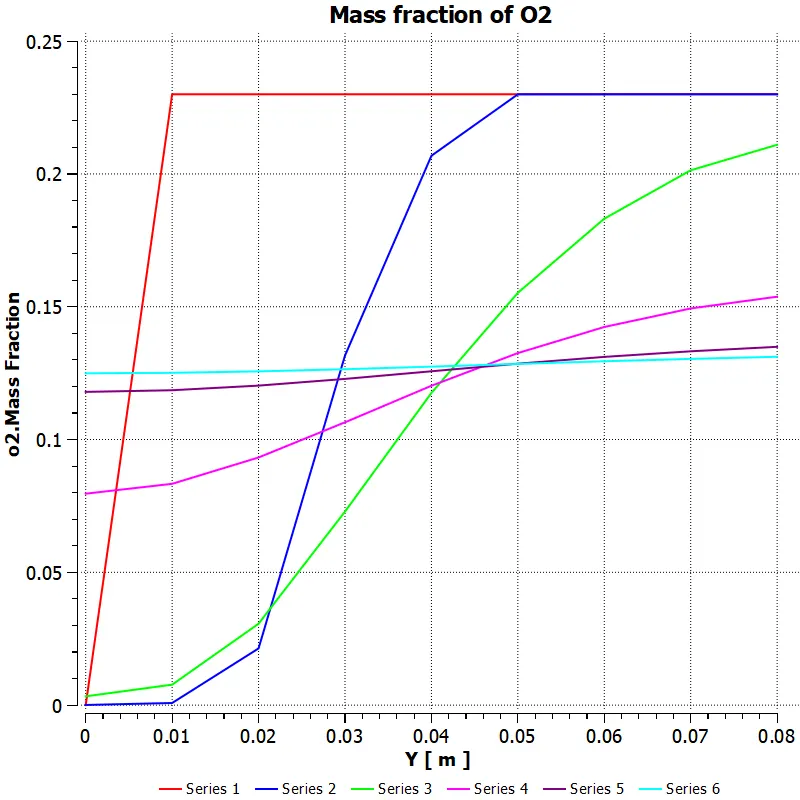
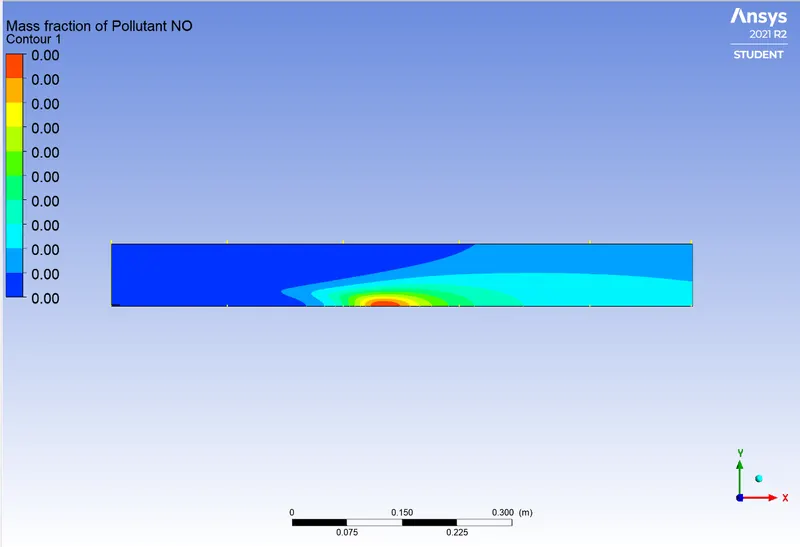
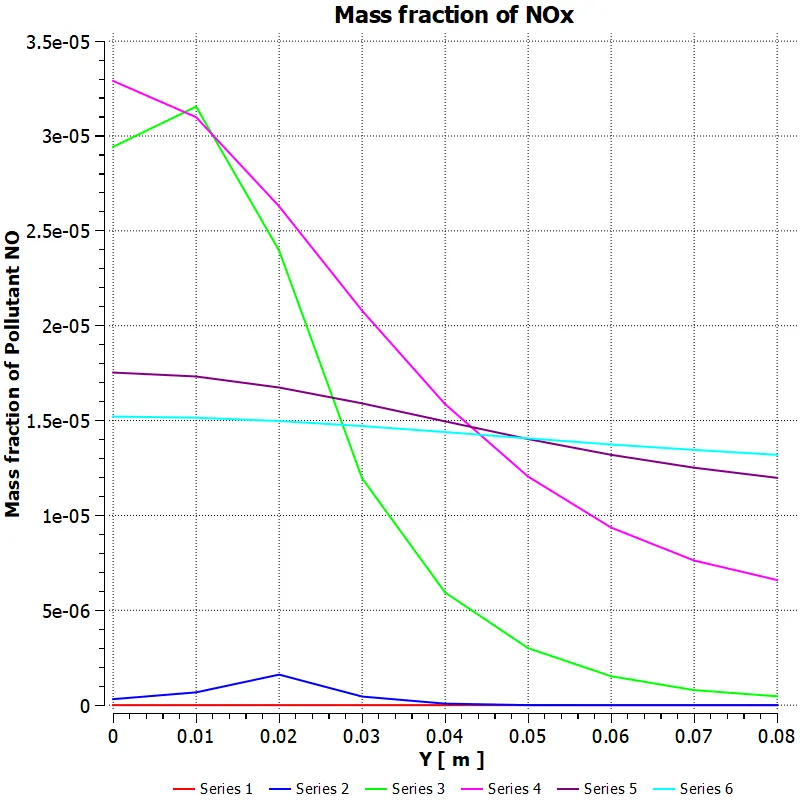
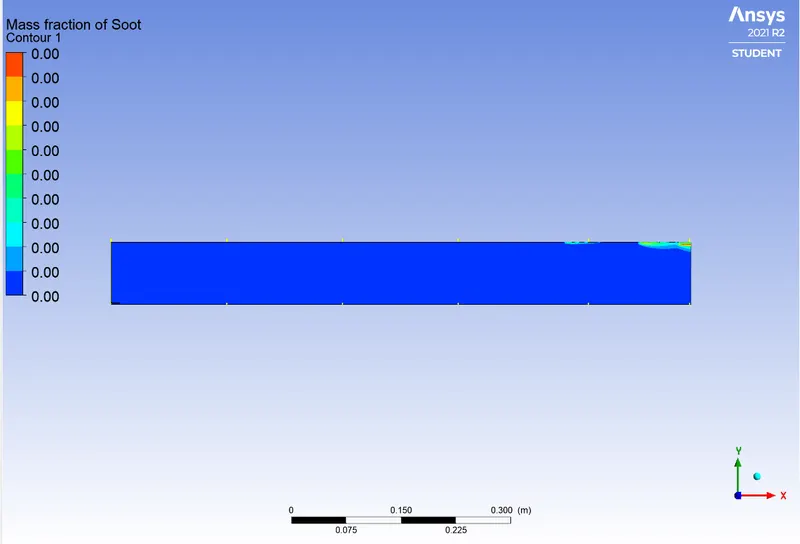
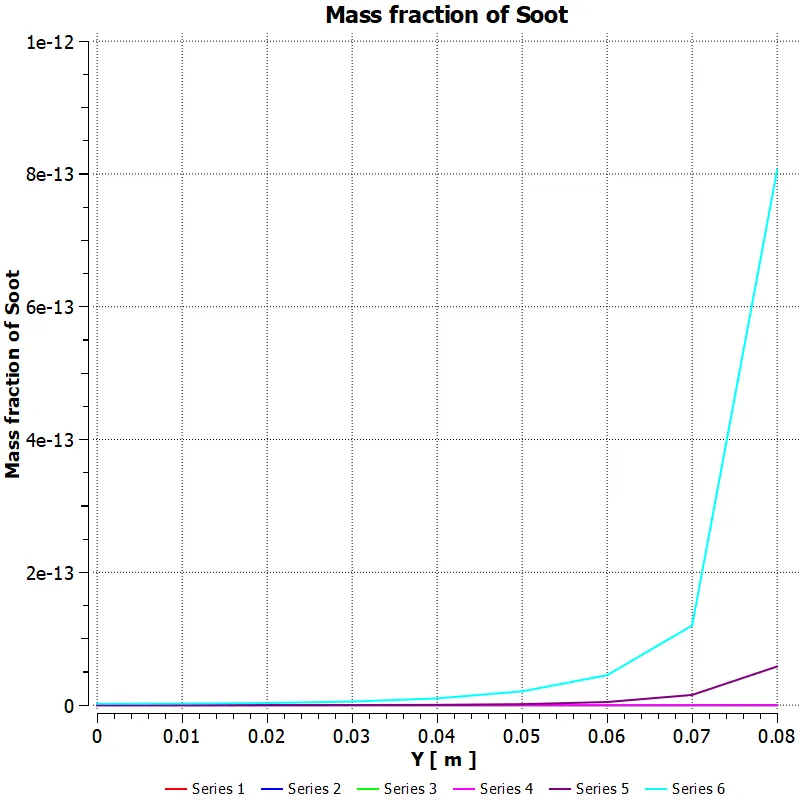
Result:
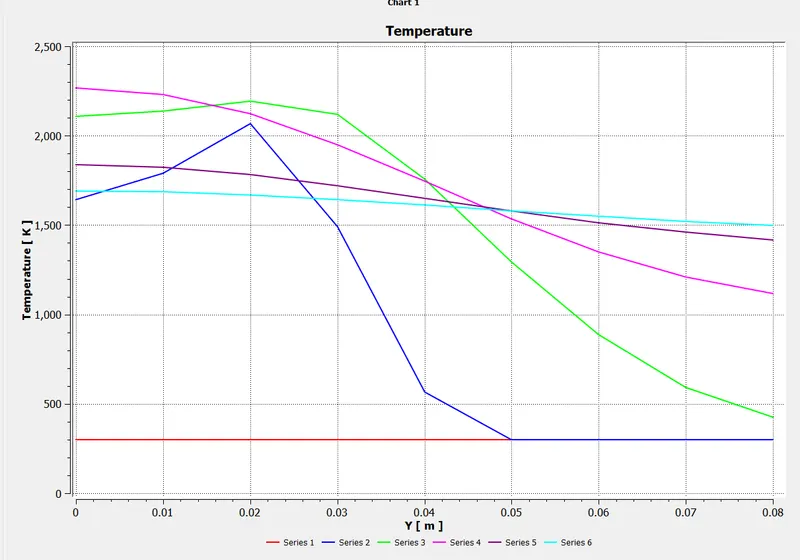
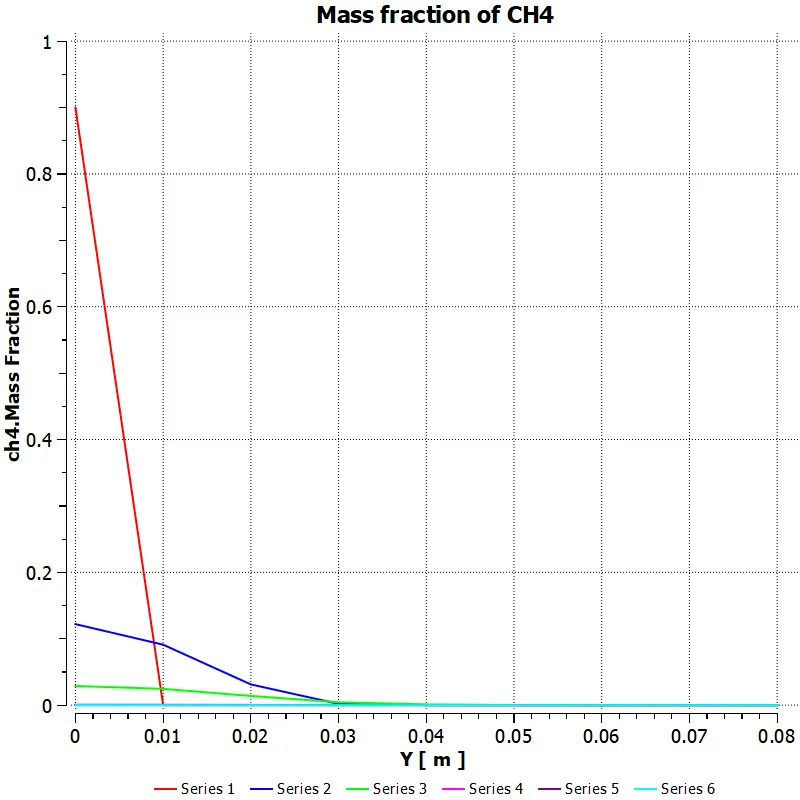
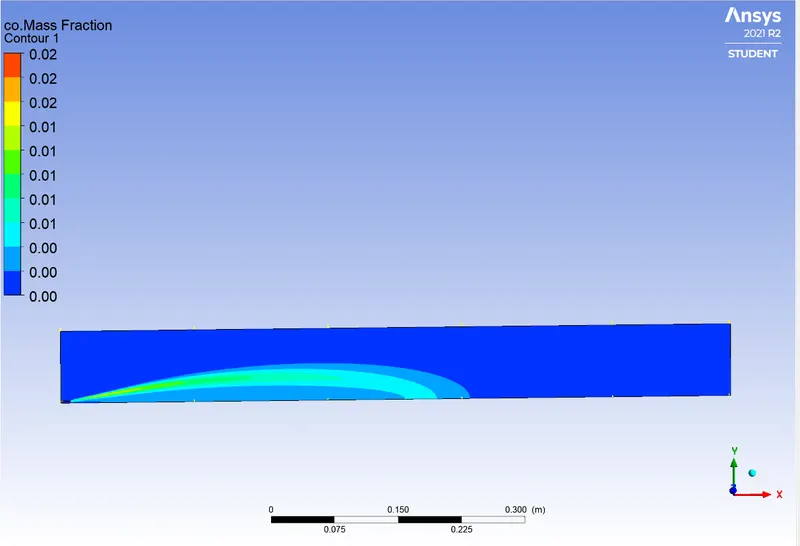
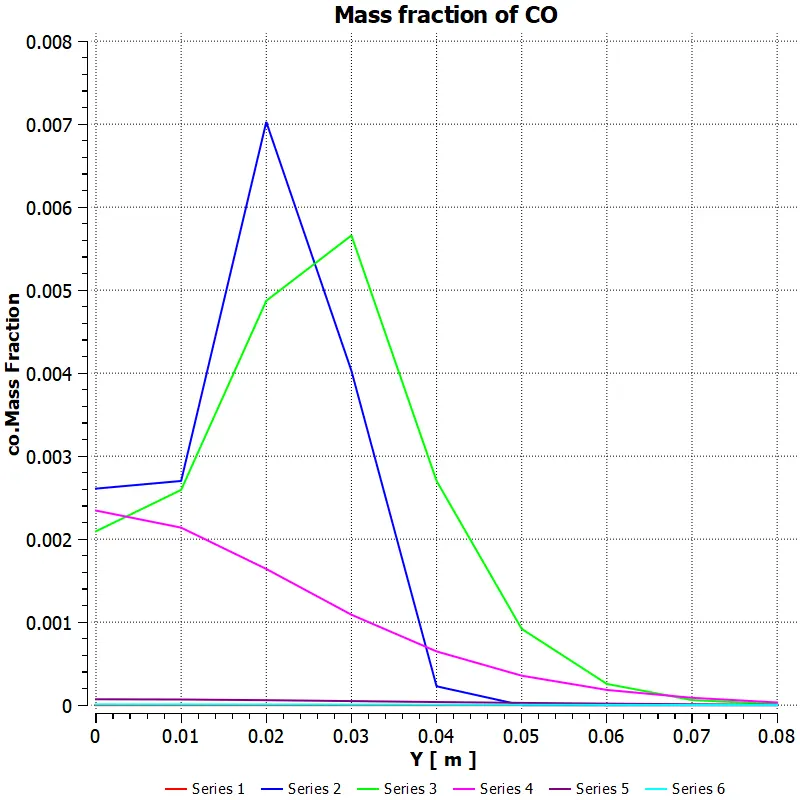
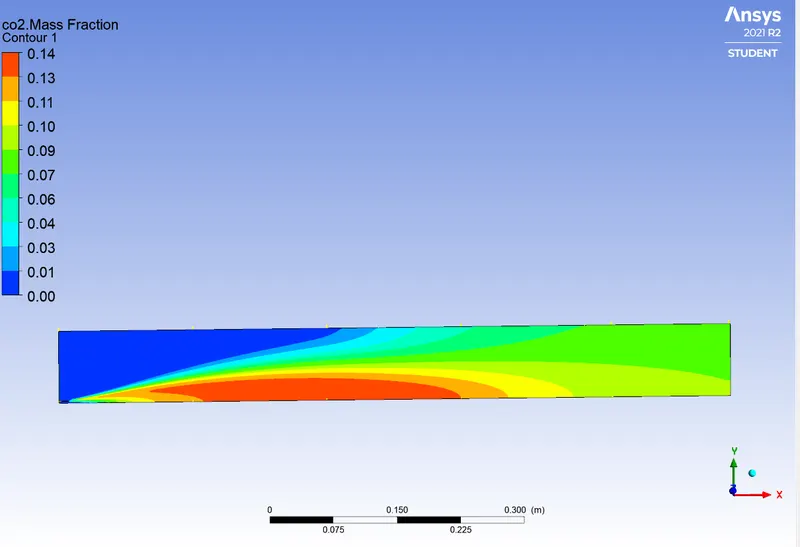
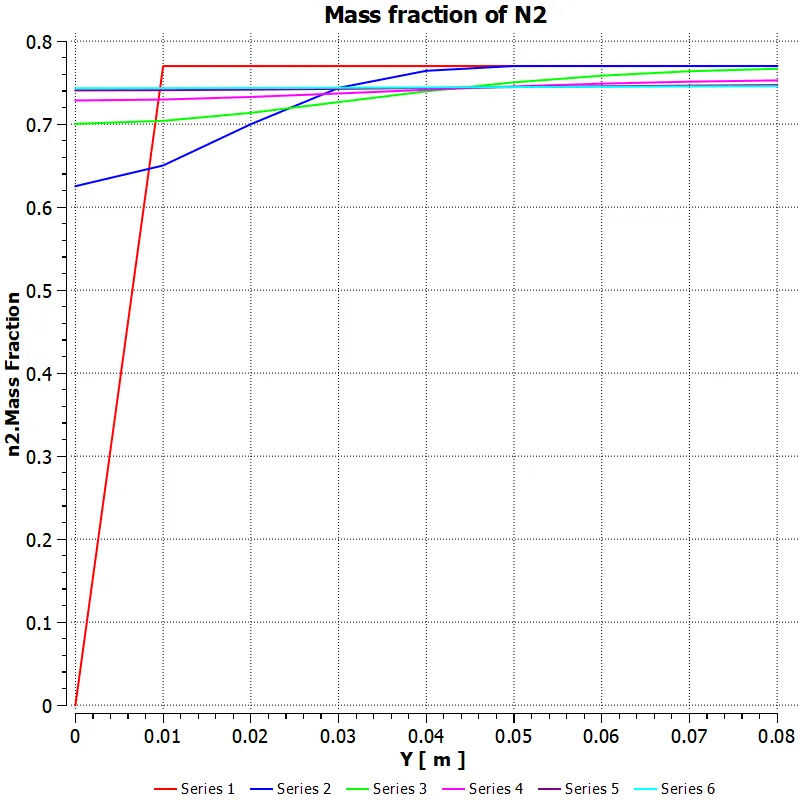
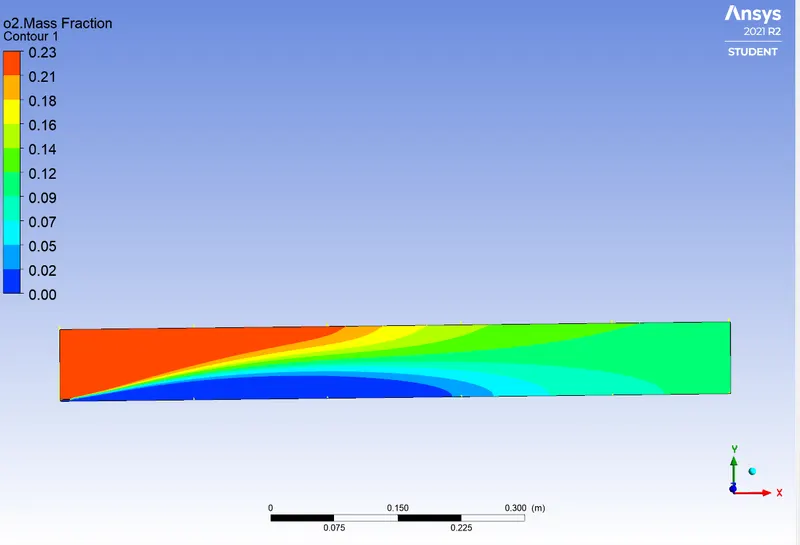
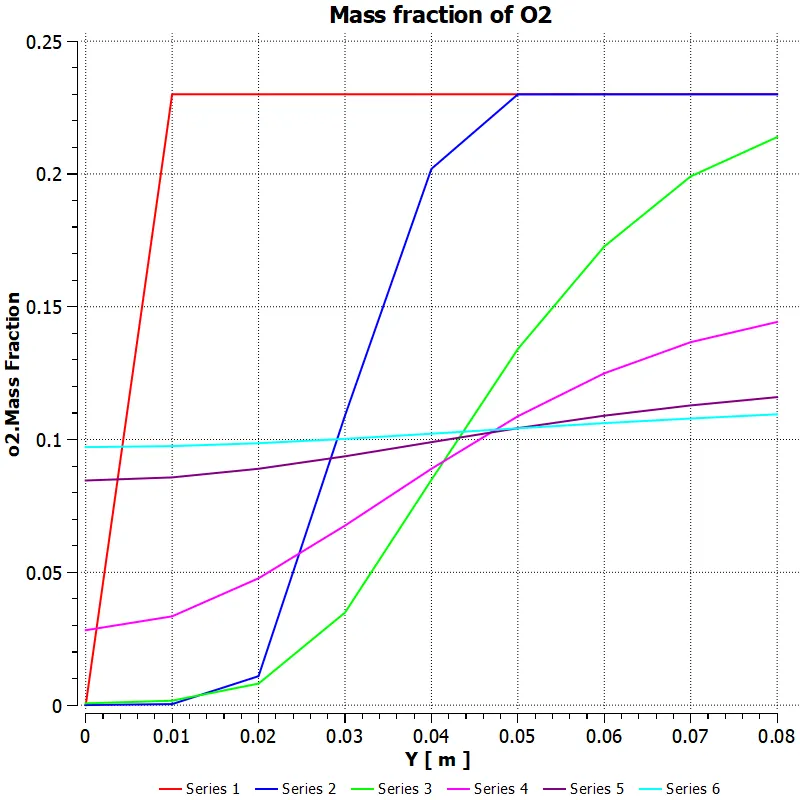
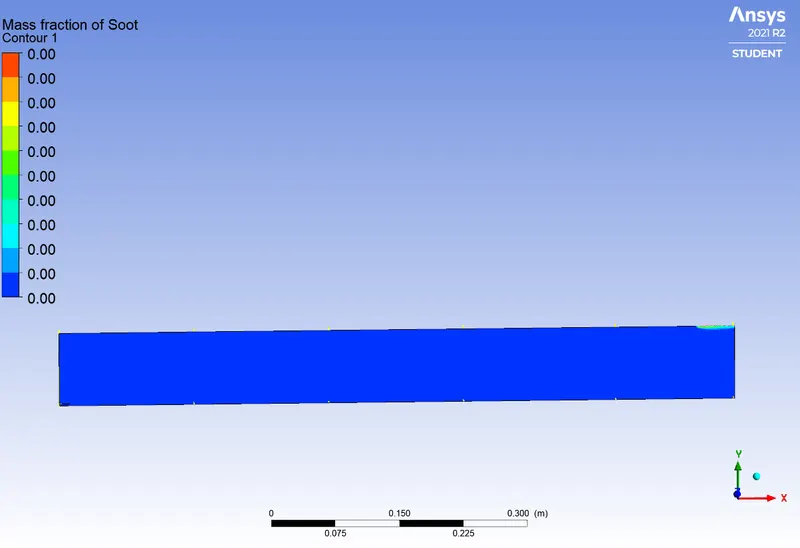
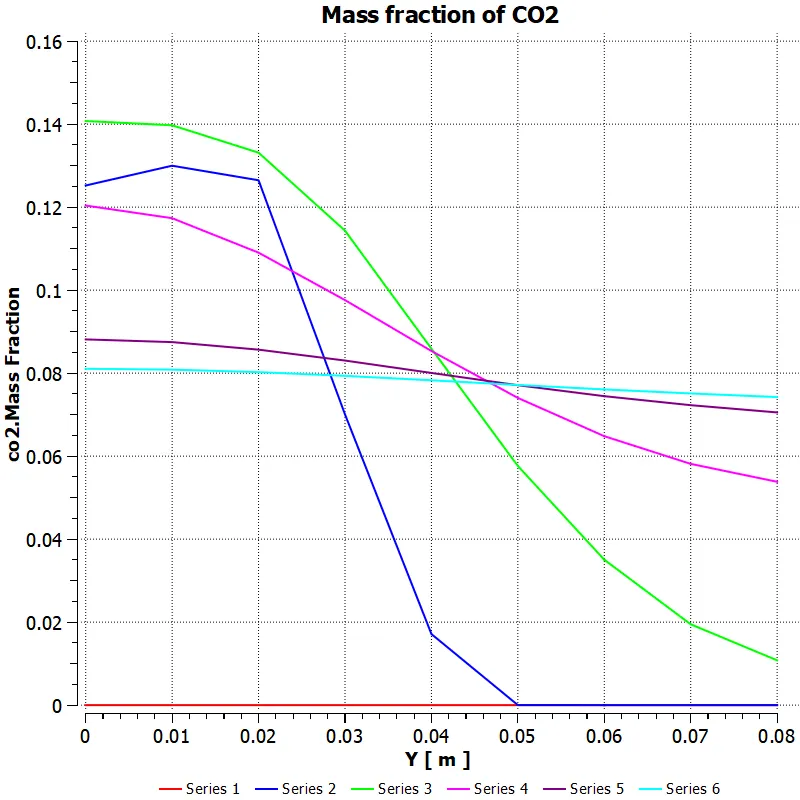
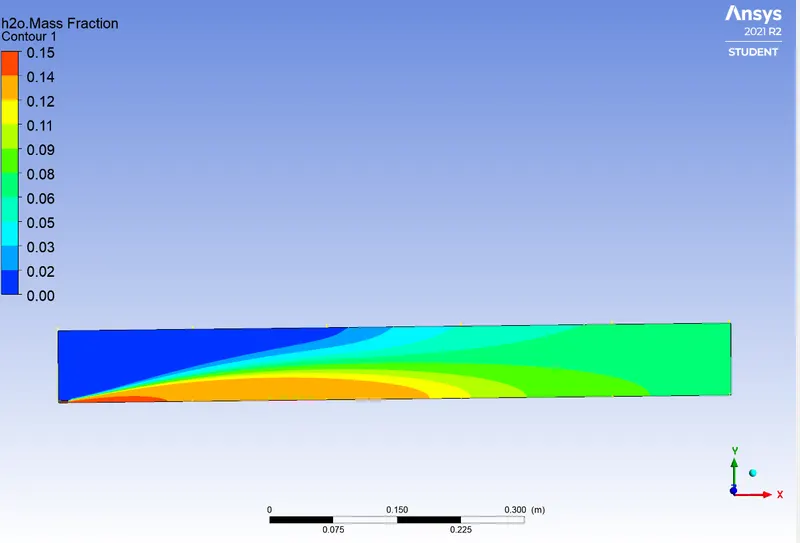
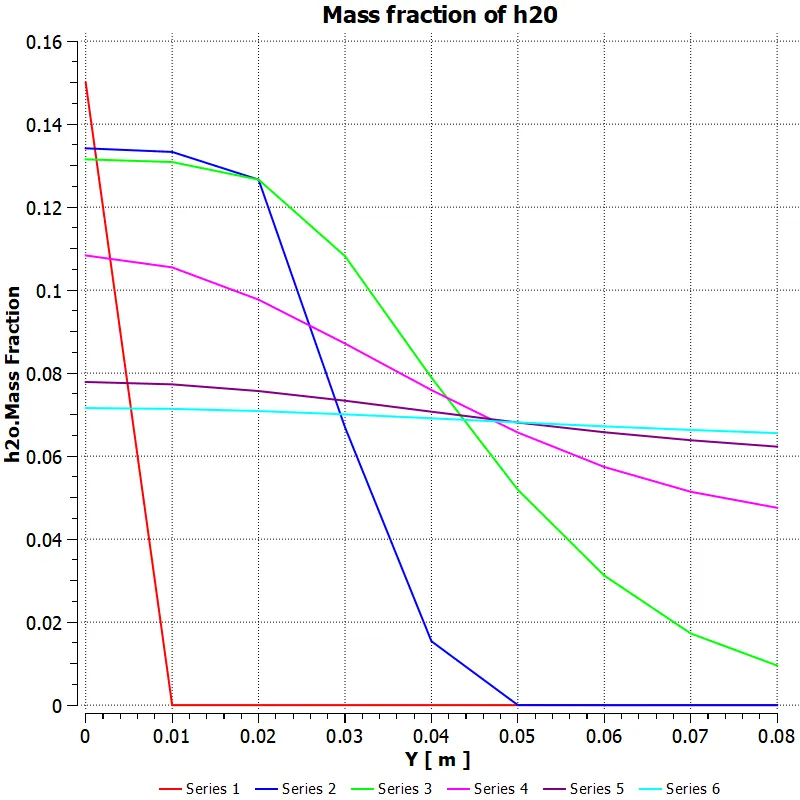
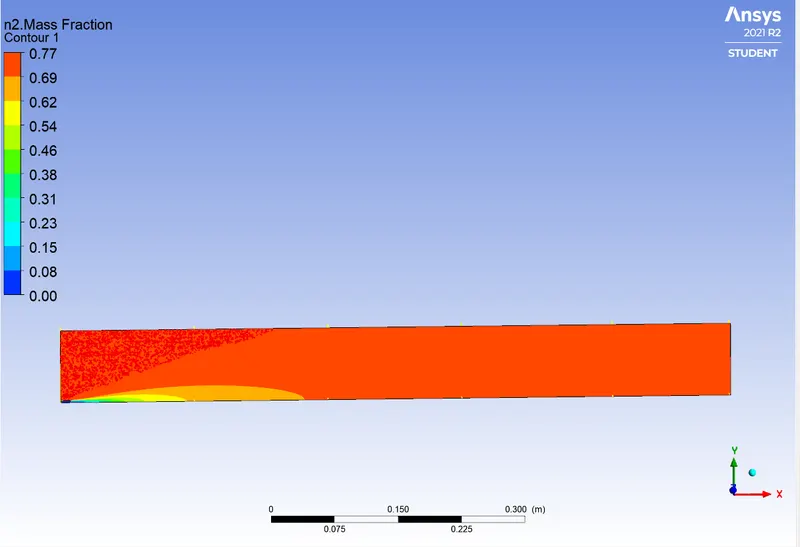
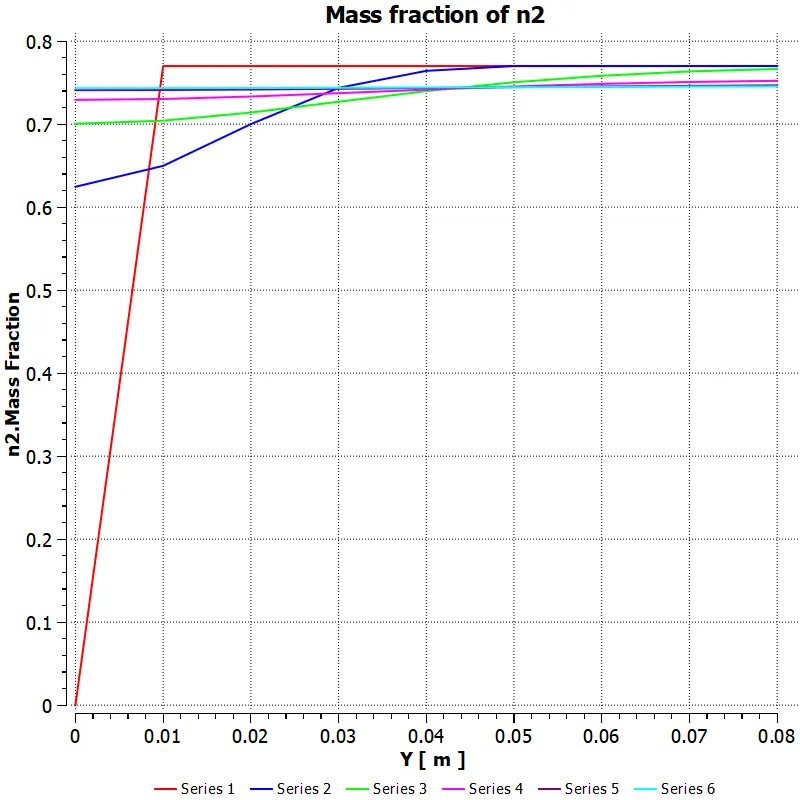
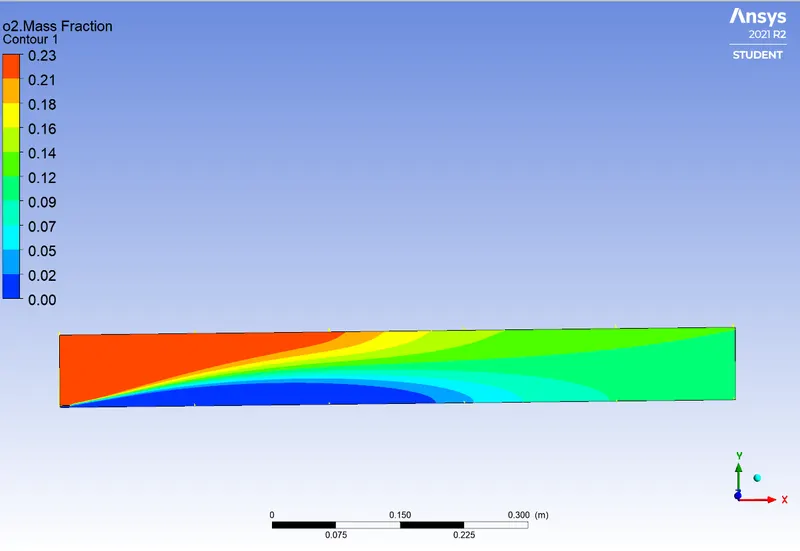
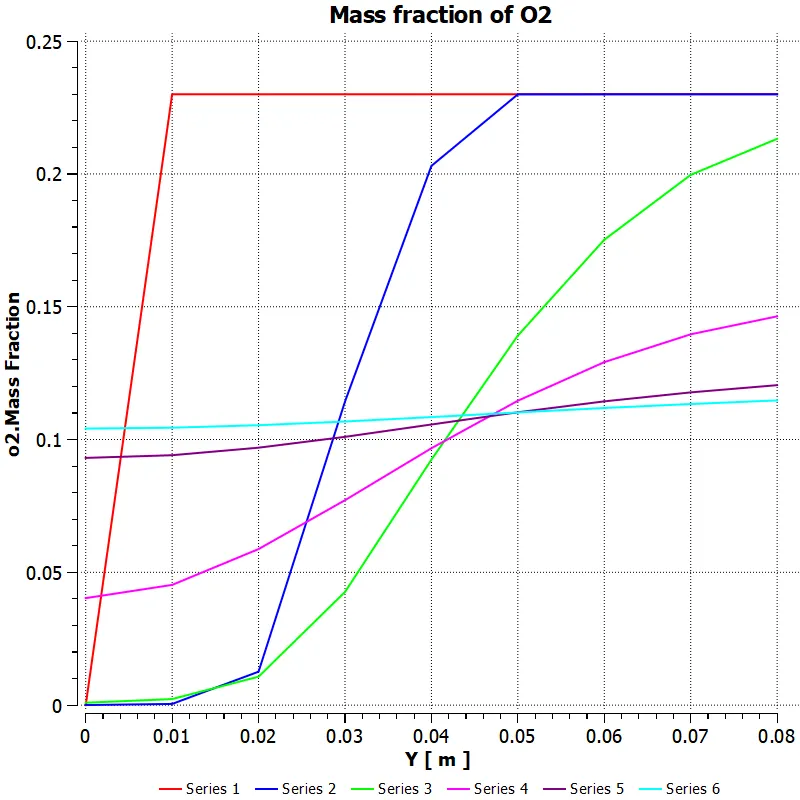
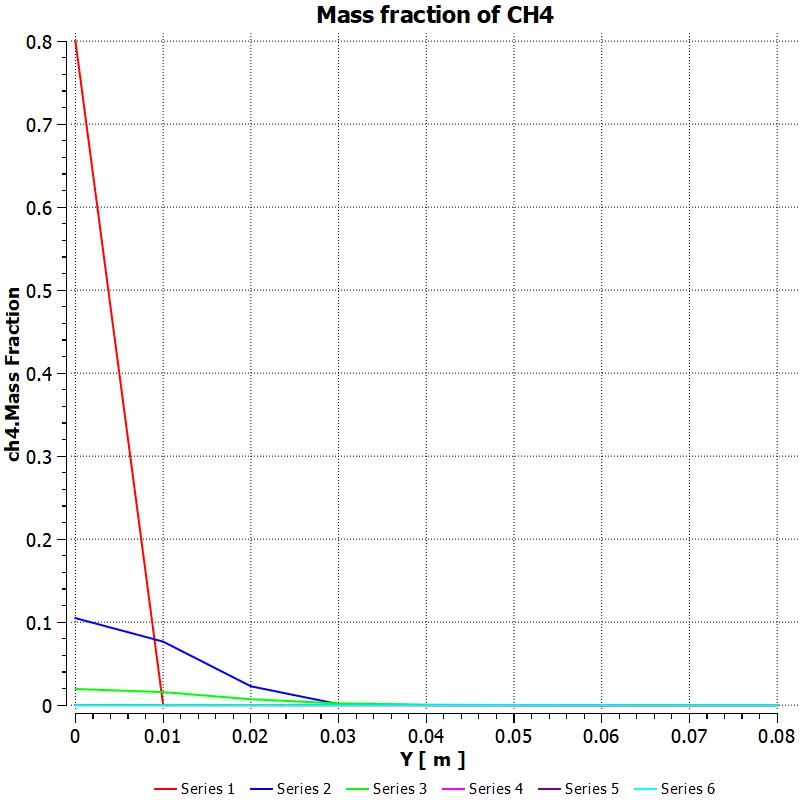
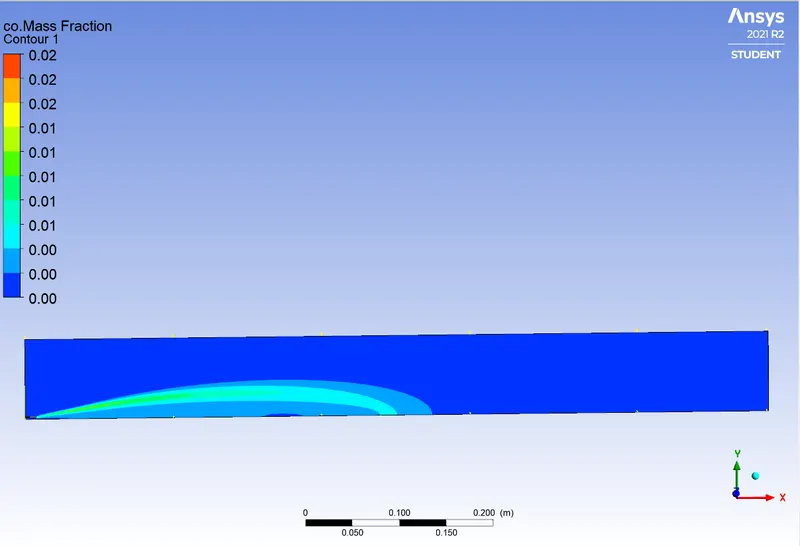
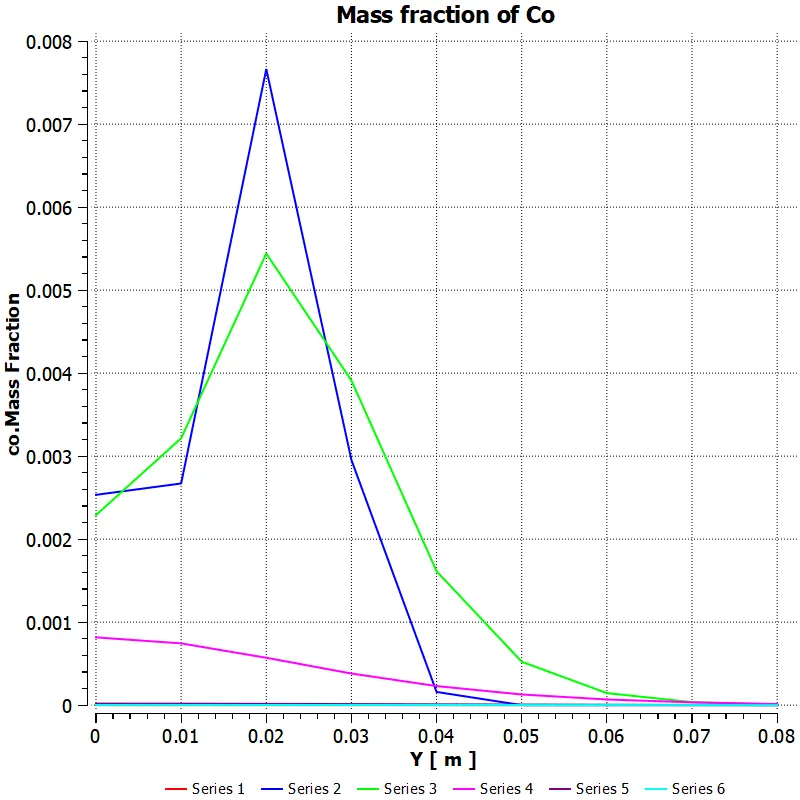
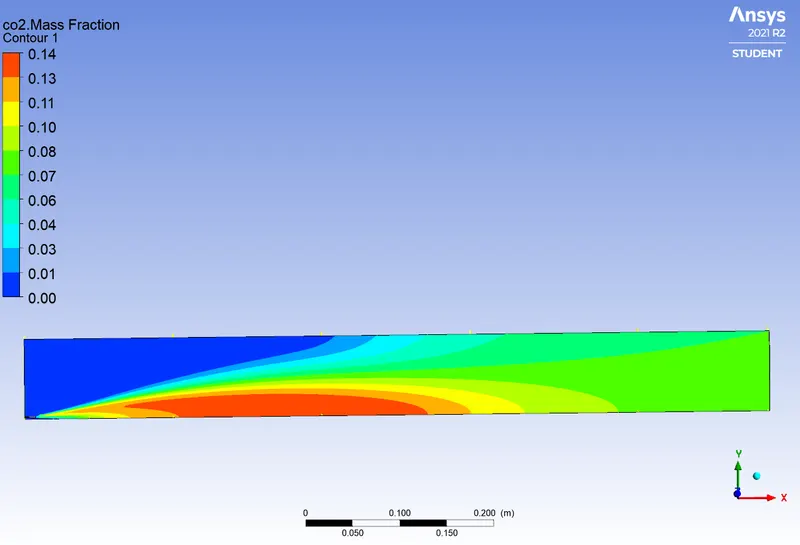
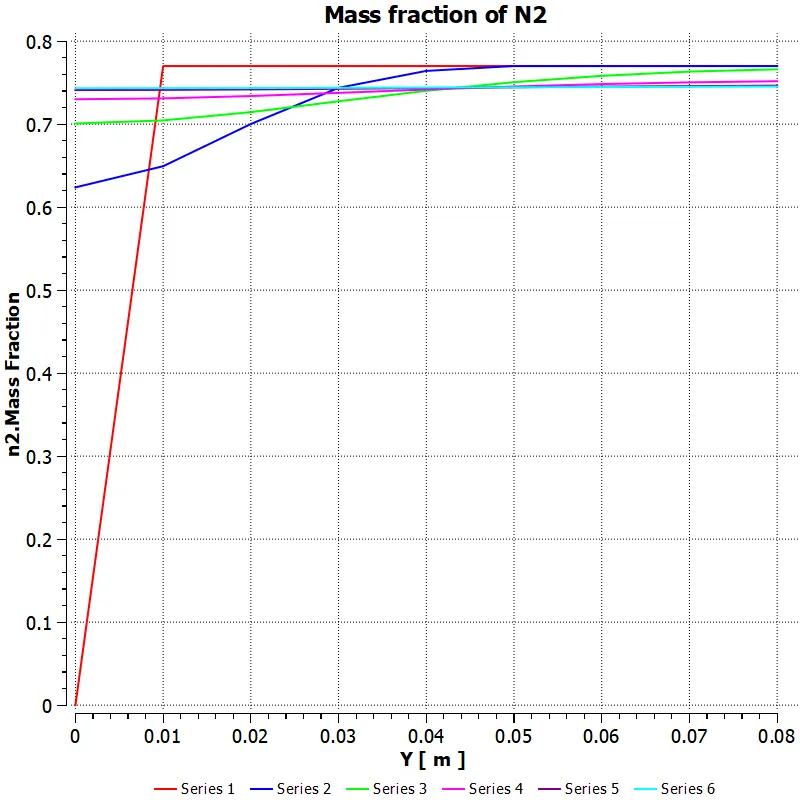
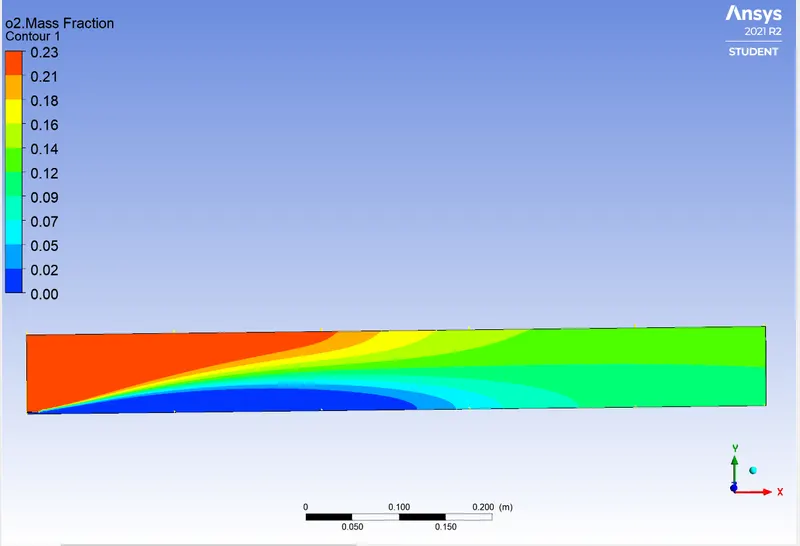
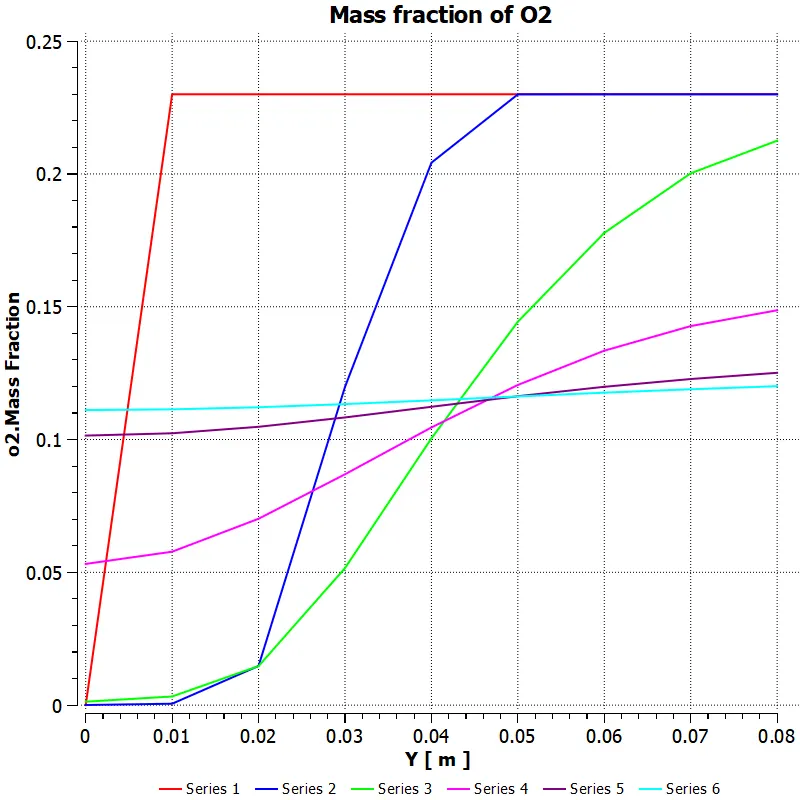
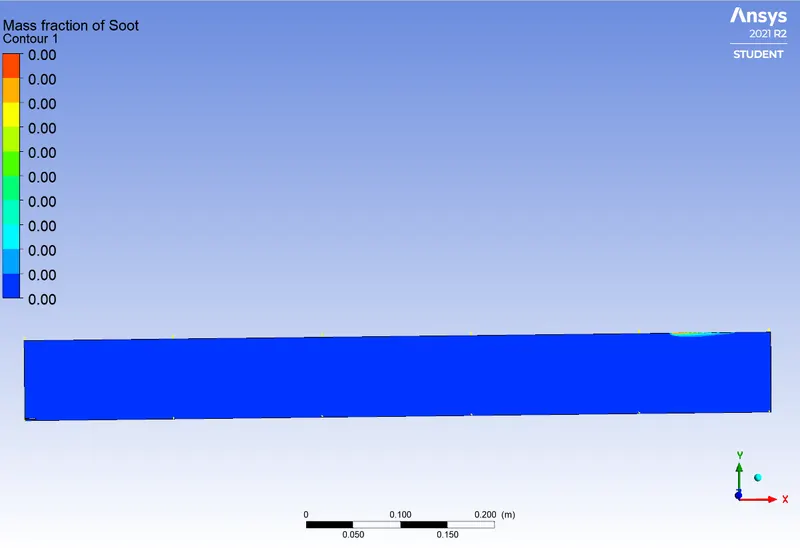
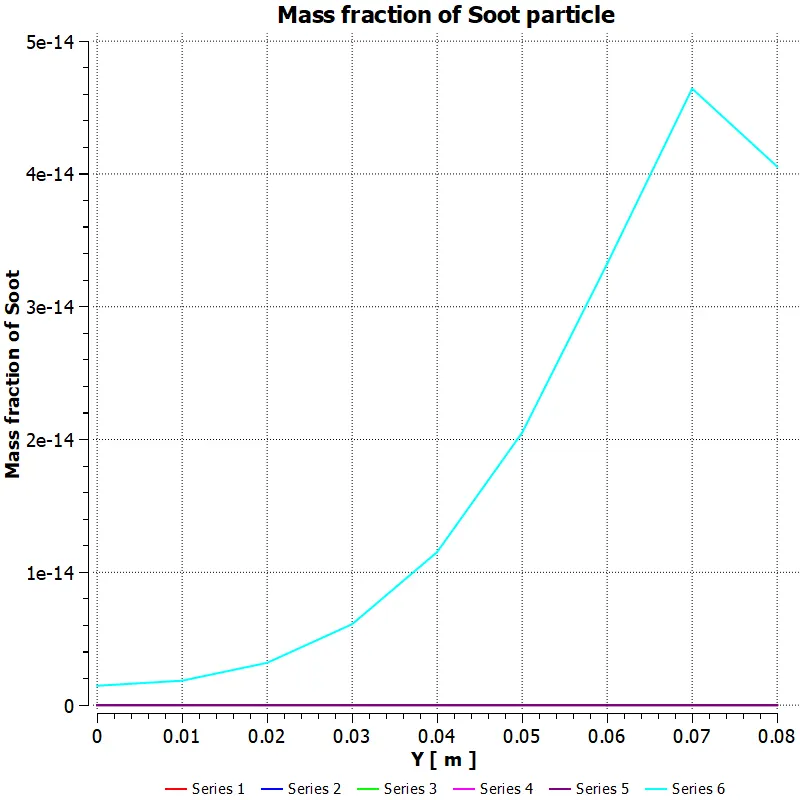
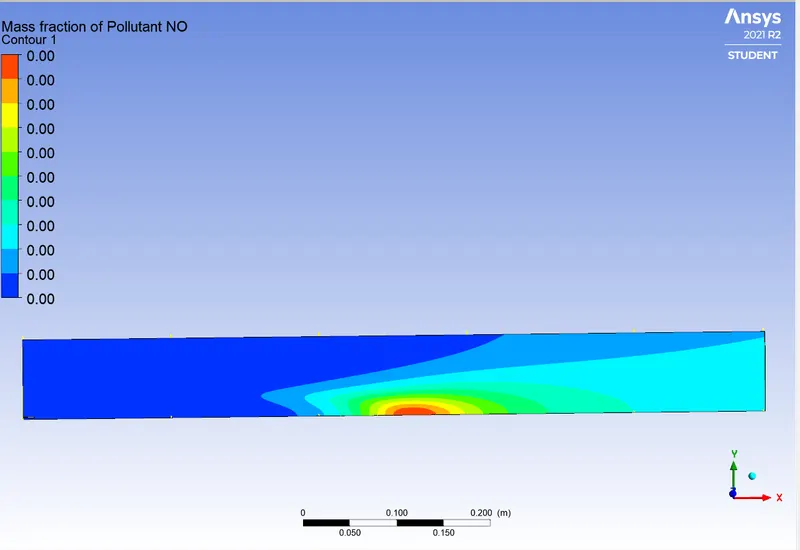
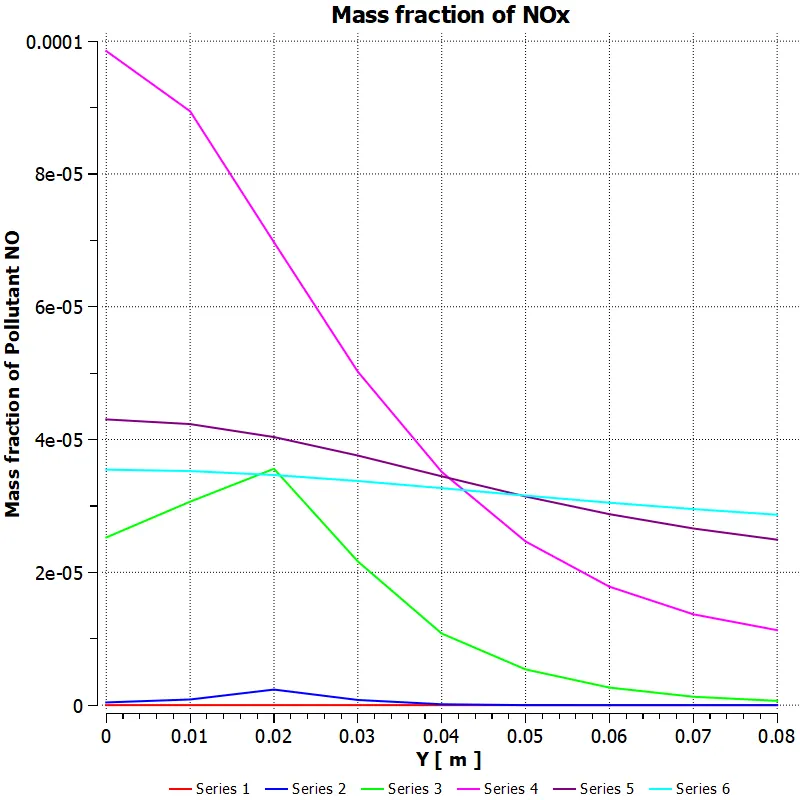
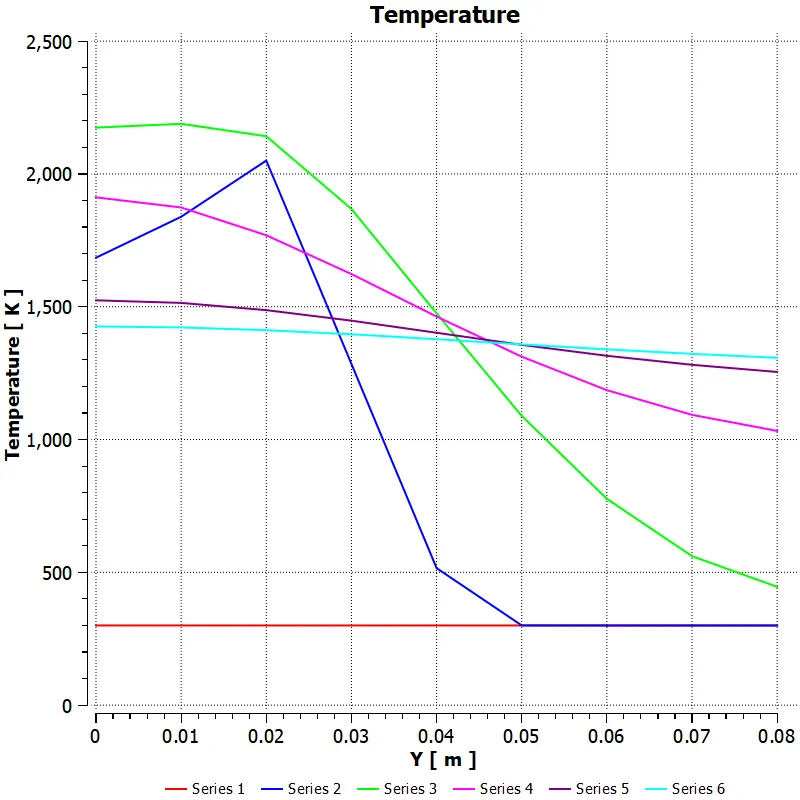
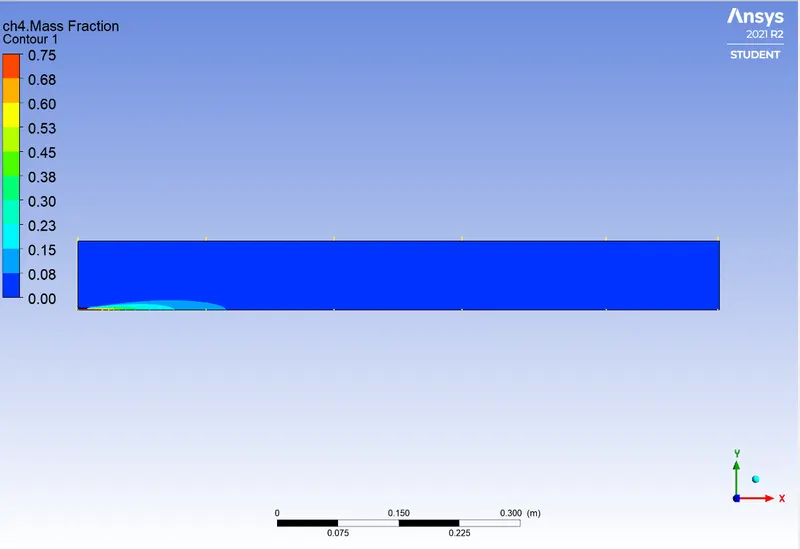
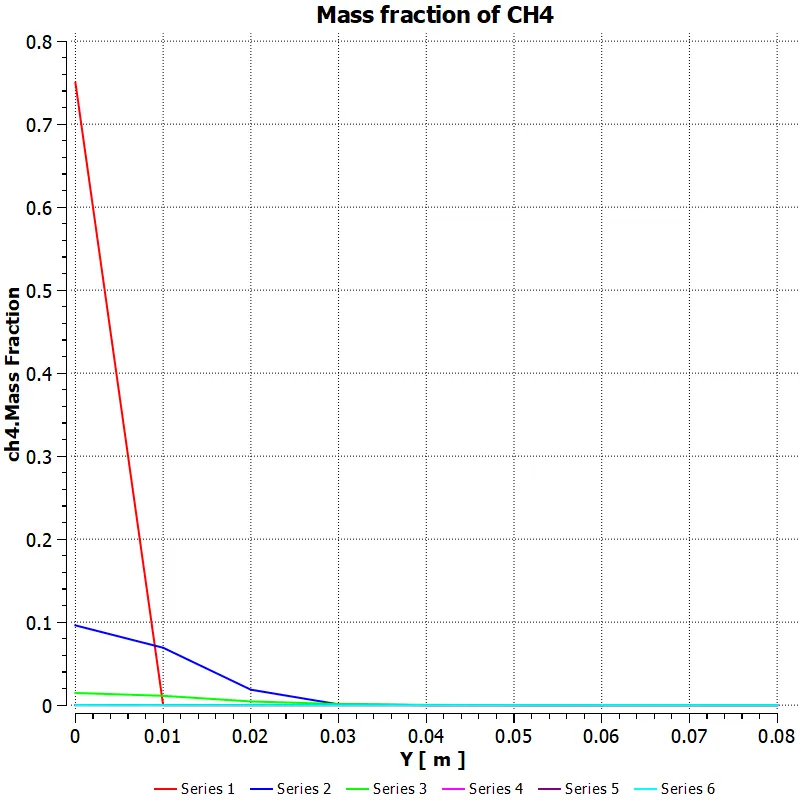
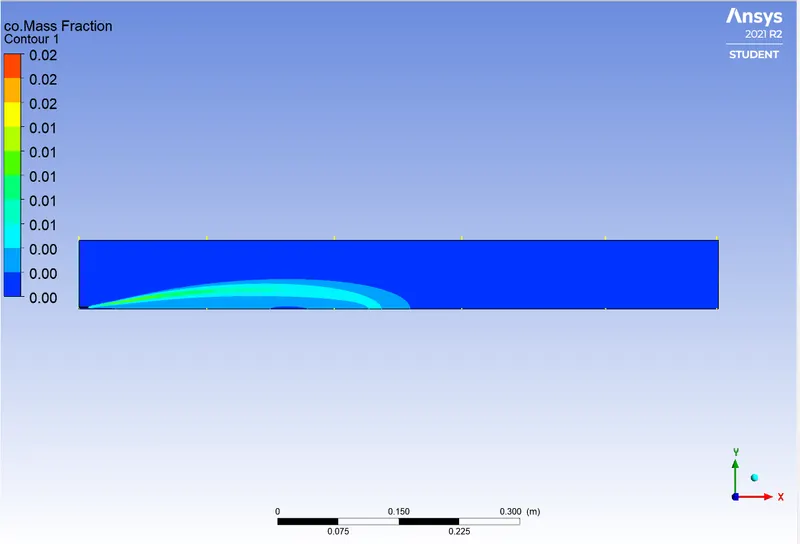
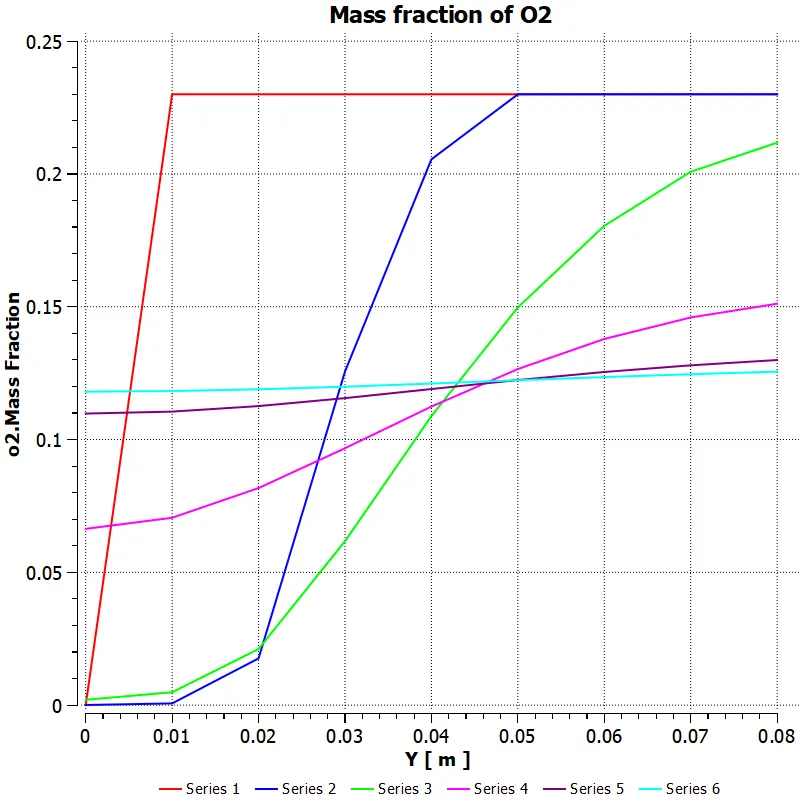
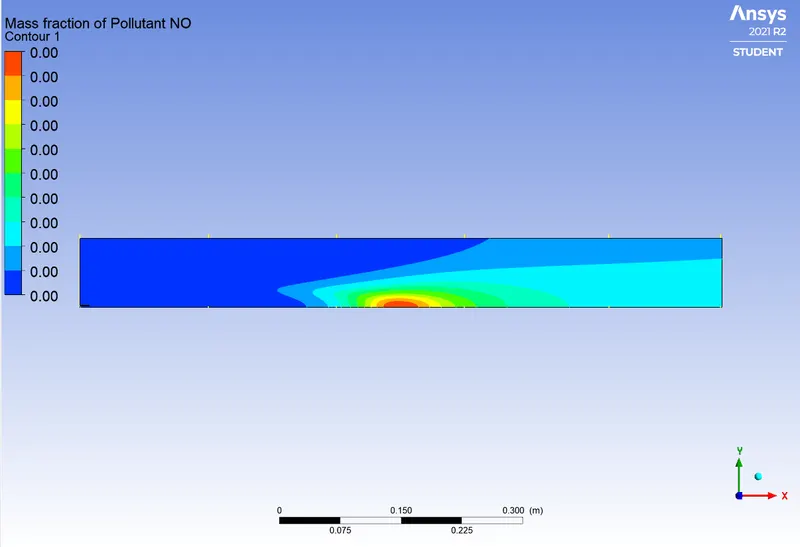
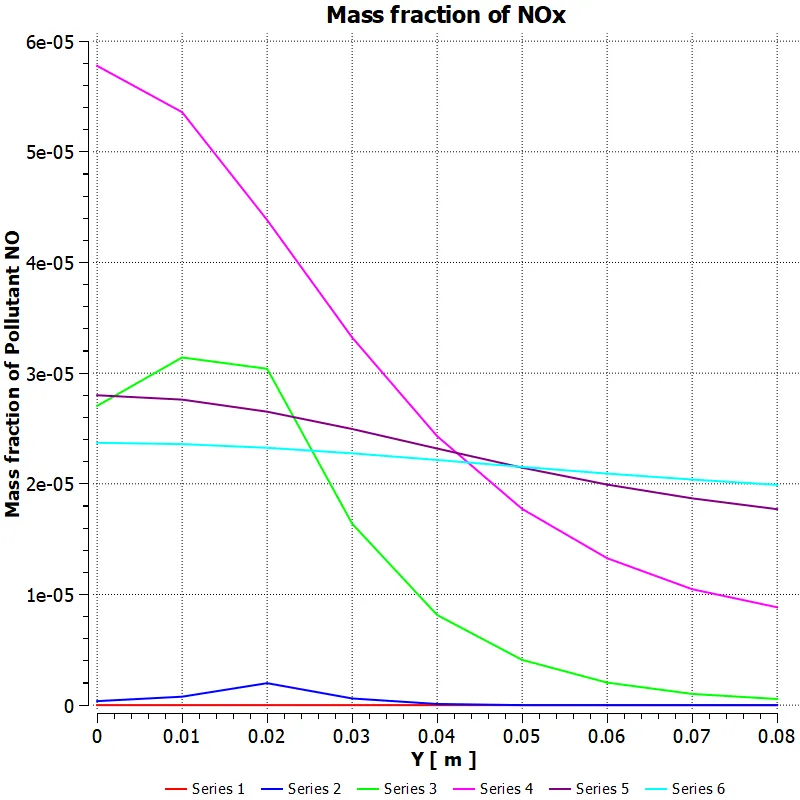
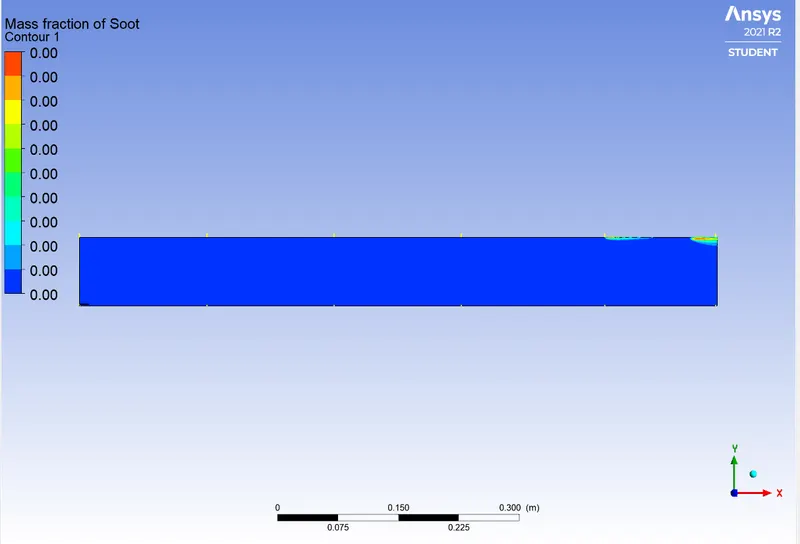
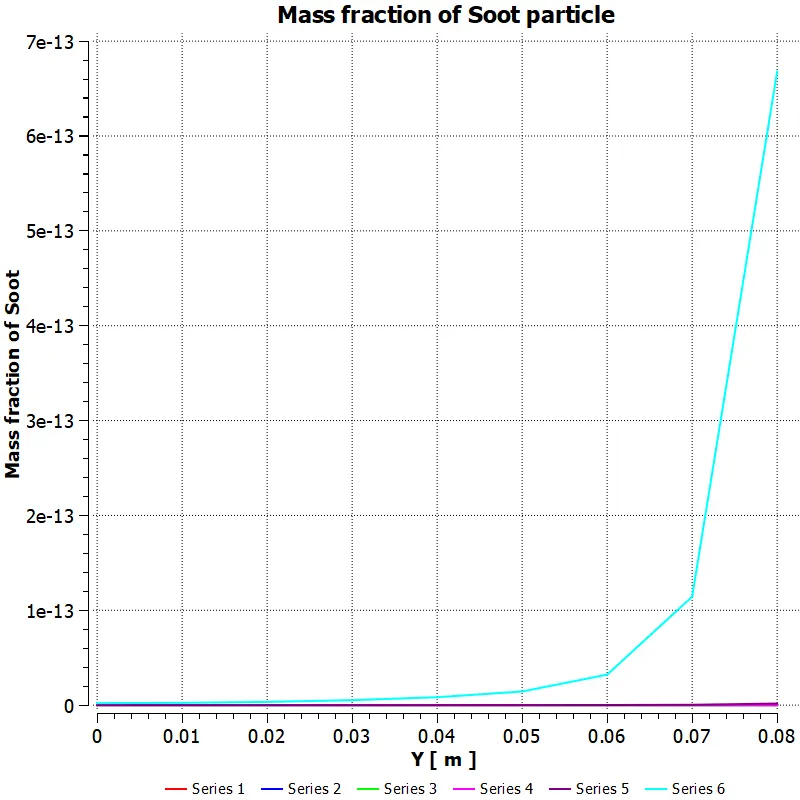
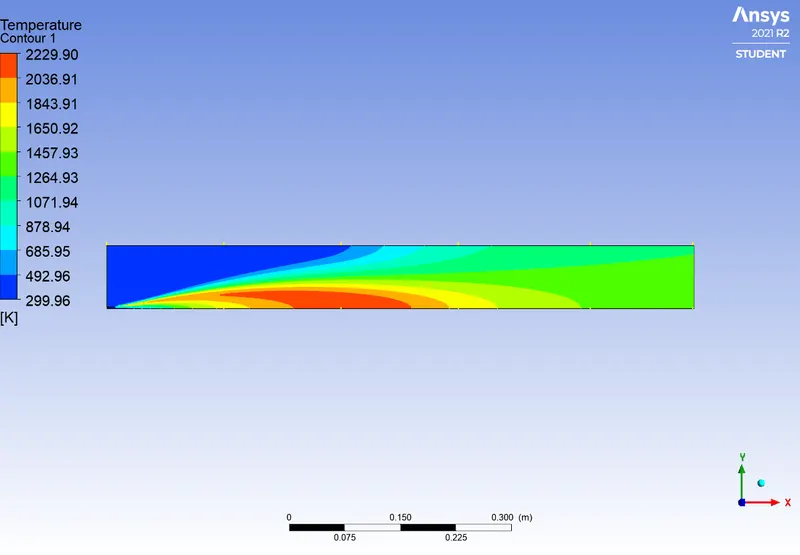
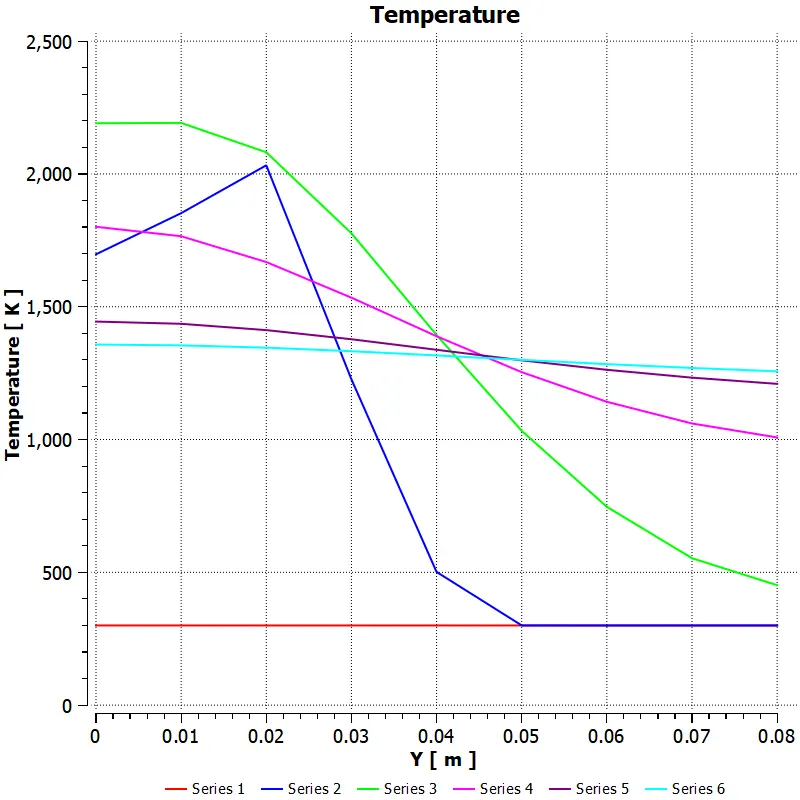
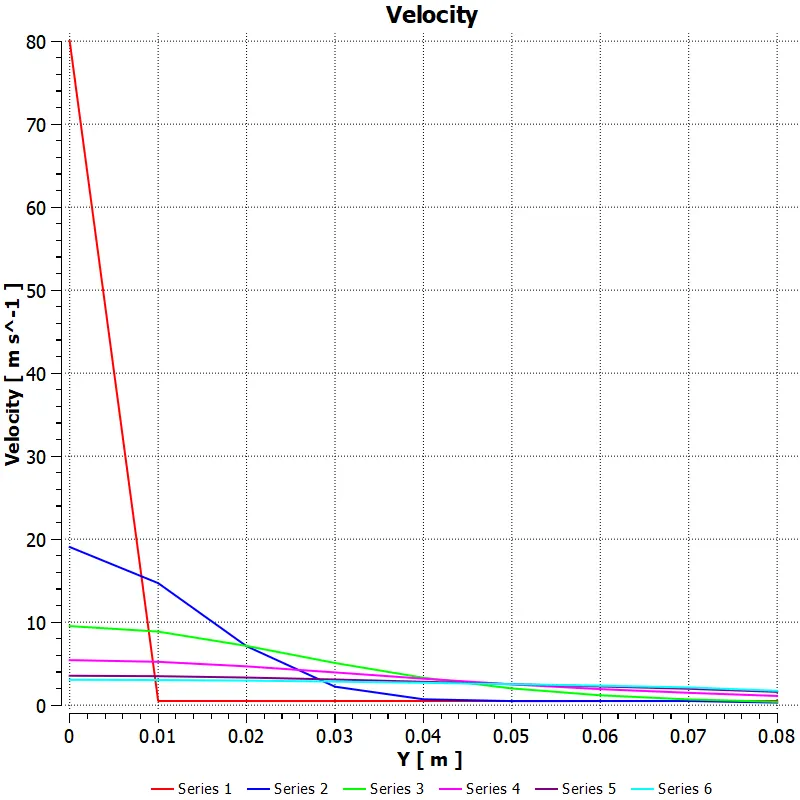
From the above graph, we can say that

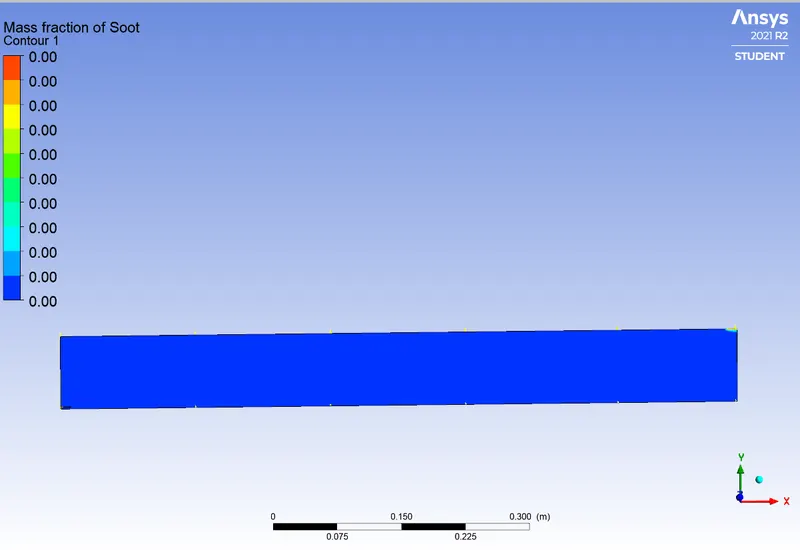
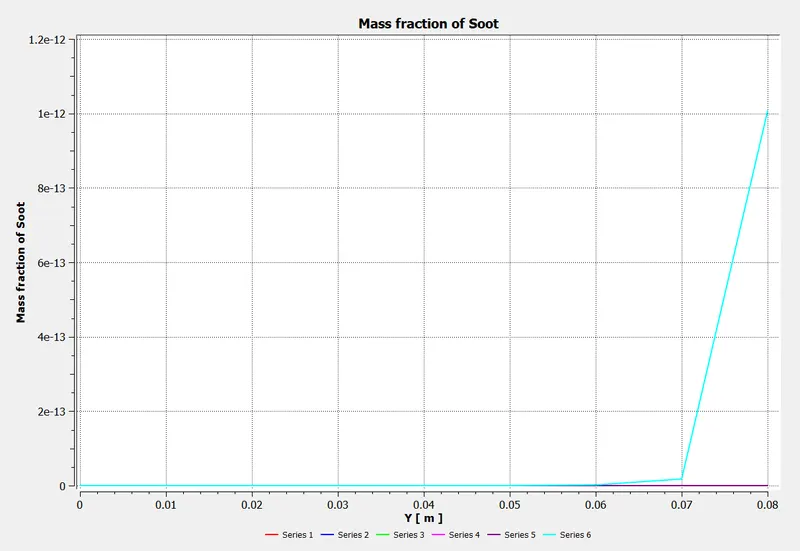
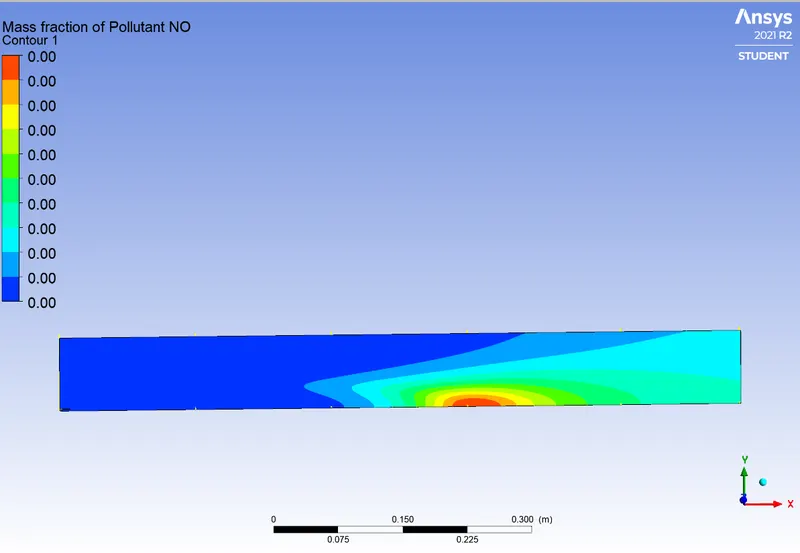
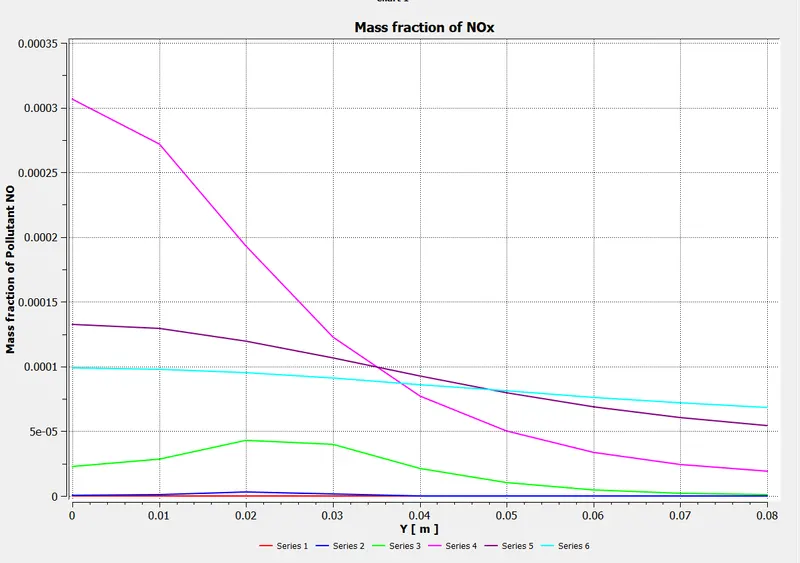
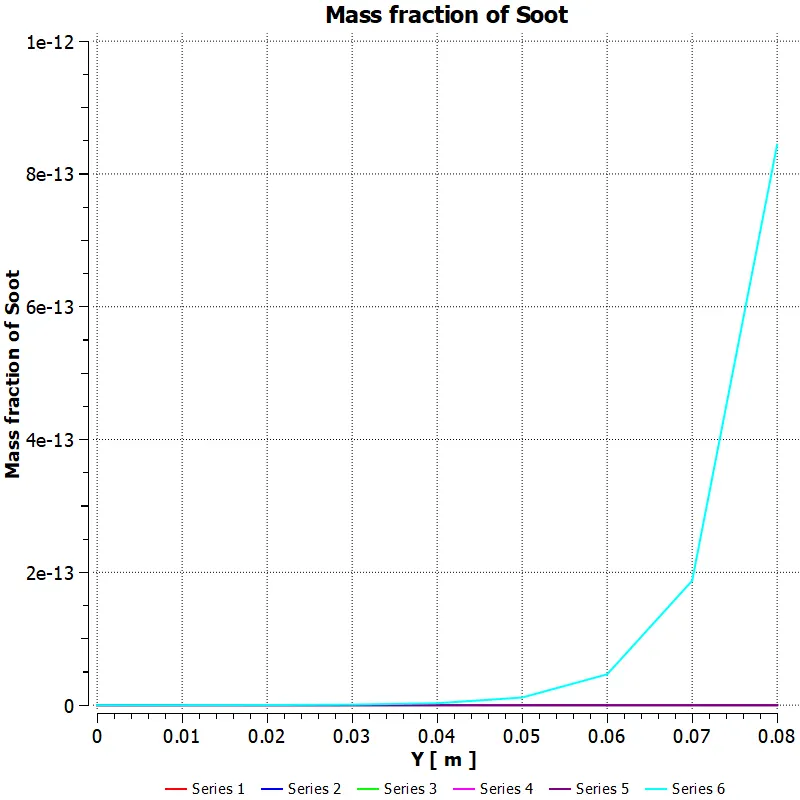
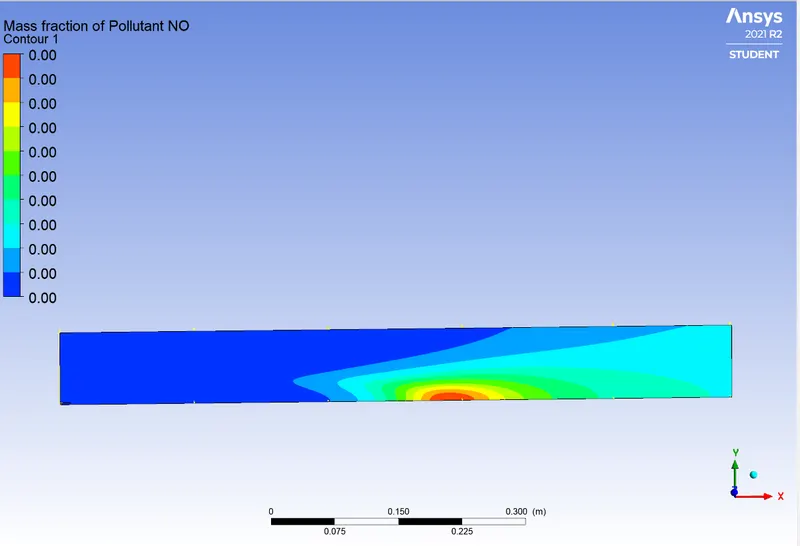
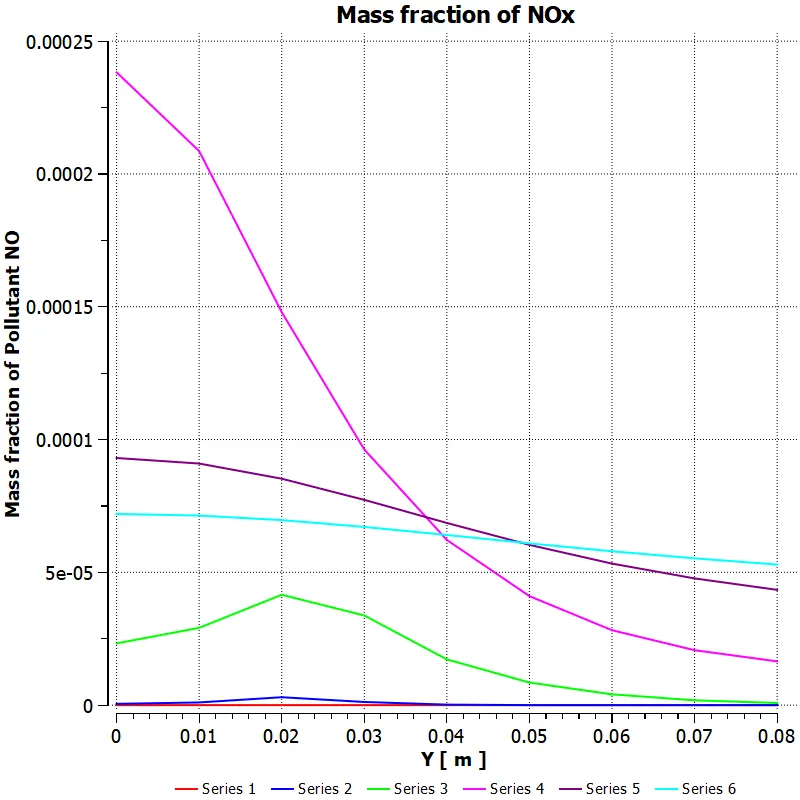
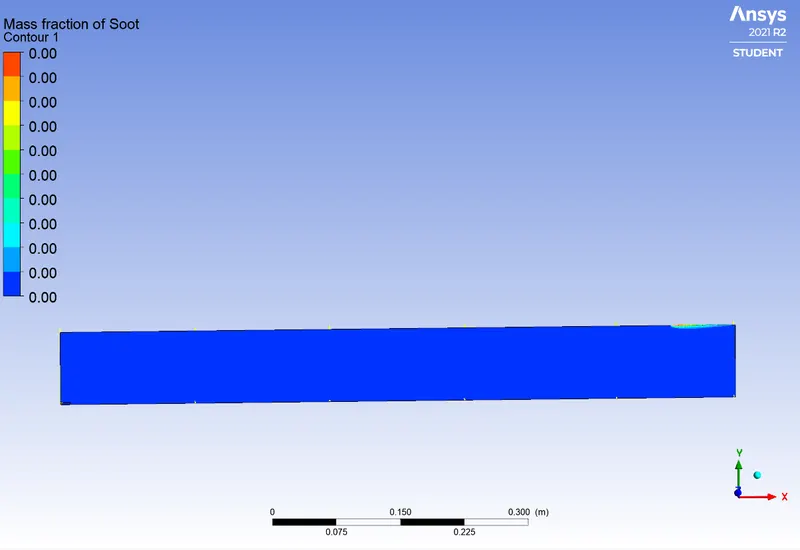
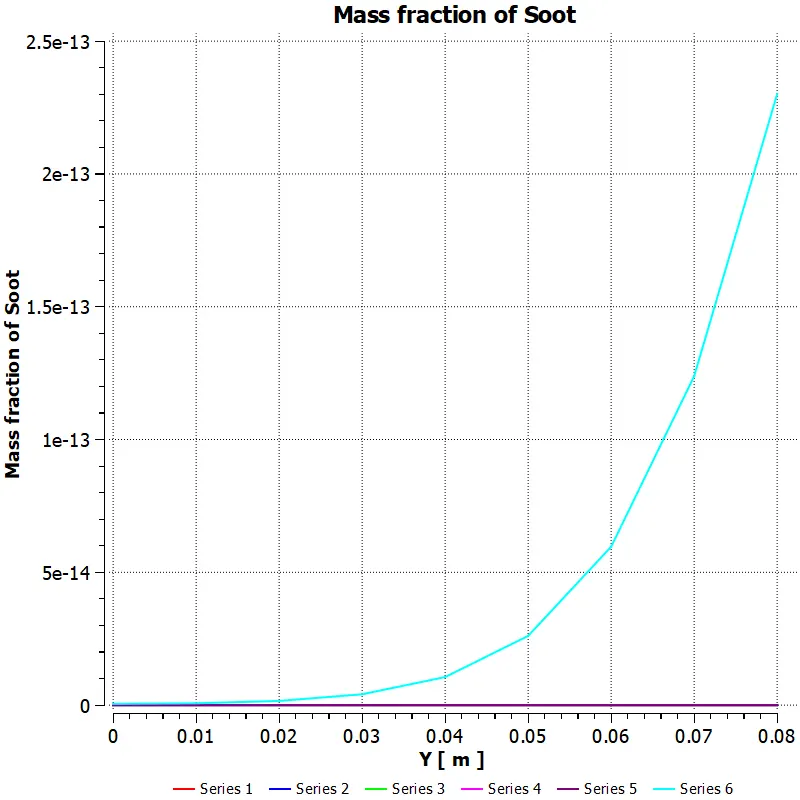
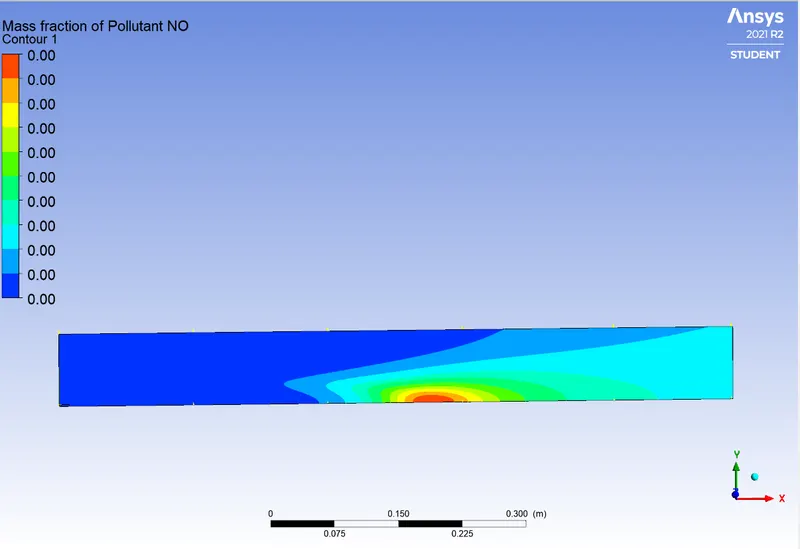
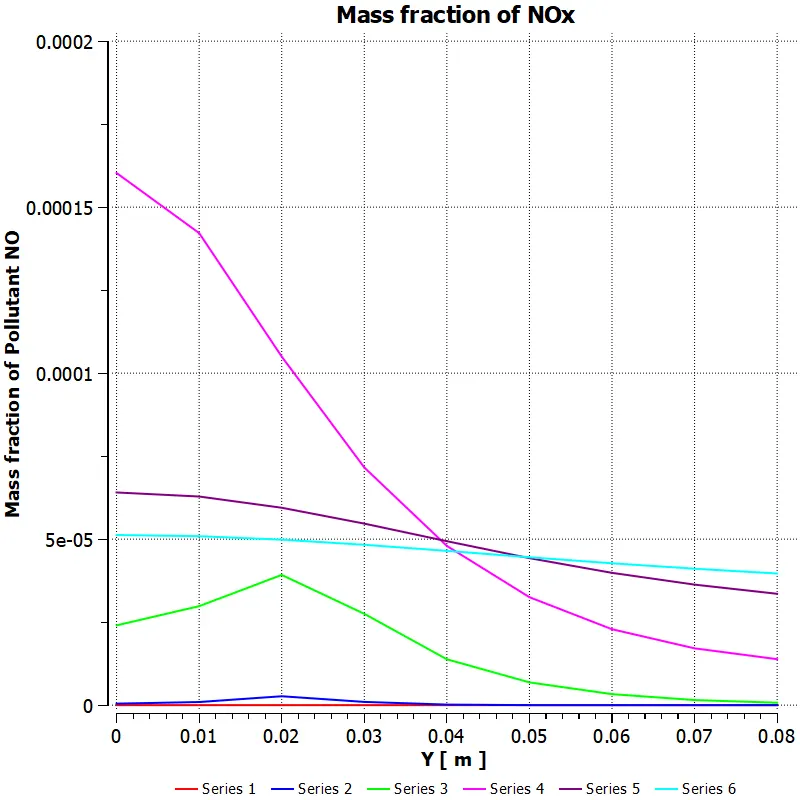
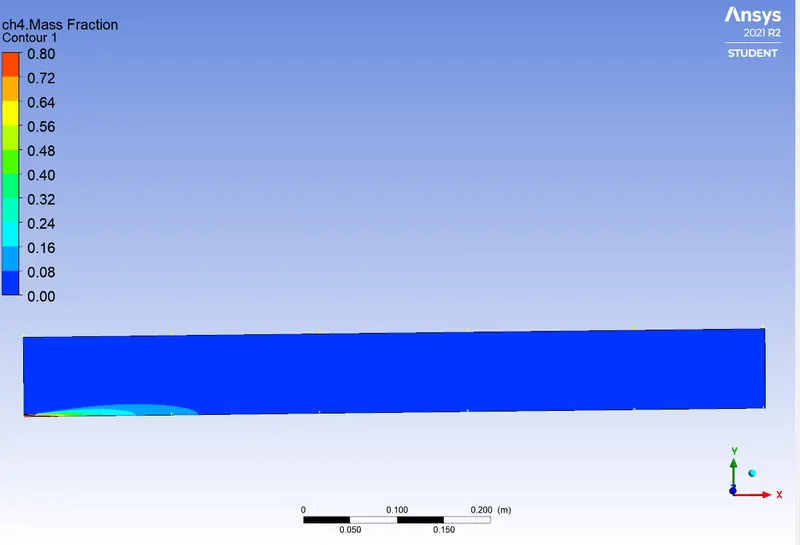
- Adding water from 5% to 30% decreases the emission of Nox and Soot pollutants.
- Adding water also decreases the highest temperature.
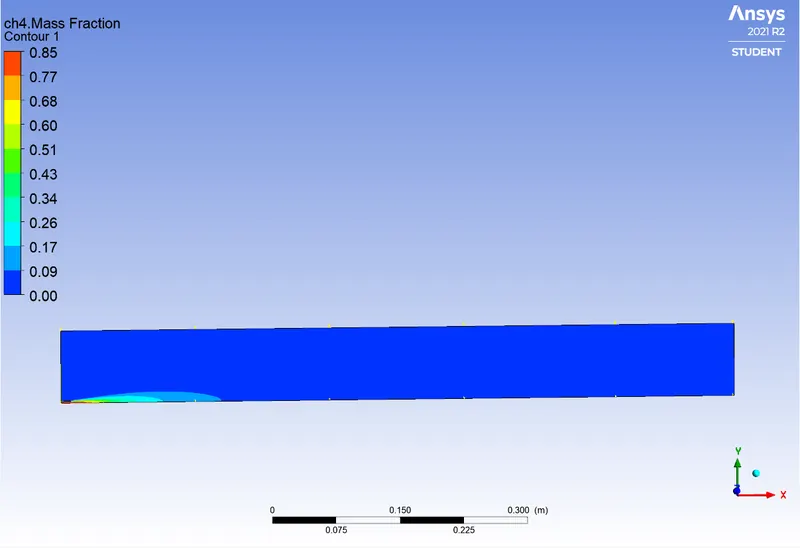
- Highest temperature is achieved in the proximity of the Inlet.
- Low combustion temperature provides a number of advanced combustion strategies, including homogeneous charge compression ignition (HCCI) or premixed charge compression ignition (PCCI). LTC combustion can produce very low emissions of NOx and PM but often results in increased CO and HC.
Note (gaps):
While choosing parameters for Input conditions, double-check whether the parameters are used or not properly.