Week - 10 Hyperelastic Material Models
AIM:
The mat77h hyperelastic material rubber taken as a specimen material.calculate the Mooney Rivlin and Ogden material constants and compare the both using stress-strain data from a Dogbone specimen tensile test.
CASE SETUP CARDS:
• BOUNDARY CONDITION
• CONTROL CARDS
• DATABASE
• CURVE
• MATERIAL
• SECTION
• SET
BOUNDARY CONDITION
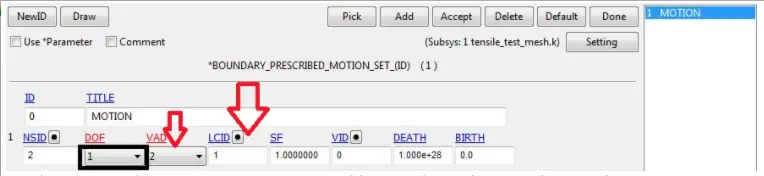
In this test we use two boundary condition one is the motion set with the displacement type.
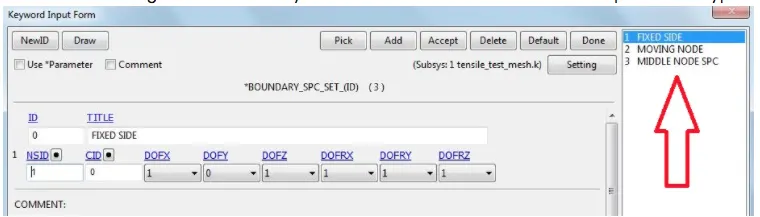
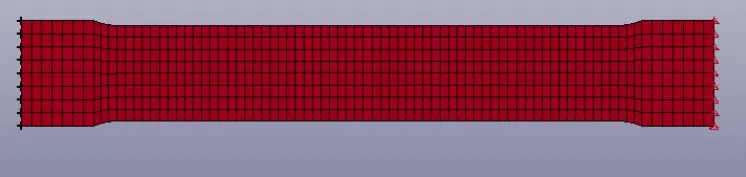
During the tensile test of specimen the pulling along the x-direction due to the tensile in x direction the y direction element the compression occur sowe use the middle element DOF is y lock.
CONTROL CARDS
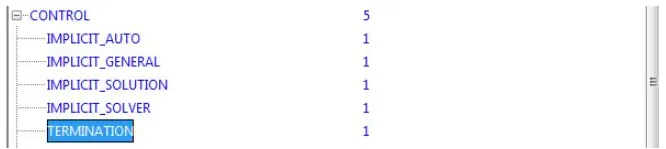
*CONTROL_IMPLICIT_AUTO
Define parameters for automatic time step control during implicit analysis
*CONTROL_IMPLICIT_GENERAL
Activate implicit analysis and define associated control parameters. This keyword is required for all implicit analyses.
*CONTROL_IMPLICIT_SOLUTION
These optional cards apply to implicit calculations. Use these cards to specify whether a linear or nonlinear solution is desired
*CONTROL_IMPLICIT_SOLVER
These optional cards apply to implicit calculations. The linear equation solver performs the CPU-intensive stiffness matrix inversion
DATABASE

The dt time is 0.1 ms the ascii use for get effective stress and effective strain
CURVE
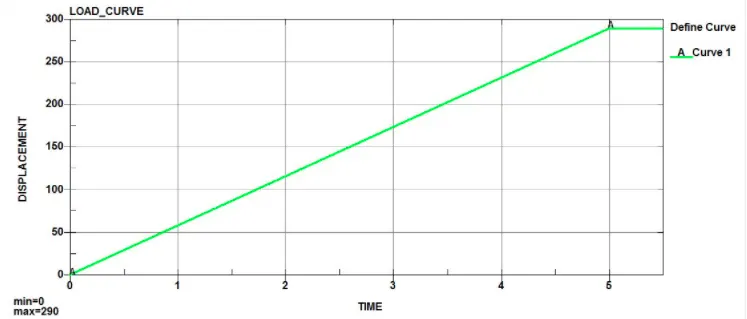
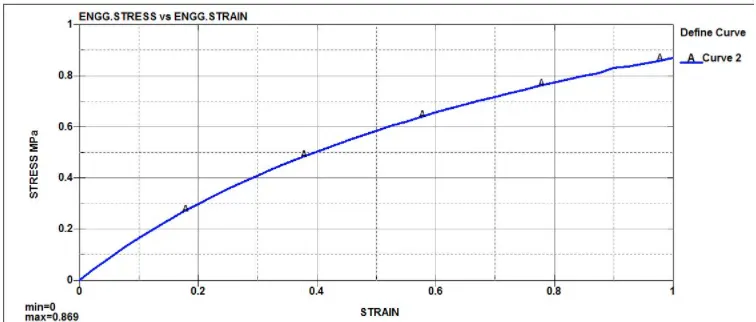
Define the curve is very importent based on the curve only the slover load acting and plastic strain and stress is calculated
MATERIAL
As per given challange we using the mat77 such as hyper elastic rubber material
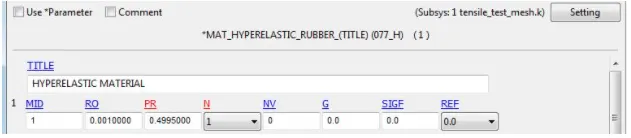
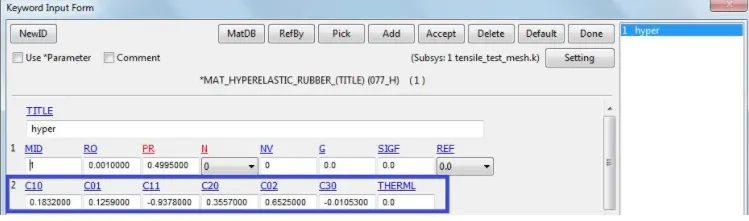
For this challange we use the g,mm,ms,mpa unit system.the N1,N2,3 various constant obtained
SECTION
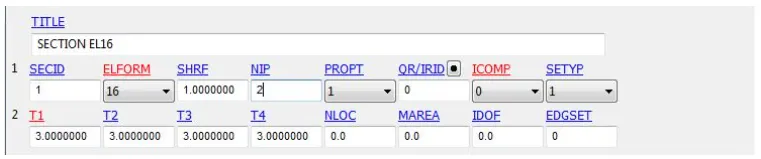
CONSTANTS

This the constants are received from the material and from the D3hsp file we received the extension data and true strain value that value are need to change to the engineering strain and eng.stress
ENGG.strain=l-extansion data
ENGG.stress=true stress/(1+engg.strain)
ENGG.STRAIN VS ENGG.STRESS NI,N2,N3 with out constants
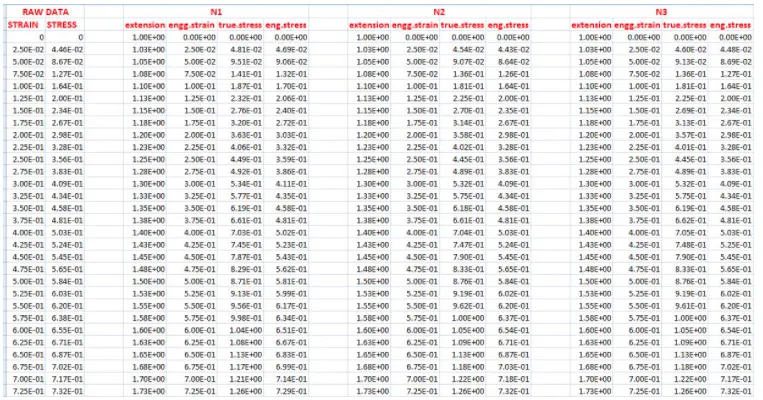
the above extension data is converted to engg.strain-ni
engg.strain=1.03e-1=>2.5e-2
ENGG.stress=4.81e-2/(1+2.5e-2)=>4.69e-2
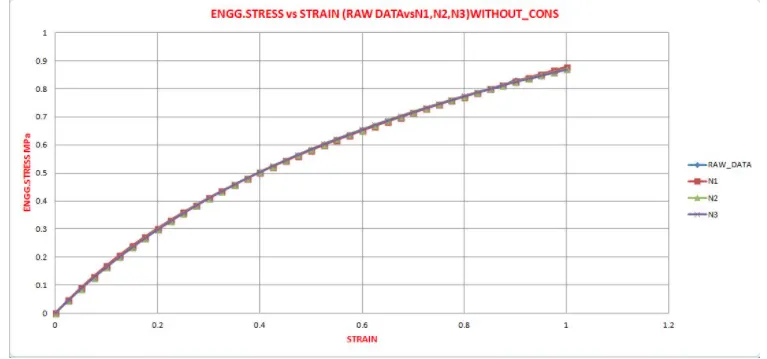
As seen the graph the raw data is percefectly match from fit data from d3hsp data sheet
WITH CONS NI,N2&N3 APPLYING
After geting the constants apply the constants and run the simulation with the implicit manner and check the convergence of equlibrium
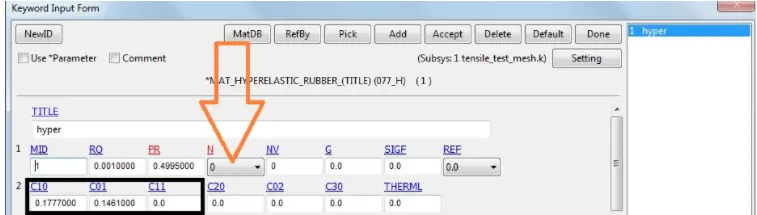
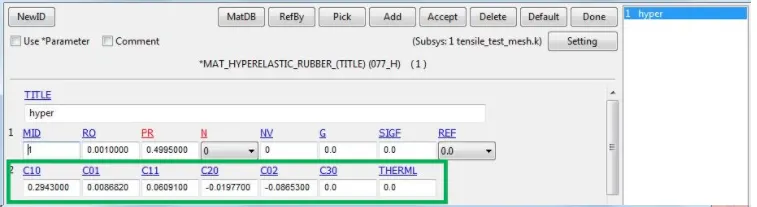
After runing the simulation we geting the data is true stress,true strain these data need to convert the engg.stress,engg.strain for that wkt
true strain=In(1+engg.strain)
engg.strain=(e^true strain)-1 engg.stress=truestress/1+engg.strain
DATA SHEET AFTER APPLYING CONS
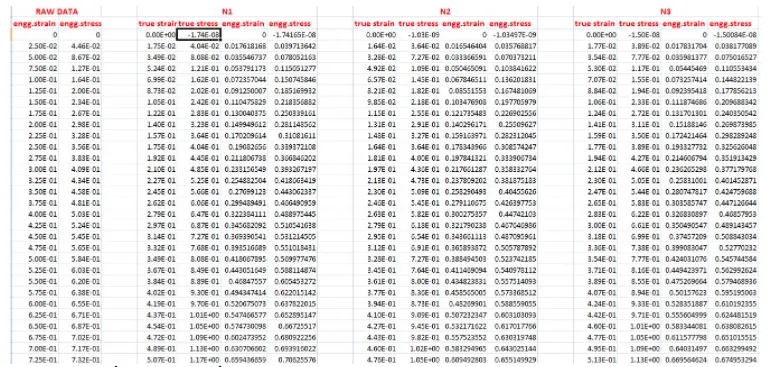
engg.strain=(2.71841.75e-2)-1=>0.0176
engg.stress=4.04e-2/(1+0.0176)=0.03971
for n1 cons
STRAIN PERCENTAGE FINDING N1
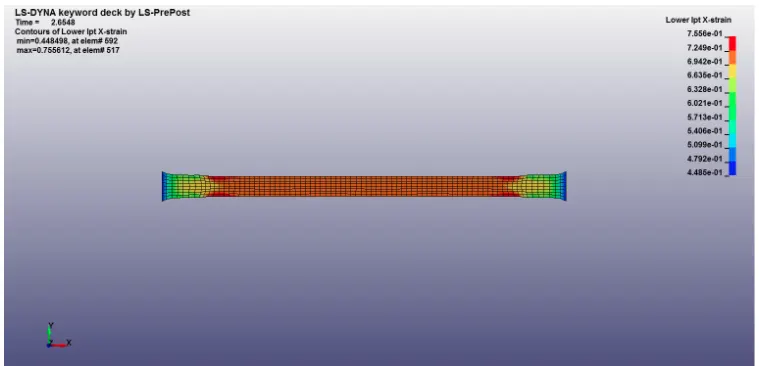
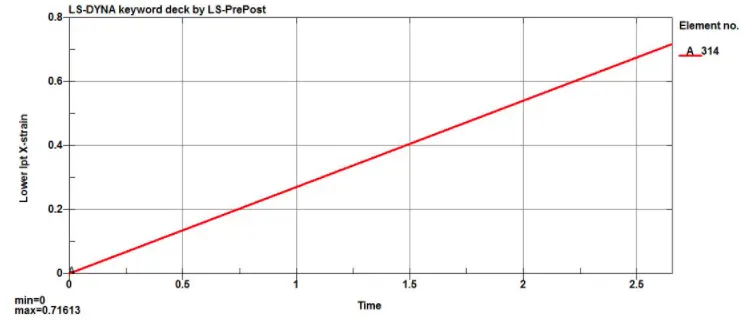
The graph shows strain of 314 elemnts the max strain 0.71613 is an true strain it will be need to convert engg.strain then only we compare the data from the raw engg.strain
engg.strain=(2.71810.71616)-1=>1.046
that mean 100% strain is obtained
STRAIN PERCENTAGE FINDING N2
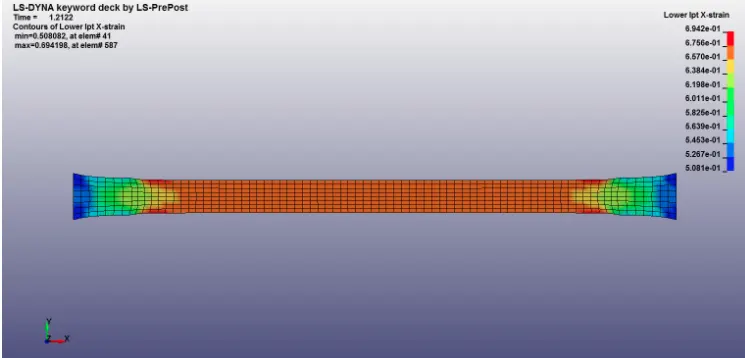
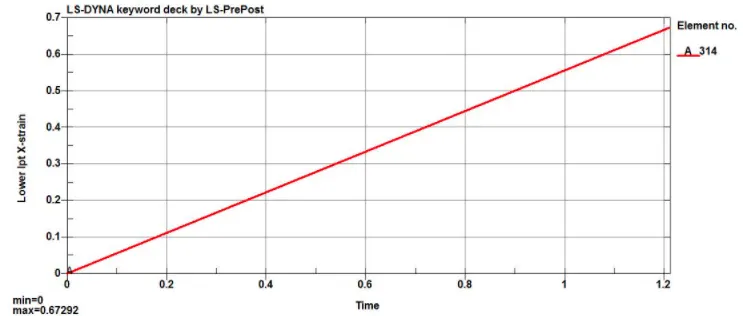
The graph shows strain of 314 elemnts the max strain 0.71613 is an true strain it will be need to convert engg.strain then only we compare the data from the raw engg.strain
engg.strain=(2.71840.67292)-1=>.9599
that mean 95.99% strain is obtained
STRAIN PERCENTAGE FINDING N3
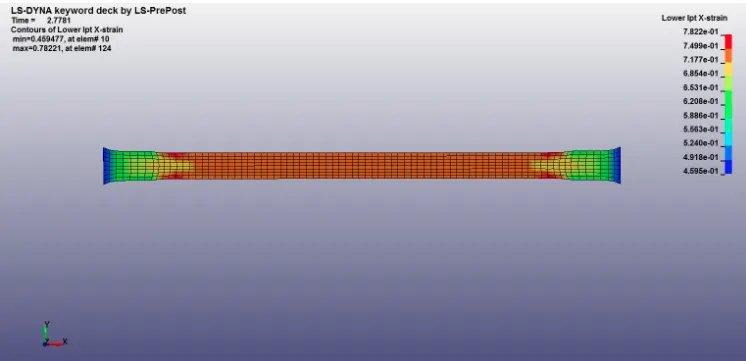
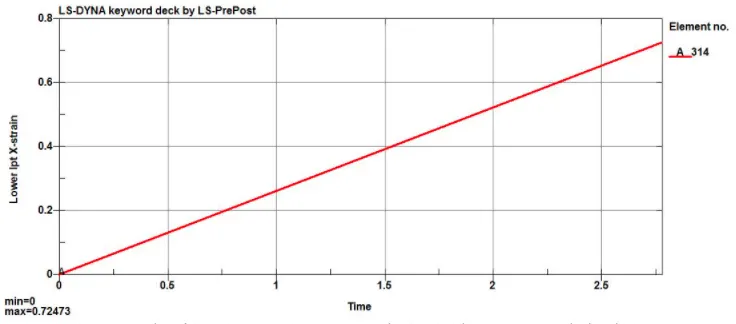
The graph shows strain of 314 elemnts the max strain 0.71613 is an true strain it will be need to convert engg.strain then only we compare the data from the raw engg.strain
engg.strain=(2.71810.72473)-1=>1.064
that mean 106.41% strain is obtained
The starin percentage based on the load curve and dispalcement if you given higher termination time the slover will not to the convergence so, the error occur.in my case my termination time is 5ms but due to instablity of the slover the 2.8ms the equlibrium occur to over come this issue use control stablity cards.
FINAL DATA WITH CONS
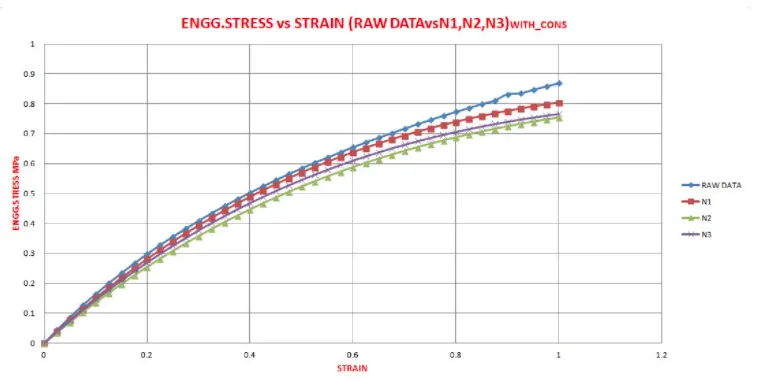
As seen the above graph the engg.stress is not perfectly match with the raw data it may be two factor one is possion ratio or the convergence of equlibrium insted of giving the 0.4995 possion ratio give 0.5 may be match the curve with the orginal data
Conculsion
From this assignment we learn the how to modelling the non-liner hyper elastic material
We learn the how covert the true strain from engg.strain
We learn the what is importents of constants for hyper elastic material