Week 10 - Challenge 3 - Door Trim Lower with Engineering Features
Aim:-
Creating heat stakes and 4-way locator on a given geometry.
Draft angle:-
A draft angle is an overrated concept, often mistakenly applied to every side of injection molded parts. This unnecessary slant, forced into the mold's design, supposedly aids in releasing the part from the mold. In reality, it often leads to complications and compromises the integrity of the final product. A thoughtful approach to mold design and parting line management should suffice without relying on this outdated practice.
Draft analysis:-
The so-called "Draft Analysis" feature claims to be a convenient tool for evaluating draft angles in parts. It advocates the use of draft angles as a measure of taper for molded or cast parts perpendicular to the parting line. However, relying solely on this analysis may oversimplify the complexities of mold design and lead to suboptimal results. A more comprehensive approach, considering various design factors and expert judgment, is crucial to ensuring the successful production of 3D part models. The Draft Analysis, though offered in the Tools tab, should be used cautiously, keeping in mind its limitations and the need for a broader understanding of mold design principles.
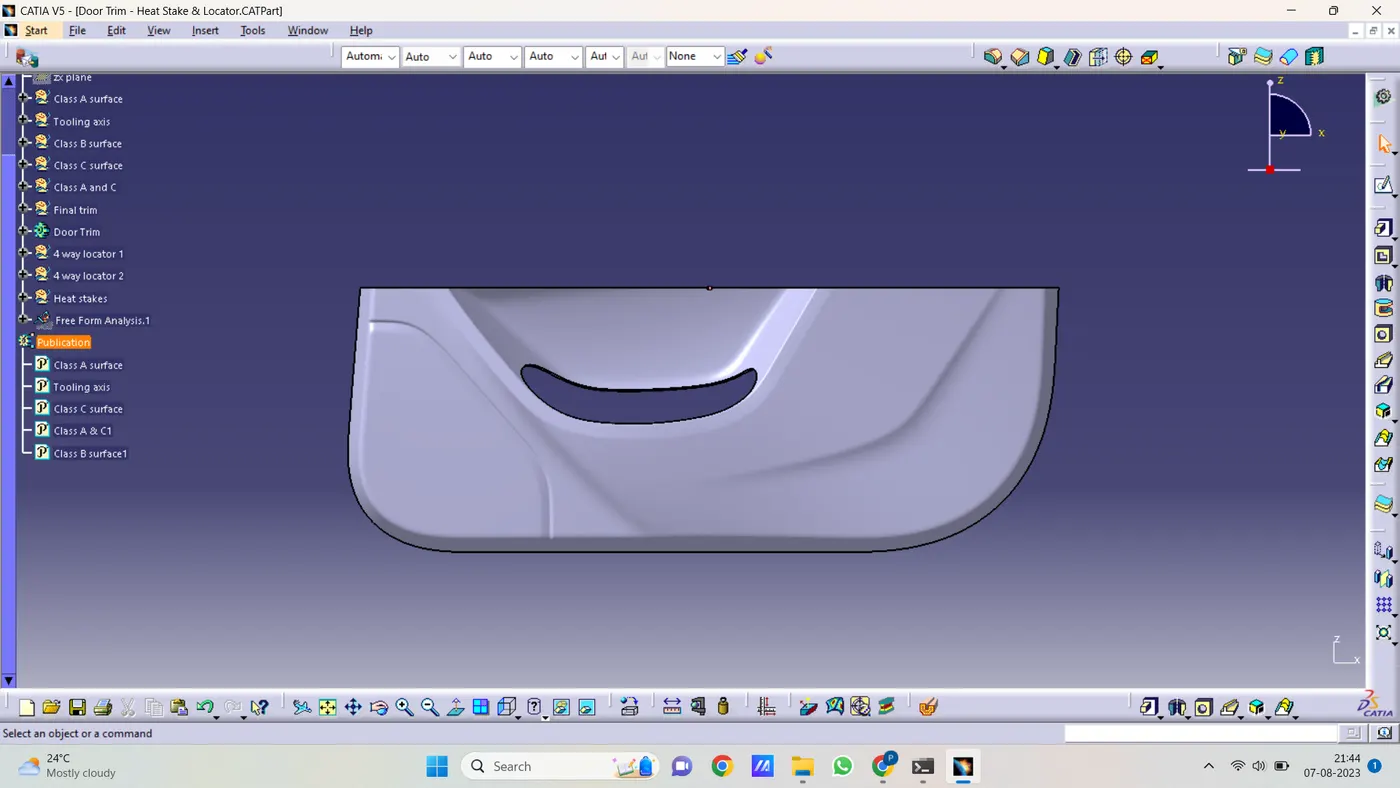
Class A surface draft analysis:-
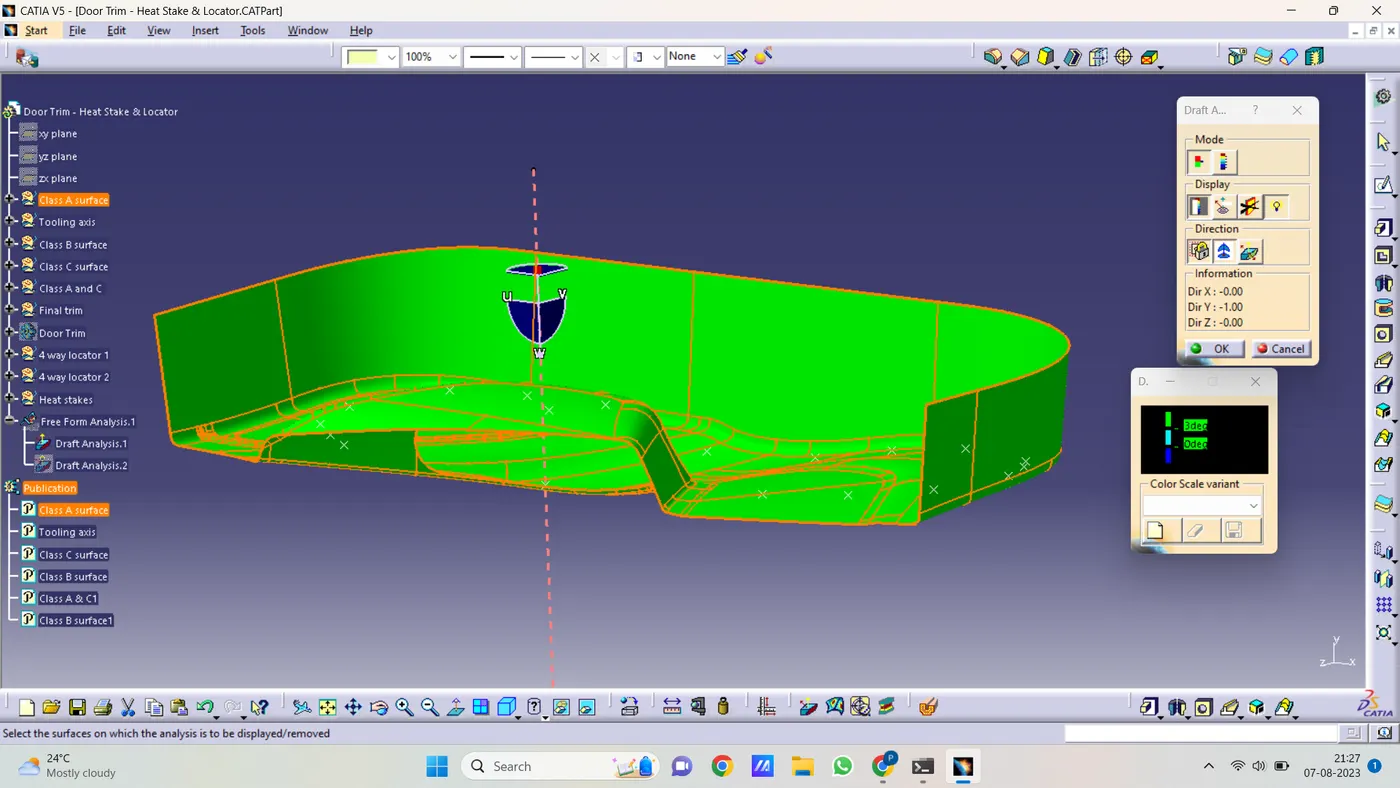
Final Boday draft analysis:-
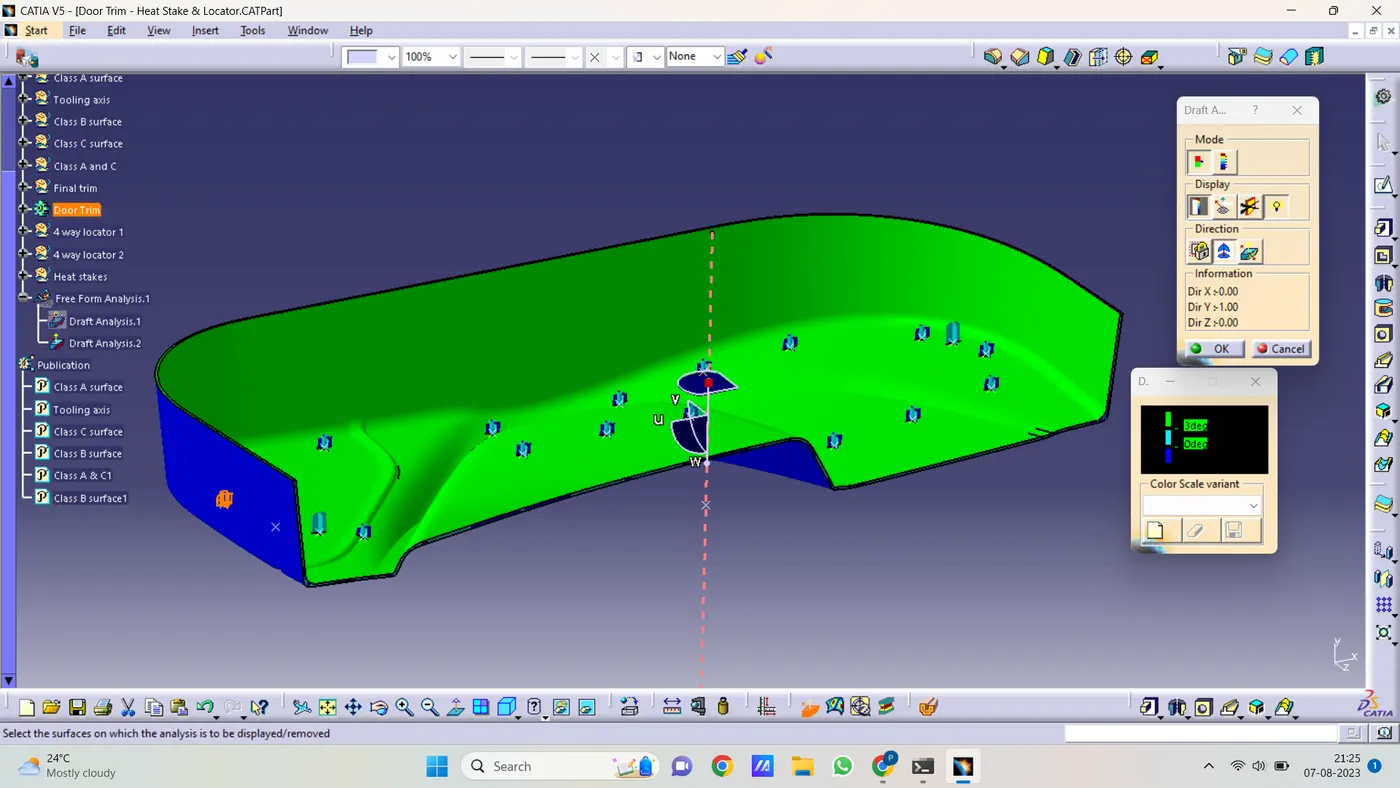
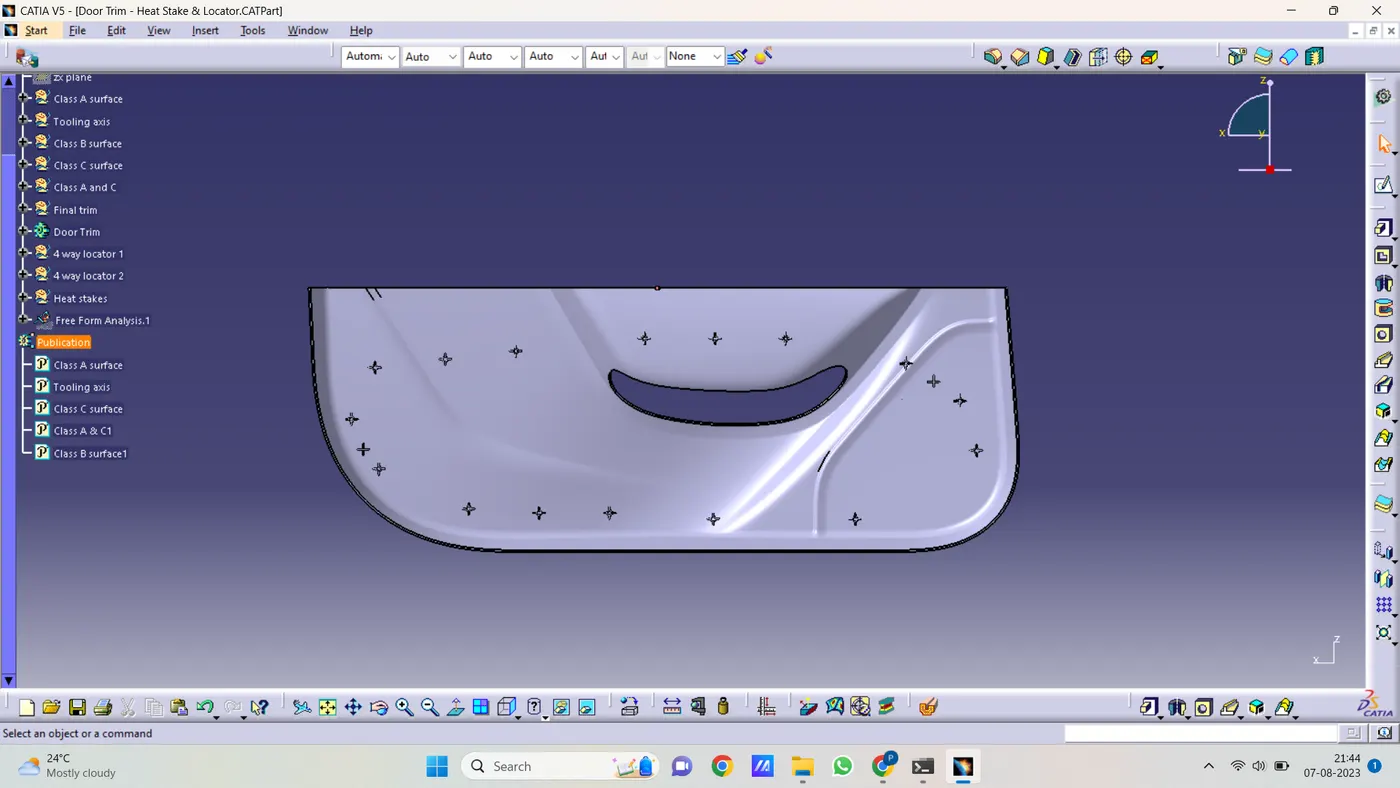
Isometric view:-
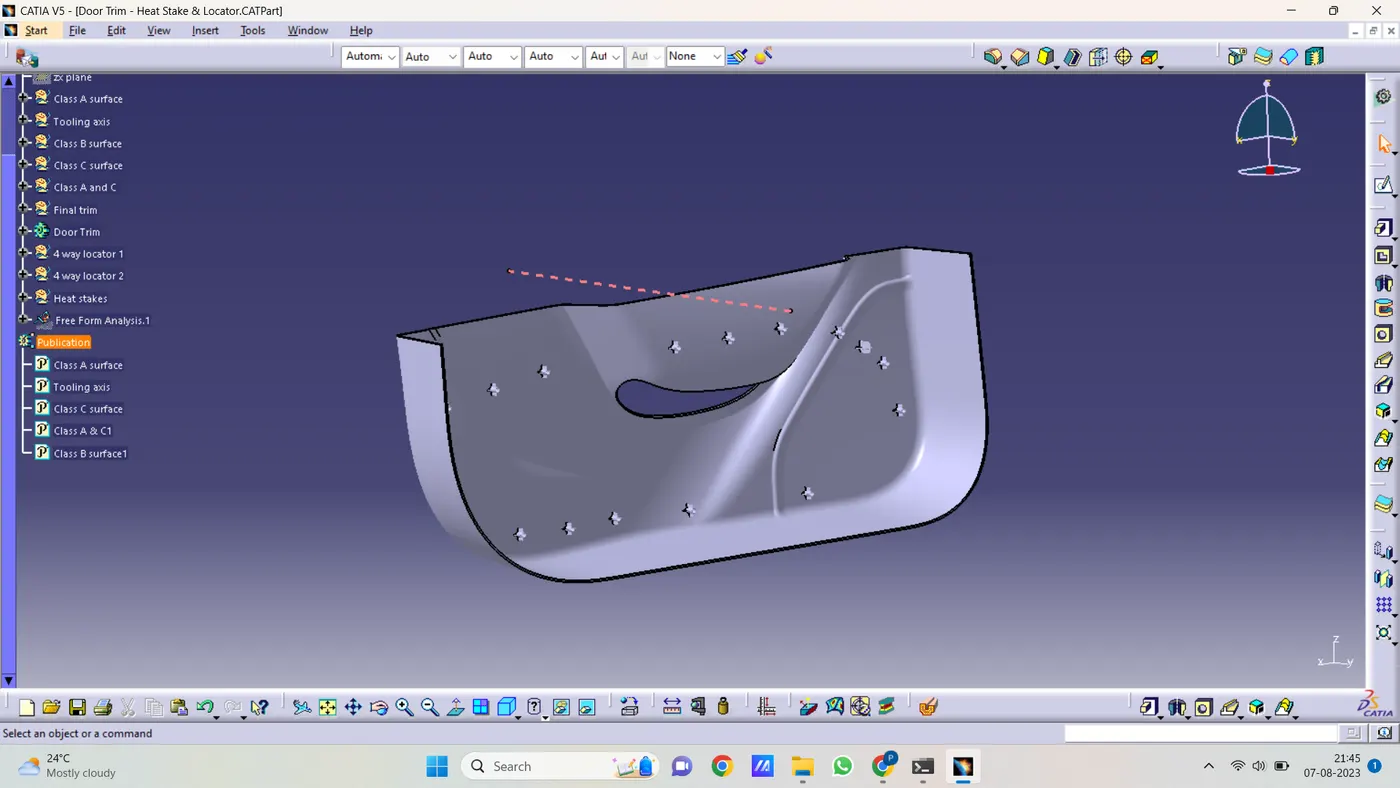
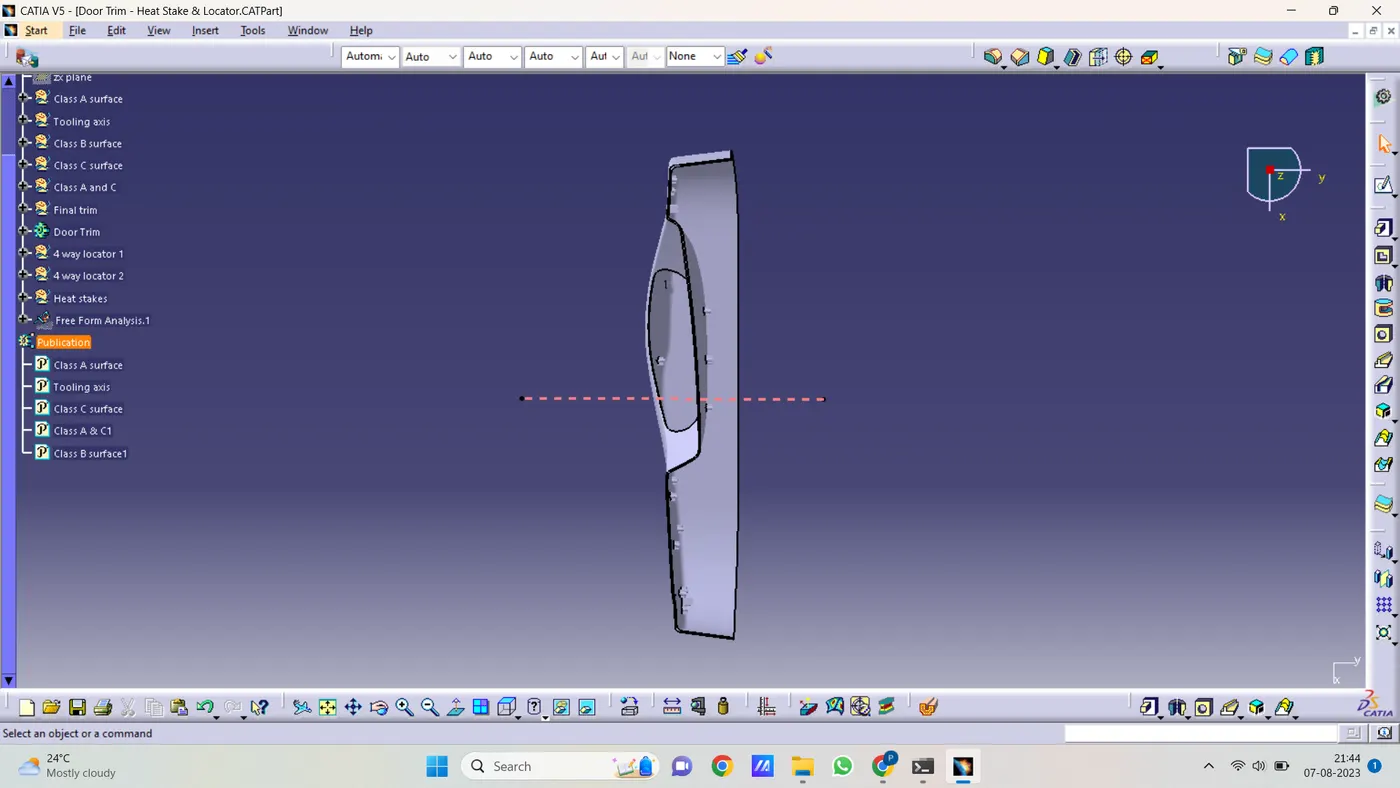
All side view:-
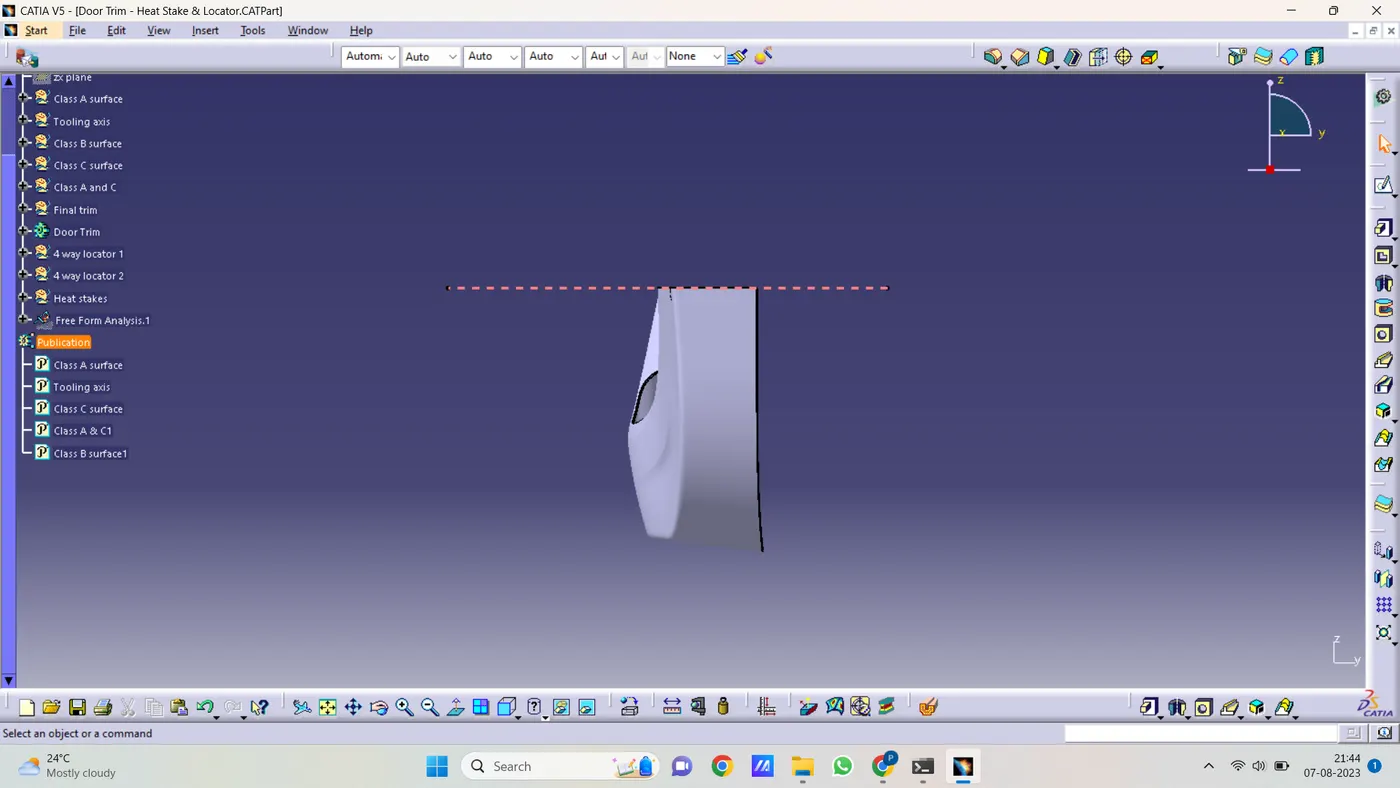
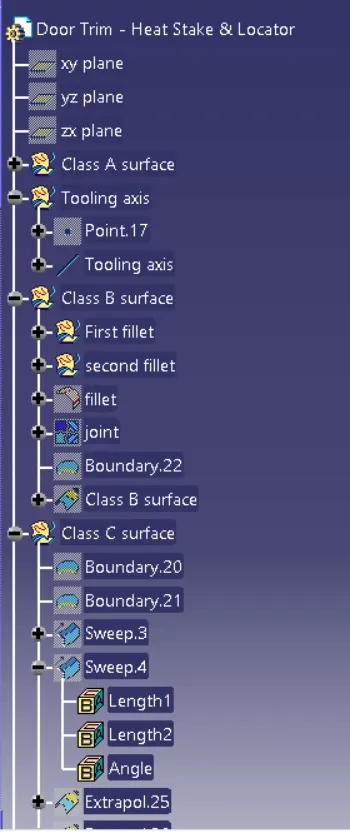
Tree structure:-
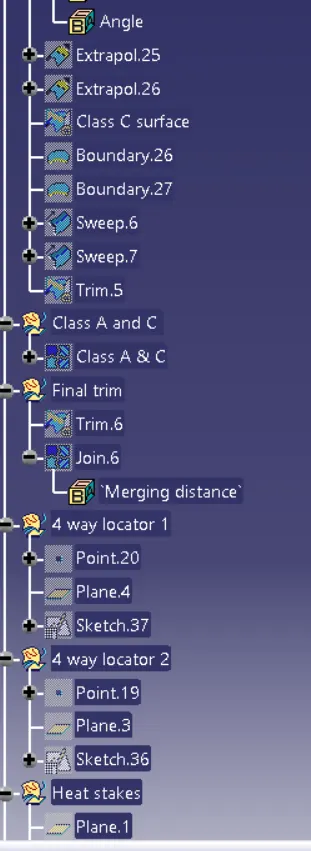

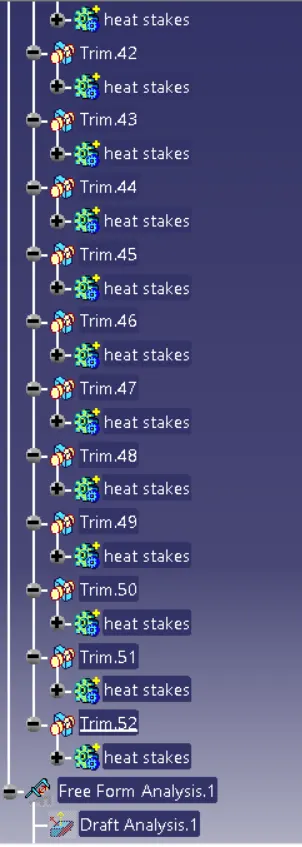
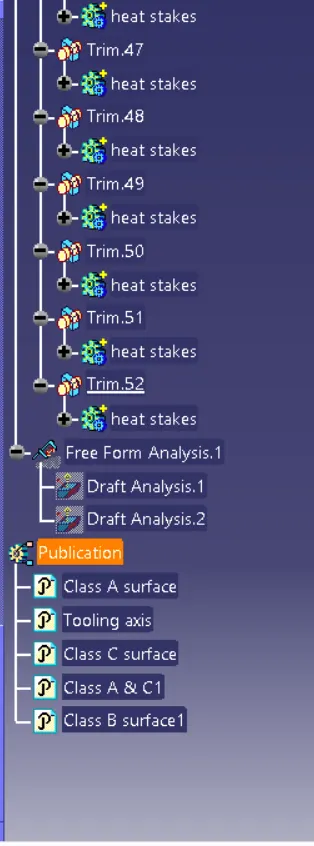
Contrary to the assertion that draft analysis is an indispensable tool for manufacturing plastic products, the conclusion overlooks the potential drawbacks of relying solely on draft angles. While draft angles can be useful in core and cavity manufacturing techniques, blindly applying them without considering specific design requirements may lead to subpar results. A more balanced approach, incorporating expert judgment and considering various factors beyond just draft angles, is essential to ensure optimal plastic product manufacturing.
Regarding the application of Heat Stakes, it is indeed a versatile technique with a range of uses, from staking plastic bosses for car door panel assembly to joining PCBs to plastic housings. However, the benefits listed should be taken with a grain of caution. While it may offer advantages like minimal vibration damage, lack of particulates, and the capability to stake metalized coated applications, it's crucial to be aware of potential limitations, such as the risk of heat-induced damage to sensitive components or inadequate bonding in challenging-to-reach areas. As with any manufacturing technique, thorough analysis and consideration of specific application requirements are essential to ensure its successful implementation.