Week 10- Assembly Workbench
AIM :
To design part models and assemble the parts from the 2D sketches and dimensions provided to me.
EXERCISES:
QUICK RETURN MECHANISM
2.CV JOINT
1.QUICK RETURN MECHANISM:
- A quick return mechanism is an apparatus to produce a reciprocating motion in which the time taken for travel in return stroke is less than in the forward stroke. It is driven by a circular motion source (typically a motor of some sort) and uses a system of link with three turning pairs and a sliding pair. A quick return mechanism is a subclass of a slider crank linkage, with an offset crank.
- Quick return is a common feature of tools in which the action is performed in only one direction of the stroke, such as shapers and powered saws because it allows less time to be spent on returning tool to its initial position.
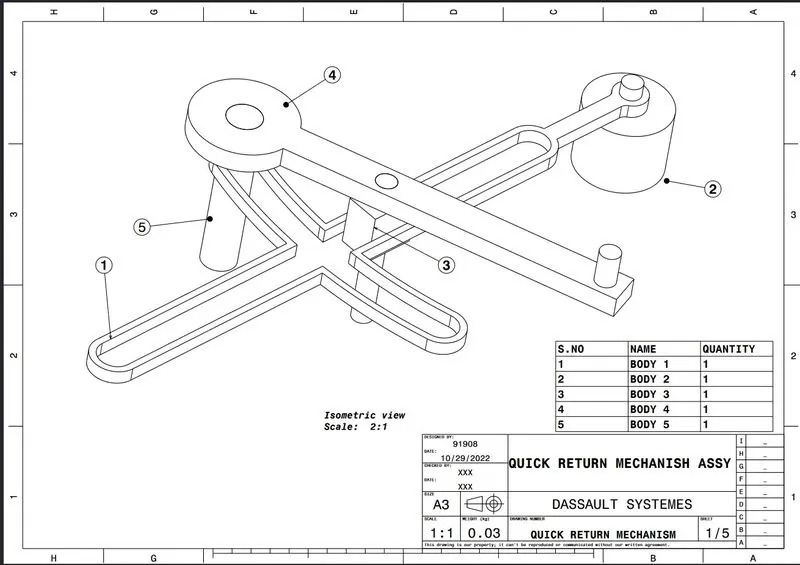
- Now need to create the part assy from the the reference of above image.
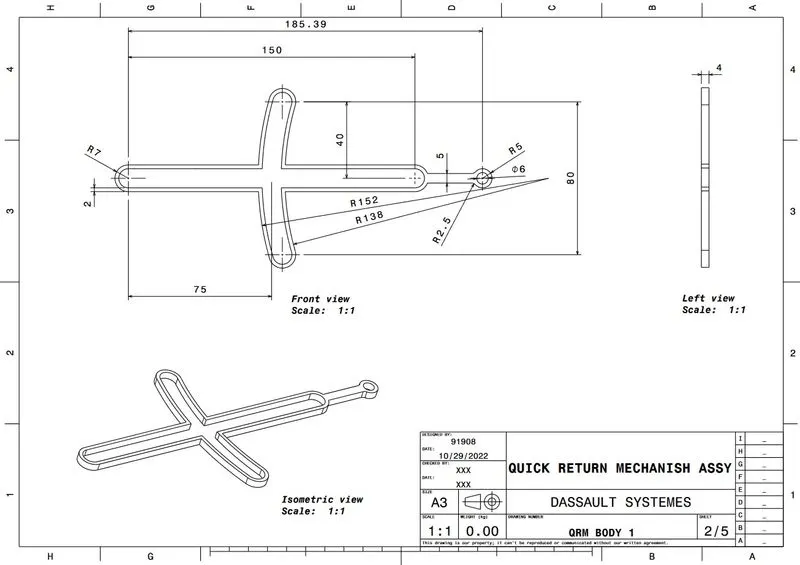
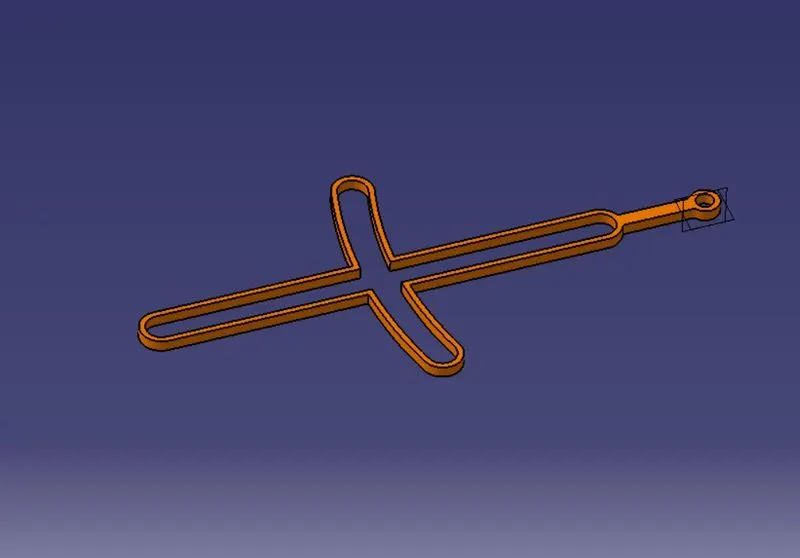
1. QUICK RETURN MECHANISM BODY 1:
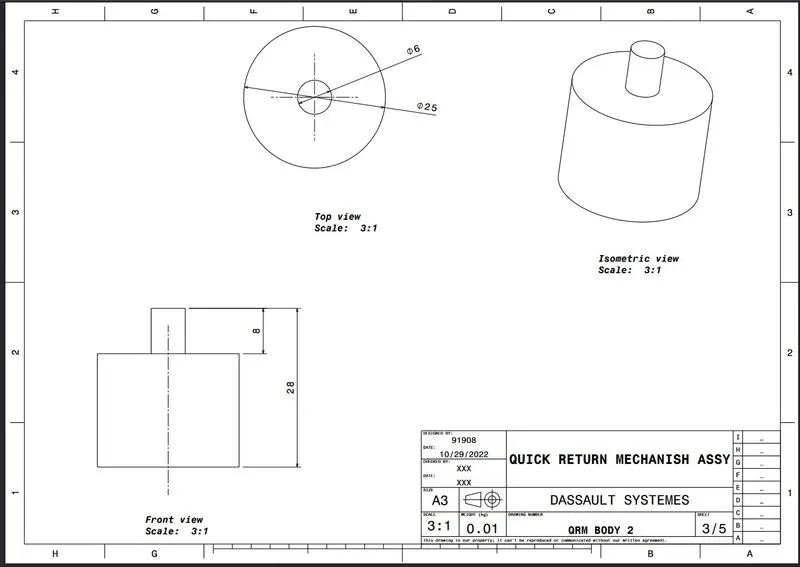
2. QUICK RETURN MECHANISM BODY 2:
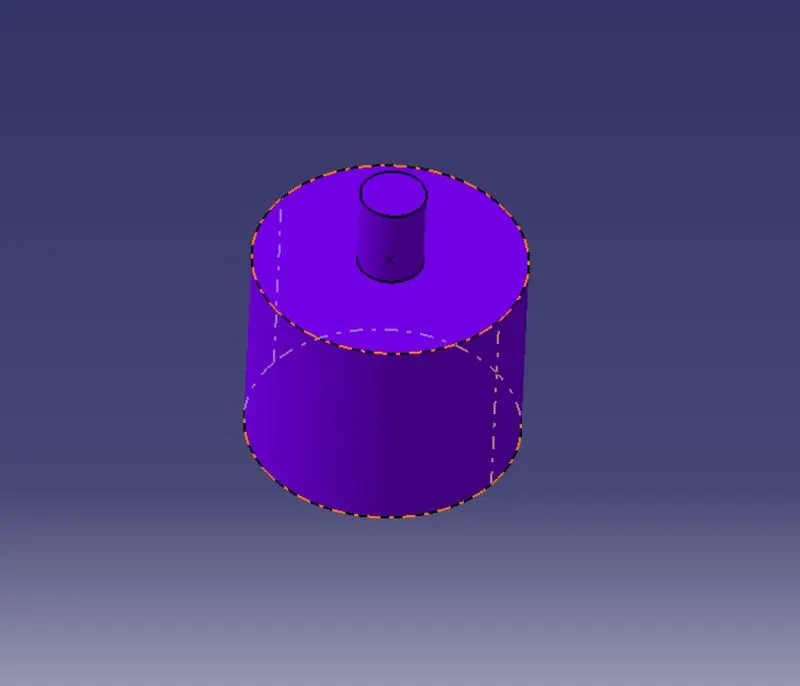
3.QUICK RETURN MECHANISM BODY 3:
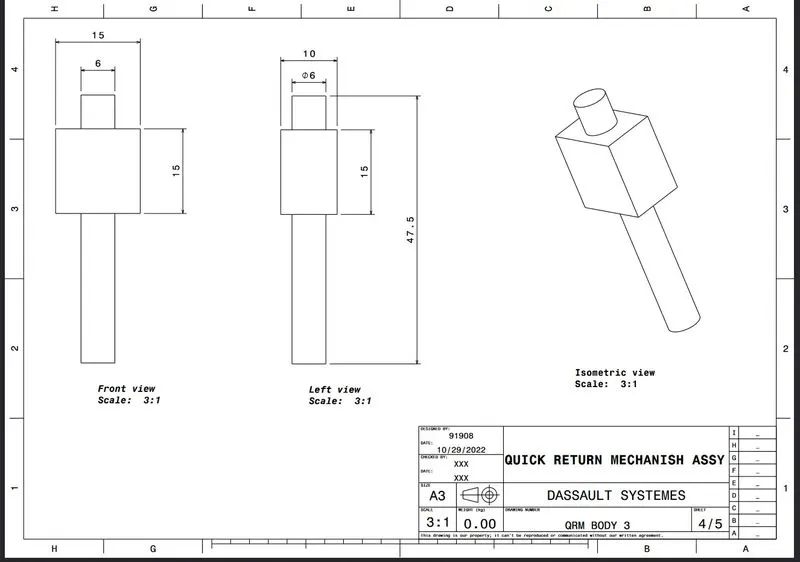
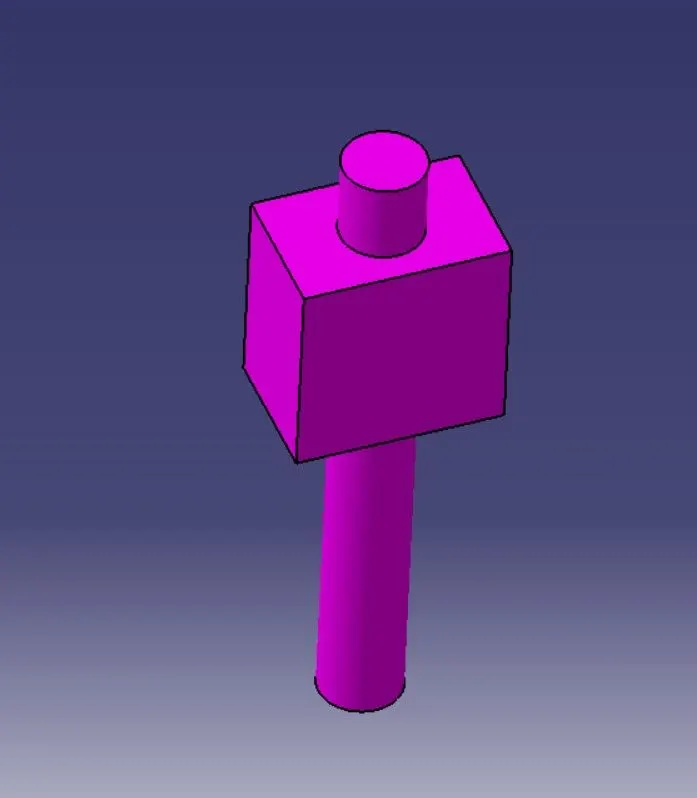
4.QUICK RETURN MECHANISM BODY 4:
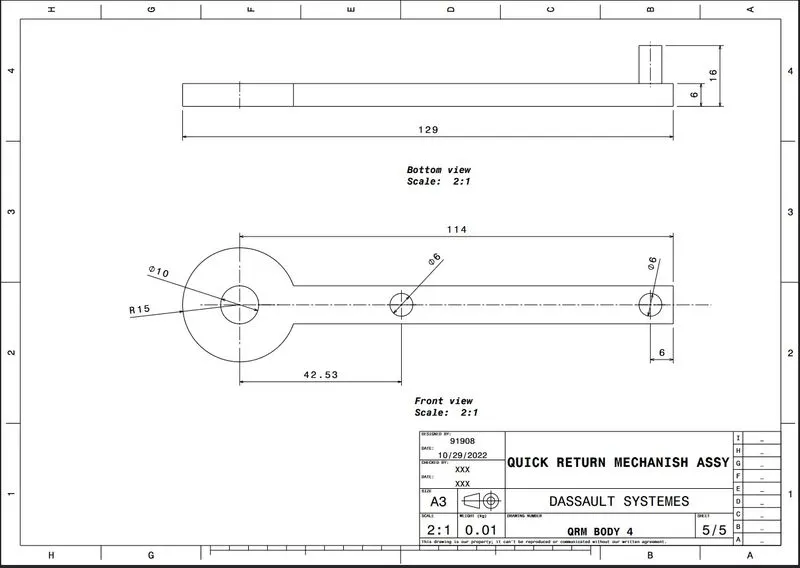
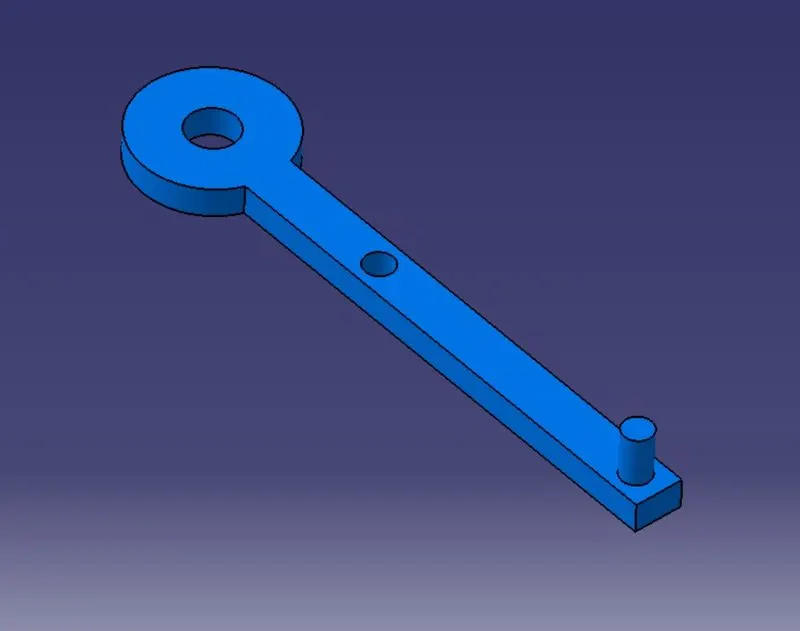
5. QUICK RETURN MECHANISM BODY 5:
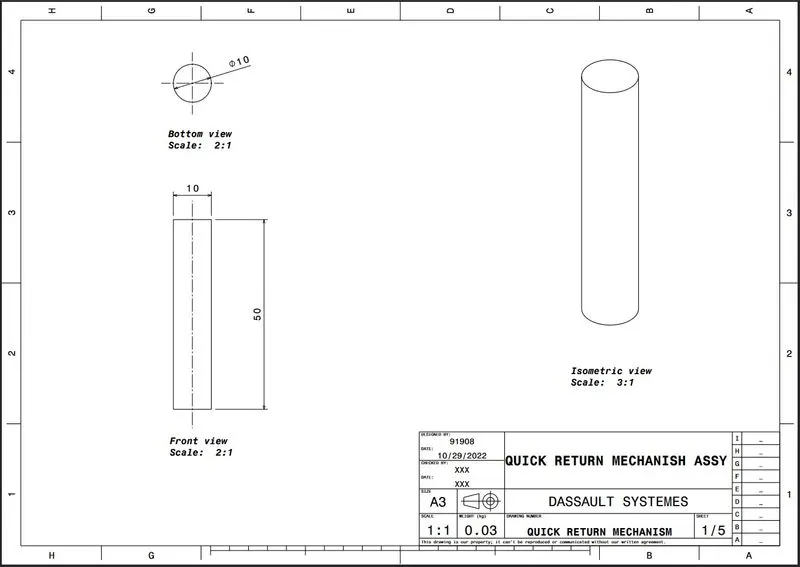
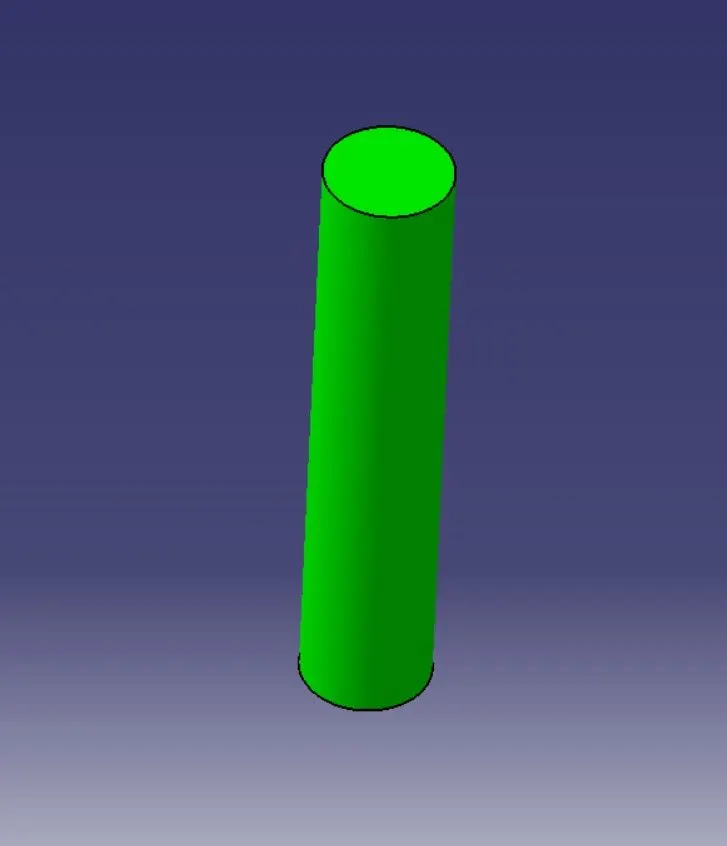
ASSEMBLED PART WITH TREE STRUCTURE:
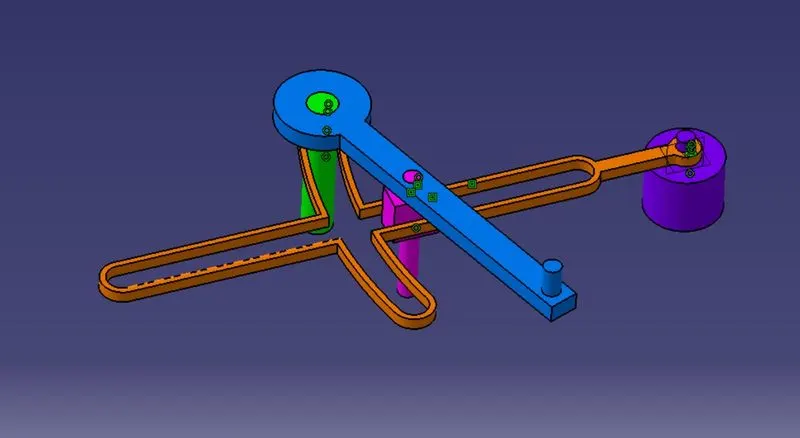
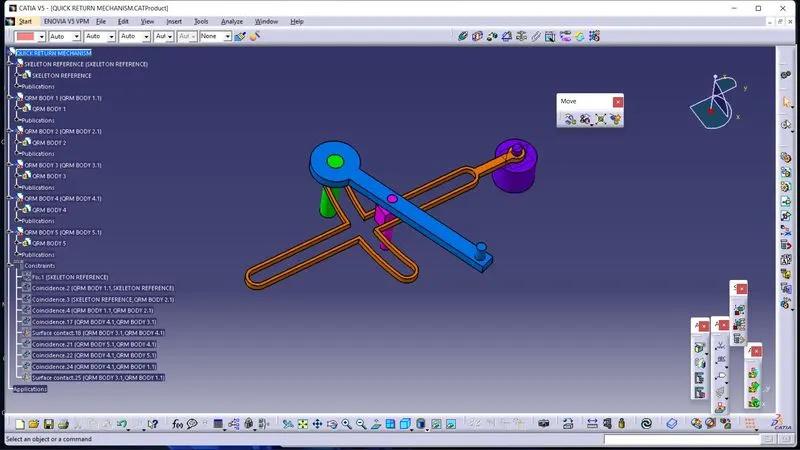
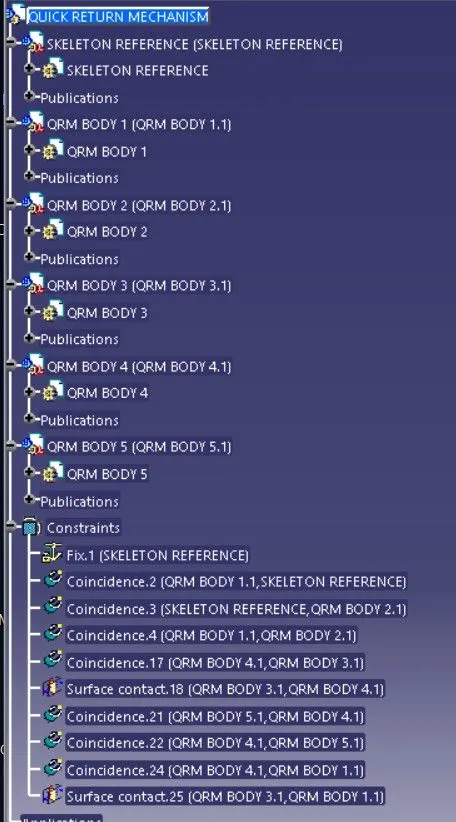
2.CV-JOINT:
- Constant velocity joints (also known as homokinetic or CV joints) allow a drive shaft to transmit power through a variable angle, at constant rotational speed, without an appreciable increase in friction or play. They are mainly used in front wheel drive vehicles. Modern rear wheel drive cars with independent rear suspension typically use CV joints at the ends of the rear axle half shafts and increasingly use them on the drive shaft.
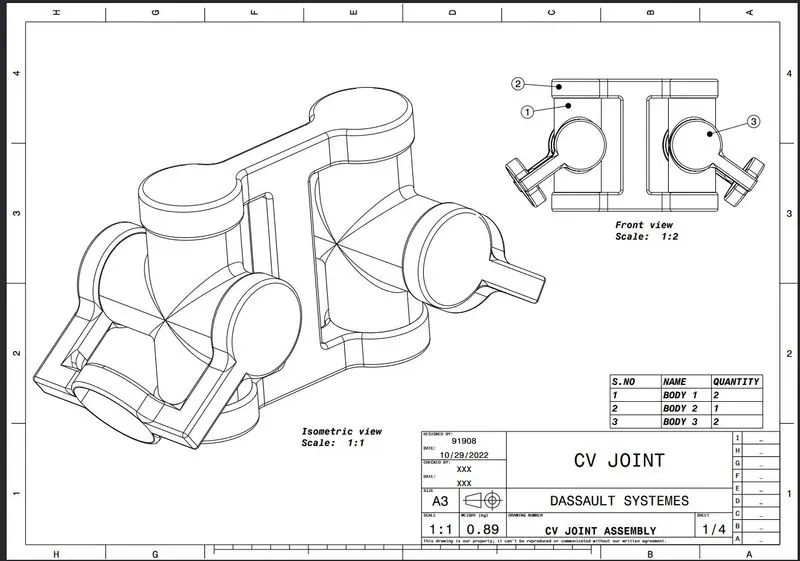
- Now need to create the part assy from the the reference of above image.
1. CV JOINT BODY 1:
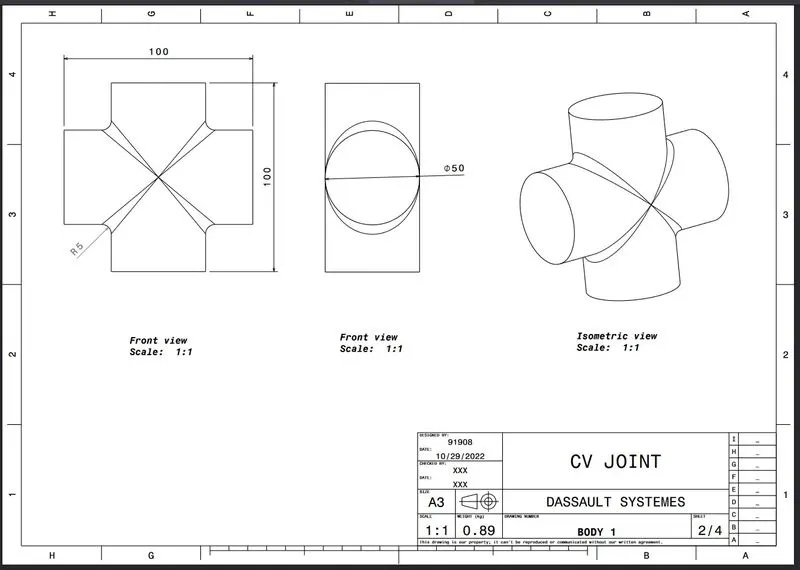
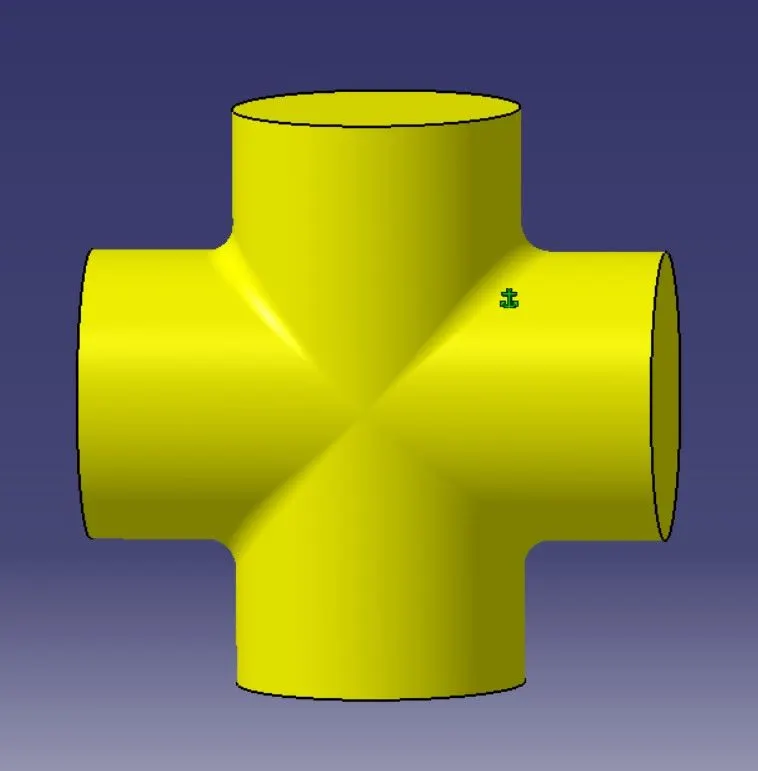
2. CV JOINT BODY 1:
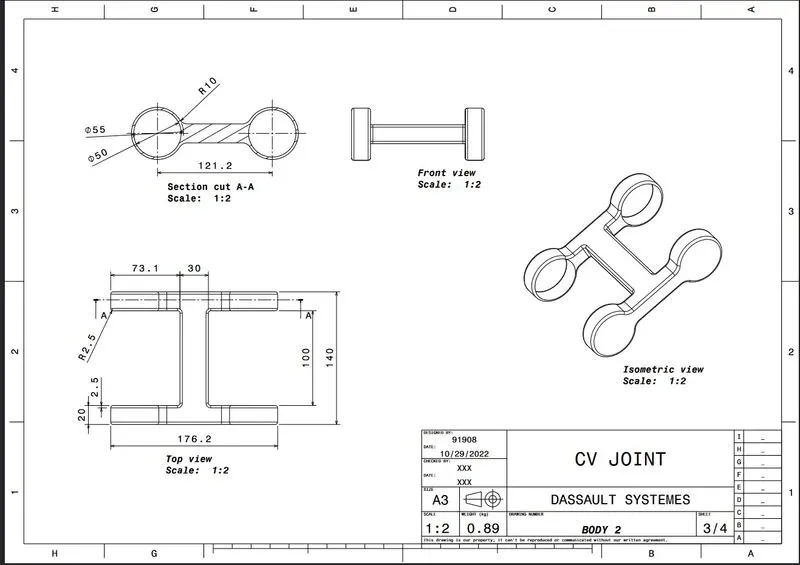
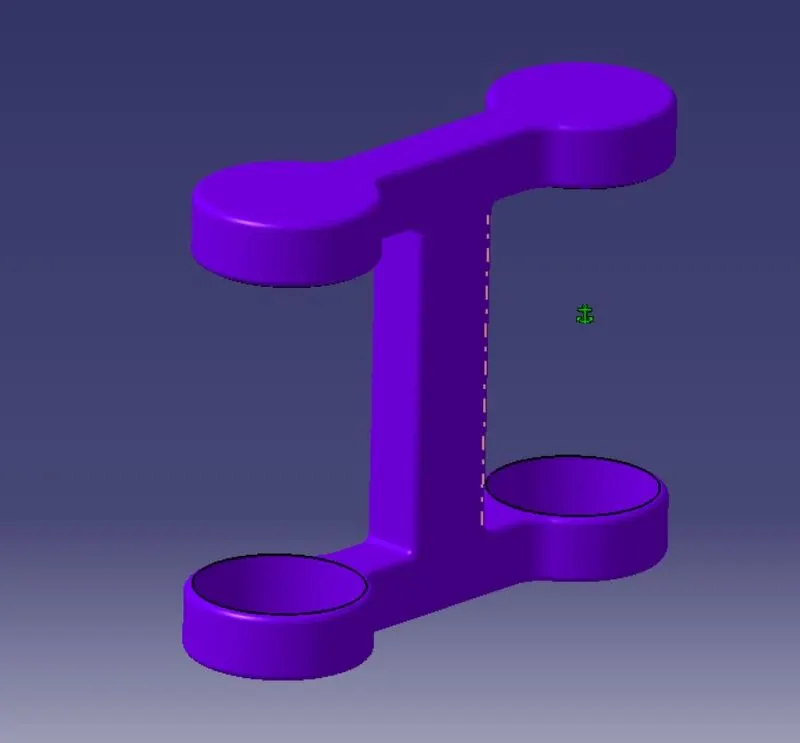
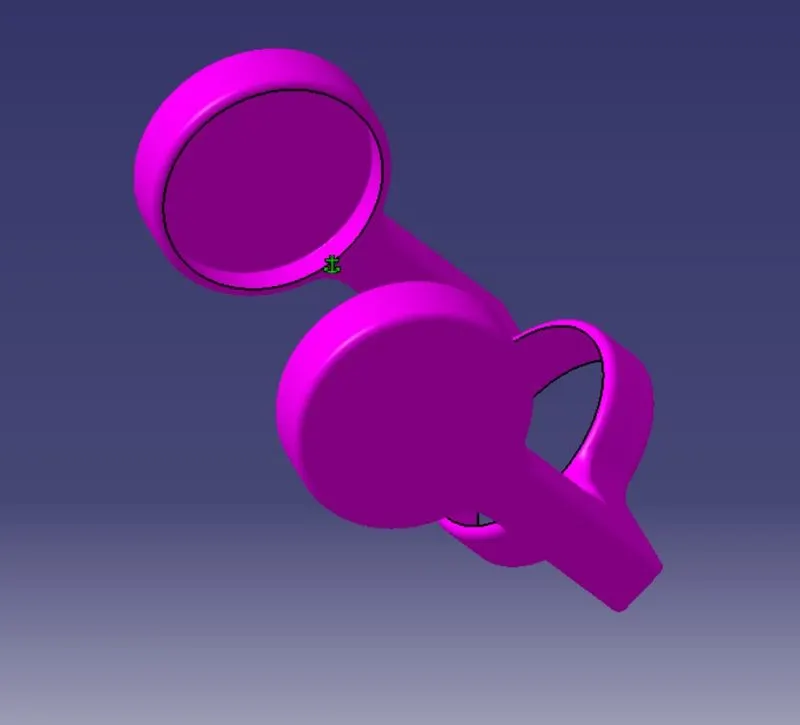
3. CV JOINT BODY 3:
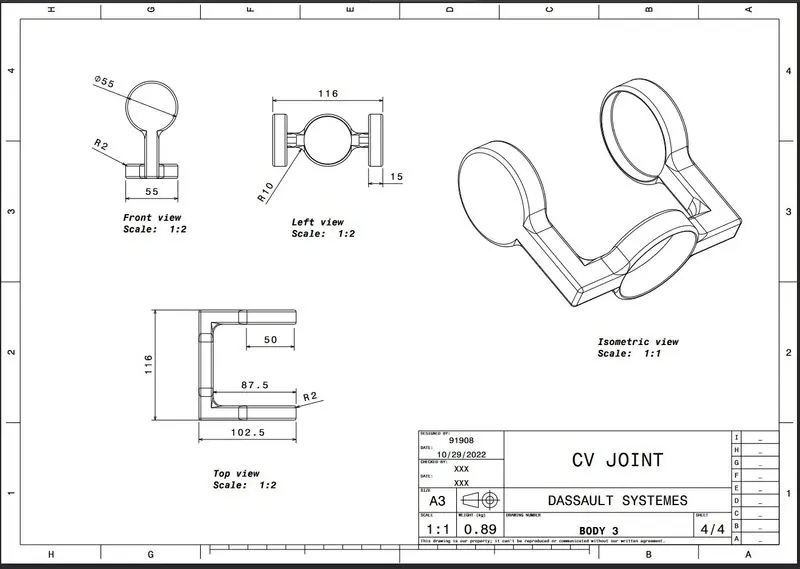
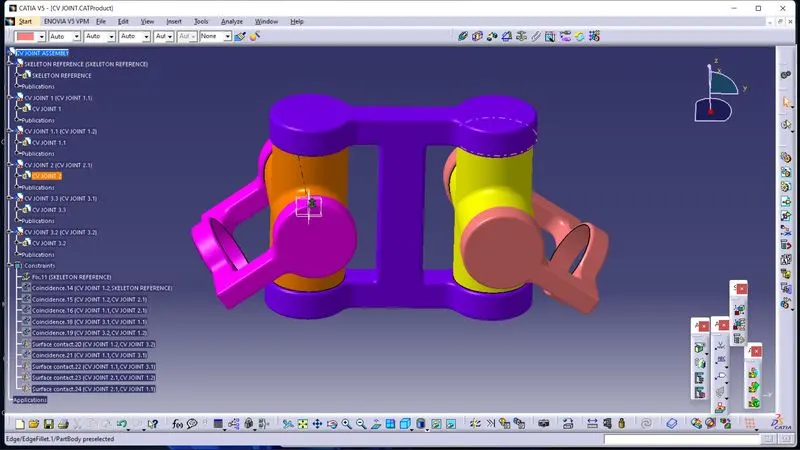
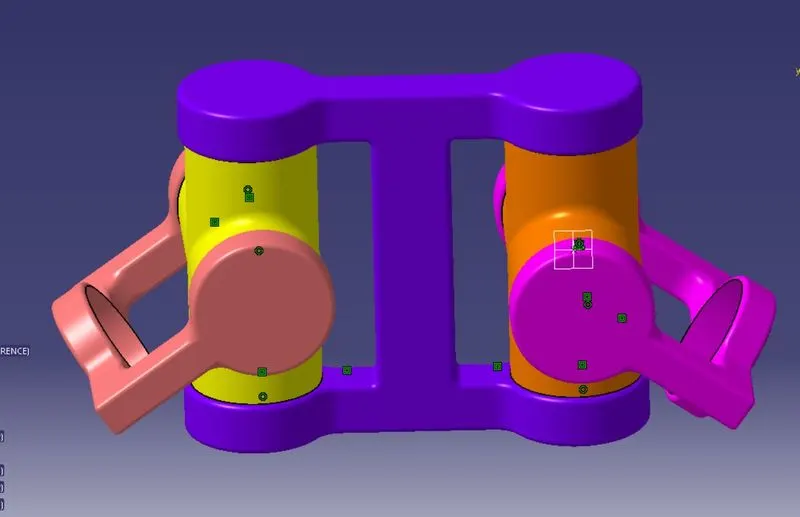
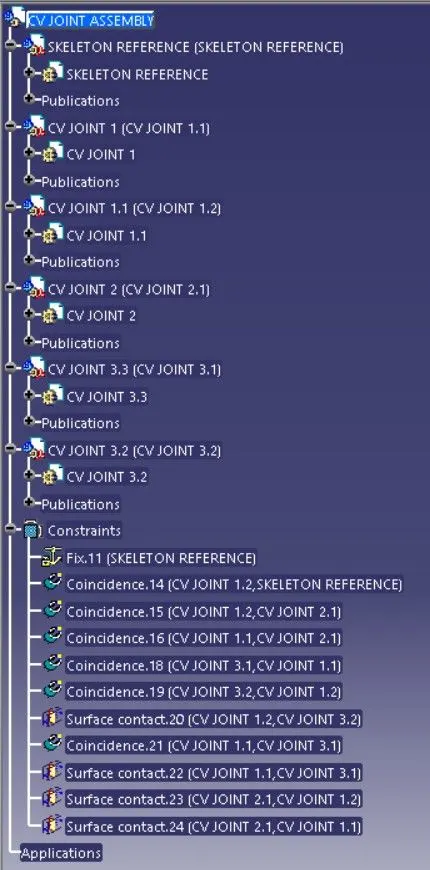
ASSEMBLED PART WITH TREE STRUCTURE:
CONCLUSION:
- After working with the assembly workbend in CATIA. Igot to know various relations and constraints that would be joined together to make a full working assembly.
- And i got to know how to work with parts and their assembly and also the different tools used for assembly.