Week 1 Understanding Different Battery Chemistry
1.Prepare a table which includes materials & chemical reactions occurring at the anode and cathode of LCO, LMO, NCA, NMC, LFP and LTO type of lithium ion cells.Give your detailed explanation on it.
A: A battery is an energy storage device or it is a device that converts chemical energy contained within its active materials directly into electric energy by means of an electrochemical oxidation-reduction (redox) reaction. This type of reaction involves the transfer of electrons from one material to another through an electric circuit.
Batteries are grouped into two: Primary cells and Secondary cells.
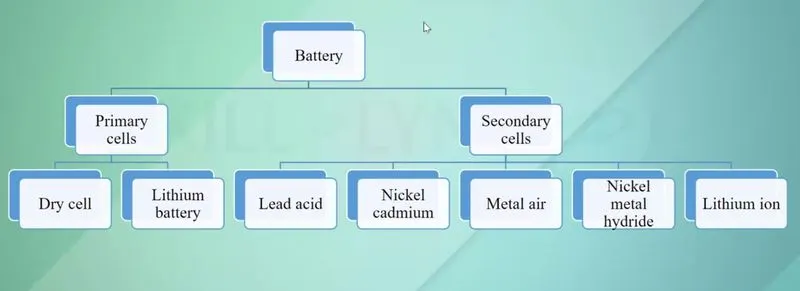
Primary cells : These type of batteries cannot be recharged if completely drained while using.
Secondary cells : These are rechargable type even after discharging completely and are mostly used.
An electric vehicle battery (EVB, also known as a traction battery) is a rechargeable battery used to power the electric motors of a battery electric vehicle (BEV) or hybrid electric vehicle (HEV). Typically lithium-ion batteries, they are specifically designed for high electric charge (or energy) capacity.
Batteries are mainly consisting of 4 parts namely anode (A), cathode(C), seperator and an electrolyte.
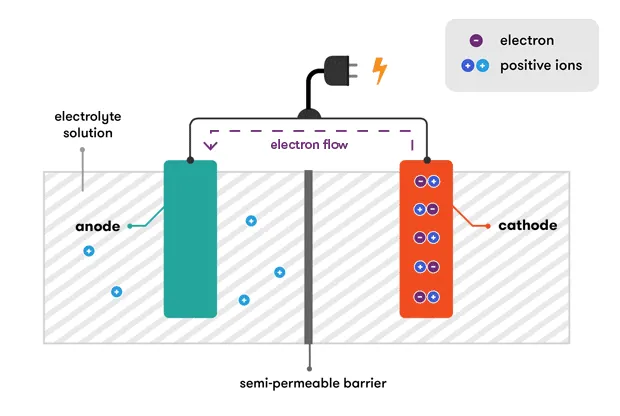
The anode (A) is the negetive side and cathode (C) is of positive polarity. Electrolyte is the medium that permits ionic conduction between electrodes. Seperator is an insulating layer between electrodes, it is permeable to ions of electrolytes.
When A & C of battery is connected to a circuit a chemical reaction takes place.
Charging Process: When charger is connected between A & C the metal oxide at cathod breaks and its positive ions moves from C to A. This movement takes place through the electrolyte and a new compound of metal along with the carbon at anode is deposited. We use polypropeline type of seperators for easy penetration of ions from C to A.
Discharging process: When load is connected across C and A, current will flow from C to A and electrons are released from A to C.
- LCO: Lithium Cobalt Oxide (LiCoO2)
- LMO: Lithium Manganese Oxide (LiMn2O4)
- NCA: Lithium Nickel Cobalt Aluminium Oxide (LiNiCoAlO2)
- NMC: Lithium Nickel Manganese Cobalt Oxide (LiNiMnCoO2)
- LFP: Lithium Iron Phosphate (LiFePO4)
- LTO: Lithium Titanate (Li2TiO3)
Li- ion cell / battery Material Used Chemical reaction taking place LCO -Cobalt oxide cathode and graphite carbon as anode. -Ethelene carbonate is used as electrolyte. Anode: LiC6↔C6+Li+e- Cathode: CoO2+Li+e-↔LiCoO2 Net:C6+LiCoO2 ↔ LiC6+CoO2 LMO -Li ion cell with lithium manganese oxide as cathode material and graphite as anode material. -Electrolyte used is lithium Halide. Anode: LiC6↔C6+Li+e- Cathode: MnO2+Li+e-↔LiMnO2 Net:C6+LiMn2O2 ↔ LiC6+Mn2O4 NCA -Cathode material is Nickel Cobalt Aluminum and anode is graphite. -Electrolyte is Ethelene carbonate. Anode: LiC6↔C6+Li+e- Cathode: NiCoAlO2+Li+e-↔ LiNiCoAlO2 Net:C6+LiNiCoAlO2 ↔ LiC6+NiCoAlO2 NMC -Cathode material is Nickel Manganese and anode is graphite. -Electrolyte is Lithium Salt. Anode: LiC6↔C6+Li+e- Cathode: NiMnCoO2+Li+e-↔ LiNiMnCoO2 Net:C6+LiNiMnCoO2 ↔ LiC6+NiMnCoO2 LFP -Cathode material is Lithium Iron Phosphate and anode is graphite. -Electrolyte is Ethelyne Carbonate. Anode: LiC6↔C6+Li+e- Cathode:FePO4+Li+e-↔ LiFePO4 Net:C6+LiFePO4↔ LiC6+FePO4 LTO -Lithium titanate is used in cathode and graphite is used in anode. -Electrolyte used is Lithium salt. Anode: Li4Ti5O12↔Ti5O12+4Li+4e- Cathode:4Mn2O4+4Li+4e-↔4LiMn2O4 Net:4Mn2O4+Li4Ti5O12↔4LiMn2O4+Ti5O12
Note:where Li indicates Li+
2.Compare the differences between each type of Li+ion batteries based on their characteristics.
A: A lithium-ion (Li-ion) battery is an advanced battery technology that uses lithium ions as a key component of its electrochemistry. During a discharge cycle, lithium atoms in the anode are ionized and separated from their electrons. The typical estimated life of a Lithium-Ion battery is about two to three years or 300 to 500 charge cycles, whichever occurs first. One charge cycle is a period of use from fully charged, to fully discharged, and fully recharged again. Research areas for lithium-ion batteries include extending lifetime, increasing energy density, improving safety, reducing cost, and increasing charging speed.
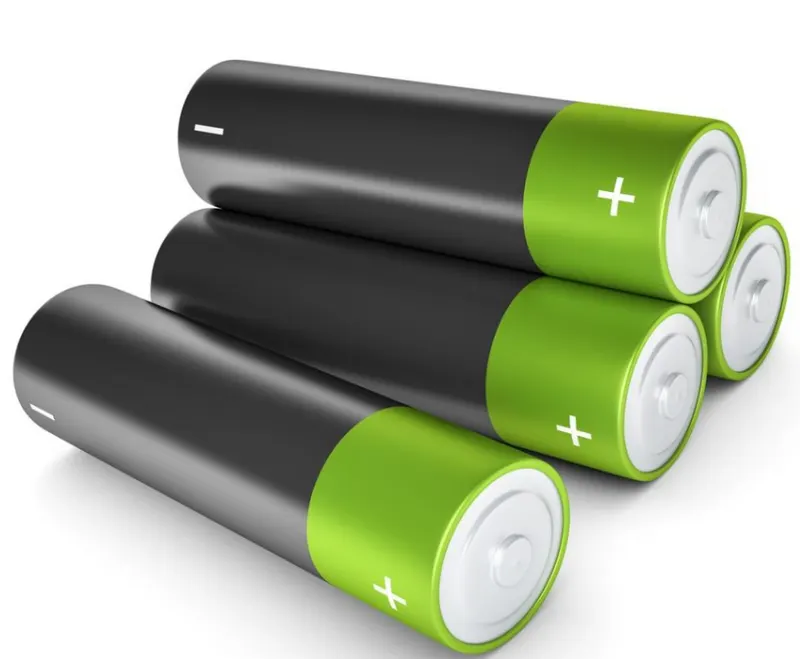
Different types of Li+ ion batteries are Lithium Cobalt Oxide, Lithium Manganese Oxide, Lithium Iron Phosphate, Lithium Nickel Manganese Cobalt Oxide, Lithium Nickel Cobalt Aluminum Oxide, Lithium Titanate. Difference between each battery is mentioned in the table below.
Lithium cobalt oxide (LCO) batteries have high specific energy but low specific power. This means that they do not perform well in high-load applications, but they can deliver power over a long period.
Lithium Manganese Oxide (LMO) batteries use lithium manganese oxide as the cathode material. This chemistry creates a three-dimensional structure that improves ion flow, lowers internal resistance, and increases current handling while improving thermal stability and safety.
Lithium Iron Phosphate(LFP) batteries use phosphate as the cathode material and a graphitic carbon electrode as the anode. LFP batteries have a long life cycle with good thermal stability and electrochemical performance.
Lithium nickel manganese cobalt oxide (NMC) batteries combine the benefits of the three main elements used in the cathode: nickel, manganese, and cobalt. Nickel on its own has high specific energy but is not stable. Manganese is exceptionally stable but has a low specific energy. Combining them yields a stable chemistry with a high specific energy.
Lithium nickel cobalt aluminum oxide (NCA) batteries offer high specific energy with decent specific power and a long lifecycle. This means they can deliver a relatively high amount of current for extended periods.
Lithium titanate (LTO) batteries replace the graphite in the anode with lithium titanate and use LMO or NMC as the cathode chemistry.
| Battery | Nominal Voltage | Capacity | Charge rate | Discharge rate | Safety | Cycle life | Application |
| Lithium Cobalt Oxide | 3.60V | 150-200Wh/kg | 0.7-1C, upto 4.20V | 1C, 2.50V cutoff | Not safe |
500-1000 cycle life |
Mobile phone, camera |
| Lithium Manganese Oxide | 3.70V | 100-150Wh/kg | 0.7-1C, upto 4.20V | 1C, 2.50V cutoff | Safer | 300-700 cycle life | Medical devices, Power tools |
| Lithium Iron Phosphate | 3.30V | 90-120Wh/kg | 1C, upto 3.65V | 1C, 2.50V cutoff | Safest | 2000, Good | E-bikes |
| Lithium Nickel Manganese Cobalt Oxide | 3.70V | 150-220Wh/kg | 0.7-1C, charges to 4.20V | 1C, 2.50V cutoff | Safer | 1000-2000 cycles | E-bikes, medical devices |
| Lithium Nickel Cobalt Aluminum Oxide | 3.60V | 200-260Wh/kg | 0.7, charges to 4.20V | 1C, 3V cuttoff | Safer | 500 | Industrial, electric powertrains |
| Lithium Titanate | 3.7V | 50-80Wh/kg | 0.7-4C | 10C | Safer | 3000-7000 | Grid storage |
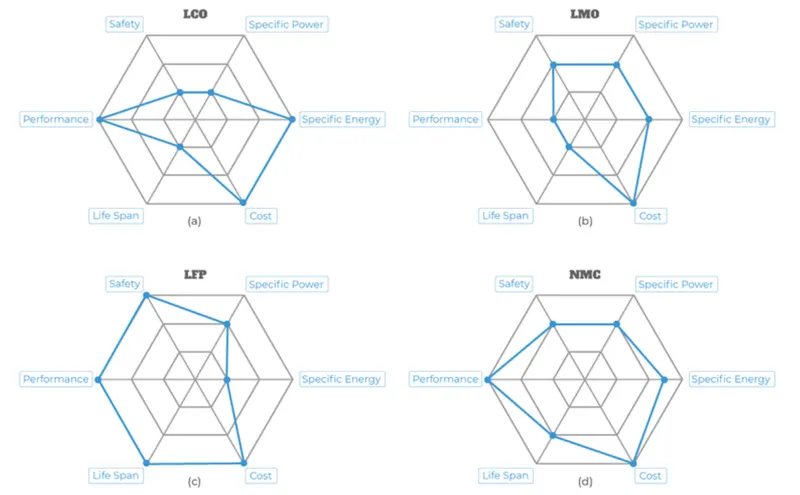
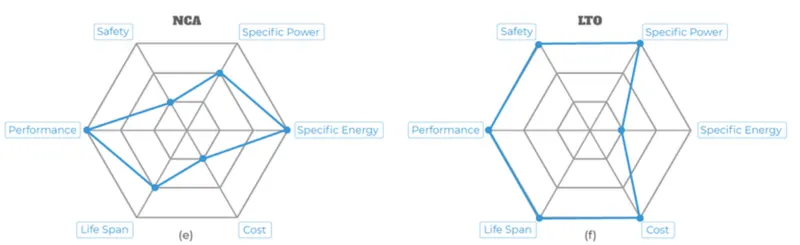
Diagramatic comparison of characteristics property:
- Factors considered are Safety, Cost, Specific energy and power, Lifespan, Performance.
- Comparison shows that Lithium titanate is most better one.
Reference: https://dragonflyenergy.com/types-of-lithium-batteries-guide/