Week 1 Understanding Different Battery Chemistry
LITHIUM ION CELLS:
LITHIUM IS ONE OF THE FAMOUS METAL FROM THE MODERN PERIODIC TABLE ,AND ALSO PLACED TOP ON THE TABLE.
But the point is it has a tendancy to loss its electrons ,ie, reactive one easily reacts with water and loss will be there .
That's why it is mixed with metals and used as a lithium ion by losing one electron , it will become stable.
Why these cells prefered over other cells ?
These are the some of the advantages makes lithium ion batteries listed on top compared to other cells.
High energy density
Low self discharge
Less maintenance required
High cell voltage
More life cycles
Light weight
Less weight compared to other cells.
And also some disadvantages like ;
The major disadvantage is high cost.
If the battery is completely discharged, it can no longer be recharged again.
Protection required.
The lithium ion cell :
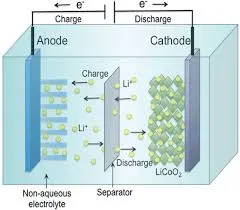
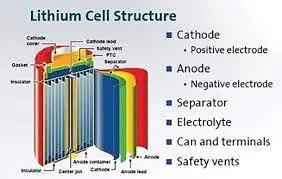
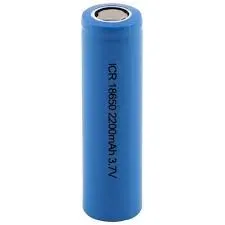
The LI cell mainly consists of ;
1. Electrodes (2)- Anode (- ve electrode )
cathode(+ve electrode)
2.Electrolyte - This is the medium permits the flow of ions between electrodes.
3.separator - It separates the anode and cathode elcctrode.
Usually the anode are made with carbon based materials ,like graphite or hard carbon.
The only thing is cathode has different variety chemistries available ie,
LCO - lithium cobalt oxide
LMO - lithium manganese oxide
NCA - lithium nickel cobalt alluminium oxide
NMC - lithium nickel manganese cobalt
LFP - lithium iron phosphate and
LTO - lithium titanium oxide
Working :
The working procecss is similar to all chemistries
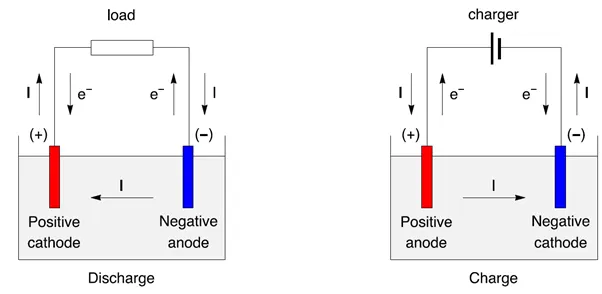
During discharging :
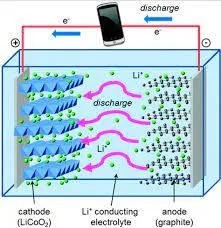
The electrons flows from anode to cathode . and conventional current flows from cathode to anode .
The +ve charged ions called cations moves from anode to cathode through electrolyte.
During charging :
The electrons flows from cathode to anode by the external source .
The +ve charged ions called cations moves from anode to cathode through electrolyte.
LCO - lithium cobalt oxide :
The most common lithium-ion cells have an anode of carbon (C) and a cathode of lithium cobalt oxide (LiCoO2).
In fact, the lithium cobalt oxide battery was the first lithium-ion battery to be developed from the pioneering work of R Yazami and J Goodenough, and sold by Sony in 1991.
It has the greatest energy density, which is why they’re currently the batteries found in our phones, digital cameras and laptops.
Their drawback is their thermal instability. Their anodes can overheat .
The nominal voltage is 3.60v.
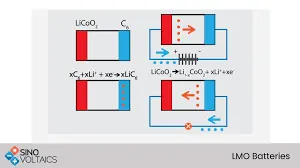
LMO - lithium manganese oxide :
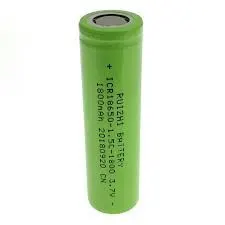
LMO (Lithium magnesium oxide) was invented in the year 1996.
The cathode material is LibMn2O4 and the carrier is Li+.
It is used in different applications like power tools and electric cars.
LMO batteries have the ability to deliver a lot of energy in a short period of time, which makes them extremely useful for use in power tools like drills.
The nominsl voltage is 3.7v
NCA - lithium nickel cobalt alluminium oxide :
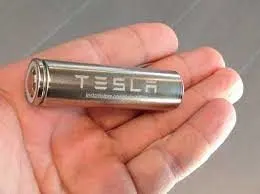
Due to a high nickel content of the Lithium Nickel-Cobalt-Aluminum Oxide (NCA)
The capacity of batteries can be increased, which contributes to a longer distance that can be covered with a single-time charging.
The nominal voltage is 3.6 V or 3.7 V.
The lithium-ion NCA batteries use a combination of 80% nickel, 15% cobalt and 5% aluminum.
NCA batteries are becoming more and more important in in-grid storage and electrical power terrain applications.
NMC - lithium nickel manganese cobalt :
Nickel provides a high specific energy and, when added to the stable structure of the manganese spinel, also results in a battery with the benefits of the manganese spinel structure
The formula typically consists of 33% nickel, 33% manganese and 33% cobalt.
The nominal voltage is 3.65v .
LFP - lithium iron phosphate :
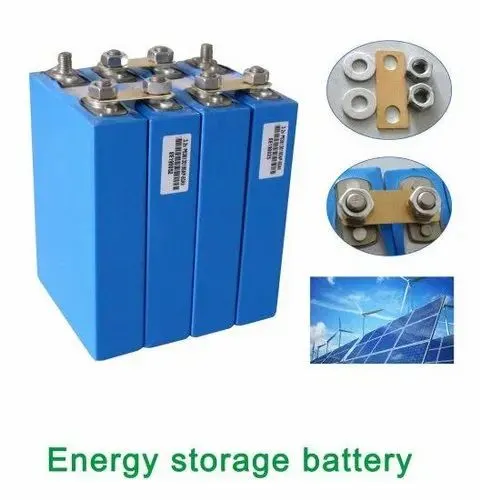
Lithium iron phosphate batteries (LiFePO4) offer high power density which causes lithium batteries to be relatively small and light.
These battery fast charge and discharge rates cause them to be a great fit for all sorts of applications.
Lithium iron phosphate (LiFePO4) can operate in a wide temperature range, which makes lithium batteries a good fit for various applications.
Applications like storing energy at power stations.
It also has a long cycle life, meaning it can be discharged and charged many times
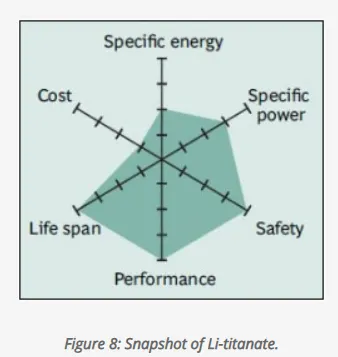
LTO - lithium titanium oxide :
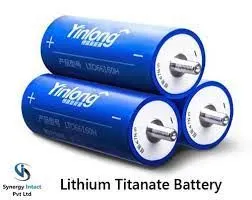
Titanium-based anodes, such as lithium titanate (Li4Ti5O12) and titanium dioxide are alternatives to conventional graphite insertion anodes.
Ti-based anode offers very high cycle life, high power, and improved safety, and is already commercialized, known as lithium titanate oxide (LTO) battery.
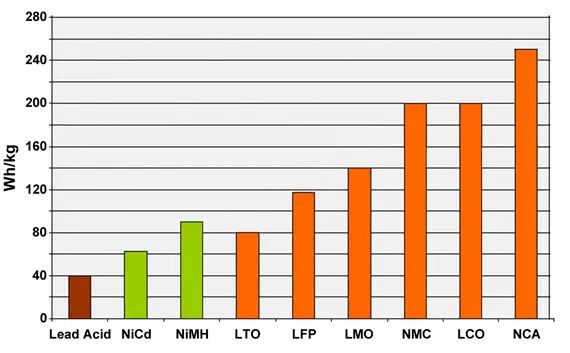
The below image tells us the diffrent Li chemistry batteries specfic energy :
From the below plot we can say that the NCA has the high energy density(wh/kg) comapared to all other chemistries.
The plot follows NCA>LCO>NMC>LMO>LFP>LTO of energy density of LI chemistry anodes .
comparision of diffrent parameters of lithum ion chemistry cells :
| parameter |
LCO - lithium cobalt oxide |
LMO - lithium manganese oxide |
NCA - lithium nickel cobalt alluminium oxide |
NMC - lithium nickel manganese cobalt |
LFP - lithium iron phosphate |
LTO - lithium titanium oxide |
|
cathode material &reaction at anode |
lithium cobalt oxide (LiCoO2)
|
lithium manganese oxide (LiMn2O4) |
lithium nickel cobalt alluminium oxide (LiNi0.8Co0.15Al0.05O2) |
lithium nickel manganese cobalt (LiNiCoMnO2)
|
lithium iron phosphate (LiFePO4) |
lithium nickel manganese cobalt (LiNiCoMnO2) |
|
anode material & reaction at cathode |
carbon or graphite
|
carbon or graphite
|
carbon or graphite
|
carbon or graphite
|
carbon or graphite
|
lithium titanium oxide (Li4Ti5O12) |
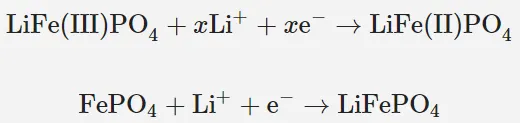
| overall reaction |  |
 |
 |
 |
 |
|
| specific energy | 150–200Wh/kg. Specialty cells provide up to 240Wh/kg. | 100–150Wh/kg | 200-260Wh/kg; 300Wh/kg predictable | 150–220Wh/kg | 90–120Wh/kg | 50–80Wh/kg |
|
specific power |
less than all chemistries | less than LFP | less than LFP | less than LFP | HIGH | less than LFP |
| saftey | less compared to all chemistries | less than titanium | less compared to all chemistries | less than titanium | more saftey | more saftey |
| cost | similar to NMC | similar to NMC | $350 per kWh | ~$420 per kWh | ~$580 per kWh | ~$1,005 per kWh |
| life span | 500–1000, related to depth of discharge, load, temperature in all chemistries | 300–700 | 500 | 1000–2000 | 2000 and higher | 3,000–7,000 |
| performance | some what less than (LTO) | poor | less compared to LTO | some what less than (LTO) | less compared to LTO | High compared to all other chemistries |





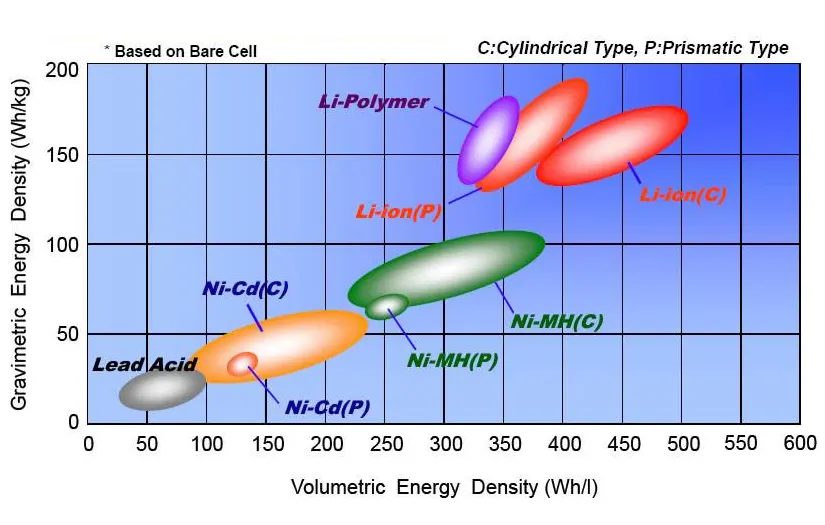
The below plot tells us the energy density wrt volume :
This plot tells us the how much amount of material required for particular amount of energy.
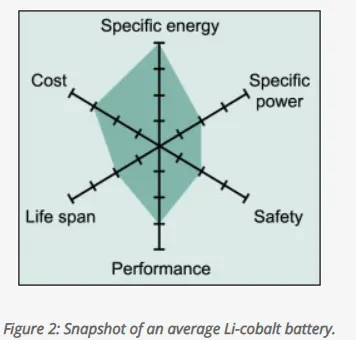
The below are the comparision of diffrent parameters of different chemistries :
1.lithium cobalt oxide :
Very high specific energy, limited specific power.
Cobalt is expensive. Serves as Energy Cell. Market share has stabilized.Early version; no longer relevant.
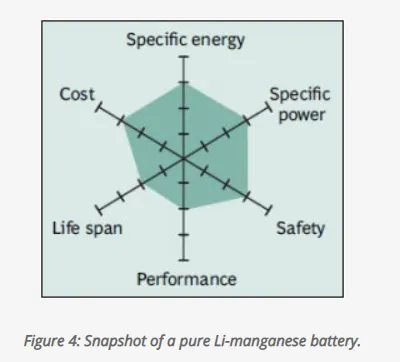
2.lithium manganese oxide :
High power but less capacity; safer than Li-cobalt;
commonly mixed with NMC to improve performance.
Less relevant now;
limited growth potential.
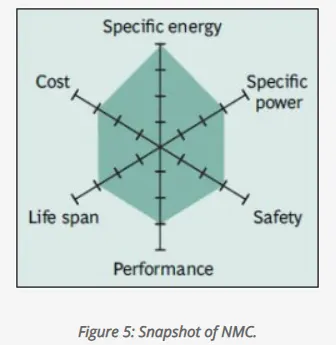
3..lithium nickel manganese cobalt oxide :
Provides high capacity and high power.
Serves as Hybrid Cell. Favorite chemistry for many uses; market share is increasing.
Leading system;
dominant cathode chemistry.
This is only chemistry covers most area in all catageries.
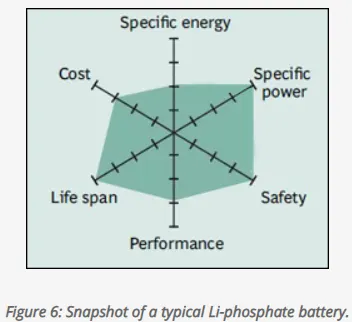
4.lithium iron phosphate :
Very flat voltage discharge curve but low capacity. One of safest Li-ions.
Used for special markets. Elevated self-discharge.
Used primarily for energy storage, moderate growth.
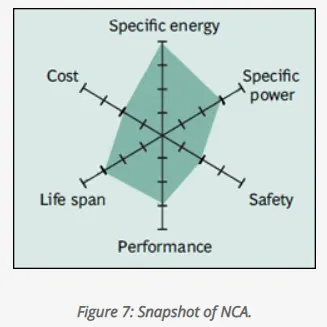
5.lithium nickel cobalt alluminium oxide :
It is one of the high specific energy but the saftey levels are less .
cost is convienient.
6.Lithium titanium oxide :
High saftey terms
High performance
The main drawback is its high cost
High power but the capacity is low.