Week 1 Spur Gear Challenge
Spur Gear Analysis
Aim:
1) Using Cast Iron(ductile) as a material, carry out a static structural analysis to find out Equivalent stress, Total deformation and Stress intensity (Learn about what stress intensity is). Find location for possible fracture.
2) Using Cast Steel as material, perform the same analysis for the results as in Case 1.
3)Using Cast Bronze as material, perform the same analysis for the results as in Case 1.
Create a detailed report comparing the results of the three cases and conclude which material would you recommend based on these results.
Problem statements:
- Compare the performance of the rotation of a pair of spur gears with exact same geometries and boundary conditions but with the following different materials by performing a static structural analysis using ANSYS Workbench and determine the maximum deformation, strain and stress developed in each model.
- Based on the comparison, which material should be preferred?
Material properties
|
Sl. No. |
Properties |
Units |
Cast Iron |
Cast steel |
Cast bronze |
|
1 |
Density |
kg/m3 |
7130 |
7820 |
8810 |
|
2 |
Young's Modulus |
MPa |
171000 |
203000 |
80000 |
|
3 |
Tensile Yield Strength |
MPa |
344 |
349 |
144 |
|
4 |
Temsile Ultimate Strength |
MPa |
548 |
505 |
267 |
|
5 |
Shear Modulus |
MPa |
67059 |
78077 |
29740 |
|
6 |
Poissons Ratio |
N/A |
0.275 |
0.3 |
0.345 |
Case 1: Pair of cast iron spur gears with10 Nm moment
- Setup: A new Static Structural study was created in ANSYS Workbench Academic version
- Boundary conditions: Cast iron was applied as the material; A rotation of 180 degrees was applied to the driving gear and a 10 Nm moment was applied to the 2nd
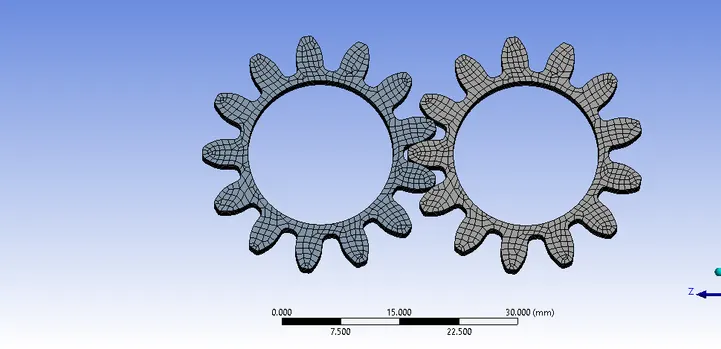
- Mesh: A mesh size of 1 mm is chosen and applied.
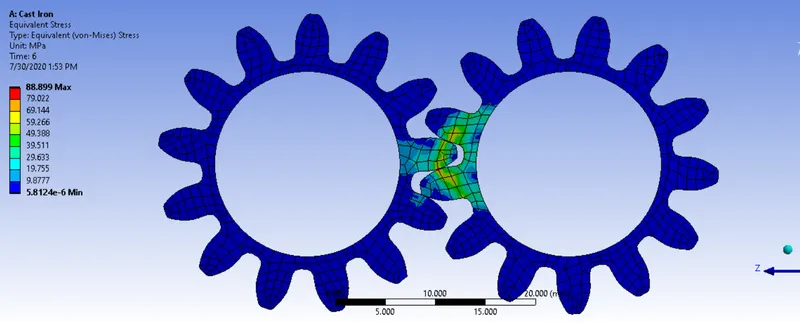
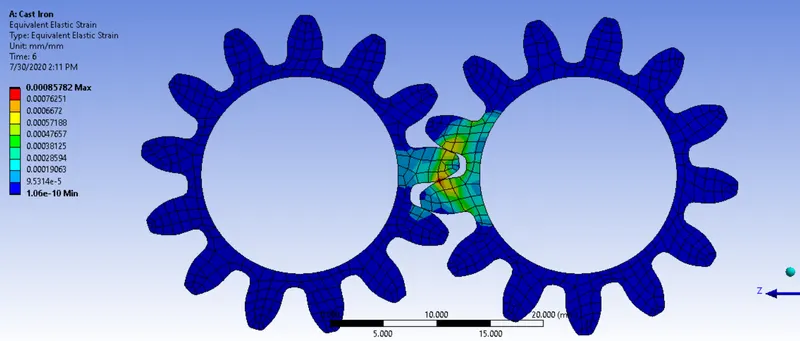
- Results: The mesh is generated and Stress, Strain, and Deformation as chosen as the solutions to be evaluated. The max results are tabulated
Mesh:
A mesh size of 1 mm is chosen for the simulation so that it does not exceed the maximum nodes/elements constraint in the academic version.
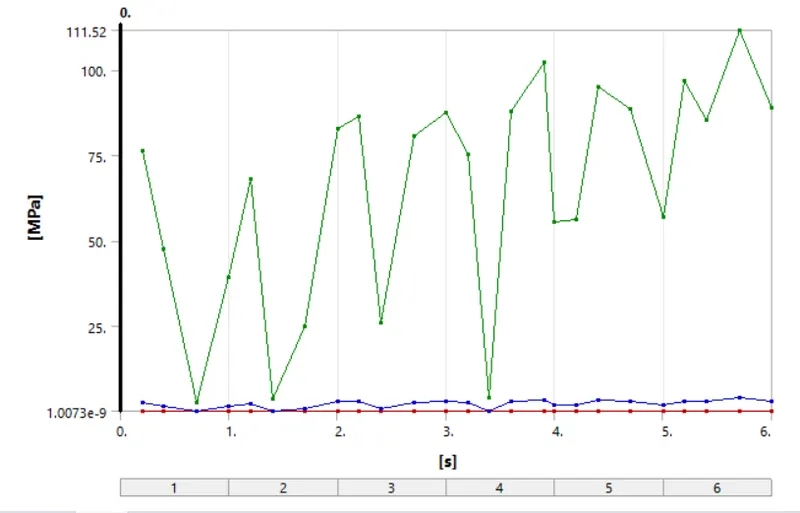
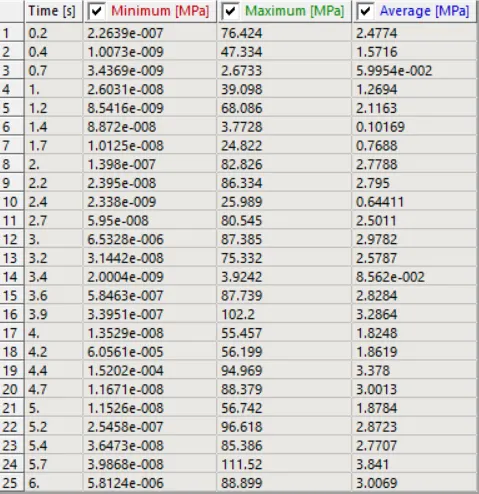
Cast iron stress model graph and tabulation values:
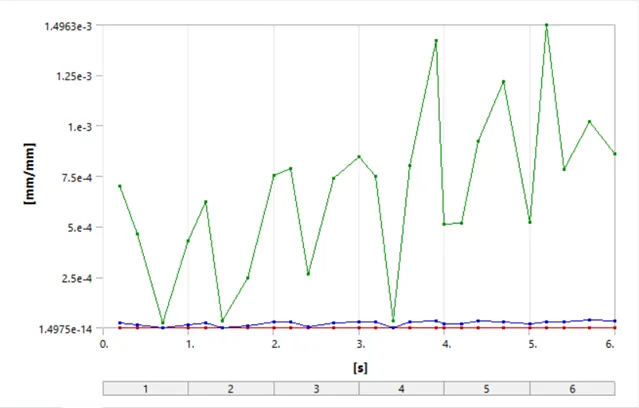
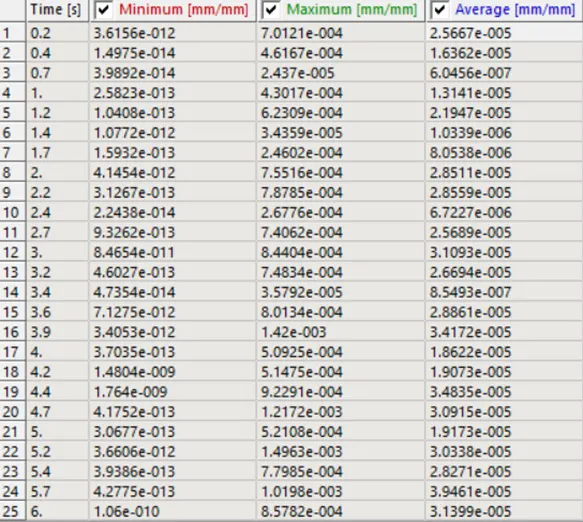
Cast iron strain model graph and tabulation values:
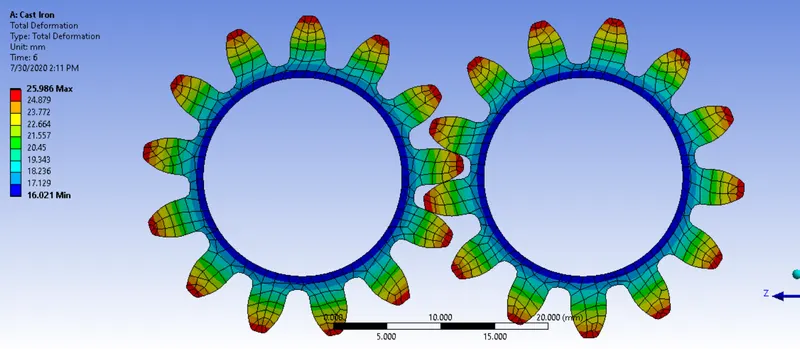
Cast iron deformation model graph and tabulation values:
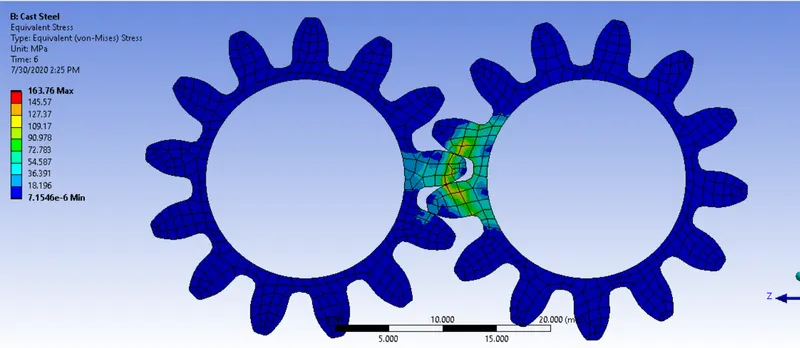
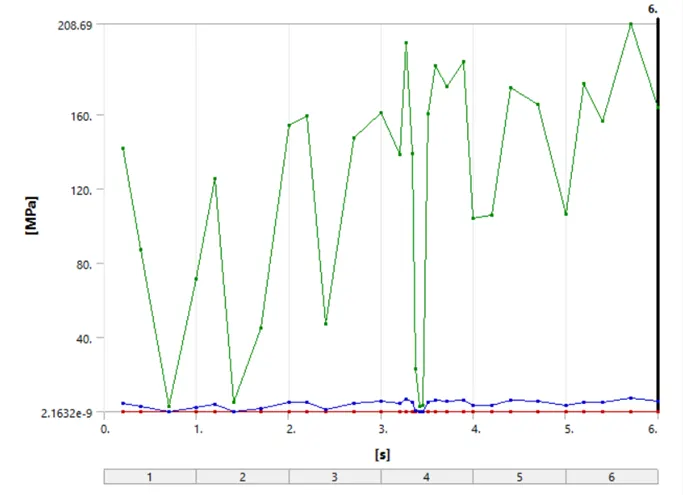
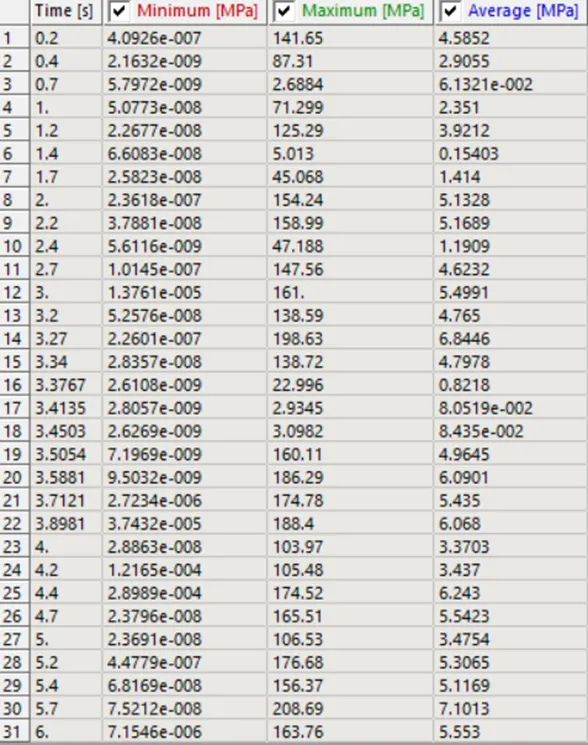
Cast steel stress model graph and tabulation values:
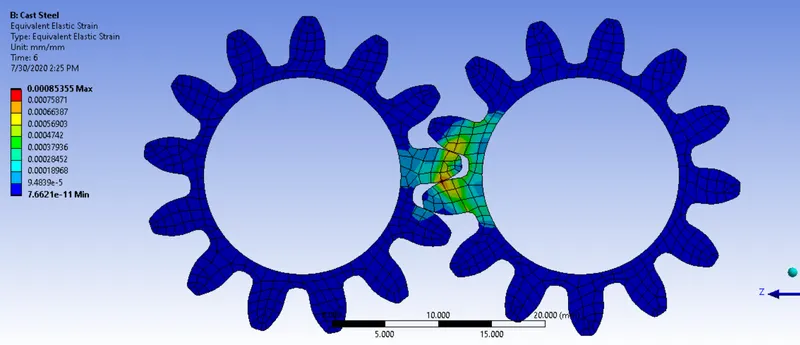
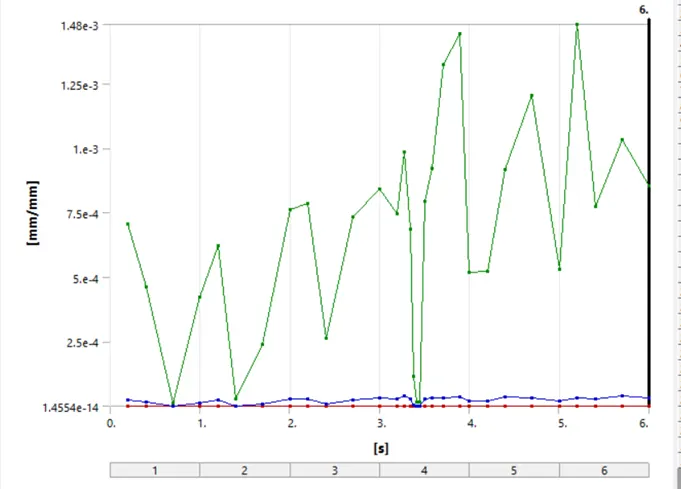
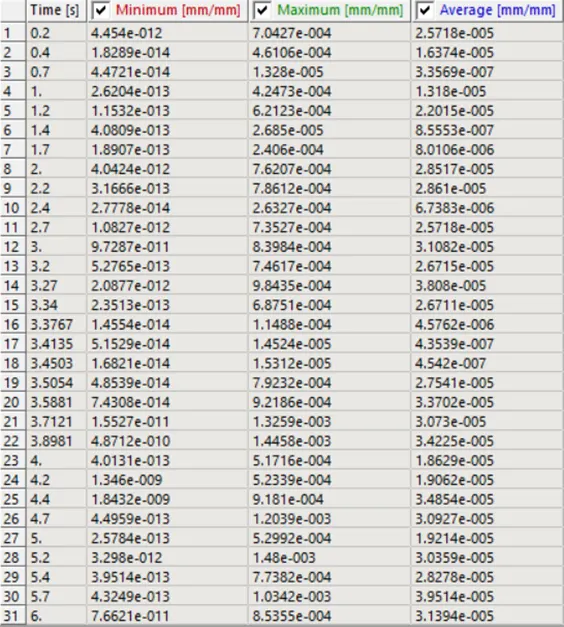
Cast steel strain model, graph and results table:
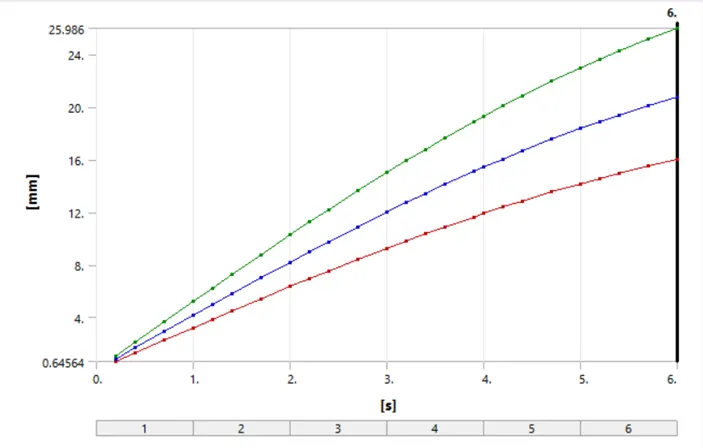
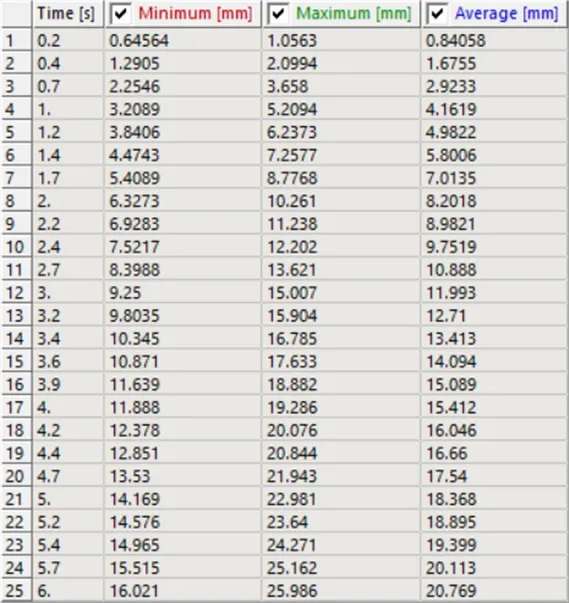
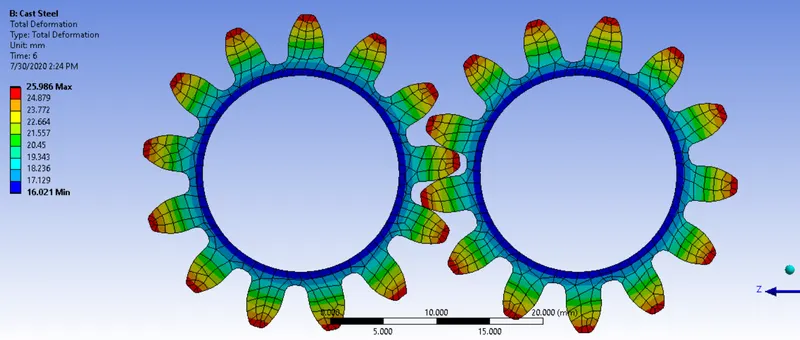
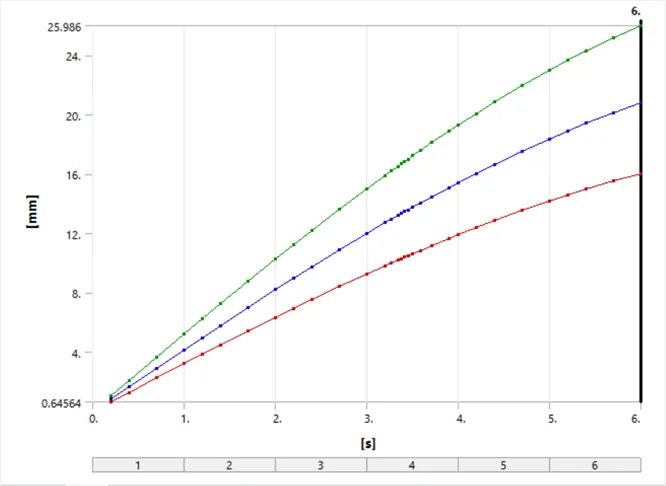
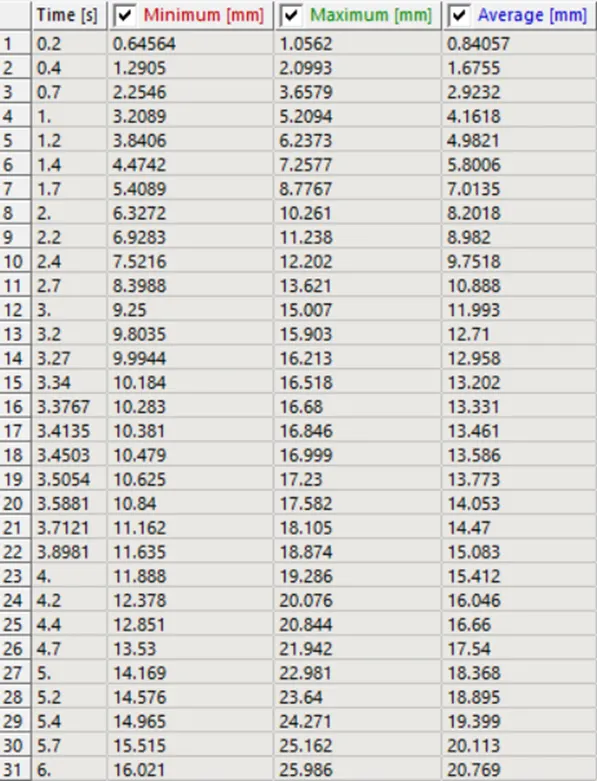
Cast steel deformation model, graph and results table:
 .
.
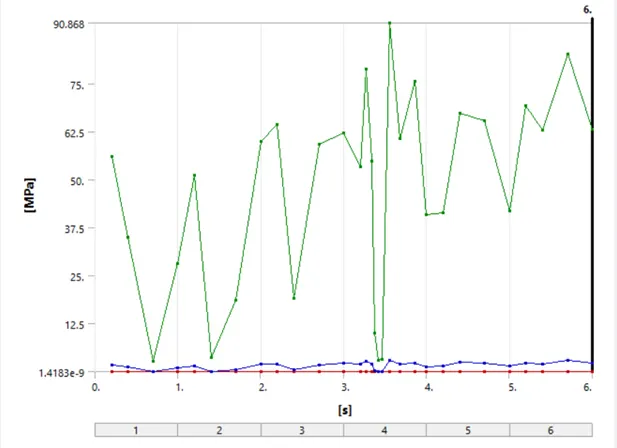
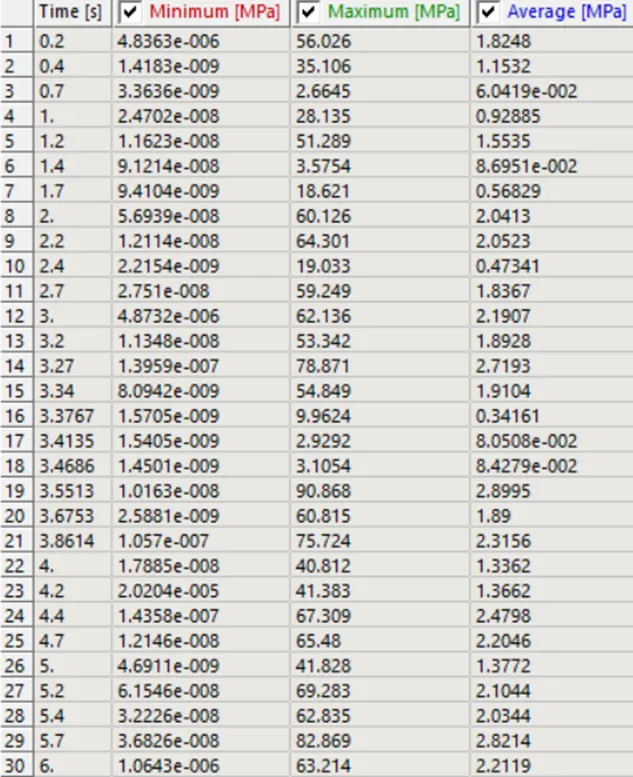
Cast bronze stress model, graph, and results table:
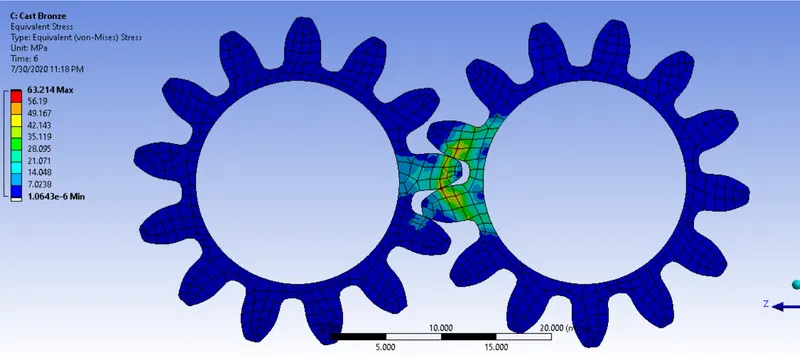
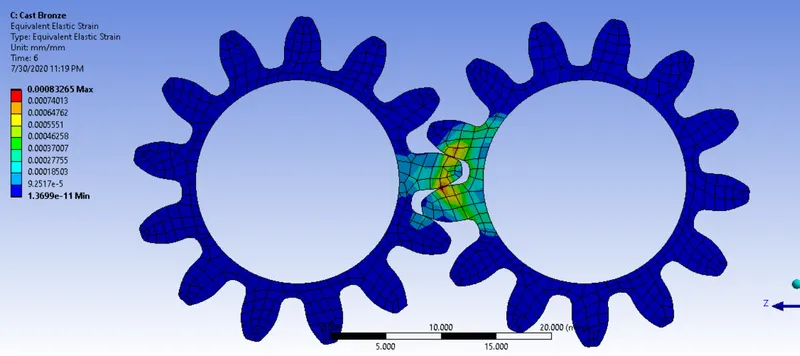
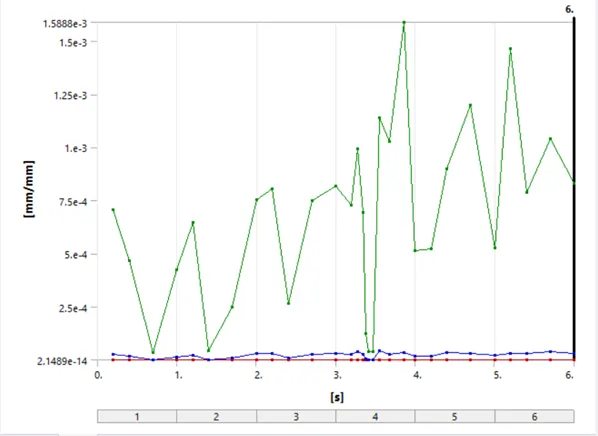
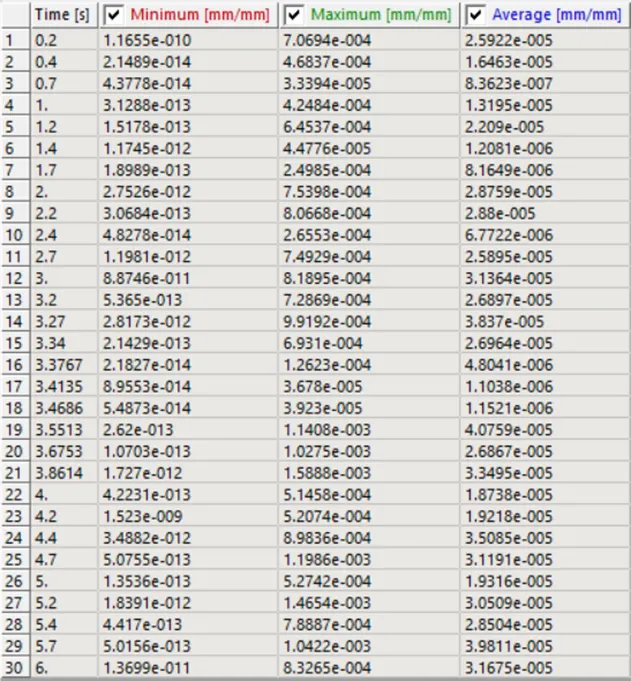
Cast bronze strain model, graph, and results table:
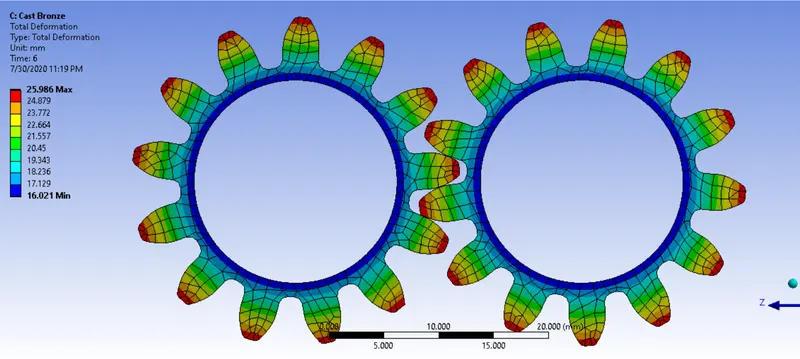
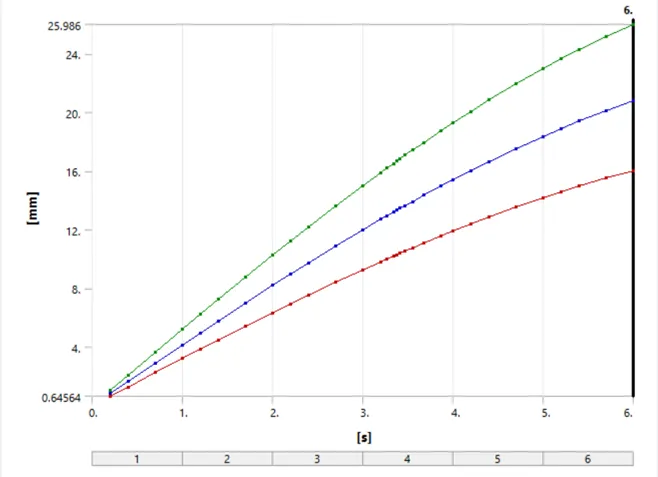
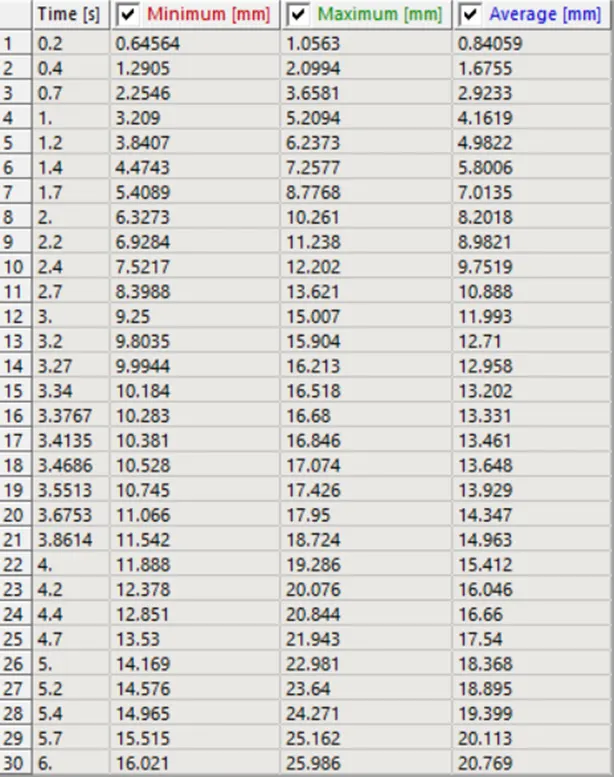
Cast bronze deformation model, graph, and results table:
Results:
The results can be tabulated as follows:
|
Sl. No |
Description |
Cast Iron |
Cast Steel |
Cast Bronze |
|
1 |
Max. Von Mises Stress (MPa) |
88.899 |
163.76 |
63.214 |
|
2 |
Max. Von Mises Strain (mm/mm) |
8.58e-4 |
8.54e-4 |
8.33e-4 |
|
3 |
Max Deformation (mm) |
25.986 |
25.986 |
25.986 |
- The difference between strain and deformation is very minimalistic but the factor considered in this decision is the difference in Max Von Mises Stresses. From the material properties, it is clear that bronze is a much heavier and softer material and is not ideal for gearing applications. Cast steel has better properties in terms of strength and corrosion resistance and thus is the best choice for gearing applications.
Material for Gearing Application:
Cast Steel has been chosen for Gearing Application
2. The stress intensity factor is used to predict the stress state ("stress intensity") near the tip of a crack or notch or groove caused by a remote load or residual stresses. It is a theoretical construct usually applied to a homogeneous, linear elastic material and is useful for providing a failure criterion for brittle materials.
As you can see from the above results it is evident that gears have a number of notches in their profile which help them to drive motion and transfer energy. This makes them susceptible to failure due to stress overload at the bottom of the tooth thus making the stress intensity factor a critical part of gear design.