Week 1- Mixing Tee
Mixing Tee
Aim
To solve the mixing tee of hot and cold inlet for gievn problem and study the mixing effectiveness of the given two cases for long & Short pipe
in order to visual it plot the temperatur and velocity profile of the give geometry to study it is the main objective of the problem by ansys work bench
Introduction
A mixing tee is a device used in many chemical diffusion/mixing processes and in applications such as air conditioners for mixing of fresh and return air. Steady state simulations were performed for a mixing tee of short and long length with different momentum ratio and mixing effectiveness was observed.
Solving & Modelling approach
we have created two versions of the mixing tee. One of them is longer than the other.
Your job is to set up steady-state simulations to compare the mixing effectiveness when hot inlet temperature is 360C & the Cold inlet is at 190C.
Use the k-epsilon a model for the 4 cases
- Case 1
- Short mixing tee with a hot inlet velocity of 3m/s.
- Momentum ratio of 2, 4.
- Case 2
- Long mixing tee with a hot inlet velocity of 3m/s.
- Momentum ratio of 2, 4.
Pre-processing and solver setting
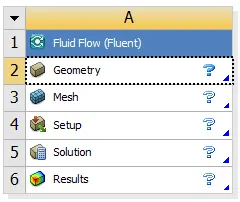
Open the Ansys work bench -----> Toolsbox ------>Analysis System----> Fluid Flow (Fluent) and Drag into the Project Schematic
SHORT MIXING TEE PIPE
Geometry
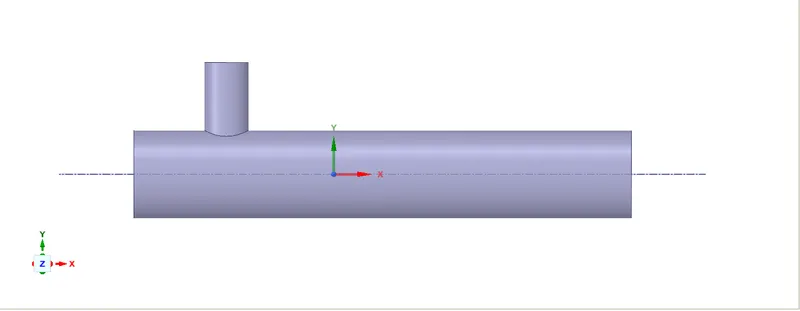
Right click on the corner ------> import gometry ------> browse ---> seletct the geometry STEP. file
Right click ---> edit to SpaceClaim we are interested in fluid volume inner side o the pipe foe that suppress the shell of the geometry prepare ------> Volume Extract-----> edge loop and select the geometry ... and update it
MESH
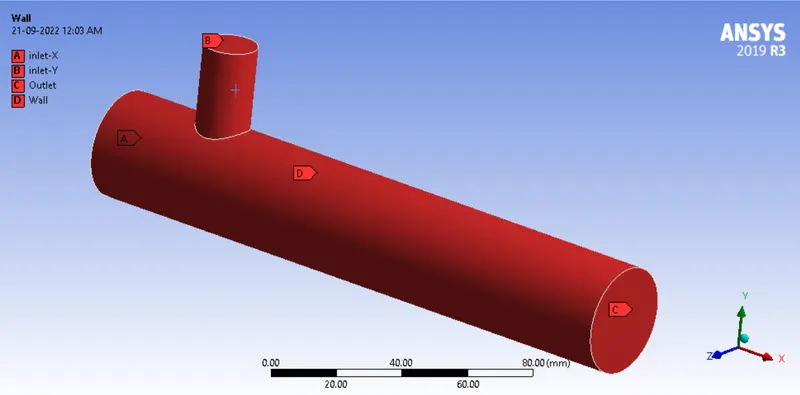
Right click ---> edit Mesh Create the Name selection for the Boundary Conditions Face Selection ----> Select Face
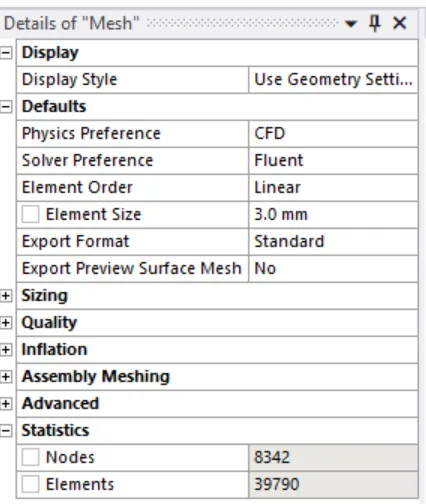
in Order to Meshing on the right Outline ----> project ----> mesh And give the Details od the mesh and Generate Mesh
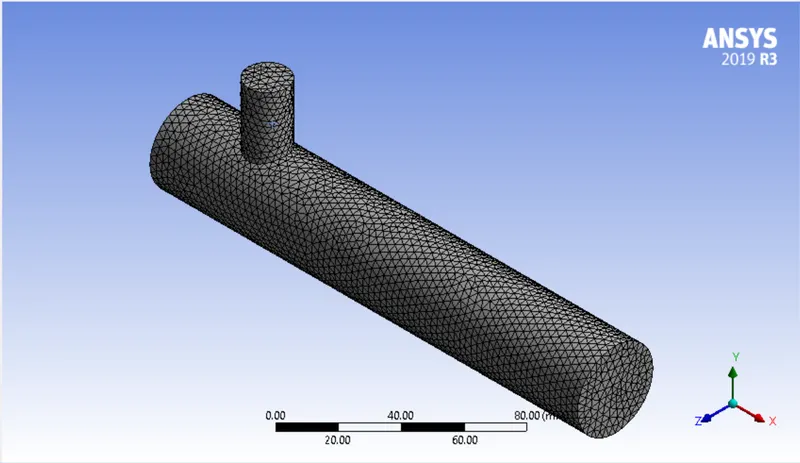
SETUP (CASE-1)
Right click ---> edit to fluent setup
General ----> Solver Type ----> preasure Based solver ------> Time ---> steady State
MODELS -----> Energy (ON) we measuring heat transfer
VISCOUS MODELS ---> K -Epsilon ---->Standard---.> standard Wall Function
MATERIALS --- > FLUID ----> Air ------>SOLID ----> Aluminum (Defalt)
BOUNDARY CONDITION
INLET -X
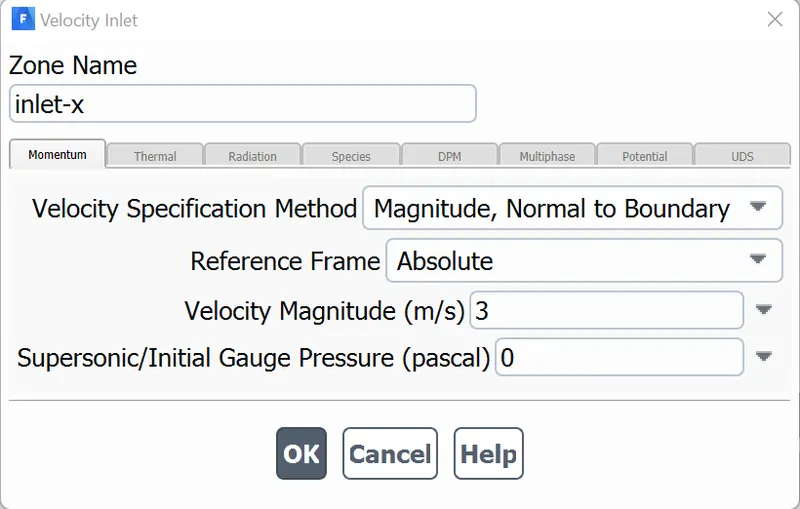
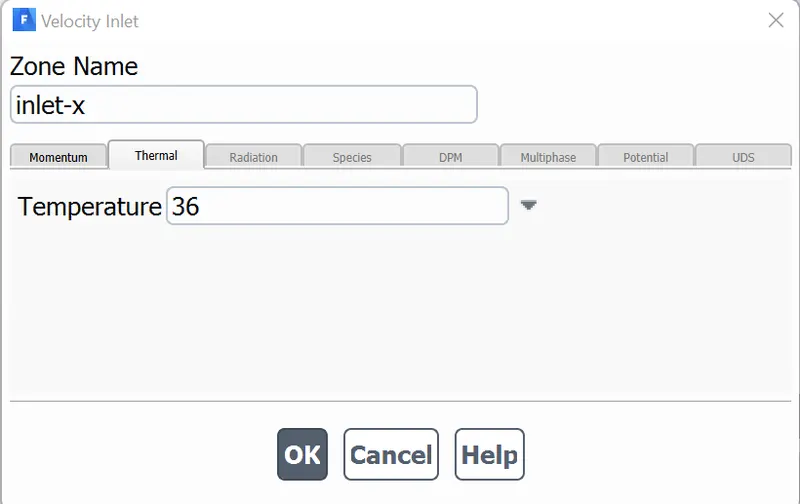
INLET-Y
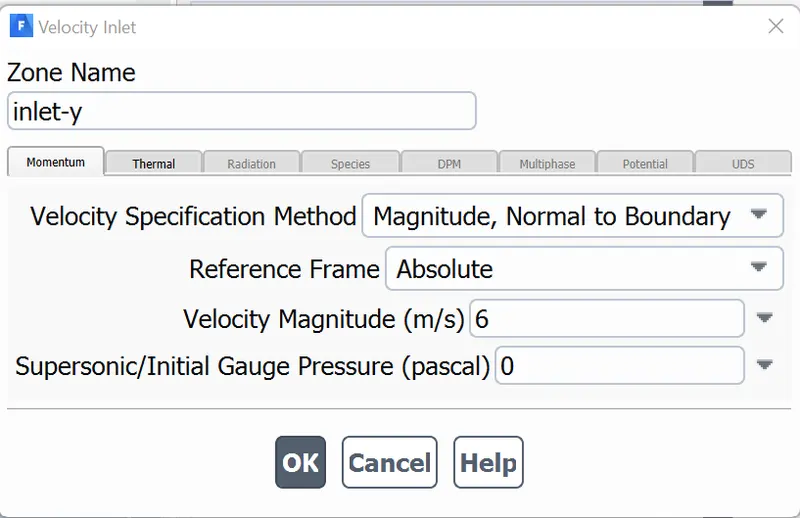
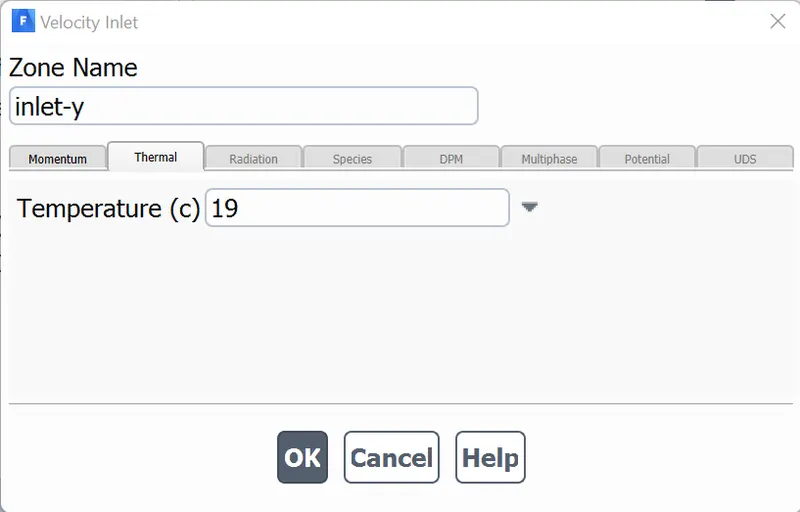
WALL --AS WALL
OUTLET -----> PRSSURE OUTLET
SOLUTION
in the find average temperature on the outlet for that surface report set in the Definitaion -->new surface report definition 1 ) Area -Weighted Average ( for Average temperature on the outlet ) and Standard Deviation for the temperature deviation in outlet of the fluid
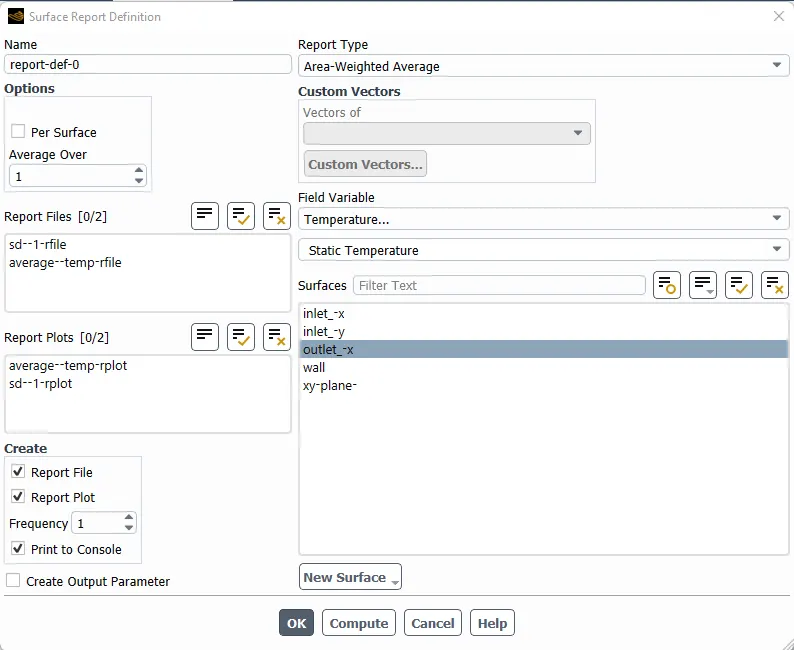
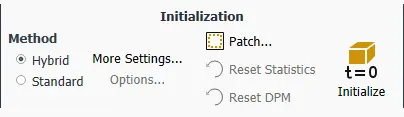
Initialization Run calculation
method ----> hybird ----. Initilization number of iteration = 500 & calculate
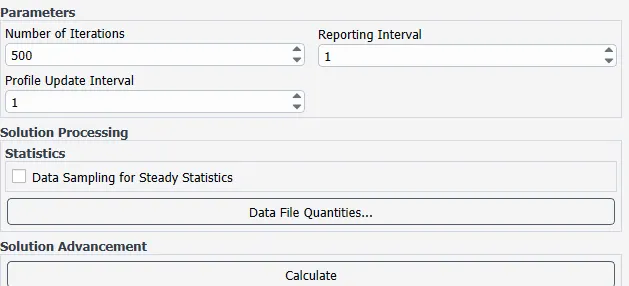
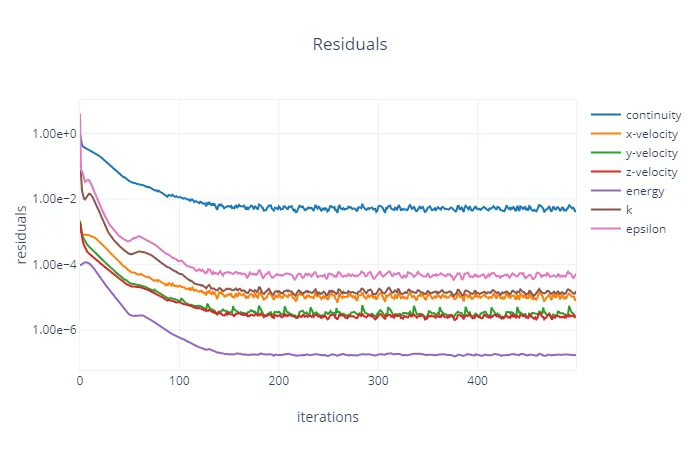
RESIDUALS
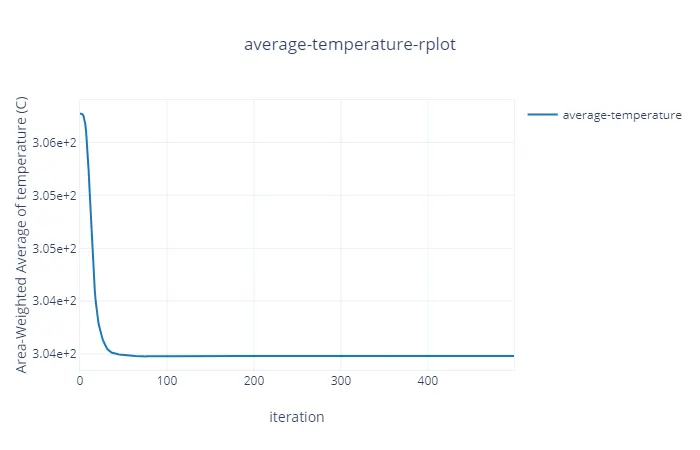
AVERAGE -TEMPERATURE - PLOT
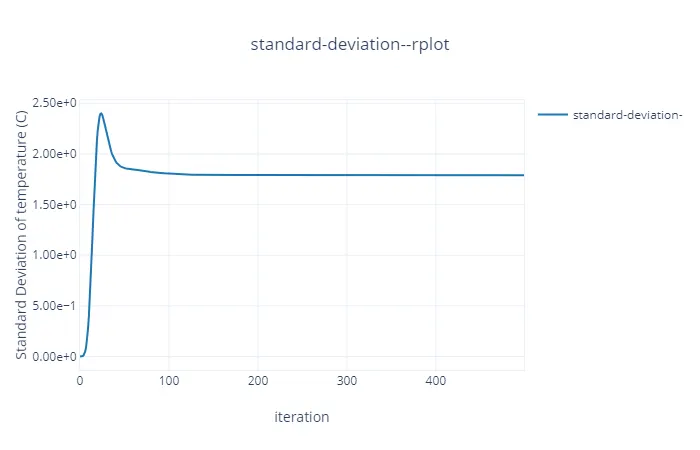
STABDARD DIVEATION PLOT
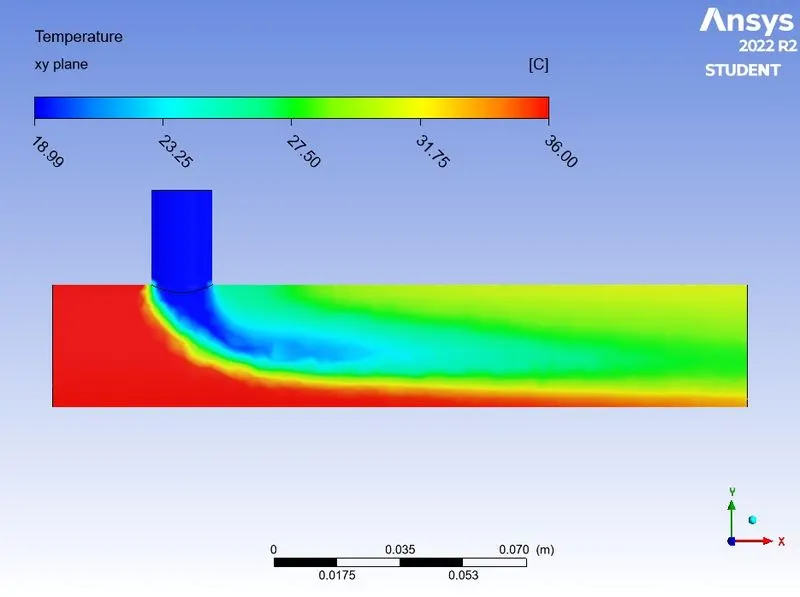
TEMPERATURE CONTOUR
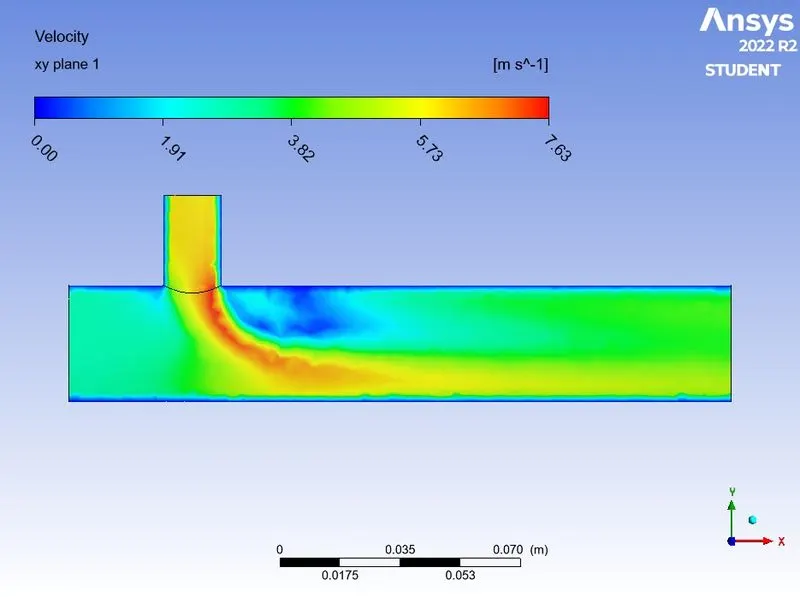
VELOCITY CONTOUR
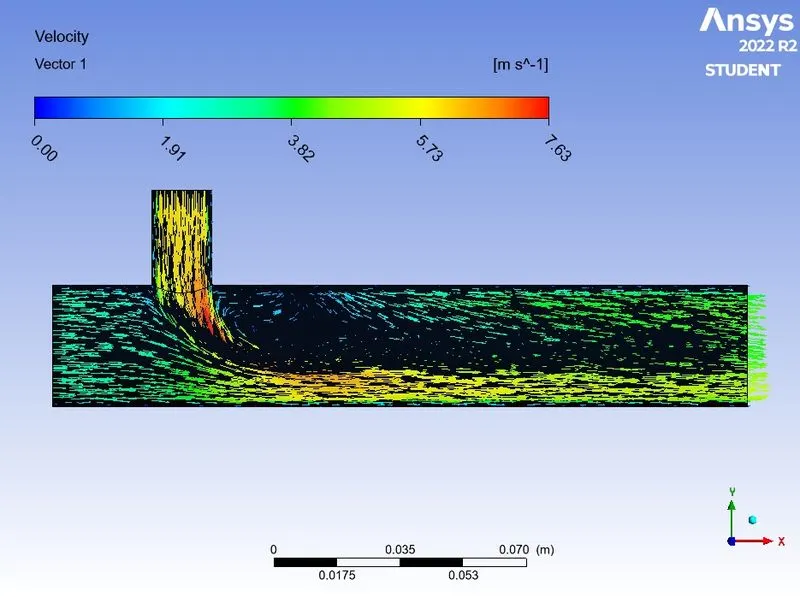
VELOCITY VECTOR
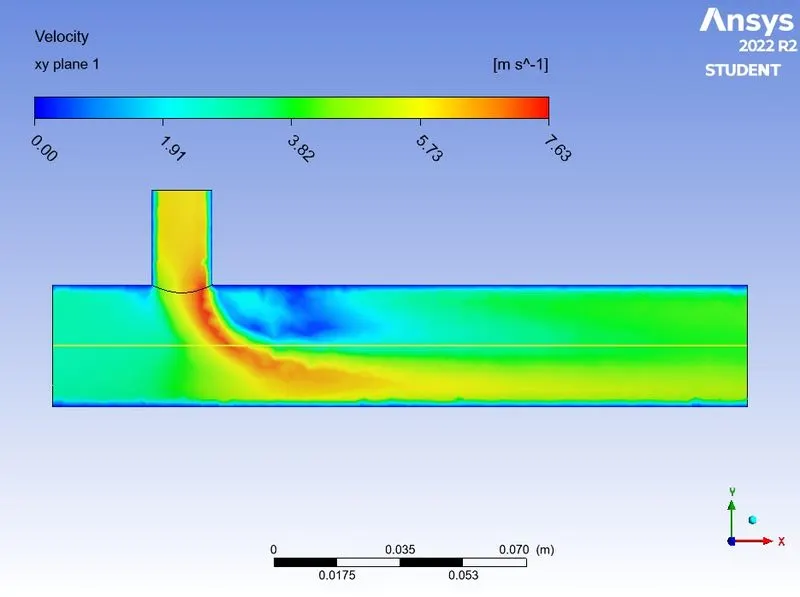
X AXIS LINE
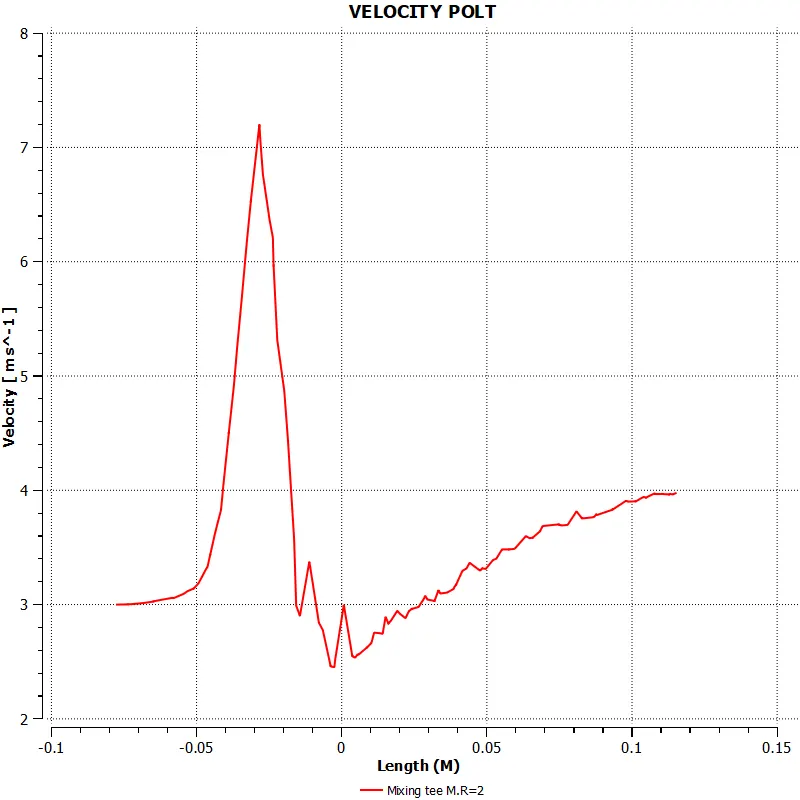
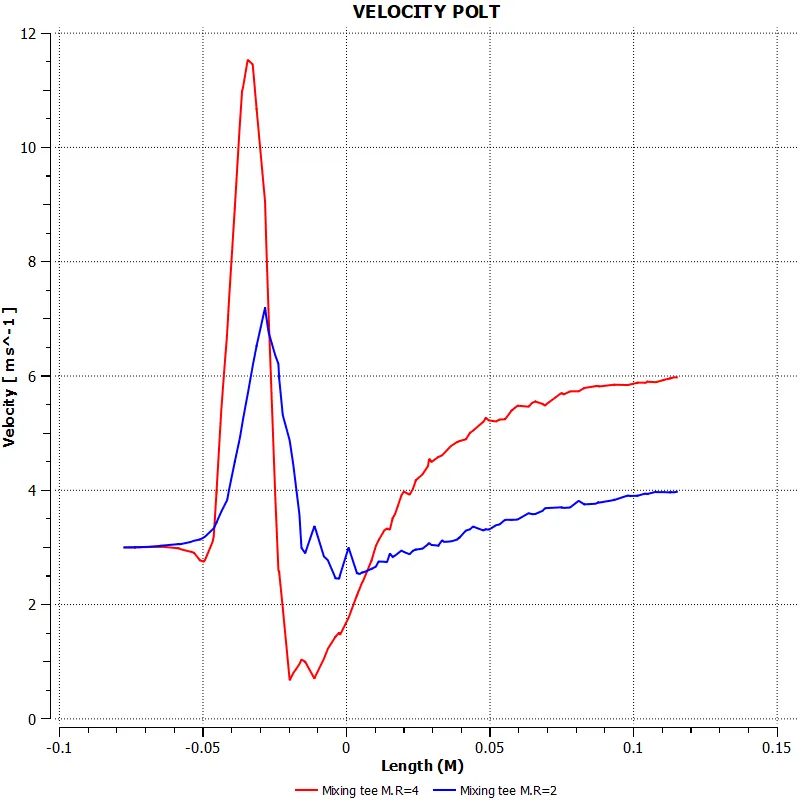
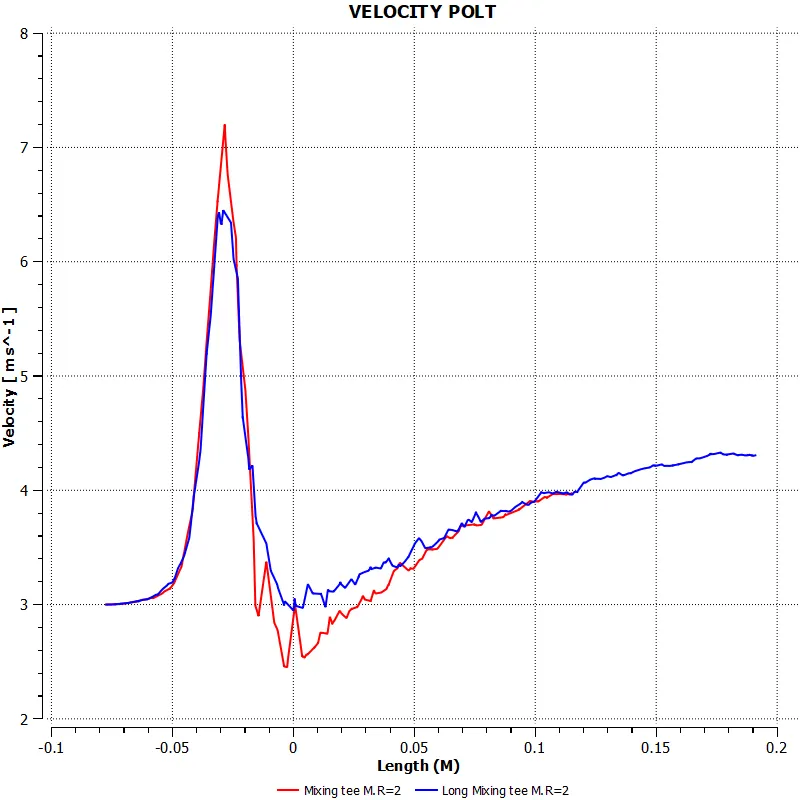
VELOCITY PLOT MR= 2
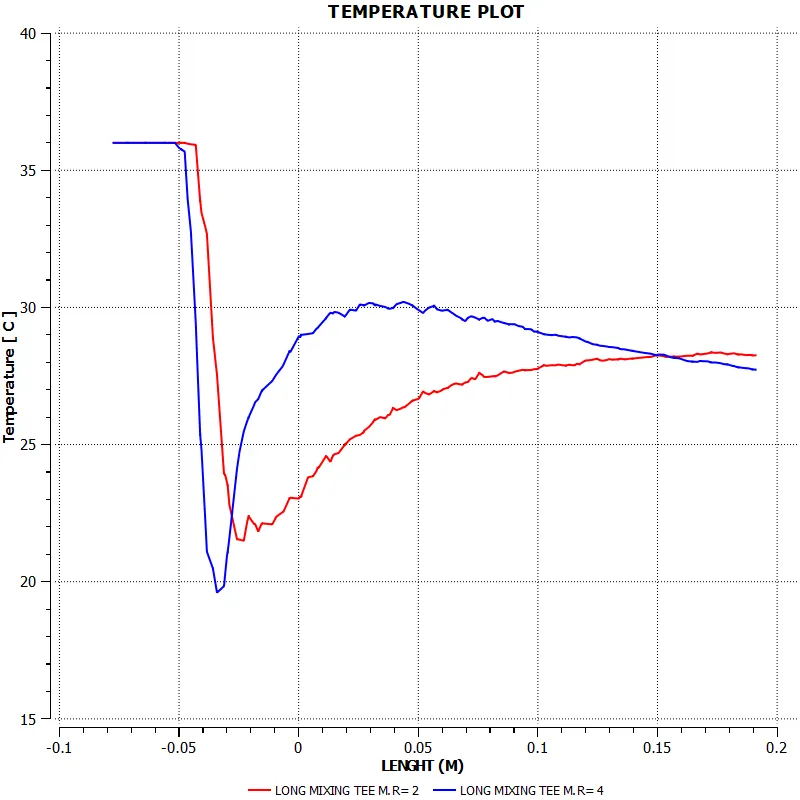
TEMPERATURE PLOT MR= 2
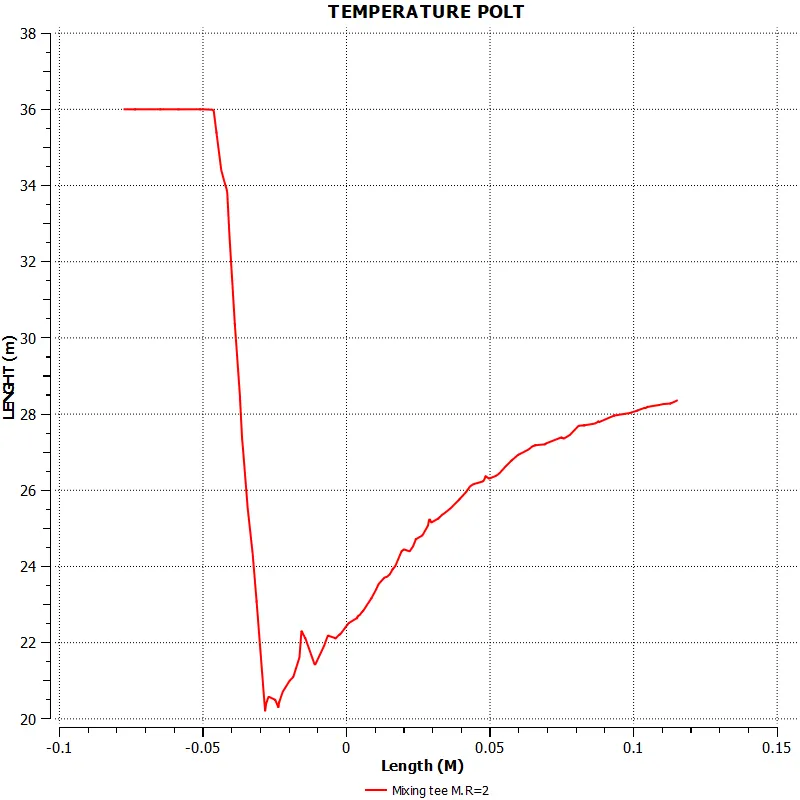
SHORT MIXING TEE M .R = 2
|
Cell count |
39725 |
|
Average outlet temperature |
30.33 |
|
Number of iterations for convergence |
500 |
SETUP (CASE-2)
Right click ---> edit to fluent setup
General ----> Solver Type ----> preasure Based solver ------> Time ---> steady State
MODELS -----> Energy (ON) we measuring heat transfer
VISCOUS MODELS ---> K -Epsilon ---->Standard---.> standard Wall Function
MATERIALS --- > FLUID ----> Air ------>SOLID ----> Aluminum (Defalt)
BOUNDARY CONDITION
INLET -X
INLET-Y
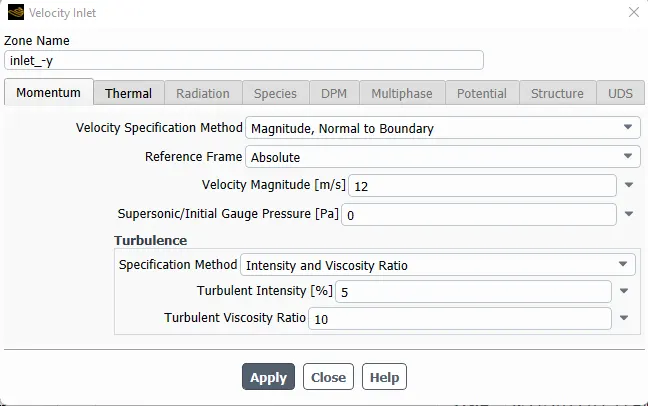
WALL --AS WALL
OUTLET -----> PRSSURE OUTLET
SOLUTION
in the find average temperature on the outlet for that surface report set in the Definitaion -->new surface report definition 1 ) Area -Weighted Average ( for Average temperature on the outlet ) and Standard Deviation for the temperature deviation in outlet of the fluid
Initialization Run calculation
method ----> hybird ----. Initilization number of iteration = 500 & calculate
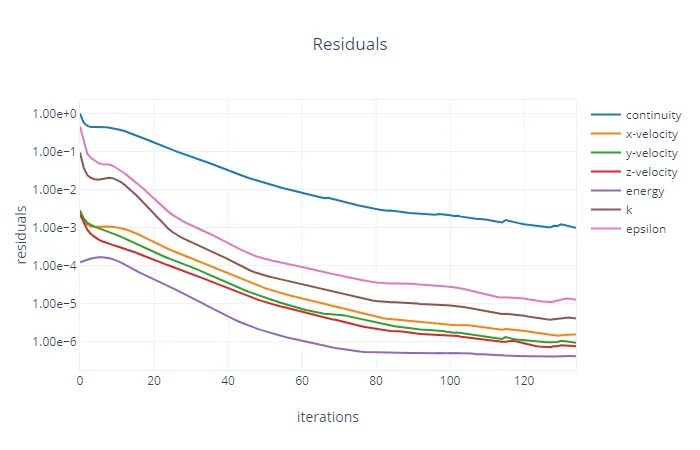
RESIDUALS
STANDARD -DEVIATION PLOT
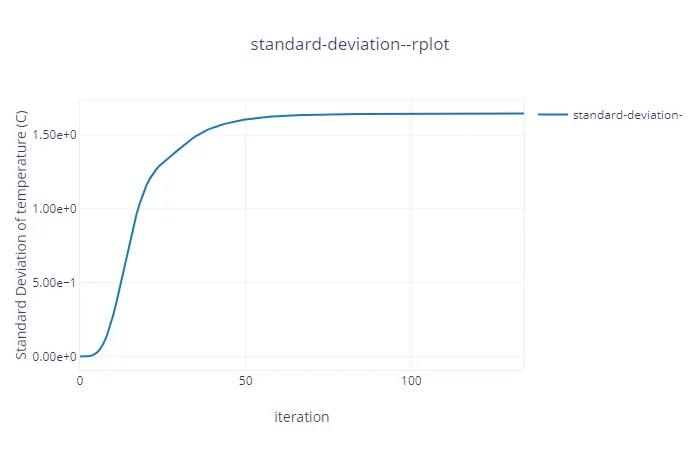
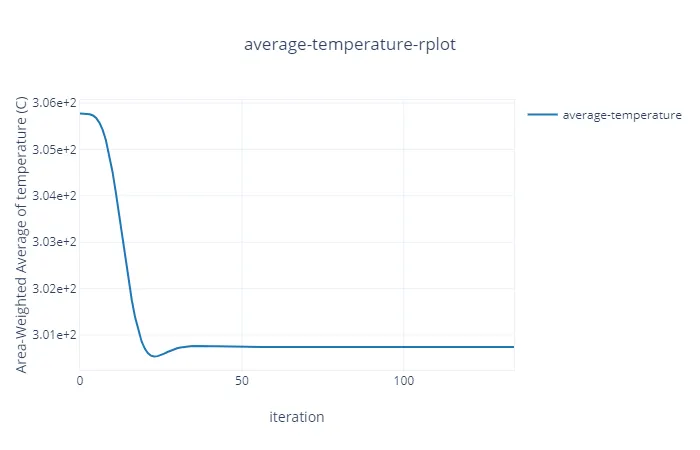
AVERAGE TEMPERATURE PLOT
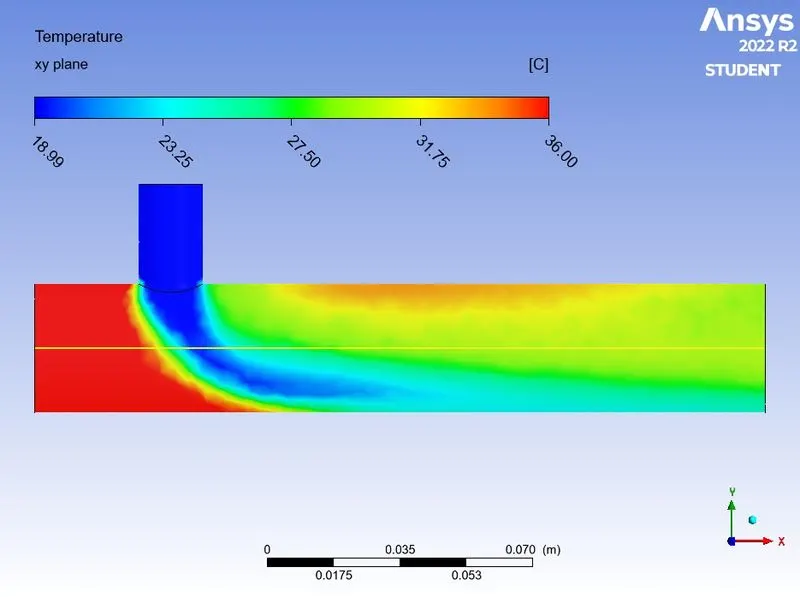
TEMPERATURE CONTOUR
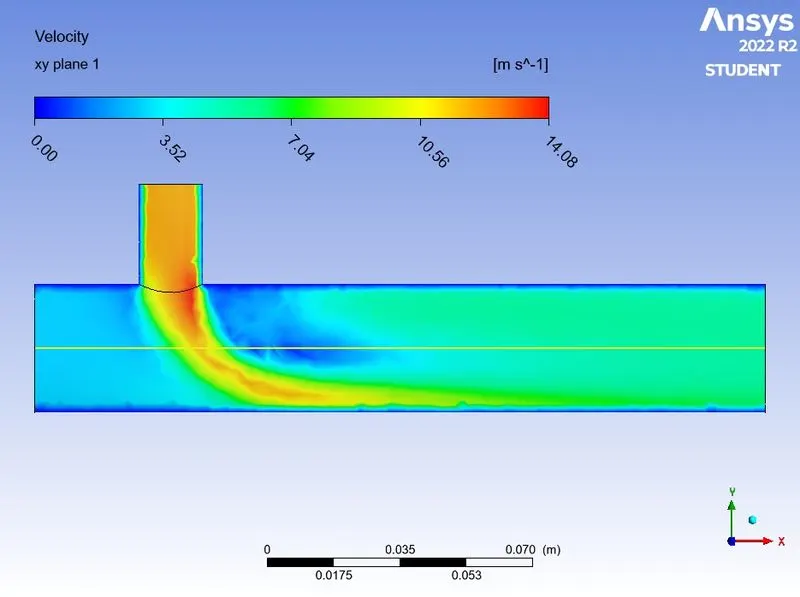
VELOCITY CONTOUR
VELOCITY VECTOR
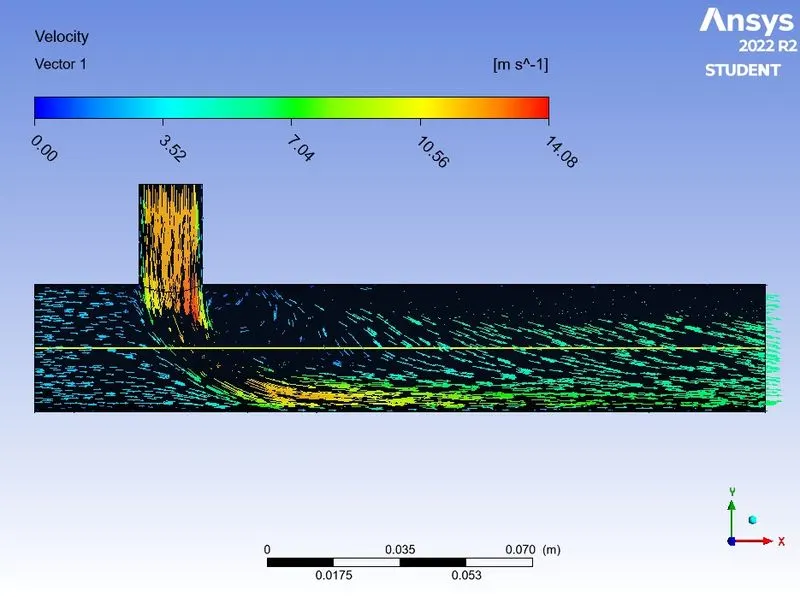
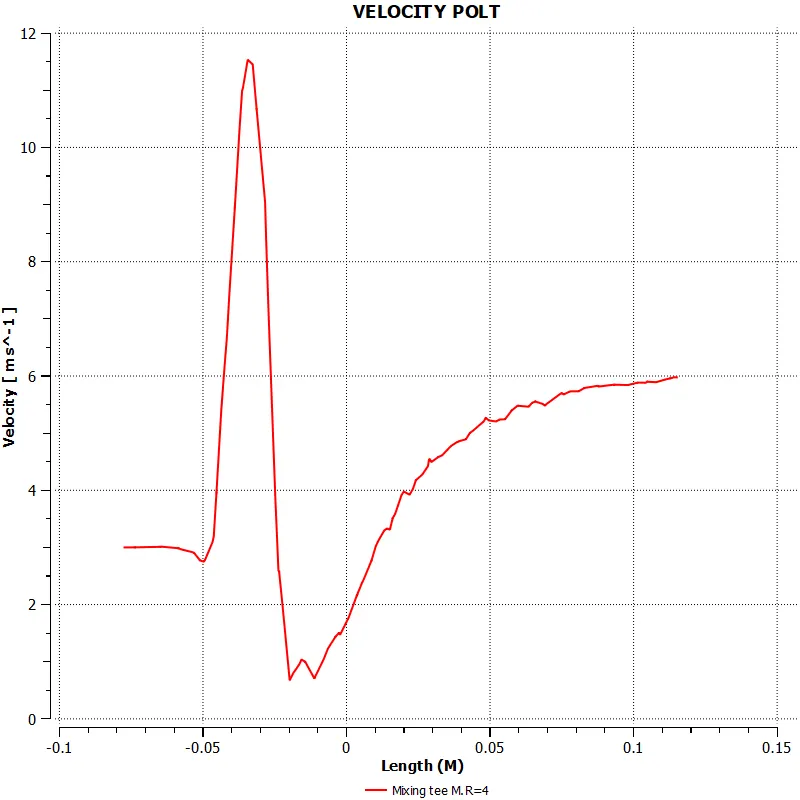
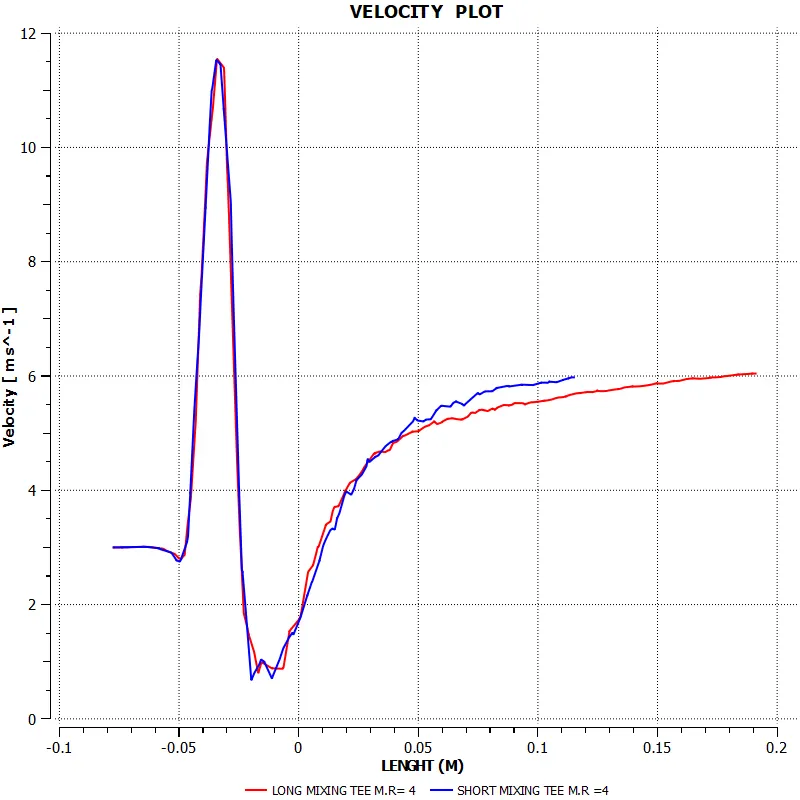
VELOCITY PLOT MR =4
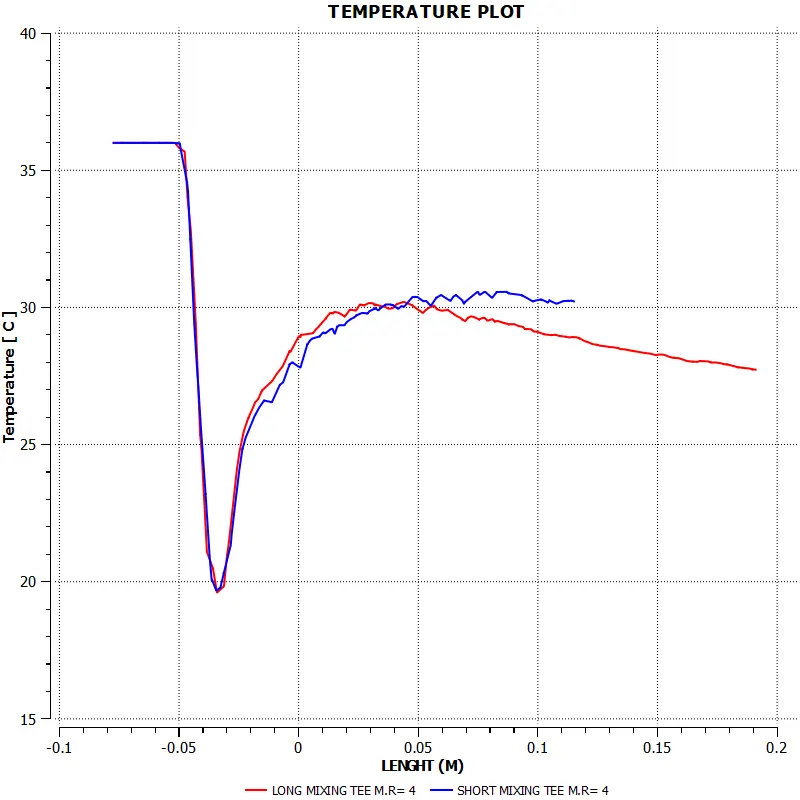
TEMPERATURE PLOT MR= 4
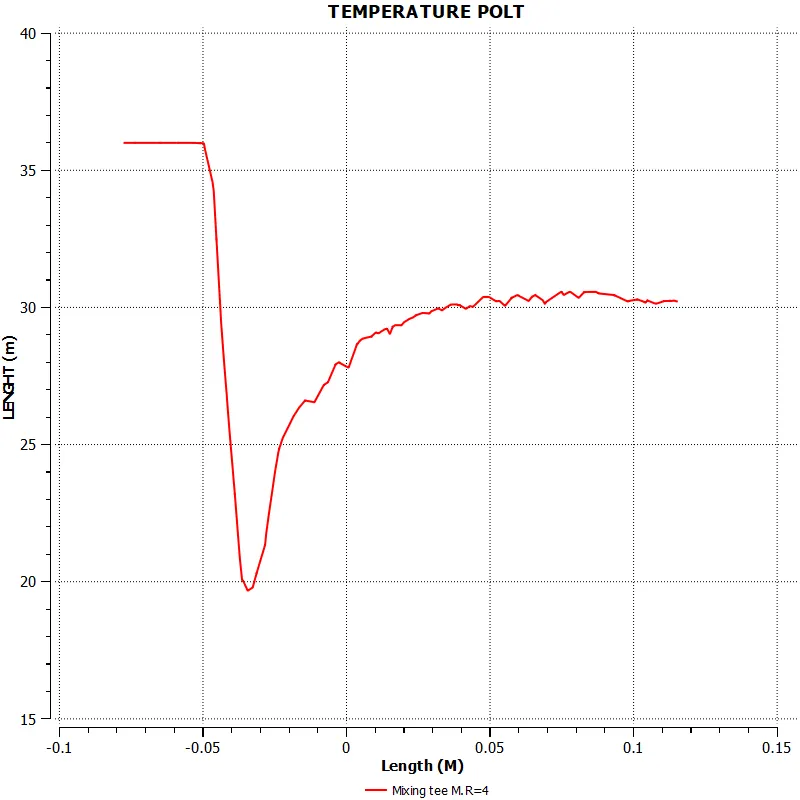
SHORT MIXING TEE M .R = 4
|
Cell count |
39725 |
|
Average outlet temperature |
27.59 'C |
|
Number of iterations for convergence |
135 |
LONG MIXING TEE PIPE
Geometry
Right click on the corner ------> import gometry ------> browse ---> seletct the geometry STEP. file
Right click ---> edit to SpaceClaim we are interested in fluid volume inner side o the pipe foe that suppress the shell of the geometry prepare ------> Volume Extract-----> edge loop and select the geometry ... and update it
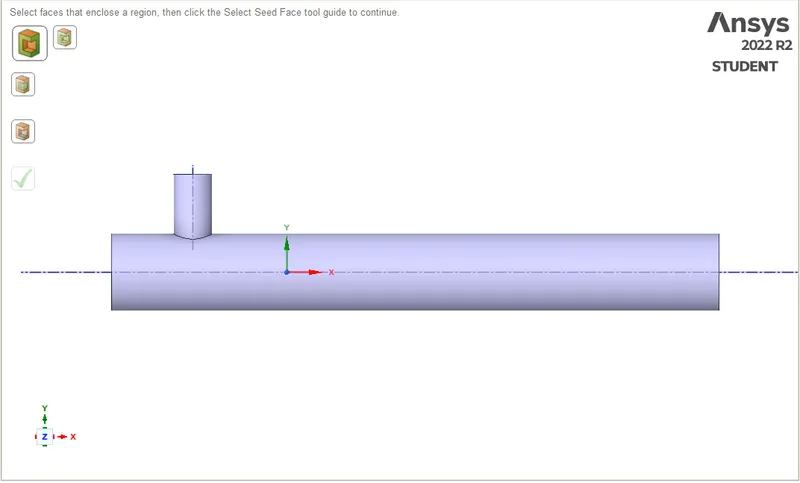
MESH
Right click ---> edit Mesh Create the Name selection for the Boundary Conditions Face Selection ----> Select Face
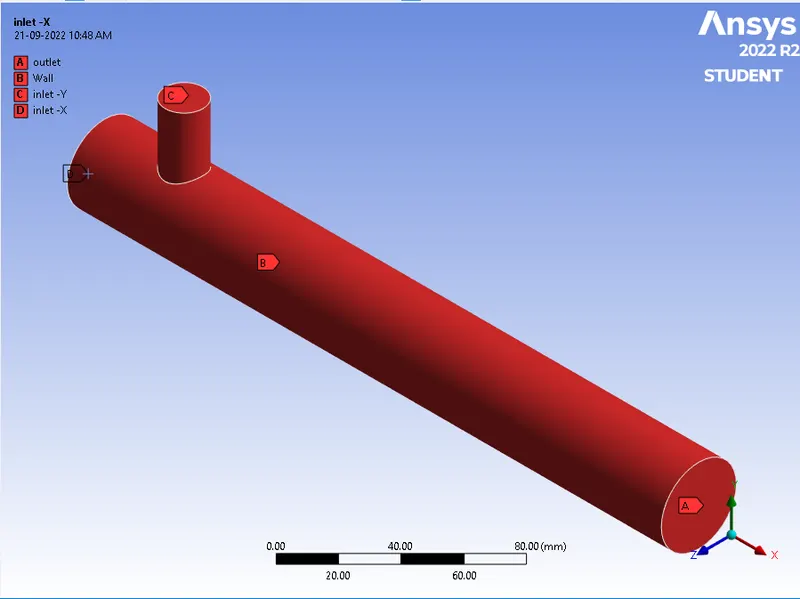
in Order to Meshing on the right Outline ----> project ----> mesh And give the Details od the mesh and Generate Mesh
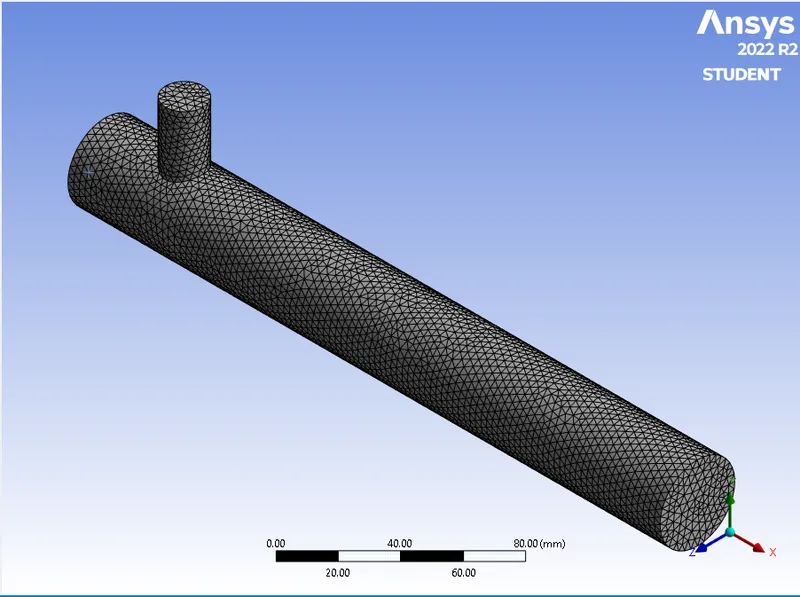
SETUP (CASE-3)
Right click ---> edit to fluent setup
General ----> Solver Type ----> preasure Based solver ------> Time ---> steady State
MODELS -----> Energy (ON) we measuring heat transfer
VISCOUS MODELS ---> K -Epsilon ---->Standard---.> standard Wall Function
MATERIALS --- > FLUID ----> Air ------>SOLID ----> Aluminum (Defalt)
BOUNDARY CONDITION
INLET -X
INLET-Y
WALL --AS WALL
OUTLET -----> PRSSURE OUTLET
SOLUTION
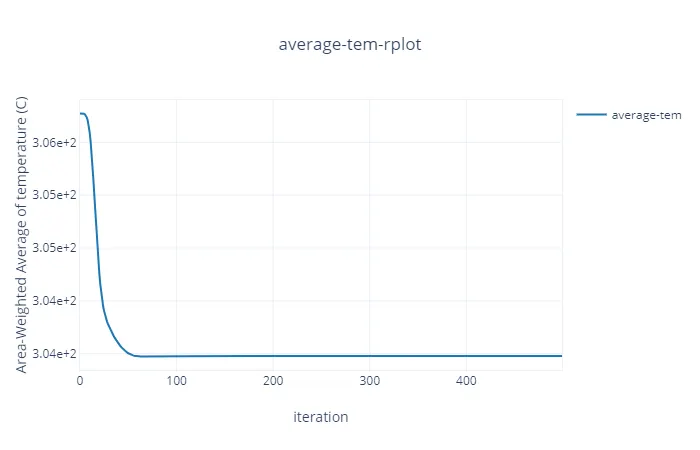
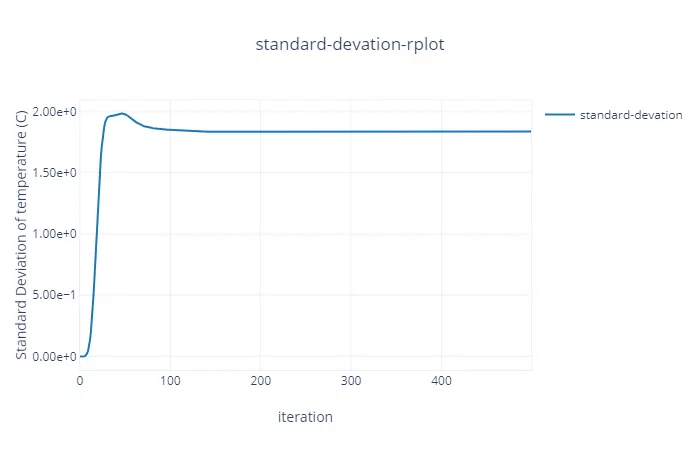
in the find average temperature on the outlet for that surface report set in the Definitaion -->new surface report definition 1 ) Area -Weighted Average ( for Average temperature on the outlet ) and Standard Deviation for the temperature deviation in outlet of the fluid
Initialization Run calculation
method ----> hybird ----. Initilization number of iteration = 500 & calculate
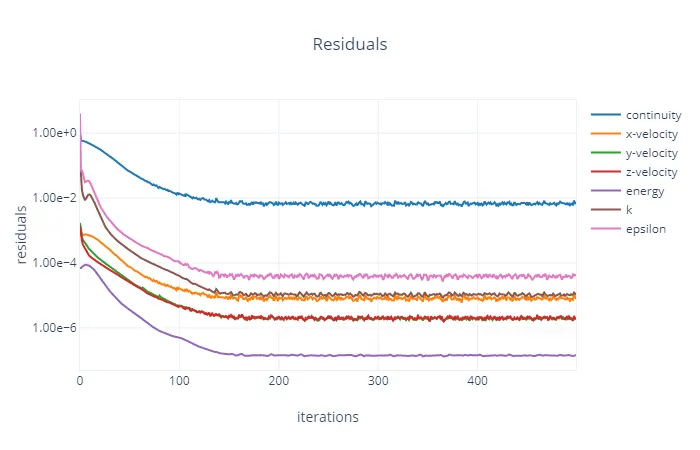
RESIDUALS
AVERAGE TEMPERTURE
STANDARD DEVEATION
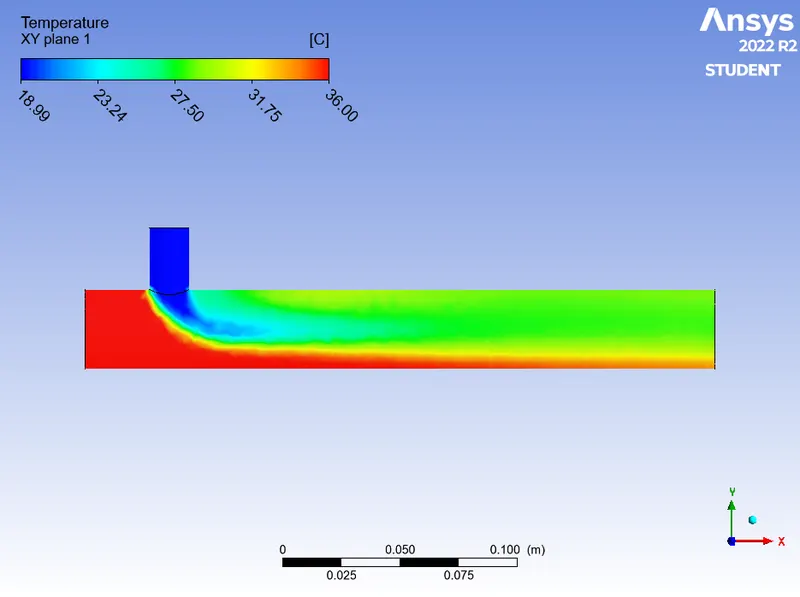
TEMPERATURE CONTOUR
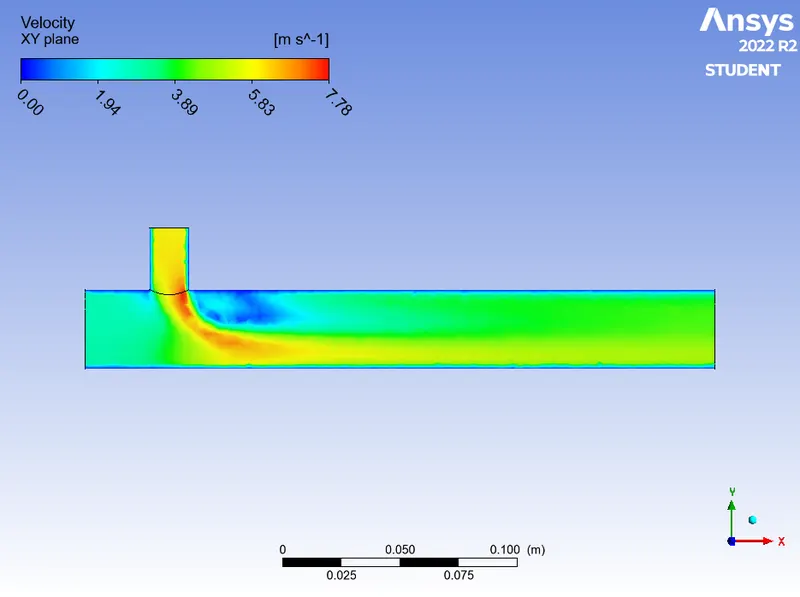
VELOCITY CONTOUR
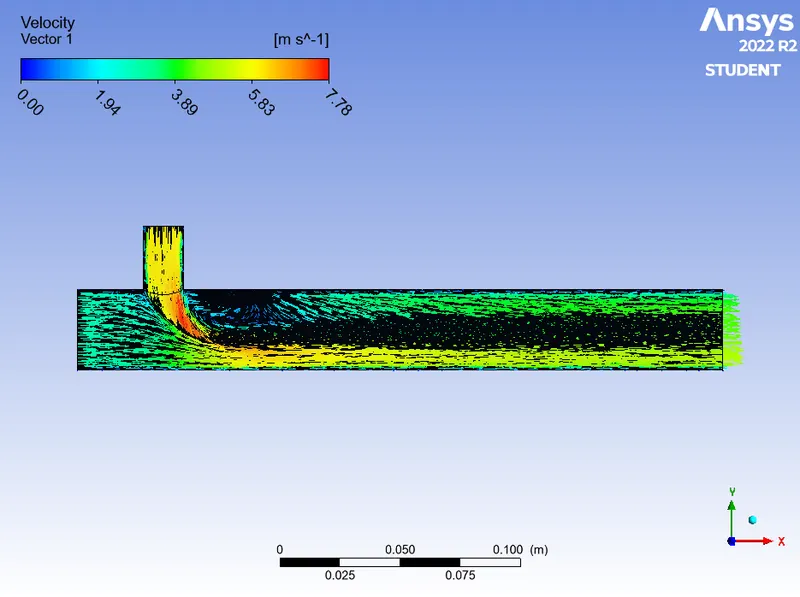
VELOCITY VECTOR
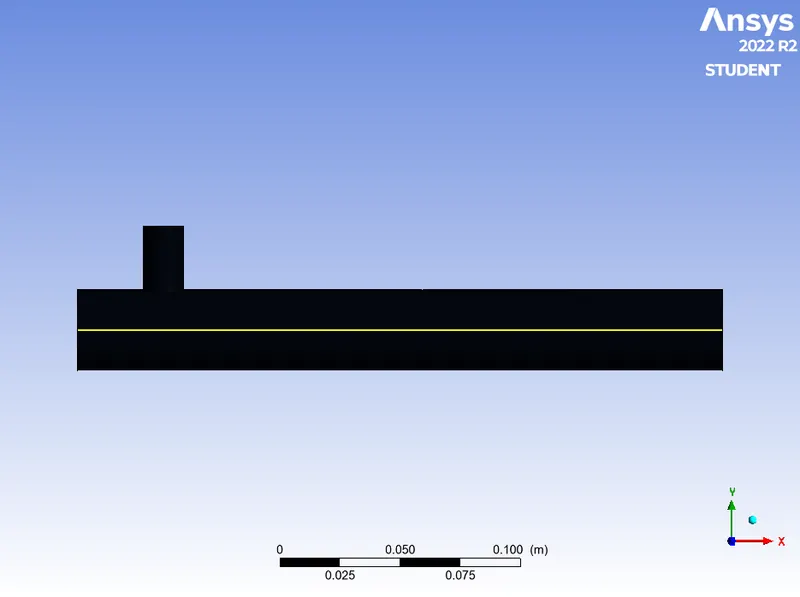
X AXIS LINE CONTOUR
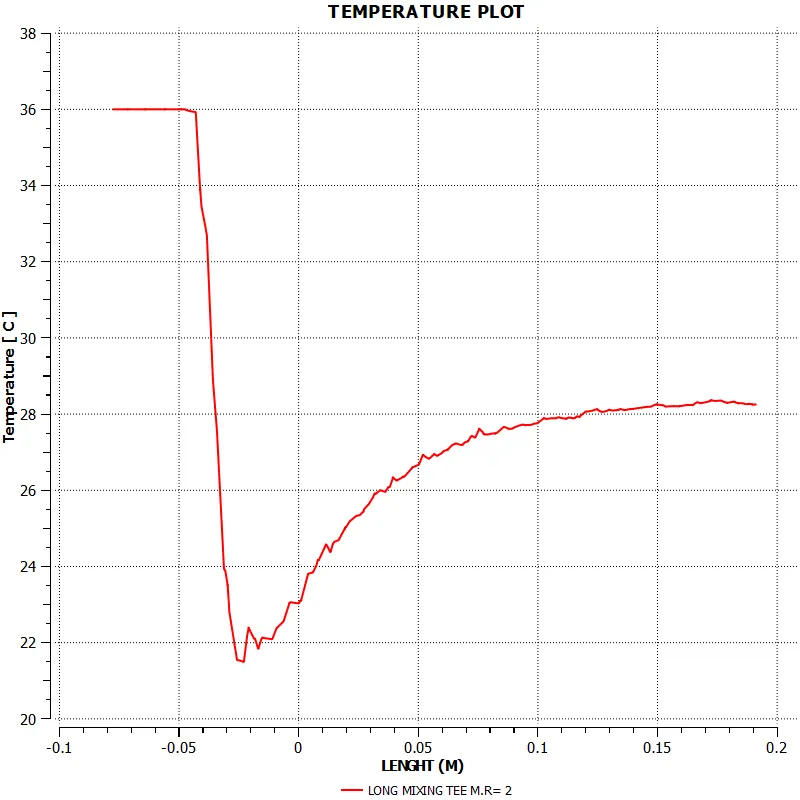
TEMPERATURE PLOT MR =2
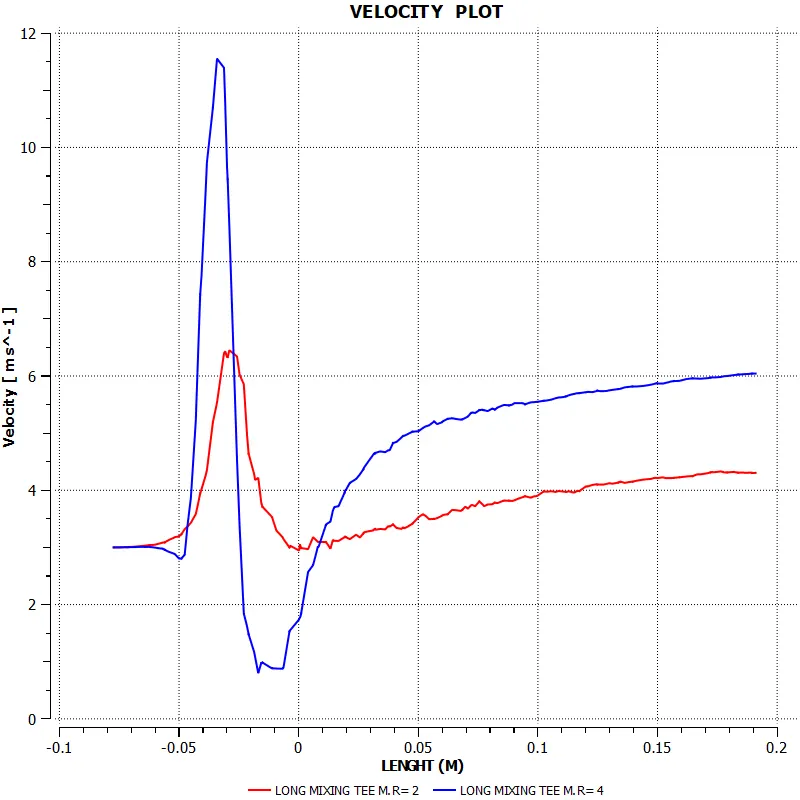
VELOCITY PLOT MR =2
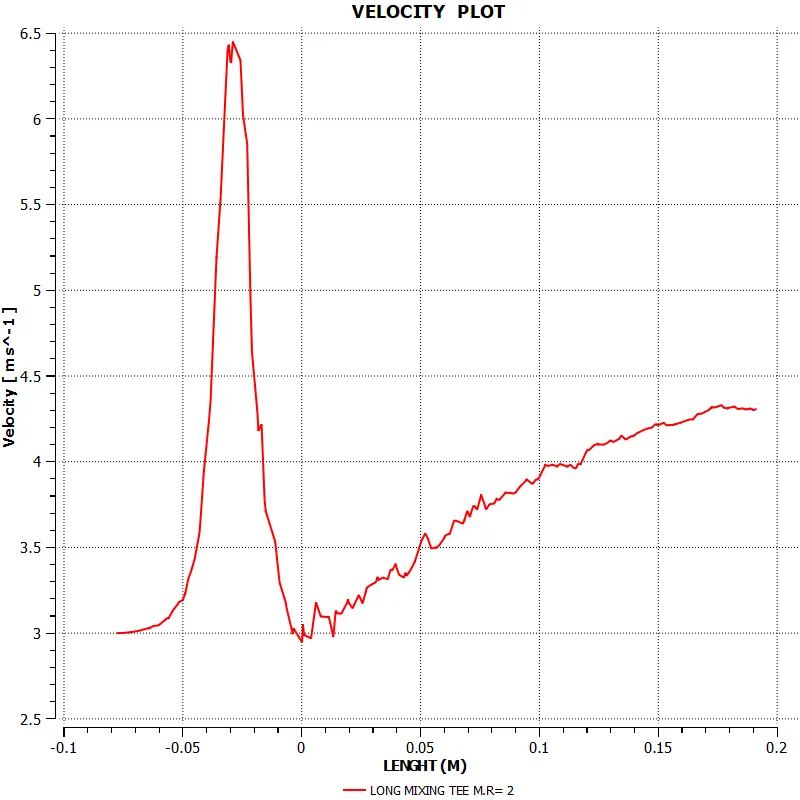
LONG MIXING TEE M .R = 2
|
Cell count |
56670 |
|
Average outlet temperature |
30.327 'C |
|
Number of iterations for convergence |
500 |
SETUP (CASE-4)
Right click ---> edit to fluent setup
General ----> Solver Type ----> preasure Based solver ------> Time ---> steady State
MODELS -----> Energy (ON) we measuring heat transfer
VISCOUS MODELS ---> K -Epsilon ---->Standard---.> standard Wall Function
MATERIALS --- > FLUID ----> Air ------>SOLID ----> Aluminum (Defalt)
BOUNDARY CONDITION
INLET -X
INLET-Y
WALL --AS WALL
OUTLET -----> PRSSURE OUTLET
SOLUTION
in the find average temperature on the outlet for that surface report set in the Definitaion -->new surface report definition 1 ) Area -Weighted Average ( for Average temperature on the outlet ) and Standard Deviation for the temperature deviation in outlet of the fluid
Initialization Run calculation
method ----> hybird ----. Initilization number of iteration = 500 & calculate
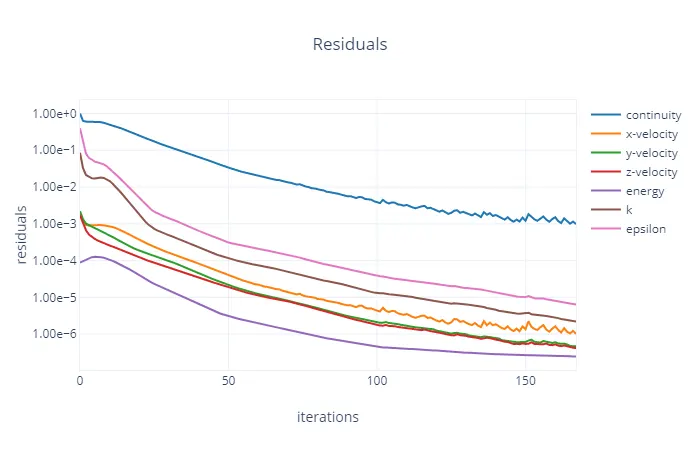
RESIDUALS
STANDARD DEVATION
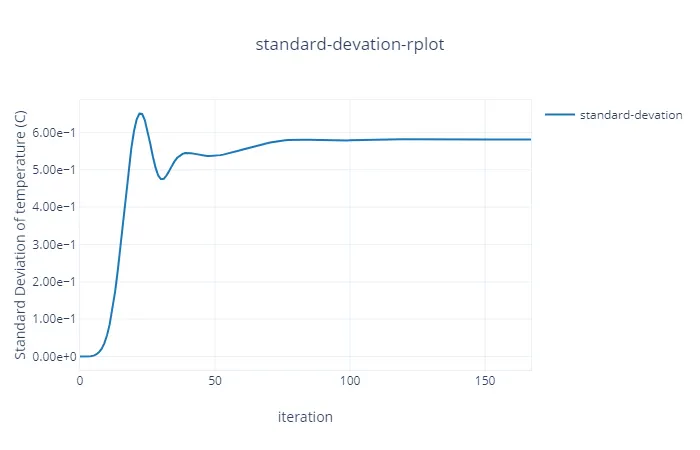
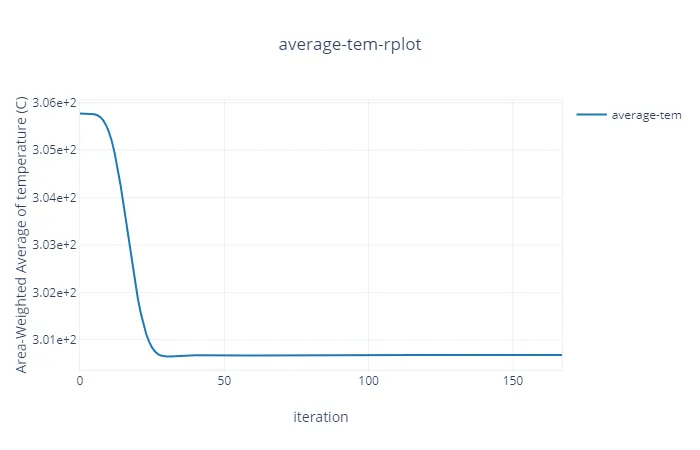
AVERAGE TEMPERATURE
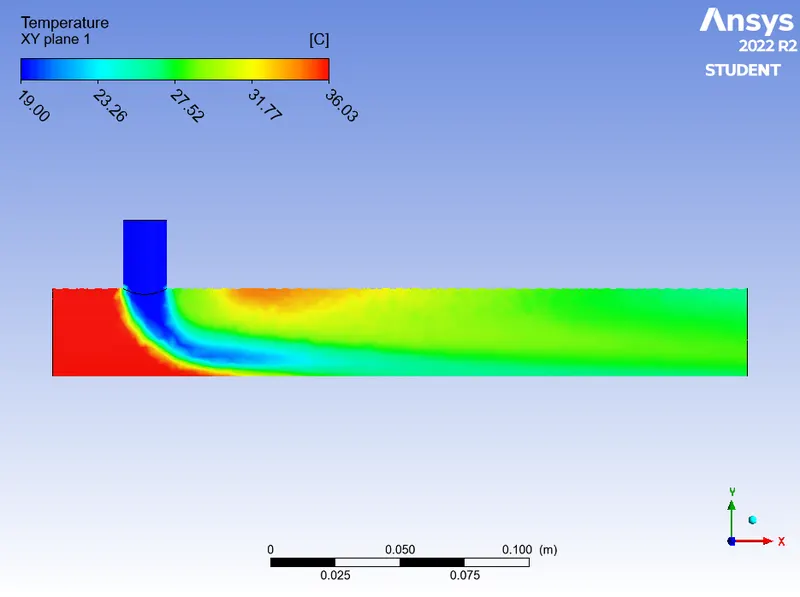
TEMPERATURE CONTOUR
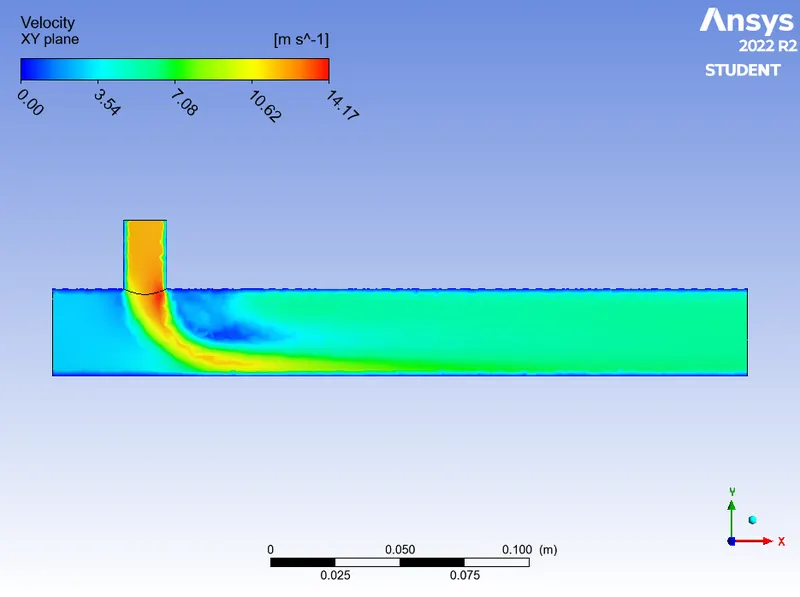
VELOCITY CONTOUR
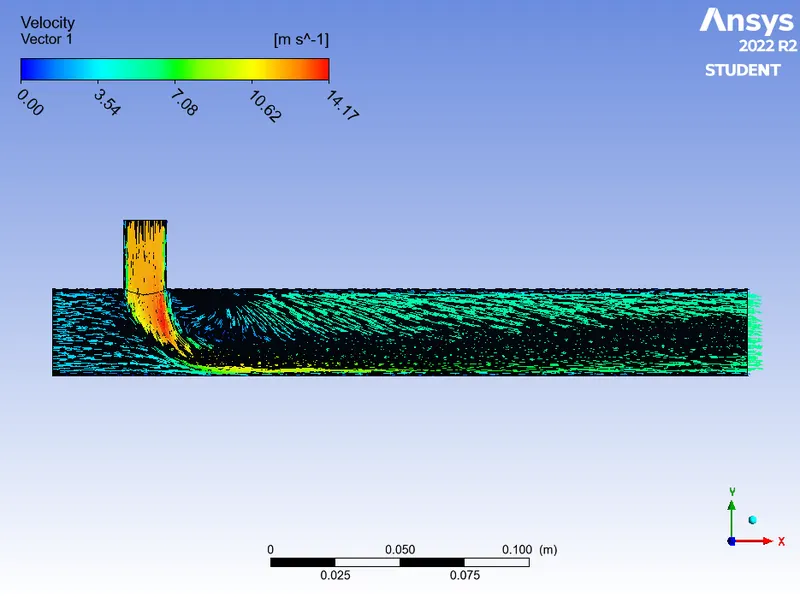
VELOCITY VECTOR
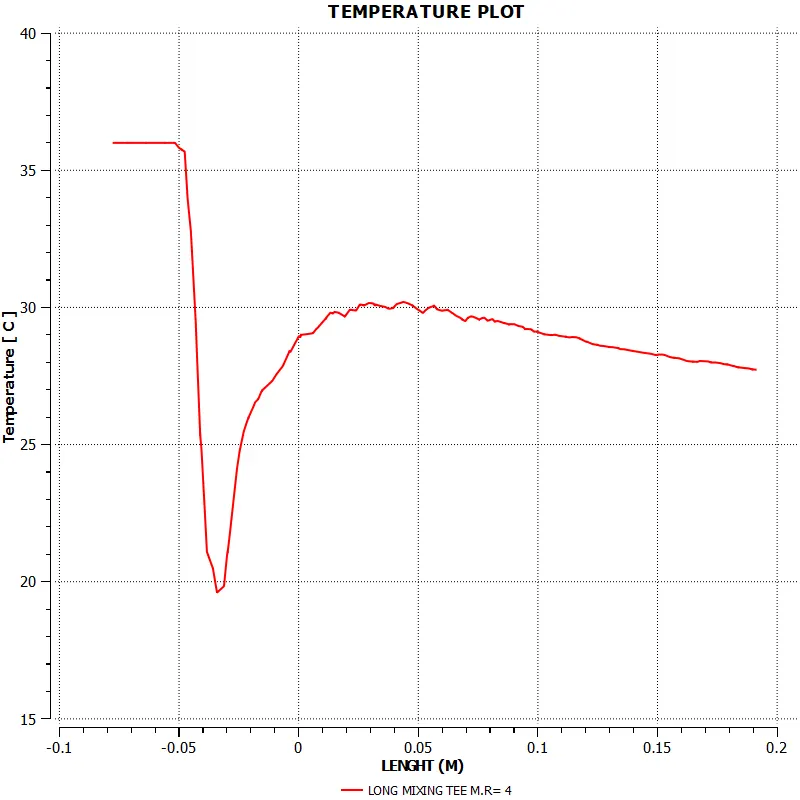
TEMPERATURE PLOT MR =4
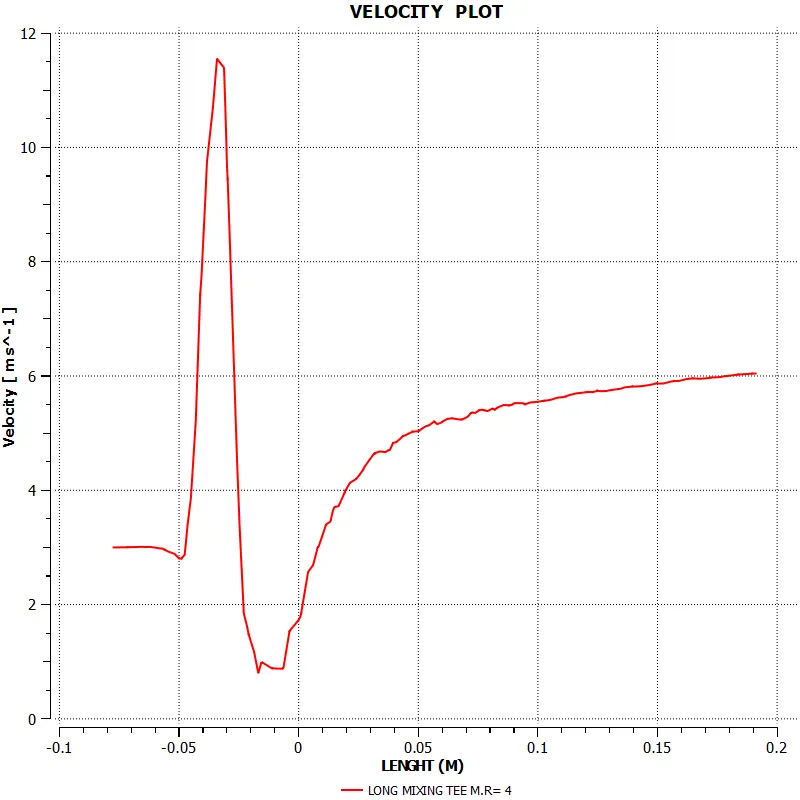
VELOCITY PLOT MR =4
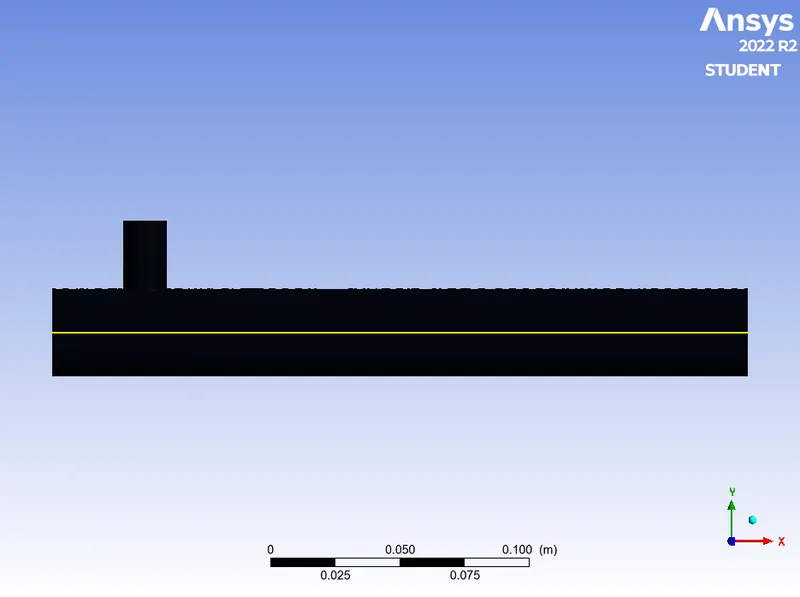
LONG MIXING TEE M .R = 4
|
Cell count |
56670 |
|
Average outlet temperature |
27.52 'C |
|
Number of iterations for convergence |
168 |
COMPARISON PLOT BOTH SHORT , LONG PIPE
TEMPERATURE PLOT SHORT MIXING TEE
VELOCITY PLOT SHORT MIXING TEE
TEMPERATURE PLOT LONG MIXING TEE
VELOCITY PLOT LONG MIXING TEE
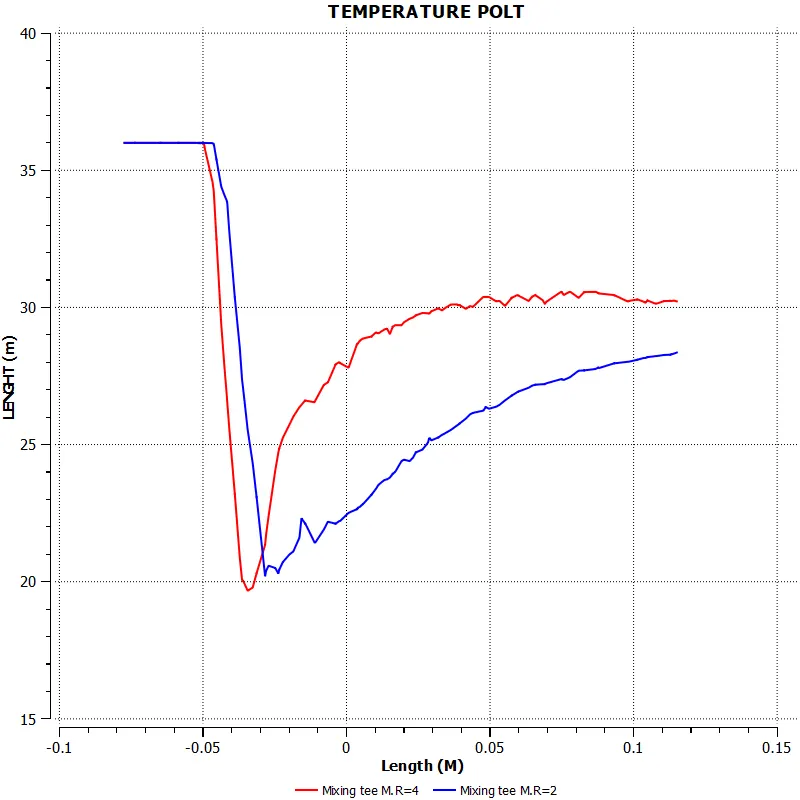
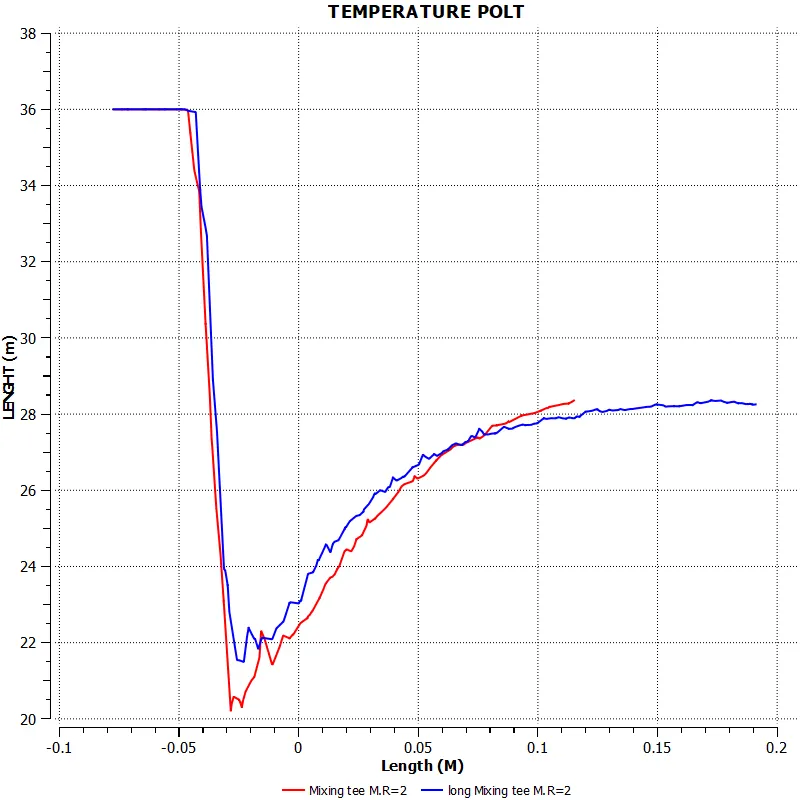
MOMENTUM RATIO 2: FOR (SHORT & LONG)
TEMPERATURE
VELOCITY
MOMENTUM RATIO 4: FOR (SHORT & LONG)
TEMPERATURE
VELOCITY
Conclusion
|
NUMERICAL VO |
NUMERICAL TO |
ANALYTICAL TO |
|||
| SHORT MIXING TEE | M .R =2 | 4.49 m/s | 30.33 0c | 30.3190c | |
| M .R =4 | 6.022 m/s | 27.59 0c | 27.990c | ||
| LONG MIXING TEE | M .R =2 | 4.48 m/s | 30.32 0c | 30.3190c | |
| M .R =2 | 5.99 m/s | 27 .52 0c | 27.990c |
Conclusion
1) case - 2 of the short pipe mixing tee velocity increased upto 12 m/s in cold inlet line so the SD in the case-2 to in 1.6 0c is low compare to case-1 so the mixing effectiveness in higher in the case-2 condition OUTLET TEMPERATURE =27.59 0c