Week 1- Mixing Tee
Aim –
To study the flow for hot and cold air flow through mixing tee. We will do study for the short and long tee joints.
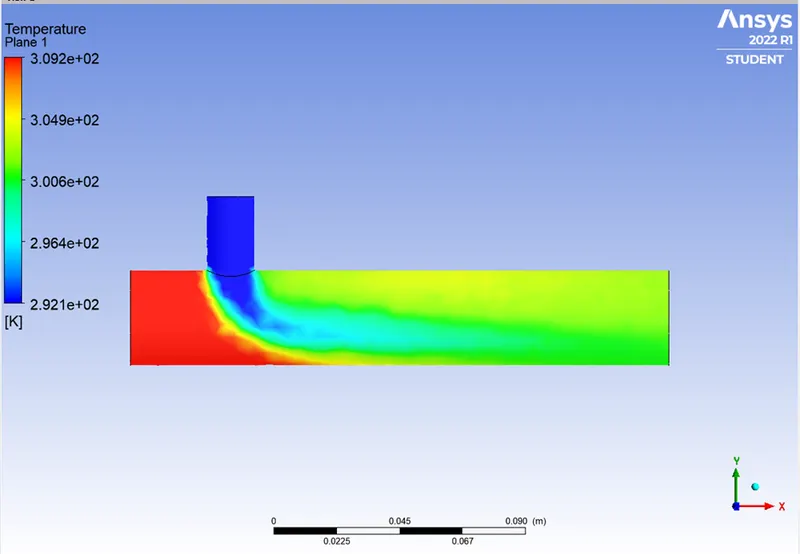
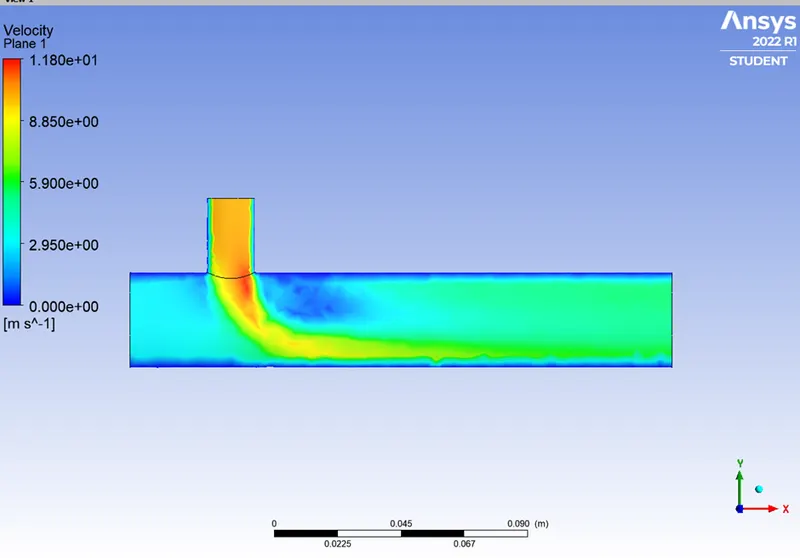
Will do study of temperature and velocity contour.
Case – 1 Short mixing tee with a hot inlet velocity of 3m/s.
Model – K-Elipson Model K - omega
Geometry :
Load geometry in space claim and do volume extraction by prepare tab in spaceclaim.
Tee geometry -
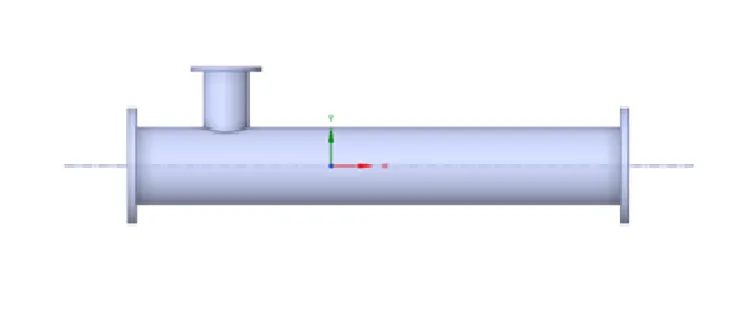
Volume extraction -
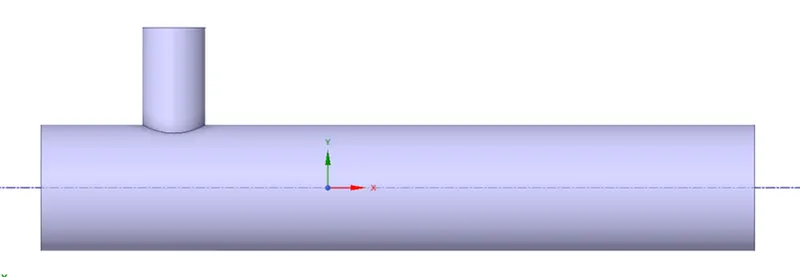
Meshing –
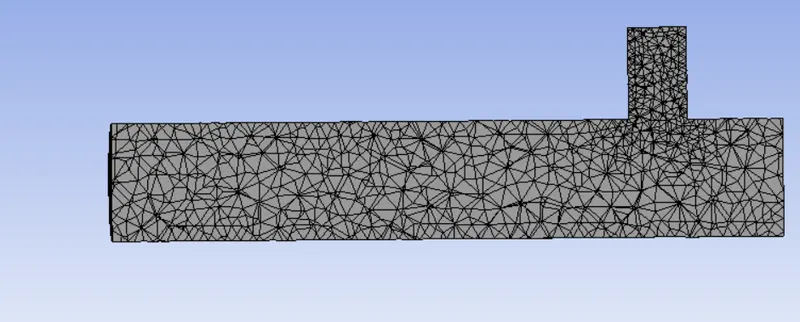
Meshing is done in ansys mesh in fluent module.
Also inlet , outlet and wall is defined.
12613 - cells
Setup
Solver – Steady state , pressure based and velocity formation
Select energy for measurement of temperature.
Model – K epsilon and K omega SST
Material – Air
Cell zone - Select fluid air
Boundary Condition -
Inlet velocity (Hot air ) x – 3 m/s
Hot inlet temperature – 36 Celsius
Cold inlet Temperature - 19 Celsius
Momentum ratio taken as - 3
Inlet velocity (cold air ) y – 9 m/s
Outlet – Type – Pressure outlet
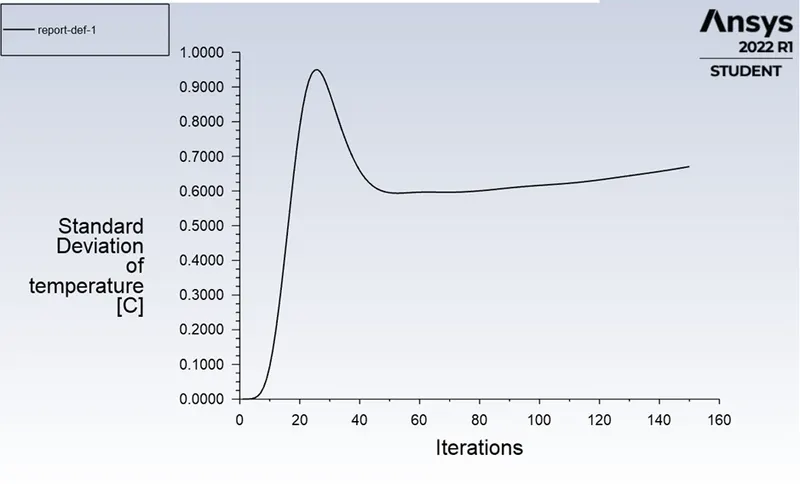
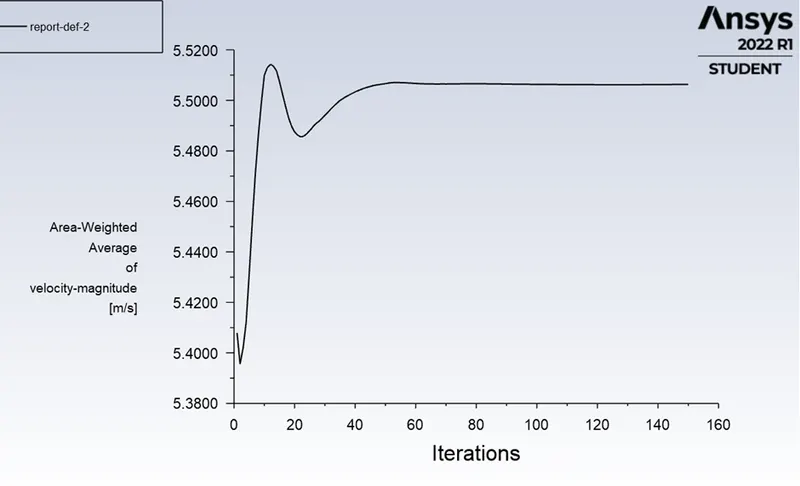
Definition – Temperature , Velocity and standard deviation is plotted.
Initialization – Hybrid
No of iteration – 150
Results –
K elipson model
Temprature plot
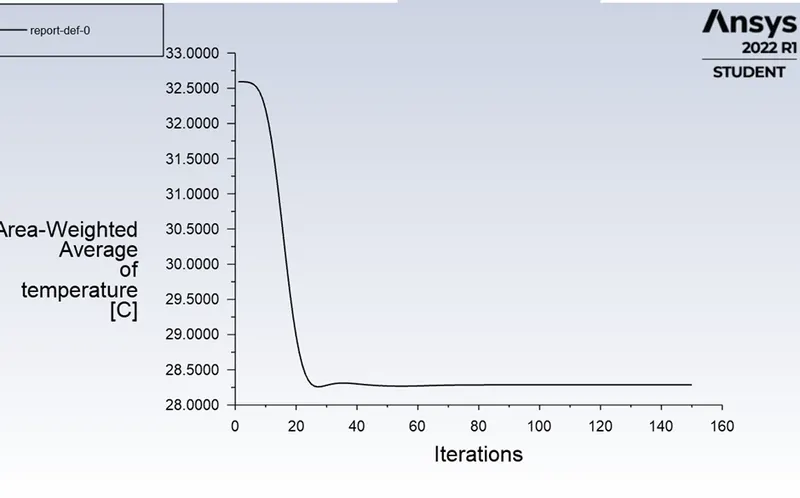
Standard deviation plot
Velocity plot
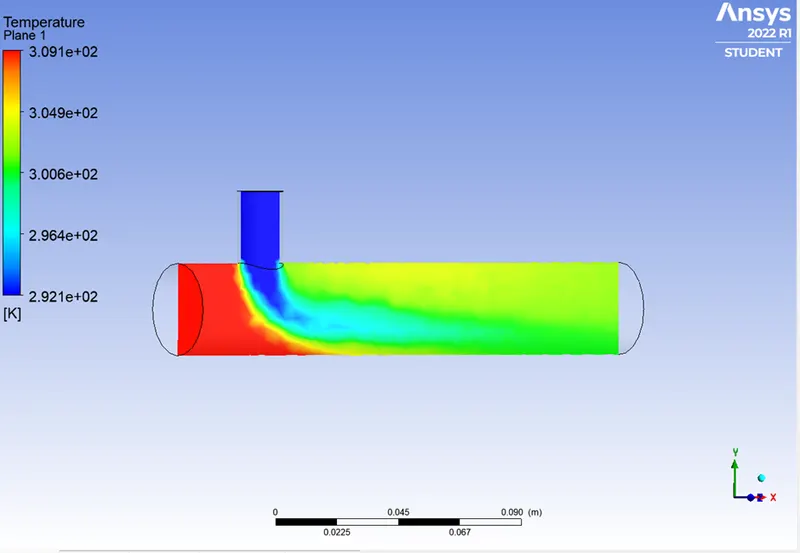
Temperature contour
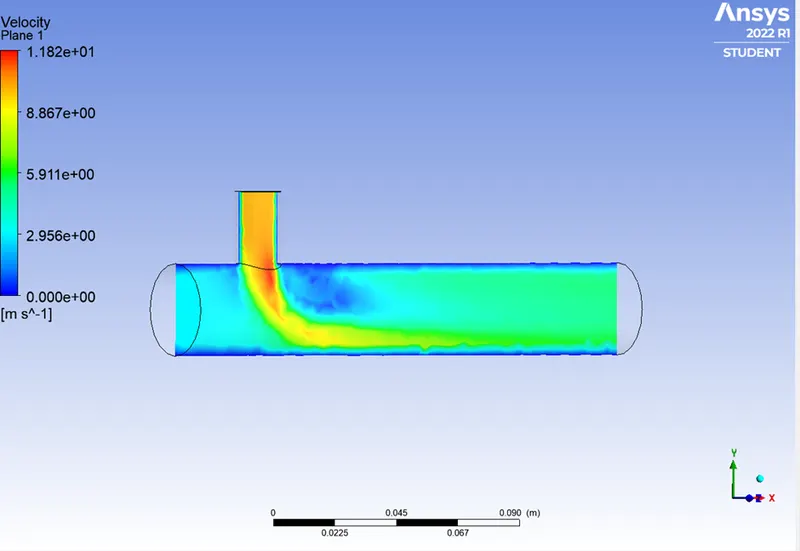
Velocity contour -
K – omega
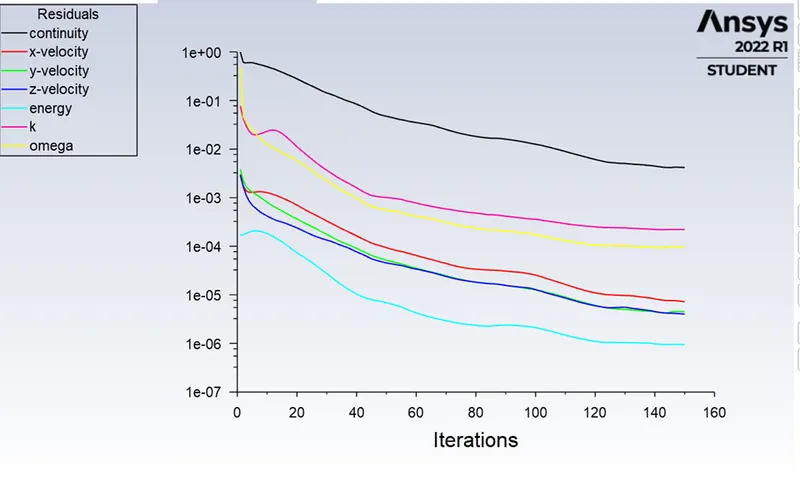
Residual plot -
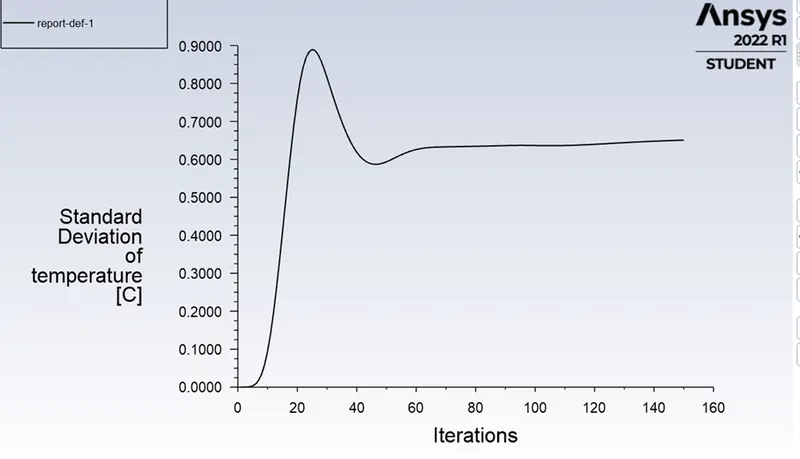
Standard deviation plot
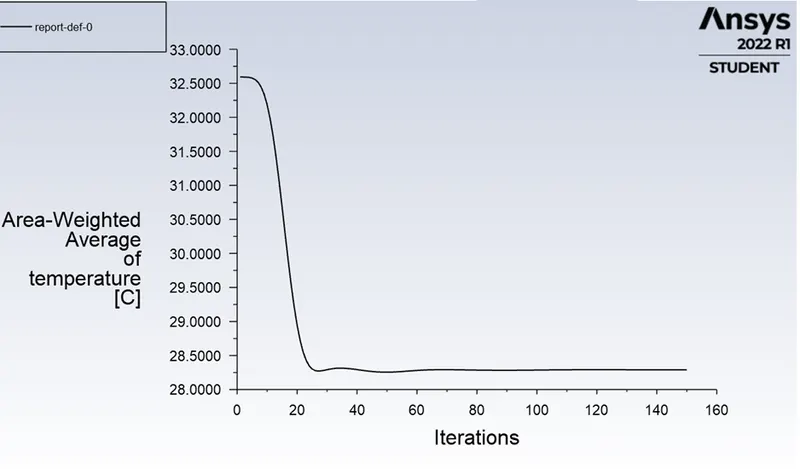
Temparture plot
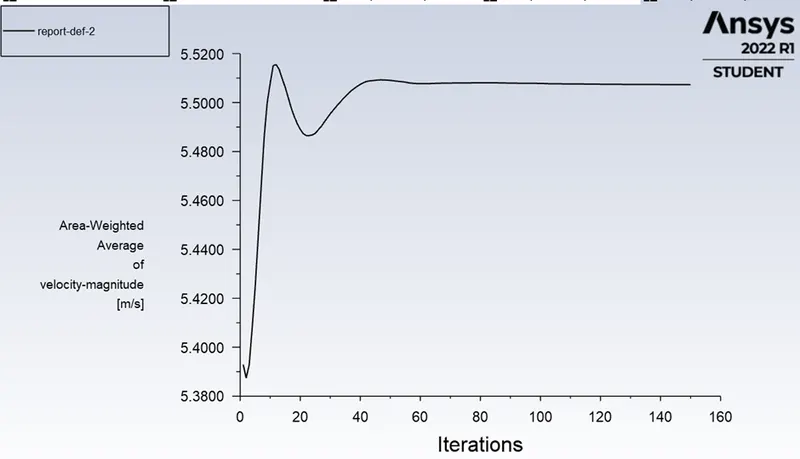
Velocity plot
Temperature contour -
Velocity contour -
Remarks -
For both the model the results are slightly same. we can go ahead with any model . In general scenarion k omega model is used for simulating flow in viscous sub layer.
and k eplsilon model is used for region away from wall .
Case 2
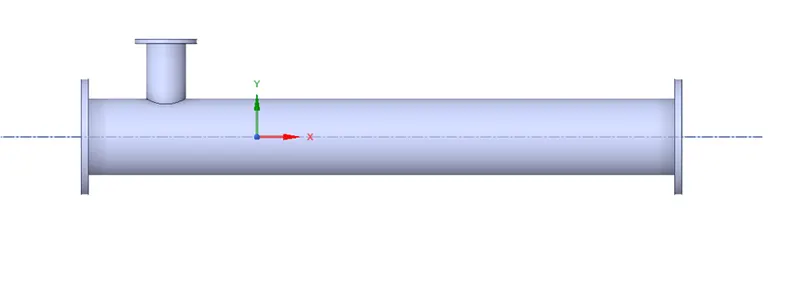
Geometry :
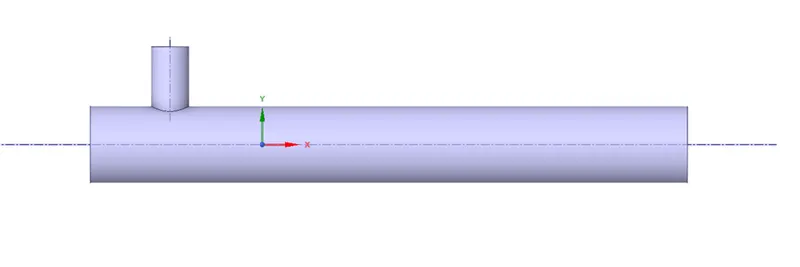
Load geometry in space claim and do volume extraction by prepare tab in spaceclaim.
Tee geometry -
Volume extraction -
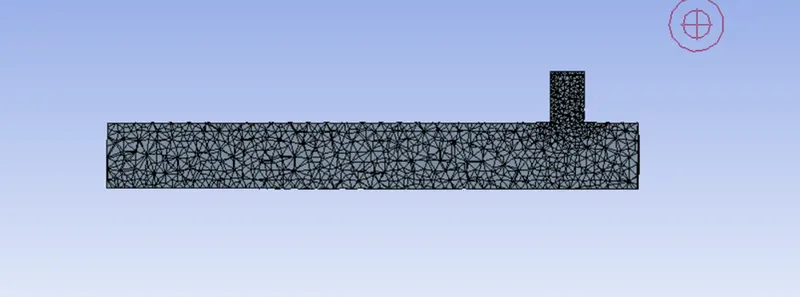
Meshing –
Meshing is done in ansys mesh in fluent module.
Also inlet , outlet and wall is defined.
15530 - cells
Setup
Solver – Steady state , pressure based and velocity formation
Select energy for measurement of temperature.
Model – K epsilon
Material – Air
Cell zone - Select fluid air
Boundary Condition -
Inlet velocity (Hot air ) x – 3 m/s
Hot inlet temperature – 36 Celsius
Cold inlet Temperature - 19 Celsius
Momentum ratio taken as - 3
Inlet velocity (cold air ) y – 9 m/s
Outlet – Type – Pressure outlet
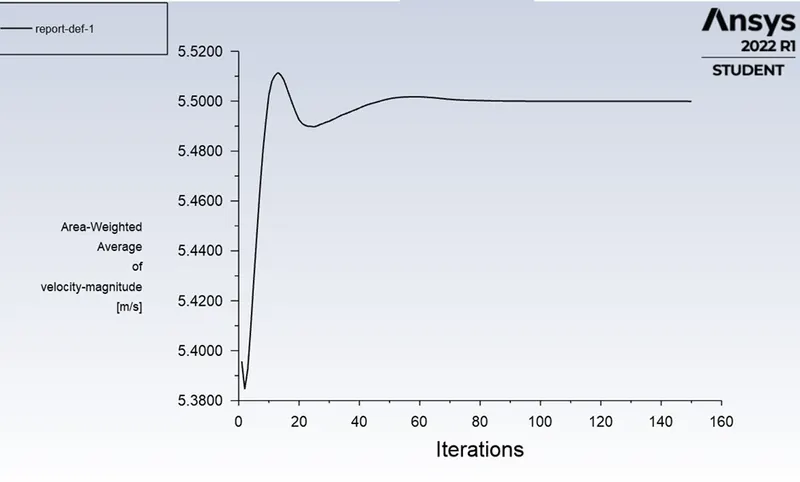
Definition – Temperature , Velocity and standard deviation is plotted.
Initialization – Hybrid
No of iteration – 150
Results –
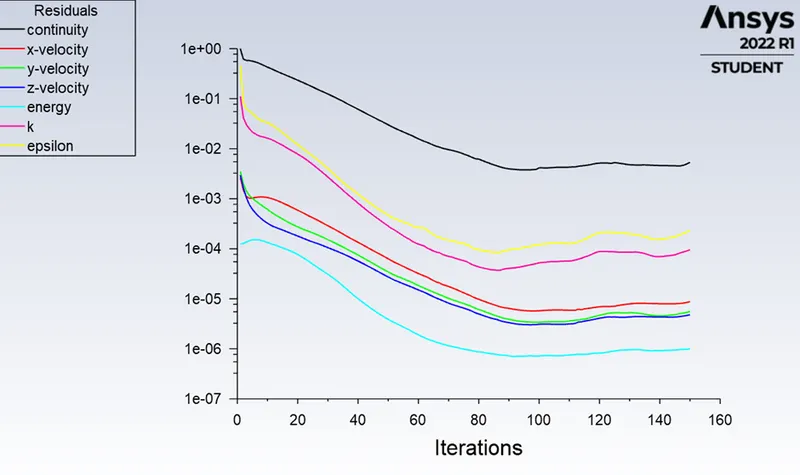
Residual plot -
Temprature plot
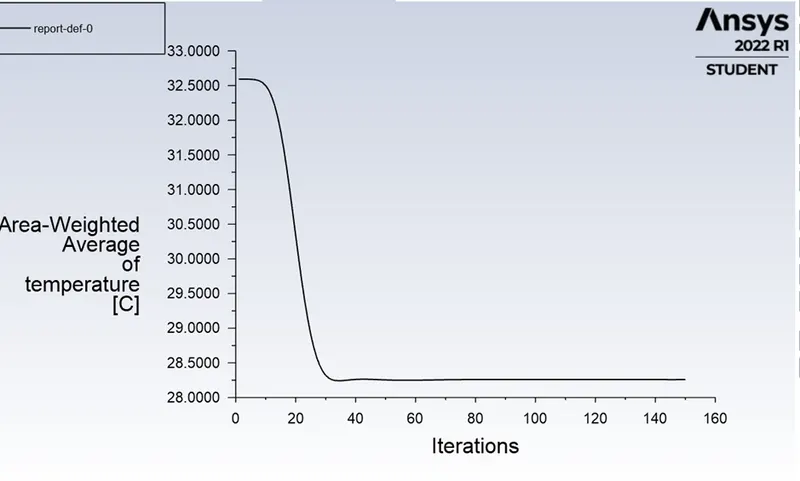
Standard deviation plot
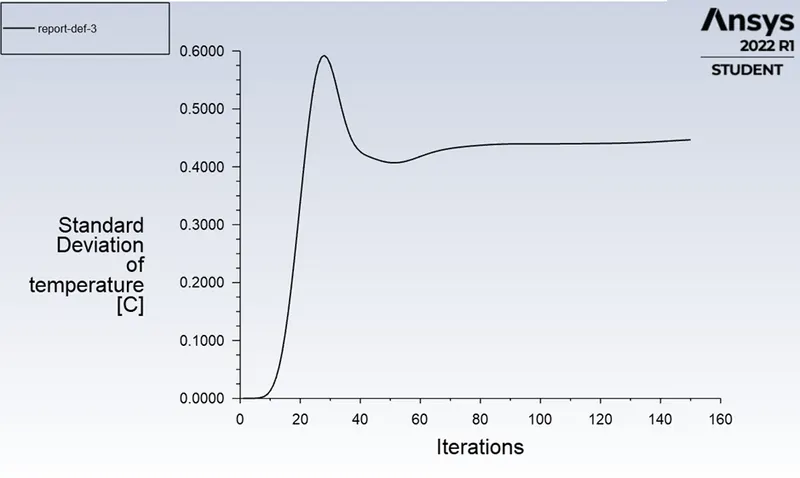
Velocity plot
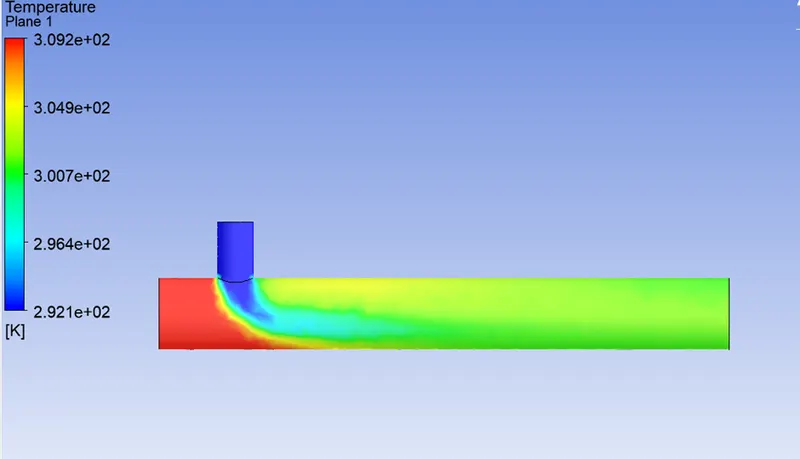
Temperature contour
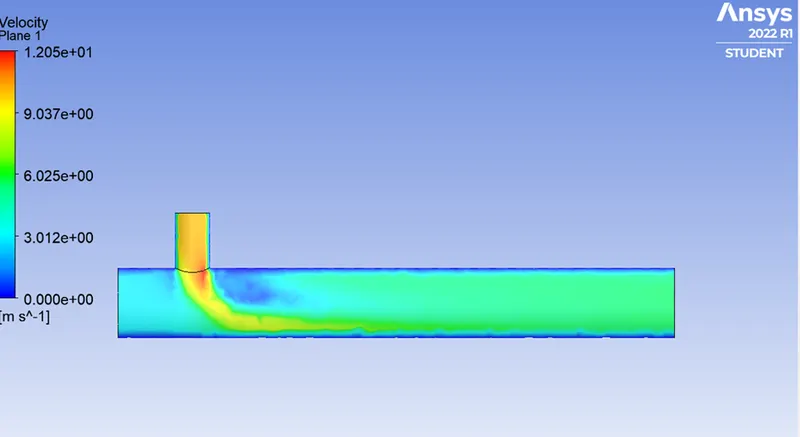
Velocity contour -
Remarks -
From the above graphs it is clear that in long tee we gets better mixing results as comapare to the short tee joints. The velocity and length of pipe plays main role in the converge of properties.
The standard deviation of the long tee found better than the smaller one. The mixing also lead to be efficient when velocity is high and length is long.
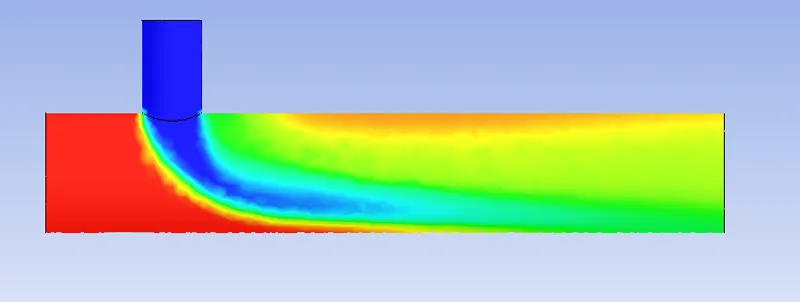
Mesh independent study-
Mesh study is done fo the small size tee pipe.
Mesh element size is set 0.002 .
No of cells in this case are - 106249 cells
Temprature and velocity contour are shown below -
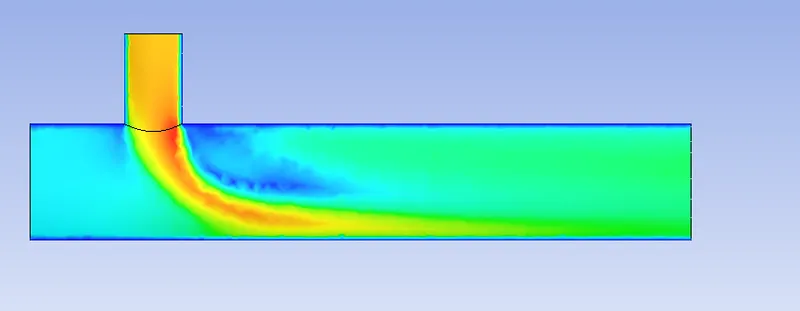
Conclusion -
Velocity plays main role in the mixing of the two fluids. Longer length of pipe also gives better results .
If we increases the size of cells the diffusion of liquid takes longer time as comapre to larger no of cells.