Week 1:- Introduction to BiW and Fixtures Challenge
- What is BIW & define its parts?
-->BIW is body in white which refers to welded sheet metal components which forms the vehicle structure to which other components will be attached.
BIW is further classified into 5 major categories
- Body Sides
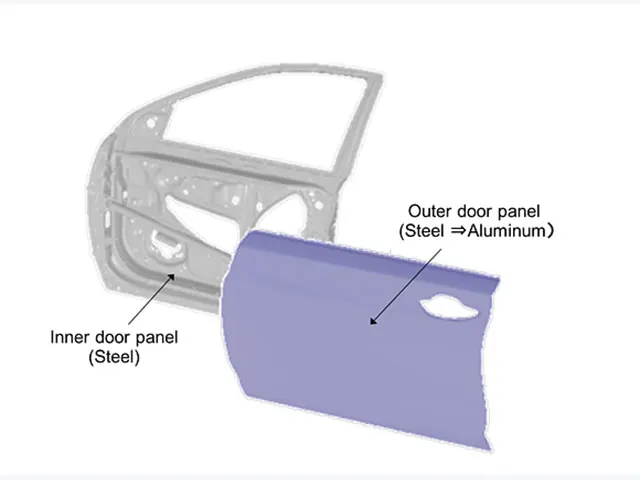
->Body side outer
The outer most covering such as class A surface which is visible to the customer is called as body side outer.
-->Body Side inner
It is the inside of the panel which gives rigid strength to the outer side of the body. It consists of various embosses,
cutouts to perform the respective functions, mounting points etc.
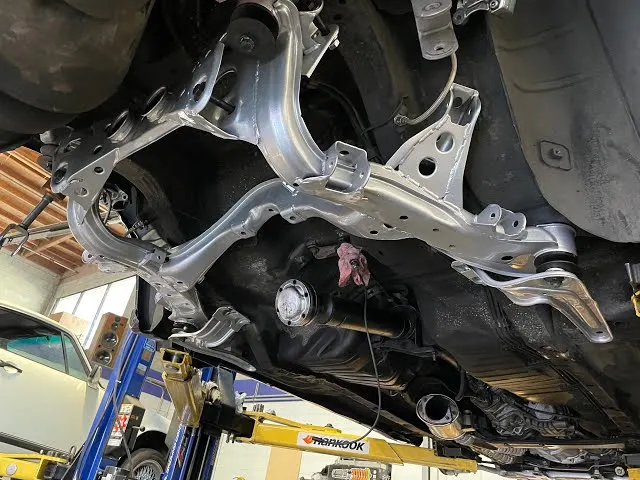
- Under Body
-Its the bottom portion of a car often called as belly of car which is closest to road.
-->Front end underframe (engine compartment)
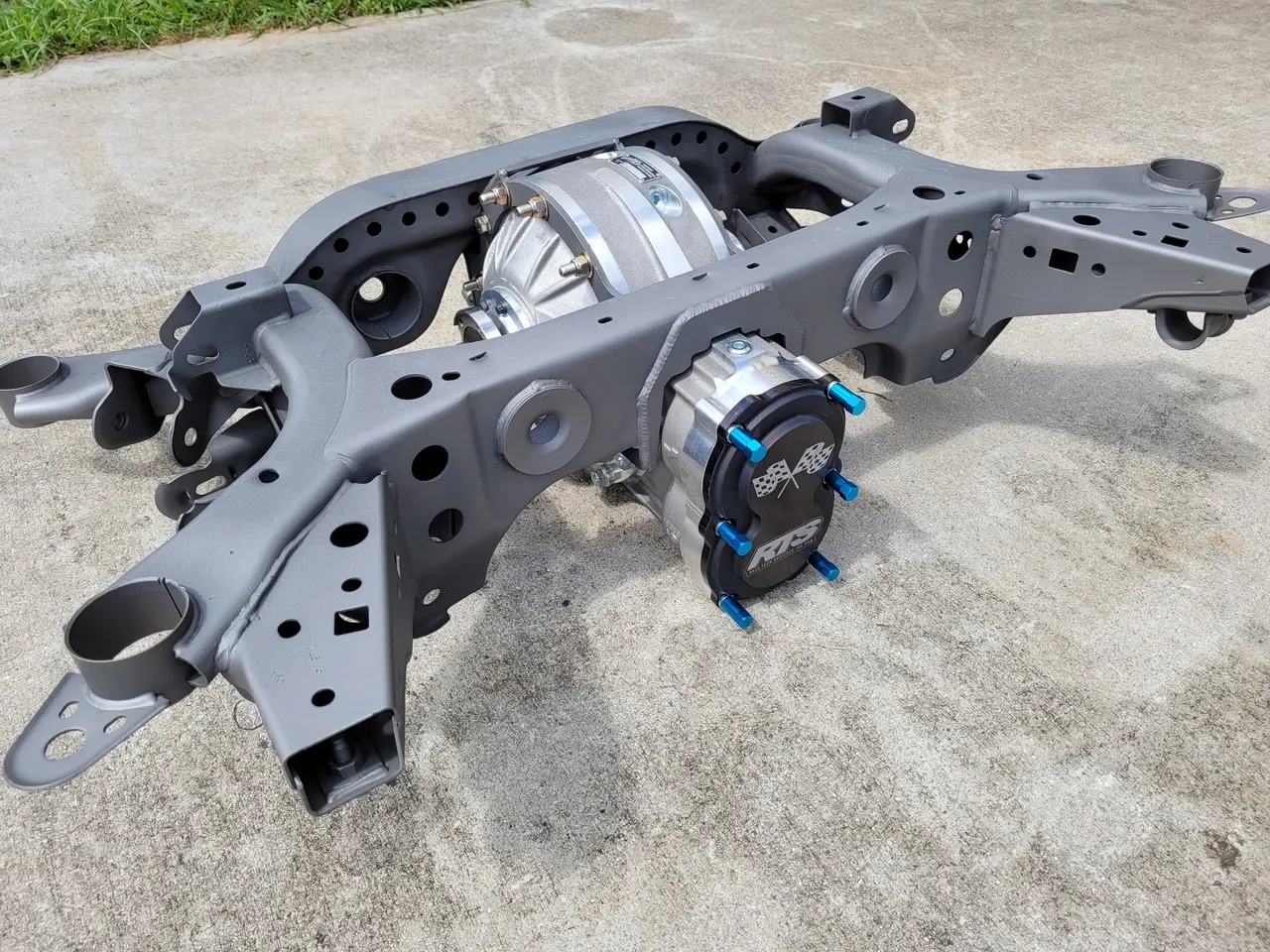
 -->Main Foor:
Transmission , instrumental panel ,Dashboard, seats all are fixed to the main floor assembly.
-->Rear End underframe (Rear Compartment):
It consists of rear wheel assembly, Boot space & rear seating mounting position.
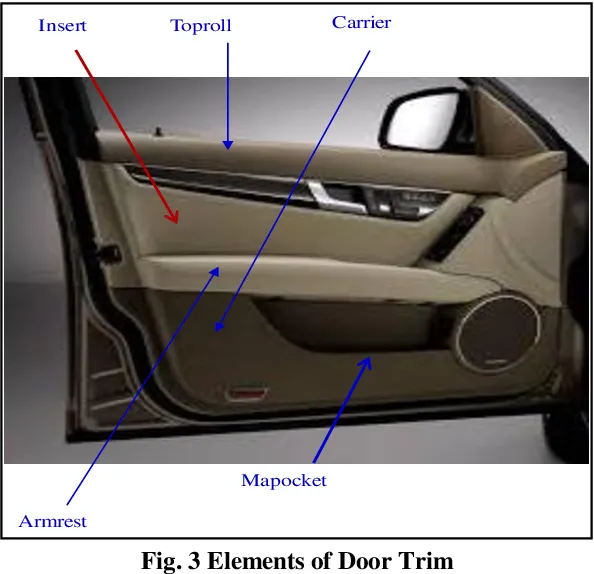
- Closures
This are non structural parts of automobiles that are hinged to the body frames. The Side closures of car is to protect the passengers.
-->Front - it means front side door of an automobile
-->Rear-It means rear side foor of an automobile
-->Hood- Inner & outer pannel that covers the engine compartment..
-->Dick lid- Rear opening & closing of back door which covers the boot area.
- Roof
--> Roof Inner - It supports the outer roof ,during different weather conditions
-->Roof Outer - It's the topmost surface of an automobile.
- Fender
-->it covers the front tyre of an automobile. It helps in preventing dust ,Mud , stones to be clipped off. It consists of mounting such as Body,Pillar, Sill, Cowl, drip etc.
2.What do you understand by BIW nomenclature?
--BIW nomenclature is categorise into different types for easy assessment & marriage of different components during assembly.
3.What is fixture & its types?
-A fixture is a device which holds the workpiece to be processed by using 3-2-1 principle.
Uses of fixture:
-No distortion
-Proper Location
-Stable & rigid support to withstand welding stresses.
Types of Fixtures:
Production fixtures; which are used for mass production.
Pre Production operation fixtures: For initial batch production to study the feasibility.
Checking Fixtures; For CAR panel geom. Inspection purpose.
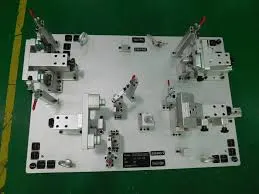
4. What is the basic principle of fixture design?
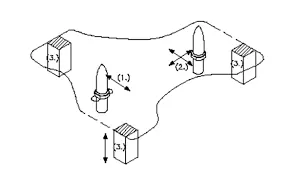
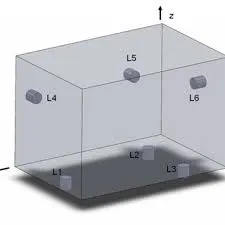
--The basic principle of fixture is based on 3-2-1 principle.
The 3 in 3-2-1 principle indicates, that the reference plane rest on 3 pins in single plane , restricting 2 translational & 4 rotational movements along the axis.
-The 2 indicates, 2 pins perpendicular to the reference plane acting as 4 way locator , further restricting 4 translation degrees of freedom.
-Further 1 indicates : 1 pin perpendicular to both the reference plane acting as 2 way locator restricting 2 axial movements.
5.Elaborate types of BIW Stations?
-->Different types of panel are joined together in each specified zones .Each categories panel will have individual zones which are further divided into station & sub stations.
Assembly line--> Zones--> stations
Stations
--> Tools
--> Grippers
-->Stands
-->Misc.
Tools: Tools consists of Geo Tool , respot tool , Framer,Marriage, etc.
Geo Tool: A geo tool is a fixture in which geom of the panels which are welded is defined accurately.the Pin tolerance for the geo pin will be of closer tolerance i.e -0.15 mm in general.
For eg: for a panel hole size of 15 mm , the pin size will be 14.85mm.
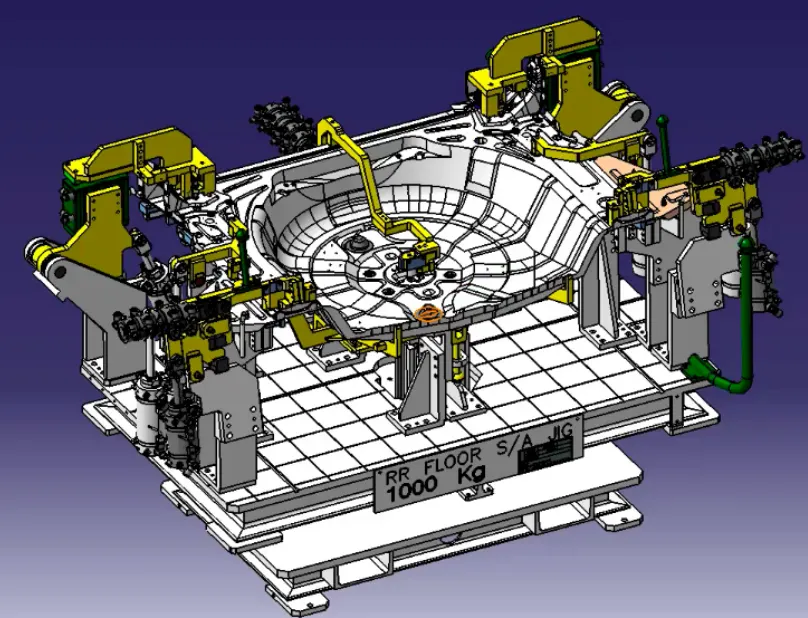
Re spot tools: Remaining weld spots which are not acheived in geo tool are welded for the pre welded panel from the geo tool.The Pin tolerance for the respot pin will be of -0.28 mm in general.
For eg; For a panel hole size of 15 mm , pin hole size will be 14.72mm.
Marriage or hemming tool:
-Inner panel & outer panel assembly are joined together. This is done in the case of closure panels.
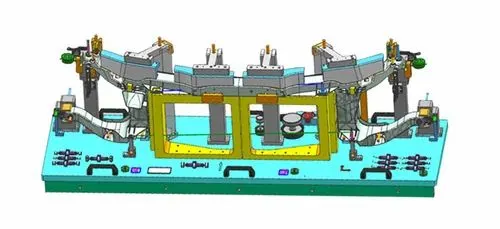
Checking station/Fixture:
-It is a fixture which is used to check automotive parts or assemblies ensuring all the coordinate relative dim. & positions are as per tolerance .A checking station can bbe guage type , fixed & automated check fixtures.A checking guage is tool where W/p is held & various measuring gauges are introduced to ensure the dimensions & repeatability.
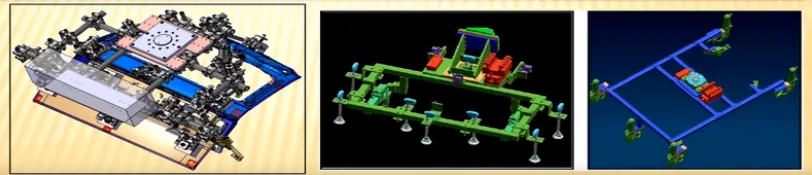
-Gripper:
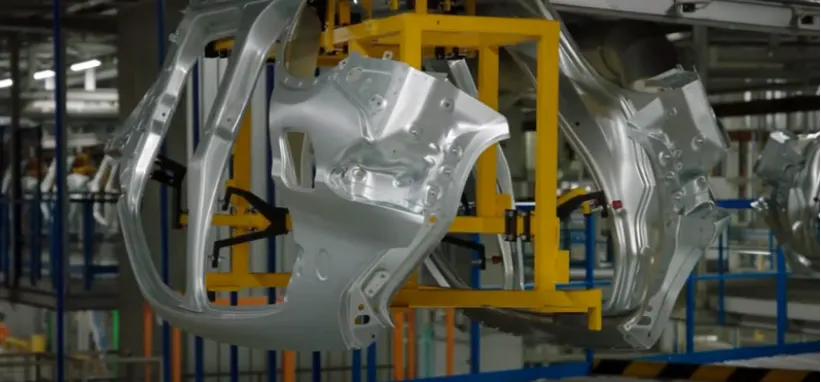
A device or fixture that holds the car panel& is fixed to the manipulating end of a robot or an end reflrctor,also known as end of arm tooling(EOAT)
Types of grippers:
-Material Handling gripper(MH):
Designed for handling the car panel from one tool /station to another.
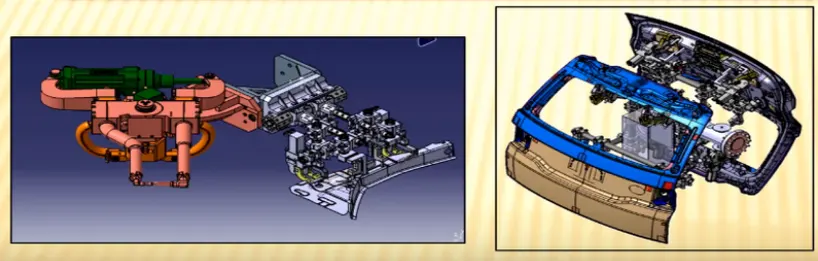
-Process Gripper:
Designed for handling the car panel from 1 station to other station or tool ,& in addition it undergoes process like pedestrian welding ,pedestal riveting ,gluing etc.
-Combo gripper:
Designed for handling the car panel from 1 station to other ,also with combination of weld gun at another side of the gripper for welding.
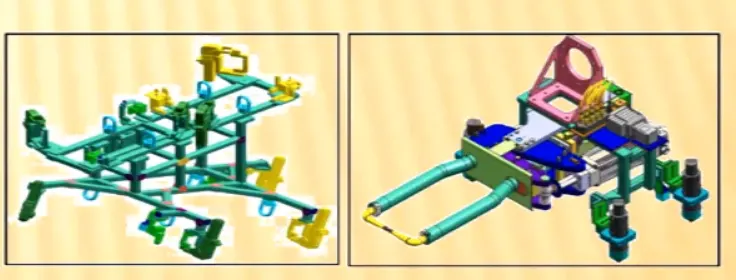
-Dual gripper:
Designed for handling the car panel from 1 tool to other , 2side griipper.
-Stands :
-Gluing & sealer stand
Fixed to welded or std stand which is grouted to the floor permanently.
-Docking Stand:
When robots are selected for multi tasking like material handling & welding ,which cannot carry both due to limitations, the robot will drop the gripper and pick the gun after completing the respective operation with the help of docking stands.
-Date Stamp stand:
The panel will get the date embossed on it with the date devices mounted on this date stamp stand.
-Misc . Stand :
-Curring : After Gluing , some time is needed to hold /cool down the material , we put this parts on belt assembly so while transfering to another station it gets cooled at the same time.
-Buffer Stand : We can Keep the buffer stock of multiple components on this rack which can be further used as needed for assembly.
-Take out trolleys: To take out some panel for inspection we make use of take out troleys between the cycle.
-Conveyour: To transport part from one station to another we use conveyour belts. In this type of assembly series of operation which are dependent on the backward operation can be done easily .
7.What are the basic terminologies used in the BIW fixture?
-Very commonly used parts are mylar, pins, blades, L block,Riser ,Weldment etc.
Shims: Set of thin plates (2mm,1mm ,0.5mm,.25mm)that is used to adjust the gap for a better fit.Shim can also be of 5mm, 8mm ,10mm incase of no proper fitting between mylar & panel due to manufacturing errors.Shims are placed in carline position so that gap can be adjusted in require direction.
There are 3 types of shiming 1way , 2way & 3 way shimming.No. of shimming depends upon NC cut angle & pin angle with the car line.
-IF nc cut is less then 15 deg , 1 way shimming can be used.
-IF NC cut is more then 15 deg in 2 directions, 2 way shimming cam be used.
-IF NC cut is more then 15 deg in 2 directions, 3 way shimming can be used.
Mylars:
-This is one kind of block that touches the panel & holds or clamps the panel.Mylars are always designed in car line.Mylar can also be called as NC block.Mylars are always mounted on any block or plate along with shimming so that height of mylar can always be adjusted.
Shimming can be 1D,2D,3D as per NC cut.
PIN:Pins are used for locking the rotational movement of the panel.Generally, there are 2 typpes pf pin Round & diamond.In some cases we use collared pin when pin is used to support the panel as well.For this kind of pin we use 3 way shim irrespective of pin angle to the car line.
Blade:The plate that connect riser to the clamp cylinder is named as blade. The plate can be of any shape but we need to keep in mind that the plate should be as compact as possible.
Pin Block:
Pin block is also Pin retainer. This block holds the pin & restricts the rotational motion of the Pin .The pin block can be manufactured one or std one.
Riser.:The part shich is mounted on the base plate or holds the clamp or pin cylinder on it is called riser.Riser can be std part but varies from projection to projection.
Weldment: Weldment is the assembly of 2 or more parts that are joined by welding.To make a weldment it is the thumb rule to have a 5mm overlay on each other plates so that space can bbe provided for welding.
L block:
A plate shape in L is called L block.This part is used as connection between mylar &b blade.Generally L block is used for providing shimming.L block uses changes as per requirements.