Week 1:- Introduction to BiW and Fixtures Challenge
1. What is BIW & define its parts?
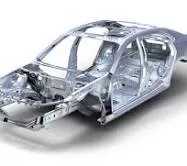
BIW stands for "Body-in-White," and it refers to the stage in automotive manufacturing where a vehicle's body shell is assembled before any major components are added. The BIW is essentially the skeletal structure of the vehicle, consisting of all the major structural components that form the shape and frame of the automobile. This stage is crucial because it sets the foundation for the entire vehicle assembly process.
The BIW typically consists of several key components, each serving a specific purpose in terms of structural integrity, safety, and overall vehicle performance. These components can vary slightly depending on the vehicle's design and construction, but generally include:
-
Frame Rails and Underbody: These are the main structural elements forming the vehicle's chassis. They provide support and rigidity to the entire body structure.
-
Floor Pan: The floor pan is the base of the vehicle's interior and provides a platform for the passenger compartment and various components, such as seats, carpets, and insulation.
-
Side Panels: These panels form the sides of the vehicle, including the front and rear quarter panels, doors, and roof pillars. They contribute to the vehicle's overall shape and impact resistance.
-
Roof Structure: The roof structure includes the roof panel and roof rails, which provide support to the vehicle's top and help maintain structural integrity in case of a rollover.
-
A-Pillars, B-Pillars, and C-Pillars: These pillars are vertical supports that connect the roof to the floor and play a crucial role in maintaining the vehicle's structural integrity and safety during collisions.
-
Front and Rear Rails: These rails are located at the front and rear of the vehicle and provide additional support and reinforcement to the overall structure.
-
Cross Members: Cross members are horizontal structural elements that help distribute loads and enhance the BIW's overall stiffness.
-
Wheel Wells and Fenders: These components surround the vehicle's wheels and tires, providing space for wheel movement and accommodating suspension components.
-
Sills and Rocker Panels: These are located along the bottom edges of the vehicle's sides and help protect against side impacts and enhance overall stiffness.
-
Front and Rear Bulkheads: These are partitions located at the front and rear of the BIW, helping to define the passenger compartment and providing structural rigidity.
Overall, the Body-in-White stage is a critical step in automotive manufacturing, as it lays the groundwork for the vehicle's strength, safety, and overall performance. Once the BIW is assembled, various mechanical, electrical, and interior components are added to create the complete vehicle.
2. What do you understand by BIW nomenclature?
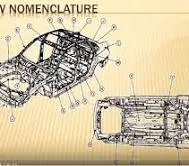
BIW nomenclature typically refers to the naming and coding system used in the automotive industry for Body-In-White (BIW) components and assemblies. The Body-In-White refers to the stage of automotive manufacturing where the car's body structure is assembled but has not yet received its final finish, such as paint and trim.
In the context of BIW nomenclature:
-
Body-In-White (BIW): This is the stage of vehicle assembly where the bare metal structure of the vehicle is assembled, including the frame, panels, roof, doors, and other structural components. It forms the foundation for the final vehicle.
-
Nomenclature: Nomenclature refers to a system of naming and classifying items. In the automotive context, it involves assigning specific codes or names to different parts and components for ease of identification, tracking, and communication throughout the manufacturing process.
The BIW nomenclature system is crucial for efficient manufacturing, quality control, and communication among different teams involved in the automotive production process. Each part and component will have a unique code or name that helps ensure accurate assembly, tracking of inventory, and efficient logistics.
The specific details of a BIW nomenclature system can vary between different automakers and suppliers, but the general concept involves creating a standardized way to refer to and identify different BIW components and assemblies.
3. What is fixture & its types?
In various contexts, the term "fixture" can refer to different things. Here are a few common interpretations of the term along with their types:
-
Sports Fixture: In the context of sports, a fixture refers to a scheduled match or event between teams or individuals. It outlines the dates, times, and locations for the matches in a tournament or league. Types of sports fixtures include league fixtures, knockout fixtures, and round-robin fixtures.
-
Home Fixture: In sports, particularly in team-based competitions like soccer or American football, a home fixture refers to a match that a team plays on their own home ground or stadium.
-
Light Fixture: In the context of lighting, a fixture refers to an electrical device that holds and positions a light source, such as a bulb or a lamp. It is designed to provide illumination for a specific area or purpose. Light fixtures come in various types, including ceiling fixtures, wall fixtures, pendant fixtures, and track lighting fixtures.
-
Furniture Fixture: In the realm of interior design and architecture, a furniture fixture refers to an element that is permanently attached to a building or structure, such as built-in shelving, cabinets, or countertops. These fixtures are not easily movable and are considered part of the overall design and functionality of the space.
-
Trade Fixture: In commercial real estate, a trade fixture refers to equipment or property that a tenant installs for the purpose of conducting their business. While trade fixtures are attached to the property, they are typically removable at the end of the lease term without causing significant damage to the property.
-
Plumbing Fixture: In the field of plumbing, a fixture refers to devices or appliances that are connected to a plumbing system to provide water supply or drainage. Examples include sinks, toilets, bathtubs, and showers.
-
Legal Fixture: In legal contexts, a fixture refers to an item of personal property that becomes permanently attached to real property in a way that it is considered part of the real property. This concept is important in property law and can impact ownership and transfer of assets.
-
Electrical Fixture: In electrical engineering, an electrical fixture refers to a device that connects electrical equipment to a power source. This can include outlets, switches, and receptacles.
It's important to note that the term "fixture" can have different meanings depending on the context in which it is used. The examples provided above cover a range of interpretations of the term.
4. What is basic principle of fixture design?
The basic principle of fixture design is to create specialized tools, devices, or setups that securely hold and position a workpiece during manufacturing, assembly, inspection, or testing processes. Fixtures are crucial in ensuring accurate and repeatable results in various industrial processes. The main goals of fixture design are:
-
Stability and Positioning: Fixtures must firmly hold the workpiece in the desired position, preventing any movement or vibration that could affect the quality and precision of the process. Proper positioning is essential to achieve consistent and accurate results.
-
Accessibility: Fixtures should allow easy access to the areas of the workpiece that require machining, assembly, or inspection. This ensures that the necessary operations can be carried out efficiently and effectively.
-
Repeatability: Fixtures enable consistent and repeatable manufacturing processes by ensuring that each workpiece is held in the same position and orientation. This reduces variability and helps maintain product quality.
-
Minimization of Distortions: Fixtures should minimize any deformation or distortion that might occur during the manufacturing process, especially when dealing with materials that may change shape due to cutting, welding, or other processes.
-
Clamping and Holding Mechanisms: The design of clamps, supports, and other holding mechanisms is crucial to fixture design. These components must apply the right amount of force without damaging the workpiece, ensuring a secure hold.
-
Flexibility and Adaptability: Fixtures should be designed with the ability to accommodate variations in workpiece dimensions, shapes, and features. This adaptability is important to handle different product variations without the need for major design changes.
-
Accuracy and Tolerance Control: Fixtures must maintain tight tolerances to achieve the desired level of precision in the manufacturing or assembly process. This involves careful design to account for potential sources of error.
-
Safety: Fixture design should consider the safety of operators and other personnel involved in the manufacturing process. This includes features such as ergonomic design, protective shields, and interlocks to prevent accidents.
-
Cost-effectiveness: While ensuring quality and precision, fixture design should also aim to minimize costs associated with materials, manufacturing, and maintenance.
-
Ease of Setup and Operation: Fixtures should be designed to be user-friendly, allowing for easy setup and adjustment. This reduces downtime and increases overall efficiency.
Overall, the fundamental principle of fixture design is to create a tool or device that enhances the accuracy, repeatability, and efficiency of manufacturing, assembly, or testing processes while ensuring safety and minimizing costs.
5. Elaborate types of BIW Stations?
BIW (Body-in-White) stations are critical components in automotive manufacturing, particularly in the assembly of vehicle bodies. The Body-in-White refers to the stage of vehicle manufacturing where the body shell or structure is assembled before other components like the engine, interior, and electronics are added. BIW stations play a vital role in this process by shaping, welding, and joining various metal components to create the vehicle's structural framework. There are several types of BIW stations, each serving a specific purpose in the assembly process. Here are some of the common types:
-
Stamping Stations: Stamping stations are responsible for shaping and forming the metal sheets that will make up the various panels and structural components of the vehicle. This process involves the use of large presses and dies to cut, shape, and bend the metal sheets into the desired shapes and contours.
-
Welding Stations: Welding stations are where the individual stamped components are joined together through various welding techniques, such as spot welding, arc welding, and laser welding. These stations are crucial for creating a strong and stable body structure.
-
Assembly Stations: Assembly stations involve the joining of the various welded components to create the overall body shell. This may include attaching the roof, doors, hood, trunk, and other structural elements to form a unified body-in-white structure.
-
Sealing and Adhesive Stations: Sealing and adhesive stations apply specialized sealants, adhesives, and anti-corrosion coatings to the welded and assembled components. These materials help improve structural integrity, reduce noise and vibration, and protect against environmental elements.
-
Measurement and Inspection Stations: These stations use advanced measurement tools and technologies such as laser scanners and coordinate measuring machines (CMMs) to ensure the dimensional accuracy of the assembled body. Any deviations from the design specifications can be identified and corrected at this stage.
-
Rivet and Fastening Stations: In some cases, rivets and other fastening methods are used to join certain components of the body structure. Rivet and fastening stations handle the installation of these fasteners.
-
Robotic Stations: Robotic stations utilize industrial robots for tasks such as material handling, welding, and applying sealants and adhesives. Robots are used to perform repetitive and precise tasks, contributing to consistent quality and efficiency.
-
Underbody Coating Stations: These stations apply coatings to the underside of the vehicle body to protect against corrosion and road debris.
-
Final Inspection and Testing Stations: Before the body-in-white moves to the next stages of production, a final inspection and testing are conducted to ensure that the assembled body meets quality standards and design specifications.
-
Material Handling and Conveyance Stations: These stations handle the movement of components between different BIW stations, optimizing the workflow and ensuring that the right components are available at the right time.
These are just a few examples of the types of BIW stations that are typically found in automotive manufacturing. The arrangement and configuration of these stations may vary depending on the specific manufacturing process and the design of the vehicle being produced.
6. What are the basic terminlogies used in the BIW fixture?
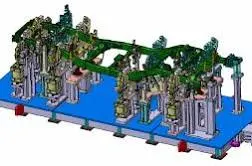
BIW (Body-In-White) fixture is an essential tool in automotive manufacturing used to hold and position vehicle body components during welding and assembly processes. Here are some basic terminologies used in BIW fixture design and operation:
-
Body-In-White (BIW): Refers to the stage in automotive manufacturing where the body shell of a vehicle is assembled before any other components are added. The BIW fixture is used to hold and align these body components during welding and assembly.
-
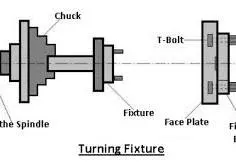
Fixture: A device or tool used to hold, support, position, and secure workpieces during manufacturing processes, ensuring accurate and consistent assembly.
-
Clamping: The process of securing and holding body components in place using various clamps, bolts, pins, or other mechanisms to prevent movement during welding or assembly.
-
Datum: A reference point or surface used as a basis for measurement and alignment. Datum points are crucial in ensuring the accurate positioning of body components in the BIW fixture.
-
Locating Pins: Precision pins or dowels used to accurately position and align body panels and components in the fixture. They ensure consistent assembly and proper fitment.
-
Welding Points: Specific areas on body panels where welding is performed to join components together. The BIW fixture should allow easy access to these points while ensuring proper alignment.
-
CMM (Coordinate Measuring Machine): A measurement device used to verify the accuracy and precision of the BIW fixture by comparing its dimensions to the design specifications.
-
Tolerance: The allowable range of variation in dimensions or positions. Fixtures are designed to hold components within specified tolerances to ensure proper fit and function.
-
Gussets and Brackets: Additional structural elements or supports integrated into the fixture design to provide stability and reinforcement at critical points.
-
Shimming: The process of adding thin, precise layers (shims) to adjust the positioning or alignment of components within the fixture to meet design specifications.
-
Datum Holes: Precisely machined holes used to establish reference points for the positioning of body components in the fixture. These holes align with corresponding features on the components.
-
Hydraulic Clamps: Clamping mechanisms that use hydraulic pressure to secure components in the fixture. They offer strong and controlled clamping force.
-
Pneumatic Clamps: Clamping mechanisms that use compressed air to hold components in place. They provide quick and adjustable clamping force.
-
Fixture Block: A rigid structure within the fixture that supports and positions specific areas of the body components during welding and assembly.
-
Welding Gun Access: Design considerations in the fixture to ensure that welding guns can easily reach welding points without obstruction.
-
Fixture Validation: The process of testing and verifying the fixture's performance by assembling actual body components and evaluating the accuracy of fit, alignment, and welding processes.
These terminologies form the foundation of understanding and designing BIW fixtures for accurate and efficient automotive assembly processes.