Week 1:- Introduction to BiW and Fixtures Challenge
- What is BIW & define its parts
Defination-
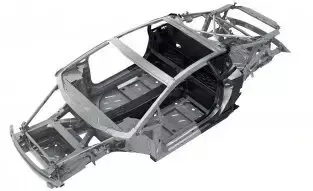
BIW (Body In White) is a welded structure make from sheet metal components and tubes which forms the vehicle structure to which the othe components get assembeld or attached
Types of BIW-
There are mainly two types of BIW :-
1. Body On Frame Construction-
The body is mounted on a different frame than the chassis while the wheels and suspension are mounted on the chassis. This type is commonly found in trucks, buses or utility vehicles.
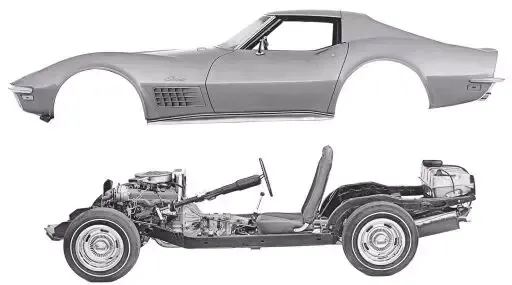
2. Monocoque-
Unlike the first type, in the Monocoque construction, the chassis is inbuilt with BIW. Wheels and suspensions are mounted on the BIW itself without the requirement of any separate chassis. This type is used in passenger cars and a few utility vehicles. Here frame itself acts as the main load-carrying member.
Material used in BIW-
-Steel
-Aluminum
Types of parts in BIW-
1. Body Side
-Body side outer
-Body side inner
2. Under Body
-Front end under frame (Engine Compartment)
-Floor
-Rear end under frame (Rear Compartment)
3. Closures
-Front door
-Rear door
-Hood
-Deck lid
4. Roof
-Roof Inner
-Roof Outer
5. Fender
Joining techniques used in BIW-
1. Laser Welding
2. MIG (Metal Inert Gas) Welding
3. Resistance Welding
4. Shielded Arc Welding
5. Arc Splash Welding
6. Brazing
7. Hybrid Joining
8. Adhesive Bonding
9.Reveting, Screwing, Hemming, Punching, etc
Properties Of BIW-
1. It should have High tensile strength and high stiffness
2. Saftey should be the top priority while making BIW
3. It should protect the occupant from NVH
4. BIW material should be corrosion resistance
5. It should be easy for manufacturing and eco-friendly
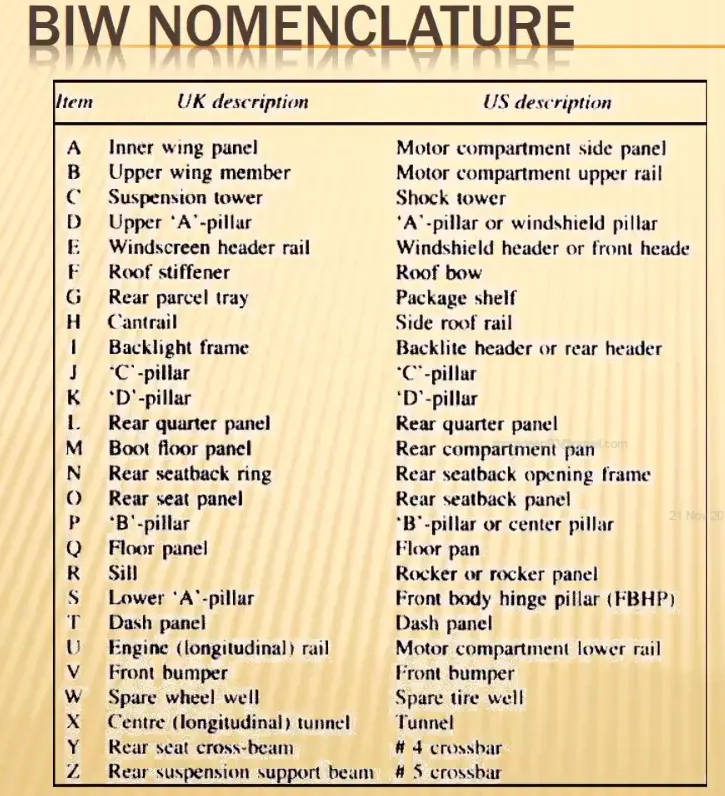
2. What do you understand by BIW nomenclature
BIW nomenclature is the terms that apply to BIW compnents for ease of understanding the name of that perticular components.
This can varry from country to country.
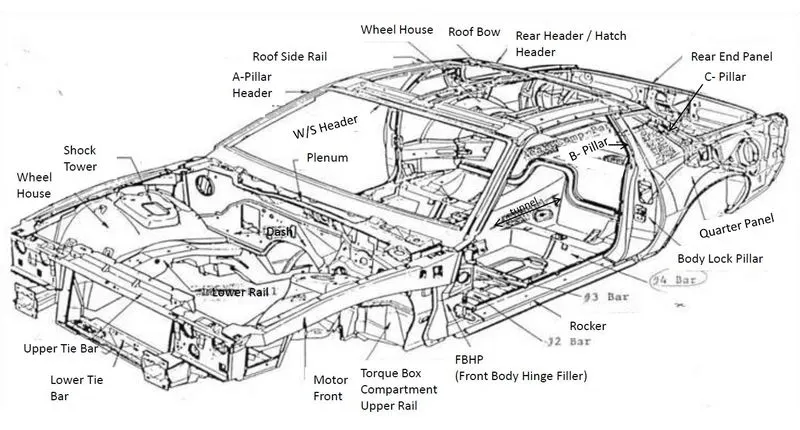
Below I have been attached some common terms of BIW which differ from the US to Uk descriptions-
3. What is fixture & its types
-Fixture is device which is use to hold, locate and support the component.
-Fixture ensure to provide the stabiility to part when any process is doing on the part.
-That process can be welding, riveting, grinding, drilling etc.
-In BIW fixture design Fixture works on 3-2-1 principle.
Types of fixture-
1. Production Fixture-
These type fixture are used in mass production on assembly line.
It is required very high consistency through its operation to maintain the geometry of the parts. the material used is well tested.
The quality to maintaining the dimension and tolerances also checked.
The production fixture needs to be ease for maintenance.
This fixture needs some maintenance on completing no of cycles.
The time required for assembly purpose & disassembly of component should be minimum.
2. Pre production operation fixture
These fixture are designed for the prototype fixture to check the feasibility of initial pilot production and to check what things need to be improve before starting the mass production.
These fixture can be taken as the base fixtures, which set the benchmark and criteria, which help us to rectify the errors, that we could get from preproduction operation fixtures.
In this different types of manual operations are involved many engineers and quality engineers are required.
It is having a large cycle time compared to production fixtures.
It require lots of time and cost also.
3. checking fixture
As the name suggest these type of fixtures are used for the checking of process.
Any operation like welding gluing, hemming are not carried out in checking fixtures.
The different gauges is used in these type of fixtures to check quality and the tolerances of part & the dimensions is compared with designed dimensions to check the process.
Geometry of welded parts is also checked, in this fixture to ensure the parts is maintaining the require dimension and the geometry.
4. What is the basic principle of fixture design
3-2-1 principle-
For any fixture designer, the major portion of design time is spend to decide how to locate the work piece in the fixture.
Basically 3-2-1 principle is used to lock all six degree of freedom.
The 3-2-1 principle is a Component holding principle where, three pins are located on the first principle plane, i.e either XY, YZ, ZX
And two pins are located on the second plane which is perpendicular to the first plane,
and at last one pin on the plane which is mutually perpendicular to the first & second planes.
By using this method Component can be arrested in all six degrees of freedom.
5. Elaborate types of BIW Stations
1. Geo station-
In this station the geometry of the two parts are fixed it can be either using riveting or welding. In this tool geometry and precision of finished product is define locating pins have closer tolerance of 0/- 0.15.
e.g. hole dia is 20 then pin dia should be 19.85.
diameter of locating pin should be less than pannel hole dia.
2. Respot Station-
After geo station the next station is called re-spot station.
These left out spots may be the due to clamp plan,cycle time, robot reachability or any other various reasons.
In this type of station pins have tolerance upto 0/-0.28.
3.Pedestal Station-
In this station pedestal gun is mounted on tool and the pannel is handled by hand or by robotics for welding.
pedestal station also like re-spot station.
both pedestal station and respot station can performing same operation, but to decide where to weld some parameter needs to consider like cycle time , floor space, no.of. welds, clamp plan, etc.
4. Loading Station-
This station is used for loading of pannels and also to change orientation if require for next station.
this type of station can also be used if robotics are unable to handle pannel.
5.Buffer Station-
Mylars are the part which are holding the panel from top & bottom.
Typess of Mylars-
1.Clamping mylars.- The part which is holding the pannel from top is called clamping mylar
2.Resting mylars. -The pannel which is rest on the part is known ia resting mylar
B. PLP (Principle locating points).
- PLP pints are the points that is used for the accurate location of panels, sub-assemblies to maintain the geometry of the assembly.
- There are many holes on the panel, which is not accurate or precise due to stamping error.
- The PLP holes are very much accurate and precise.
C. Blade.
- Blades are the plates which is attached to raiser.
D. Raiser-
Riser is the supporting part which is used to support the assemblies.
there are two types of raiser-
1. L type raiser-
2. square tube raiser
E. Shims-
Shims are the thin sheets that are used to fit the small gaps between two objects.
Types of shims-
stone shims
metal shims
Plastic shims
Paper shims
Wood shims
F. Rough Locators-
Rough locators are used in manual fixtures usually provided at the end of panels.
It can be used as guide for ease of lacators for operators.
G. Hardwares-
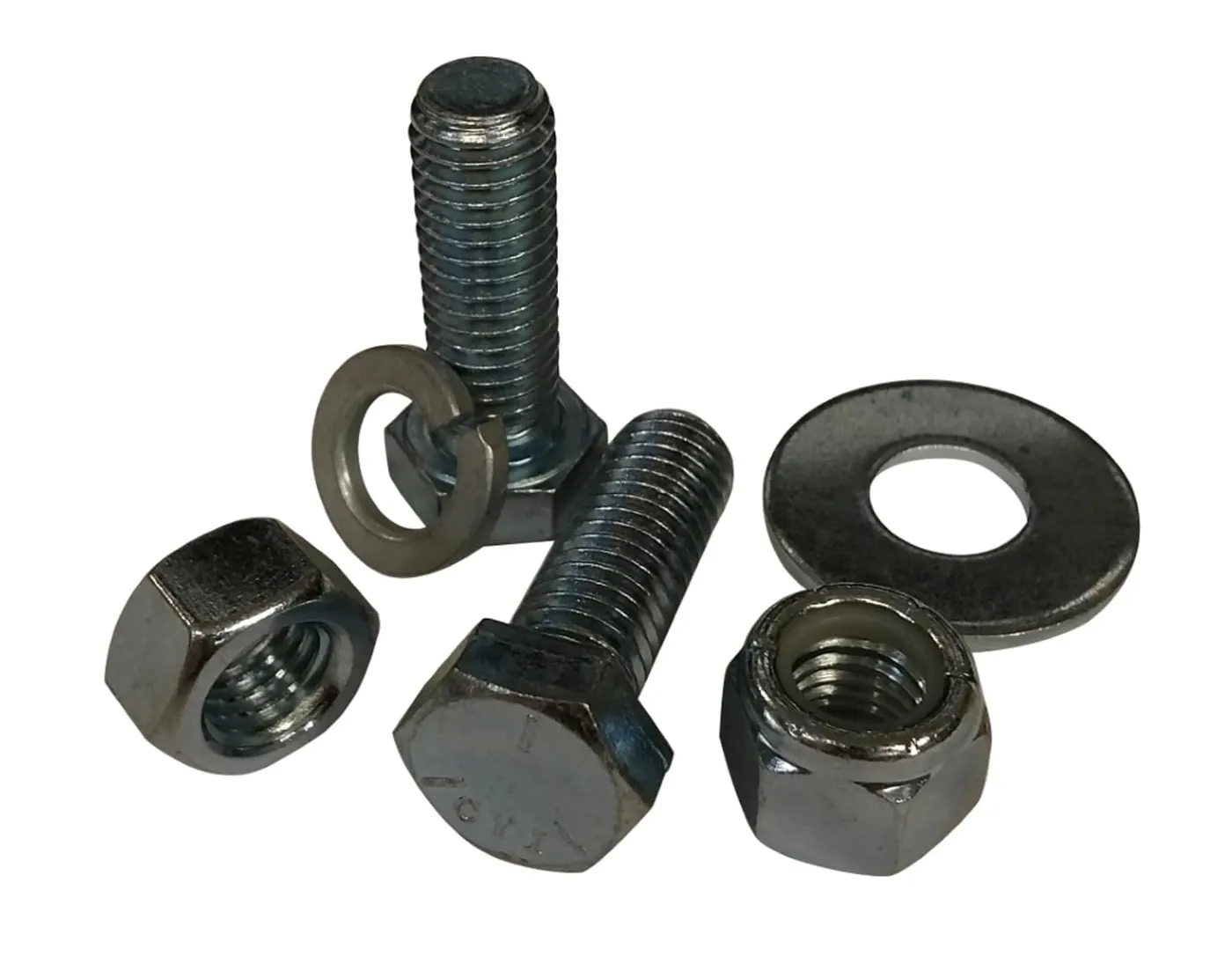
Hardware are the fasteners which can be used for temperary joints.
e.g. Nut-Bolt, allen bolts, grufs screw, washers, etc.