Week 1: Channel flow simulation using CONVERGE CFD
Aim : To perform a channel flow simulation using Converge-CFD and postprocess the results in Paraview.
Objective :
Run 2 simulations and compare the results between all the 3 simulations.
Procedure :
Before setting up the simulation download necessary softwares that are required for simulation and post processing.
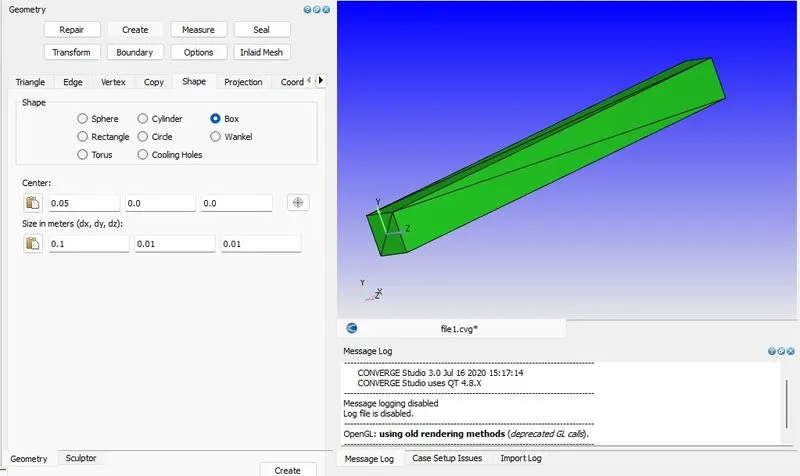
Initially open Converge_Studio and create geometry of a channel. For this go to Geometry > Create > Shape = Box > specify the center for geometry.
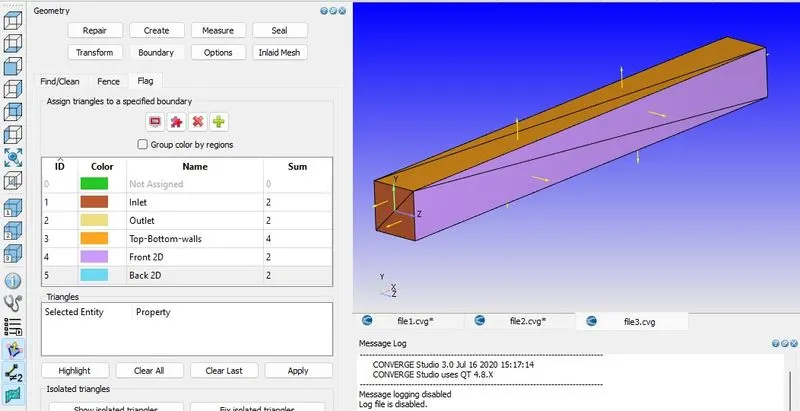
Next to go Geometry > options > select surface Normal. After the selecting the S.Normal the normals point towards outside, so select any one arrow that is point outwards and click on them. Then the normals change their directions to inwards.
After setting the geometry, next important thing is to diagnosis the geometry for error/problems. For this go to right bottom side, select Diagnosis > click on All intersections > click Find. On Top we can check for problems in Problem Traingles.
Now if there are no errors found then the geometry is correct.
To we should do case setup. Just beside Diagonisis > click on Case Setup > in case setup window can see ' Begin Case Setup' > click on it to set the setup.
CASE SETUP :
Application Type = Time-based
Materials : -
Predefined mixtures = Air
Select 'Gas Simulation & Species '
Click on Species > Select Gas > click on add and select the N2 & O2.
Geometry :
Geometry :
Create rectangular box :
TOP & BOTTOM
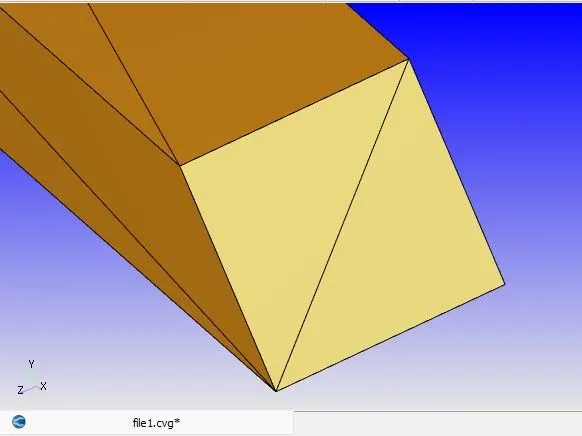
INLET :
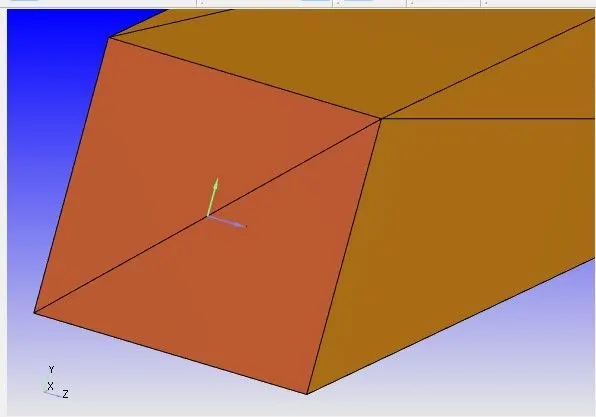
OUTLET :
Make boundaries :
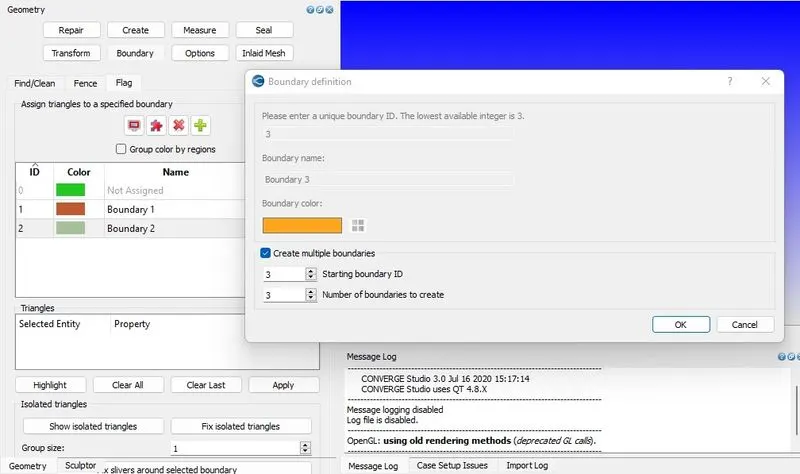
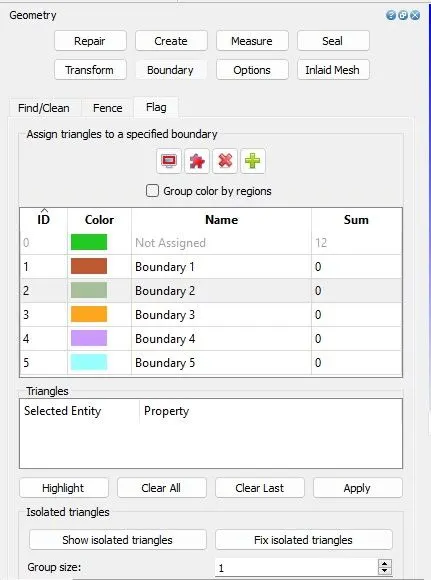
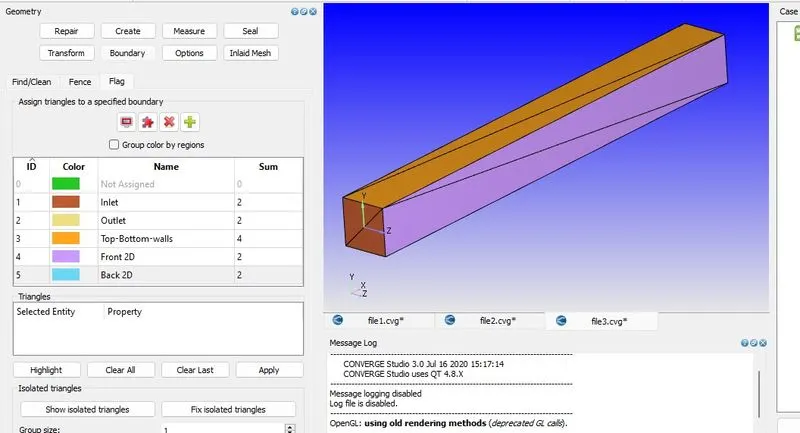
Assign boundaries :
Change Normal Outward to Inward :
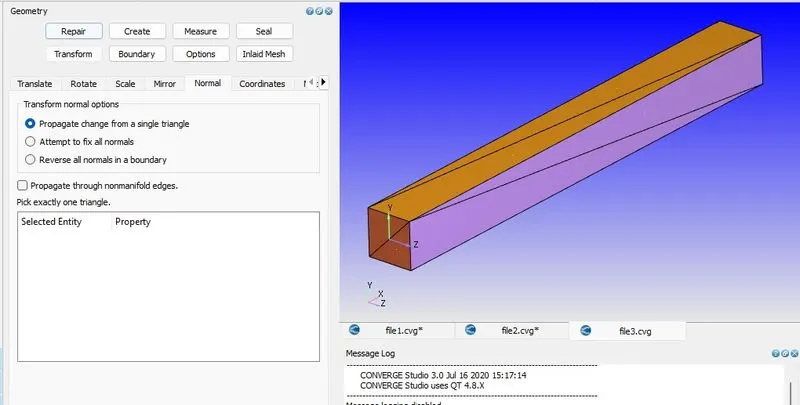
Simulation Parameters -
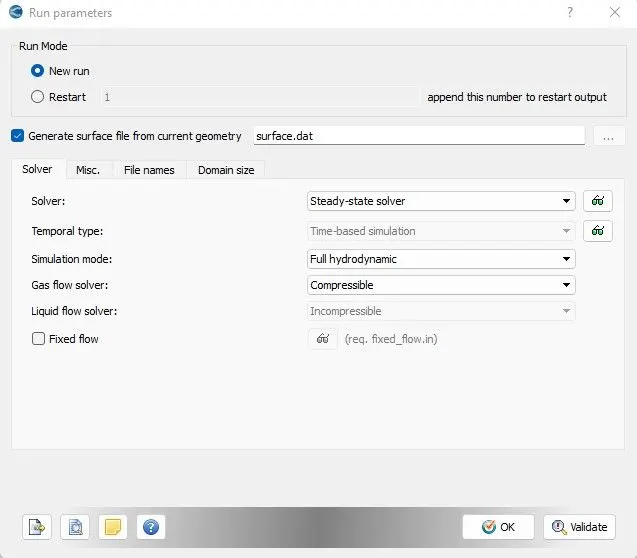
In Run Parameters two main things to be considered :-
(a). select the following solver settings.
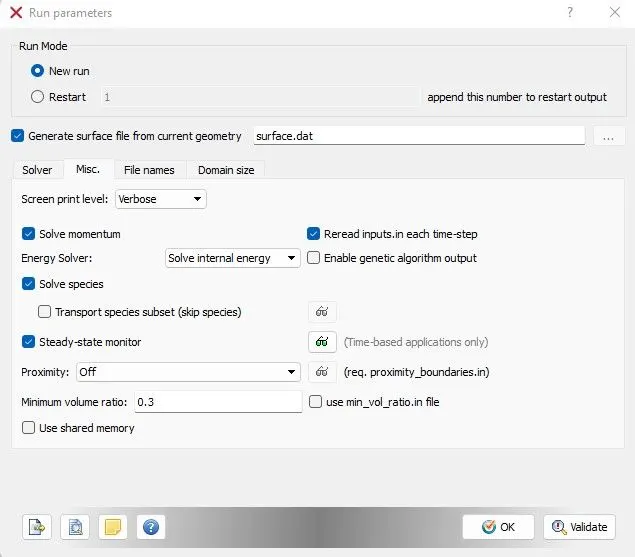
(b). Go to Misc. > uncheck UseSharedMemory and click on Steady-State Monitor.
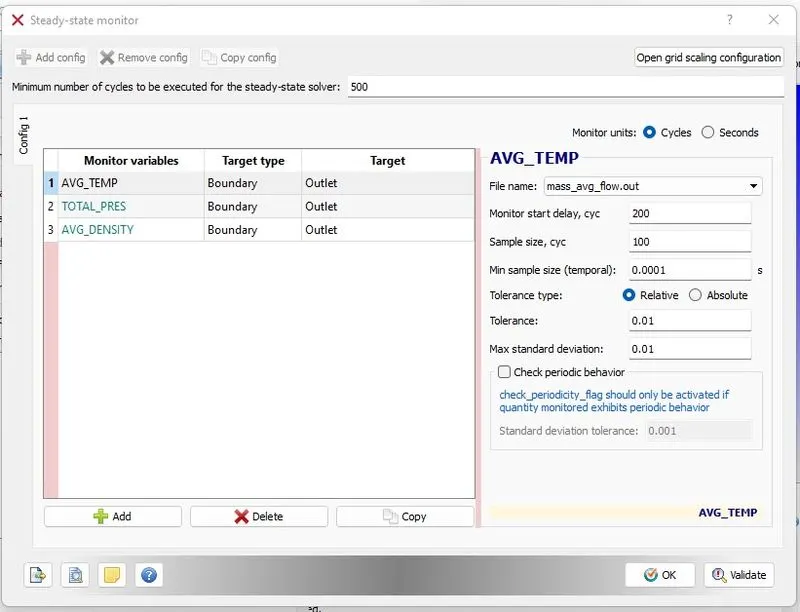
Steady State Monitor :
Simulation Time parameters :-
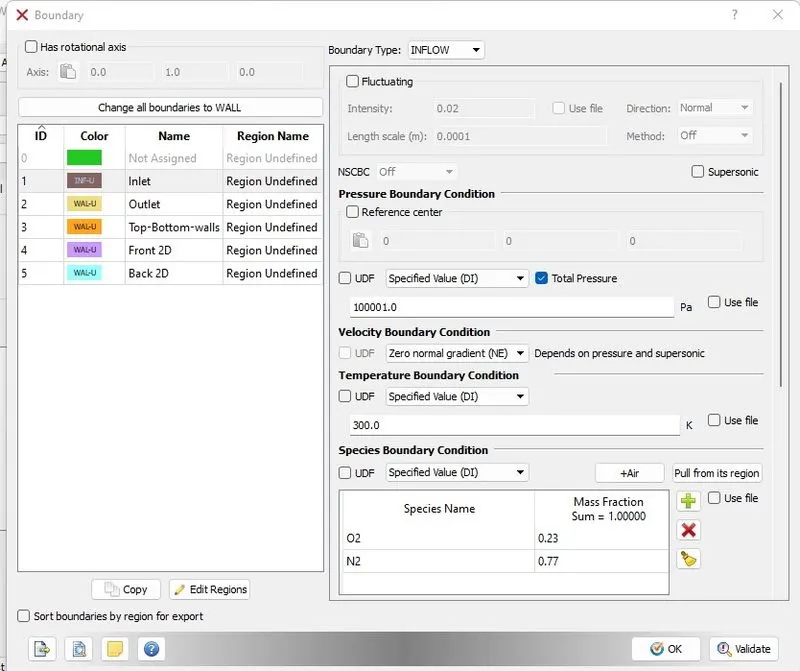
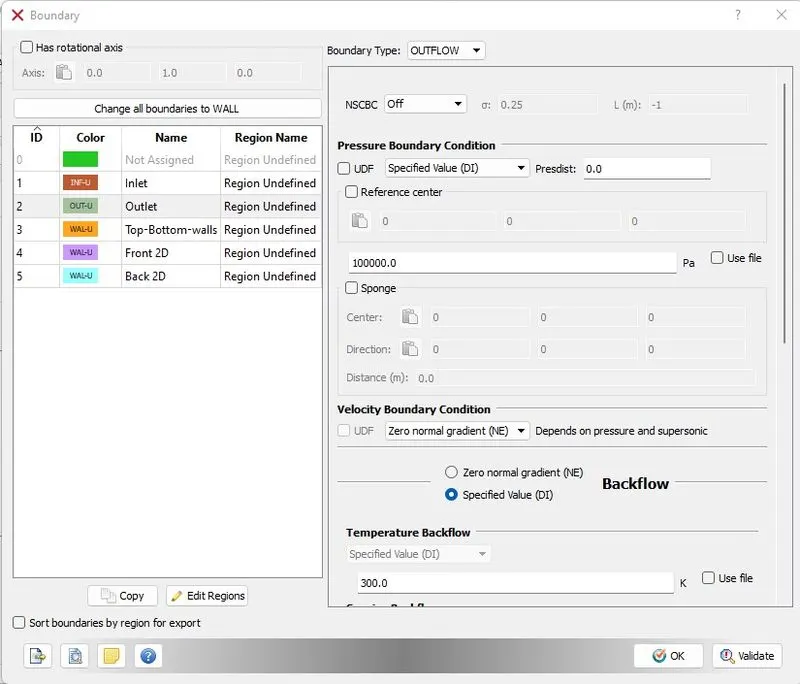
Boundary Conditions :-
Boundary :-
Initial Conditions and Events :-
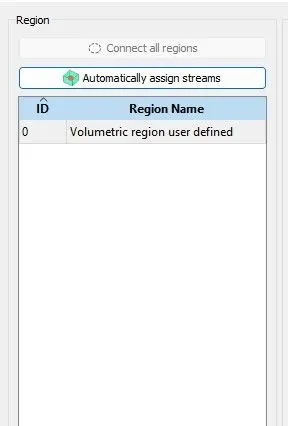
Regions and Initialization :
Physical Models :-
Uncheck Turbulence Modeling in this case.
Grid Control :-
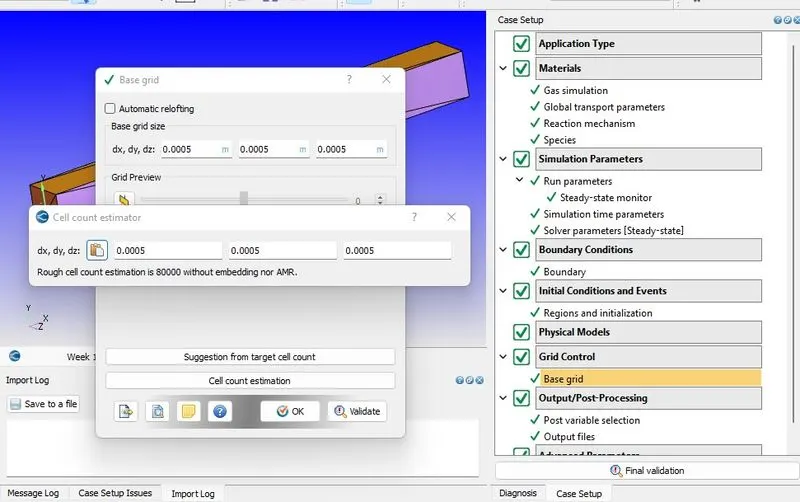
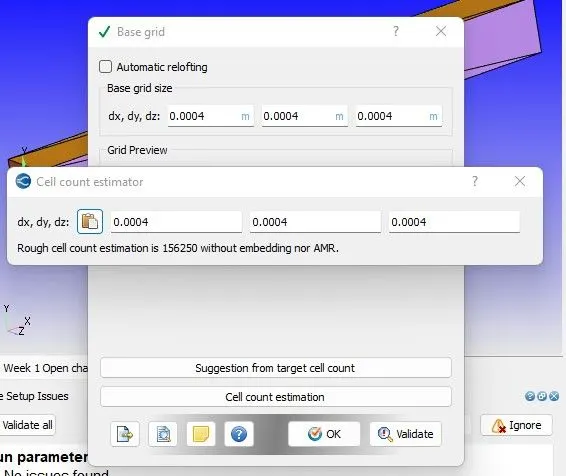
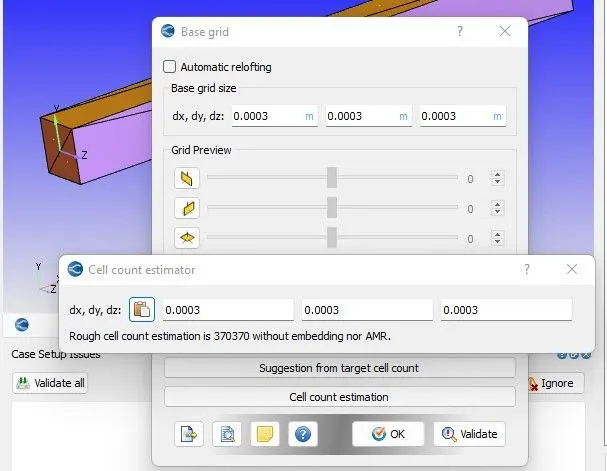
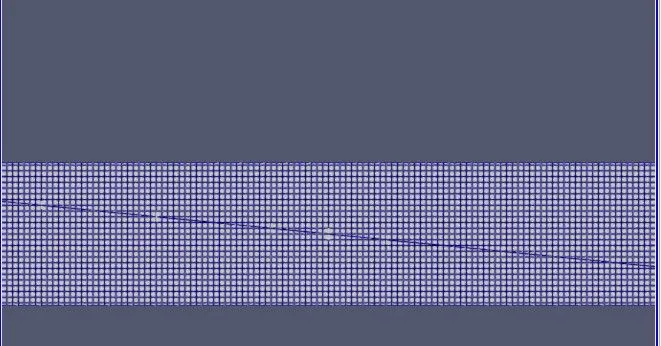
Base Grid :
Case - 1 - [ dx = 0.0005m, dy = 0.0005m, dz = 0.0005m ]
Case - 2 - [ dx = 0.0004m, dy = 0.0004m, dz = 0.0004m ]
Case - 3 - [ dx = 0.0003m, dy = 0.0003m, dz = 0.0003m ]
Post-Processing :-
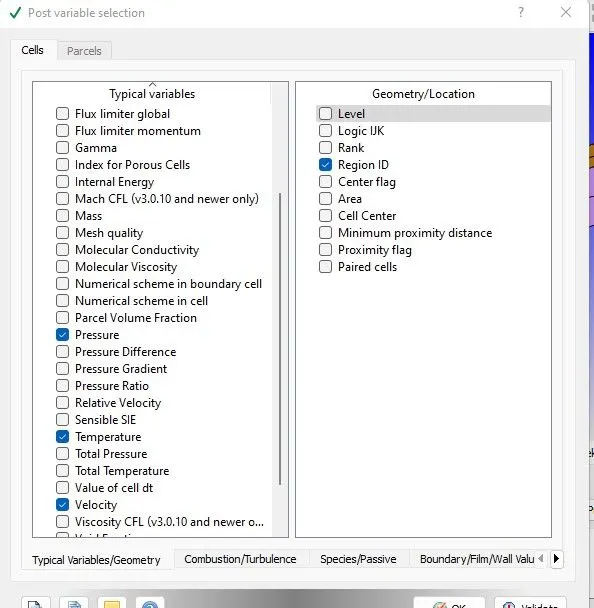
Post Variable Selection :
Click on Typical Variables/Geometry > Select required variables.
Click on Species/Passive
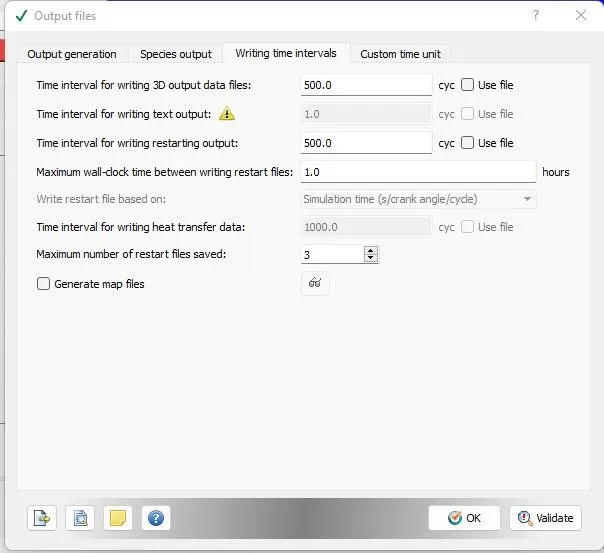
Output Files :
With the setting up of the case is completed.
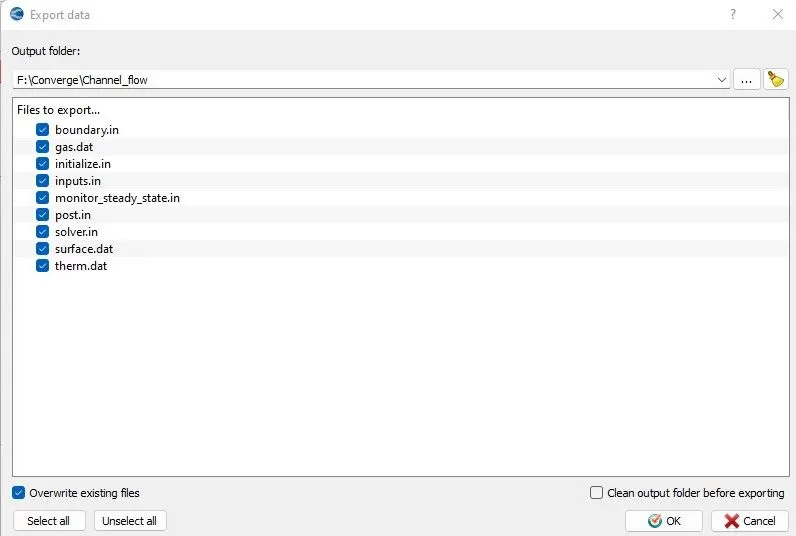
Now go to File > Export > click on Export Input files. Select the destination folder(channel_flow) to save the data.
After Importing the input files,
Go to Cygwin and navigate to the location where the setup files are imported.
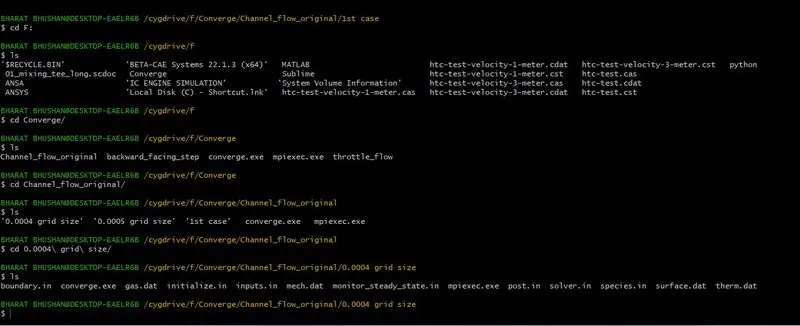
Once we navigate the respective folder, we need to run the simulation. To run the simulation use the following command in Cygwin;

Now the simulation starts running, and it displays the steps in cygwin. As the simulation begins it create multiple folders( i.e scratch and output) in the path where we saved the input files.
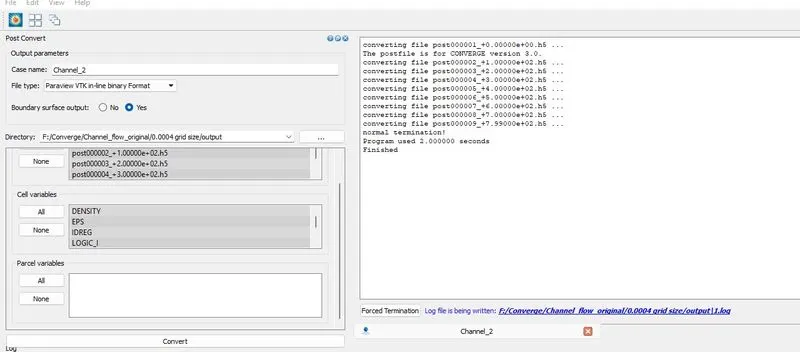
Once the simulation is complete, to perform post processing we need to convert the obtained result data into format where we can access in Paraview. The converted files are directed to the output folder.
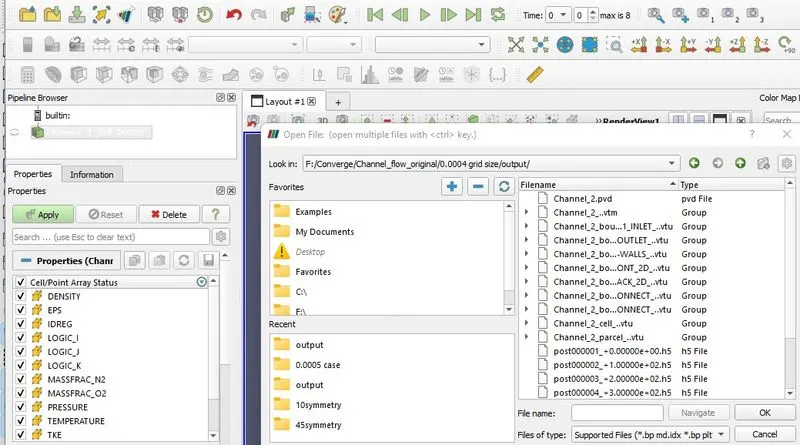
Open PARAVIEW > direct to folder where the output is saved > select.vtm(group file) > data imported to the paraview.
Necessary contours, profiles and Animation are generated using paraview. To generate plots we can use ConvergeStudio (line plotting option).
Hence required plots, contours, animations are obtained in order to study the results.
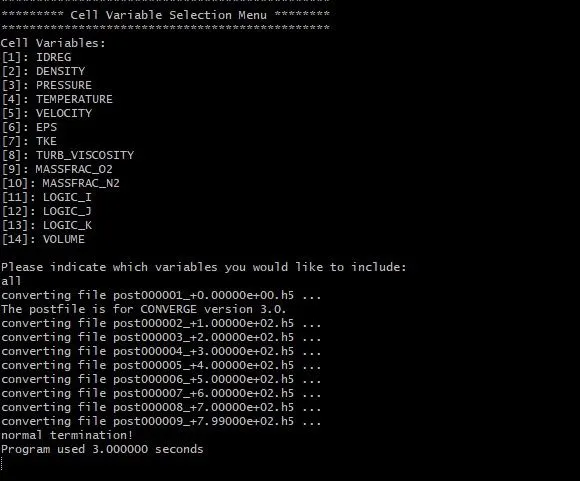
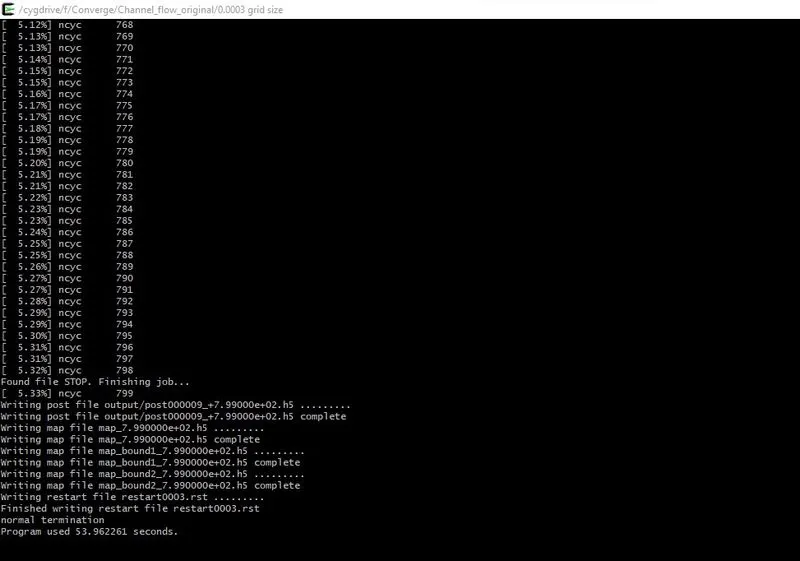
Resolve Error in Cygwin 0.0003mm grid size
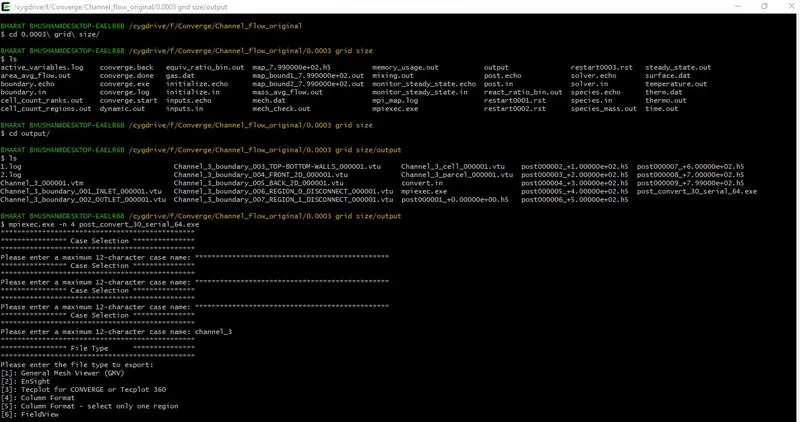
Use Command in mpiexe.exe -n 4 post_convert_30_serial_64.exe .
Case Setup :
Observations :
[ Case - 1 ]
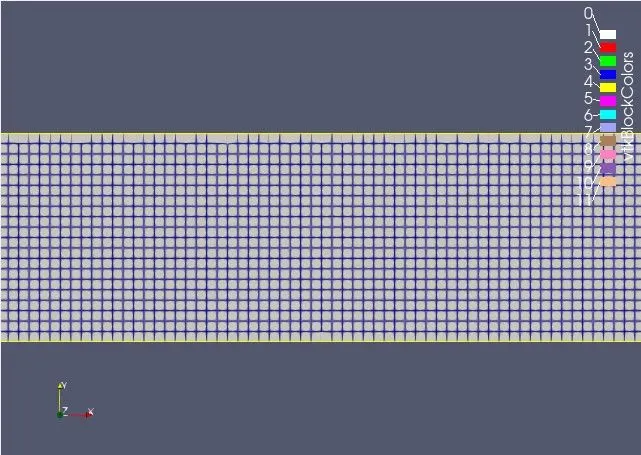
Mesh sizes - [ dx = 0.0005m, dy = 0.0005m, dz = 0.0005m ]
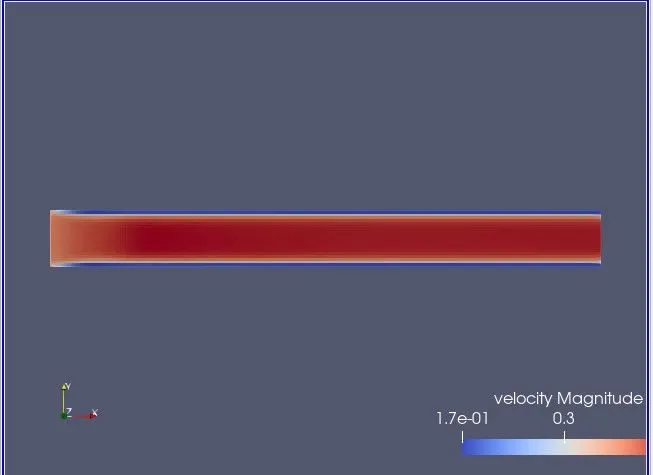
Velocity Contour :
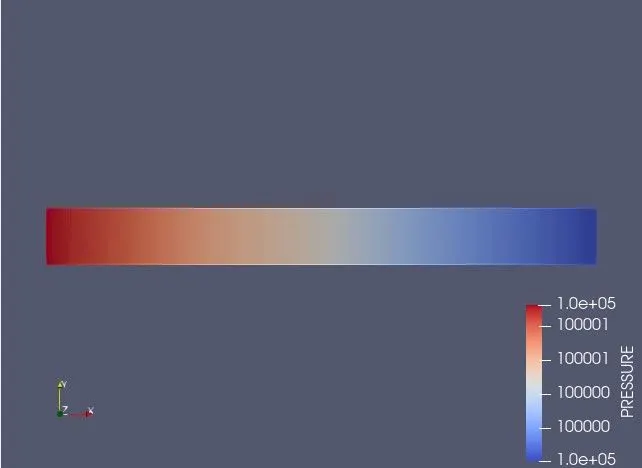
Pressure Contour :
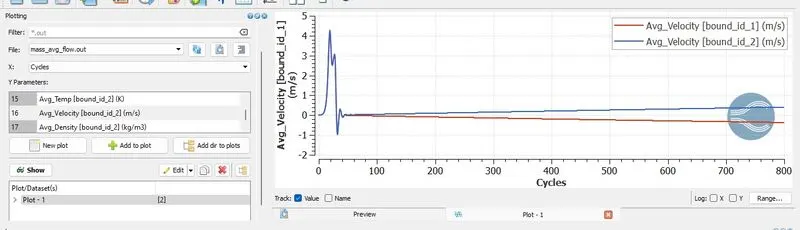
Velocity Plot :
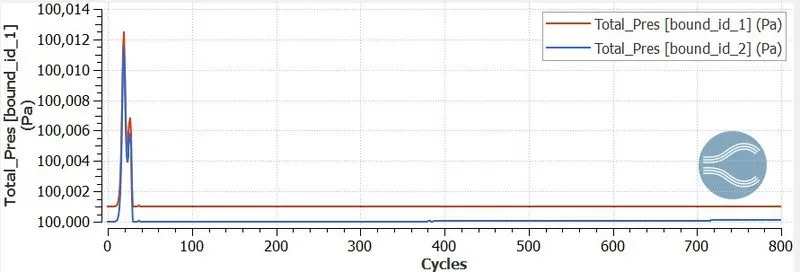
Pressure Plot :
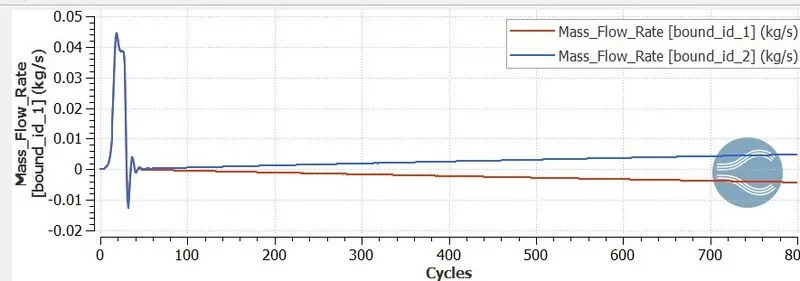
Mass flow Rate Plot :
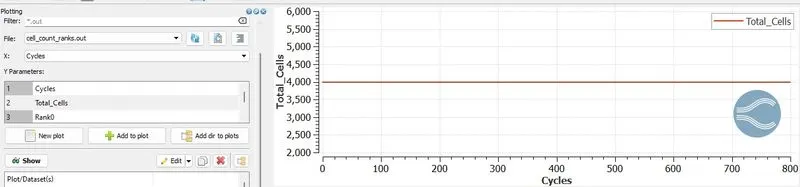
Total Cells :
Animation :
Velocity :
Pressure :
[ Case - 2 ]
Mesh sizes - [ dx = 0.0004m, dy = 0.0004m, dz = 0.0004m ]
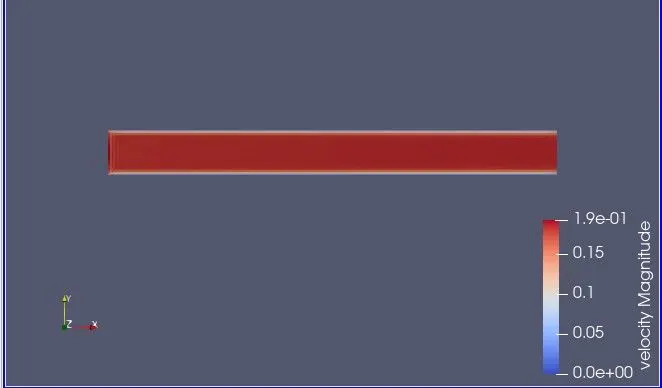
Velocity Contour :
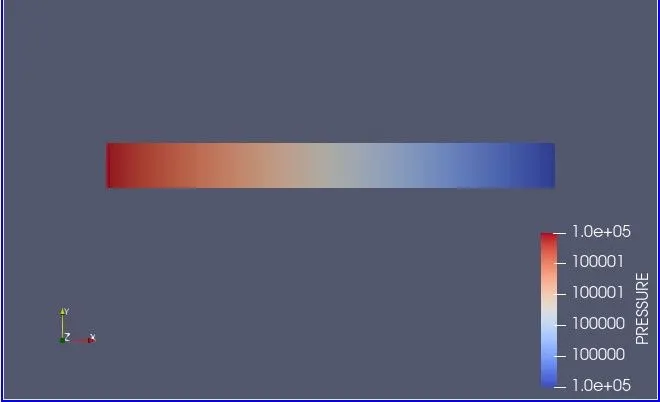
Pressure Contour :
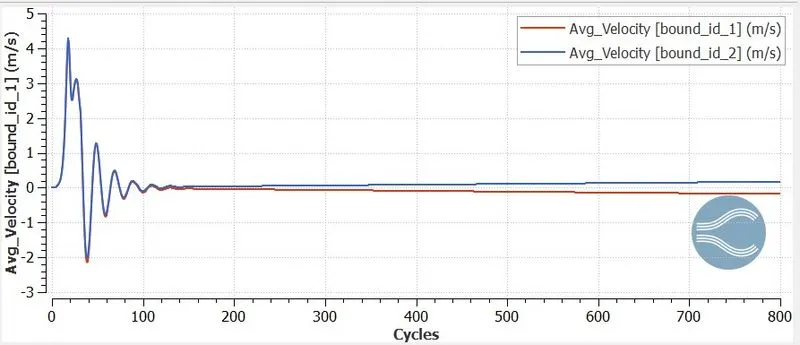
Velocity Plot :
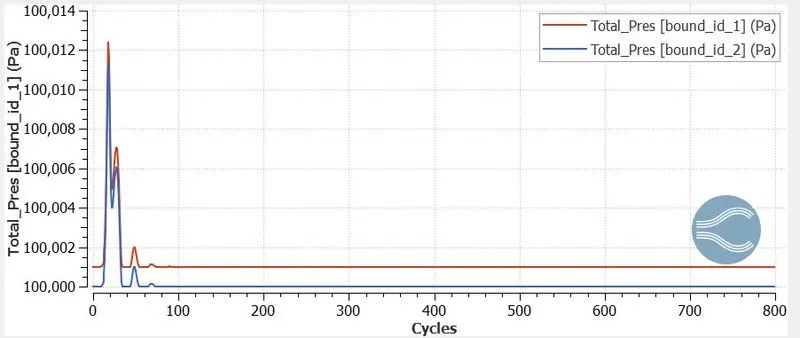
Pressure Plot :
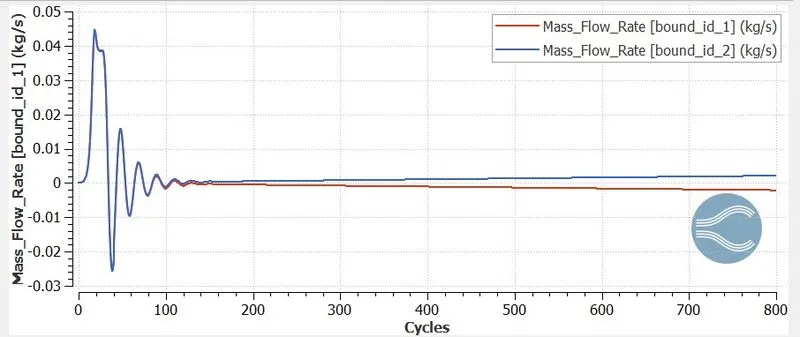
Mass flow Rate Plot :
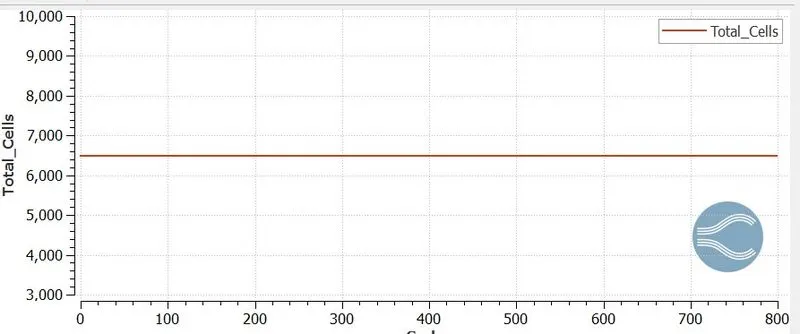
Total Cells :
Animation :
Velocity :
Pressure:
[ Case - 3 ]
Mesh sizes - [ dx = 0.0003m, dy = 0.0003m, dz = 0.0003m ]
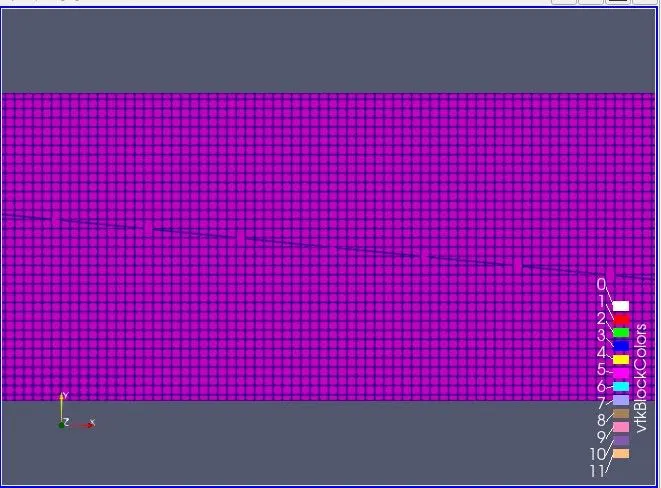
Velocity Contour :
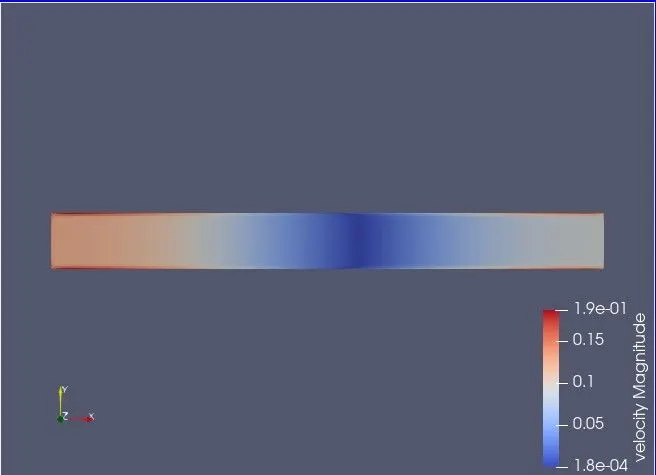
Pressure Contour :
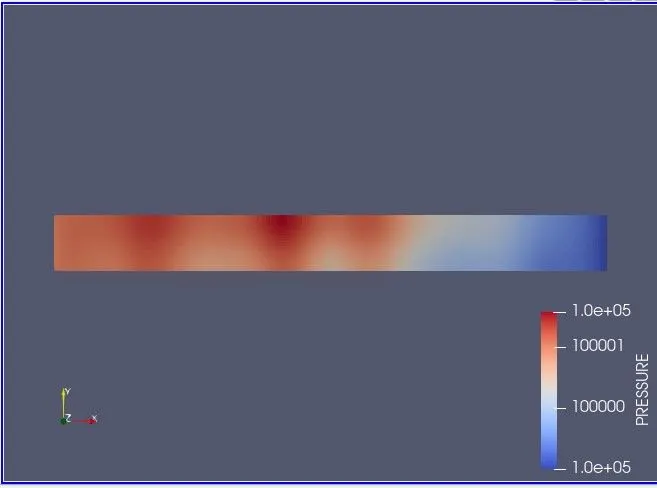
Velocity Plot :
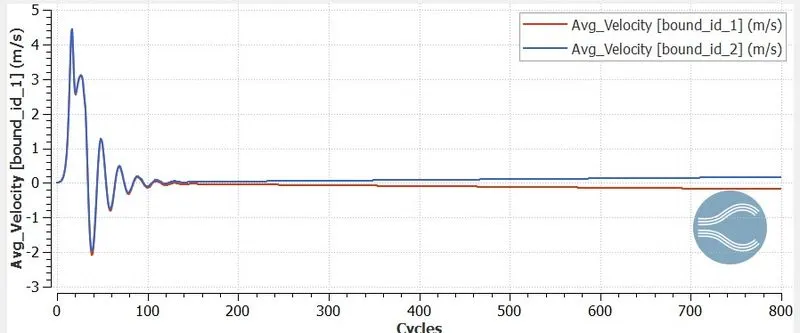
Pressure Plot :
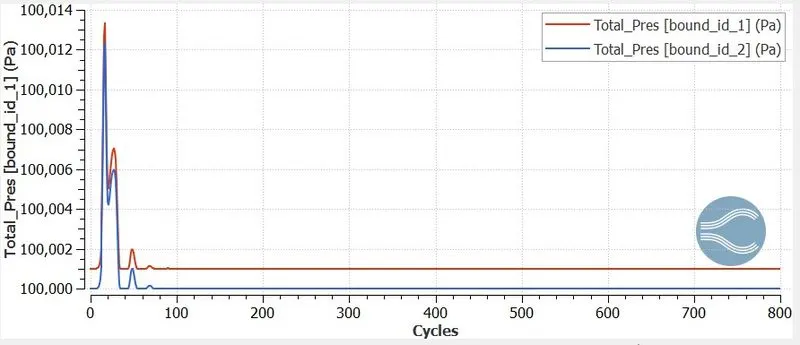
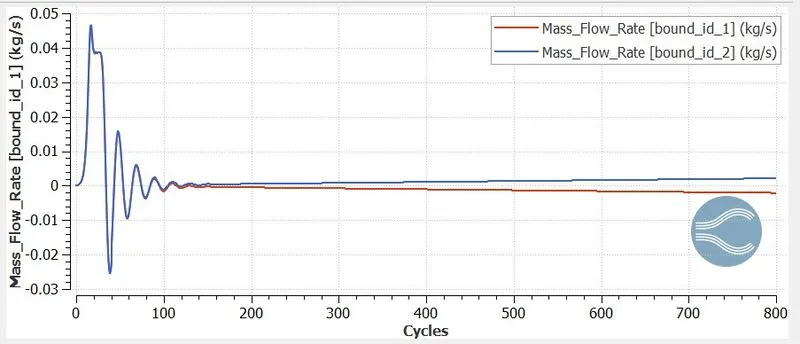
Mass flow Rate Plot :
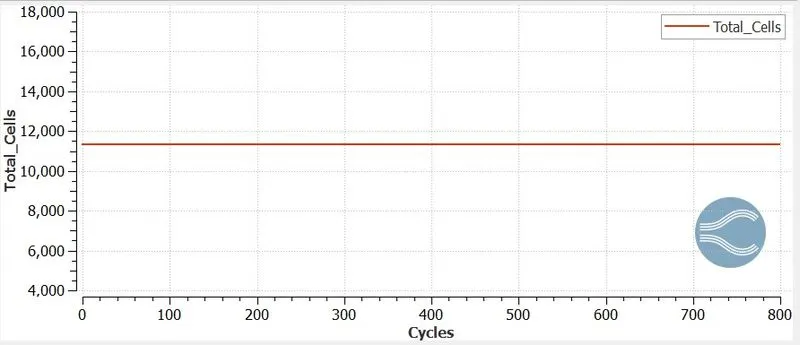
Total Cells :
Animation:
Velocity :
Pressure :
Results :
- From the simulations performed it is clear that, for mesh size ( 0.0005, 0.0004, 0.0003 )the total cell count for each of the mesh are 80000, 156250, 370370 respectively. Hence as the mesh becomes more finer and the finer the total cell count increases, as the cell count increases the computational time also increases.
- It is observed that, velocity in the initial case is highest but as the mesh is coarse it is generally not preferred to be accurate. In the next two cases itt calculated more accurately.
- The Pressure obtained in all the cases remain constant. This is because both inlet and outlet are provided with constrained boundary conditions.
- Mass flow Rate at the outllets for the refined cases are almost same. When both inlets and outlets are compared we can observe a positive flow and a negative flow.
- As the mesh become finer, the velocity profile obtained is also much clear compared to other two cases.
- Hence, as the grid size increases the results obtained are much clear and accurate.
Conclusion :
The channel flow simulation using Converge CFD is performed with different mesh sizes the accurate results are obtained. Various plots, contours,profiles,animations are generated in order to get the clear understanding of how the flow is inside a channel with the help of Converge CFD software.
Google drive link :
https://drive.google.com/file/d/1jSPFLng0H4YoJ9tyu6leC1N_EsoB7oUN/view?usp=sharing