Week 1 Challenge
Q1 ) We are given two TRUSSES to compare.Trusses are used in bridges, buildings, and many other infrastructure. Generally a truss has 3 fundamental member
> Upper chord
> Lower chord
> Middle member Joining the both to transfer loads.
The two types of trusses are given to us
>TRUSS A : Pratt truss
>TRUSS B : Howe truss
PRATT TRUSS - In this one vertical member is joined to a diagonal member and the pattern is followed consecutively. The vertical member is for compression and diagonal member is for tension. It is not as advantageous if the load is not vertical. This type of truss is most appropriate for horizontal spans, where the force is predominantly in the vertical direction.
HOWE TRUSS -The Howe truss is widely used in wood buildings, particularly in providing roof support. It is total opposite of pratt truss where diagonal members are now in compression, while the vertical loads are in tension.
The main differences are that the Pratt truss has no force on the ends and the compression members are vertical. The Howe truss has no force on the center and the tension members are vertical instead. The Howe truss has no net force in the center, where the load will be placed. Therefore, The Pratt truss , ( TRUSS A) disspipates the load more efficiently than the Howe truss. Pratt truss has more number of unloaded members.
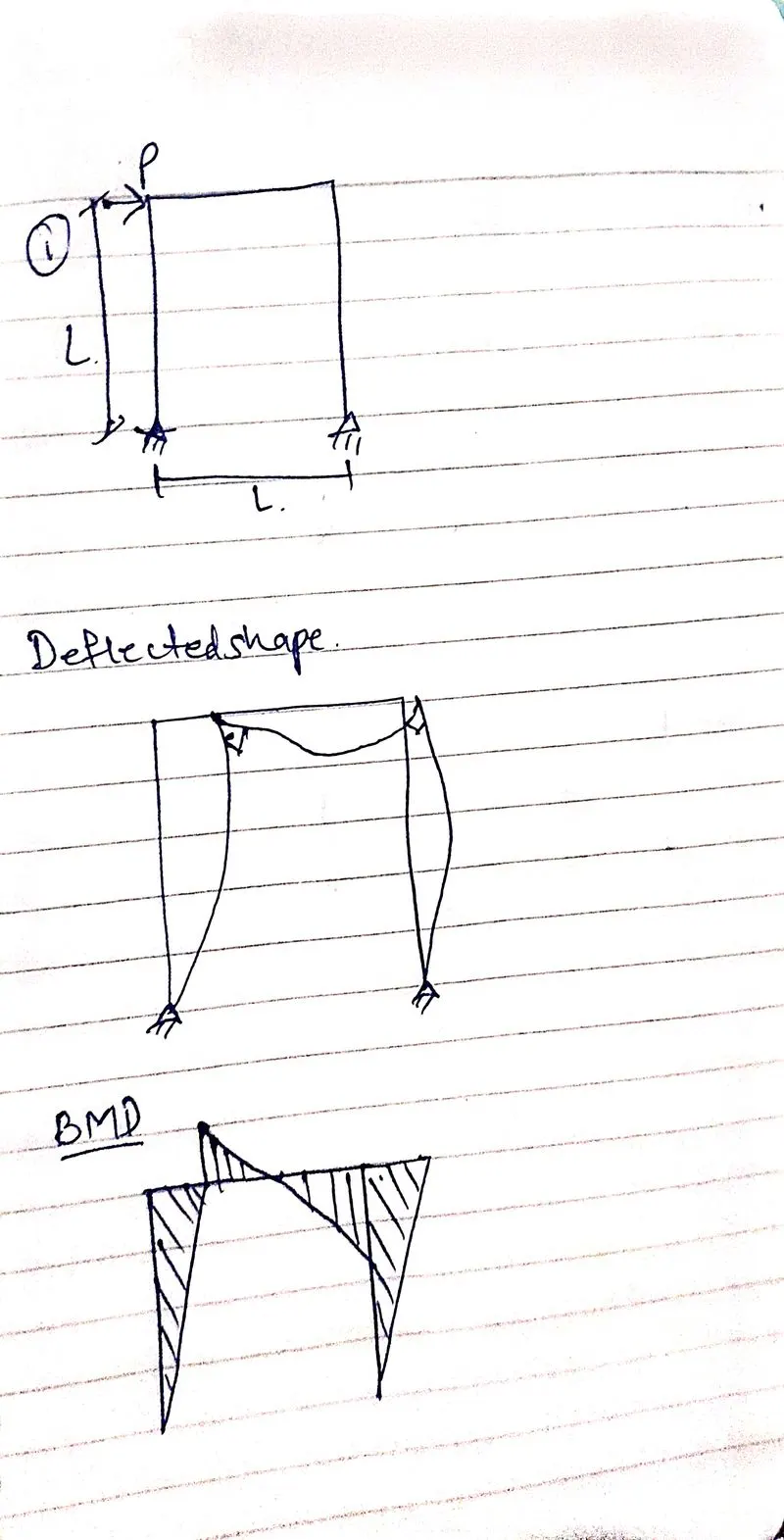
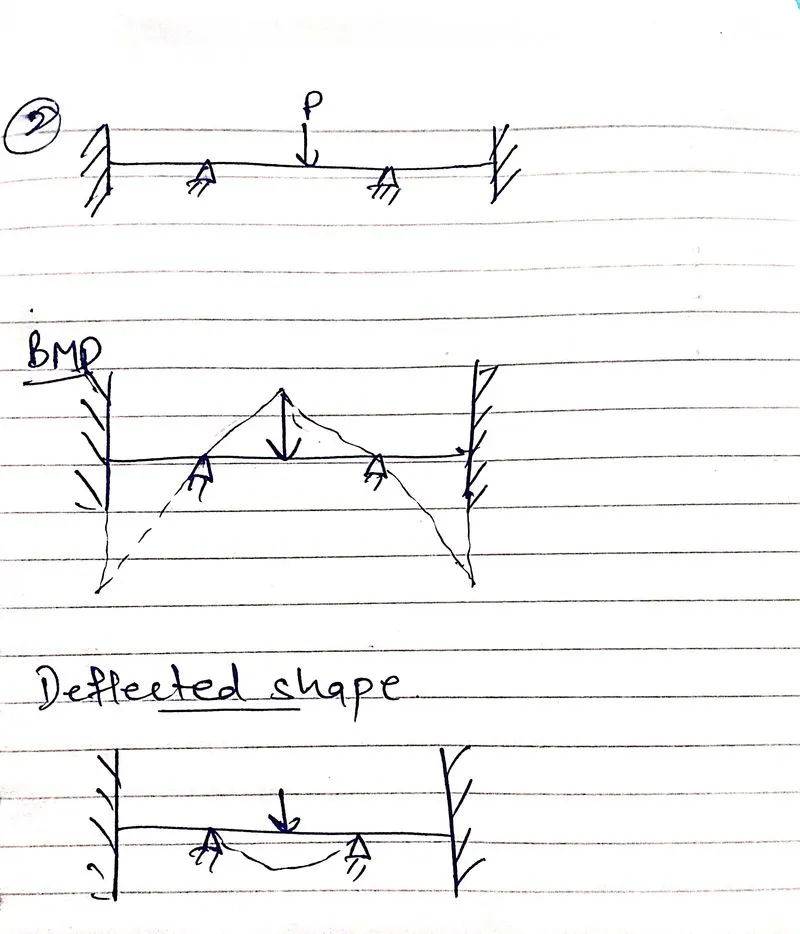
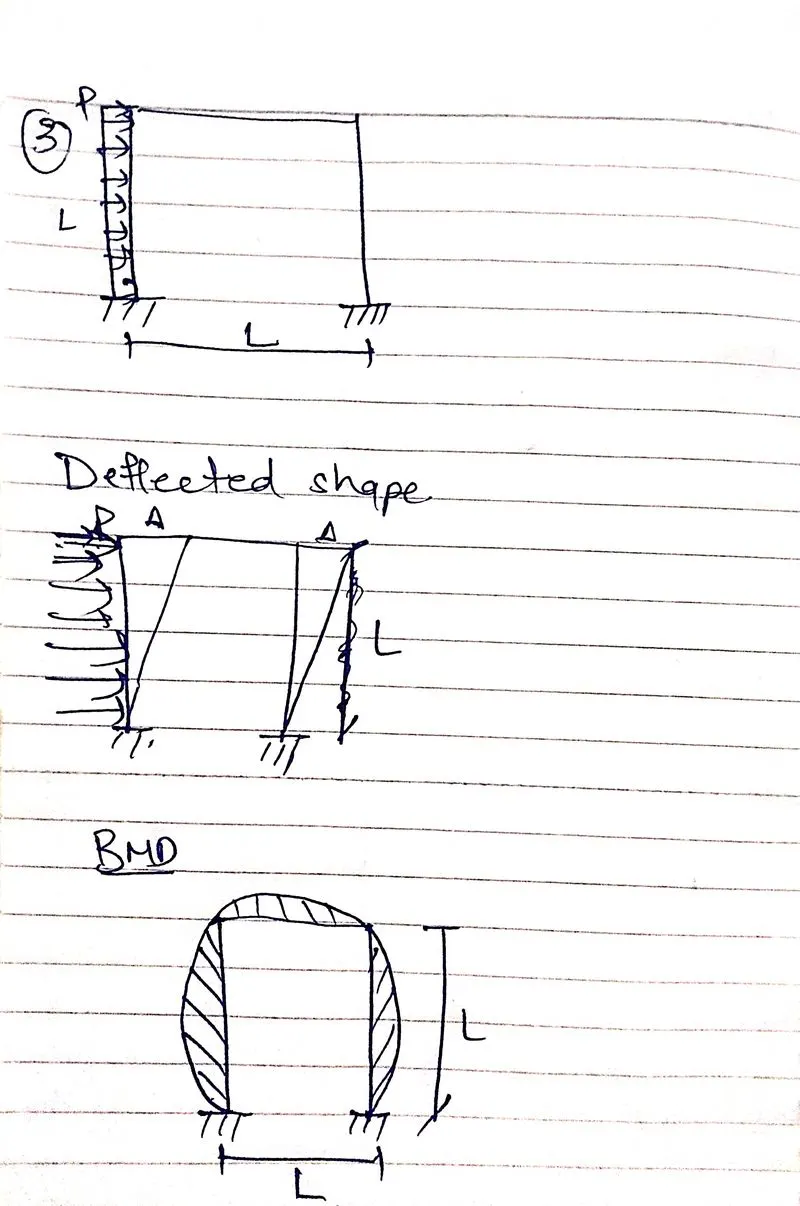
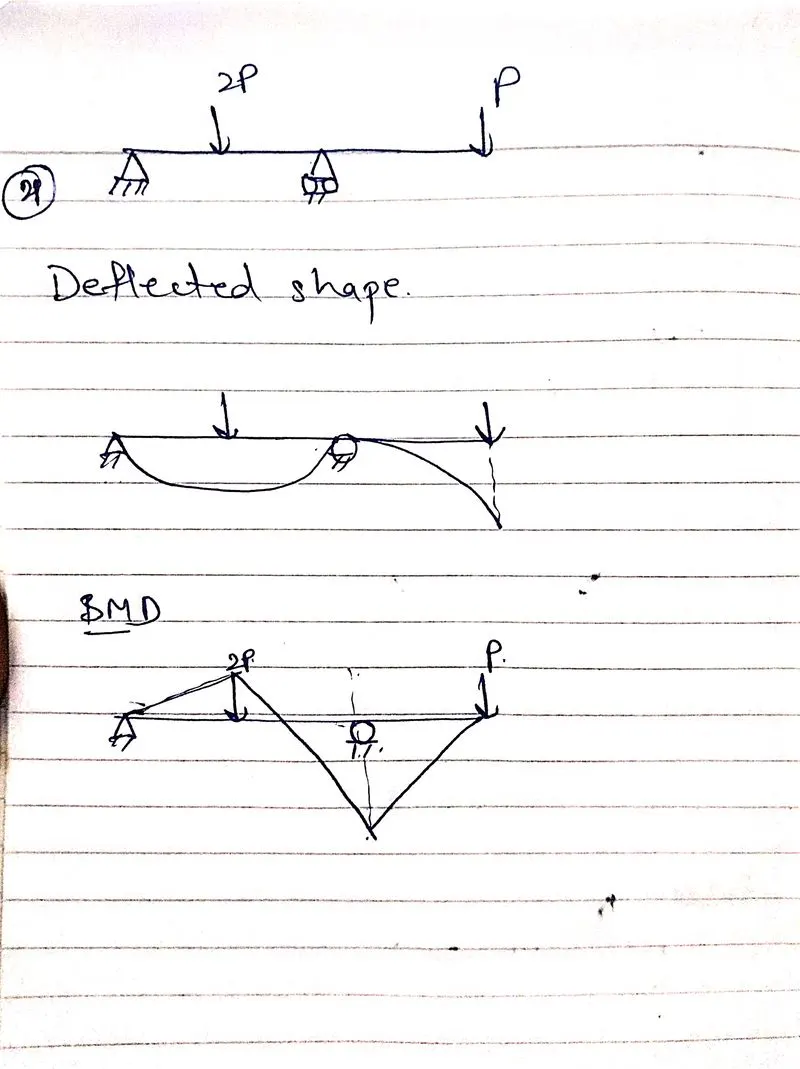
Q2) For the beam & Frame below draw deflected shape and bending moment drawing. (Qualitative approach). E & I are constants.
>a.
>b.
>c.
>d.
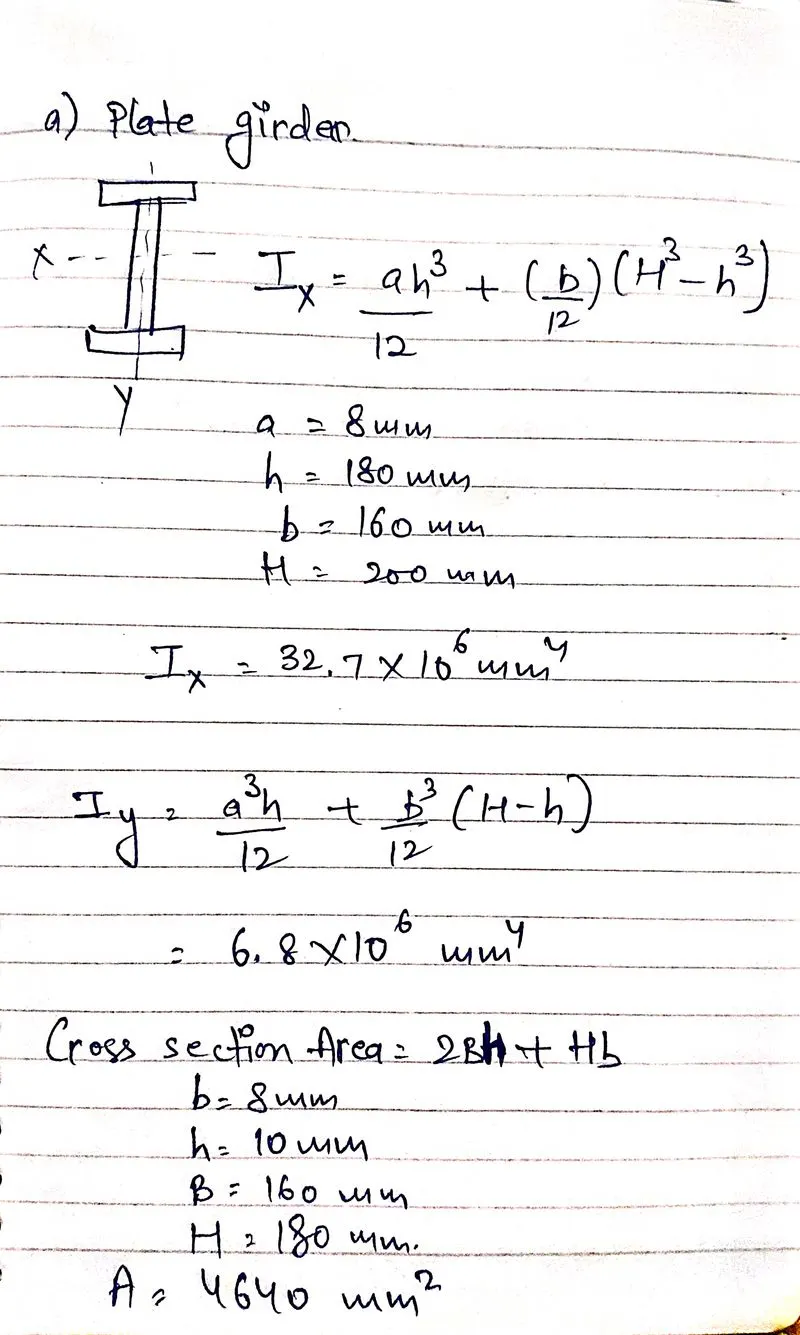
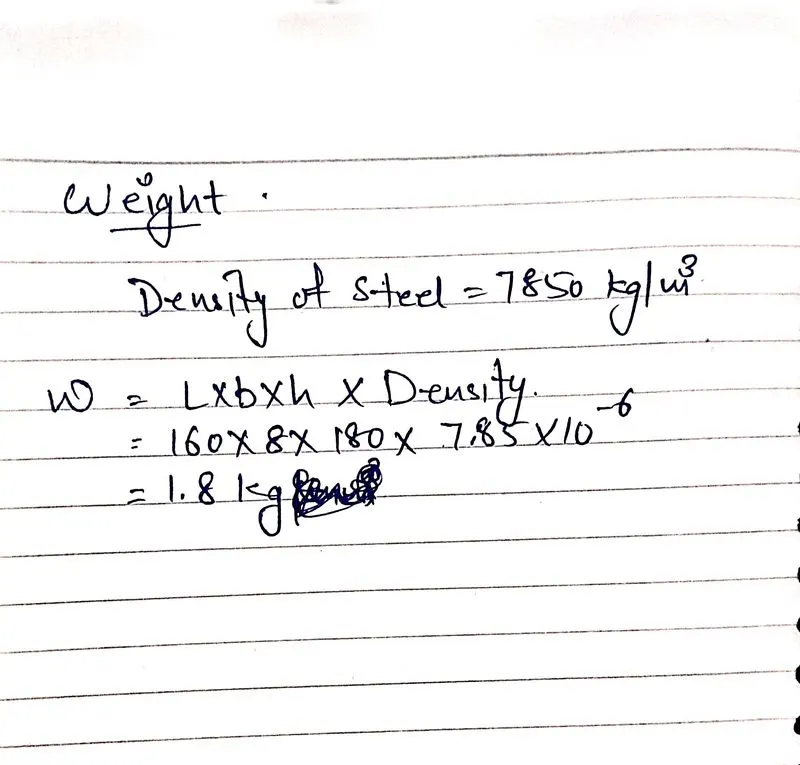
Q3) Calculating MOI, Weight, C/S area of section below
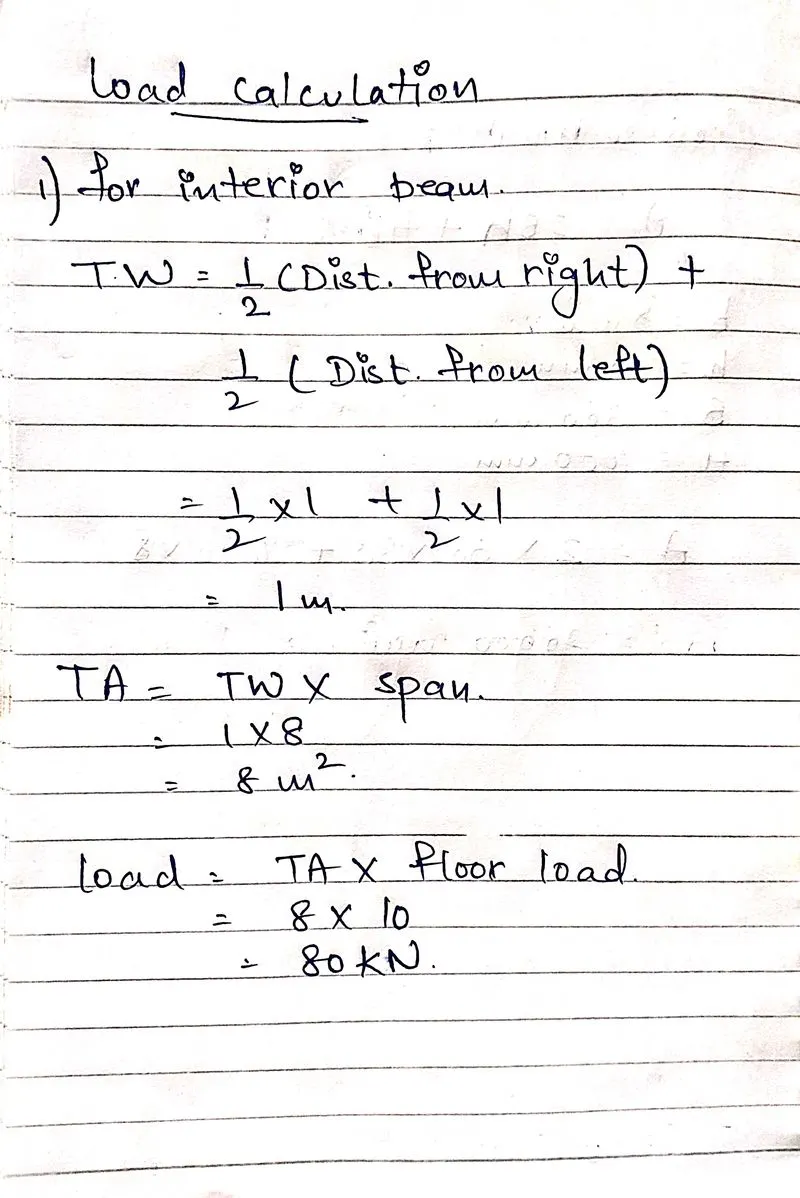
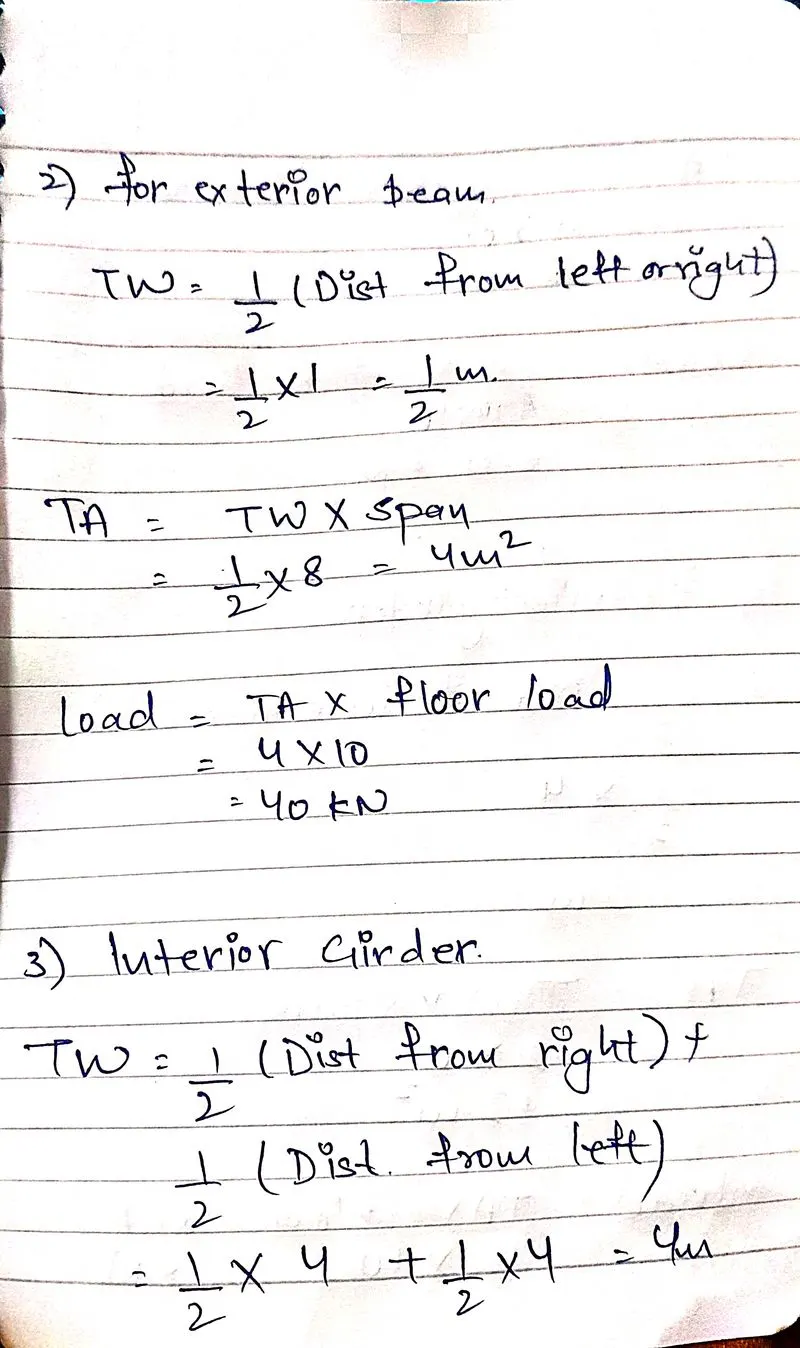
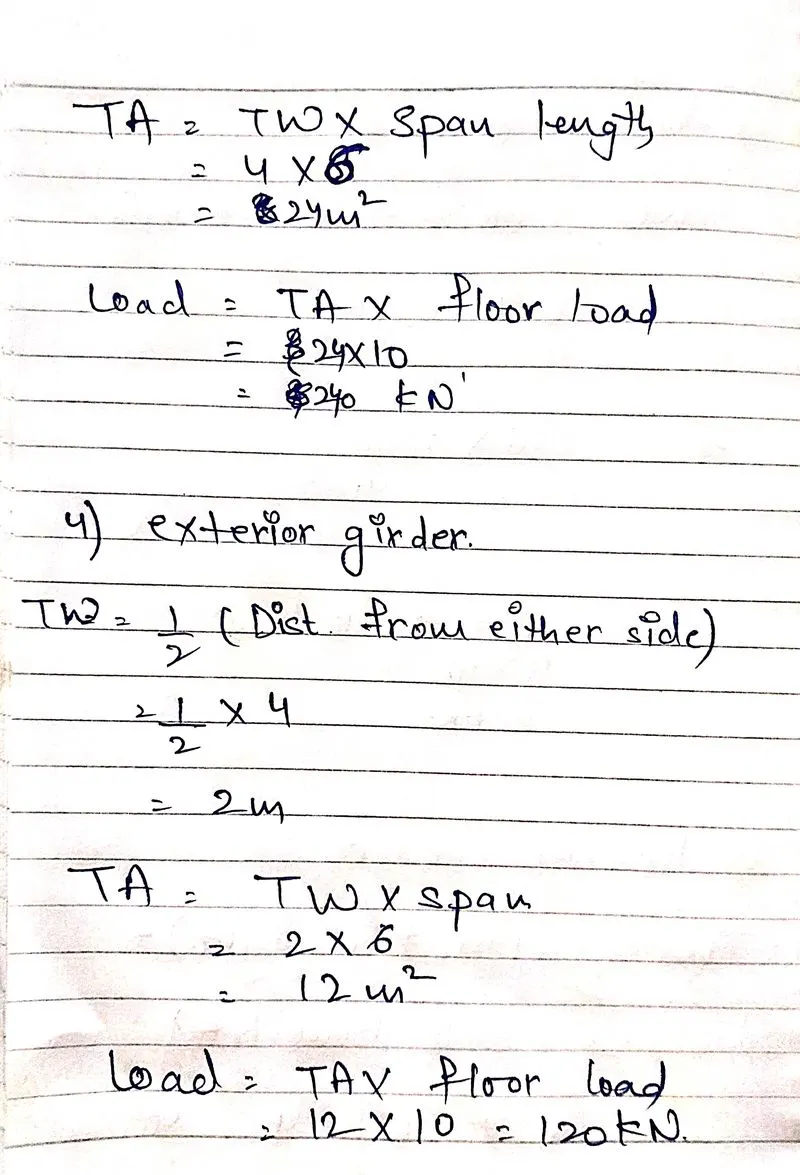
Q4) For the floor framing below, the load on interior beam, Exterior beam, Interior Girder and exterior girder having Floor Load of 10kN/m2
Q5) The total expansion change can be calculated as follows:
Total expansion change in inches = (coefficient of thermal expansion) x (maximum temperature range) x (length)
= 2000 X 60 X 12x10-6
= 1.44 m
ALL THE CALCULATIONS ARE ROUNDED OFF TO APPROXIMATE NUMBER.