Underbody Coating
REPORT ON UNDERBODY COATING
Underbody Coating
Underbody coating is a dense, resilient coating or cladding whose application is done uniformly to the undercarriage of the automobile. This process is usually performed when the automobile comes fresh right out of the production lot.
Importance/Need of Underbody Coating
Underbody coating prevents the undercarriage of the car from harm or damage It also protects parts like internal body panels, frame rails and other inner cavities that are not physically accessible but are prone to corrosion. It also makes it much easier to clean the car. In addition to that, underbody coatings also provide a bit of thermal insulation which makes travelling by the roads during the summer a lot more manageable.
Underbody Coating Process
To help protect the underbelly of the car from corrosion and rust, a proper underbody coating is usually done by following one of these two processes. A new car does not need an underbody coating as it comes with one when coming out of the production lot.
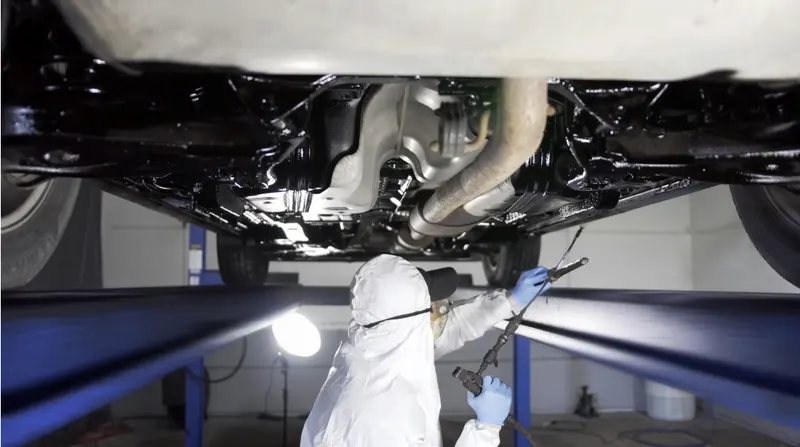
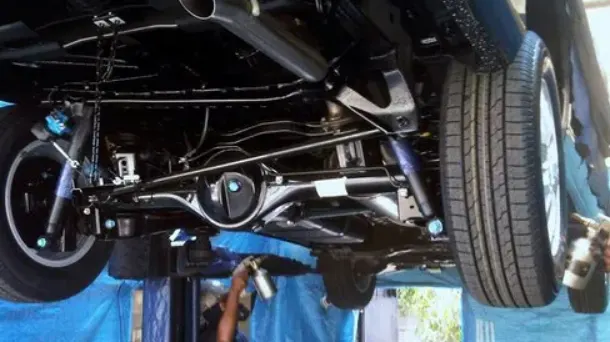
- Manual Process - A person performs the job of manually spray coating the underbelly of the car uniformly (i.e.; with uniform thickness) with the chosen type of coating. First, the car is hoisted on a lift to an appropriate height. This is the most performed process in almost all automobile garages.
- Liquid Bath - This process of undercoating is not so widely used. It involves keeping the automobile frame in a bath of a liquid coat. Then, the liquid is made to fall/drip in a huge amount after which the frame is allowed to get dry and the coat gets set on the frame.
- Automated Process -This Process is generally performed as one of the final stages of the production process in luxury vehicle manufacturing companies where robots are specifically tailored to coat the underbody of the vehicle of a certain make and model.
Process of Underbody Coating
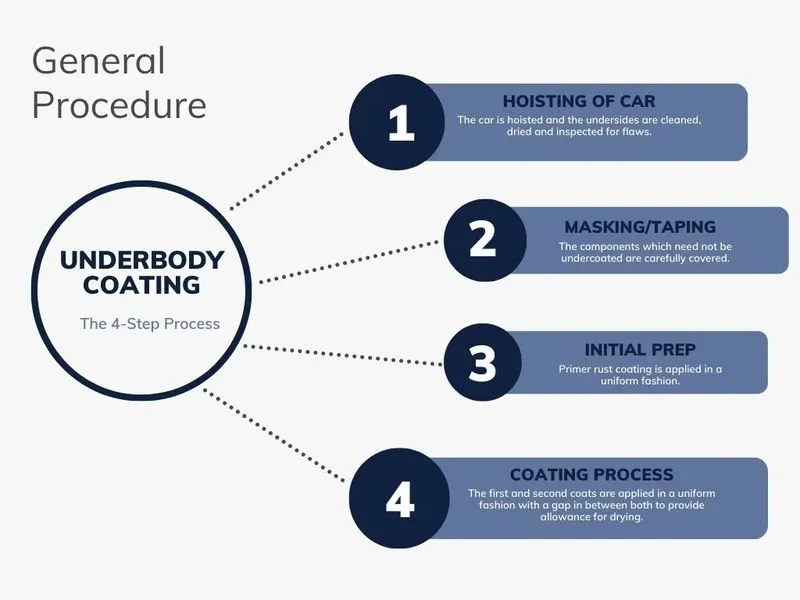
- As the first step of underbody coating, the underside of the car is washed using a pressurized water hose or a nozzle to get rid of any dried mud or dirt or debris from the undersurface.
- The car is then hoisted using a hydraulic lift in a garage or automotive shop, if the lift is not available the hoisting of the car can also be done using a proper jack-stand as well.
- Once lifted, wheels are removed to get full access to all the corners and wheel wells. A drop cloth is placed on the floor, under the car to collect any drips of coating.
- After that, the moist under surface is dried using a terry towel, compressed air and some fans to ensure that the area has no moisture remaining before applying the first coat.
- As part of the initial prep, all the electrical connections and exhaust system (exhaust pipes) are taped or masked to protect them from the coating. The exhaust system is covered. Later, zinc coating is used to cover the silencer and exhaust pipes after the film removal at the end of the process. Then, using a wire brush and sandpaper in some cases, rust and old flaky paint are removed.
- For cars that are heavily rusted, a rust primer is used prior to the application of underbody coating, which is usually a much less viscous liquid when compared to the actual coating and is brown in colour which is sprayed to all the areas that would be coated afterwards.
- Next, a preferred underbody coating (mostly rubberized coating) which is more viscous than the primer is used to cover the entire belly of the car using a spray gun in uniform thickness. The efficiency of the coating depends on the spray gun and also the skill of the worker applying the coat.
- Usually, this spraying process is done by holding the sprayer at a distance of 6-8 inches away from the coating surface, using about 50% overlapping motions. In this way, one full coat is done.
- After the first coat has dried completely, the above process of applying the undercoating is repeated to add a second coat.
- The application of the base coat might take anywhere between 45min-60mins depending on the car and skill which is then let to be dried for a half-hour (differs for each undercoat liquid) after which a second coat is applied.
- After the coating process, the spray gun and its components are cleaned using acetone. The quicker the cleaning is done, the better would be the cleaning results as the undercoat tends to dry fast when left idle which would then be hard to remove from the spray nozzles.
General Procedure
How often Underbody Coating needs to be Applied?
An underbody coating of any kind would last anywhere between 1~2 years before the underside of the vehicle is ready for the application of another coat. A customer needs to re-coat the underbelly every year to maintain optimum health and working condition.
The Types of Underbody Coating
Rubberized Underbody Coating
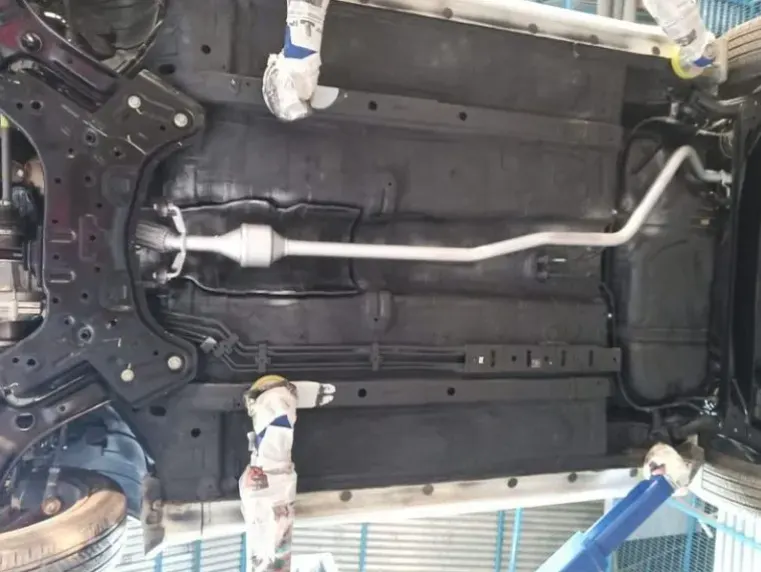
This is generally the best and mostly used underbody coating for protecting a car’s underbelly. It preserves the underbody well, protecting it from scratches. Applying this is also relatively an easier and hassle-free process.
Wax-Based Underbody Coating
This undercoating will wear away in a short time (usually a few months). On the upside, wax-based undercoating resists well against moisture and it is also the most affordable option out there.
Asphalt-Based Automotive Undercoating
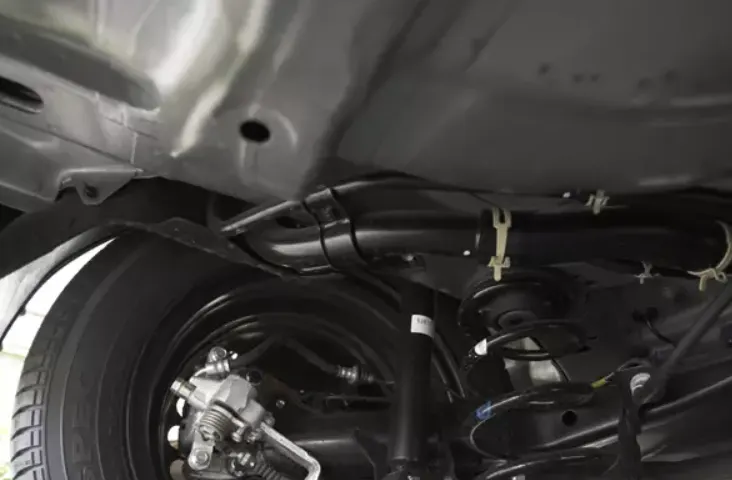
This variant of underbody coating is best suited for heavy vehicles as it provides a greater degree of protection compared to rubber-based coatings. However, asphalt-based coatings contain little amount of rubber for sound-insulation purposes. The application process is time-consuming and requires good skill.
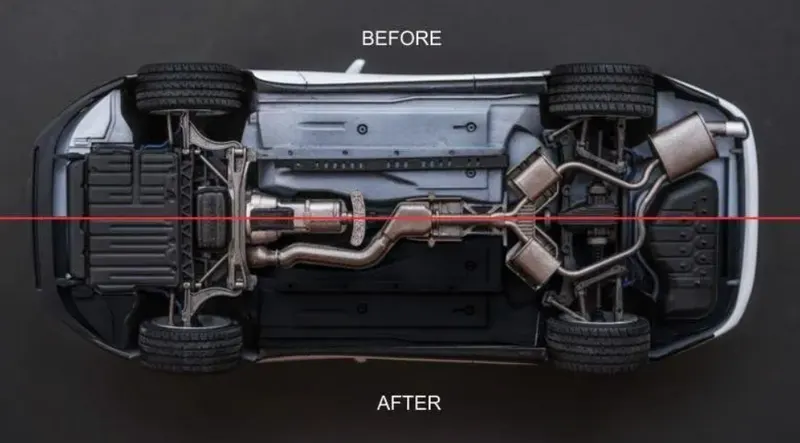
Polyurethane Underbody Coating
Offers good protection against corrosion. The speciality of this coating is that it bonds with the metal and closes up any minor fractures on the underbelly of the vehicle. In addition to that, polyurethane underbody coating also provides a feasibility to paint over it if that’s something the car and customer need.
Benefits of Underbody Coating
- Fights against rust.
- Has heat insulation properties.
- Has anti-chipping properties.
- Insulation and absorption of unwanted sound from the road.
- Prolongs car’s life.
- Acts as a reinforcement to the stock underbody coating.
Demerits of Underbody Coating
- There is a slight risk of damage during application if not done properly.
- Expensive. A typical underbody coating session would cost anywhere between (Rs.3000-Rs.6000) in India depending on the car.
- Not so long-lasting. Customer needs to re-do it every year for better results.
Some Companies that Provide Underbody Coating.
- 3M
- Rust-Oleum
- Elvi Bardahl
- Horizon
- Wuerth
- Penray
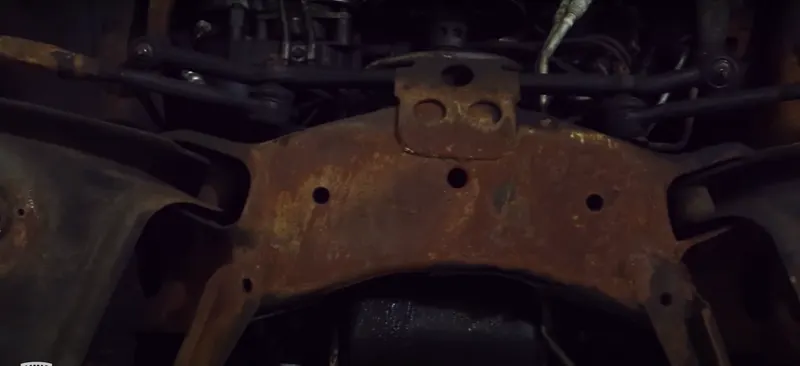
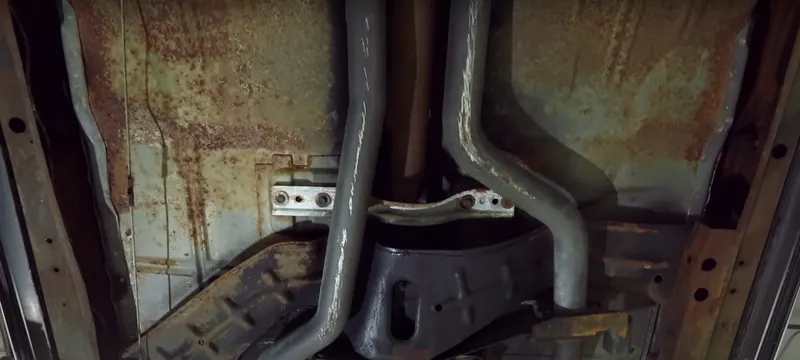
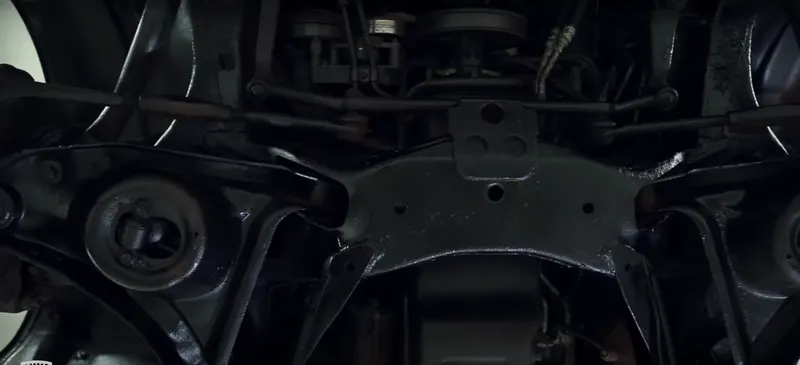
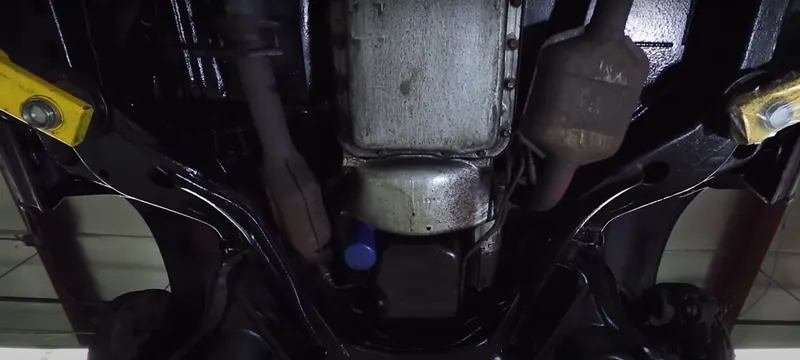
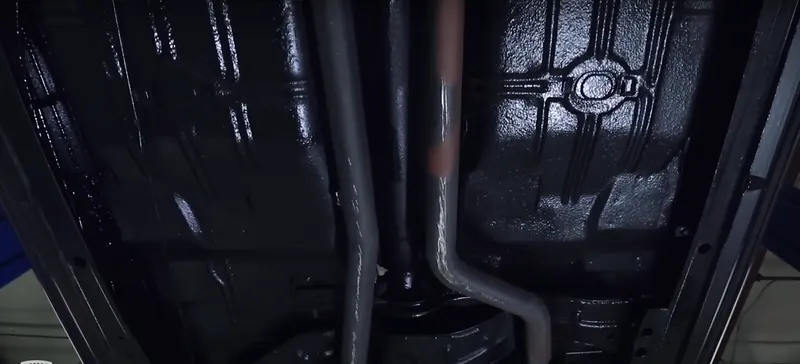
Before and After Images of a Rubberized Underbody Coating Done on a 10-Year-Old SS Impala
Before
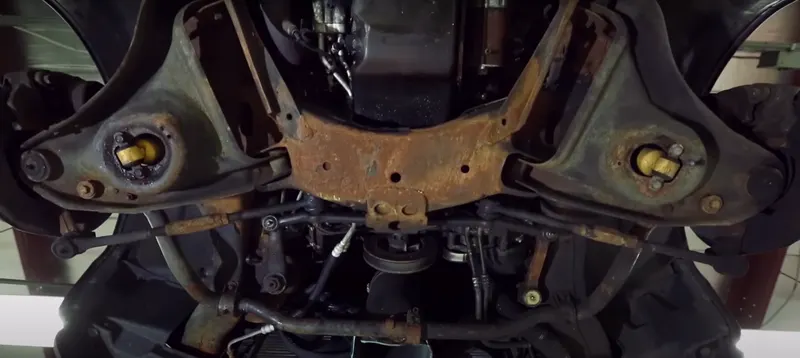
After
Conclusion
Thus, the significance, cost, types, merits, de-merits and brands of underbody coating have been explored and explained. Underbody coating keeps the underbody healthy by keeping the rust and other damages at bay and can also reduce wear and tear.