Underbody Coating
UNDER-BODY COATING:
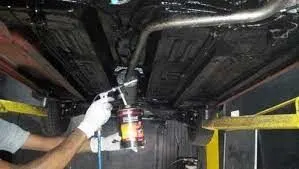
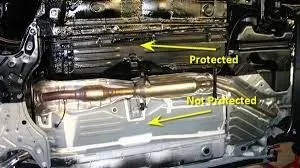
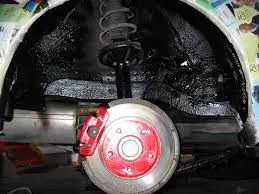
The process of applying chemical coating to the under carriage of the vehicle is Under-body coating. Underbody coating provides long term protection from corrosion to car’s underbody. It also protects parts like internal body panels, frame rails and other inner cavities that are not physically accessible but are prone to corrosion.
Pros
• Minimizes Sound: It minimizes the sound from underneath the car resulting a noiseless, smooth driving experience.
• Heat Insulation: It insulates the interior of the car from extreme temperatures from beneath the vehicle providing a comfortable cabin experience.
• Anti-chipping property: If any stone hits the coating it does not get chipped away hence protects the underbody from exposure to water.
Cons
- Lifespan: Undercoating prevents corrosion but depending upon where we drive it may have an impact on the lifespan of the coating.
- Damage: Undercoating will not help if corrosion already exists and the corrosion needs to be removed first before it can be applied, which can be expensive.
Types of Undercoating:
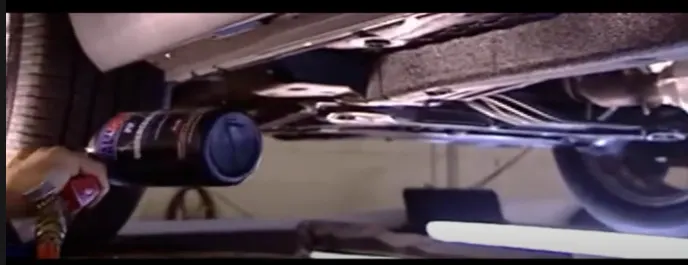
1. Rubberized undercoating: Provides all-weather protection against chipping, dust, salt, corrosion, and natural wear. It’s a combination of a spray on and easy brush formulation to provide the best finish.
Pros:
- Highly resistant to rust and corrosion.
- Forms a fully paintable layer.
- Suitable for all vehicle types.
- Protects your vehicle from natural wear.
- Sprays on easy.
- Dries quickly.
- Provides some measure of sound dampening, helping to reduce road-noise in the cabin.
Cons:
- More expensive than other undercoats.
- Doesn’t have great adhesion when used on an old undercoat or a greased surface.
- Short shelf life once opened.
- Doesn’t stick on greased surfaces.
- Takes too long to dry when sprayed on a car’s underbody.
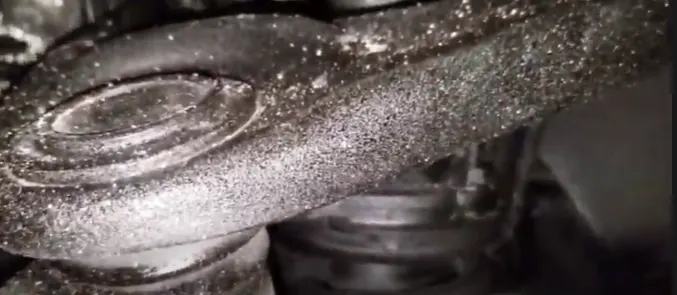
2. Poly-urethane undercoatings:
Polyurethane Undercoat is a two-pack modified polyurethane basedon the chemical reaction of
polyfunctional acrylic and isocyanate.
Polyurethane-based sealant is another popular option for vehicle undercoating. It’s effective and easy to apply, soaking into small seams and cracks in the underside of the vehicle, displacing salt and moisture, and bonding with and protecting the metal. Like rubberized coating, polyurethane undercoating can also be painted over, and even sanded. Unlike rubberized coating, however, it requires a fair amount of surface preparation before it can be applied, with sanding and an etching primer generally recommended before application.
3.Asphalt based undercoating:
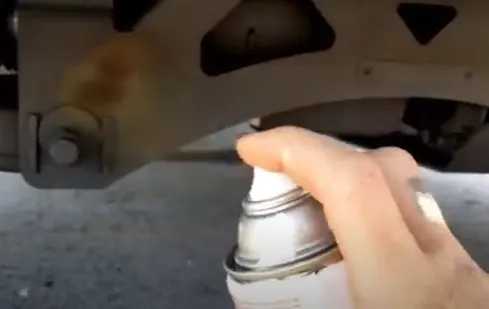
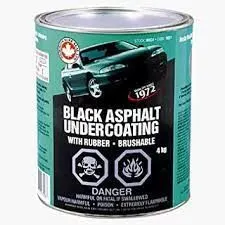
Asphalt-based undercoating is one of the strongest and most effective types of undercoating, often used for large trucks and heavy machinery. It needs more time to cure than the other types of undercoating available and can’t be painted, but it also provides better sound dampening than the other options.
Other undercoatings followed in Industries:
Other types of undercoating include paraffin and wax-based options, which are cheap and easy to apply, but need to be removed and reapplied at least once a year, and might not offer the same degree of protection as other options.