Underbody Coating
Underbody coating on Automobiles
Objective:
This report is to explain the details about underbody coating, its purpose, its types and its pros & cons which is followed in the automotive industry.
Description:
It’s important to protect all aspects of your vehicle from damage, rust and decay. From the windshield to the tires to the actual body of your car, automobiles need up keep to prevent them from becoming an undrivable pile of rust. All the moving parts work together to form a well-functioning and safe-to-drive whole, and it’s easy to forget about the things on your vehicle that you don’t see-like the underbelly or underbody. That’s where car underbody coating or undercoating comes into play.
Underbody coating:
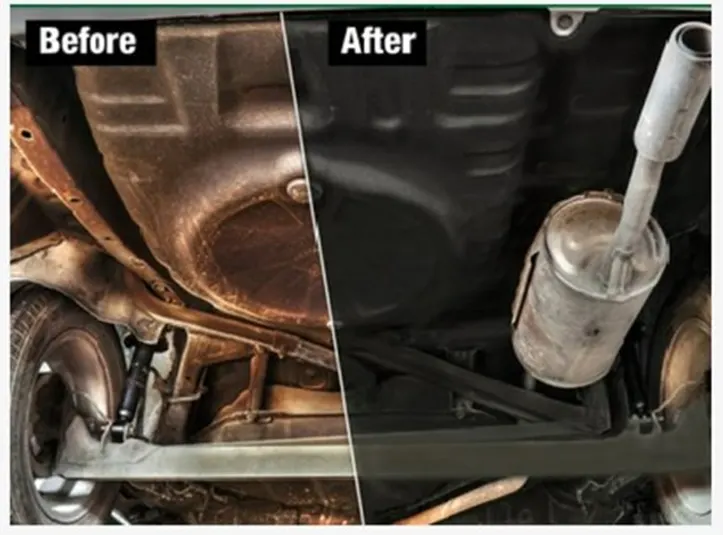
Undercoat or underseal, thick resilient coating applied to the underbody or chassis of an automobile to protect against impact damage from small stones. In Indian road conditions, a cars underbody is most prone to corrosion. Underbody coating provides long term protection from corrosion to car’s underbody. It also protects parts like internal body panels, frame rails and other inner cavities that are not physically accessible but are prone to corrosion.
No matter the climate, the underbelly of every vehicle needs proper care and protection. Undercoating or underbody coating helps protect your vehicle against rust and corrosion.
Seals on the underbelly parts have gotten a lot tighter and more effective at keeping out dust and moisture, but there are other factors to consider. Poor roads, rocks getting thrown from the tires and denting the metal, and corrosion from road salt in the winter all play a huge part in the damage or decay of a vehicle’s underbelly. Used vehicles especially will need a little underbelly protection-while it’s already been exposed to contaminants and rust, applying underbody coating will prevent further damage.
Purpose of underbody coating:
- To protect the underbelly or underbody of a car from dust, moisture and corrosion during the winter.
- Acts as a shield to protect the underbelly from rocks getting thrown from the tires and denting the metal.
- It is used as effective sound dampeners, because it reduce road noise and tyre noise and make the cabin seem quieter.
- It also reduces the overall vibration of the vehicle.
- Overall, it improves the vehicles life.
Types of vehicle underbody coating:
- Rubberized undercoating.
- Polyurethane undercoating.
- Wax or paraffin- Based undercoating.
- Asphalt – Based undercoating.
- Rubberized undercoating:
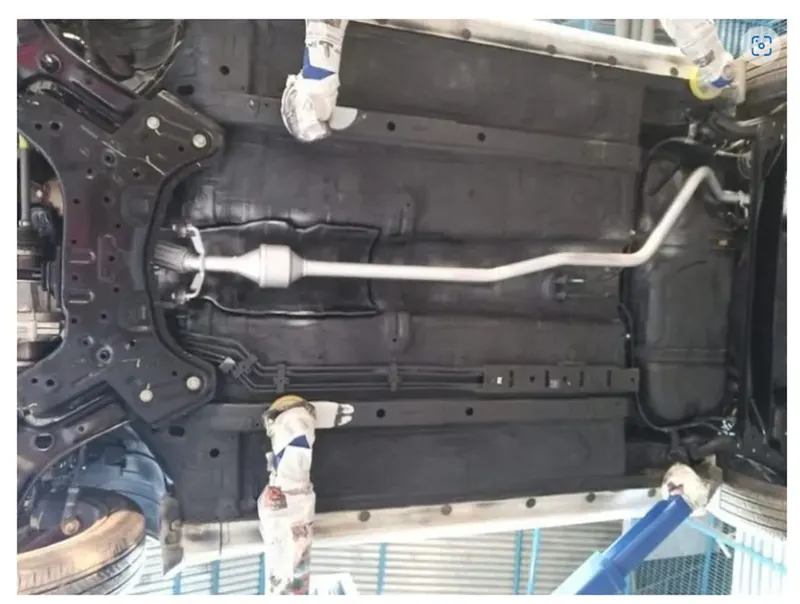
Rubberized vehicle undercoating is easy to apply and offers sound-cushioning as well as protection from dust, moisture and dings or dents.
In addition to your undercarriage, rubberized undercoating is also safe to use on wheel wells and quarter panels, and dries to a soft rubbery finish that prevents further rust, damage, or moisture seeps. The coating can be painted over and, if necessary for bodywork, can be easily removed with an undercoating removal spray.
Overall, rubberized coating is generally the best option for protecting your vehicle’s undercarriage, as it provides the simplest and best protective measures against rust and moisture.
- Polyurethane undercoating:
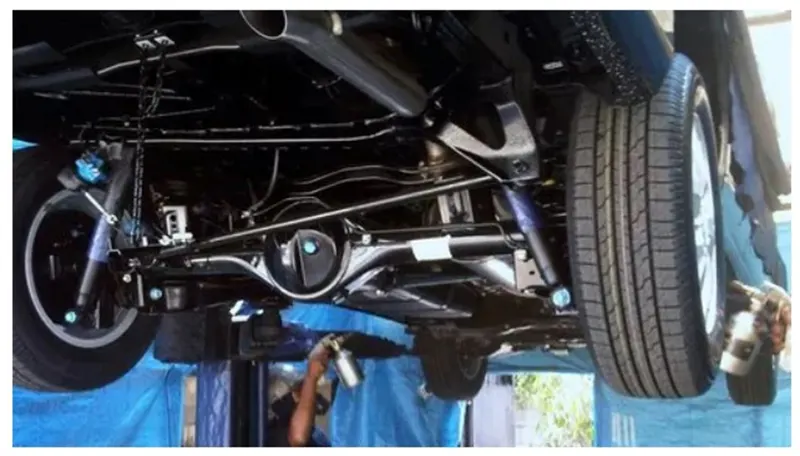
The other option for undercoating your vehicle is to use a polyurethane – based sealant. This type of vehicle undercoating is a little bit quicker and easier to apply.
Oftentimes, polyurethane undercoating will come in canisters ready to preload into an application gun. This type of sealant works by seeping into all cracks and seams, displacing salt and moisture and oozing around rusty areas to bond with and protect unoxidized metal. It also sands quickly in case you’ll need to perform bodywork and can be painted over.
On the flipside, this type of car undercoating generally requires a little bit more surface prep work before applying. Sanding and applying an etching primer to bare metals before using are generally recommended.
- Wax or paraffin – Based undercoating:
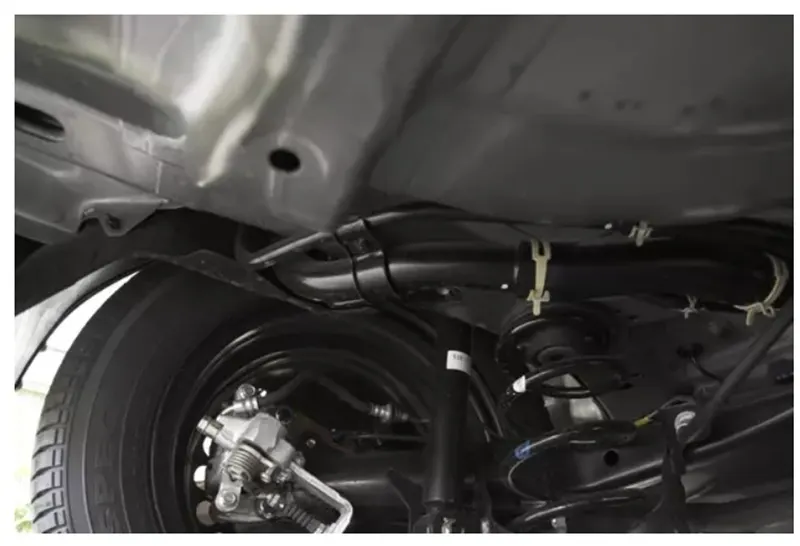
A paraffin – based undercoating will be the cheapest and quickest option available with which to protect the undercarriage of your vehicle. However, keep in mind that it will wear off quicker than other types of undercoating and will need to be stripped and reapplied at least once every year.
Wax – based undercoating never truly harden. During application, they drip or flow into seams and cracks to provide protective properties. They are usually available in a spray gun canister or in an aerosol can and offer at least a base protection in moderately humid climates.
- Asphalt – Based undercoating:
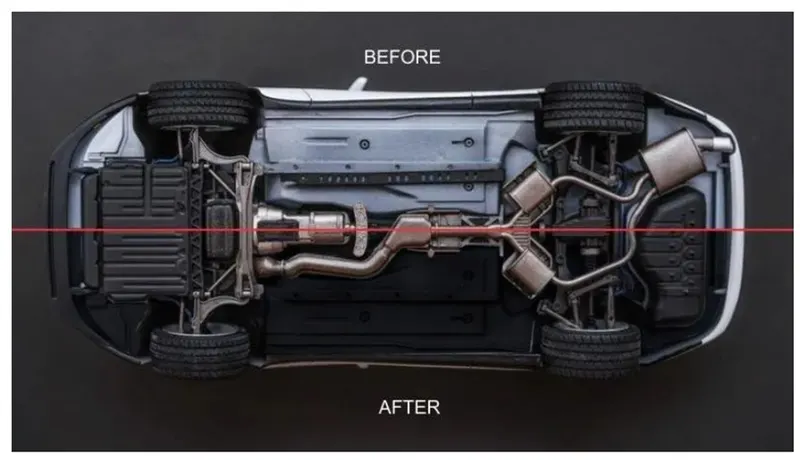
For standard vehicles, any of the aforementioned types of undercoating will provide sufficient protection. For large trucks and heavy machinery, asphalt – based undercoating provides a bit of extra durability against rocks, chips, and moisture.
Asphalt – based undercoating generally contains a little bit of rubberized material that sets up firmly and also helps soften noise. Generally sold in five gallon containers, this type of undercoating also needs more cure time than the other three, and is not paintable, making it best to use only for undercarriages.
Pros of vehicle underbody coating:
1.It provides a layer of protection against corrosion: - when an undercoating is properly applied to a vehicle, then you’ll be providing the underbelly with a layer of protection against rust and corrosion. Instead of coating the metal components of the vehicle, the debris encounter the undercoating, which then proactively repels the dangerous items away. Although an undercoating will eventually wear out, it can provide years of protection against premature corrosion.
2.It will extend the life of your vehicle: - a proper undercoating extends the life of your vehicle because of its rust-stopping power. Corrosion does more than affect the integrity of the metals in your vehicle. It can get into your metal wires and cables, affecting any component which is comprised of steel or aluminium. Even your transmission and engine have exposure to rust when there isn’t a vehicle undercoating applied.
3.It can be applied to damaged areas: - over time, the underbelly of your vehicle is going to develop nicks, chips and scratches because of the debris you encounter while driving unlike older forms of undercoating, which included the use of asphalt and animal fat, modern products provide a real layer of protection because it can morph into the various areas of small damage. A modern undercoating is usually wax-based, which creates a living barrier that your vehicle can use to promote self-healing experience.
4.It can be self-applied: - if money is tight, however, and you have some basic car maintenance skills, then you can do the work yourself. It makes the underbody coating cheaper.
5.There are multiple undercoating methods that can be used: - there are four different undercoating methods that are commonly used on vehicles that require this service.
The electronic method is used when rust is present to stop its corrosive effect, which is a method that receives mixed reviews.
A standard undercoating method applies a tar-like substance to the exposed components of the vehicle underbelly. A dripless oil spray applies a waxy substance that fills in the entire body of the vehicle, which hardens when it dries.
Then there is the drip-oil method, which may cause dripping for up to 48 hours when applied. From a cost perspective, it is this final option that is most often applied at the dealership.
6.It may help to reduce interior noise: - when you’re driving, the sounds of the road can be soothing if they aren’t too loud. For light weight vehicles, noise pollution can be overwhelming to the driver in some situations. Applying a layer of undercoating creates a barrier against the sound, which creates an interior that is quieter. After the service is performed, many drivers notice that audio levels are noticeably lower inside their vehicles.
Cons of vehicle underbody coating:
1.It is less helpful if corrosion is already present: - for an undercoating to be the most effective, it should be in place before the underbelly of your car begins to rust. If you apply it over corrosion, you will still isolate the metal from further moisture and airflow, which is good, but the existing oxidizing/rusting process will still continue to occur. After rust is already present, applying an undercoating will slow the continuation of the corrosion process and will make your vehicle look better… until the rust breaks its way through the layer of undercoating you’ve applied. If you have rust present, it is better to remove the rust and then apply the undercoating.
2.It works best on new cars: - if you’ve purchased a used vehicle, then the cost of preparing the underbelly for an undercoating might be more than the value of the car. You must remove all the residue from the bottom before it can be applied. Failing to do so will seal in the debris that is present already, which can lead to more problems. The best time to have an undercoating applied is when a vehicle is purchased new because it offers a superior level of protection then.
3.Most vehicles make it five years before corrosion begins to show: - for vehicle owners who purchase something new every 3 to 5 years, then undercoating may not be a good use of your cash. Although an undercoating does add value to a used car, that only applies when the undercoating does add value to a used car, that only applies when the rustproofing product used provides a transferrable lifetime warranty.
4.It adds weight to the vehicle: - although the amount of weight added to a vehicle with an undercoating is minimal, there is a small element of fuel economy to consider. When your vehicle weighs more, the distance you can travel on a single tank of fuel is reduced. The undercoating might reduce your efficiency by up to one mile per gallon, which creates a small additional fuel cost over time. Still, the effect on mileage of this additional weight is negligible compared to the effect a driver can have by the way they drive.
5.An undercoating is not impervious to damage: - an undercoating can provide a hardened layer of protection against dirt and debris that may cause corrosion. Depending on where you drive, however, the lifespan of this product may be minimal. If you drive your vehicle on gravel roads or dirty areas frequently, you reduce the integrity of the protective layer.
6.It must be reapplied every 3 to 5 years for the best results: - the only way for an undercoating to provide ongoing protection for your vehicle is to have the service repeated frequently. Most owners can have a new layer applied in about 5 years without worrying about their underbelly being compromised. In salty or destructive environments, however, you may need to have a new undercoating applied every 3 years for the best results.
Conclusion:
The underbody coating, its purpose, its types and its pros & cons are explained in detail with reference images in this report according to the automotive industry.