Underbody Coating
UNDER-BODY COATING:-
Underbody Coating is a sprayable coating, which protects the under surface of the vehicle from corrosion. Underbody coating provides long term protection from corrosion to car's underbody. It also protects parts like
internal body panels, frame rails and other inner cavities that are not physically accessible but are prone
to corrosion.
Protecting the underbelly of the car should be our top priority. Especially during monsoon when heavy precipitation causes the roads to become mini-rivers and our cars are left stranded there. This makes them
prone to heavy corrosion in the underbody region.
It protects the underbody substrates from:
- Environmental conditions
- Impacts
- Dampens sound and vibration
- Insulates against cold and heat
- Protects against Corrosion
- Seals off seams
- Hides welds, repairs & bodywork with spray
TYPES OF UNDERCOATING:-
Rubberized Undercoating:
- Rubberized Undercoating is easy to apply and offers sound-cushioning as well as protection from dust, moisture, and dings or dents.
- In addition to your undercarriage, rubberized undercoating is also safe to use on wheel wells and quarter panels, and dries to a soft rubbery finish that prevents further rust, damage, or moisture seeps. The coating can be painted over and, if necessary for bodywork, can be easily removed with an undercoating removal spray.
- Overall, Rubberized Undercoating is generally the best option for protecting your vehicle's undercarriage, as it provides the simplest and best protective measures against rust and moisture.
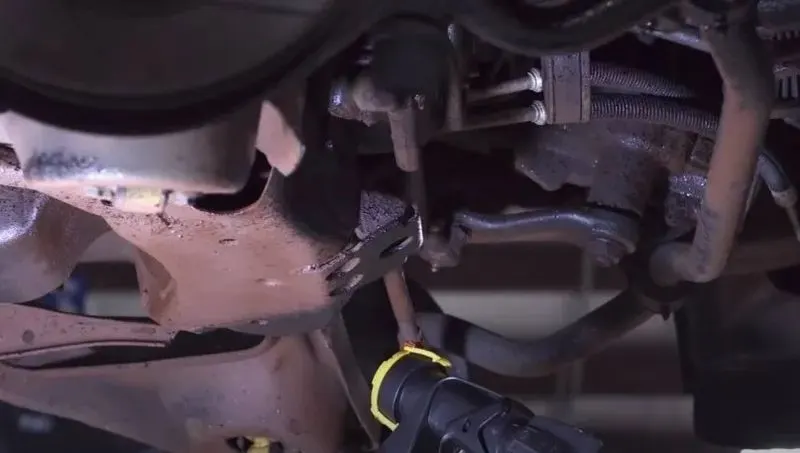
Polyurethane Undercoating:
- The other option for undercoating your vehicle is to use a polyurethane-based sealant. This type of vehicle undercoating is a little bit quicker and easier to apply.
- Oftentimes, polyurethane undercoating will come in canister preload into an application gun. This type of sealant works by seeping into all cracks and seams, displacing salt and moisture and oozing around rusty areas to bond with and protect unoxidized metal. It also sands quickly in case you'll need to perform bodywork and can be painted over.
- On the flipside, this type of car undercoating generally requires a little bit more surface prep work before applying- sanding and applying an etching primer to bare metals before using are generally recommended.
Wax or Paraffin-Based Undercoatings:
- A paraffin-based undercoating will be the cheapest and quickest option available with which to protect the undercarriage of your vehicle. However, keep in mind that it will wear off quicker than other types of undercoating and will need to be stripped and reapplied at least once every year.
- Wax-based undercoatings never truly harden. During application, they drip or flow into seams and cracks to provide protective properties. They are usually available in a spray gun canister or in an aerosol can and offer at least a base protection in moderately humid climates.
Asphalt-Based Undercoating:
- For standard vehicles, any of the aforementioned types of undercoating will provide sufficient protection. For large trucks and heavy machinery, asphalt-based undercoating provides a bit of extra durability against rocks, chips, and moisture. Asphalt-based undercoating generally contains a little bit of rubberized material that sets up firmly and also helps soften noise. Generally sold in five gallon containers, this type of undercoating also needs more cure time than the other three, and is NOT paintable, making it best to use only for undercarriages.
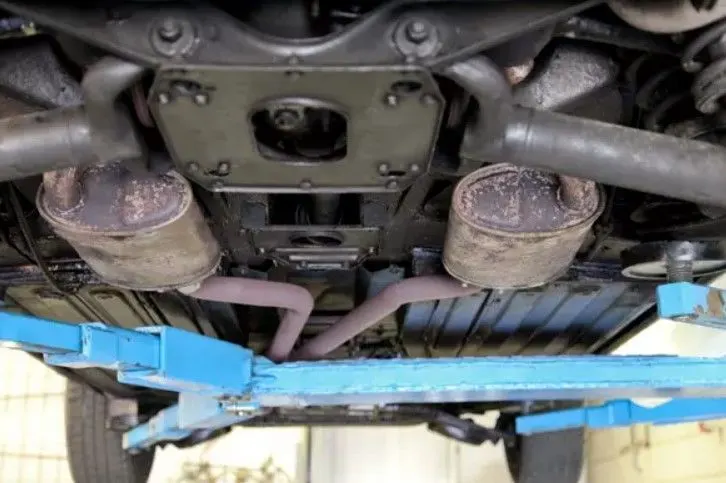
PROCESS OF UNDERCOATING
The current trends in automotive coating process are motivated by lowering manufacturing costs, delivering customer satisfaction via aesthetic features and corrosion protection, and mitigating
environmental concerns.
Modern automotive coating methods consists of five main steps. They include the following:
- Pre-treatment
- Electrodeposition
- Rust Roof Material
- Primer
- Topcoat
Pretreatment:- The first sequence in preparing the BIW for subsequent coating is pretreatment. Pretreatment removes & clean excess metal & forms an appropriate surface structure enabling bonding of a corrosion protection layer. It consists of cleaning the body surface to remove remaining oils from the stamping process &
welding residues through three primary liquid dip processes of degreasing, conditioning, & phosphating. Pre-treatment helps the primer to bond onto the metal.
Electrodeposition:- E-coating involves dipping automobile bodies into the coating solution & passing an electric current through the body & the liquid ED paint solution. Because of the charged nature of this coating process, the ED paint penetrates into places a spray would not reach. During operation, a mixture of resin, binder, & a paste containing the pigments is fed into the ED tank. The automobile body is lowered into the tank, & an electric current applied; the solution in the tank consists of 80-90% deionised water & 10-20% paint solids. The resin is the backbone of the final paint film & provides corrosion protection, durability, & toughness. Pigments are used
to provide colour & gloss. After E-coat, the automobile body enters a bake oven, in which heating & keeping at a temperature of 160_C for 10 min causes film curing to promote maximum performance properties.
Rust Roof Materials:- Sealer/PVC - The third step is underbody coating & seam sealing using PVC. Figure displays the lower door sections & rocker panel locations where PVC or urethanes are applied as an anti-
chipping protection, & shows the cross section of this layer with respect to the other coatings on the body parts.
Topcoat:- The final step in the body coating process is to apply the topcoat, which consists of two layers the basecoat & clearcoat.
PURPOSE:-
Fights Rust:- It plays an important role in keeping corrosion at bay. Underbody coating can come in handy especially if you live near the sea, where there is too much humidity, and rusting is just one of those everyday things. You should also seriously consider undercoating if you reside in a place where it snows in winter.
Absorbs Noise:- Believe it or not, very thick undercoating can soften the noises that reach the cabin. Since the undercoating is often made up of rubber it absorbs some of the rackets. The occupants of the car could spare themselves of the road noises - at least up to a certain extend.
Reinforcement:- If your car comes with stock underbody coating, using another coating on top of it, is not going to hurt. It will offer additional reinforcement, protecting the underbody from water, road debris, gravel and small pebbles. There would also be a lesser chance for the factory coat to flake away.
Prolong Car's Life:- Good undercoating not only defends the underbody from corrosion but also protects the engine and transmission as well! Less rusting coupled with slower wear and tear can surely add years to the lifespan of your vehicle. There would be fewer dents, dings and scratches on the undercarriage for you to fret about.
Heat Insulation:- It insulates the interior of the car from extreme temperatures from beneath the vehicle providing a comfortable cabin experience
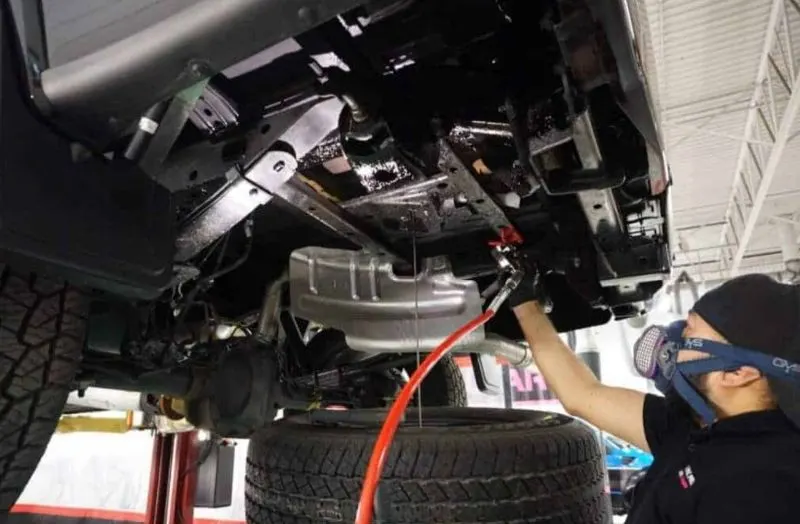
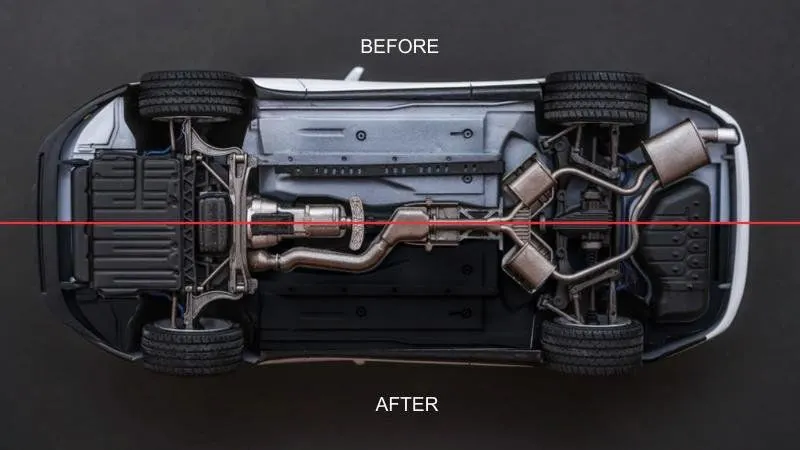
Pros-
- Minimizes Sound: It minimizes the sound from underneath the car resulting a noiseless, smooth driving experience.
- Heat Insulation: It insulates the interior of the car from extreme temperatures from beneath the vehicle providing a comfortable cabin experience.
- Anti-chipping property: If any stone hits the coating it does not get chipped away hence protects the underbody from exposure to water.
Cons-
- Allying underbody coating will not have any effect to the already corroded part.
- Undercoating is costly.
- Since the corrosion itself starts after few year,underbody coating is not preferable to ower who change their car after few year.