Underbody Coating
UNDER BODY COATING
what is underbody coating?
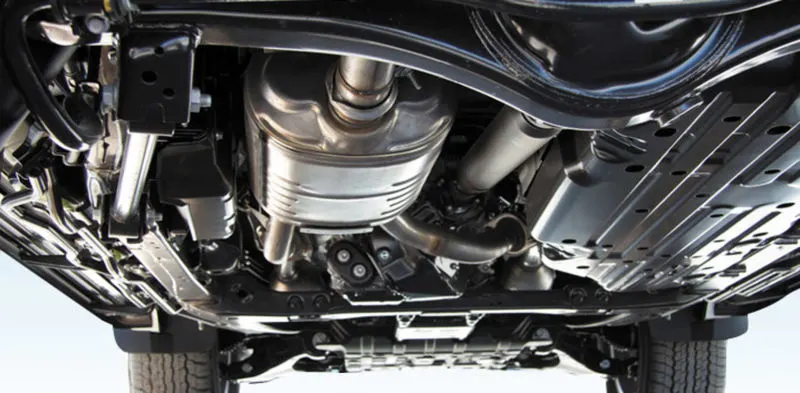
- This add-on is applied during the manufacturing or at your local car dealer , must have understood while reading up till here that it is applied as a protective layer for the undercarriage.
- The coating is the formulation of spray that is applied to the chassis protecting it from rusting. which reduces the road noise.
- Applying to undercoat, as soon as get a new car, is the best way to keep the chassis intact.
- An undercoating is a spraying accessory that protects the vehicle’s body underneath.
types of coating process
1. Spray
The spray is the most common method used by dealers. The spray consists of a tar-like substance that is applied to the undercarriage. It functions as a barrier for salt, moisture, and oxygen, which causes corrosion
2. Electronic
Removing the electrical current capacity of items underneath the vehicles is another method for applying to undercoat. A weak electric current circulates through the material, reducing the chances of rusting.
3. Drip Oil Spray
If you want to do it yourself, then drip oil spray is the best option.It covers every edges and corner of the chassis.
4. Dripless Oil Spray
The waxy substance is applied to the body and undercarriage, forming a strong protective layer. It doesn’t take much time to dry, however, the layer can easily wear and tear than the other methods.
Different Types of Vehicle Undercoating
1.Rubberized Undercoating
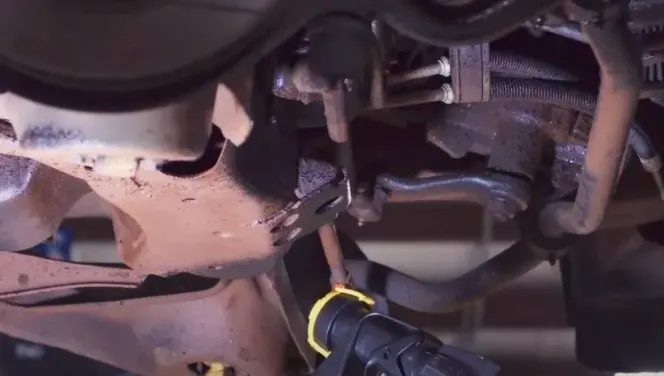
- Rubberized undercoating is easy to apply and offers sound-cushioning as well as protection from dust, moisture.
- In addition to your undercarriage, rubberized undercoating is also safe to use on wheels ,and prevents further rust, damage, or moisture. The coating can be painted over and, if necessary for bodywork, can be easily removed with an undercoating removal spray.
- Overall, rubberized coating is generally the best option for protecting your vehicle's undercarriage, as it provides the simplest and best protective measures against rust and moisture.
2.Polyurethane Undercoating
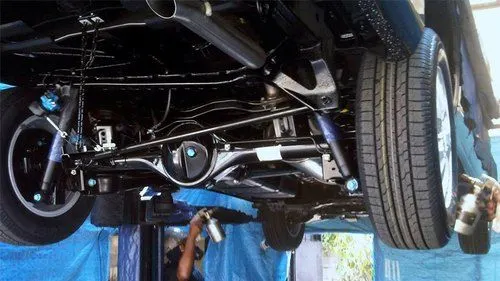
- The other option for undercoating vehicle is to use a polyurethane-based sealant. This type is a little bit quicker and easier to apply.
- On the flipside, this type of car undercoating generally requires a little bit more surface prep work before applying -- sanding and applying an etching primer to bare metals before using are generally recommended.
3.Wax or Paraffin-Based Undercoating's
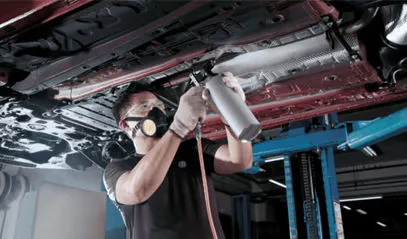
- A paraffin-based undercoating will be the cheapest and quickest option available with which to protect the undercarriage of your vehicle. However, keep in mind that it will wear off quicker than other types of undercoating and will need to be stripped and reapplied at least once every year.
- Wax-based undercoating's never truly harden. During application, they drip or flow into seams and cracks to provide protective properties. They are usually available in a spray gun canister or in an aerosol can and offer at least a base protection in moderately humid climates.
4.Asphalt-Based Undercoating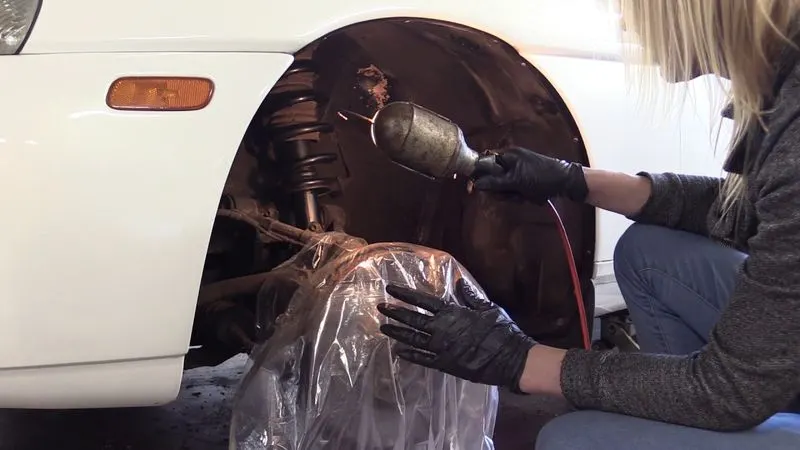
- Asphalt-based undercoating generally contains a little bit of rubberized material that sets up firmly and also helps soften noise. Generally sold in five gallon containers, this type of undercoating also needs more cure time than the other three, and is NOT paintable, making it best to use only for undercarriages.
The advantages of Undercoating Your Car
1. undercoating are the protection it provides to the carriage of your vehicle.
2. Undercoating gives you an extra layer of protection against rust and corrosion, protecting cars.
The Disadvantages of Undercoating
- The undercoating or rustproofing spray is very much expensive. However, it is nothing when you compare it with the cost of replacing a vehicle after corrosion.
- Undercoating will not help you if corrosion already exists and the corrosion needs to be removed first before it can be applied