Underbody Coating
Underbody coating automotive
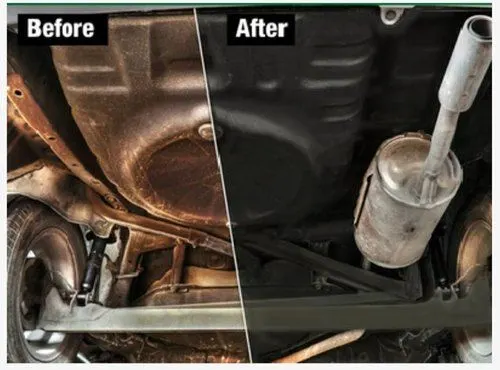
- Underbody coating provides long term protection from corrosion to car's underbody. It also protects parts like internal body panels, frame rails and other inner cavities that are not physically accessible but are prone to corrosion
Process of underbody coating automotive
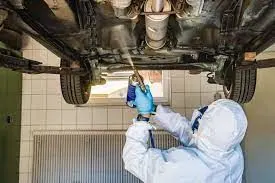
- Underbody coating is usually a dense cladding (often based on rubber) applied uniformly to the undercarriage of the automobile. It is normally sprayed or painted on when the car is just out of the dealership and is clean. But even if you are getting the undercoating applied after a couple of years, it's fine too
Types of underbody coating
- Rubberized Underbody Coating.
- Wax Based Underbody Coating. ...
- Asphalt Based Automotive Undercoating. ...
- Polyurethane Underbody Coating.
Rubberized Undercoating
- Overall, rubberized coating is generally the best option for protecting your vehicle's undercarriage, as it provides the simplest and best protective measures against rust and moisture
How long does rubberized undercoating take to dry?
- Dry and recoat times are based on 70°F (21°C) and 50% relative humidity. Allow more time at cooler temperatures. Dries to the touch in 30 minutes. Can be recoated in 1-2 minutes and is fully dry in 24 hours.
Benefits of underbody coating
- Sound Dampening. The undercoating of a vehicle can help lessen the road noise heard within the cabin.
- Provides Stability. While adding weight to a vehicle may not sound like a good thing, it can be when it comes to safety. ...
- Rust & Corrosion Prevention.
Disadvantages of underbody coating
- Nothing comes for free in this world. The same goes for undercoating. The undercoating or rustproofing spray is heavy in pockets. However, it is nothing when you compare it with the cost of replacing a vehicle after corrosion