Underbody Coating
Underbody coating
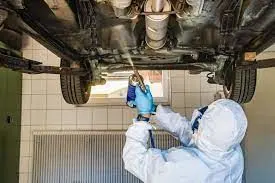
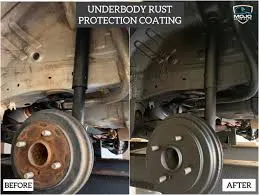
It is the process of coating the vehicle before painting so that it is protected from the corrosion.
The process used is Electrodeposition coating by dipping the whole BIW inside the liquid with some angles so that each and every part of the vehicle is been coated.
It also protects parts like internal body panels, frame rails and other inner cavities that are not physically accessible but are prone to corrosion.
Types of underbody coating
1. Rubberized Undercoating
This is the best underbody coating for your car. It preserves the underbody well, protecting it from scratches. Applying this to the undercarriage is not much of a inconvenient either.
2. Asphalt Based Automotive Undercoating
Best suited for lorries, trucks and large vehicles this provides a greater degree of protection compared to rubber-based coatings. However, asphalt-based coatings contain little amounts of rubber for sound-insulation purposes. The process of applying this coating is a bit time-consuming though.
3. Wax Based Underbody Coating
This undercoating will go away in a few months’ time. On the upside, wax-based undercoating puts up a big fight against moisture. It is also the most affordable option out there.
4. Polyurethane Underbody Coating
This coating closes up splits and fractures on the underbody of the vehicle. It offers up good protection against corrosion and also bonds with the metal.
Advantages of Underbody Coating
- It extends the life span of the car
- No more road noise
- Prevents from corrosion of the parts.
- It helps the vehicle from getting scratches if a stone hits the Underbody by which the water won't get inside the car body.
- It helps the paint to absorb properly.
- It protects the inner cabin from heating when exposed to sun.
Disadvantages of Underbody coating
- These spray or the process of the coating is ver costly but spending money in it instead of replacing with a new part is worthy.