Underbody Coating
Underbody Coating
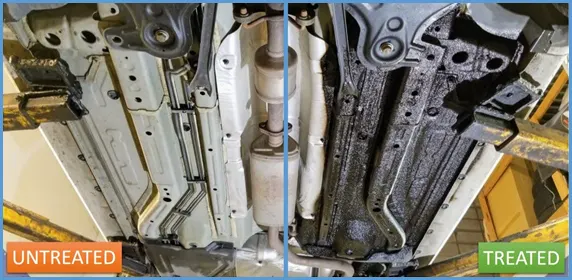
Introduction:
- The underbody of car is always exposed to muddy water, stones, and potholes, which makes it prone to wear and tear, finally it leads to corrosion and rusting.
- It is practically not possible to inspect bottom of our car on daily basis, and is obvious to get easily unnoticed.
- Underbody coating is a protective layer which is sprayed or painted underneath of car, which helps to prevent it from rusting and corrosion.
- When applying underbody coating, preparing the surface is very important remove all dirt and degrees the surface.
- The surface should be completely dry before applying the underbody rust proofing coating. Otherwise, surface moisture can become trapped in between chassis and protective layer that may lead to rusting.
- Finally masking should be done on the areas where undercoating is not required to avoid overspray.
Types of Underbody Coating:
- Rubberised undercoating
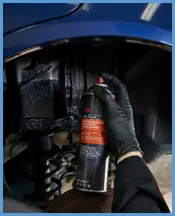
Rubberized undercoating is easy to apply, and generally offers the best protective coating for car’s undercarriage. It cushions surfaces against moisture, rust, and dents. Rubberized undercoating is safe to use on quarter panels and wheel wells and dries with a soft rubbery finish.
- Wax or Paraffin based undercoating
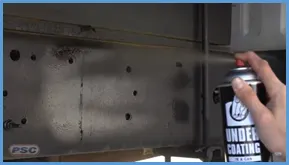
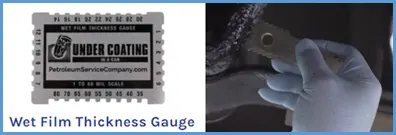
Wax or paraffin-based undercoating sprays are the cheapest and quickest options available. However, their results don’t last long, and you may have to apply a fresh coat after only a few months. Its main advantage is that it seeps quickly into cracks and seams, and offers moderate protective properties against moisture.
- Polyurethane undercoating
Polyurethane coating is easy to apply and works by sealing up cracks and seams. The compound displaces salt and moisture and protects the unoxidized metal from rust. It requires degreasing and applying an etching primer to the bare metal before application.
- Asphalt based undercoating
Asphalt-based undercoating offers a higher level of protection suitable for large trucks and heavy machinery. Asphalt-based undercoating generally contains rubberized material that sets up firmly and also helps reduce noise. It offers extra protection against chips and moisture but is not paintable and, therefore, only suitable for undercarriages.
- Electronic and Eco-friendly Solution
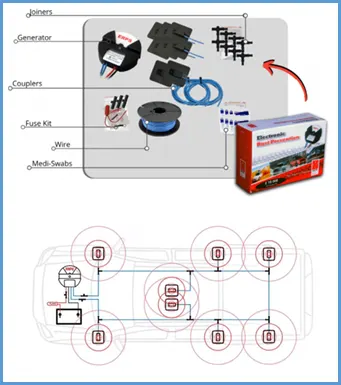
An electronic rust module installed on a vehicle prevents rusting. Whenever the protective coat of the paint is broken, the underlying sheet metal is exposed starting the corrosion process. Electronic Rust Protection either supplies an overabundance of free flowing electrons onto the exposed sheet metal prevents the oxidation process or combines strategically placed positively charged anodes to draw the current away from exposed areas.
This technology is environmentally friendly and alternative method that offers consumers a clean way of protecting their vehicles from corrosion. Most modules are also transferable to another vehicle.
Advantages of Underbody coating
- Protects against Rust & Corrosion
The primary objective of getting underbody coating done is preventing metal components that are exposed on the bottom side of the car to damage from corrosion.
- Reduces NVH Levels
Undercoating your vehicle can reduce noise inside the car while you’re driving. The coating creates a sound barrier meaning the interior of the car will be quieter.
- Prevents Paint Chipping
A car’s underbody is exposed to muddy water, potholed roads, stones and other obstacles which may result in chipping of paint, Underbody coating absorbs such impacts and prevents chipping of paint.
- Extend the Life of Vehicle
Good undercoating not only defends the underbody from corrosion but also protects the engine and transmission as well, less rusting and slower wear and tear can surely extend lifespan of your vehicle.
Dis-Advantages of Underbody coating
- If corrosion is already present, it will only lower the rate of rusting.
- A third-party undercoating service might affect vehicle’s warranty
- Overall weight of vehicle is increased.
- It can be expensive.
Conclusion:
- Vehicles in coastal areas and which are more exposed to un-paved or muddy roads are much more prone to corrosion than in any other region. It is advised that vehicles on such areas should consider Underbody coating as a preventive maintenance.
- Underbody coating provides protection against rusting, reduces NVH levels, and protects paints from chipping by absorbing impact of pebbles hitting underneath the car.
References: