Underbody Coating
UNDERBODY COATING
Underbody coating your vehicle can protect it from corrosion and rust. This is especially important for the undercarriage of your vehicle, which encounters with substances such as water, chemicals such as salt, and other dirt and debris from the road.
There are many types of underbody coating that can help the vehicle to go through different conditions of the commute.
- Rubberized Undercoating
- Asphalt-Based Undercoating
- Polyurethane Undercoating
- Wax or Paraffin-Based Undercoating
- 3M Undercoating
- Pen ray Undercoating
- Rust-Oleum Undercoating
Rubberized Undercoating
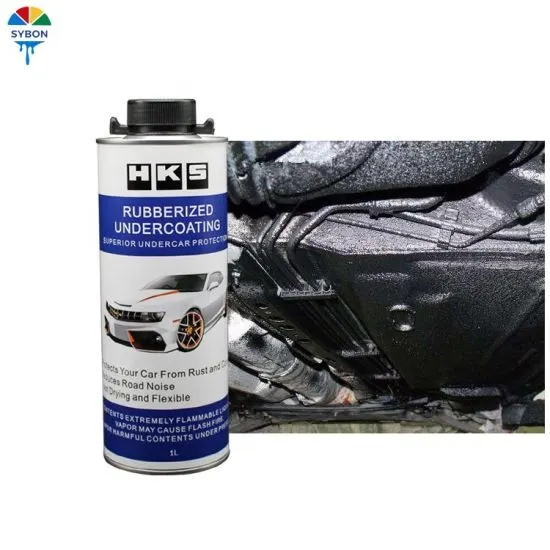
Rubberized undercoating is easy to apply, and generally offers the best protective coating for undercarriage.
Asphalt-Based Undercoating
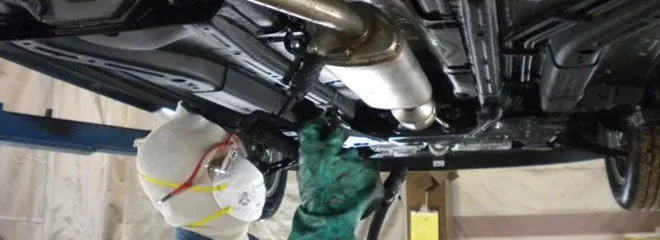
This type of undercoating is done to vehicle that has a asphalt drive for daily commute.
Polyurethane Undercoating
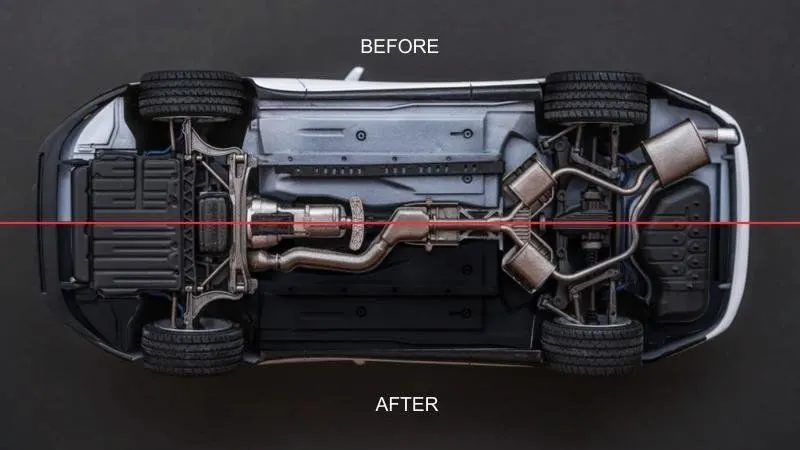
This coating is very helpful in preventing corrosion and thereby prolonging vehicle's life.
Wax undercoating
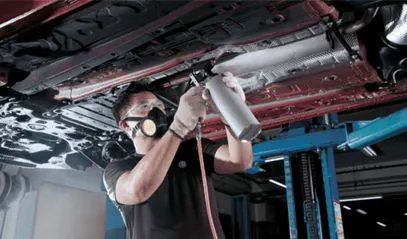
This type of coating is done to vehicle for the prevention of rust and corrosion.
PROS OF UNDERBODY COATING
- It can help prevent the underbody of the vehicle to rust and corrode due to the environment it travels around.
- it can reduce the wear of the parts by not allowing it to rust.
- A very thick underbody coating can reduce the noise coming from the underbody.
- it can prolong the vehicle's life.
CONS OF UNDERBODY COATING
- The cost of underbody coating is a bit higher.